

Betwa River Activities in Orchha: Rafting, Boating & Riverside Experiences

Rohan Malhotra
February 22, 2026
Plan Betwa River activities in Orchha with practical timing, safety checks, route structure, and budget-aware execution tips.
Introduction
Betwa River activities are one of the strongest experience layers in Orchha because they combine landscape, light outdoor movement, and heritage context in one compact zone. First-time visitors often either overestimate adventure intensity or underestimate safety and seasonal variation. A better plan is to choose activity style by weather, skill comfort, and available time.
For complete route design, combine this with Orchha Fort, stay planning from hotels in Orchha, and spiritual add-ons in temples in Orchha. This guide covers activity options, timing, safety discipline, budget, and one-day sequencing.
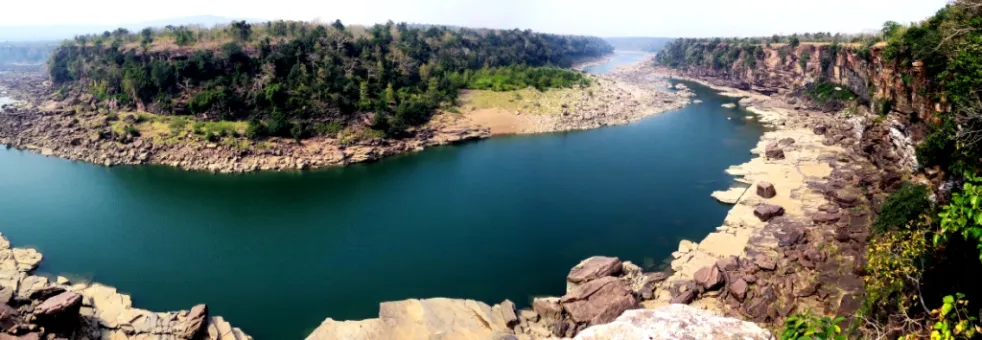
Betwa River Overview
The Betwa section near Orchha supports a mix of calm scenic observation and controlled activity experiences depending on season and local conditions. The river corridor can be visually dramatic during favorable light, especially around morning and late afternoon windows. Activity suitability changes with flow and weather, so planning should remain adaptive.
Treat the river as a dynamic environment, not a static attraction. Condition checks on the day matter more than generic assumptions.
Activity Options and Suitability
Common experiences include river-view walks, boat-based options where available, and viewpoint sessions combined with photography. Some seasons or operators may support higher-adventure formats, but visitors should verify safety practices, equipment status, and local guidance before committing.
Families and first-time visitors usually get best outcomes from low-risk scenic formats with conservative timing. Adventure-seeking groups can add more activity only after verifying on-ground conditions.
| Activity Type | Best For | Risk/Planning Note |
|---|---|---|
| River-view walks | All traveler types | Low risk with basic footwear care |
| Boat or guided river session | Families and mixed groups | Verify operator safety and timing |
| Adventure add-ons | Experienced travelers | Condition-dependent; avoid impulse booking |
Best Season and Time Windows
Cooler and shoulder conditions generally improve comfort for river-side time, while extreme heat requires shorter exposure windows. Monsoon or high-flow periods may alter activity availability and movement safety. Always adapt plans to live advisories rather than fixed assumptions.
Morning and late afternoon usually provide better comfort and visual quality than harsh mid-day windows.
Safety and Preparation Checklist
Carry grip footwear, hydration, sun protection, and basic medical essentials. Keep electronics protected in dry pouches. If using local operators, ask concise questions on equipment checks and emergency protocol. Clear answers are a good quality signal.
Avoid risky edge positioning for photos, especially on wet or uneven surfaces. Safe composition from secure points generally gives better results.

Orchha Itinerary Combinations
A practical one-day model: heritage block in morning, Betwa activity block in late afternoon, and evening closure in town. This sequence balances energy and avoids hottest windows for river-edge movement.
If transfers delay your first block, simplify quickly and preserve one high-quality river session instead of forcing all optional stops.
Budget and Local Transport
Budget should include local transfers, activity tickets or guide fees, hydration/food, and contingency for schedule changes. Keeping category-based budget control prevents end-of-day overspend.
Use pre-confirmed transport when possible, especially if your itinerary includes strict onward departure times.

Common Mistakes
Common errors include overpacking activities in one block, skipping safety checks, and assuming all options are available year-round. Another frequent issue is starting too late and losing prime light plus comfort windows.
Correct these with anchor-first planning: one core activity, one support activity, and one fallback option.
Operational Planning Layer
High-performing travel days are built through operational clarity, not destination count. Start with one anchor objective for each half-day and keep all secondary stops optional. This protects trip quality when weather changes, queues expand, or transport slows. The anchor-first model is especially effective in mixed-interest groups where pace and priorities differ. If one delay appears, simplify early and preserve the most meaningful experience instead of forcing checklist completion.
Use zone clustering to control movement fatigue. Keep activities within one geographic cluster per time block and avoid repeated cross-zone jumps. This lowers transfer stress and gives more time for actual on-ground depth. Most rushed itineraries fail because transitions consume energy that travelers expected to spend at destinations. Clustering is the easiest upgrade for better outcomes without increasing budget.
Build two buffers into every day. A micro-buffer of 10 to 15 minutes between transitions handles minor delays. A macro-buffer near end of day protects return logistics and allows reflective closure. If conditions remain favorable, convert spare buffer into deeper time at one high-value stop. Depth usually creates better memories than adding one extra low-value location.
In group trips, assign simple roles: navigator, timekeeper, and confirmations lead. Role clarity cuts repetitive discussion and keeps movement smooth. If someone needs extra time, use pre-decided regroup points rather than ad hoc waiting patterns. This reduces confusion in crowded environments and improves safety for families with children or elders.
Budget discipline should prioritize certainty. Spend first on reliable transport, verified bookings, and essentials that directly affect comfort and safety. Keep a contingency reserve for route changes or unexpected costs. Travelers who protect certainty generally finish trips with stronger outcomes and fewer stressful compromises. Impulse spending is easiest to avoid when priorities are set before departure.
End each day with a short retrospective: what worked, what delayed, and what to adjust tomorrow. This five-minute habit compounds quickly and improves every subsequent day. With this method, even dynamic destinations become easier to navigate, and your itinerary evolves from reactive movement to intentional, high-quality travel execution.
Extended River-Day Execution Notes
For stronger outcomes, define your river-day objective before arrival: scenic relaxation, light activity, or adventure-focused session. This prevents random decisions and improves time use. If weather shifts, convert to low-risk scenic mode and preserve schedule reliability.
Keep one final buffer before evening transit. River-side plans often run longer than expected due to location transitions and photo pauses.
Deep Execution Framework
Strong outcomes in destination travel come from disciplined execution loops. Start by defining one non-negotiable anchor for the day and two optional support points. Keep all optional points removable without emotional loss. This helps when real conditions diverge from plan, which is common in live travel. Weather, queue behavior, local events, and transfer delays can each change your best move within minutes. When your plan is modular, adaptation is fast and calm.
Use a three-check rule before every transition. Check one: condition status (weather, crowd, safety). Check two: timing status (remaining daylight, next commitment, transfer estimate). Check three: energy status (group comfort, hydration, attention level). If any check is weak, reduce complexity immediately. Travelers often delay simplification and then lose quality across the full day. Early simplification preserves the experiences that matter most.
For group travelers, establish simple coordination protocols: one lead for navigation, one for timekeeping, one for booking and payment confirmations. Define regroup points before splitting for photos or short exploration. In mixed-age groups, add fixed rest checkpoints at predictable intervals. These small systems prevent confusion and reduce the hidden stress that often appears late in the day when people are tired and decisions become reactive.
Budget control is easier when mapped to outcomes. Allocate spend bands for transport reliability, core entry/experience, meals, and contingency. Keep discretionary spending in a separate flexible band. This protects essential quality even if costs rise unexpectedly. A contingency reserve is not optional in dynamic destinations; it is the tool that allows safe and timely route corrections.
Documentation discipline also improves execution. Keep tickets, IDs, addresses, and contact numbers available offline. Save at least one screenshot per key booking and one fallback transport option per major zone. Connectivity can fail at inconvenient times, and offline readiness turns potential delays into minor adjustments.
Close the day with a five-minute debrief: identify one decision that improved quality and one that reduced it. Then adjust tomorrow’s plan using those insights. This daily feedback loop compounds quickly and creates consistently better travel days, regardless of destination style.
Applied Planning Examples
Example one: if your first stop overruns by thirty minutes, drop the lowest-value optional stop rather than compressing every subsequent block. Example two: if crowd pressure rises unexpectedly, shift from multi-point movement to one-depth mode and hold position until flow improves. Example three: if weather worsens, switch to conservative, low-risk experiences and preserve timely return. These examples seem simple, but using them consistently is what separates stressful days from stable and meaningful travel experiences.
The final principle is intent alignment. Reconfirm what the day is for: devotion, photography, leisure, or activity. When decisions get difficult, choose the action that best protects that intent. This keeps travel coherent and helps every time, budget, and energy choice move in the same direction.
Practical execution improves when you confirm one final fallback option before starting your last transition of the day. A fallback may be a nearby alternate stop, an earlier return, or a simplified closure plan. This single backup decision protects both safety and experience quality when conditions shift unexpectedly. Keep communication clear with your group and ensure everyone understands the next checkpoint and timeline.
Before ending the day, confirm your next transfer and share the plan with everyone traveling with you. Clear communication reduces last-minute confusion and keeps the itinerary stable.
Keep a small time reserve for safe closure and calm transitions. Finishing with margin protects both schedule reliability and overall travel quality.
Location
Frequently Asked Questions
Q1.What are the top Betwa River activities in Orchha?
Q2.What is the best time for river activities?
Q3.Are Betwa activities safe for families?
Q4.What budget should be planned?
Q5.Can river activities be combined with Orchha Fort visit?
Q6.What should travelers carry?
Q7.Is monsoon suitable for Betwa River visits?
Q8.What common mistakes should visitors avoid?
Recommended For You

Best Time to Visit Rajasthan: Weather by City & Ideal Travel Months
Plan the best time to visit Rajasthan with season-wise weather, month-by-month insights, activity timing, festival impact, and smart itinerary guidance.

Things to Do in Patna: Heritage Walks, Museums & Riverfront
Explore top things to do in Patna with historical landmarks, museum stops, Sikh heritage sites, and practical one-day or two-day planning tips.

Great Himalayan National Park: Trek Routes, Permits & Wildlife
Explore Great Himalayan National Park (GHNP): UNESCO World Heritage Site in Kullu. Complete guide to trekking routes, wildlife spotting, permits, best time to visit, and accommodation.
Never Miss an Adventure
Get the latest trekking guides, travel tips, and exclusive offers delivered straight to your inbox.