
Dabhol Cave Sculptures: Maharashtra's Hidden Rock-Cut Heritage

Rohit Verma
December 10, 2025
Discover Dabhol cave sculptures in Maharashtra's Konkan coast. Explore medieval rock-cut heritage, history, travel guide & nearby attractions.
Dabhol Cave Sculptures Heritage Guide
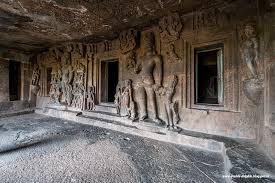
Dabhol Cave Sculptures are an underrated heritage stop for travelers interested in rock-cut art beyond mainstream circuits. The site rewards visitors who enjoy quiet monuments, textured stonework, and less-commercial exploration. If you usually visit only famous cave destinations, adding Dabhol gives useful contrast in scale and atmosphere.
A practical way to frame the visit is to compare it with larger cave complexes like Ajanta and Ellora and Badami Caves. This helps you understand regional variation in carving style and conservation condition.
Historical and Cultural Context
The cave zone reflects a period when carved spaces served devotional and community roles, while also signaling local patronage. Unlike monumental imperial complexes, sites like Dabhol often preserve a more intimate scale of sacred architecture. This makes them useful for reading everyday religious history rather than only grand political statements.
Local narratives and fragmentary records may vary, so visitors should combine on-ground interpretation with careful observation of iconography and structural layout. The value of the site lies in its layered continuity and local cultural memory.
What to Observe On-Site
Start with the facade and entry zone before moving to interior sections. Note pillar form, wall recesses, and surviving carved motifs. Weathering patterns themselves are informative because they show material vulnerability and conservation pressure.
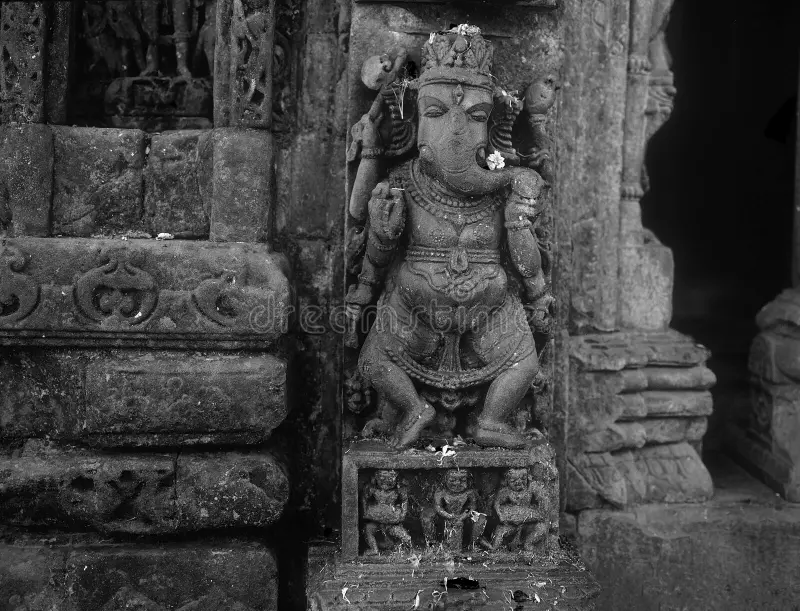
Inside, focus on surviving deity forms, framing details, and tool-mark textures where visible. Even partially damaged panels can reveal composition logic if viewed patiently. Avoid rushing for only wide photographs; close reading is where this site becomes rewarding.
Best Time to Visit
Cooler months from October to February are usually most comfortable. Mornings provide softer light and lower humidity stress, especially if you are spending time on detailed viewing and photography. Monsoon can create dramatic surroundings but may reduce footing safety in certain approach sections.
Carry water, footwear with grip, and basic sun protection. This is especially important because amenities around less-commercial sites can be limited compared with mainstream ticketed monuments.
How to Reach and Plan Transit
Route planning depends on your base city and road condition at time of travel. Most travelers use private vehicle or hired cab for schedule control. Public connectivity may be possible in parts, but last-mile transfers can consume time.
If you are doing a cave-focused regional loop, combine Dabhol with Kanheri Caves or Edakkal Caves on separate days rather than attempting unrealistic same-day long-distance combinations.

Photography Tips
Use side-light whenever possible to reveal carving depth. Harsh overhead light can flatten relief details, so plan around morning or late-afternoon windows. A mix of wide-context shots and close-detail frames gives a better storytelling set.
Keep ISO flexible for interior shots and avoid flash where it can disturb site atmosphere or other visitors. Respect no-entry or restricted zones and do not climb on carved surfaces for angles.
Nearby Add-Ons and Itinerary Value
Dabhol works best as a half-day heritage block combined with one nearby cultural stop and one food/rest break. Overloading your day reduces engagement and leaves little time for interpretation. Quality pacing is especially important at less-signposted monuments.
If you are building a broader temple-and-cave route, resources like Pattadakal and historical places in India help you sequence destinations by region and style.

Common Mistakes to Avoid
Do not treat Dabhol as a quick check-in stop. The site's value is in slow observation and contextual comparison. Another mistake is arriving without local route confirmation, especially in changing weather periods.
Also avoid physically touching fragile carvings. Surface erosion is cumulative and difficult to reverse. Responsible visitation is essential for long-term preservation.
Final Take
Dabhol Cave Sculptures may not have the scale of headline cave monuments, but they offer a richer, quieter experience for travelers who value nuance. The site adds diversity to cave-heritage travel and helps broaden your understanding of regional rock-cut traditions.
Visit with patience, realistic logistics, and conservation respect. You will get far more value than from a rushed photo-only stop.
Field Notes for Heritage Enthusiasts
Dabhol becomes far more rewarding if you document it systematically. Start with a location sketch, mark key panel positions, and note structural condition before taking detailed photos. This method helps you understand both artistic intent and current conservation status.
Even small details like unfinished edges, eroded motifs, or repair joints can tell a story of use and survival. Such observations are valuable for serious heritage travelers and students.
How to Integrate Dabhol in a Wider Cave Route
Use Dabhol as a low-crowd, high-focus study stop between large heritage destinations. If you are doing a cave-theme itinerary, combine it across days with Ajanta-Ellora, Kanheri, and Edakkal rather than forcing long same-day transfers.
This structure creates better learning continuity and reduces travel fatigue. It also gives enough time for each site's unique character.
Conservation-Sensitive Visit Tips
Avoid leaning on carved walls, stepping onto fragile platforms, or scraping surfaces for close-up shots. Heritage damage accumulates through repeated minor misuse. Responsible movement and respectful distance are essential.
If you travel with groups, align expectations beforehand: slower pace, low noise, and no intrusive behavior. This keeps the site experience meaningful for everyone.
Weather, Safety, and Access Buffer
Weather shifts can change approach conditions quickly. Keep backup daylight margin, especially in monsoon-influenced months. Wear shoes with grip and carry basic first aid in case of slips on damp surfaces.
Route uncertainty is common around lesser-known monuments, so verify local access before final departure. A little planning can prevent major schedule disruption.
Route Logistics and Day Structuring
Keep transit planning realistic when adding Dabhol to a larger route. Minor delays in approach roads can impact daylight and reduce viewing quality. The safest approach is to keep one major heritage stop and one optional add-on in the same day.
If you are traveling for study, keep a dedicated documentation block with photo notes, motif mapping, and condition observations. This turns your visit into a reusable knowledge record instead of one-time memory.
When to Skip the Visit
If weather conditions are unstable, access is unclear, or daylight is already low, it is better to skip and reschedule rather than force a poor-quality visit. Heritage travel rewards patience and timing more than checklist completion.
Research-Friendly Visit Framework
If you are documenting the site for academic or serious heritage interest, keep three blocks: spatial mapping, iconographic noting, and condition assessment. This structure helps separate artistic interpretation from conservation observation.
Record date, weather, and lighting conditions with your notes. These factors influence visibility and should be part of your documentation baseline.
Where possible, compare your observations with larger cave sites later. This comparative approach often reveals stylistic and functional distinctions that are harder to identify in isolation.
Local Engagement Advice
Interact respectfully with local residents and caretakers when asking for directions or historical context. Their practical knowledge can help you avoid access confusion and improve route efficiency.
Keep expectations balanced: lesser-known sites may not have standardized interpretation panels, but they often offer stronger quiet-time observation value.
Final Visitor Note
Dabhol rewards patience more than speed. If you can give it an unhurried window with clear daylight, the site reveals far more historical texture and interpretive value.
Plan this as a focused heritage pause, and you will get better insight than from a rushed check-in style visit.
Location
Frequently Asked Questions
Q1.Where are the Dabhol cave sculptures located?
Q2.What is the historical significance of Dabhol cave sculptures?
Q3.How do I reach Dabhol cave sculptures from Mumbai?
Q4.What is the best time to visit Dabhol cave sculptures?
Q5.What are the main sculptures and deities depicted at Dabhol?
Q6.Are there any entry fees or visiting hours for Dabhol cave sculptures?
Q7.What other attractions can I visit near Dabhol cave sculptures?
Q8.What makes Dabhol cave sculptures different from Ajanta and Ellora caves?
Recommended For You

Historical Places in India: Top 50 Heritage Sites
Plan historical places in India with region-wise strategy, realistic daily circuits, and practical heritage travel tips.
Kanheri Caves Mumbai: Buddhist Heritage, Timings & Trek Access
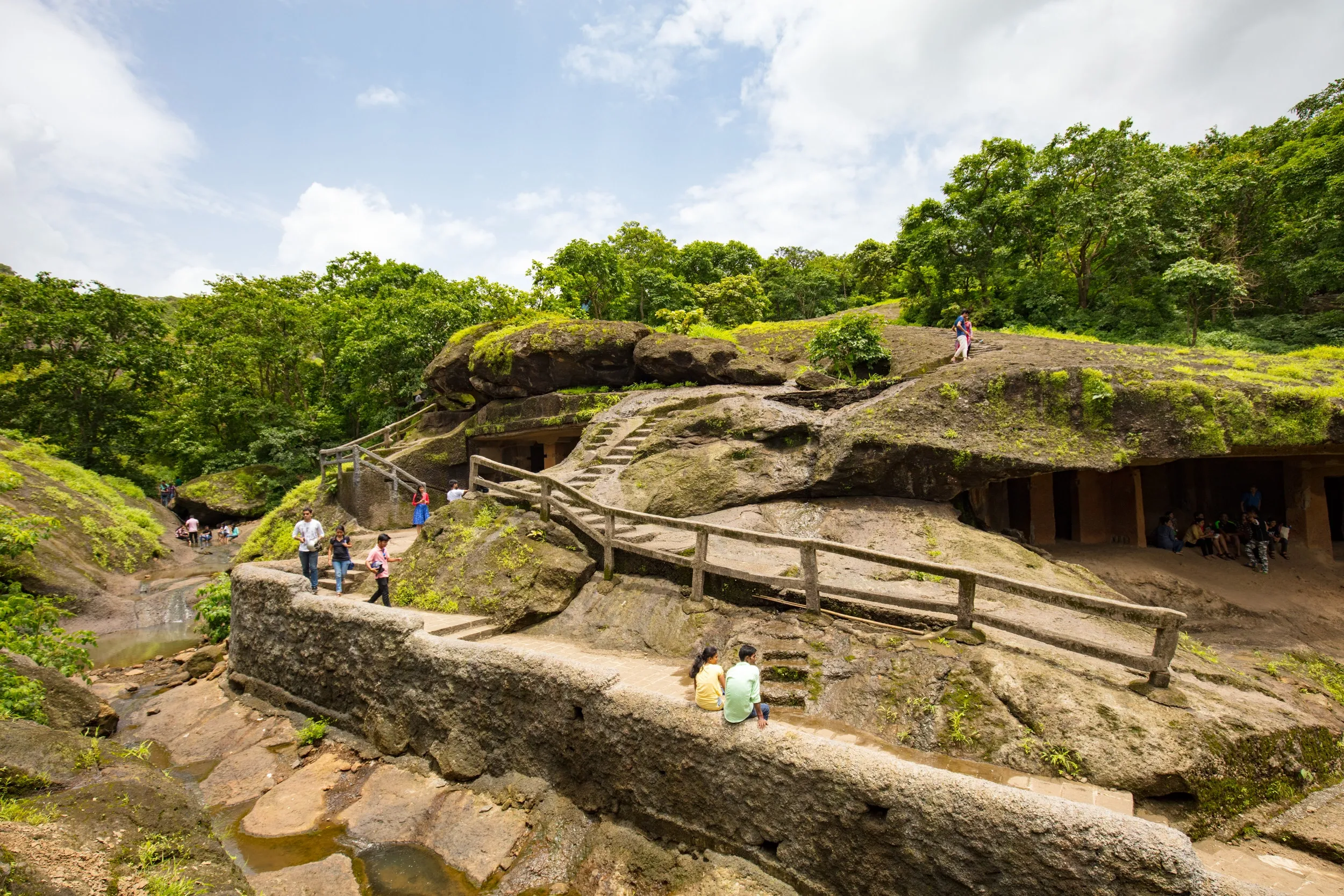
Explore Kanheri Caves in Mumbai's Sanjay Gandhi National Park. Discover ancient Buddhist rock-cut architecture, history & travel guide.
Pattadakal Temples Karnataka: UNESCO Site Highlights, Timings & Route
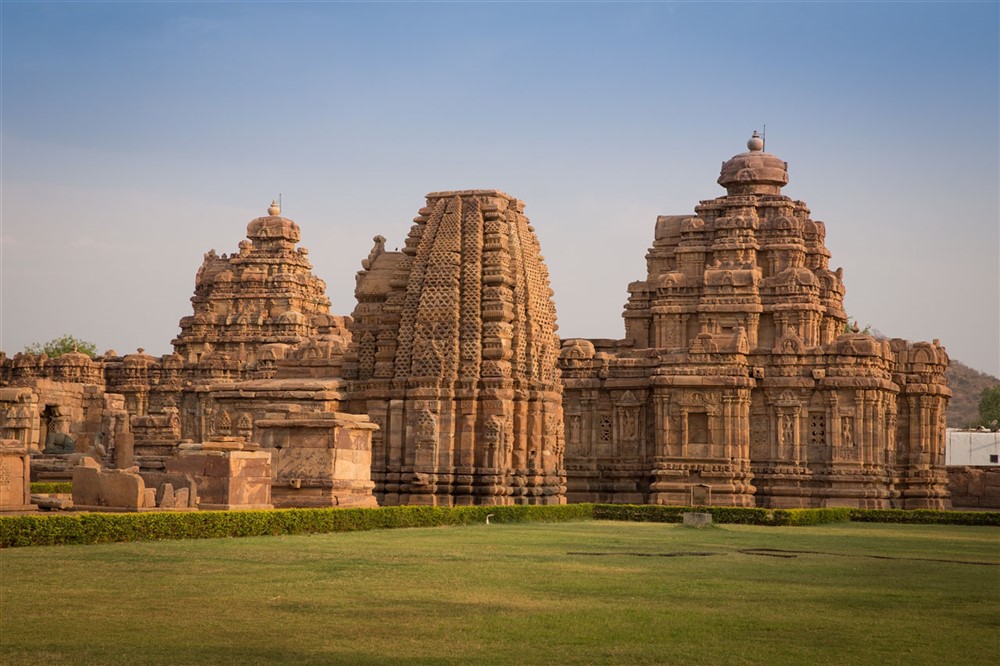
Visit Pattadakal temples, UNESCO World Heritage Site. Discover Chalukya architecture, Virupaksha Temple, history & travel guide.
Never Miss an Adventure
Get the latest trekking guides, travel tips, and exclusive offers delivered straight to your inbox.
