
Italian Food: Authentic Dishes And Regional Specialties

Rahul Garg
February 22, 2026
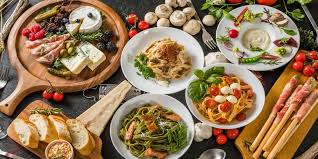
A practical Italian cuisine guide for beginners covering core dishes, course-wise ordering, regional variations, and common mistakes to avoid.
Introduction
Italian cuisine is one of the most loved food traditions in the world, but many first-time diners still feel unsure about what to order. Menus often list regional names, course labels, and ingredients that can be confusing if you are new to Italian food. This guide is built to solve that problem with a practical, beginner-friendly approach. You will learn how Italian meals are structured, which dishes are easiest to start with, how regions differ, and how to order better at restaurants. If you already enjoy curated food lists like best restaurants in Udaipur or local specialty guides such as best restaurants in Varanasi, this framework will help you explore Italian food with the same confidence.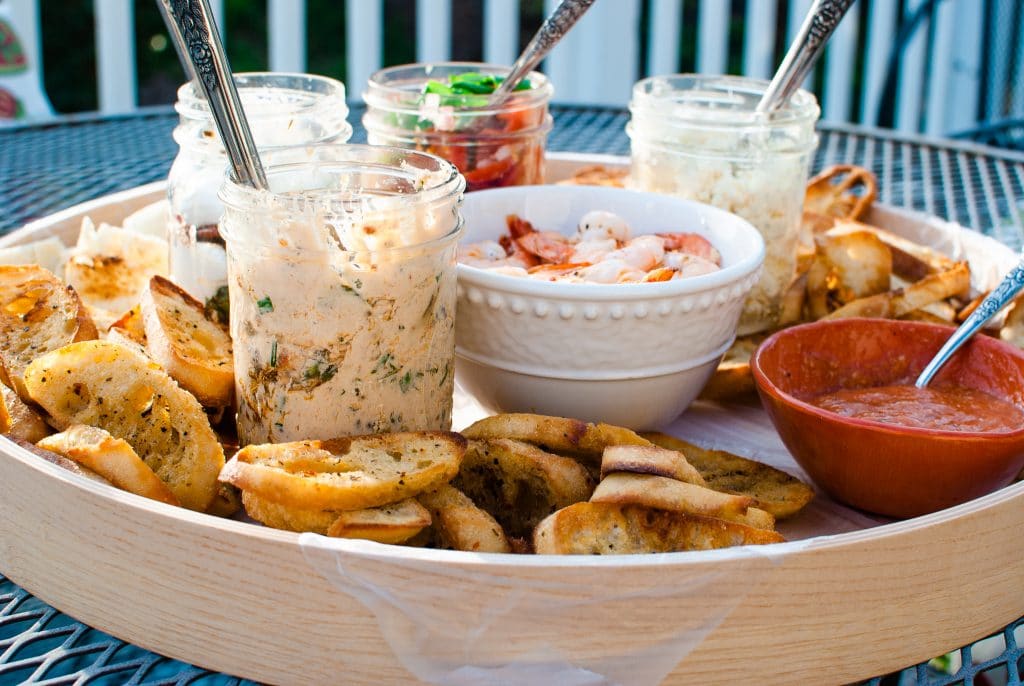
Italian Cuisine Overview
At its core, Italian cuisine focuses on balance, seasonality, and ingredient quality. Most recipes use fewer components than people expect, but each ingredient matters. Olive oil, tomatoes, cheeses, cured meats, herbs, wheat, and local produce form the base of many dishes. Italian cooking is also deeply regional. A dish that is common in Naples may not be typical in Milan. This is why there is no single "Italian menu" that represents the entire country. Instead, think of Italian cuisine as a collection of regional food cultures with a shared philosophy: simple methods, clear flavors, and strong culinary identity.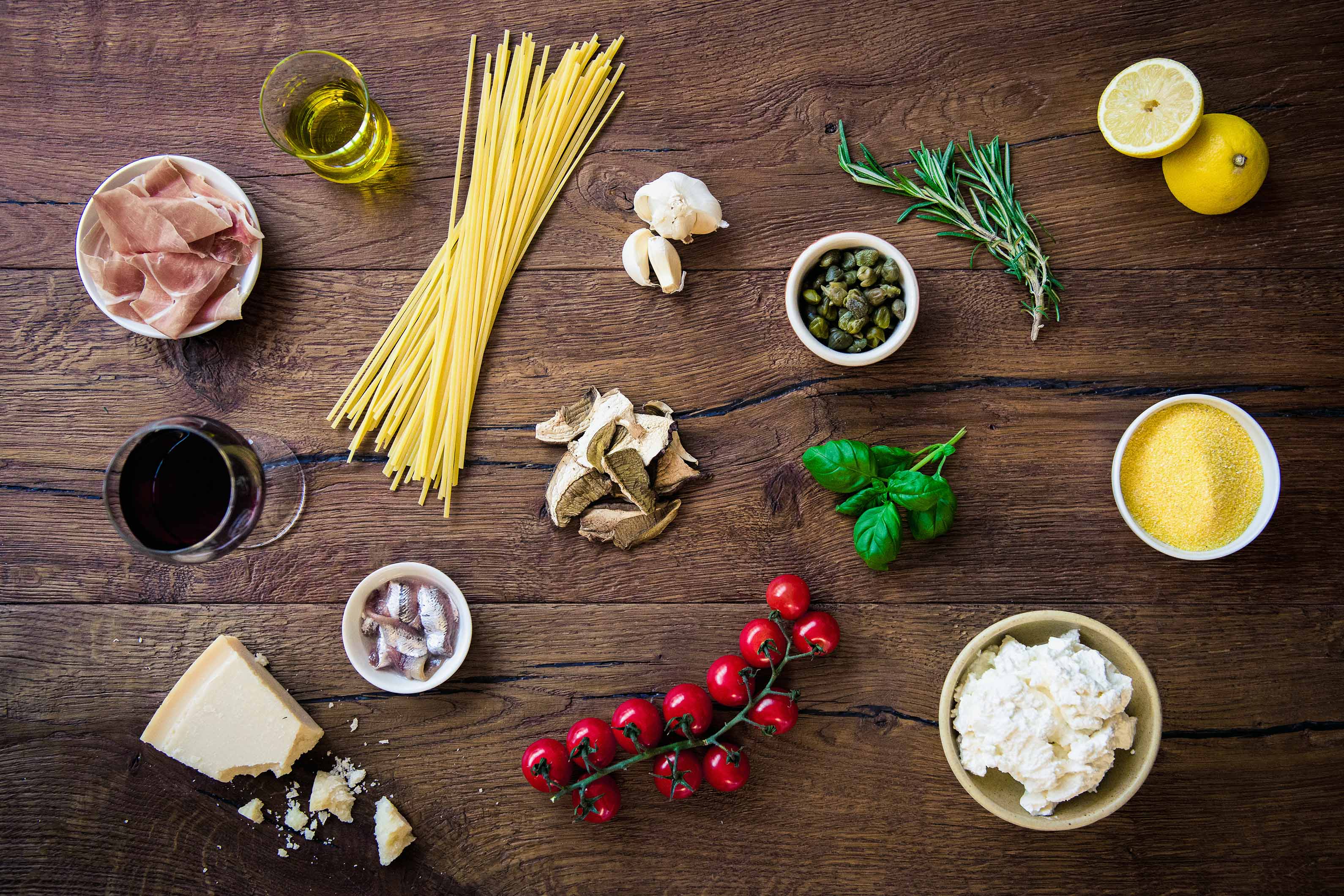
Core Dish Categories
Use this quick table when reading menus for the first time:| Category | What It Includes | Beginner Picks |
|---|---|---|
| Antipasti | Starters like bruschetta, cured meats, cheeses, grilled vegetables | Bruschetta al pomodoro, caprese salad |
| Primi | First hot course: pasta, risotto, soups | Spaghetti aglio e olio, gnocchi al pomodoro, mushroom risotto |
| Secondi | Main protein course: meat or seafood dishes | Pollo alla griglia, baked fish with herbs |
| Contorni | Side dishes served with secondi | Roasted vegetables, sauteed spinach, potatoes |
| Dolci | Desserts | Tiramisu, panna cotta, gelato |
How To Build a Complete Italian Meal
If you are unsure what to order, follow this simple sequence:Step 1: Start light with antipasti
Pick one shared starter for two people. Bruschetta, olives, burrata, or grilled vegetables work well. This gives your palate a clean beginning without filling you up too early.Step 2: Choose one primi per person
For beginners, tomato-based pasta, pesto pasta, or mushroom risotto are safer than very rich cream dishes. Ask for house specials if you want the chef's strength.Step 3: Add secondi only if still hungry
In many restaurants, primi is already substantial. If you still want more, order one grilled fish or chicken dish and share.Step 4: End with one dessert to share
Tiramisu and gelato are reliable choices and usually lighter than heavy cakes after a multi-course meal.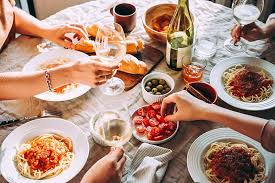
Regional Italian Food Guide (Simplified)
Regional awareness helps you choose better dishes and set realistic expectations.| Region | Typical Style | Signature Examples |
|---|---|---|
| North Italy | Butter, rice, polenta, richer textures | Risotto alla Milanese, polenta dishes, osso buco |
| Central Italy | Pecorino cheese, olive oil, cured meats | Pasta alla carbonara, amatriciana, bistecca |
| South Italy | Tomatoes, durum wheat pasta, seafood, bold flavors | Neapolitan pizza, pasta al pomodoro, seafood stews |
| Islands (Sicily, Sardinia) | Mediterranean influence, citrus, nuts, fish | Arancini, pasta alla Norma, seafood couscous |
Practical Ordering and Pairing Tips
Read sauce style before pasta shape
Many people focus only on pasta type, but sauce decides most of the flavor. Tomato and olive-oil sauces are lighter; cream and cheese sauces are heavier.Keep one light and one rich dish
If you order creamy pasta, pair it with a fresh salad or grilled vegetables. If you start with cheese-heavy antipasti, choose a lighter primi.Ask for recommendations by preference
Say what you like: "not too creamy", "mild spice", "vegetarian", or "seafood". Italian menus are easier when you communicate preference instead of guessing dish names.Use local comparisons for confidence
If you enjoy destination food discovery from lists like best restaurants in Rishikesh or even broad cuisine overviews like food in Thailand, treat Italian menus the same way: start with familiar flavor zones, then expand.Vegetarian and Non-Vegetarian Planning
Italian cuisine is generally easy for both vegetarians and non-vegetarians, but smart ordering helps.Vegetarian-friendly options
Margherita pizza, pasta al pomodoro, pesto pasta, mushroom risotto, eggplant parmigiana, and many antipasti are vegetarian by default. Confirm cheese type if strict vegetarian rules apply.Non-vegetarian options
Seafood pasta, grilled fish, chicken cutlets, and cured-meat antipasti are common. Keep balance by adding one vegetable side dish rather than ordering all protein-heavy plates.Gluten and dairy awareness
Pizza and pasta rely on wheat, while many dishes use cheese. If you have dietary restrictions, ask for gluten-free pasta availability and lower-dairy alternatives before ordering.Common Mistakes To Avoid
1. Ordering too many heavy dishes in one meal. 2. Ignoring course flow and treating every dish as a main course. 3. Choosing by popularity only, not by your taste preference. 4. Skipping regional clues written on menus. 5. Assuming every Italian dish is tomato-and-cheese based. 6. Not asking portion size when sharing. Avoiding these mistakes makes your first Italian meal feel deliberate instead of random.Conclusion
A good Italian meal is not about ordering the most famous dish. It is about selecting courses that work together, understanding regional style, and matching food to your own preference. Start simple, build gradually, and use menu structure to your advantage. With this practical framework, Italian cuisine becomes easier to explore whether you are dining at a local Italian restaurant or planning a food-focused trip abroad. Keep this guide handy, order with intent, and enjoy the process of discovering one of the world's most respected culinary traditions.Location
Frequently Asked Questions
Q1.What are the must-know basics of Italian cuisine?
Q2.Which Italian dishes are best for beginners?
Q3.How should a complete Italian meal be structured?
Q4.Are vegetarian options widely available in Italian cuisine?
Q5.What common mistakes happen while ordering Italian food?
Q6.How can travelers choose authentic Italian-style dishes?
Q7.What budget should be kept for Italian dining experiences?
Q8.Which dish categories are most popular globally?
Recommended For You
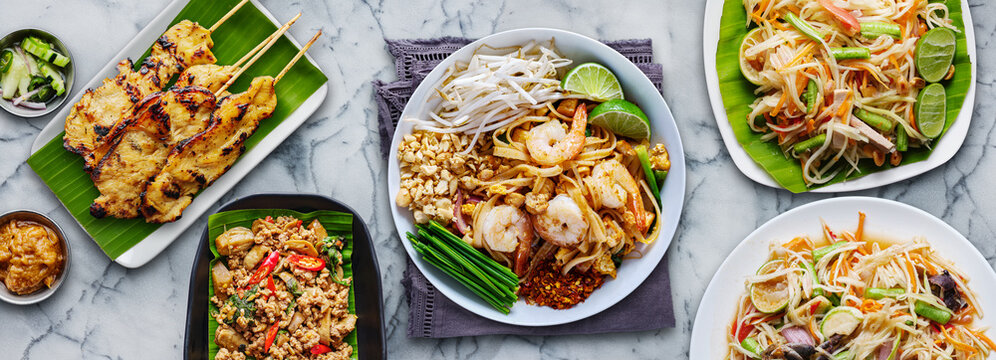
Best Food in Thailand: 20 Must-Try Dishes & Street Eats
Discover the best food in Thailand. From Pad Thai to Tom Yum Goong. A complete guide to Thai street food, curries, and local delicacies for every foodie.
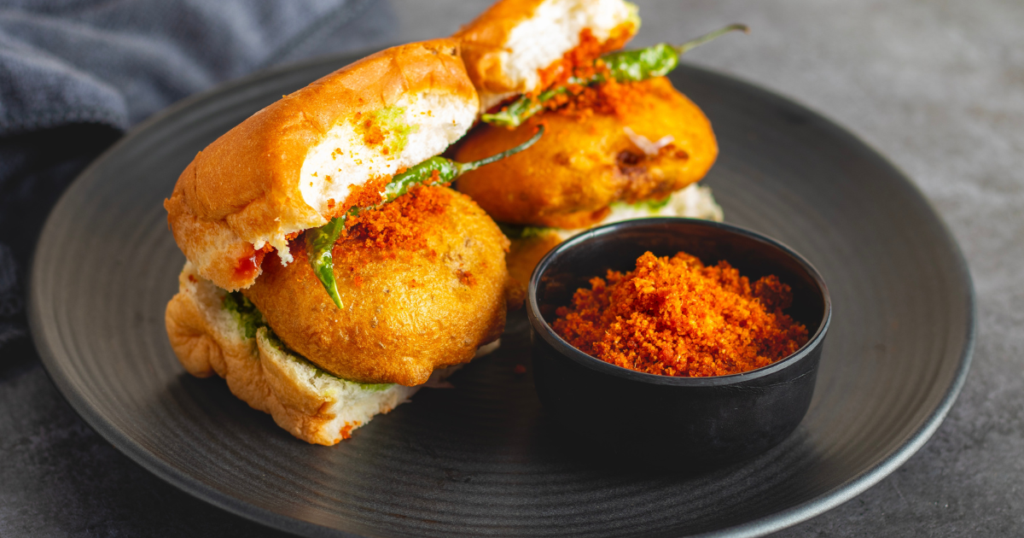
Best Street Food in Mumbai: Top 25 Must-Try Dishes & Locations
Discover the best street food in Mumbai - from iconic vada pav and buttery pav bhaji to spicy misal pav and delicious chaat. Explore 25+ must-try dishes, famous food locations, hygiene tips, and price guides in this comprehensive Mumbai street food guide.

Best Things to Do in Vietnam: Top Activities
Discover the best things to do in Vietnam with practical city, nature, food, and adventure ideas for a balanced trip.
Never Miss an Adventure
Get the latest trekking guides, travel tips, and exclusive offers delivered straight to your inbox.
