
Jahaz Mahal Delhi: Monument History, Access & Visitor Information

Priya Mehta
February 20, 2026
Visit Jahaz Mahal Delhi with historical context, water-linked architecture insights, and practical Mehrauli route-planning tips.
Jahaz Mahal Delhi: Mehrauli Heritage Guide with Practical Visit Strategy
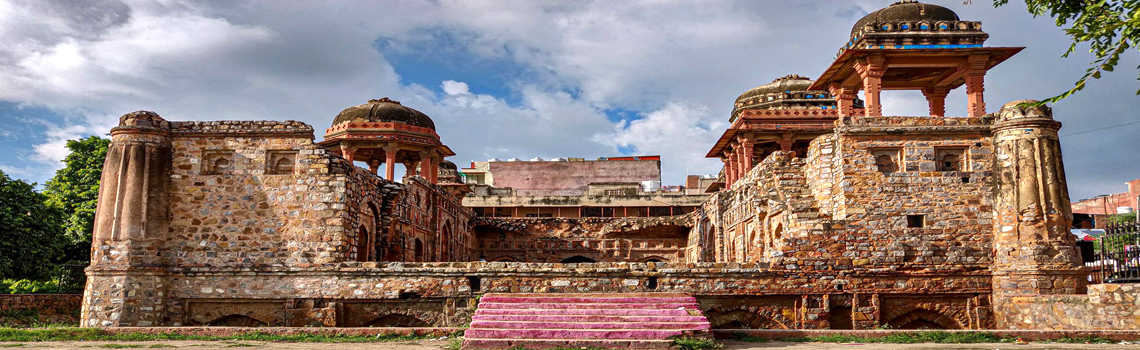
Jahaz Mahal in Mehrauli is one of Delhi’s most distinctive medieval-era structures, known for its elongated profile and visual relationship with the historic water context around Hauz-i-Shamsi. It is often called the “Ship Palace” because of how the structure appears in relation to surrounding water and terrain. While compact in scale, the site offers strong value for travelers interested in Delhi Sultanate and Lodi-period architecture.
The best way to visit is as part of a Mehrauli-focused heritage block, paired with Qutub Minar, city context from places to visit Delhi, and an optional transition to Lotus Temple depending on route direction.
Historical Background and Function
Jahaz Mahal is generally associated with late medieval Delhi contexts and likely served ceremonial, residential, or traveler-accommodation functions in relation to the religious and civic movement around Mehrauli. Even where historical details are debated, the monument clearly reflects a period where water-linked architecture and controlled linear planning were important.
For visitors, the key is to read the structure as part of a wider heritage landscape rather than a standalone isolated ruin.
Why It Is Called the Ship Palace
The name “Jahaz” comes from the monument’s long profile and its reflection logic near historic water bodies. From certain angles, the structure can appear like a vessel on water. This visual metaphor is one of the reasons the site remains memorable despite its relatively modest scale compared to larger Delhi monuments.
Use side-axis viewpoints to understand this naming logic. Straight frontal views alone may not fully communicate the form.
Architecture and Design Features
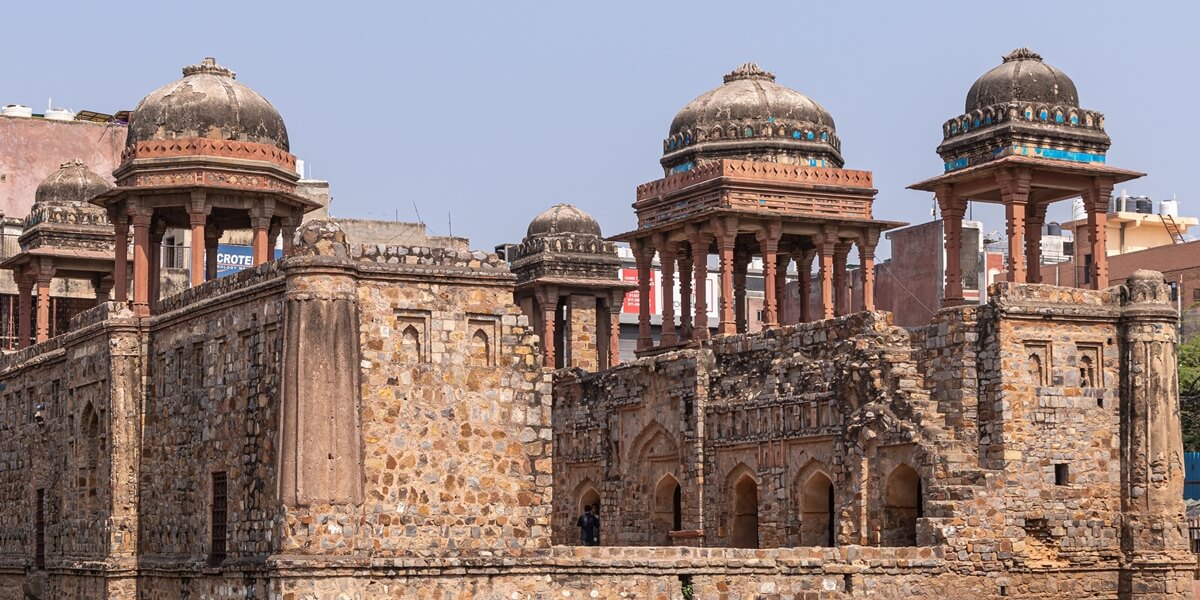
Jahaz Mahal offers a layered composition of arches, repetitive bays, chhatri elements, and linear geometry that rewards slow observation. The structure is particularly useful for architecture learners because you can read rhythm and proportion without overwhelming crowd intensity seen at larger monuments.
| Feature | What to Observe | Visitor Tip |
|---|---|---|
| Linear Layout | Length-driven visual flow | Walk full axis before detail shots |
| Arched Rhythm | Repeating bay pattern and masonry logic | Use morning light for texture clarity |
| Roofline Elements | Chhatri and skyline framing | Capture from safe elevated perspective points |
Structured viewing turns a short stop into a high-quality heritage reading session.
Hauz-i-Shamsi Connection
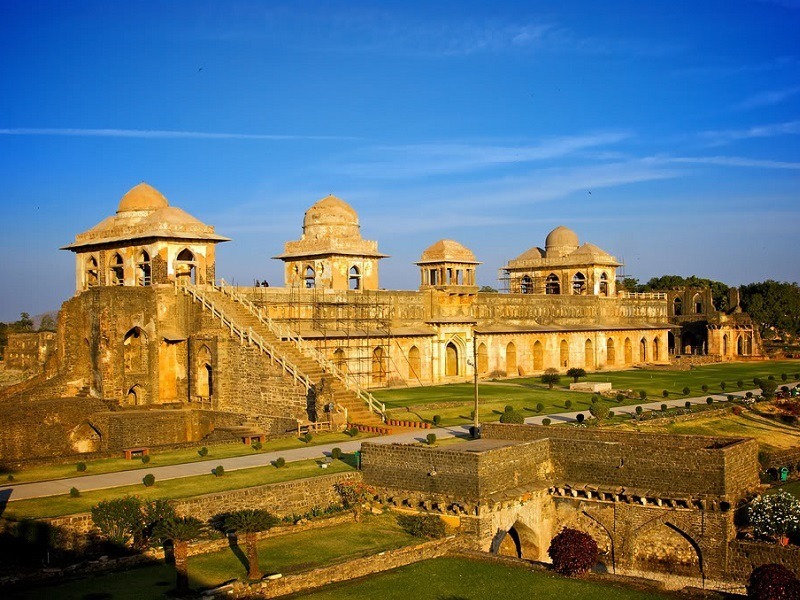
The historical reservoir context around Hauz-i-Shamsi is central to understanding Jahaz Mahal. The water relationship influenced naming, movement, and landscape perception. Even if water levels and urban surroundings have changed over time, the historic association remains key to interpretation.
Spend a few minutes mapping mental connections between monument axis and water-edge zones for better historical comprehension.
Timings, Entry, and Duration
Entry patterns generally align with daytime heritage access, but same-day verification is still essential because local management updates can occur. Most travelers need 35 to 60 minutes for a meaningful walk, depending on photography depth and nearby site combinations.
- Arrive early for lighter footfall.
- Carry water during warmer months.
- Use comfortable shoes for uneven edges.
- Keep one buffer block for transfer delays.
This keeps your Mehrauli route stable and less stressful.
How to Reach and Build a Mehrauli Loop
Metro-plus-last-mile-cab combinations are practical for most visitors. The key is sequencing nearby stops correctly: start with one major monument, then Jahaz Mahal, then one lighter cultural or market stop. Avoid cross-city zigzag movement that wastes daylight hours.
If your day extends to old Delhi, references like Chandni Chowk Delhi can be used as separate evening blocks rather than immediate same-window transfers.
Photography and On-Site Conduct
Jahaz Mahal is ideal for geometry-focused photography. Capture one full-length axis frame, one arch-rhythm frame, and one water-context frame. Avoid climbing restricted or fragile sections for dramatic angles. Respect barriers and keep movement unobstructed for other visitors.
Calm pacing usually produces better photos and better architectural understanding than rushed shooting.

Common Mistakes and Better Alternatives
Common mistakes include allocating too little time, skipping surrounding context, and pairing too many distant Delhi sites in one tight schedule. Better alternatives are compact routing, one nearby major monument pairing, and a fixed interpretation block before departure.
Even a short note-taking routine improves memory: site period, key architectural feature, and one contextual link.
Suggested Mehrauli Heritage Sequence
For first-time visitors, a practical sequence is one major anchor such as Qutub complex, then Jahaz Mahal for contextual depth, followed by one lighter city transition stop. This gives visual contrast and prevents route fatigue. If you reverse the sequence, keep enough energy for architectural observation at Jahaz rather than treating it as a final quick stop.
Morning visits are often best because light is cleaner and crowd pressure is lower. In warmer months, carry water and keep shaded pauses between open-site segments.
Interpreting Stone Texture and Structural Rhythm
Jahaz Mahal is ideal for studying repetition in medieval masonry. Focus on how arches repeat with slight variation and how stone weathering reveals age and restoration history. This level of observation can turn a short monument stop into a valuable architectural study session.
If you are documenting details, take one note on geometry, one on material condition, and one on spatial context near water. These notes are useful for comparing other Delhi Sultanate and Lodi-period structures later.
Final Mehrauli Planning Note
Give Jahaz Mahal a fixed observation block instead of treating it as a pass-through site. Even 30 focused minutes can reveal strong architectural logic when paired with nearby context.
Keep your route compact and avoid unnecessary cross-city transfers immediately after this stop.
Quick Visitor Reminder
Carry water, arrive in daylight, and keep one nearby heritage stop as backup if schedules shift. This keeps the Jahaz Mahal visit efficient and reduces transport-related stress.
Final On-Site Tip
Spend at least five quiet minutes observing the full monument axis before taking photos. This improves both architectural understanding and composition quality.
Final Micro Tip
Use one wide frame and one detail frame before you leave.
Conclusion
Jahaz Mahal Delhi is a compact but high-value heritage stop when approached with context and planning. Combine it with nearby Mehrauli monuments, respect preservation norms, and prioritize quality over speed. With that method, this “Ship Palace” becomes one of Delhi’s most rewarding lesser-crowded architectural experiences.
Location
Frequently Asked Questions
Q1.What is Jahaz Mahal Delhi famous for?
Q2.Where is Jahaz Mahal located?
Q3.What is the best time to visit Jahaz Mahal?
Q4.How do I reach Jahaz Mahal by metro?
Q5.Is there an entry fee for Jahaz Mahal?
Q6.How much time is needed at Jahaz Mahal?
Q7.Can I combine Jahaz Mahal with Qutub area monuments?
Q8.Is Jahaz Mahal good for photography?
Recommended For You
Chandni Chowk Delhi: Street Food Trail, Markets & Metro Access
Explore Chandni Chowk Delhi - Complete street food guide, shopping tips, timings & metro access. Famous for Paranthe Wali Gali, spice market & shopping.
India Gate Delhi: Best Time, Nearby Spots & Night Visit Details
Visit India Gate Delhi with this complete guide covering history, architecture, timings, evening experience, nearby attractions, and practical travel tips.
Lotus Temple Delhi: Timings, Entry Rules & Best Visiting Hours
Lotus Temple Delhi complete visitor guide: FREE entry, timings (9 AM-5:30 PM winter, 9 AM-7 PM summer), nearest metro (Kalkaji Mandir), photography rules, dress code, meditation tips & best time to visit. Plan your peaceful retreat.
Never Miss an Adventure
Get the latest trekking guides, travel tips, and exclusive offers delivered straight to your inbox.