

Kulhi Katandi Himachal: Offbeat Valley, Trek Routes & Stay

Priya Mehta
November 30, 2025
Kulhi Katandi Himachal guide with offbeat route planning, best season advice, stay expectations, trail ideas, and practical mountain travel tips.
Introduction: Kulhi Katandi, an Offbeat Himachal Experience
Kulhi Katandi Himachal Pradesh is an offbeat destination for travelers who prefer quiet trails, village landscapes, and low-noise mountain travel over crowded market towns. It is not designed around commercial tourism, and that is exactly why it feels different. You come here for calm walking routes, open valley views, and a slower pace that lets you observe the mountain environment in detail.
In many Himachal trips, people rush between famous attractions and return with very little memory of place. Kulhi Katandi offers the opposite rhythm. You can spend one morning watching changing cloud lines over ridges, one afternoon on easy forest-edge paths, and one evening in simple local stay setups that prioritize peace over activity density. That kind of sequence is why this destination is increasingly discussed in offbeat travel circles.
This guide covers location context, season planning, access routes, things to do, stay expectations, and practical safety tips. If you are building a broader route, pair this stop with offbeat places to visit in India, best places to visit in Himachal Pradesh, and Himachal valleys overview for better trip design.
Quick Facts Before You Plan
| Travel Factor | Details |
|---|---|
| Destination Type | Offbeat village and nature zone |
| Best For | Slow travel, photography, easy hiking |
| Ideal Stay | 1-2 nights for relaxed movement |
| Travel Intensity | Low to moderate |
| Infrastructure Style | Simple, local, practical |
Kulhi Katandi is best approached as a restorative mountain break, not as a high-checklist itinerary stop.
About Kulhi Katandi: Landscape and Local Character
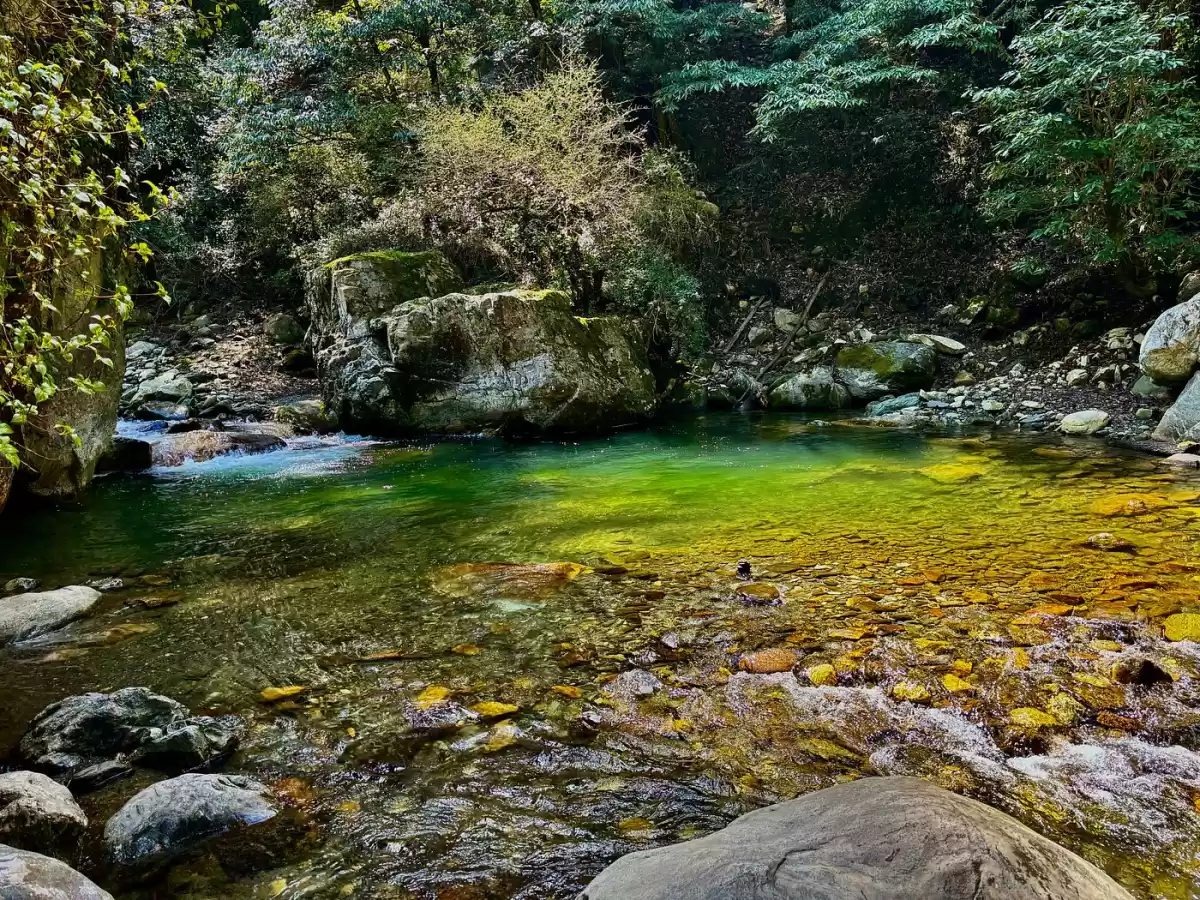
Kulhi Katandi is set in a region where mountain life, village pathways, and natural contours create a strong sense of place. Instead of major commercial streets, the visual frame is shaped by terrace patterns, ridge lines, and dispersed homes. This gives the destination its core appeal: no hurry, no loud zones, and no pressure to perform tourism.
For travelers who enjoy observational journeys, this is an excellent setting. You can notice seasonal shifts in vegetation, changing light quality through the day, and subtle differences in slope ecology between open and shaded areas. Such details are often lost in high-density hill stations.
Many visitors describe Kulhi Katandi as mentally refreshing because the destination encourages attention. You are not just moving through views; you are learning the rhythm of the landscape. This includes how locals time movement, how weather changes route decisions, and how quiet spaces in the hills can become the strongest memory of the trip.
Best Time to Visit Kulhi Katandi
Season choice is important because road comfort, trail quality, and visibility can shift significantly across the year. Planning by season makes the difference between a smooth offbeat trip and a rushed one.
April to June
This is generally the easiest period for first-time visitors. Weather is pleasant, routes are clearer, and day exploration is comfortable. If you want balanced conditions with minimal complexity, this is the safest starting window.
Monsoon Months
Monsoon creates lush visuals and dramatic cloud movement. However, surfaces may turn slippery, and timing can change due to rain spells. This period suits travelers with flexible itineraries rather than fixed-hour travel.
Autumn
Autumn often offers cleaner views and stable light. It is ideal for long-distance valley framing and landscape photography.
Winter
Winter can be beautiful but requires better preparation. Cold, occasional access variation, and shorter day windows should be considered before committing to a fixed route.
| Season | Experience | Recommendation |
|---|---|---|
| Apr-Jun | Pleasant and beginner-friendly | Best for first visit |
| Jul-Sep | Green, moody, variable | Good for flexible travelers |
| Oct-Nov | Clear and crisp | Best for photography |
| Dec-Feb | Cold and route-sensitive | Visit with preparation |
How to Reach Kulhi Katandi
Kulhi Katandi is usually reached through a combination of intercity movement and last-mile hill transfer. Exact route depends on your origin and transport style, but road planning is the key component in most itineraries.
Private Cab
Most convenient for flexible stops and easier timing control. It is often preferred by families and small groups.
Self-Drive
Works well for travelers comfortable with mountain roads and changing gradients. Start early and avoid first-time late-night approaches.
Public Transport + Local Transfer
Budget-friendly but needs better coordination. Keep local taxi options ready for final segments.
A practical route rule is simple: never stack too many same-day commitments around an offbeat arrival. Keep one timing buffer and your trip quality improves immediately.
| Mode | Pros | Watch-Out |
|---|---|---|
| Private Cab | Most flexible and simple | Higher total cost |
| Self-Drive | Control over pace and stops | Needs hill driving confidence |
| Bus + Local | Budget-friendly | Last-mile coordination |
Things to Do in Kulhi Katandi

The destination is activity-light but experience-rich. You do not need a packed schedule to enjoy Kulhi Katandi well.
Nature Walks
Easy and moderate walks are the primary activity. These routes are ideal for travelers who want movement without extreme effort.
Landscape Photography
Morning haze, layered ridges, and changing sunlight create strong visual opportunities. Golden-hour sessions are especially productive.
Village Observation
Observing local rhythm respectfully is one of the most meaningful parts of the journey. This includes everyday movement patterns, architecture, and agricultural surroundings.
Birding and Soundscape Time
Low-noise zones make it easier to notice bird calls and natural acoustic transitions through the day.
Slow Evenings
Instead of nightlife circuits, evenings in Kulhi Katandi are best spent with short walks, sky observation, and reflective downtime.
Trekking Context and Trail Behavior
Kulhi Katandi trekking interest is increasing, but this is not a technical expedition zone by default. Most travelers engage with mixed-gradient walking routes and short local trails rather than high-altitude challenge routes.
Trail best practices include carrying water, avoiding overcommitment on the first day, checking weather before longer loops, and choosing paths suited to your fitness level. Travelers who respect pacing enjoy better safety and better experience quality.
Another useful approach is to split route goals: one scenic loop and one cultural loop. This avoids fatigue and gives you a fuller understanding of both landscape and settlement context.
Accommodation and Facilities
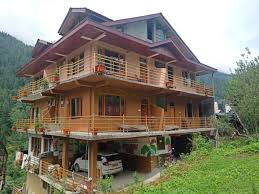
Accommodation near offbeat mountain destinations generally focuses on practical comfort rather than luxury packaging. In or around Kulhi Katandi, expect basic-to-comfortable stays, often with local hospitality style.
Before confirming, check essentials: hot water, heating support in colder months, meal availability, road accessibility to property, and network/power backup. Travelers who pre-confirm these details avoid most common discomforts.
For better immersion, choose stays that allow short local walks from the property. This makes mornings and evenings more meaningful and reduces unnecessary transport dependency.
Nearby Offbeat Combinations
Kulhi Katandi becomes more powerful when combined with nearby Himachal offbeat zones for a 3-5 day slow circuit.
These pairings help maintain the same travel mood: less crowd pressure, more landscape time, and better mental pacing across days.
Suggested 2-Day Itinerary
| Day | Plan | Outcome |
|---|---|---|
| Day 1 | Arrival, orientation walk, sunset point | Acclimatization and route familiarization |
| Day 2 | Longer trail + village observation + photo time | Core Kulhi Katandi experience |
This simple structure is enough for most first-time travelers and avoids turning an offbeat destination into a rushed checklist.
Safety, Packing, and Responsible Travel
Carry layered clothing, reliable footwear, hydration support, and a basic first-aid setup. Keep a light waterproof layer and power backup. Use offline maps and inform your stay host before longer walks.
Respect local privacy, avoid loud behavior in quiet village zones, and ask before photographing people. Responsible travel in mountain villages is not only ethical; it also improves visitor acceptance and long-term destination health.
A practical mountain rule is to keep one buffer block every day. Weather or road variation can happen, and flexible timing prevents stress.
Conclusion
Kulhi Katandi Himachal Pradesh is a strong choice for travelers who want mountain depth without mainstream crowd pressure. Its value lies in atmosphere, trail simplicity, and village-nature balance, not in commercial entertainment density.
With realistic planning, slower pacing, and weather-aware movement, this destination can become one of your most memorable offbeat Himachal experiences. Use it as a reset point in your journey and combine it with nearby valley circuits for a richer, calmer travel arc.
Final planning note: arrive in daylight, keep hydration steady, protect your evenings for slow observation, and leave space for unplanned discovery. Offbeat destinations reward attention more than speed, and Kulhi Katandi is a clear example of that truth.
Extended Practical Notes for First-Time Visitors
If this is your first offbeat Himachal trip, keep expectations aligned with mountain reality. Kulhi Katandi is not a packaged sightseeing belt, so comfort comes from planning basics well: daylight arrival, pre-confirmed stay, weather-aware clothing, and realistic walking distance goals. The best experiences usually happen when travelers leave free time between activities rather than filling every hour. Even a short break on a ridge path, with no agenda beyond observing the landscape, can become the highlight of the day.
Keep one backup plan for rain or route delay, and avoid long late-evening transfers after an active trail session. If you are combining this stop with nearby valleys, shift one destination to the next morning instead of forcing two rushed moves in one day. This slower method preserves energy, improves safety, and gives you better photography and local interaction quality.
Location
Frequently Asked Questions
Q1.Where is Kulhi Katandi located in Himachal Pradesh?
Q2.How far is Kulhi Katandi from major Himachal towns?
Q3.What is the best time to visit Kulhi Katandi?
Q4.What can we do at Kulhi Katandi?
Q5.Is Kulhi Katandi suitable for families?
Q6.Is Kulhi Katandi safe for solo travelers?
Q7.Are there accommodation options in or near Kulhi Katandi?
Q8.What should we carry for a Kulhi Katandi visit?
Recommended For You

Shoja Himachal: Offbeat Stays, Waterfalls & Scenic Trails
Explore Shoja Himachal with offbeat-stay planning, season-aware route tips, and practical mountain pacing guidance.

Tirthan Valley: How To Reach Best Time And Attractions
Use these Tirthan Valley travel tips for season planning, route selection, stays, trekking, fishing, and practical essentials for a smooth Himachal trip.

Offbeat Places Jibhi: Hidden Gems & Unexplored Spots
Explore offbeat places in Jibhi with hidden waterfalls, lesser-known trails, secret viewpoints, village stays, and practical tips for safe exploration.
Never Miss an Adventure
Get the latest trekking guides, travel tips, and exclusive offers delivered straight to your inbox.