Oktoberfest Munich: Tent Booking, Beer Halls & Food Must-Try

Rahul Garg
February 22, 2026
Plan Oktoberfest Munich with tent booking tips, traditional dress guidance, food highlights, and practical first-timer budgeting and transport strategy.
Introduction: Why Oktoberfest Needs a Real Plan
Oktoberfest Munich is not just a beer festival; it is a large-scale cultural event with strict logistics, peak-time crowd behavior, and tent systems that can surprise first-time visitors. The festival takes place at Theresienwiese and attracts millions of attendees over multiple days, so success comes from preparation rather than spontaneity alone. If you are planning your first trip, focus on reservation windows, tent style, time-slot strategy, and transport planning before you finalize accommodation.
This guide explains dates, tent booking flow, what to wear, what to eat, and how to control cost. For season planning context, combine it with major festival travel windows, city timing ideas from best time planning guides, and broader seasonal decisions from winter destination comparisons.
Dates, Venue, and Daily Rhythm
Oktoberfest generally runs from late September into early October at Theresienwiese in Munich. Festival grounds are large and include beer tents, rides, food stands, parade traditions, and family-friendly zones. Even though entry to the grounds is free, seat availability inside major tents is capacity-controlled. This is why timing matters as much as ticket planning.
Weekday daytime windows are usually better for first-timers who want easier seating and calmer movement. Weekend evening sessions are energetic but crowded, with stricter access controls and longer waits.
How Tent Booking Works
Most major tent reservations open months before the festival and are processed directly through tent operators. Common requirements include minimum group sizes, voucher bundles, and fixed booking slots. First-time visitors should not assume all tents follow one centralized system; each operator has separate conditions and cancellation policies.
If you cannot secure a reservation, walk-in entry is still possible in many cases, especially on weekdays. Arrive early, choose less peak hours, and keep one alternate tent on your shortlist.
Best Tents for First-Time Visitors
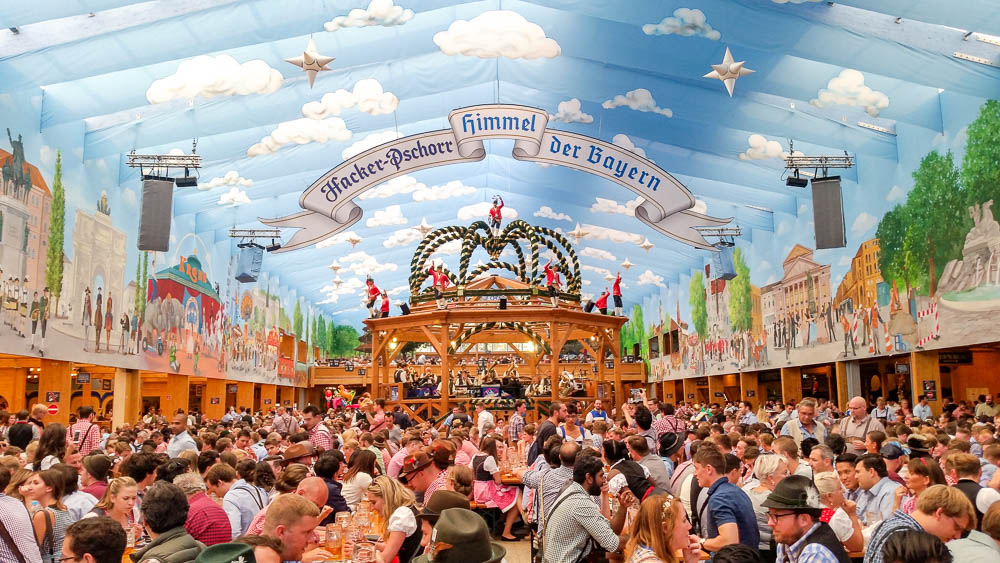
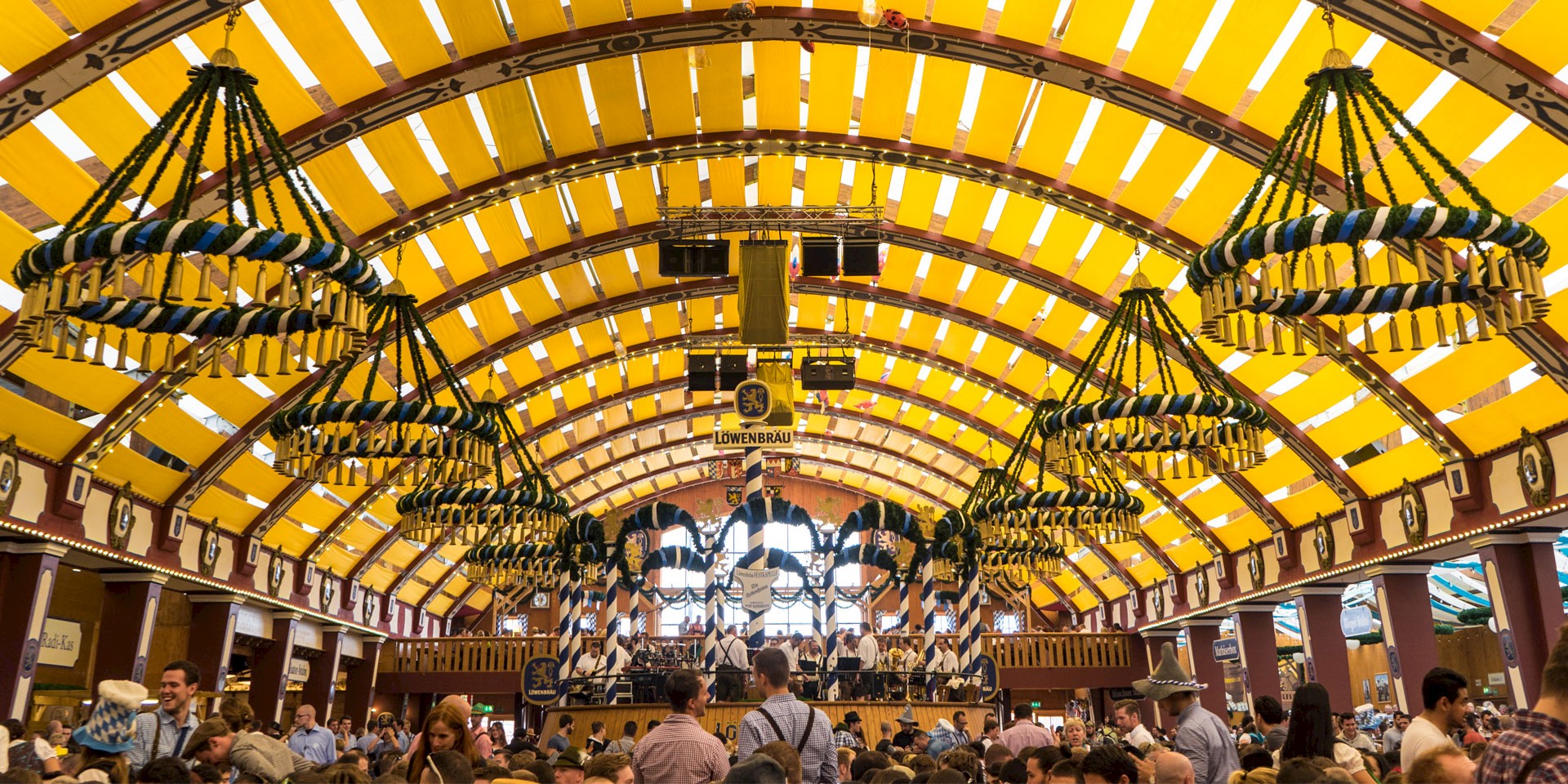
Different tents have distinct atmospheres. Some are highly traditional and local-focused, some are more international and party-driven, and others emphasize food quality or family comfort. Rather than chasing only the most famous tent, align your choice with your group preferences: music intensity, food style, crowd type, and time of day.
A practical first-timer strategy is one classic high-energy tent session plus one calmer session focused on Bavarian food and conversation.
Traditional Dress: Dirndl and Lederhosen
Traditional Tracht attire is common and adds cultural immersion. Women typically wear dirndl and men often choose lederhosen with shirts and accessories. You do not need luxury versions to participate respectfully. Focus on comfortable fit, weather-appropriate layers, and practical footwear for long standing and walking sessions.
Renting can work for short stays, while buying may be better if you plan multiple festival visits. Avoid costume-like shortcuts that ignore local style norms.
What to Eat at Oktoberfest
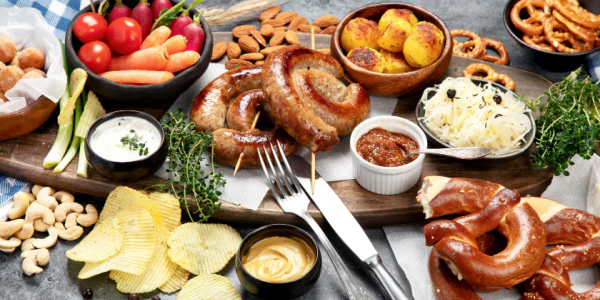
Food is a major part of the experience. Signature options include roast chicken plates, pretzels, sausage formats, potato dishes, and regional desserts. Portion sizes are substantial, so pacing matters if your group wants to sample multiple items. A smart sequence is one heavier plate before peak beer windows, then lighter items later.
Vegetarian options are available, but variety differs by tent. Review menus in advance if your group has dietary constraints.
Beer Basics and Responsible Participation
Oktoberfest beer is served in large format measures and usually has stronger alcohol levels than standard lagers. This is why hydration, meal timing, and pace management are not optional. Build water breaks between rounds and avoid stacking fast consumption with long walking segments. Responsible participation improves safety and keeps your day enjoyable through evening hours.
If your group includes non-drinkers, include rides, parade events, and food-focused blocks so the itinerary remains inclusive.
Budget and Cost Planning
| Cost Area | Budget Range | Planning Tip |
|---|---|---|
| Tent reservation bundle | Varies by tent and slot | Book early and compare policies |
| Food and beverages | Moderate to high | Set per-session spend cap |
| Accommodation | High in peak dates | Reserve months ahead |
| Transport | Efficient public network | Stay near rail links |
Accommodation is usually the largest cost variable. Booking early and staying near public transport corridors can dramatically reduce stress.
Detailed Planning Framework for Munich during Oktoberfest
The easiest way to improve trip quality in Munich during Oktoberfest is to treat each day as a three-block plan: one anchor experience, one supporting experience, and one buffer block. The anchor is your non-negotiable highlight. The supporting block adds depth without creating fatigue. The buffer absorbs delays, weather shifts, or longer queues. Most travelers lose quality when they stack too many attractions without realistic transition time. A simple framework with fewer commitments usually produces a richer result because you spend real time at each place instead of collecting rushed check-ins. This also helps group travel where interests vary and energy levels are different throughout the day.
Another useful approach is to plan around local rhythm. Early hours are usually better for photography, calmer movement, and meaningful observation. Midday often works best for indoor experiences, meals, and transport between areas. Evenings are ideal for waterfront walks, market circuits, or cultural performances. By aligning your route with these natural windows, you reduce friction and increase comfort. Keep one optional stop near your base so even if plans change, the day still feels complete. This method is especially effective for families and first-time visitors because it removes decision fatigue and makes each segment easier to execute.
Budget Control and Smart Booking Strategy
Budget control in Munich during Oktoberfest is less about finding the cheapest option and more about allocating spend to the moments that matter most. Start by deciding your priority: location convenience, food quality, guided access, or premium viewing. Then protect budget for that priority and optimize the rest. Many travelers overspend on last-minute transport and under-invest in advance reservations for high-demand experiences. If your itinerary includes peak-season dates, pre-book key tickets and one backup option. A flexible cancellation policy is often worth paying for because it protects you from weather or schedule disruptions.
Meal planning is another overlooked budget lever. A practical structure is one signature meal, one efficient meal, and hydration-focused snack stops. This keeps energy stable and avoids expensive impulse choices. For activities with fixed entry slots, add a 30-45 minute margin before and after so delays do not cascade across the day. Use digital maps offline, save booking confirmations in one folder, and keep small cash for quick purchases. These small details do not look exciting on paper, but they are the difference between a stressful itinerary and a smooth travel day that still leaves room for spontaneous discoveries.
Safety, Etiquette, and Responsible Travel
Responsible travel in Munich during Oktoberfest starts with local etiquette. Dress appropriately for cultural spaces, follow photography rules, and respect lines and access restrictions. If a site asks for silence, minimal disturbance, or no flash, treat those as core conditions rather than optional suggestions. Responsible behavior improves your own experience as much as it helps the destination. In crowded environments, keep valuables secure and avoid carrying more than you need during activity windows. Families should set clear meeting points in advance so short separations do not become stressful situations.
Safety planning should be practical and simple. Keep emergency contacts accessible offline, carry a light weather layer, and confirm return transport before evening hours if you are in an unfamiliar area. In waterfront or high-traffic zones, prioritize official viewing and walking areas over risky photo positions. If weather conditions change, shift to indoor alternatives quickly instead of forcing the original route. The best itinerary is not the one with maximum stops; it is the one that remains enjoyable and safe when real conditions change. Travelers who build this flexibility into their plan usually report better outcomes, better photos, and less end-of-day fatigue.
Conclusion
Oktoberfest Munich rewards travelers who plan tent access, pace consumption responsibly, and design balanced festival days with food and cultural blocks. With early booking and smart timing, first-time visitors can enjoy the event without avoidable chaos.
Use this guide to choose the right tent style, budget clearly, and build a festival experience that is fun, safe, and memorable.
Advanced Local Insights for Oktoberfest Munich
Travel quality improves when you translate broad plans into realistic on-ground decisions. In Oktoberfest Munich, start each day with one clear objective, then assign supporting activities within the same geographic zone. This reduces backtracking and helps you conserve energy for high-value experiences. If weather, traffic, or crowd conditions change, switch to your nearest backup point rather than forcing the original route. The goal is not to preserve every planned stop, but to preserve the day's overall quality. Many travelers who use this approach end up with fewer rushed transitions and better memory value from each stop.
Another high-impact technique is to pre-decide thresholds for change. For example, if a queue exceeds a set limit, move to the next planned area. If transport delays exceed a set margin, activate a nearby alternative. These small rules remove indecision and prevent late-day schedule collapse. Pair this with deliberate meal timing and hydration windows, especially in crowded or climate-sensitive destinations. A structured but flexible method is the most reliable way to keep a trip enjoyable across all traveler types, from solo explorers to family groups with mixed priorities.
Finally, invest in context. Read basic cultural etiquette, check operating windows, and keep local emergency and transport contacts accessible offline. Respectful behavior at heritage, spiritual, or public spaces not only avoids friction but often results in a better and calmer experience. When you treat local norms as part of the itinerary rather than optional detail, the trip feels more connected and less transactional. In practice, this is often the deciding factor between simply visiting a place and actually understanding it.
Location
Frequently Asked Questions
Q1.Is entry to Oktoberfest free?
Q2.When should I book Oktoberfest tents?
Q3.Can I enter tents without reservation?
Q4.What should I wear at Oktoberfest?
Q5.How much does Oktoberfest cost?
Q6.What food should first-timers try?
Q7.Is Oktoberfest family-friendly?
Q8.How do I avoid heavy crowds?
Recommended For You

New Year in Japan: Traditions, Temple Visits, Foods & Travel Tips
A practical guide to New Year in Japan covering hatsumode, osechi food, temple-bell traditions, best cities, and travel planning tips.
International Honeymoon Places April: Top Picks
Best international honeymoon places in April. Romantic destinations with perfect weather, from Europe to Asia for your dream honeymoon.
Albert Park Melbourne: Complete Guide to Activities & Attractions
Complete Albert Park Melbourne guide - discover lake activities, walk the F1 Grand Prix circuit, explore sports facilities, enjoy picnics, spot wildlife, and plan your visit to Melbourne's iconic urban park.
Never Miss an Adventure
Get the latest trekking guides, travel tips, and exclusive offers delivered straight to your inbox.