
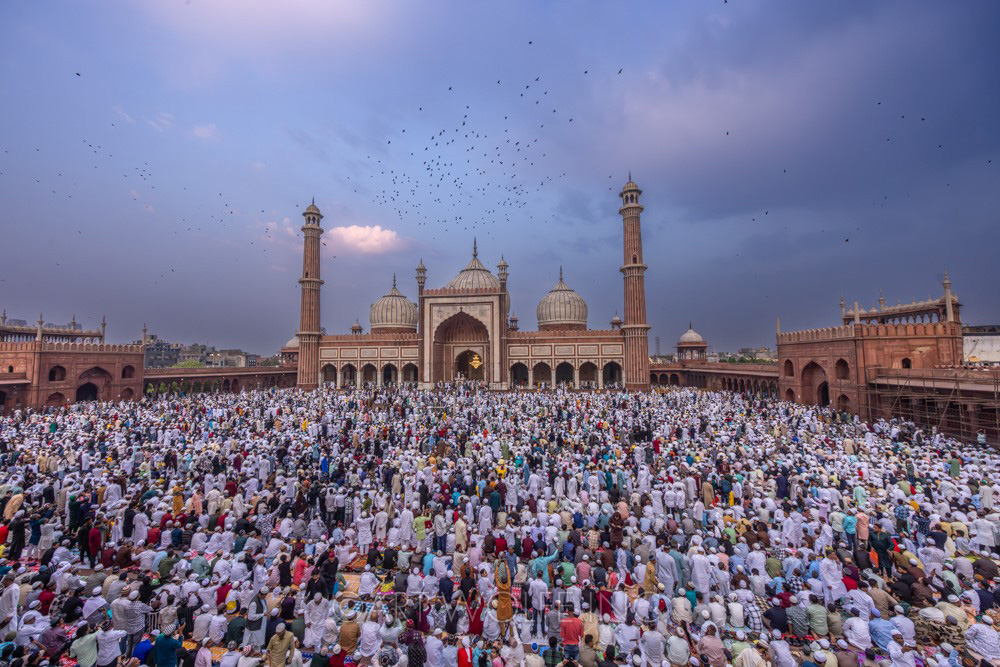
Ramzan Eid: Date, Moon Sighting, Prayers & Celebration Traditions

Neha Kapoor
December 28, 2025
Complete Ramzan Eid guide with date, fasting rules, prayer timings & celebrations in India. Learn about Eid ul-Fitr traditions, Sheer Khurma recipe, and customs for a blessed celebration.
Introduction to Ramzan Eid
Ramzan Eid, also known as Eid ul-Fitr, stands as one of the most significant festivals in Islam, marking the end of the holy month of Ramadan. This joyous occasion is celebrated by approximately 1.8 billion Muslims worldwide with immense devotion, fervor, and community spirit. The festival holds deep religious and cultural significance, representing not just the conclusion of 30 days of dawn-to-dusk fasting but also a celebration of spiritual growth, self-discipline, and devotion to Allah.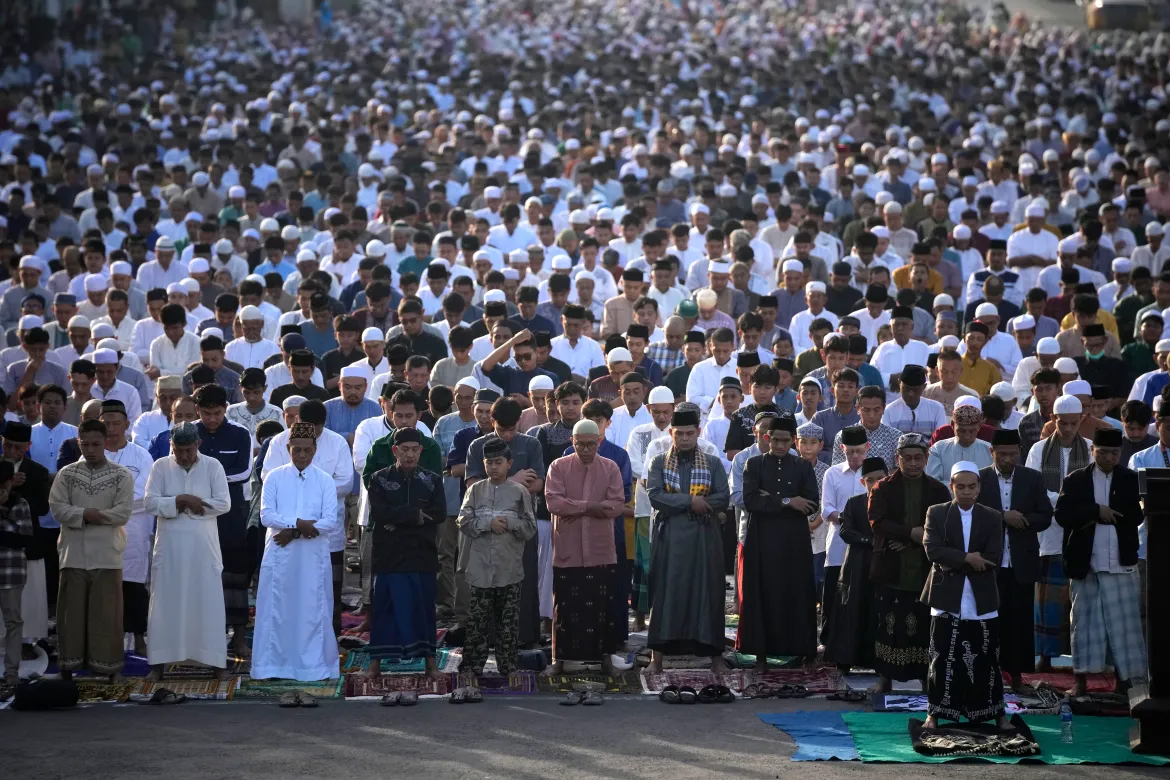
Quick Facts About Ramzan Eid
Let's begin with some essential information about Ramzan Eid:| Aspect | Details |
|---|---|
| Festival Name | Eid ul-Fitr (Ramzan Eid) |
| Religious Significance | Marks end of Ramadan (holy month of fasting) |
| Fasting Duration | 30 days from dawn to sunset |
| Eid Prayer | Special 2-rakat congregational Namaz |
| Traditional Foods | Sheer Khurma, Sewaiyan, Biryani, Kebabs |
| Compulsory Charity | Zakat al-Fitr (before Eid prayer) |
| Celebration Duration | 1-3 days (varies by region) |
| Date Determination | Based on moon sighting (Shawwal month) |
Significance of Ramzan & Eid
Ramzan, the ninth month of the Islamic lunar calendar, holds extraordinary importance in Islam. It was during this sacred month that the Quran was first revealed to Prophet Muhammad (PBUH). Muslims believe this to be a time of spiritual reflection, increased devotion, and worship. The month-long fast, known as Sawm, is one of the Five Pillars of Islam, making it obligatory for all adult Muslims who are physically and mentally capable.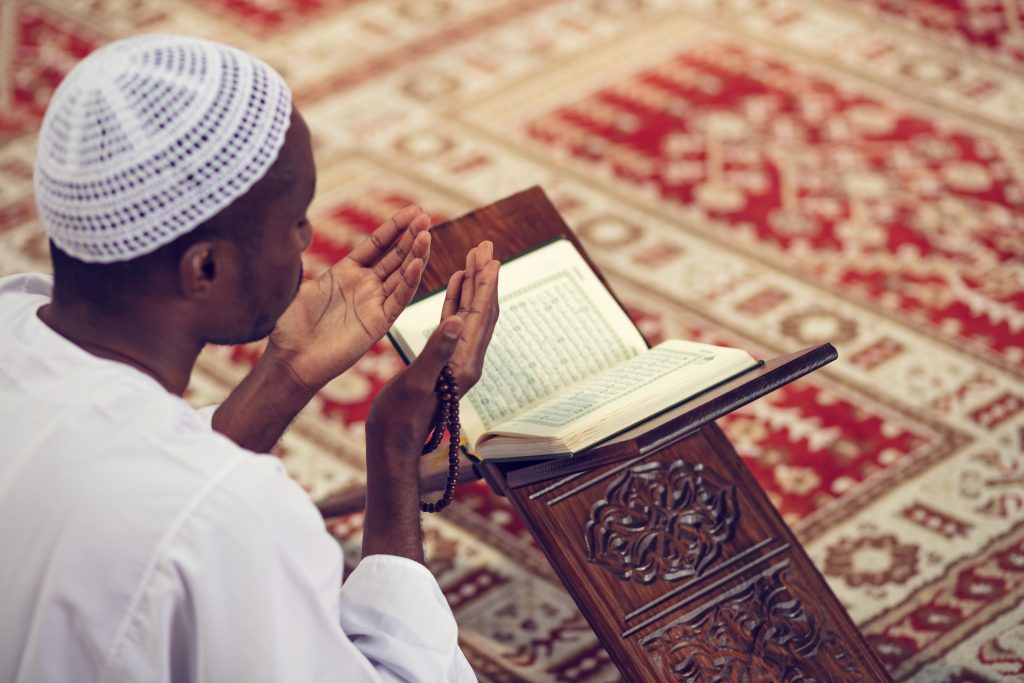
The Spiritual Journey of Ramadan
The 30 days of Ramadan are divided into three parts of ten days each, known as Ashras:- First Ashra (Days 1-10): Days of Mercy (Rahmat) - Seeking Allah's mercy and blessings
- Second Ashra (Days 11-20): Days of Forgiveness (Maghfirat) - Seeking forgiveness for sins
- Third Ashra (Days 21-30): Days of Safety from Hell Fire (Nijat) - Seeking protection from hell
Fasting Rules & Guidelines
Understanding the proper rules and guidelines for fasting during Ramadan is essential for a meaningful observance. Here's a comprehensive breakdown of Ramzan fasting rules:Who Must Fast
Fasting is obligatory (Fard) for:- All adult Muslims who have reached puberty (Baaligh)
- Those who are physically and mentally capable
- Those who are not traveling (distance varies by scholar opinion)
Exemptions from Fasting
Islam provides exemptions from fasting for valid reasons:| Category | Exemption Details | Requirement |
|---|---|---|
| Children | Those who haven't reached puberty | Not required to fast |
| Elderly | Those unable to fast due to age/health | Must pay Fidya (feed a poor person) |
| Pregnant/Nursing Women | If fasting harms mother or baby | Must make up missed fasts later |
| Travelers | Those on long journeys | Can fast or make up later |
| Chronically Ill | Those with permanent health conditions | Must pay Fidya for each missed fast |
| Menstruating Women | During menstrual period | Cannot fast, must make up later |
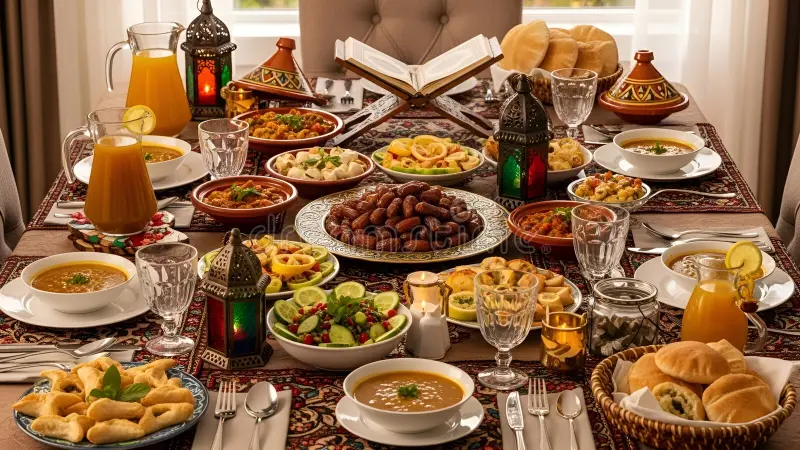
Sehri and Iftar Timing
Things That Break the Fast
The following actions nullify the fast and require making up the missed day:- Eating or drinking intentionally (even a small amount)
- Sexual intercourse during fasting hours
- Vomiting intentionally (induced vomiting)
- Menstruation or postpartum bleeding for women
- Injection for nourishment purposes (non-medical)
Things That DON'T Break the Fast
- Using Miswak (tooth stick) or toothpaste (without swallowing)
- Eye drops, ear drops, or nose drops (that don't reach throat)
- Injections for medical treatment (non-nourishing)
- Rinsing mouth or nose during ablution (Wudu)
- Accidental eating or drinking (forgetting you're fasting)
- Tasting food while cooking (without swallowing)
Importance of Niyyah (Intention)
Making a sincere intention (Niyyah) to fast is essential for the fast to be valid. The intention must be made each night before dawn, even if said silently in the heart. It signifies that you're fasting for Allah's sake alone.Taraweeh Prayers
Taraweeh are special evening prayers performed during Ramadan after the Isha prayer. These prayers are not obligatory but are highly recommended. They involve long recitations of the Quran and are typically performed in congregation at mosques. Completing the entire Quran during Taraweeh prayers throughout Ramadan is a blessed tradition many Muslims follow.Eid Celebrations Across India
India, with its rich Islamic heritage, celebrates Ramzan Eid with exceptional enthusiasm and cultural diversity. The festival showcases beautiful traditions that vary by region while maintaining core Islamic practices.Eid Morning Preparations
The day of Eid begins early with Muslims waking up before dawn for cleansing and grooming. It's Sunnah (practice of Prophet Muhammad) to:- Perform ablution (Ghusl) and wear clean clothes
- Apply perfume (Attar) for men
- Wear new or best clothes available
- Eat something sweet before leaving for Eid prayer (traditionally dates or Sewaiyan)
Eid Prayer Congregation
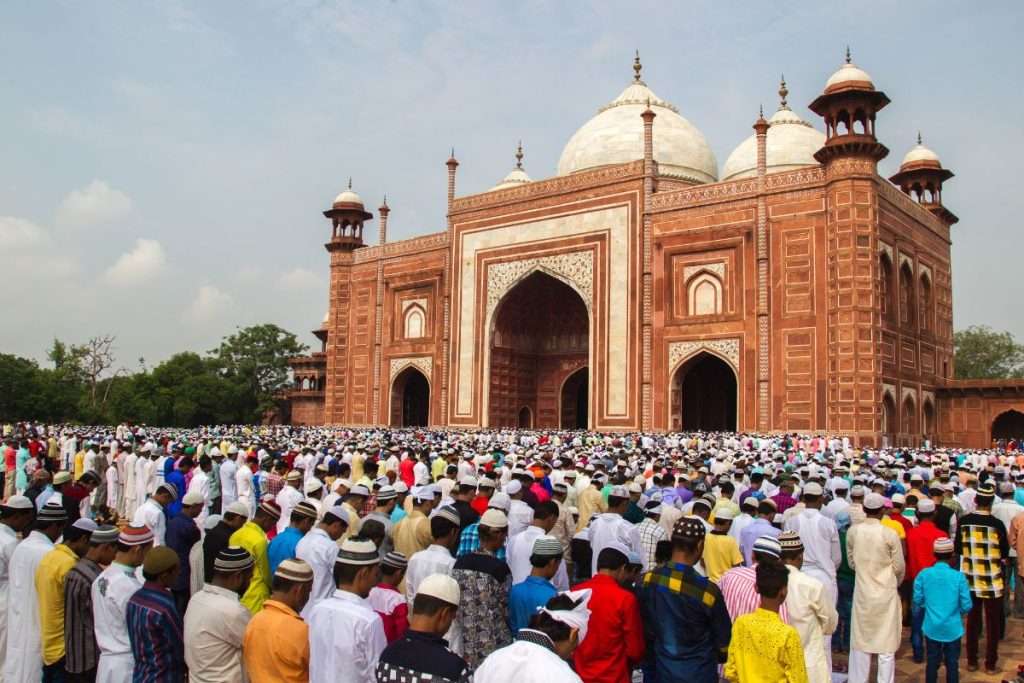
- Jama Masjid, Delhi - Over 200,000 worshippers
- Taj-ul-Masajid, Bhopal - Asia's largest mosque
- Makkah Masjid, Hyderabad - Historic 400-year-old mosque
- Haji Ali Dargah, Mumbai - Coastal landmark
Eid Greetings and Hugs
After completing the prayer, Muslims exchange greetings of "Eid Mubarak" (Blessed Eid). It's a tradition to hug fellow worshippers three times, wishing them peace and blessings. This simple act fosters unity and brotherhood in the community.Visiting Relatives and Eidi Tradition
Post-prayer, families visit relatives, friends, and neighbors to strengthen bonds. Elders give Eidi (gift money) to children, which is one of the most exciting aspects for young Muslims. Families often host open houses, welcoming guests with traditional hospitality.Regional Variations in India
While core traditions remain same, different regions have unique customs:- Delhi & Uttar Pradesh: Famous for Jama Masjid celebrations and vibrant old Delhi markets
- Kerala: Known for grand community feasts and unique cultural programs
- Hyderabad: Celebrates with special Haleem preparation and historic mosque gatherings
- Kashmir: Features snowy landscapes and special local dishes
- Lucknow: Known for Awadhi cuisine and traditional Nawabi hospitality
Traditional Eid Foods & Sweets
Food plays a central role in Eid celebrations, representing joy, abundance, and gratitude for Allah's blessings. After a month of controlling desires, Eid is a day of halal enjoyment with family and friends.Sheer Khurma - The Signature Dish
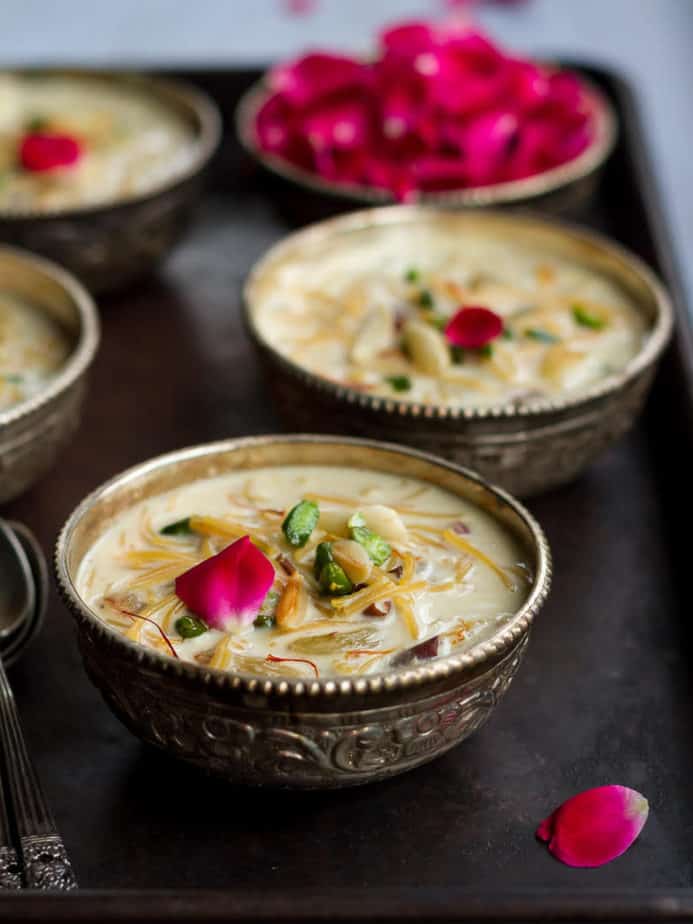
- Fine vermicelli (sewai)
- Full-fat milk
- Dates (khajoor)
- Dried fruits: almonds, pistachios, cashews, raisins
- Saffron (kesar) and cardamom for flavor
Sewaiyan (Vermicelli)
Another essential dish is Sewaiyan, which can be prepared sweet (with sugar and milk) or savory (with spices and vegetables). This dish is so beloved that it's often the first thing eaten on Eid morning, even before the main meal.Biryani Varieties
No Eid celebration is complete without Biryani. Different regions specialize in their unique styles:- Hyderabadi Biryani: Layered rice and meat with aromatic spices
- Lucknowi Awadhi Biryani: Mild, fragrant, with delicate spices
- Kolkata Biryani: Lighter, with potatoes and eggs
- Kerala Malabari Biryani: Made with short-grain rice (Kaima)
Kebabs and Curries
Elaborate meat dishes are prepared after a month of simple iftar meals:- Shahi Kebabs: Mutton or chicken marinated in yogurt and spices
- Chicken Korma: Rich, creamy curry with nuts
- Mutton Rogan Josh: Aromatic Kashmiri lamb curry
- Chicken Changezi: Spicy Mughlai specialty
Sweets and Desserts
Besides Sheer Khurma, various sweets are prepared:- Kheer: Rice pudding with dry fruits
- Phirni: Ground rice pudding served in clay pots
- Shahi Tukda: Fried bread slices in sweetened milk
- Kulfi Falooda: Traditional Indian ice cream with vermicelli
- Gulab Jamun: Deep-fried milk solids in sugar syrup
Regional Specialties
| Region | Special Eid Dish | Description |
|---|---|---|
| Hyderabad | Haleem | Slow-cooked wheat, lentils, and meat |
| Kerala | Malabari Porotta & Beef | Flaky bread with spiced meat curry |
| Kashmir | Tabakh Maaz | Fried lamb ribs |
| Lucknow | Galouti Kebab | Melt-in-mouth minced meat kebabs |
| Bengal | Rezala | Mutton in rich, nutty gravy |
Preparing Sheer Khurma: Quick Recipe
Ingredients:- 1 liter full-fat milk
- 1 cup fine vermicelli, broken into small pieces
- 1/2 cup dates, chopped
- 1/4 cup each of almonds, pistachios, cashews
- 2 tbsp raisins
- 1/4 cup sugar (adjust to taste)
- 1/4 tsp cardamom powder
- Few strands of saffron soaked in warm milk
- Roast vermicelli in ghee until golden brown
- Boil milk and simmer for 10 minutes
- Add vermicelli and cook until soft
- Add sugar, cardamom, and saffron
- Add chopped dates and nuts
- Simmer for 5 more minutes and serve warm or chilled
Prayer Timings & Customs
Understanding the proper prayer timings and Eid customs is essential for a meaningful celebration. Unlike the daily five prayers, Eid prayer has specific requirements and timing.Eid Prayer Timing
The Eid ul-Fitr prayer is performed in the morning, with specific timing:- Earliest Time: Approximately 15-20 minutes after sunrise
- Latest Time: Before midday (Zawal)
- Typical Time: Usually around 8:00-10:00 AM (varies by location)
Mosque vs Eidgah
Eidgah: An open field or ground specifically designated for Eid prayers- Preferred for Eid prayers as per Sunnah
- Can accommodate large gatherings
- Symbolizes unity and equality (standing on bare ground)
- Often decorated and carpeted for the occasion
- Used when weather doesn't permit outdoor prayers
- Common in urban areas with limited open spaces
- Offers comfort and facilities for worshippers
The Two-Rakat Eid Namaz
The Eid prayer consists of two rakats with special features: First Rakat:- Begin with Takbeerat al-Ihram (saying "Allahu Akbar" to start prayer)
- Recite additional Takbeers (usually 3, 5, or 7 as per different schools)
- Hands are raised during each Takbeer
- Recite Surah Al-Fatiha and another Surah (often Al-A'la or Al-Ghashiyyah)
- Complete the rakat with Ruku and Sujud
- Recite Surah Al-Fatiha and another Surah (often Al-Ghashiyyah or Al-A'la)
- Perform additional Takbeers before bowing (Ruku)
- Complete the prayer with Ruku, Sujud, and Tashahhud
- End with Salam (turning head to say "Assalamu Alaikum")
The Khutba (Sermon)
After the prayer, the Imam delivers a Khutba which is:- Essential part of Eid prayer (listen quietly)
- Focuses on gratitude for completing Ramadan
- Reminds about Zakat and charity
- Encourages continuing good habits beyond Ramadan
- Strengthens community bonds and brotherhood
Takbeer Recitation
Special Takbeer recitations are an important part of Eid: Allahu Akbar, Allahu Akbar, La Ilaha Illallah, Allahu Akbar, Allahu Akbar, Wa Lillahil Hamd (Allah is Great, Allah is Great, There is no god but Allah, Allah is Great, Allah is Great, All praise belongs to Allah) This is recited:- On the way to Eid prayer
- While waiting for prayer to begin
- During the prayer in additional Takbeers
Zakat al-Fitr (Compulsory Charity)
Before the Eid prayer, every Muslim must pay Zakat al-Fitr, also called Sadaqah al-Fitr or Fitra:- Purpose: Purify the fast and help the poor celebrate Eid
- Amount: Approximately 2.5 kg of wheat/grain or equivalent value
- Timing: Must be paid before Eid prayer begins
- Beneficiaries: Given to the poor and needy in the community
Celebration Tips & Customs
To make your Ramzan Eid celebration meaningful and well-organized, here are practical tips based on authentic Islamic traditions:Planning Beforehand
- Purchase Eid outfits: Buy clothes for the family in advance to avoid last-minute rush
- Prepare guest list: Plan whom you'll invite and which homes you'll visit
- Menu planning: Decide dishes for guests, considering dietary restrictions
- Calculate Zakat: Determine Fitra amount for all family members
Eve of Eid (Chand Raat)
The night before Eid, called Chand Raat (Moon Night), is special:- Markets stay open late with festive shopping
- Women get henna (Mehendi) applied on hands
- Families prepare Sheer Khurma overnight
- Last-minute shopping for clothes and gifts
- Excitement builds as moon is sighted
Eid Morning Routine
- Wake up early, before dawn
- Perform Ghusl (full body cleansing)
- Miswak (clean teeth), groom well
- Wear best clothes, apply perfume (Attar)
- Eat something sweet (dates or Sewaiyan)
- Pay Zakat al-Fitr if not done already
- Walk to Eid prayer (if nearby)
- Recite Takbeer on the way
Host Etiquette
If you're hosting guests:- Prepare extra food for unexpected guests
- Keep Sheer Khurma ready as welcome drink
- Arrange comfortable seating for elders
- Prepare Eidi envelopes for children
- Keep home clean and decorated
Guest Etiquette
When visiting others:- Call before visiting (don't surprise)
- Take a small gift or sweets for hosts
- Greet with "Eid Mubarak" and warm hugs
- Respect their time and don't overstay
- Dress modestly and appropriately
Visiting Graves
Many Muslims visit graveyards on Eid day:- To remember deceased family members
- Pray for their forgiveness and peace
- Reflect on mortality and afterlife
- It's a reminder of our temporary existence
Post-Eid Practices
Remember, Eid is not just one day of celebration but a continuation of Ramadan's spirit. Muslims are encouraged to:- Maintain some fasting practices (Sunnah fasts on Mondays/Thursdays)
- Continue regular prayers
- Keep giving charity
- Sustain good habits developed during Ramadan
Internal Links to Explore More
Want to learn more about Indian festivals and celebrations? Check out these comprehensive guides:- Ramadan Festival India - Complete Celebration Guide - Detailed coverage of Ramadan observances across India
- Holi Festival Guide - Colors, Customs & Celebration - Explore India's vibrant festival of colors
- Diwali in Ayodhya - The Grand Festival of Lights - Discover the spiritual significance of Diwali celebrations
Conclusion
Ramzan Eid is much more than just a festival marking the end of fasting. It represents the culmination of a month-long spiritual journey, a celebration of faith, discipline, and community. The festival teaches valuable lessons of self-control, empathy for the less fortunate, and the joy of sharing with others. Whether you're observing the fast or participating in celebrations, Eid ul-Fitr offers beautiful insights into Islamic culture and traditions. From the predawn Sehri to the joyous Eid prayer, from the preparation of Sheer Khurma to the exchange of Eidi, every aspect of this festival is filled with meaning and warmth. As we celebrate Ramzan Eid, let's remember its core values: gratitude, compassion, unity, and devotion. May this special occasion bring peace, prosperity, and blessings to all. Eid Mubarak!Location
Frequently Asked Questions
Q1.When is Ramzan Eid?
Q2.What are Ramzan fasting rules?
Q3.What is Sehri and Iftar timing?
Q4.What time is Eid prayer?
Q5.How to celebrate Eid at home?
Q6.What are traditional Eid foods?
Q7.Who is exempted from Ramzan fasting?
Q8.What breaks the fast in Ramzan?
Q9.How many days of Eid celebration?
Q10.What to do on Eid day?
Recommended For You
Christmas Celebration in Mumbai: Events, Midnight Mass & City Highlights
Plan Christmas celebration Mumbai with church mass tips, festive zones, dining ideas, and practical travel advice for smooth city celebrations this season.
Durga Puja in West Bengal: Major Pandals, Timings & Travel Plan
Durga Puja Kolkata planning guide with pandal cluster routes, crowd-smart timing, transport strategy, and practical one-day/two-day festival templates.
Navratri in Gujarat: Garba Dates, Venues and Travel
Plan Navratri in Gujarat with city-wise Garba venues, date guidance, outfit tips, ticket strategy, and practical travel advice for first-time visitors.
Never Miss an Adventure
Get the latest trekking guides, travel tips, and exclusive offers delivered straight to your inbox.