
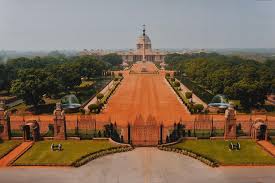
Rashtrapati Bhavan: Ticket Booking, Timings & Mughal Gardens Info

Neha Kapoor
February 19, 2026
Complete guide to Rashtrapati Bhavan including tour timings, Mughal Gardens, tickets, booking procedure, and visitor information.
Rashtrapati Bhavan New Delhi: Complete Visitor Guide
Rashtrapati Bhavan is one of India’s most important political landmarks and a defining architectural centerpiece of New Delhi. Originally built as the Viceroy’s House during British rule and later transformed into the official residence of the President of India, it represents both imperial design history and post-independence democratic continuity. For travelers, it offers a rare combination of state symbolism, architecture, and ceremonial culture.
Many visitors see it only from outside while passing central Delhi boulevards. A better approach is to plan your visit with context and schedule, including museum and garden components where available. You can pair this stop with india gate and rajpath delhi for a coherent central-administrative heritage route.
Historical Context
Designed in the early 20th century as part of the imperial capital project, the building reflects a complex blend of European planning and Indian architectural motifs. After independence, the structure was institutionally reinterpreted to serve as the residence of India’s elected head of state, giving it renewed symbolic meaning.
This transition from colonial seat to republican institution is central to understanding the site. Rashtrapati Bhavan is not frozen history; it is an active constitutional space.
Architectural Highlights
The building is known for its grand dome, colonnaded facades, axial planning, and synthesis of stylistic influences. Details in stonework, chhatri-like elements, and landscape alignment show deliberate design adaptation to Indian context. Interiors such as ceremonial halls and library sections add further depth where visitor access is permitted.
Travelers interested in architecture should observe scale transitions: approach axis, forecourt framing, and relation to surrounding institutional avenues.
What to Explore
- Main exterior zone: monumental proportions and political symbolism.
- Museum components: curated interpretation of presidency and governance.
- Ceremonial spaces: depending on access windows and bookings.
- Gardens: seasonal horticultural highlight during open periods.
- Nearby administrative belt: valuable for contextual walking.
For full-day planning, combine this stop with places to visit delhi and jantar mantar delhi.
Best Time to Visit
October to March is generally the most comfortable period for central Delhi heritage circuits. Morning slots are usually better for lower heat and clearer movement. Seasonal garden openings can significantly enhance the experience, so align travel dates accordingly when possible.
Weekdays typically provide smoother logistics than weekend rush periods, especially when combining multiple central sites.
How to Reach and Plan Logistics
Rashtrapati Bhavan is accessible via metro-linked city transport and cab routes from most Delhi zones. Because this is a high-security institutional area, entry and movement protocols can vary. Always verify current visitor procedures, ID requirements, and booking windows before travel day.
Keep realistic transit buffers. Central Delhi traffic and security movement can affect timing, especially during state events.
Suggested Central Delhi Heritage Block
| Time Block | Suggested Focus |
|---|---|
| 09:00-10:00 AM | Rashtrapati Bhavan exterior and orientation |
| 10:00-11:00 AM | Museum or interpretation segment (if booked) |
| 11:00 AM-12:00 PM | Nearby boulevard and landmark contextual walk |
| Afternoon | Move to next heritage or cultural stop |
This framework keeps the visit structured and minimizes rushed transitions.
Visitor Conduct and Practical Tips
- Carry valid ID and keep documentation ready.
- Follow all security and photography instructions strictly.
- Avoid restricted-zone movement for unofficial shots.
- Dress neatly for formal institutional environments.
- Use official channels for updated visitor information.
Respect for protocol is essential at this site due its constitutional function.
Common Mistakes to Avoid
- Assuming unrestricted walk-in access to all sections.
- Planning without checking current visitor windows.
- Underestimating transit time in central Delhi.
- Treating the site as only a drive-by photo point.
- Skipping related landmarks like qutub minar and siri fort delhi in wider timeline planning.
Why Rashtrapati Bhavan Is Essential in Delhi
Rashtrapati Bhavan is one of the clearest places to understand India’s architectural and political transitions from empire to republic. It offers visual scale, institutional depth, and national symbolism in one destination. A well-planned visit here strengthens the meaning of every other historical stop in Delhi.
Approach it with preparation, not improvisation. When timed and contextualized properly, this site becomes a standout experience in the capital.
Before leaving the area, take one final long-axis view and note how design, protocol, and public symbolism intersect. That perspective captures the essence of Rashtrapati Bhavan.
How to Read Rashtrapati Bhavan Beyond Facade Views
Most visitors recognize the dome and forecourt immediately, but deeper understanding comes from reading the site as an institutional landscape. Observe how axis planning connects the building to wider ceremonial boulevards and administrative geometry. This is not accidental aesthetics; it reflects intended state symbolism and controlled civic choreography. When viewed this way, Rashtrapati Bhavan becomes easier to interpret as a political design statement rather than a grand standalone structure.
Inside interpretation zones and museum components, focus on transition from colonial state architecture to republican constitutional identity. This historical shift is central to the site’s meaning. By comparing original imperial intent with post-independence institutional reuse, travelers gain a clearer sense of how built heritage can be transformed without erasing historical memory.
Planning Better Visits in Central Delhi
Entry logistics and security procedures can affect timing more than expected, so build conservative buffers. Keep one flexible hour in your day for check-in, queue variation, and controlled movement windows. Avoid scheduling another high-security site immediately afterward unless transport and timings are confirmed. This prevents avoidable stress and keeps the visit focused.
A strong central Delhi day usually combines one institutional heritage block, one open monument block, and one lower-intensity cultural segment. This pacing balances cognitive and physical load. For researchers and students, a short post-visit note session can be highly useful: record one architectural observation, one constitutional insight, and one ceremonial protocol detail.
Why the Site Stays Relevant
Rashtrapati Bhavan remains relevant because it symbolizes continuity of democratic institutions through changing political eras. It demonstrates how architecture can carry memory while serving current constitutional life. This dual function is rare and makes the site exceptional in global capital-city comparisons.
Before leaving, take one final long-axis perspective and note how landscape, scale, and governance symbolism align. That moment captures the building’s deeper meaning better than any single close-up photograph.
Location
Frequently Asked Questions
Q1.How can I book a tour of Rashtrapati Bhavan?
Q2.What are the Mughal Gardens opening dates?
Q3.What is the ticket price for Rashtrapati Bhavan tour?
Q4.Can we take photos inside Rashtrapati Bhavan?
Q5.What is the Change of Guard Ceremony timing?
Q6.How do I reach Rashtrapati Bhavan by metro?
Q7.What items are prohibited at Rashtrapati Bhavan?
Q8.Is there a dress code for visiting Rashtrapati Bhavan?
Recommended For You
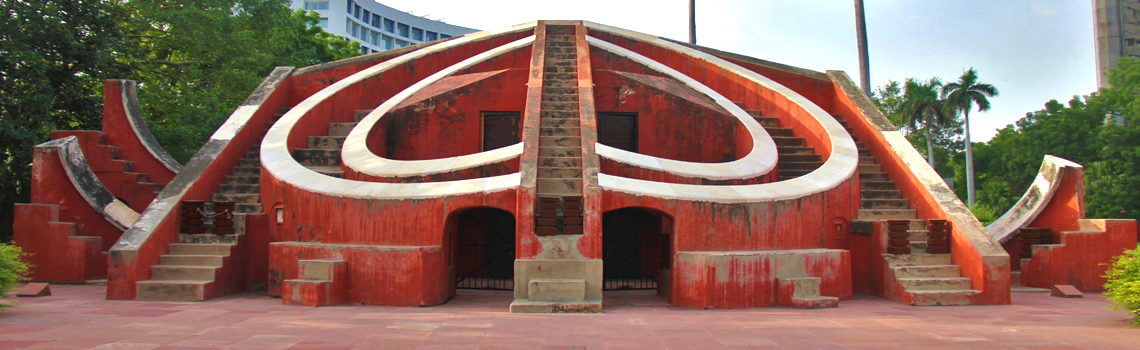
Jantar Mantar Delhi: Timings, Entry Fee & Must-See Instruments
Explore Jantar Mantar Delhi - UNESCO astronomical observatory with timings, entry fee, instruments & visitor guide. Built by Maharaja Jai Singh II in 1724.
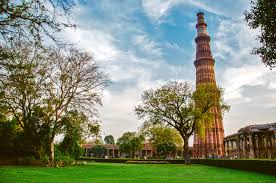
Qutub Minar Delhi: Complete Guide to UNESCO World Heritage Site
Explore Qutub Minar Delhi - tallest brick minaret & UNESCO site. Discover 800 years of Islamic architecture, the mysterious Iron Pillar & Delhi heritage.
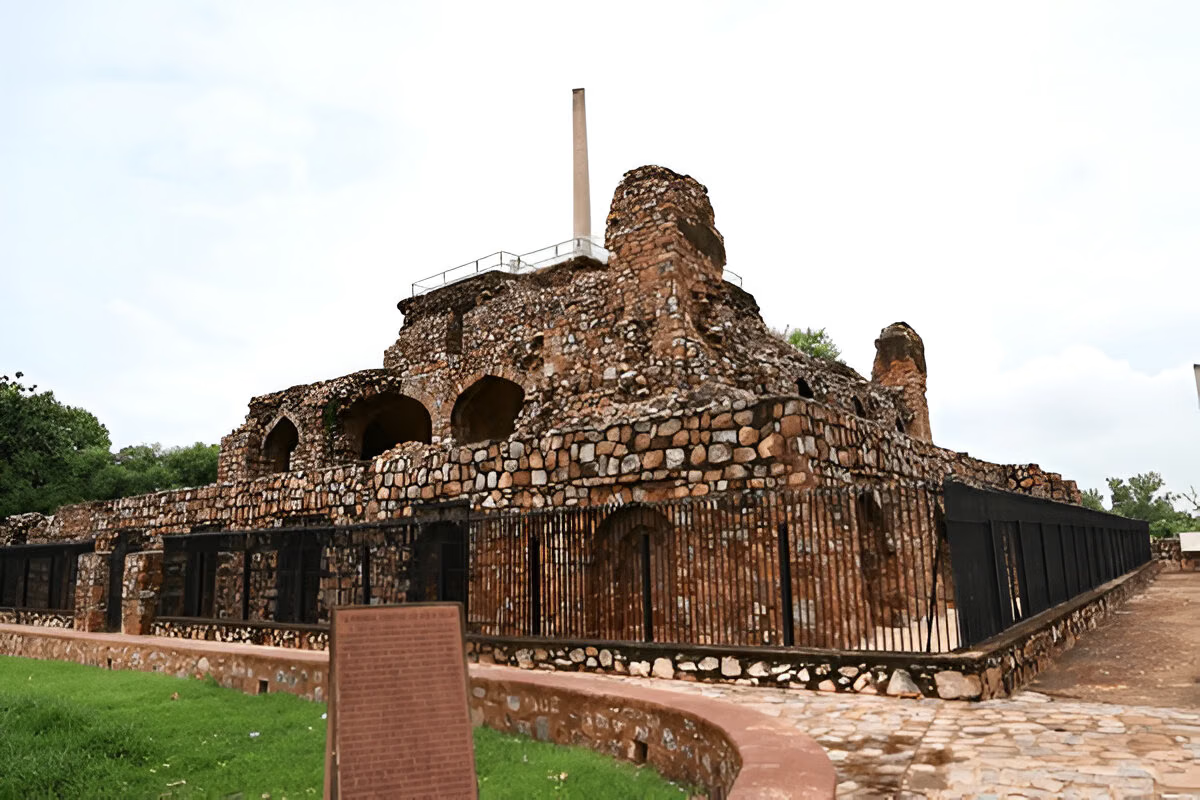
Siri Fort Delhi: History, Location, Entry & Visitor Information
Plan Siri Fort Delhi with heritage context, auditorium booking basics, and practical event-day access tips.
Never Miss an Adventure
Get the latest trekking guides, travel tips, and exclusive offers delivered straight to your inbox.
