

Rock Climbing in Badami Guide: World-Class Red Sandstone Sport Crags

Ananya Sharma
August 23, 2026
Comprehensive guide to rock climbing in Badami, Karnataka: world-class red sandstone sport routes, top crags like Ganeshori & Saraswati, gear, grades, and best seasons.
Introduction to Badami: The Sport Climbing Mecca of India
Nestled in the Bagalkot district of northern Karnataka, amidst the rugged sandstone canyons and ancient 6th-century rock-cut cave temples of the Early Chalukya dynasty, Badami is universally celebrated by international and Indian climbers as the premier sport climbing mecca of the subcontinent. Renowned for its steep, bullet-hard red sandstone cliffs, intricate horizontal roof systems, technical face cracks, and pumpy hueco pockets, Badami offers over 200 fully bolted sport routes ranging in grade from beginner-friendly 5b (French 5+) all the way to world-class testpieces graded 8c+ (5.14c). Climbing high above the historic waters of the Agastya Lake with the golden stone architecture of the Bhutanatha Temple glowing below is one of the most surreal and aesthetically magnificent climbing experiences in the world. For travelers exploring Karnataka's heritage landscape, Badami pairs perfectly with our 5-day Hampi and Badami heritage circuit and our Badami caves architectural guide.
Why Badami is Globally Renowned for Sport Climbing
The rock quality in Badami is exceptional. Unlike the friction-dependent granite boulder fields of neighboring Hampi, Badami features fine-grained quartzitic red sandstone that offers astonishing friction, sharp crimps, smooth slopers, deep horizontal pocket jugs (huecos), and steep overhangs that test finger strength and technical footwork. The sandstone dry-cures under the arid Deccan sun, providing clean, solid placements for expansion bolts and stainless steel anchors.
Developed since the early 1990s by pioneering Indian climbers alongside international climbing legends (including Gerhard Schaar, Gunjit Sharma, and Kilian Fischhuber), Badami is fully equipped with reliable stainless steel glue-in and expansion bolts, lower-off rings, and well-documented topo guides, making it the safest and most developed outdoor sport climbing crag in India. The close proximity of crags to the town centre means you can walk from your homestay to world-class climbing walls in less than 15 minutes.
Top Climbing Crags and Sectors in Badami
Badami's climbing is spread across several distinct sectors, easily accessible on foot from the town centre:
- Ganeshori Sector: Located directly behind the village near the ancient cave temples, Ganeshori is Badami's most popular crag. Featuring shaded climbing throughout the afternoon, it houses iconic classic routes like Samsara (6b), Badami Dream (6a+), and the technical face climb Ganesha (7a).
- Saraswati Crag: Situated across the canyon, Saraswati features long, pumpy stamina climbs with steep roofs and juggy huecos. Highlights include Namaste (6c) and the legendary overhanging testpiece Ganesh (8b+), first freed by French climbing star Gerome Pouvreau.
- Temple Area & Bouldering Crags: The canyons surrounding the northern hill and Bhutanatha Temple feature technical crack climbs, highball boulders, and vertical face routes that offer breathtaking evening sunset views over Agastya Lake.
- Deluxe Crag & Cave Sector: Known for extreme overhanging roofs and endurance testpieces for advanced climbers looking to push their grades into the 7c to 8b range.
- North Fort Multi-Pitch Walls: Rising behind the archaeological museum, the towering sandstone bluffs of the North Fort offer multi-pitch traditional and sport routes ranging from 40 to 60 metres, rewarding climbers with panoramic vistas over the ancient Chalukyan kingdom.

Route Grades, Bouldering & Local Climbing Community
Whether you are climbing your first outdoor 5b or projecting an 8a endurance roof, Badami has routes for every grade. Local climbing pioneers and certified guides based in Badami town maintain the crags, replace worn anchors, and offer guided climbing sessions for beginners. Bouldering is also prominent on the sandstone blocks scattered throughout the valleys, with classic problems ranging from V2 to V10 requiring core tension and compression moves.
Essential Gear, Safety and Climbing Etiquette
Sport climbing in Badami requires standard outdoor climbing gear and safety precautions:
- Rope & Quickdraws: A 60-metre or 70-metre dynamic climbing rope (9.5mm to 9.8mm) is essential, as many multi-pitch and single-pitch extensions reach 25 to 30 metres. Carry 12 to 16 quickdraws with locking carabiners for anchor building.
- Climbing Shoes & Chalk: Edge-stiff climbing shoes with sticky rubber (like Vibram XS Grip or Stealth) are recommended for small sandstone edges. Loose chalk and a chalk bag are indispensable in the dry Deccan heat.
- Helmets: While Badami's rock is remarkably solid, wearing a climbing helmet is mandatory to protect against accidental loose gravel or dropped gear from upper ledges.
- Leave No Trace & Temple Respect: Badami is a sacred pilgrimage town and protected ASI heritage site. Never drill or place bolts on ancient monument walls or temple structures. Keep noise low, pack out all tape and trash, and brush excess chalk off historic holds.
To compare Badami's bolted sport climbing with the world-famous granite bouldering of Vijayanagara, explore our detailed Hampi heritage boulder guide and our complete Hampi travel guide.
Best Season for Rock Climbing in Badami
The climbing calendar in Badami runs strictly during the cooler dry months:
- Peak Climbing Season (November to February): The ideal window. Daytime temperatures average 22°C to 28°C with cool morning breezes, low humidity, and excellent rock friction. Climbers follow the shade, climbing west-facing crags in the morning and east-facing walls like Ganeshori in the afternoon.
- Shoulder Season (October & March): Feasible for climbing, though midday hours can be hot (exceeding 32°C). Climbing is restricted to early dawn (6:00 AM to 10:30 AM) and late evening.
- Monsoon & Summer (April to September): Extreme summer heat (exceeding 40°C in April-May) makes rock holds burn to the touch, while monsoon rains make sandstone slick and fragile. Climbing is not recommended during this period.
How to Reach Badami & Climbing Accommodation
Badami is well-connected by road and rail. Badami railway station sits on the Hubli–Solapur line, with regular trains from Bangalore, Mumbai, and Hyderabad. The nearest airports are Hubli Airport (HBX, 105 km away) and Belgaum Airport (140 km away). State highway buses connect Badami with Bagalkot, Hubli, and Hospet (Hampi).
Climbers typically stay at budget guesthouses and homestays near the bus stand or along Station Road, where local climbing guides offer gear rental, topo guidebooks, and climbing partners. Plan a complete driving trip with our Bangalore to Hampi and Badami road trip guide.
Conclusion
Rock climbing in Badami is an awe-inspiring union of athletic movement, world-class sandstone friction, and thousand-year-old architectural heritage. Clipping chains at the top of a red sandstone pillar as the evening temple bells ring across Agastya Lake is an experience that resonates deep in every climber's memory. Chalk up your hands and experience the sandstone magic of Badami today!
Location
Frequently Asked Questions
Q1.What type of rock is found in Badami for climbing?
Q2.Are the rock climbing routes in Badami bolted?
Q3.What is the best season for rock climbing in Badami?
Q4.What climbing gear do I need for Badami?
Q5.How far is Badami from Hampi and Bangalore?
Recommended For You
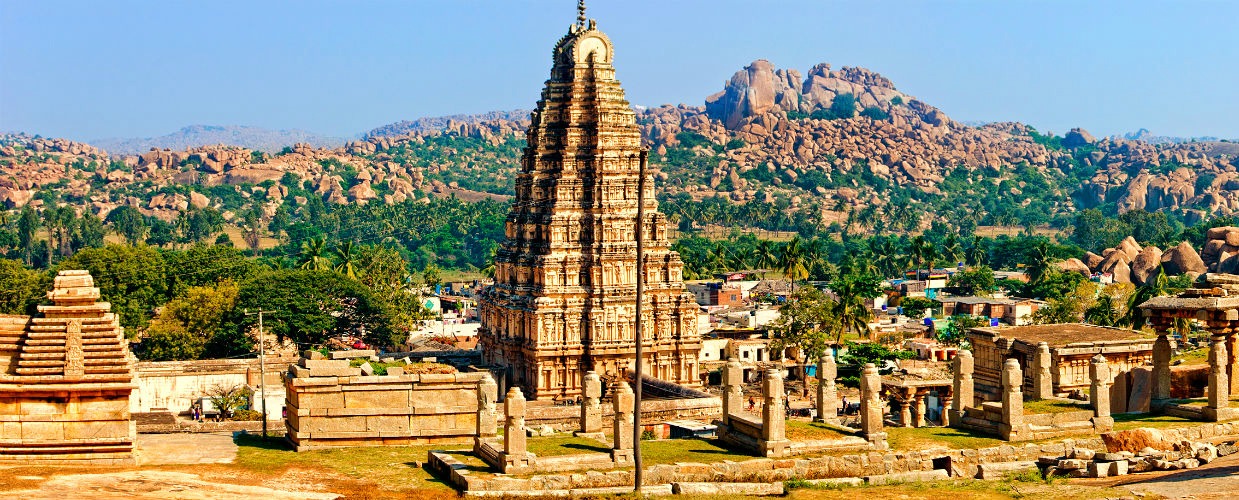
Hampi: Complete Travel Plan Temples And History
Complete Hampi travel guide featuring Vijayanagara ruins, Virupaksha Temple, Vittala Temple, Royal Enclosure, best time to visit & practical tips.

Bangalore to Hampi Road Trip: Heritage Drive, NH48/NH50 Route & Detours
Embark on a scenic 340km heritage road trip from Bangalore to Hampi via NH48 and NH50. Detailed guide covering driving times, Chitradurga Fort detour, food stops, and tips.
Best Places to Visit in Karnataka: 2026 Travel Plan by Region
A practical Karnataka planning guide with top destination clusters, season-based strategy, route logic, itinerary frameworks, and travel execution tips.
Never Miss an Adventure
Get the latest trekking guides, travel tips, and exclusive offers delivered straight to your inbox.
