
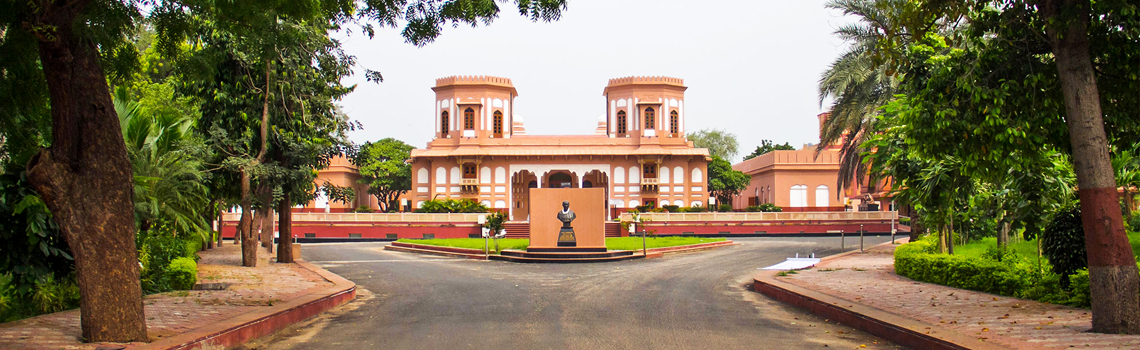
Sardar Patel Memorial Ahmedabad: Timings & Entry Fee

Rahul Garg
December 12, 2025
Visit Sardar Vallabhbhai Patel Memorial Ahmedabad. Museum timings, entry fee, history, exhibits & travel guide. Iron Man of India tribute.
Sardar Vallabhbhai Patel Memorial Ahmedabad: Complete Guide
Sardar Vallabhbhai Patel Memorial in Ahmedabad is one of Gujarat’s most meaningful modern-history sites, dedicated to the life and legacy of India’s “Iron Man.” Housed in a historic setting associated with public life and administration, the memorial offers exhibits that trace Patel’s role in nation-building, political integration, and constitutional transition. For travelers interested in modern India beyond monuments, this is a high-value stop.
Many Ahmedabad itineraries prioritize food and old city architecture, but adding this memorial gives historical depth and civic context. Pair it with sabarmati ashram to understand complementary leadership narratives from the freedom and post-independence period.
Why This Memorial Matters
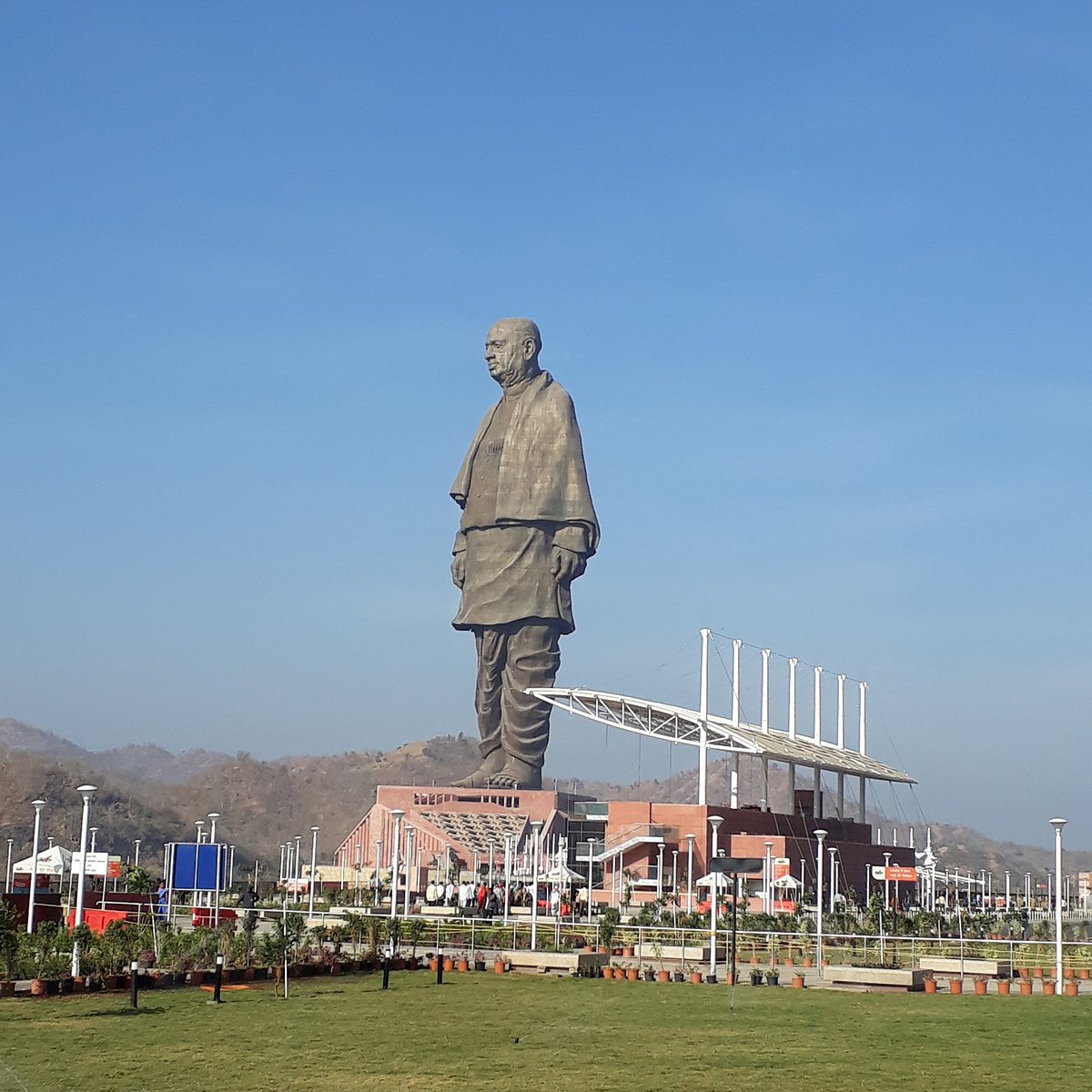
Sardar Patel’s role in integrating princely states into the Indian Union is central to modern Indian political history. The memorial contextualizes this contribution through visuals, archival references, and curated storytelling. It is a useful site for students, researchers, and civic-minded travelers who want to understand how institutional India took shape after independence.
Rather than treating the visit as personality worship, approach it as a governance and nation-formation case study. This perspective makes the museum content far more engaging.
What to See Inside
- Biographical galleries: key life phases and political milestones.
- Archival displays: letters, photographs, and documentary references.
- Integration narrative: interpretation of state unification process.
- Contextual exhibits: freedom movement and early republic transitions.
- Site architecture: historical building atmosphere around displays.
Use a chronological viewing sequence for better retention: early years, freedom movement, integration phase, and legacy.
Best Time to Visit
October to March offers comfortable weather for combining memorial visits with wider Ahmedabad circuits. As with most museums, weekday mornings are generally quieter and better for focused reading. Summer visits are manageable indoors, but travel between city stops can be tiring by midday.
Plan 60–120 minutes minimum if you want more than a quick walkthrough.
For route planning, combine with places to visit ahmedabad and hathisingh jain temple ahmedabad depending your day’s theme.

How to Reach the Memorial
The memorial is accessible through local cabs, autos, and city routes from major Ahmedabad neighborhoods. If you are exploring old city and riverfront zones on the same day, keep buffers for traffic variations and meal breaks. A balanced itinerary usually works better than overpacking too many high-attention stops.
Suggested Ahmedabad Heritage Block
| Time Block | Recommended Activity |
|---|---|
| 09:30-10:00 AM | Arrival and orientation |
| 10:00-11:00 AM | Main galleries and integration timeline |
| 11:00-11:30 AM | Second-pass reading and notes |
| 11:30 AM onward | Move to next city heritage stop |
This structure preserves concentration and improves content absorption.
Visitor Conduct and Learning Tips
- Read exhibits in sequence instead of random skipping.
- Keep notes on key dates and policy decisions.
- Respect photography restrictions where applicable.
- Maintain quiet in enclosed interpretation rooms.
- Use official information boards over unverified social snippets.
These small choices can significantly improve the educational return from the visit.
Common Mistakes to Avoid
- Rushing through galleries in under 20 minutes.
- Focusing only on statue photos and skipping exhibits.
- Missing context of integration process in Indian history.
- Ignoring linked city heritage points like kankaria lake ahmedabad and bhadra fort ahmedabad.
- Planning museum visit at end of a fatigue-heavy day.
Why This Memorial Should Be on Your List
This memorial offers one of the clearest public-history windows into India’s early post-independence consolidation. It complements architectural and religious sites by adding institutional and political depth to your Ahmedabad journey.
Visit with a learning mindset, and you will leave with stronger understanding of modern India’s formation—not just another gallery photo set.
Before leaving, identify one decision of Patel’s that shaped contemporary India. This reflection makes the visit practical, not just historical.
Learning Framework for Students and Researchers
This memorial is ideal for visitors studying post-independence state formation. Use a three-part framework while reading exhibits: leadership biography, institutional transition, and territorial integration. This keeps your museum walk coherent and prevents information overload. Instead of collecting disconnected facts, you build a clear historical sequence.
For civil services aspirants and policy students, focus on administrative decisions and constitutional implications highlighted across displays. Note how integration narratives connect to modern governance structures. These links make the visit academically useful beyond general tourism.
How to Combine with Ahmedabad Heritage
A strong day plan pairs one modern-history institution with one pre-modern architectural site. This contrast improves understanding of how cities carry multiple timelines at once. In Ahmedabad, that means balancing memorial learning with old-city or religious architecture visits in separate sessions.
Keep time for reflection after the museum. Even 15 minutes to summarize dates, decisions, and leadership challenges can significantly improve retention. Without this pause, dense exhibit material fades quickly, especially on busy travel days.
Why This Memorial Is More Than a Tribute Site
Sardar Vallabhbhai Patel Memorial is not only about honoring a national figure. It is a practical learning space for understanding how political will, negotiation, and institutional design shaped modern India. That relevance makes it valuable for every generation.
Before you leave, write one sentence on what “national integration” means in present-day terms. This final reflection makes the visit contemporary, not just historical.
Visiting Timings and Practical Planning
The memorial is typically open through standard daytime hours with a lunch-window closure common to many government-run heritage buildings in Gujarat, so checking the current daily schedule before travel is worthwhile, especially on public holidays when hours can shift. Most visitors need between 60 and 90 minutes to move through the main exhibit halls at a comfortable pace, with additional time if you plan to read every information panel in detail.
Entry fees are typically modest, and photography rules can vary by gallery section, with some archival document displays restricted to protect fragile materials. Carrying a valid ID is useful, as some heritage sites in the city request identification for entry logs.
Best Time of Year to Visit
Ahmedabad's climate makes winter, from November through February, the most comfortable period for combining this memorial with outdoor old-city walking. Summer months bring intense heat that can make back-to-back heritage visits tiring, so scheduling the memorial as an air-conditioned midday stop between outdoor mornings and evenings works well during hotter months. Monsoon season, from July to September, is generally fine for an indoor site like this, though travel between attractions can be affected by localized flooding on city roads.
Comparing This Memorial with Sabarmati Ashram
Visitors often ask which of Ahmedabad's two major modern-history sites to prioritize if time is limited. Sabarmati Ashram centers on Gandhi's philosophy of nonviolence and daily disciplined living, presented through his actual residence and personal artifacts. The Sardar Patel Memorial instead focuses on administrative and political history, tracing how princely states were integrated into the Indian union after independence. The two sites complement rather than duplicate each other, and visiting both on the same day, in either order, gives a much fuller picture of the political and philosophical currents that shaped the country's founding years.
Location
Frequently Asked Questions
Q1.What is Sardar Vallabhbhai Patel Memorial?
Q2.Where is Sardar Patel Memorial in Ahmedabad?
Q3.What are Sardar Patel Memorial timings?
Q4.What is the entry fee for Sardar Patel Memorial?
Q5.Is Sardar Patel Memorial open on Monday?
Q6.How much time is needed at Sardar Patel Memorial?
Q7.How to reach Sardar Patel Memorial?
Q8.Is photography allowed in Sardar Patel Memorial?
Recommended For You
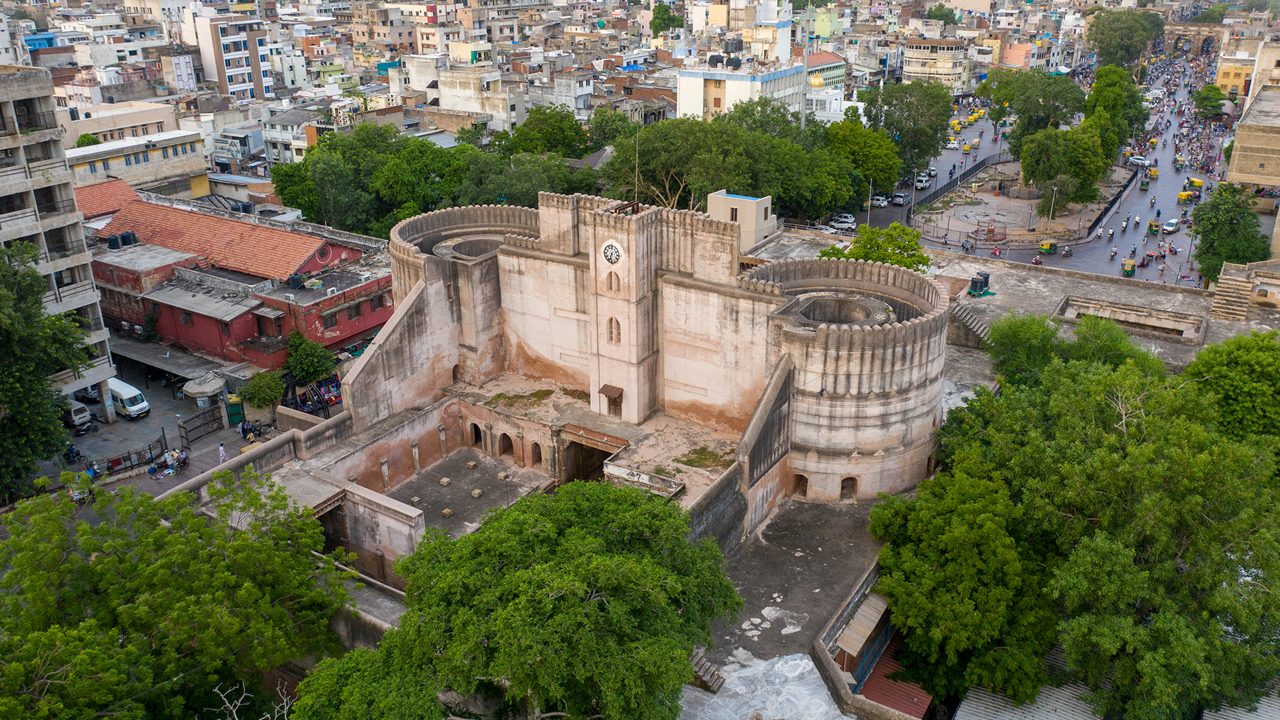
Bhadra Fort Ahmedabad: History, Access Guide and Tips
Explore Bhadra Fort Ahmedabad with historical context, architecture insights, old-city route planning, and practical visitor tips.
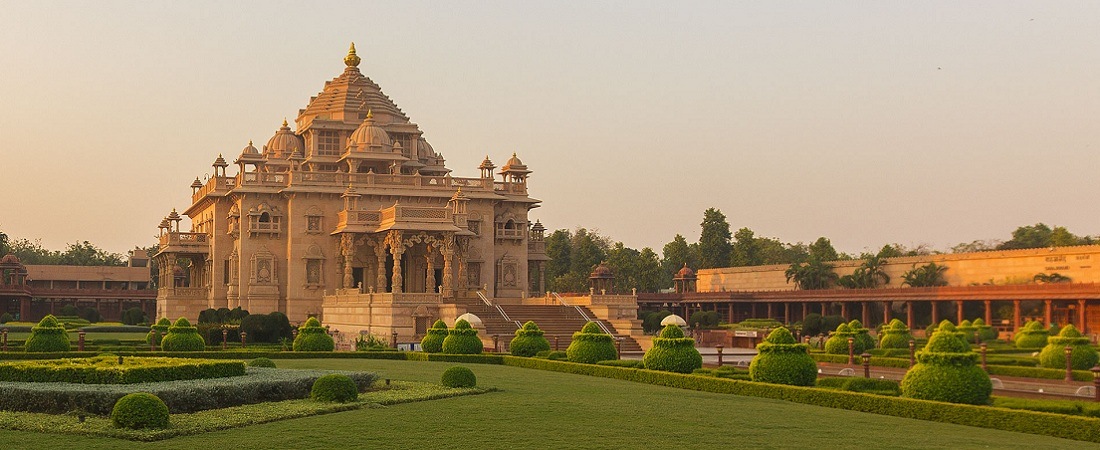
20 Best Places to Visit in Ahmedabad: Heritage & Fun
Explore top places to visit in Ahmedabad with heritage landmarks, food streets, shopping hubs, and practical 1-day/2-day itinerary planning.
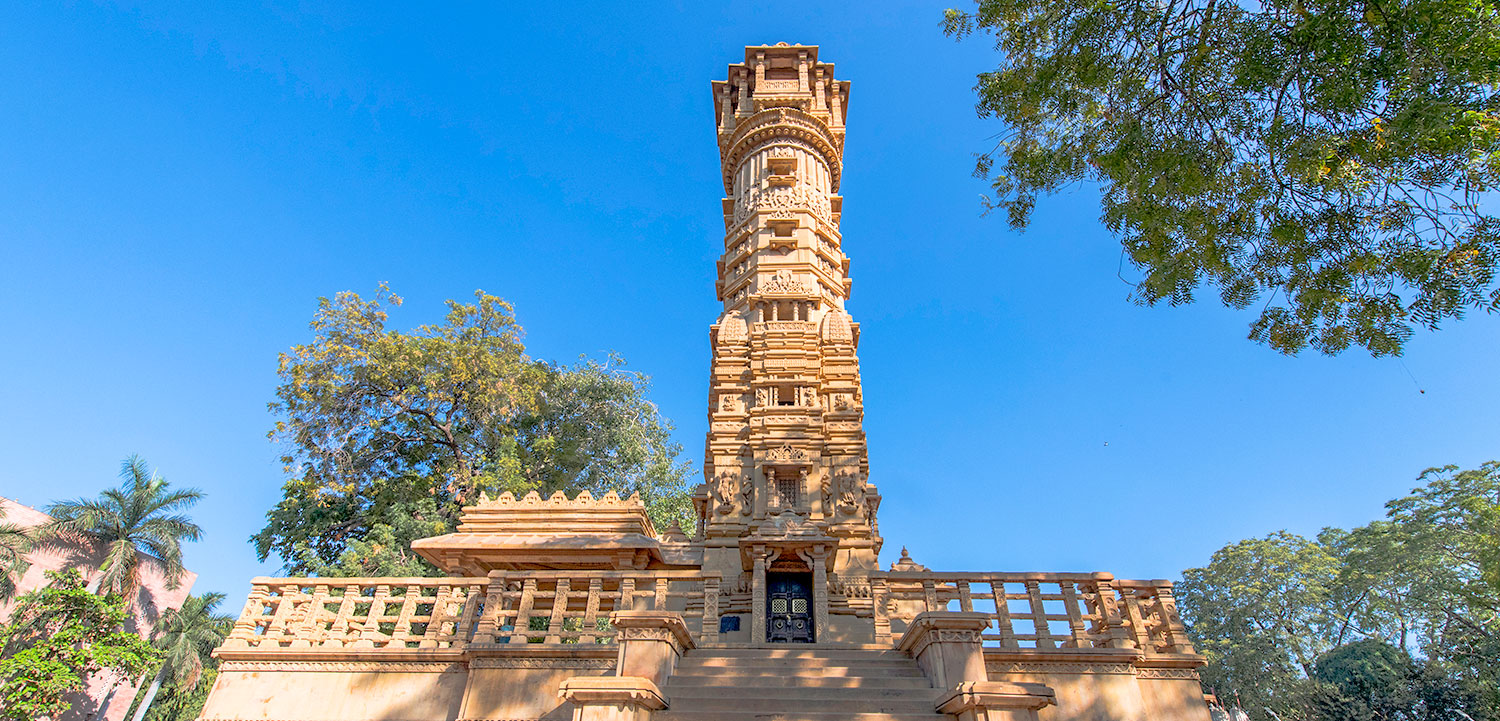
Hathisingh Jain Temple Ahmedabad: Architecture, Timings & Visitor Rules
Explore Hathisingh Jain Temple Ahmedabad, a stunning white marble masterpiece. Discover timings, history, architecture & visiting tips.
Never Miss an Adventure
Get the latest trekking guides, travel tips, and exclusive offers delivered straight to your inbox.