
Festivals
Taj Mahotsav Agra: Tickets, Timings, Performances & Travel Plan

Rahul Garg
January 28, 2026
5 min read1,891 views
Plan your Taj Mahotsava visit with practical timing strategy, ticket planning, budget tips, and a smart Agra itinerary around the festival.
Taj Mahotsava overview
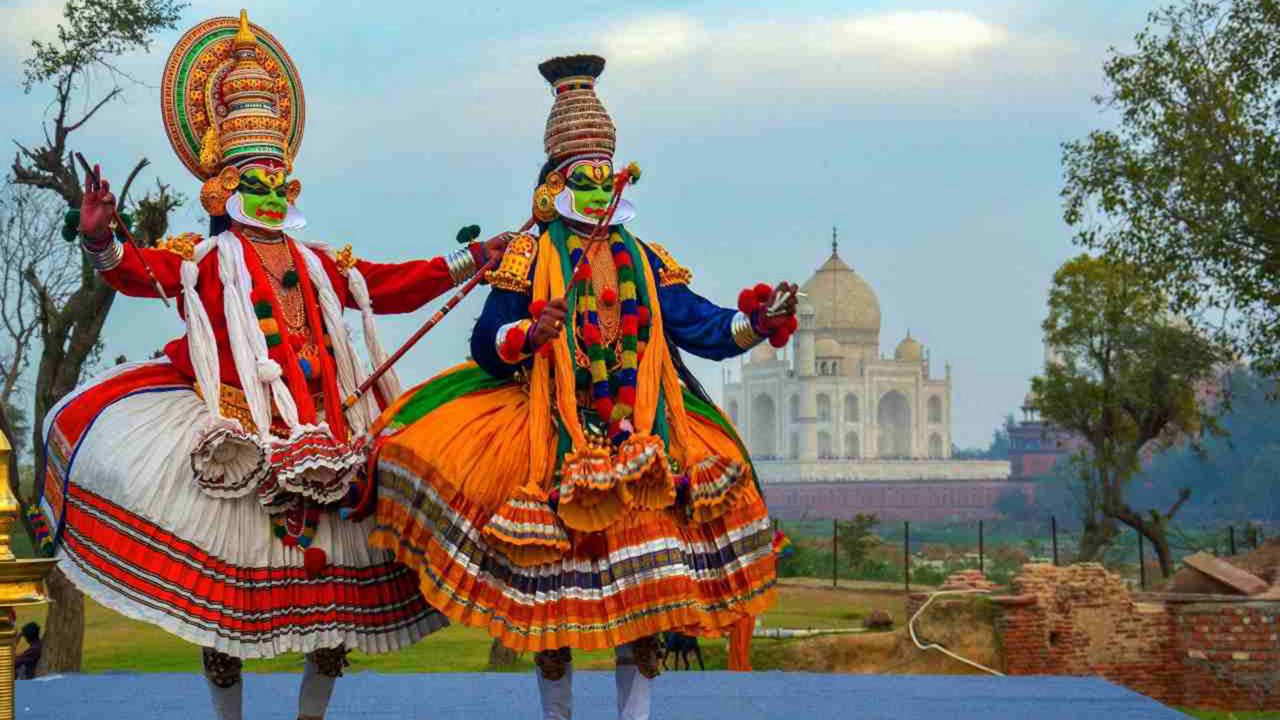
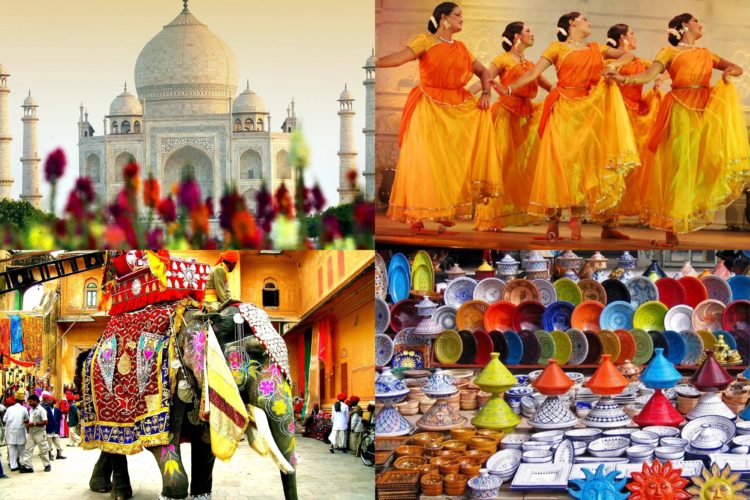
Taj Mahotsava is Agra's flagship cultural festival, known for handloom and handicraft stalls, regional performances, folk-art showcases, and food courts representing multiple Indian cuisines. It is especially popular with travelers who want a culture-first day beyond monument visits. For the 2026 edition, commonly published event details indicate a festival window from February 18 to February 27 at Shilpgram, Agra, with typical public timings around 10:00 AM to 10:00 PM. A good visit plan should still keep a verification step for the final ticket desk and entry timing on your travel date.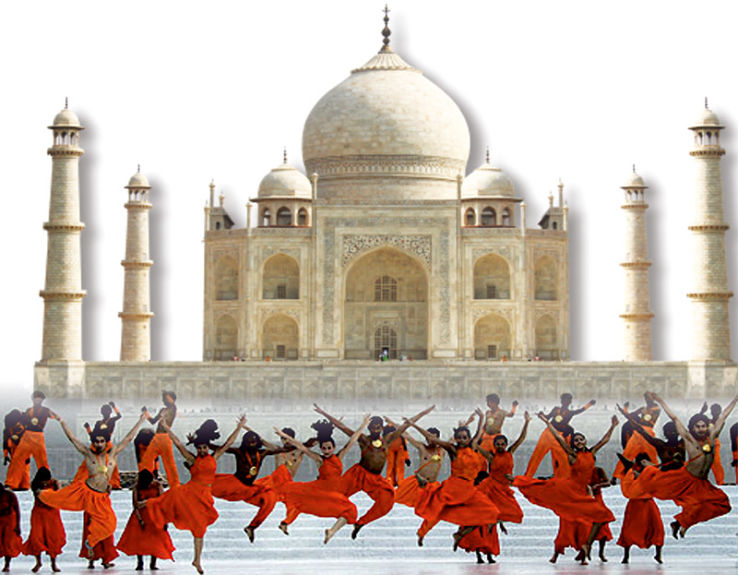
Festival highlights and experiences
Taj Mahotsava works best when approached as a curated cultural circuit rather than random stall hopping. Keep one block for craft exploration, one for live performances, and one for food experiences.| Experience Zone | What You Get | Best Time Slot | Who It Suits |
|---|---|---|---|
| Handicraft and handloom stalls | Artisan-made products from multiple states | Late morning to afternoon | Shoppers and culture travelers |
| Live cultural stage | Folk, classical, and contemporary performances | Evening | Families and event-focused visitors |
| Food courts | Regional street-style and specialty cuisine options | Lunch and dinner windows | Food-led travelers |
| Craft demos | Process-led artisan demonstrations | Afternoon | First-time cultural festival visitors |
Tickets, entry, and timing strategy
Published 2026 references commonly report the following structure: Indian visitors around Rs 50 per person, foreign visitors around Rs 300 per person, and free entry for children below five years. Since local policy can change, confirm the latest rates at official counters or state tourism updates before your final travel day.| Planning Item | Typical Value | How To Use It |
|---|---|---|
| Festival window (2026) | February 18 to 27 | Choose weekdays for lighter crowd density |
| Public timing | ~10:00 AM to 10:00 PM | Split visit into day shopping + evening performance |
| Venue | Shilpgram, Agra | Pair with nearby monument circuits carefully |
| Entry fee (indicative) | Indian ~Rs 50, foreign ~Rs 300 | Keep small cash buffer and confirm latest board |
Best hours to avoid peak crowd load
1. `Late morning`: smoother entry and shopping movement. 2. `Early evening`: better stage atmosphere, but usually denser footfall. 3. `Weekday afternoons`: often easier for detailed craft browsing.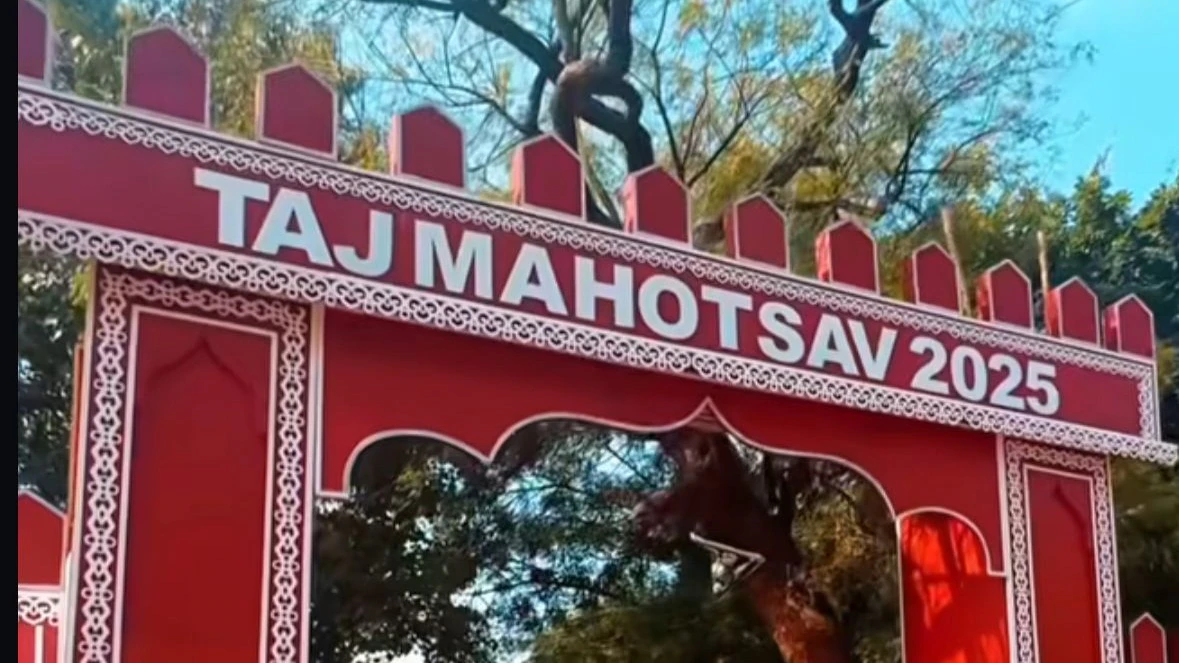
How to reach and local movement plan
Agra is well connected by rail and road, but festival-day movement inside the city needs margin for traffic and entry queues. Keep the festival block as a primary anchor and avoid tight, same-slot commitments at multiple distant points.| Movement Stage | Common Option | Priority | Practical Tip |
|---|---|---|---|
| Intercity arrival | Train/road access to Agra | Arrival slot reliability | Avoid planning festival entry immediately after long transfer |
| City transfer | Cab/auto/local transport | Time buffer | Keep 30-45 minute flexibility in peak hours |
| Return movement | Post-event city exit | Crowd dispersal timing | Leave before final rush if you have a fixed train schedule |
Budget planning and food/shopping tips
Taj Mahotsava budgets are manageable if you pre-split spend into entry, local travel, food, and craft purchases. Overbuying early and unplanned local transfers are the two most common cost spikes.| Budget Bucket | Includes | Control Tip |
|---|---|---|
| Entry and access | Festival ticket and venue access costs | Confirm rate onsite and keep change handy |
| Local movement | Cab/auto transfers across Agra | Bundle nearby stops to reduce repeat rides |
| Food | Festival stalls and nearby local options | Keep one fixed meal budget and one snack buffer |
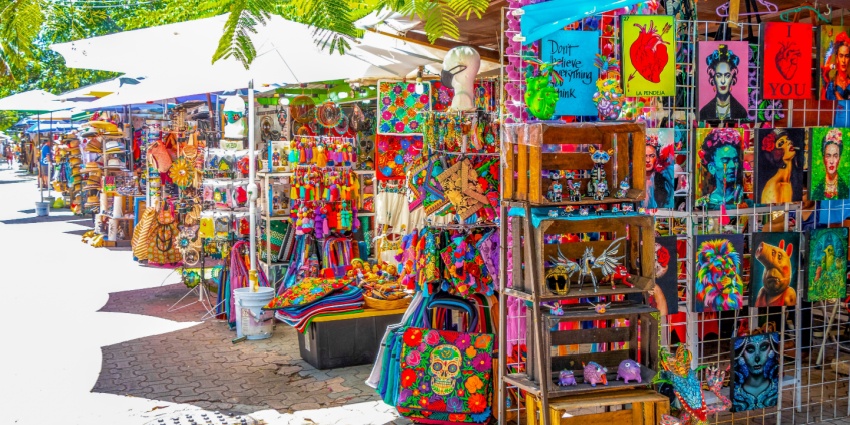
| Shopping | Handicrafts, textiles, and gift items | Set a purchase cap before entering stall sections |
Agra add-on itinerary around the festival
A practical day plan is to keep one heritage block and one festival block, instead of trying to cover all major Agra attractions plus full evening event hours.| Time Block | Suggested Focus | Why It Works |
|---|---|---|
| Morning | One major monument visit | Uses cooler hours for heritage walking |
| Afternoon | Taj Mahotsava craft and food sections | Balanced browsing pace before stage crowds rise |
| Evening | Cultural performances at festival venue | Best atmosphere window for live event experience |
Common mistakes to avoid
1. Arriving without checking current ticket and timing board. 2. Combining too many distant Agra stops in one day. 3. Entering peak evening hours with no queue buffer. 4. Overspending at early stalls before full comparison. 5. Not keeping time margin for city traffic and return transfer. 6. Skipping hydration and rest breaks during long venue walks. 7. Planning fixed departure right after stage-closing rush. 8. Ignoring family pacing when traveling with kids or seniors.Conclusion
Taj Mahotsava is best enjoyed as a structured cultural day, not a rushed add-on. Plan one heritage anchor, one festival block, and realistic movement buffers. With this approach, you get better shopping choices, smoother crowd handling, and a richer Agra festival experience.Location
Frequently Asked Questions
Q1.What is Taj Mahotsava and why is it popular?
Taj Mahotsava is Agra's major cultural festival featuring handicrafts, performances, and regional food, popular for giving travelers a broader cultural experience beyond monument visits.
Q2.How should visitors plan tickets and entry timing?
Plan for late-morning or weekday afternoon entry when possible, and verify current ticket rates and open-close timing at official festival information points before arrival.
Q3.What budget should be kept for a Taj Mahotsava day visit?
Keep a split budget for ticket, local transport, food, and shopping, plus a small contingency for traffic or event-time changes.
Q4.Can Taj Mahotsava be combined with Taj Mahal and Agra Fort in one day?
Yes, but only with a strict two-block structure: one heritage stop in the morning and a focused festival block from afternoon onward.
Q5.What are the best hours to avoid peak crowds?
Weekday late morning and early afternoon are usually smoother for entry and shopping. Evening performance hours are vibrant but generally more crowded.
Q6.Is Taj Mahotsava suitable for family travelers?
Yes, it is family-friendly when you keep rest breaks, hydration, and realistic walking pace in your day plan.
Q7.What are the best things to buy or eat at the festival?
Artisanal handloom, handicrafts, and region-specific food counters are the core highlights. Compare a few stalls before purchasing to improve value.
Q8.What common planning mistakes should visitors avoid?
Avoid late arrival without buffer, overpacked city itineraries, unplanned shopping spend, and fixed return schedules immediately after peak evening crowd dispersal.
Recommended For You
Food
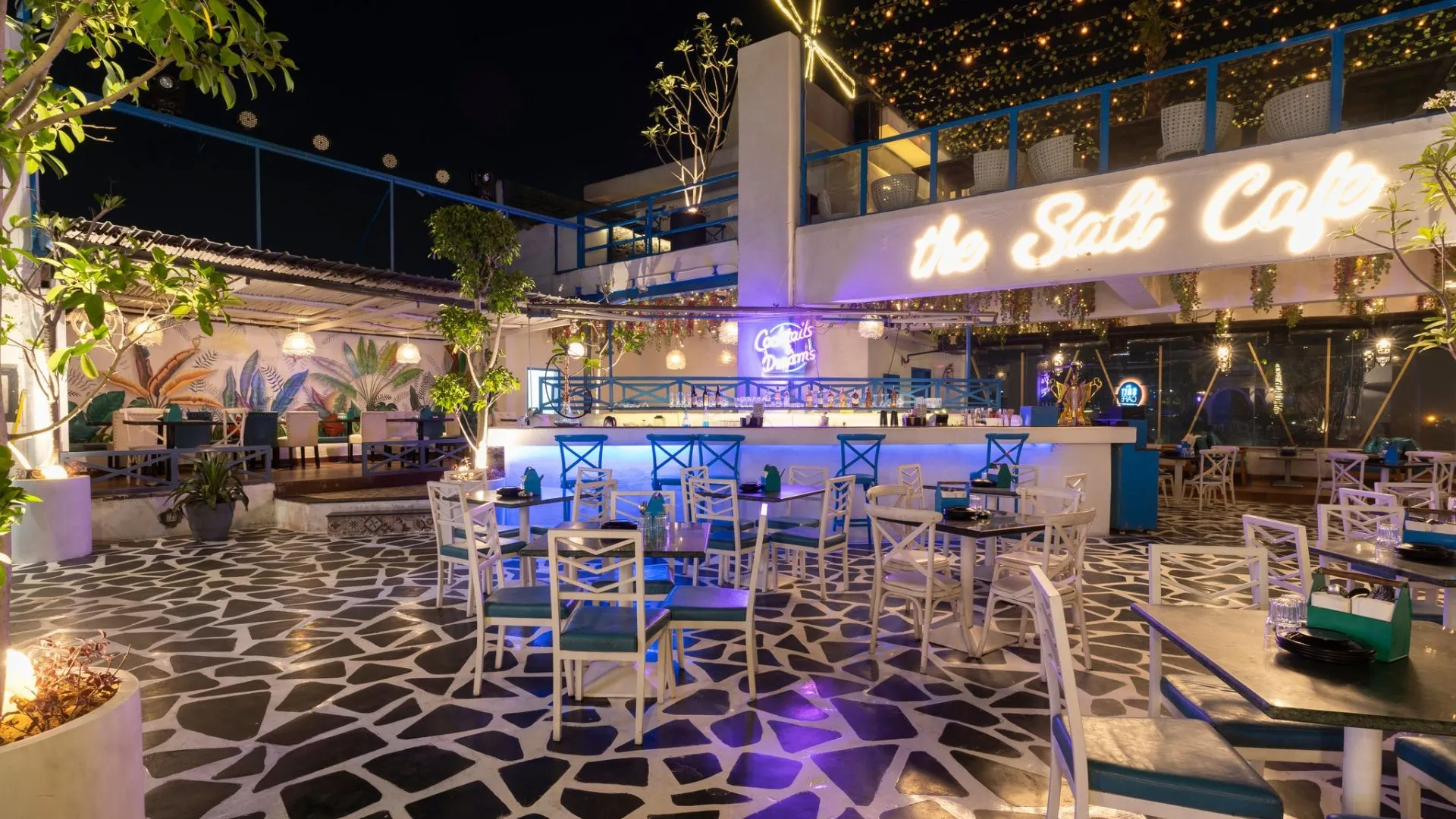
Best Cafes in Agra: Neighborhood Guide and Travel Tips
Find best cafes in Agra with route-aware planning, crowd-timing strategy, and practical tips for smoother food-and-sightseeing days.
Feb 20Read More
Food
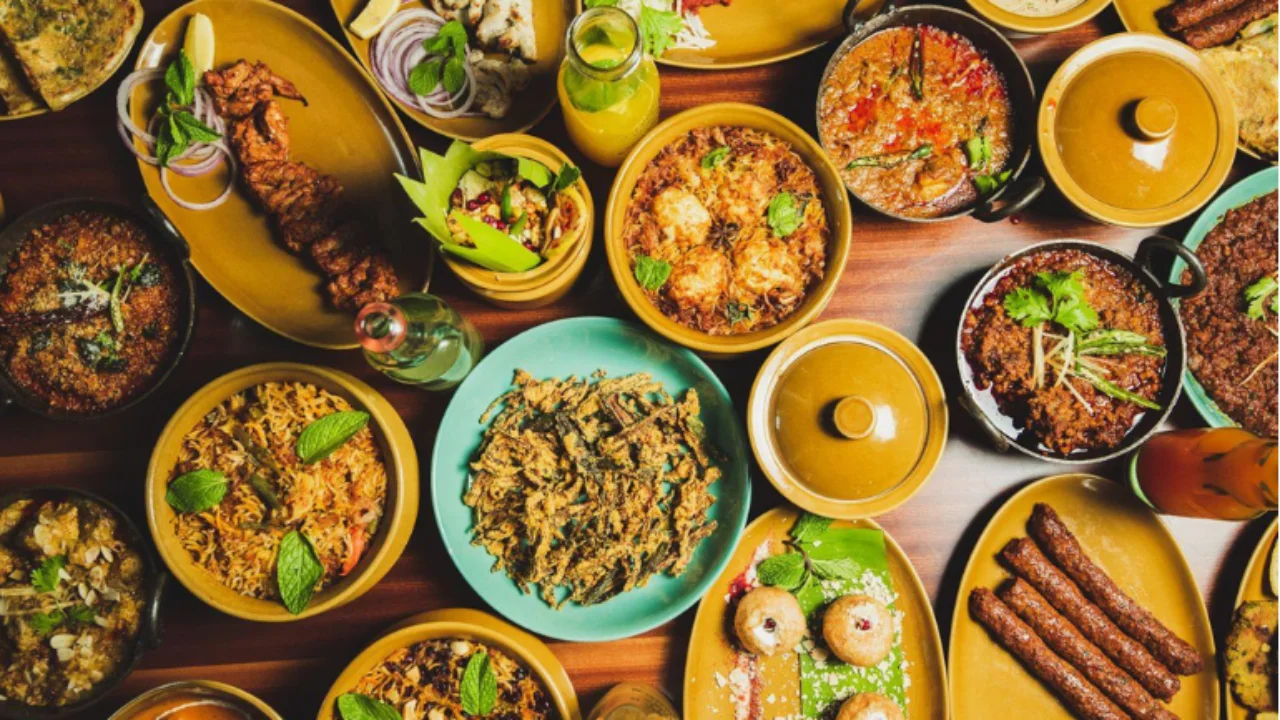
Best Local Food in Agra: Must-Try Dishes and Tips
Best local food in Agra guide with breakfast-to-dinner sequencing, street food timing, sweet-shop planning, and practical budget tips.
Feb 20Read More
Shopping
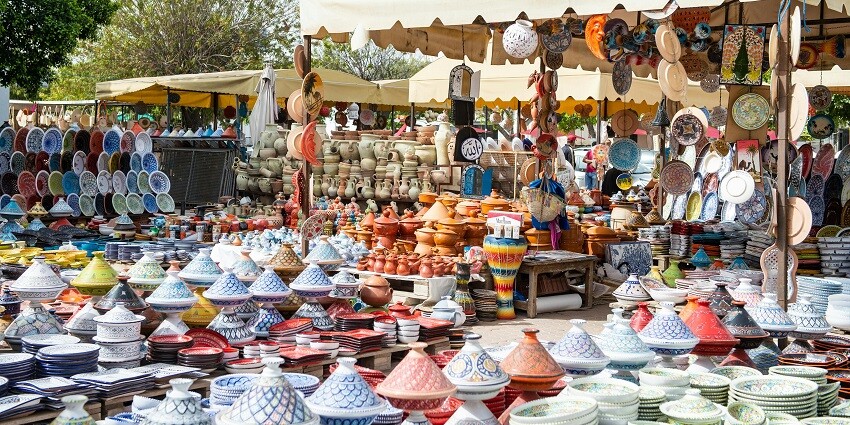
Shopping in Agra: Complete Guide to Souvenirs, Handicrafts & Markets
Discover shopping in Agra with our complete guide. Marble inlay work, Sadar Bazaar, handicrafts, leather goods, souvenirs, and bargaining tips.
Dec 4Read More
Never Miss an Adventure
Get the latest trekking guides, travel tips, and exclusive offers delivered straight to your inbox.