

Tugu Negara Kuala Lumpur: History, Timings & Entry Information

Rohan Malhotra
February 19, 2026
Visit Tugu Negara Kuala Lumpur with history, opening-hour guidance, access routes, etiquette tips, and nearby attractions for a meaningful heritage stop.
Introduction: Malaysia's Most Important War Memorial in Kuala Lumpur
Tugu Negara Kuala Lumpur, also called the National Monument of Malaysia, is one of the country's most meaningful heritage landmarks. Located near Perdana Botanical Gardens and close to major civic institutions, this memorial honors those who died in Malaysia's struggle for freedom, especially during World War II and the Malayan Emergency period. For travelers, it is more than a quick photo stop. It is a place to understand modern Malaysian nationhood, sacrifice, and post-independence identity.
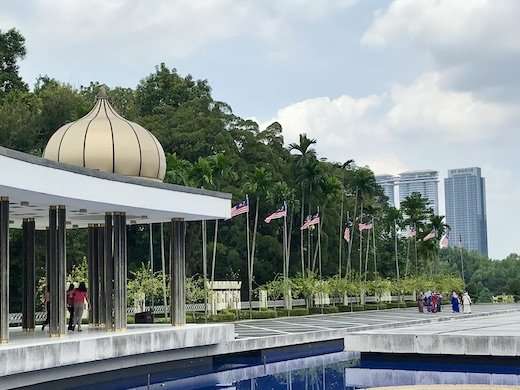
The monument stands out both symbolically and visually. Its dramatic bronze soldier grouping, reflecting pool zones, landscaped park setting, and cenotaph area create a respectful memorial environment in the middle of Kuala Lumpur's urban rhythm. Because entry is generally open and the site is easy to pair with nearby attractions, Tugu Negara works well for first-time Kuala Lumpur itineraries and for history-focused travelers.
This guide covers history, architecture, practical visit timing, how to reach, what to see nearby, and on-ground tips so you can visit with context and respect.

History and National Significance of Tugu Negara
The idea of a national war memorial in Kuala Lumpur emerged in the early post-independence era, when Malaysia sought a central site to honor lives lost in conflict and nation-building struggles. The present monument was completed in the 1960s and officially unveiled in 1966. The sculptor associated with the design is Felix de Weldon, who is also linked with the Iwo Jima memorial in the United States.
Core historical context:
- Commemorates: sacrifices during Japanese occupation and the Malayan Emergency era.
- National role: ceremonial remembrance space for military and civic tribute traditions.
- Symbolic continuity: links wartime memory with modern Malaysia's state identity.
Multiple historical references also note that the site includes a cenotaph tradition connected with earlier memorial structures in Kuala Lumpur. This layered memorial history adds depth beyond the main bronze group and makes the entire complex important for heritage visitors.
Architecture and Symbolism
Tugu Negara is widely described as a tall freestanding bronze sculpture grouping, with heroic figures representing sacrifice, courage, leadership, and unity. The central soldier raising the Malaysian flag is the most recognizable visual element and usually forms the anchor of commemorative photography.
| Feature | What It Represents | Visitor Value |
|---|---|---|
| Central flag-bearing soldier | Leadership and national resolve | Primary symbolic focal point |
| Grouped soldier figures | Collective sacrifice and unity | Strong narrative composition |
| Reflecting/fountain zones | Reflection and memorial calm | Visual balance around monument |
| Cenotaph area | Historical remembrance continuity | Adds deeper context to the visit |
Architecture here is not abstract modern art; it is intentionally direct and patriotic. That clarity is one reason the monument remains culturally prominent for both locals and international visitors.

The Surrounding Park and Memorial Environment
Tugu Negara sits within a green heritage zone often associated with Lake Gardens / Perdana Botanical Garden surroundings. This gives the memorial a quieter atmosphere compared to dense commercial districts. Walking paths, landscaped sections, and nearby civic attractions make it easy to combine history and city nature in one half-day plan.
What makes the setting useful for travelers:
- Low-stress movement: easier walking compared with downtown traffic-heavy zones.
- Photo composition: greenery and stone textures complement monument frames.
- Route flexibility: simple to pair with museums, mosque, and garden attractions nearby.
Even if your schedule is tight, spending 45 to 75 minutes here is usually enough for a meaningful visit and context-building before other Kuala Lumpur stops.
Best Time to Visit Tugu Negara
Time of Day
- Early morning: cooler weather, softer light, lower crowd density.
- Late afternoon: good for warm light and relaxed walking.
- Midday: can be hotter and less comfortable for long outdoor sessions.
Best Months
Kuala Lumpur is year-round, but outdoor comfort improves on days with lower humidity or after rain clears. If you are visiting during a wetter spell, keep flexible time and check local weather before long walking plans.
Special National Days
The memorial has ceremonial significance, so national observance periods may bring additional activity, restricted movement, or larger gathering zones. If you prefer quiet photography, avoid peak ceremonial timings.
Tugu Negara Opening Hours and Entry Fee
Across current travel references and location listings, the most consistently cited operational pattern is daytime access, often shown around 7:00 AM to 6:00 PM. Entry is commonly described as free. However, since public-site management details can change, confirm current timing close to your visit, especially on public holidays.
- Typical entry model: free public access.
- Typical timing model: daytime opening window.
- Best practice: verify same-day updates if your schedule is strict.
This is especially important if you are planning back-to-back museum or mosque visits on the same day.
How to Reach Tugu Negara Kuala Lumpur
The monument is near central Kuala Lumpur heritage corridors and can be reached by taxi, ride-hailing apps, and combined rail-plus-short-ride options. Most tourists use Grab for convenience.
Common Access Patterns
- From KL Sentral: short urban transfer by cab or app-based ride.
- From city center landmarks: typically manageable within a short drive outside peak traffic.
- Public transit + walk: possible, but less convenient in heat/humidity for some travelers.
Transport Tips
- Set exact drop and pickup points before getting down.
- Keep return ride pre-planned during rain windows.
- Cluster nearby attractions to reduce repeated transfers.
For broader city routing, combine this with things to do in Malaysia and Chinatown Kuala Lumpur Malaysia planning logic.
Visitor Etiquette and Practical Tips
Because Tugu Negara is a war memorial, visitor behavior should stay respectful. Treat it as a remembrance site first, tourist spot second.
- Dress neatly and avoid disruptive behavior.
- Do not climb restricted sections or barriers.
- Keep photo sessions respectful and path-friendly.
- Avoid loud group activity in reflective zones.
- Carry water, especially for midday visits.
Simple etiquette improves the experience for everyone and aligns with the monument's purpose.
Nearby Attractions to Combine in One Route
Tugu Negara is best covered as part of a compact heritage loop. Strong adjacent options from available Trekgo slugs include:
- National Museum Malaysia
- National Mosque Kuala Lumpur Malaysia
- Istana Negara in Kuala Lumpur Malaysia
- Central Market Malaysia
- KL Tower Malaysia
Half-Day Sample Plan
- Morning: Tugu Negara + short memorial walk.
- Late morning: National Museum / National Mosque zone.
- Afternoon: Central Market or Chinatown extension.
This route gives a balanced mix of history, architecture, and local city culture without heavy cross-city movement.
Is Tugu Negara Worth Visiting?
Yes, especially if you value historical context and meaningful landmarks rather than only modern skyline attractions. Tugu Negara adds cultural depth to Kuala Lumpur itineraries and helps explain Malaysia's post-war memory and state identity. The site also offers high practical value: central access, generally free entry, and easy pairing with nearby major attractions.
If this is your first KL trip, Tugu Negara is one of the best short heritage stops to include.
Common Mistakes to Avoid
- Treating the memorial as a quick photo stop without historical context.
- Arriving in peak midday heat with no hydration plan.
- Not combining nearby attractions, which wastes transfer time.
- Ignoring same-day timing checks on public holidays.
- Using disrespectful poses or behavior at remembrance areas.
A 60-minute focused and respectful visit is usually better than a rushed, context-free stop.

Detailed Visit Flow for First-Time Travelers
If this is your first time in Kuala Lumpur, use Tugu Negara as a contextual start point rather than an end-of-day rush stop. Begin with the memorial in cooler morning light, spend time reading inscriptions and observing symbolic details, then continue into nearby heritage or museum zones. This order improves understanding and gives structure to your city itinerary.
- Arrive early and start with the main monument foreground.
- Walk slowly across the memorial axis and fountain/cenotaph areas.
- Take a short break before moving to nearby museum or mosque stops.
- Keep the final city segment for food and market exploration.
Travelers who follow this sequence usually report a more meaningful visit than those who stop for only 10 minutes during midday.
Accessibility, Safety, and Weather Planning
Kuala Lumpur weather can shift quickly between humid sun and sudden rain. A simple weather-aware plan keeps the Tugu Negara visit smooth. Carry water, keep one light rain layer, and avoid open exposure in peak noon heat. If showers begin, pause in sheltered areas and resume once pathways are safe.
For family and senior travelers, choose footwear with grip because memorial stone and surrounding paths may become slippery after rain. Keep meeting points fixed when traveling in groups, especially if members separate for photography. Ride-hailing pickup points should be saved before the visit to avoid confusion during peak traffic windows.
These operational details may seem small, but they strongly improve comfort and help preserve respectful behavior at the memorial site.
Final Takeaway
Tugu Negara Kuala Lumpur is one of Malaysia's most important memorial sites, combining national history, symbolic sculpture, and accessible city routing in a single heritage stop. Visit in cooler hours, keep your conduct respectful, and pair it with nearby museum and cultural attractions for a stronger Kuala Lumpur experience.
Planned well, this monument adds real historical depth to your Malaysia trip instead of being just another checklist landmark.
For the best experience, combine early entry, short reflective pauses, and one nearby heritage stop in the same zone. This simple structure improves understanding of the memorial and avoids unnecessary cross-city transfers later in the day.
Morning visits with pre-booked transport and nearby route clustering consistently deliver the best balance of comfort, context, and time efficiency at Tugu Negara.
Location
Frequently Asked Questions
Q1.What is Tugu Negara in Kuala Lumpur?
Q2.Where is Tugu Negara located?
Q3.Why is Tugu Negara important to Malaysia?
Q4.When was Tugu Negara built?
Q5.What are the opening hours of Tugu Negara?
Q6.Is there an entry fee for Tugu Negara?
Q7.How do I reach Tugu Negara from KL Sentral?
Q8.Can we take photos at Tugu Negara?
Recommended For You

Things to Do in Malaysia: City Tours, Islands & Nature Activities
Plan top things to do in Malaysia with Kuala Lumpur highlights, Penang food and culture, Langkawi beaches, and practical multi-day itinerary guidance.

Central Market Kuala Lumpur: Shopping, Art Stalls & Visit Tips
Explore Central Market Kuala Lumpur with heritage shopping zones, craft picks, food options, opening hour guidance, and practical Pasar Seni visit tips.

Chinatown Kuala Lumpur: Petaling Street Markets, Food & Timings
Explore Chinatown Kuala Lumpur with Petaling Street shopping, food tips, nearby temples, best visiting hours, and easy transport routes for visitors.
Never Miss an Adventure
Get the latest trekking guides, travel tips, and exclusive offers delivered straight to your inbox.
