
Select date
8 Days / 7 Nights
Easy
5.0 (12 reviews)
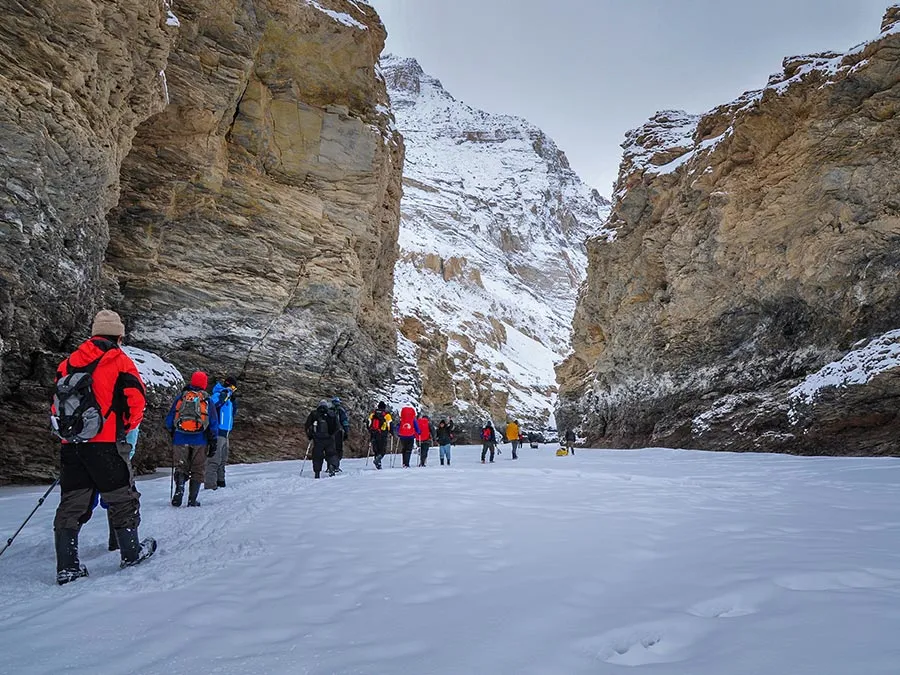
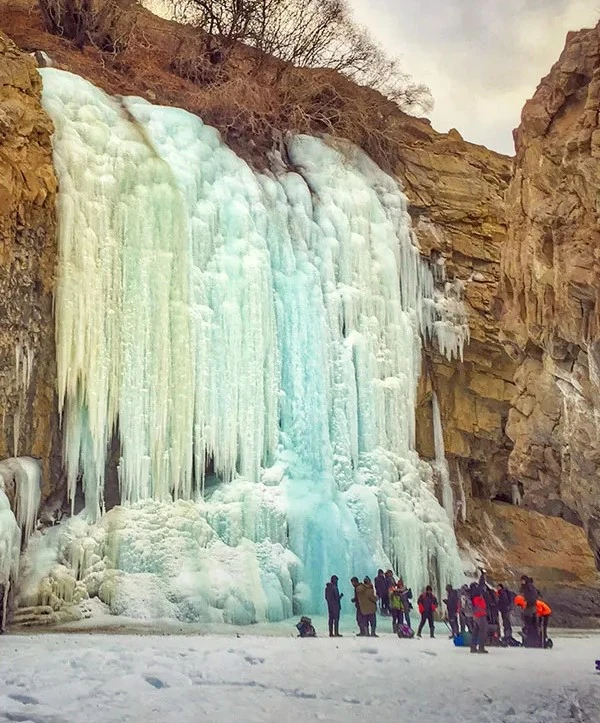
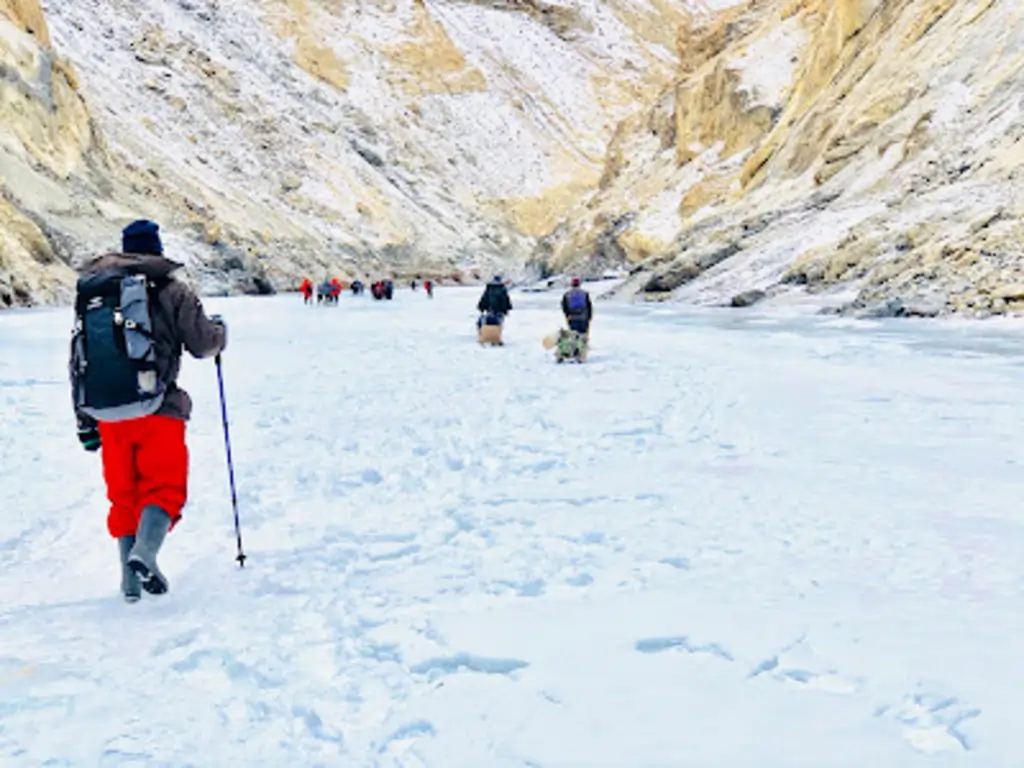
The Chadar Trek is a winter expedition over the frozen Zanskar River in Ladakh. It runs in mid‑January to end‑February when the river freezes into a walkable ice sheet, and is considered a moderate to tough trek in extreme cold conditions.
Altitude
3,300 m – 3,700 m (Leh base: 3,500 m)
Distance
105 km round trip
Season
January to February
Trip Category
domestic
Base Location
Leh

Total Price (1 traveler)
₹24,500
Check availability for future dates.

Everything you need to know about Chadar Trek
Everything you need to know about Chadar Trek
Chadar Trek is rated Moderate to Challenging. It requires good physical fitness, stamina, and winter trekking experience. The trek is not only a test of endurance but also a journey into a remote, untouched wilderness where every step reveals the stark beauty and raw power of the Himalayas.
The best time for Chadar Trek is January-February when the Zanskar River is fully frozen and trekking is safe. Temperatures range from -5°C to -15°C during daytime and -15°C to -25°C at nighttime. Stable ice sheets, minimal snowfall, and clear skies make trekking optimal.
Altitude is 3,300 m – 3,700 m along the river with Leh base at 3,500 m. Distance covered is approximately 105 km round trip. The trek starts at Tilado (near Chilling village) and ends in Leh.
By Air: Kushok Bakula Rimpochee Airport, Leh with direct flights from Delhi, Srinagar, and other cities. By Road: Leh-Manali Highway (June-October) and Leh-Srinagar Highway (May-October). By Train: The nearest railway station is Jammu Tawi (~750 km) requiring road/air transfer to Leh.
In Leh: Comfortable, heated hotels with hot meals for acclimatization. Trek Camps: High-quality winter tents, sleeping bags rated for -20°C, foam mats, and natural wind protection. Meals: Hot breakfast, lunch, and dinner with energy-rich foods to sustain during extreme cold.
Safety measures include: Guides & Porters experienced in high-altitude winter trekking, Medical Support with first-aid kits, oxygen cylinders, and acclimatization checks, Communication via satellite phones for emergencies, and Predefined evacuation protocols for any medical or weather-related emergencies.