
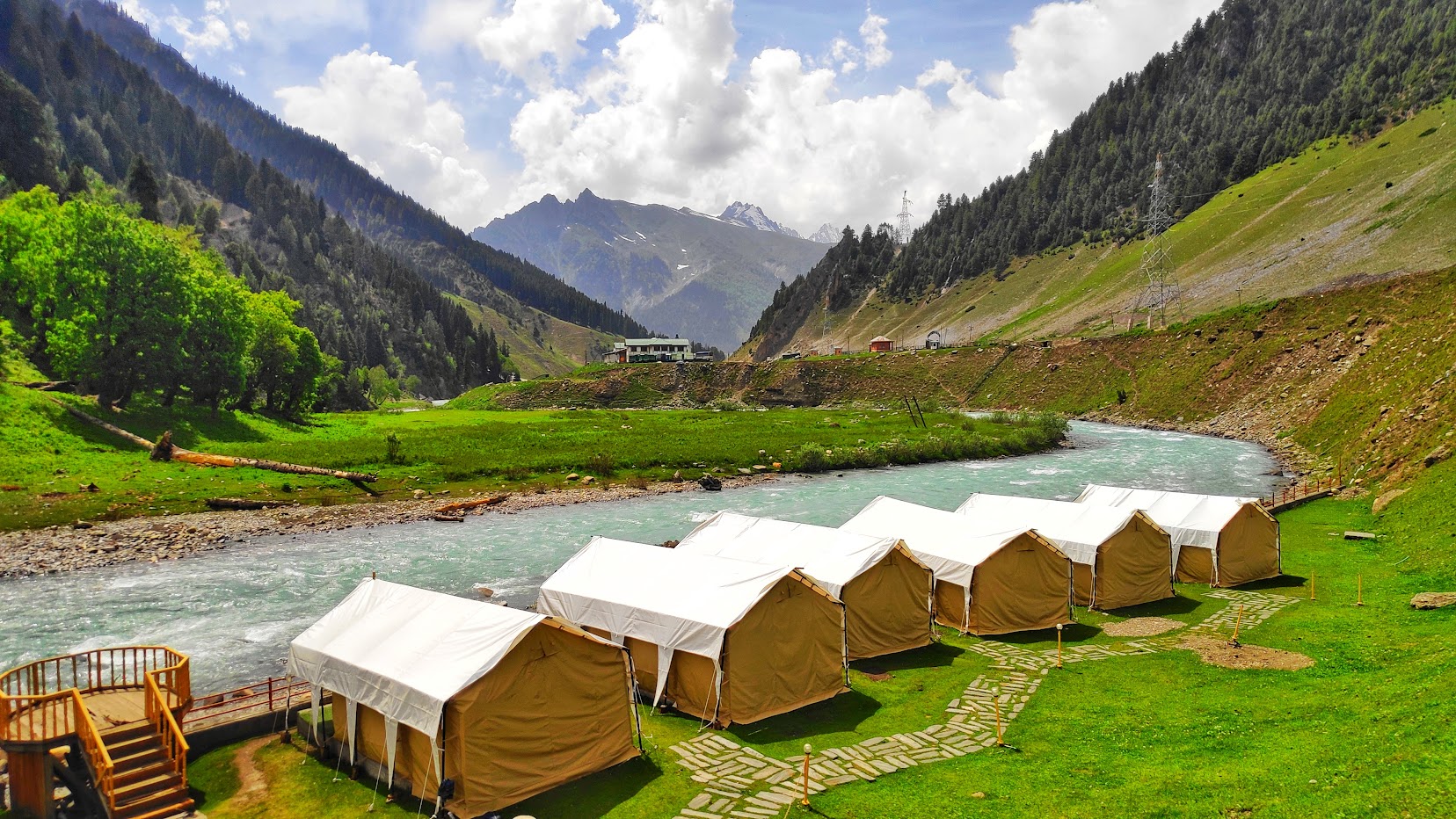
Camping at Sonmarg Kashmir: Campsites, Weather & Essentials

Priya Mehta
February 19, 2026
Experience camping at Sonmarg, Kashmir's meadow of gold. Complete guide to campsites, tents, best time, trekking routes, costs, and safety tips for an unforgettable Himalayan camping adventure.
Introduction: Camping in the Meadow of Gold
Nestled in the heart of Kashmir Valley, Sonmarg – meaning "Meadow of Gold" – stands as one of India's most spectacular camping destinations. At an altitude of 2,740 meters, this pristine alpine paradise offers campers an unforgettable experience surrounded by snow-capped peaks, lush meadows, and crystal-clear glacial streams. Camping at Sonmarg Kashmir has emerged as a premier adventure activity, drawing nature enthusiasts, trekkers, and peace seekers from across the globe.
The region's unique geographical location, nestled in the Ganderbal district of Jammu and Kashmir, provides campers with breathtaking views of the Himalayas, easy access to glaciers, and the serene Sindh River flowing alongside. Whether you're a seasoned camper looking for challenging high-altitude experiences or a beginner seeking tranquility amidst nature, Sonmarg offers diverse camping options that cater to every preference and skill level.
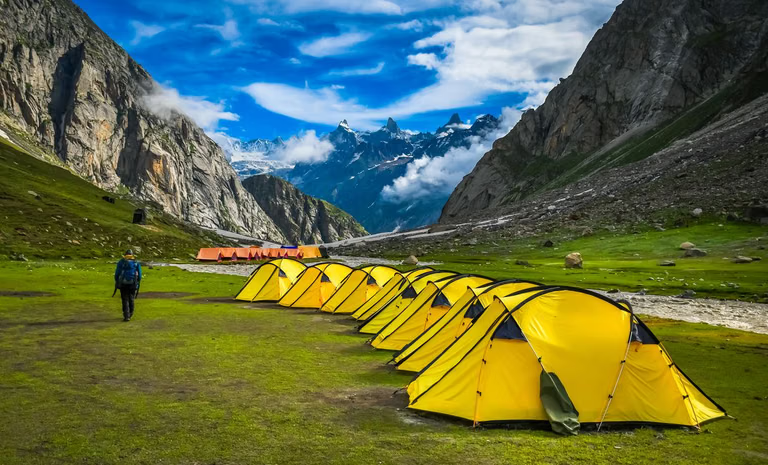
What sets Sonmarg apart from other camping destinations is its perfect blend of accessibility and wilderness. Unlike remote Himalayan campsites that require days of trekking, Sonmarg is well-connected by road, yet it retains an untouched, pristine atmosphere. The camping season here typically runs from April to October, with each month offering unique experiences – from spring flowers in April-May to pleasant summers and vibrant autumns. As you plan your camping in Sonmarg, prepare yourself for an immersive experience in one of Kashmir's most beautiful valleys.
Best Camping Sites in Sonmarg
Sonmarg boasts several exceptional camping locations, each offering distinct experiences and stunning natural surroundings. Understanding these different camping sites will help you choose the perfect spot based on your preferences, trekking plans, and desired level of comfort.
Thajiwas Glacier Camping Area
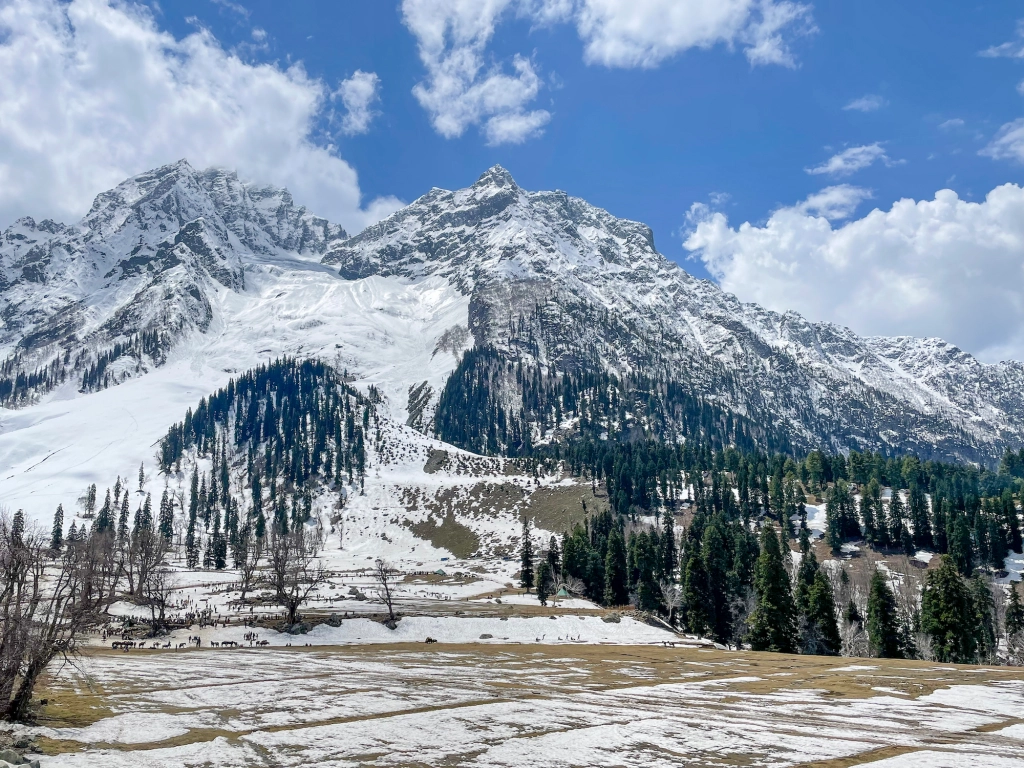
The most popular camping destination in Sonmarg is undoubtedly the Thajiwas Glacier region, located just 6 kilometers from the main town. This area offers campers spectacular views of the glacier and surrounding snowfields, making it ideal for both beginners and experienced campers. The relatively flat terrain and easy accessibility make it perfect for families and those new to high-altitude camping. During summer months, you can camp amidst lush green meadows with the glacier visible in the distance, while early spring offers the unique experience of camping near snow patches.
Sindh River Bank Campsites
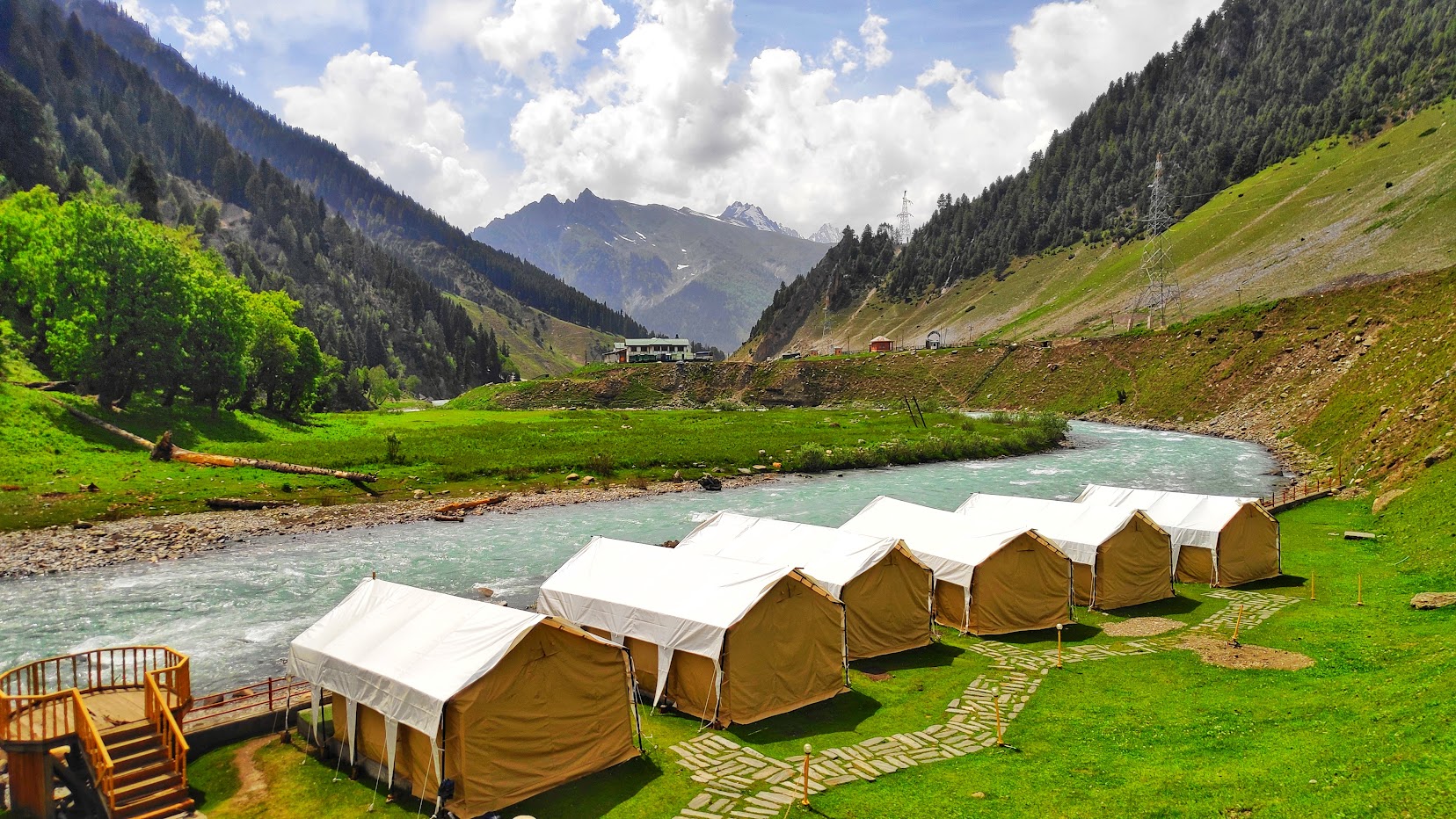
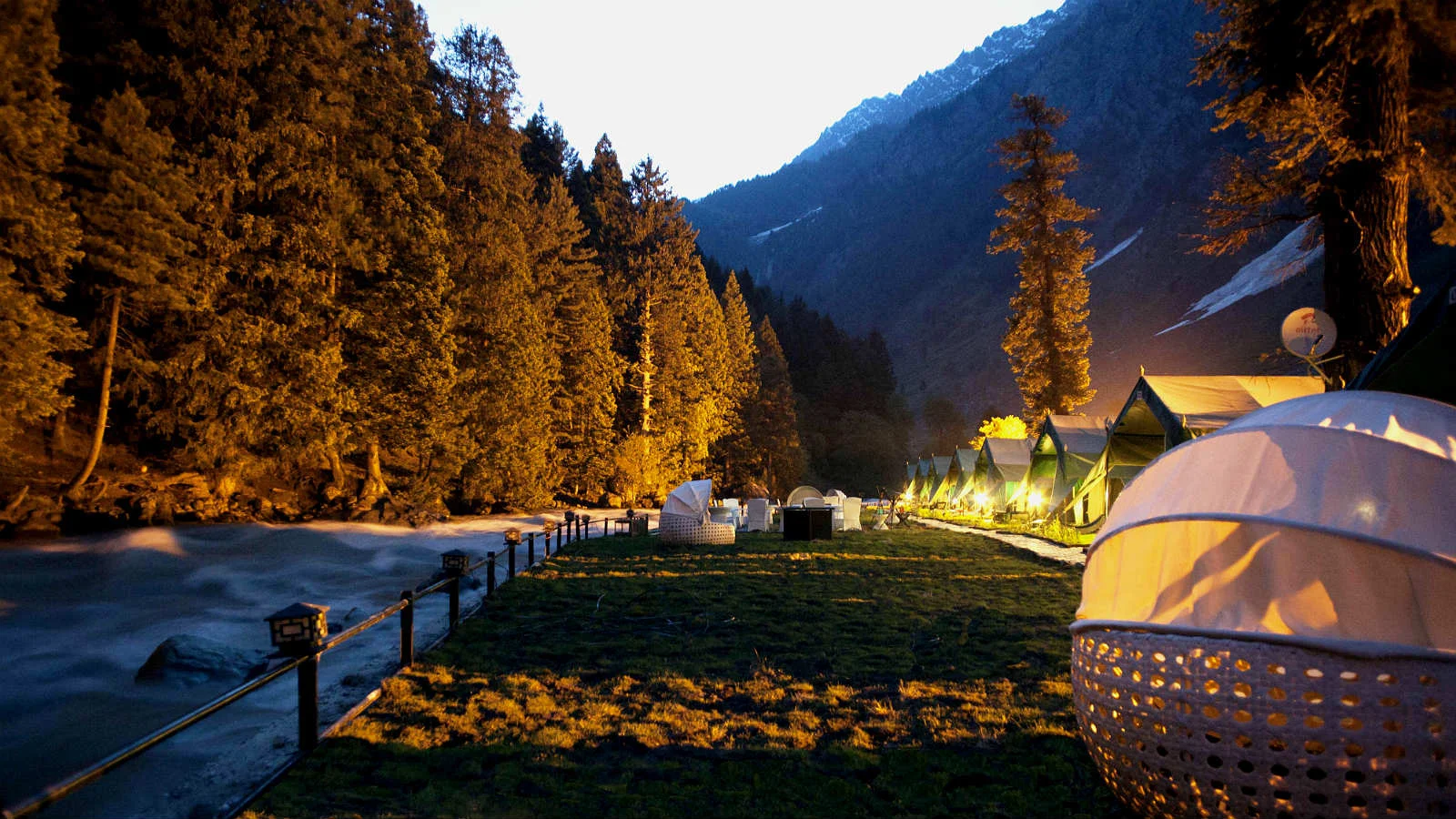
For those who prefer the soothing sound of flowing water, camping along the Sindh River banks provides a tranquil experience. These campsites are situated closer to the main town and offer easy access to basic facilities. The river bank locations are particularly beautiful during early morning hours when mist rises from the water, creating a magical atmosphere. Many organized camping operators have set up permanent camps here with Swiss tents and attached facilities, making it an excellent choice for those who want a camping experience without compromising on comfort.
Vishansar Lake Camping
For adventure seekers and experienced trekkers, camping near Vishansar Lake offers a more remote and challenging experience. This campsite requires a moderate trek from Sonmarg and rewards campers with stunning reflections of surrounding mountains in the crystal-clear lake waters. The area is part of the famous Great Lakes Trek and serves as a base camp for multi-day expeditions. Camping here requires proper preparation and permits, but the untouched wilderness and spectacular views make it worthwhile for serious outdoor enthusiasts.
Krishansar Lake Base Camp
Located adjacent to Vishansar Lake, the Krishansar Lake camping area is another spectacular high-altitude camping destination. This site is particularly popular among anglers due to the trout fishing opportunities in the lake. The campsite offers breathtaking views of both lakes and surrounding meadows filled with wildflowers during the summer months. Due to its remote location and altitude, this camping spot is best suited for experienced trekkers who are well-acclimatized to high altitudes.
Zojila Pass Base Camps
For those seeking adventure near one of the most strategic mountain passes in India, camping near Zojila Pass base offers a unique experience. This area serves as the starting point for many expeditions towards Ladakh and provides dramatic views of the pass and surrounding valleys. The weather here can be unpredictable, making it suitable for experienced campers who are prepared for challenging conditions. Camping in this region offers a sense of wilderness that's hard to find elsewhere.
| Camping Site | Altitude | Best For | Access Level | Trek Required |
|---|---|---|---|---|
| Thajiwas Glacier | 3,000m | Beginners, Families | Easy | Short (1-2 hours) |
| Sindh River Bank | 2,740m | All Levels | Very Easy | No Trek Required |
| Vishansar Lake | 3,710m | Experienced Trekkers | Moderate | Full Day Trek |
| Krishansar Lake | 3,710m | Adventure Seekers | Moderate | Full Day Trek |
| Zojila Pass Base | 3,528m | Experienced Campers | Challenging | Half Day Trek |
Types of Camping Options
When planning your camping at Sonmarg Kashmir, you'll find several accommodation options ranging from luxury experiences to rustic adventures. Understanding these different types will help you choose based on your comfort level, budget, and camping experience.
Luxury Swiss Tent Camping
For those who want to experience camping without sacrificing comfort, luxury Swiss tents offer the perfect solution. These spacious tents come equipped with comfortable beds, attached bathrooms with running water, heating facilities, and sometimes even private sit-out areas. The luxury campsites in Sonmarg provide professional service, including buffet meals, bonfire arrangements, and guided nature walks. This option is particularly popular among families, couples, and those who are new to camping but want to experience the outdoors in style.
Alpine Tents
Alpine tents represent the middle ground between luxury and basic camping. These are sturdy, weather-resistant tents designed for mountain conditions. Most organized camping operators in Sonmarg provide alpine tents with basic bedding, mattresses, and sometimes simple furniture. Shared bathroom facilities are typically available in these campsites. Alpine tents offer a more authentic camping experience while still providing essential comforts, making them ideal for adventure enthusiasts who prefer not to carry their own gear.
Dome Tents for DIY Campers
For experienced campers who prefer to set up their own campsites, dome tents offer portability and ease of setup. These tents are lightweight yet durable, designed to withstand mountain weather conditions. If you're bringing your own dome tent, you'll need to carry all your camping gear, including sleeping bags, mattresses, cooking equipment, and food supplies. This option gives you complete freedom to choose your camping spot and set up according to your preferences.
Budget Camping Options
Travelers on a budget can opt for basic camping arrangements offered by local operators. These typically include simple tents, basic bedding, and shared facilities. While not luxurious, these budget options allow you to experience the beauty of Sonmarg without breaking the bank. Many budget campers also choose to rent equipment from local shops and set up their own campsites in designated areas, significantly reducing costs while still enjoying the full camping experience.
Do-It-Yourself Wilderness Camping
For the truly adventurous, wilderness camping involves carrying all your gear and finding your own campsite in the mountains around Sonmarg. This requires thorough preparation, including obtaining necessary permits, carrying appropriate equipment, and having experience in high-altitude camping. While challenging, DIY wilderness camping offers the most authentic experience and the freedom to explore remote areas away from organized campsites. Remember to follow Leave No Trace principles and obtain permission from local authorities before setting up camp in non-designated areas.
| Camping Type | Cost Range (per night) | Facilities Included | Best Suited For |
|---|---|---|---|
| Luxury Swiss Tents | ₹3,500 - ₹6,000 | Attached bathroom, meals, heating | Families, luxury seekers |
| Alpine Tents | ₹1,500 - ₹3,000 | Basic bedding, shared facilities | Adventure enthusiasts |
| Dome Tents (Self-setup) | ₹800 - ₹1,500 | Tent rental only | Experienced campers |
| Budget Camping | ₹500 - ₹1,200 | Basic tent, shared facilities | Budget travelers |
| DIY Wilderness | ₹200 - ₹500 (permits only) | No facilities (bring your own) | Experienced trekkers |
Best Time for Camping in Sonmarg
Choosing the right time for your camping in Sonmarg is crucial for a safe and enjoyable experience. The weather in Sonmarg varies dramatically throughout the year, with each season offering unique advantages and challenges for campers.
Summer Season (May - June)
Summer is widely considered the best time for camping in Sonmarg, with daytime temperatures ranging from 15°C to 25°C. During these months, the meadows are lush green, wildflowers are in full bloom, and the weather is pleasantly warm during the day. The nights can be cool but manageable with proper clothing. This is also the peak tourist season, so campsites tend to be crowded, and advance booking is essential. The accessibility is at its best, with all roads open and trekking routes easily navigable.
Monsoon Season (July - August)
While July and August bring out the vibrant greenery of the valley, these months also see frequent rainfall, which can make camping challenging. The region receives moderate to heavy rainfall, and temperatures range between 12°C to 20°C. However, for experienced campers who don't mind rain, the monsoon offers a unique experience with dramatic cloud formations, waterfalls at their peak flow, and fewer crowds. Waterproof tents and proper rain gear are essential during this period. Some trekking routes may become slippery or temporarily closed due to landslides.
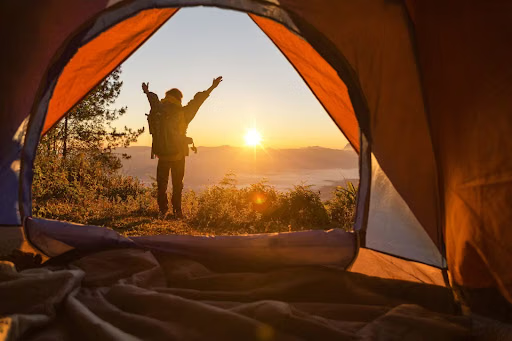
Autumn Season (September - October)
Many experienced campers consider September and October to be the hidden gems for camping at Sonmarg Kashmir. The monsoon has receded, leaving behind clear skies and crisp air. Daytime temperatures range from 10°C to 20°C, while nights can be quite cold, dropping to near freezing. The landscapes turn golden as the vegetation changes color, creating stunning photography opportunities. This period offers excellent visibility of the mountains and is ideal for stargazing. However, by late October, nights become very cold, and proper winter camping gear is necessary.
Winter Season (November - April)
Winter camping in Sonmarg is an extreme adventure suited only for highly experienced winter campers. Heavy snowfall blankets the region, temperatures regularly drop below freezing, and most facilities remain closed. While some adventurous souls do attempt winter camping near Thajiwas Glacier, it requires specialized four-season tents, extreme cold weather gear, and extensive winter camping experience. Most commercial camping operations shut down during these months, and road access can be disrupted due to snow. For most visitors, it's best to avoid camping during winter unless you're an experienced mountaineer with proper equipment.
Spring Season (April)
Early spring, particularly April, marks the beginning of the camping season in Sonmarg. The snow starts melting, revealing patches of green, and the famous spring flowers of Kashmir begin to bloom. Temperatures range from 8°C to 18°C, and while nights are still cold, they're manageable with good sleeping bags. This is an excellent time for photographers and nature lovers who want to witness the valley's transformation from winter to summer. However, some high-altitude campsites might still be inaccessible due to residual snow.
Pro Tip: Regardless of when you visit, always check weather forecasts before your trip and be prepared for sudden weather changes, which are common in mountainous regions. The best approach is to plan your camping trip between mid-May and mid-October for optimal conditions and accessibility.
Trekking & Camping Routes
One of the biggest attractions of camping at Sonmarg Kashmir is its proximity to some of the most spectacular trekking routes in the Himalayas. These multi-day camping treks offer immersive experiences in the pristine wilderness of Kashmir.
Read more about Kashmir in September and why it's perfect for trekking.Great Lakes Trek Camping Experience
The Kashmir Great Lakes Trek is perhaps the most famous trekking route starting from Sonmarg, and it's a paradise for camping enthusiasts. This 7-8 day trek takes you through some of the most stunning high-altitude lakes in the Himalayas, including Vishansar, Krishansar, Gadsar, Satsar, and Gangabal Lakes. Each night is spent camping beside a different lake, with each campsite offering unique scenery and experiences. The trek is moderately challenging and requires good fitness levels, but the rewards are unparalleled – crystal-clear lakes reflecting snow-capped peaks, verdant meadows, and remote wilderness far from civilization.
Krishansar-Vishansar Circuit Camping
This shorter circuit trek is perfect for those who want a multi-day camping experience without committing to the full Great Lakes Trek. Typically completed in 3-4 days, this route focuses on the two most accessible and beautiful alpine lakes – Vishansar and Krishansar. The camping experience here is exceptional, with campsites offering stunning views of both lakes. The route crosses the Nichnai Pass (4,139 meters), providing spectacular panoramic views. This circuit is ideal for beginners to intermediate trekkers who want to experience high-altitude camping in Kashmir.
Gangabal Twin Lakes Camping
Camping at Gangabal Lake is an experience that stays with campers forever. Located at an altitude of 3,575 meters, this campsite offers breathtaking views of Mount Harmukh. The twin lakes of Gangabal and Nundkol are considered sacred by Kashmiri Pandits, and camping here combines natural beauty with spiritual significance. The trek to Gangabal is moderately challenging, and the campsite area offers multiple spots to set up tents. The reflections of Mount Harmukh in the calm waters of Gangabal Lake at sunrise are a sight that makes every step of the journey worthwhile.
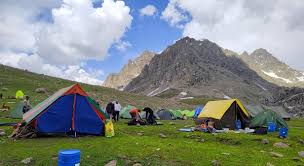
Narang-Mahlish Trekking Route
For those seeking less crowded camping experiences, the Narang-Mahlish route offers excellent wilderness camping opportunities. This trail connects Sonmarg to the Kashmir Valley via an alternate route and passes through beautiful meadows, forests, and streams. The camping spots along this route are less frequented, offering a true sense of isolation and peace. This route is particularly beautiful in autumn when the leaves turn golden and the crowds have thinned out.
Multi-Day Expedition Camping
For experienced trekkers and mountaineers, Sonmarg serves as a base for longer expeditions towards Ladakh and other remote areas. These multi-day camping expeditions require thorough preparation, including arranging supplies, porters, and guides. Popular routes include the Sonmarg-Markha Valley trek and expeditions towards Zanskar. These routes take you through some of the most remote and spectacular landscapes in the Western Himalayas, with camping experiences that range from lush green valleys to high-altitude deserts.
Important Note: All multi-day trekking routes require prior registration with the tourism department and hiring of registered guides for safety reasons. Many areas near the Line of Control require special permits, so always check the latest regulations and obtain necessary permissions before embarking on any trekking-camping expedition.
What to Carry for Sonmarg Camping
Packing the right gear and clothing is essential for a safe and comfortable camping at Sonmarg Kashmir. The mountain weather can be unpredictable, and being well-prepared can make the difference between an enjoyable experience and an uncomfortable one.
Clothing Essentials
The key to staying comfortable in Sonmarg's variable weather is layering. Pack thermal inner wear (both top and bottom) as your base layer – these are essential even in summer due to cold nights. Multiple fleece layers or sweaters provide insulation, and a good quality windproof and waterproof jacket serves as your outer shell. Carry comfortable, quick-drying trekking pants (at least 2-3 pairs) and avoid denim, which becomes heavy when wet and doesn't insulate well.
Don't forget warm accessories including a woolen cap, gloves, and a scarf – these are crucial for cold evenings and mornings. Pack enough underwear and socks (at least 3-4 pairs of woolen or synthetic socks that wick moisture away). Good quality trekking shoes with ankle support and a firm grip are non-negotiable – break them in before your trip to avoid blisters. Sandals or flip-flops are useful for wearing around the campsite and for bathroom visits at night.
Sleeping Gear
A good quality sleeping bag rated for at least -5°C to -10°C is essential, even in summer months. Temperatures at night can drop significantly, especially at higher altitude campsites. Consider carrying a sleeping bag liner for extra warmth and hygiene. An inflatable sleeping mat or thermarest provides crucial insulation from the cold ground and cushioning for comfort. If you're camping in luxury Swiss tents, bedding is usually provided, but for alpine tents or DIY camping, you'll need to bring your own sleeping gear.
Camping Equipment
If you're planning DIY camping or trekking, you'll need a sturdy, weather-proof tent designed for mountain conditions. Practice setting up your tent before your trip. Carry a headlamp or flashlight with extra batteries – essential for navigating around the campsite at night. A multi-purpose knife or Swiss army knife comes in handy for various tasks. Don't forget repair kits for tents and sleeping pads, duct tape, and rope – these can be lifesavers in emergency situations.
Personal Care Items
Sunscreen (SPF 50+) and lip balm with sun protection are crucial – UV radiation is stronger at high altitudes, and you can get sunburned even on cloudy days. Carry a good quality moisturizer and lip balm, as the air is very dry. Pack personal medications, a comprehensive first-aid kit with bandages, antiseptic, pain relievers, and medication for altitude sickness (consult your doctor before your trip). Hand sanitizer and wet tissues are useful when water is scarce. Don't forget personal hygiene items, biodegradable soap, and a quick-dry microfiber towel.
Navigational and Safety Equipment
Even if you're with a guide, carrying a map, compass, and GPS device is recommended. A fully charged power bank is essential – your phone battery drains faster in cold weather. Whistle for signaling in emergencies, a lightweight emergency blanket, and a basic survival kit should be part of your gear. If you're camping independently, consider carrying a satellite phone or personal locator beacon for emergency communication, as mobile network coverage is unreliable in remote areas.
Miscellaneous Items
Carry a reusable water bottle and water purification tablets or a portable water filter – you'll need to stay hydrated at high altitudes. Pack some high-energy snacks like nuts, dried fruits, and energy bars. Camera equipment with extra batteries and memory cards to capture the stunning scenery. A small notebook and pen for journaling your experience. Cash is essential as ATMs are scarce in Sonmarg, and most campsites don't accept cards. Finally, pack some light entertainment like cards, a book, or download content on your phone for relaxing evenings at the campsite.
Camping Cost & Booking
Planning the budget for your camping at Sonmarg Kashmir involves understanding various cost components and booking procedures. Costs can vary significantly based on the type of camping experience you choose.
Accommodation Costs
Luxury Swiss tent camps typically cost between ₹3,500 to ₹6,000 per person per night on a twin-sharing basis. This price usually includes all meals (breakfast, lunch, dinner, and evening tea/snacks), bonfire arrangements, and sometimes guided nature walks. These luxury camps often have packages for 2-3 nights, which might offer better value than single-night stays. Some luxury operators also offer adventure activities like rafting or short treks as part of their packages.
Alpine tent camping is more budget-friendly, costing around ₹1,500 to ₹3,000 per person per night. This typically includes basic accommodation in alpine tents, bedding, and all meals. The facilities are more basic compared to luxury camps, but the camping experience is more authentic. Budget camping options are available for ₹500 to ₹1,200 per night, offering simple tents with basic bedding and shared facilities. Meals might be charged separately in budget setups.
Equipment Rental Costs
If you're planning to camp independently, you can rent camping equipment from shops in Srinagar or Sonmarg. Dome tents typically rent for ₹400-800 per day, sleeping bags for ₹200-400 per day, and sleeping mats for ₹100-200 per day. Cooking equipment and stoves can be rented for ₹300-500 per day. Renting gear can be cost-effective if you're camping in a group, as costs can be shared. However, check the quality of equipment before renting, and ensure all components are present and functional.
Additional Costs to Consider
Guide and porter fees are significant expenses if you're trekking. Licensed guides charge ₹1,500-2,500 per day, and porters charge ₹800-1,500 per day depending on the weight carried. Permits are required for certain areas and cost ₹50-200 per person. Transportation to and from Sonmarg can cost ₹4,000-8,000 for a taxi from Srinagar. If you're hiring a private vehicle for multiple days, negotiate a package deal. Meals in local restaurants cost ₹200-400 per meal if not included in your camping package.
Learn more about the overall cost of planning a Kashmir trip.Booking Process
For luxury and organized camping, it's highly recommended to book in advance, especially during peak season (May-June and September-October). Most luxury camps have websites and can be contacted via phone or email. When booking, confirm what's included in the price – meals, transfers, activities, taxes, and service charges. Pay a deposit (usually 25-50%) to confirm your booking, and pay the remainder on arrival. Read cancellation policies carefully as mountain weather can sometimes necessitate last-minute changes.
For budget camping and equipment rental, you can often book on arrival in Sonmarg. However, during peak season, availability might be limited, so having backup options is wise. Some local operators can be contacted through WhatsApp for advance booking. When booking locally, verify the operator's credentials and check reviews when possible. Inspect the equipment and accommodation before paying, and clarify all costs upfront to avoid misunderstandings later.
Package Deals
Many operators offer all-inclusive packages that combine accommodation, meals, transfers, and activities. A 3-day, 2-night camping package from Srinagar typically costs ₹8,000-15,000 per person depending on the level of luxury. These packages can offer good value as operators have negotiated rates for various components. Some packages also include sightseeing in Srinagar or Gulmarg. Customized packages can be created based on your interests – whether it's photography, fishing, trekking, or simply relaxing in nature.
| Package Type | Duration | Price Range (per person) | Inclusions |
|---|---|---|---|
| Basic Camping | 2 Nights, 3 Days | ₹3,500 - ₹5,000 | Tent, meals, basic facilities |
| Standard Camping | 2 Nights, 3 Days | ₹6,000 - ₹9,000 | Alpine tent, meals, bonfire |
| Luxury Camping | 2 Nights, 3 Days | ₹10,000 - ₹15,000 | Swiss tent, attached bath, all meals |
| Great Lakes Trek | 7 Nights, 8 Days | ₹18,000 - ₹28,000 | All camping gear, meals, guide, porter |
Safety Tips & Guidelines
While camping at Sonmarg Kashmir is an incredible experience, it's important to prioritize safety to ensure your trip is memorable for all the right reasons. Being prepared and following safety guidelines will help you handle any situation that arises.
Altitude Acclimatization
Sonmarg's high altitude can affect anyone, regardless of fitness level. Altitude sickness is a real concern and should be taken seriously. Symptoms include headache, nausea, dizziness, and shortness of breath. To prevent altitude sickness, ascend gradually – if you're coming from Srinagar, spend a day acclimatizing in Sonmarg before trekking to higher campsites. Stay hydrated by drinking plenty of water – the air at high altitudes is very dry, and dehydration worsens altitude sickness. Avoid alcohol and sleeping pills, which can interfere with your body's adaptation to altitude. If symptoms persist or worsen, descend to a lower altitude immediately – don't try to push through it.
Weather Preparedness
Mountain weather is notoriously unpredictable, and Sonmarg is no exception. Always check weather forecasts before your trip, but be prepared for sudden changes even if the forecast looks good. Afternoon thunderstorms are common in summer, so plan your trekking activities for early morning. In autumn and spring, temperatures can drop rapidly after sunset, so always carry warm layers regardless of how warm it feels during the day. If you're camping independently, know when to abandon your trip and head back if weather conditions deteriorate. Your campsite should be set up away from potential hazards like falling rocks, flash flood areas, or under dead trees that could fall in strong winds.
Wildlife Awareness
While encounters with dangerous wildlife are rare, it's important to be aware of your surroundings. The Himalayan black bear is found in these forests, though they rarely approach campsites. Store food properly and keep your campsite clean to avoid attracting animals. If you're camping near streams, be cautious of Himalayan brown bears, though sightings are extremely rare. Leopards are also present but elusive. Keep a safe distance from any wildlife you encounter, and never feed animals. Use bear-proof containers or hang food away from your sleeping area if camping in remote areas. Don't leave food scraps around your campsite, and dispose of waste properly.
Eco-Friendly Camping Practices
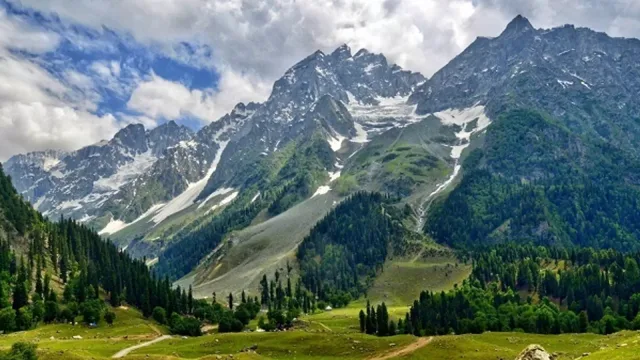
Preserving the pristine beauty of Sonmarg is everyone's responsibility. Follow Leave No Trace principles – pack out everything you pack in, including trash, food scraps, and toilet paper. Don't use soap or shampoo directly in streams or lakes – carry water 200 feet away from water sources to wash. Use established campsites whenever possible rather than creating new ones. Respect local wildlife and don't disturb their natural behaviors. Don't pick flowers or damage vegetation – take nothing but photographs and leave nothing but footprints. If you're using firewood, only use dead and down wood, and consider using a camp stove instead of building fires. Many areas have fire restrictions, especially in summer when the forest floor is dry.
Importance of Local Guides
Hiring a local guide is not just about finding your way – it's about safety, local knowledge, and supporting the community. Local guides know the terrain, weather patterns, and potential hazards that might not be obvious to visitors. They can identify safe campsites and water sources, and they know what to do in emergency situations. Guides are also trained in first aid and basic rescue procedures. In remote areas near the border, having a local guide is often mandatory for security reasons. Beyond safety, guides enhance your experience by sharing local stories, identifying plants and wildlife, and helping you understand the cultural context of the region. When hiring a guide, ensure they are licensed and registered with the tourism department.
Emergency Preparedness
Always carry a comprehensive first-aid kit and know how to use it. Include medications for common ailments like headaches, stomach issues, and allergies. Know the location of the nearest medical facility – Sonmarg has a basic hospital, but serious cases may need to be evacuated to Srinagar. Carry emergency contact numbers including local police, hospital, and your embassy if you're a foreigner. Inform someone of your itinerary and check in regularly – don't change your plans without letting them know. Satellite phones or personal locator beacons are recommended for remote trekking. Know basic wilderness survival skills including how to start a fire, build a shelter, and signal for help. In emergency situations, staying calm and making rational decisions can save lives.
Final Safety Note: The region around Sonmarg is close to the border, and security considerations are important. Always carry valid ID proof, and register with the police check post when entering Sonmarg. Be aware of your surroundings and report any suspicious objects or activities to authorities. Follow all security guidelines and restrictions – certain areas may be off-limits to civilians. Taking photographs of military installations, bridges, or strategic infrastructure is prohibited. While security situations are generally stable, it's important to stay informed about current conditions through official sources.
Conclusion
Camping at Sonmarg Kashmir offers an unparalleled opportunity to immerse yourself in the pristine beauty of the Himalayas. From luxury Swiss tents with all amenities to rugged wilderness camping under the stars, Sonmarg caters to every type of outdoor enthusiast. The region's stunning landscapes – from glaciers and alpine lakes to lush meadows and snow-capped peaks – create a backdrop that transforms camping into a truly magical experience.
Whether you're watching the sun rise over Thajiwas Glacier, fishing in Krishansar Lake, or simply sitting by your tent enjoying the peace and tranquility of the mountains, Sonmarg's camping experiences will stay with you long after you've returned home. The combination of natural beauty, adventure, and the warm hospitality of Kashmir makes camping here special and memorable.
As you plan your Sonmarg camping adventure, remember to respect the fragile ecosystem, support local communities, and prioritize safety at all times. The mountains demand respect but reward those who come prepared with experiences that are truly priceless. So pack your bags, prepare your gear, and get ready for the camping adventure of a lifetime in Kashmir's magnificent Meadow of Gold.
The mountains are calling, and Sonmarg awaits with open arms and pristine meadows. Your camping adventure in this Himalayan paradise is not just a trip – it's a journey that will change how you see the world and your place in it. Happy camping!
Location
Frequently Asked Questions
Q1.Is camping allowed in Sonmarg?
Q2.What is the best time for camping in Sonmarg?
Q3.Where can we camp in Sonmarg?
Q4.Are there luxury camping options in Sonmarg?
Q5.What should I carry for Sonmarg camping?
Q6.How much does camping cost in Sonmarg?
Q7.Is Sonmarg safe for camping?
Q8.Do I need permits for camping in Sonmarg?
Recommended For You
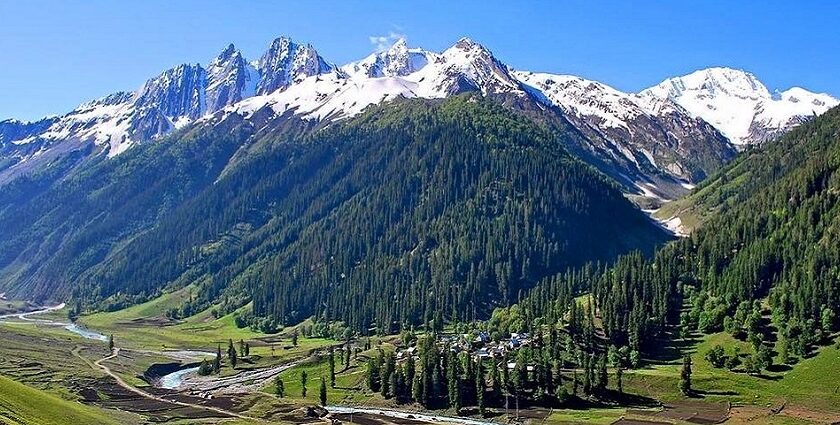
Things to Do in Sonmarg: Glacier Walks, Pony Rides & Adventure
Discover top things to do in Sonmarg with glacier routes, Zero Point planning, camping options, and practical altitude-aware itinerary guidance.
Kashmir Trip: How Many Days Needed?
Planning Kashmir trip? Learn how many days required - 3 to 10 days itineraries covering Srinagar, Gulmarg, Pahalgam & Sonamarg.
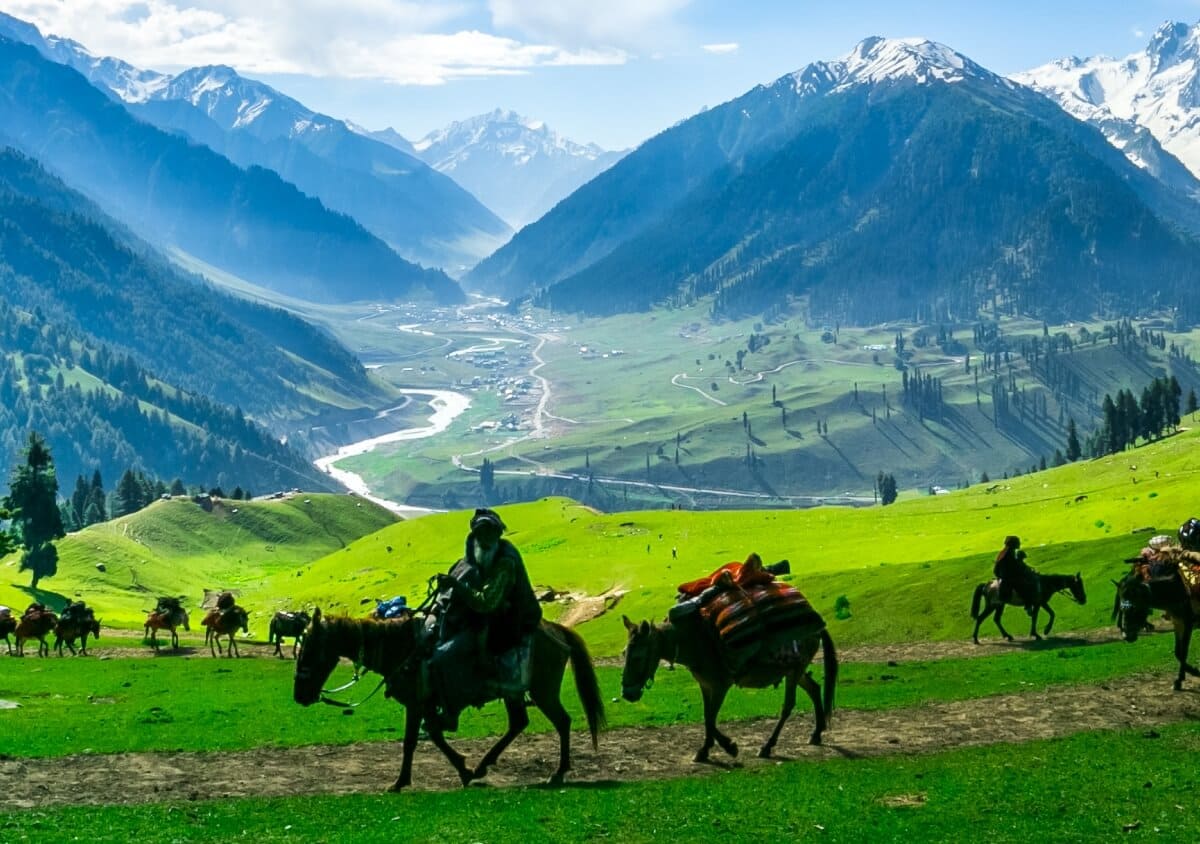
Is Kashmir Safe for Tourists? Safety Guide & Updates
Is Kashmir safe for tourists in 2026? Get current safety updates, travel advisories, safe areas to visit, regions to avoid, and essential safety tips for your Kashmir trip.
Never Miss an Adventure
Get the latest trekking guides, travel tips, and exclusive offers delivered straight to your inbox.
