
Chandigarh Rose Garden: Best Bloom Season, Timings & Attractions

Rahul Garg
February 18, 2026
Explore Asia's largest rose garden in Chandigarh. Discover 50,000+ rose bushes, 1,600 varieties, annual festival timing & photography tips for perfect floral experience.
Introduction: A Floral Paradise in the City Beautiful
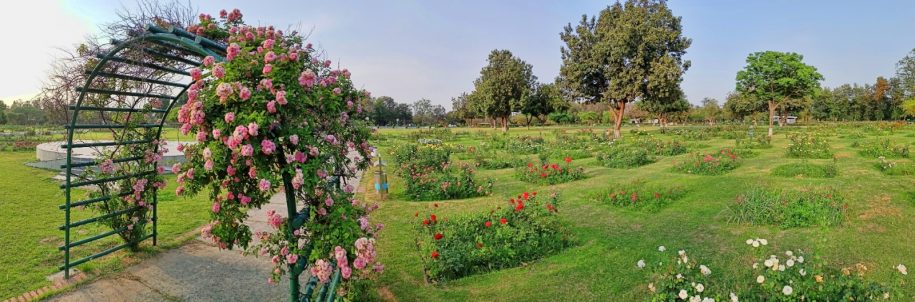
Nestled in the heart of Chandigarh, the Zakir Hussain Rose Garden stands as a testament to nature's breathtaking beauty and thoughtful urban planning. Spread across 30 acres of meticulously landscaped grounds, this botanical marvel is not just India's but Asia's largest garden dedicated exclusively to roses. Named after India's former president, Dr. Zakir Hussain, the garden has been captivating visitors since its inception in 1967 under the visionary guidance of Le Corbusier's associate, Dr. M.S. Randhawa.
What makes this garden truly extraordinary is its staggering collection of over 50,000 rose bushes, representing approximately 1,600 different varieties. From hybrid teas to miniature roses, from climbers to shrub roses, the garden showcases the incredible diversity within the Rosaceae family. Walking through these grounds feels like stepping into a living encyclopedia of roses, where each bed tells a story of careful cultivation and botanical passion.
The garden's significance extends beyond its impressive statistics. It represents Chandigarh's identity as India's first planned city, where green spaces were integral to the urban design philosophy. Unlike many botanical gardens that feel sterile or purely scientific, the Rose Garden welcomes everyone—from serious horticulturists studying rose varieties to families seeking a peaceful picnic spot, from photographers chasing the perfect bloom to couples finding romantic corners amid the flowers.
The Magnificent Rose Collection
The heart and soul of this garden is, undoubtedly, its unparalleled rose collection. The varieties here span the entire spectrum of the rose world, showcasing cultivars from across the globe. You'll find roses in every imaginable color, from pristine whites and soft pinks to vibrant reds, deep purples, sunny yellows, and even rare bi-colored varieties that seem painted by nature's most creative hand.
Rose Varieties and Categories
The garden's collection is thoughtfully organized into different categories, making it educational as well as beautiful. The Hybrid Tea roses, known for their large, perfectly formed blooms and long stems, occupy prominent positions. These are the classic florist roses, prized for their elegance and longevity as cut flowers. Nearby, you'll discover Floribunda roses, which produce clusters of smaller blooms that create spectacular mass displays of color.
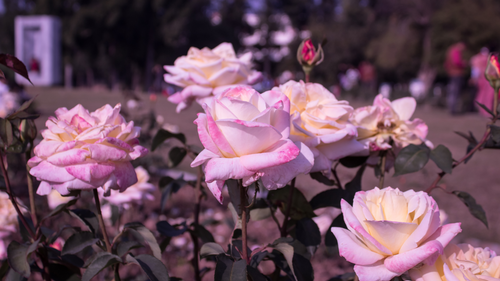
The garden also features miniature roses, perfect for smaller gardens and containers, as well as climbing varieties that ramble beautifully over trellises and arbors. Shrub roses, including the heritage and antique varieties that have been cherished for centuries, add historical depth to the collection. Each variety is clearly labeled, making the garden an excellent educational resource for anyone interested in learning more about rose cultivation and classification.
Unique and Rare Species
Among the thousands of roses, some particularly rare specimens draw enthusiastic gardeners from around the world. The garden houses unique varieties that have been developed specifically for Indian climate conditions, showcasing the work of Indian rose breeders. You'll find roses adapted to the region's specific weather patterns, demonstrating how careful cultivation can create plants that thrive in local conditions.
Of special interest are the medicinal rose varieties that have been traditionally used in Ayurvedic and other indigenous healing systems. These roses, valued not just for their beauty but for their therapeutic properties, represent the intersection of ornamental horticulture and traditional knowledge. The garden also features wild rose species, the ancestors of our modern cultivated roses, offering a glimpse into the genetic diversity that has given rise to today's spectacular hybrids.
Beyond Roses: Medicinal Plants and Trees
While roses rightfully claim the spotlight, the Zakir Hussain Rose Garden is home to an impressive collection of medicinal plants and trees that add ecological and botanical value to the space. This thoughtful inclusion transforms the garden from a purely ornamental display into a comprehensive botanical collection that serves educational and conservation purposes.
Medicinal Plant Collection
Scattered throughout the garden are plants valued in traditional Indian medicine systems. You'll find species like Rauvolfia serpentina (sarpagandha), used in traditional hypertension treatments, and various medicinal herbs that have been part of India's pharmacopoeia for millennia. This section of the garden serves as a living library of ethnobotanical knowledge, preserving plants that might otherwise be lost to urbanization.
The medicinal plant collection is particularly valuable for students of botany, Ayurveda practitioners, and anyone interested in traditional healing systems. Each plant is labeled with its botanical name, common name, and traditional uses, making the garden an educational resource that bridges ancient knowledge and modern botanical science.
Tree Species and Landscaping
Mature trees provide the structural backbone of the garden, offering shade, defining spaces, and creating microclimates that help the more delicate roses thrive. You'll find indigenous species that have adapted well to the region's climate, as well as some exotic varieties that add botanical interest. These trees serve as living demonstration of how careful plant selection can create sustainable, beautiful landscapes that require minimal intervention once established.
The trees also support local biodiversity, providing habitat and food sources for birds, beneficial insects, and small mammals. This ecological awareness in garden design demonstrates how ornamental spaces can contribute to urban biodiversity conservation. In spring, many of these trees burst into bloom themselves, adding another layer of floral beauty to complement the roses.
Architecture and Landscape Design
The Zakir Hussain Rose Garden is a masterpiece of landscape architecture that demonstrates how thoughtful design can enhance natural beauty. The layout balances formal and informal elements, creating spaces that feel both organized and natural. Wide, tree-lined avenues provide structure and grandeur, while intimate pathways invite exploration and discovery.
Garden Layout and Features
The garden is divided into several sections, each with its own character and purpose. The main rose beds are arranged in geometric patterns, creating spectacular displays when viewed from the elevated walkways. These formal areas are contrasted with more free-form sections where roses are planted in sweeping curves and drifts, creating a more naturalistic feel.
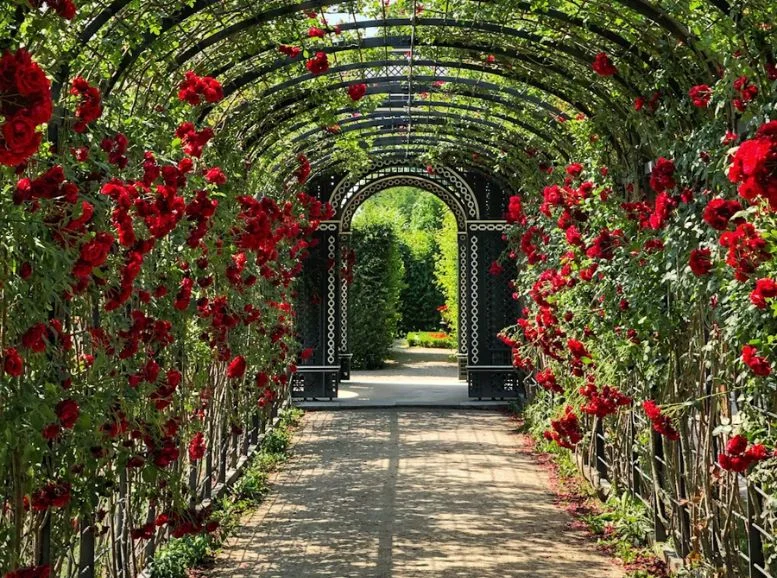
Strategically placed benches and seating areas invite visitors to pause and appreciate their surroundings. Some benches are positioned to take advantage of specific views, framing particularly beautiful rose displays or creating vignettes of flowers against the backdrop of mature trees. The garden also features several gazebos and pergolas, some draped with climbing roses, that provide shaded seating areas and serve as focal points within the landscape.
Water Features and Hardscaping
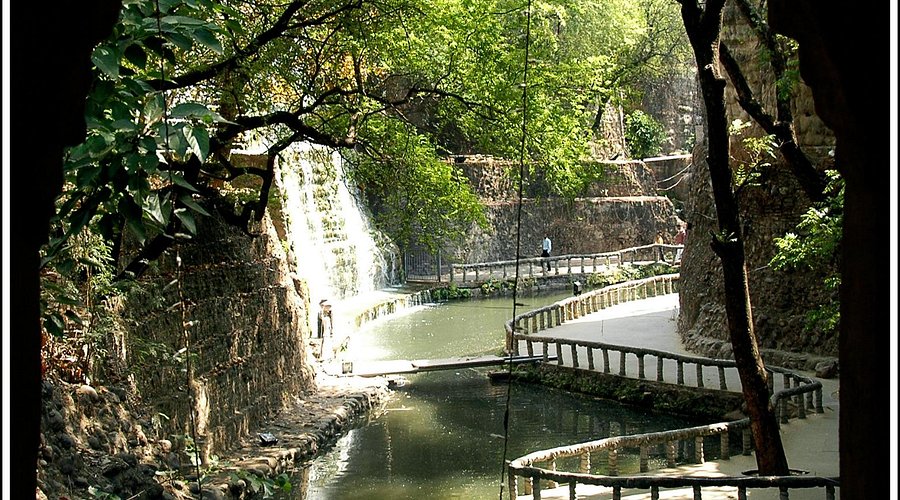
While the garden focuses primarily on roses, water features have been incorporated to add sensory interest and support the garden's ecosystem. Small fountains and water channels provide the soothing sound of moving water, while also helping to maintain humidity levels that benefit the roses. The hardscaping—paths, edging, and structural elements—uses materials that complement the natural beauty of the plantings without competing for attention.
The Annual Rose Festival
Every year, typically in late February or early March, the Zakir Hussain Rose Garden hosts the Chandigarh Rose Festival, one of the city's most anticipated cultural events. This three-day celebration attracts thousands of visitors from across India and abroad, transforming the already beautiful garden into a vibrant festival ground.
Festival Highlights and Events
The Rose Festival is much more than just a flower show—it's a comprehensive cultural celebration that includes musical performances, food stalls, art exhibitions, and competitions. The main attraction is, of course, the rose competition, where growers from across the region display their finest blooms in categories ranging from largest rose to most unusual variety. The competition is fierce, and the quality of entries is stunning.
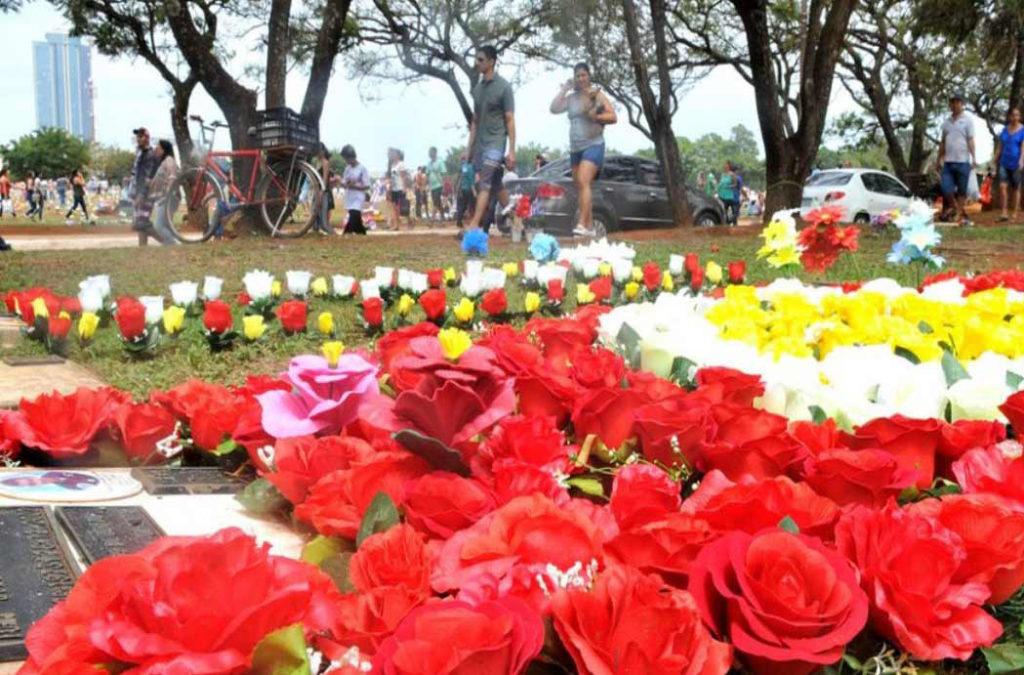
Live music performances ranging from classical to contemporary create a festive atmosphere throughout the garden. Local artists display and sell their work, much of it inspired by the garden's beauty. Food vendors offer regional specialties, allowing visitors to sample the culinary culture of Punjab and Haryana while enjoying the floral displays.
Photography and Cultural Events
The festival period is exceptionally popular with photographers, both amateur and professional. The combination of perfect blooms, golden light, and enthusiastic crowds creates endless photographic opportunities. Many visitors dress in traditional Punjabi attire for the festival, adding cultural richness to the visual tapestry of the event.
Special events during the festival include guided tours led by horticulture experts, workshops on rose cultivation and care, and children's activities that help cultivate the next generation of garden enthusiasts. The festival typically concludes with an award ceremony recognizing the best roses in various categories, as well as prizes for the best photography and the most creative displays.
Best Time to Visit
Timing your visit to the Zakir Hussain Rose Garden can significantly impact your experience. While the garden is beautiful year-round, understanding the seasonal patterns will help you plan your visit for maximum enjoyment.
The Peak Blooming Season
The absolute best time to visit is from late February through March, when the annual Rose Festival typically takes place. During this period, the majority of roses are in full bloom, creating spectacular displays of color and fragrance. The weather during these months—late winter to early spring—is ideal, with comfortable temperatures and clear skies that make garden exploration thoroughly enjoyable.
October and November offer a second, though somewhat less abundant, blooming period. The post-monsoon season brings cooler temperatures and a second flush of flowers. While not as spectacular as the spring bloom, this period offers a quieter experience with fewer crowds, making it ideal for photography and peaceful contemplation.
Seasonal Considerations
Summer months (April to June) can be challenging for garden visits due to extreme heat. Many rose varieties will continue blooming, but the intensity of the sun and high temperatures can make walking through the garden uncomfortable. Early morning visits (6:00 AM to 8:00 AM) during summer can still be enjoyable, as the air is cooler and the garden is relatively peaceful.
Monsoon season (July to September) brings its own beauty to the garden. The rain-washed roses look incredibly fresh, and the entire garden takes on a lush, vibrant appearance. However, some varieties may suffer in heavy rain, and pathways can be muddy. The period immediately after the monsoon, when the garden is recovering and putting on new growth, can be surprisingly beautiful.
Winter (December to January) brings cooler temperatures and fewer blooms, though many rose varieties will still produce flowers, particularly during sunny spells. The garden's structure—the mature trees, pathways, and architectural features—becomes more apparent when the roses are less dominant. This can be an excellent time for studying the garden's design and planning your own rose garden.
Practical Visitor Information
Making the most of your visit to the Zakir Hussain Rose Garden requires some practical planning. Here's everything you need to know to ensure a comfortable, enjoyable experience.
Location and Accessibility
The garden is located in Sector 16 of Chandigarh, easily accessible from all parts of the city. Its central location makes it convenient to combine with other Chandigarh attractions like Sukhna Lake, the Rock Garden, or Sector 17 Plaza. The garden is well-connected by road, and auto-rickshaws and taxis are readily available.
For those driving, parking is available near the garden entrance, though spaces can fill up quickly during the Rose Festival or on weekends. The garden is wheelchair accessible, with paved pathways throughout most of the main areas. However, some sections have uneven surfaces that may be challenging for wheelchair users or those with mobility issues.
Timing and Entry
The garden is open daily from early morning (approximately 6:00 AM) until evening (approximately 8:00 PM), though these hours can vary slightly by season. There is no entry fee, making it an accessible attraction for everyone. However, during the Rose Festival, there may be an entry charge to help cover the costs of organizing the event.
For the best experience, aim to visit early in the morning or late in the afternoon. Midday visits, particularly in summer, can be uncomfortably hot, and the bright sunlight can make photography challenging. Early morning visitors often have the garden largely to themselves and can enjoy the roses covered in morning dew—a truly magical sight.
What to Bring
For a comfortable visit, carry a water bottle, especially during warmer months. Comfortable walking shoes are essential, as you'll likely be walking on grass or gravel pathways. Sunscreen and a hat are advisable during sunny weather, and you might want to bring a light jacket or sweater during cooler months.
Photographers will want to bring their cameras, of course, but also consider bringing a small notebook to record varieties that particularly interest you. The garden's labeling system makes it easy to identify specific roses, and many visitors leave inspired to add roses to their own gardens.
Photography Tips
The Zakir Hussain Rose Garden is a photographer's paradise, but capturing the beauty of roses requires some specific techniques and considerations. Here's how to get the most stunning photographs during your visit.
Best Times for Photography
The golden hours—shortly after sunrise and shortly before sunset—provide the most beautiful light for rose photography. The soft, warm light enhances the natural colors of the flowers and creates a magical atmosphere. Early morning is particularly special because many roses will still be covered in dew drops, adding an extra element of beauty to your images.
Overcast days can actually be excellent for rose photography. The diffuse light eliminates harsh shadows and reduces glare, allowing the subtle color variations in the petals to shine. Professional photographers often prefer overcast conditions for close-up flower photography.
Composition and Techniques
When photographing roses, consider your background carefully. A simple, dark background often makes the flower's colors pop, while a blurred, colorful background can create beautiful bokeh that adds depth to your images. Try different angles—shooting from below can make even simple rose varieties look dramatic, while shooting from above highlights the symmetry of rose blooms.
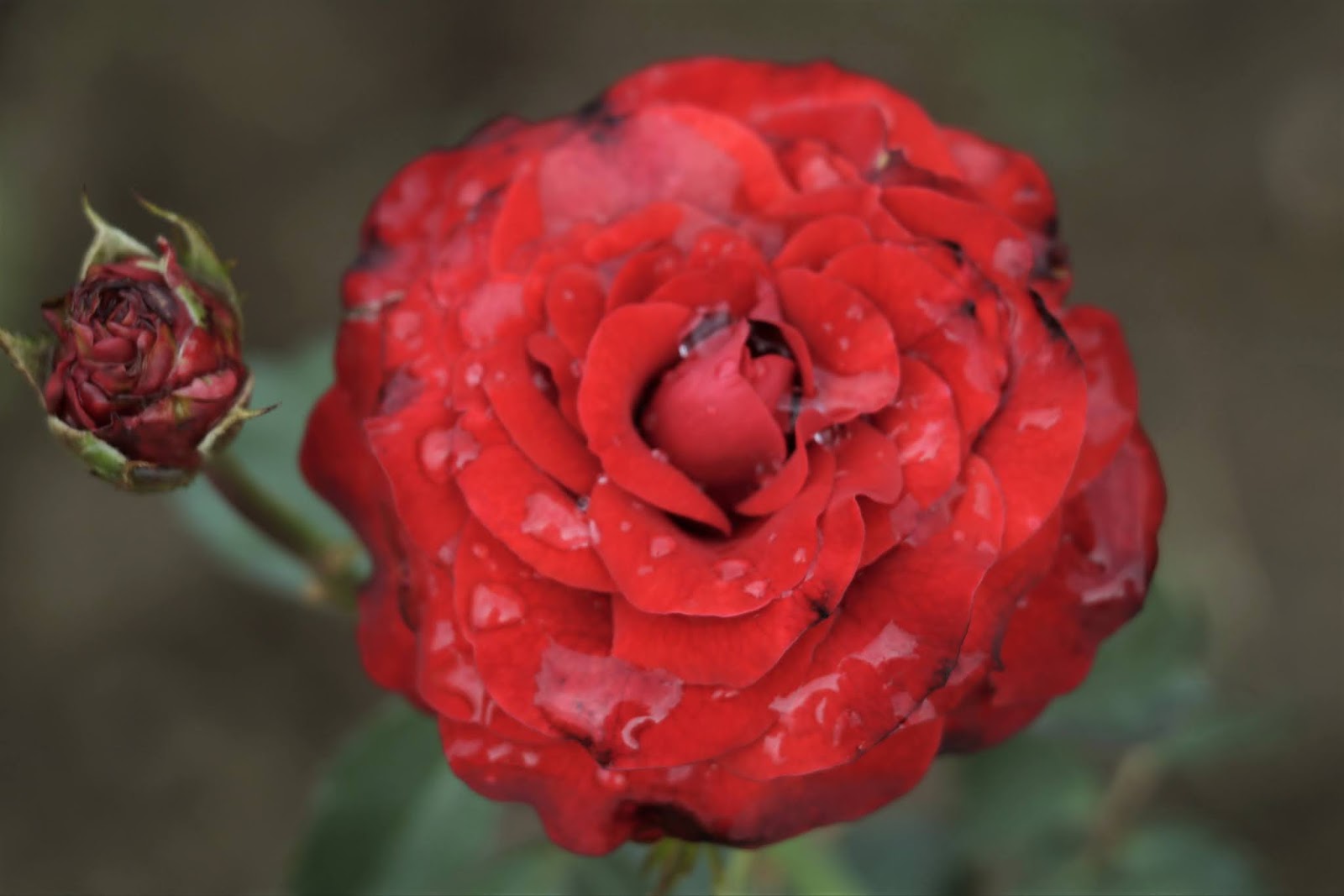
For close-up shots, consider using macro mode or a macro lens if available. This allows you to capture the intricate details of rose petals, the spiral arrangement of blooms, and the fascinating texture of rose centers. Don't forget to photograph roses at various stages of development—tight buds, partially opened blooms, and fully open flowers each have their own unique beauty.
Nearby Attractions
Chandigarh's thoughtful urban planning means that the Rose Garden is conveniently located near several other major attractions, making it easy to combine multiple experiences in a single day.
Sukhna Lake
Just a short distance from the Rose Garden, Sukhna Lake is a man-made reservoir at the foothills of the Shivalik range. It's perfect for boating, morning walks, or simply enjoying the sunset. Many visitors combine a morning visit to the Rose Garden with an evening at Sukhna Lake, creating a day that celebrates both Chandigarh's natural beauty and its impressive urban planning.
Rock Garden
Created by Nek Chand, the Rock Garden is one of Chandigarh's most unique attractions, featuring sculptures made from industrial and household waste. It's unlike anything else you'll see in India and provides a fascinating contrast to the natural beauty of the Rose Garden. The two attractions demonstrate very different approaches to creativity and landscape design.
Sector 17 Plaza
For those interested in experiencing the commercial heart of Chandigarh, Sector 17 Plaza is the city's main shopping and entertainment district. The wide pedestrian-friendly streets, modern architecture, and variety of shops and restaurants make it a great place to relax after a morning exploring gardens.
Conservation and Education
Beyond its role as a tourist attraction and public park, the Zakir Hussain Rose Garden serves important conservation and educational functions. The garden participates in various conservation programs aimed at preserving rare and heritage rose varieties that might otherwise be lost.
Research and Development
The garden collaborates with agricultural universities and botanical research institutions on various projects. These include developing new rose varieties suited to Indian conditions, studying disease resistance in roses, and researching sustainable cultivation practices. The garden serves as a living laboratory where horticultural students and researchers can study rose cultivation in real-world conditions.
Public Education Programs
Throughout the year, the garden hosts educational programs for school groups, gardening clubs, and the general public. These programs cover topics such as rose care, garden design, and the importance of biodiversity in urban spaces. By sharing knowledge and inspiring interest in horticulture, the garden helps cultivate the next generation of gardeners and plant enthusiasts.
Planning Your Visit
To make the most of your visit to the Zakir Hussain Rose Garden, consider these practical suggestions based on the experiences of frequent visitors.
Duration and Itinerary
Plan to spend at least 2-3 hours in the garden, though serious garden enthusiasts and photographers might want to dedicate half a day. The garden's size and the sheer variety of roses mean that rushing through will cause you to miss much of its beauty. Take your time, follow your interests, and don't feel pressured to see every single bed.
A typical itinerary might involve arriving early in the morning, spending 2-3 hours exploring the garden, then heading to a nearby cafe for breakfast or lunch. If you're visiting during the Rose Festival, plan to spend the entire day, as there's much to see and do beyond simply viewing the roses.
Combining with Other Activities
Consider combining your garden visit with other nature experiences in Chandigarh. The best parks and gardens in Chandigarh offer diverse experiences, from the leisure sector parks to the more wild areas around Sukhna Lake. For adventure enthusiasts, there are various adventure activities in Chandigarh that showcase the region's natural beauty.
Food lovers will appreciate Chandigarh's evolving culinary scene. After your garden visit, you might explore the best cafes in Chandigarh or try some of the city's excellent restaurants. The combination of natural beauty and modern amenities makes Chandigarh a uniquely satisfying destination.
Conclusion
The Zakir Hussain Rose Garden represents the best of what planned urban spaces can be—beautiful, accessible, educational, and ecologically valuable. Whether you're a serious rosarian seeking rare varieties, a photographer chasing the perfect bloom, or simply someone who appreciates beauty and tranquility, this garden offers an experience that engages the senses and soothes the spirit.
What makes the garden truly special is its ability to be many things to many people. It's a world-class botanical collection that's free and open to everyone. It's a place of scientific research that's also perfect for romantic strolls. It's a showcase of exotic species that also celebrates India's native flora. In a world where such spaces are increasingly rare, the Zakir Hussain Rose Garden stands as a reminder of what's possible when nature and human creativity work in harmony.
As you wander through the beds, surrounded by thousands of roses in every color imaginable, it's easy to understand why this garden has become such a beloved institution in Chandigarh. It's not just a collection of plants—it's a living testament to the idea that cities can be places where nature and civilization enhance each other, creating beauty that nourishes the human spirit.
For those exploring beyond Chandigarh, the places to visit near Chandigarh offer even more opportunities to experience the natural beauty of North India. Whether you're planning a weekend getaway from Chandigarh or simply looking for great photography spots in Chandigarh, the Rose Garden is an essential part of any Chandigarh experience.
Location
Frequently Asked Questions
Q1.What is the best time to visit Chandigarh Rose Garden?
Q2.When is the Rose Festival in Chandigarh?
Q3.Is there an entry fee for Zakir Hussain Rose Garden?
Q4.How many rose varieties are there in Chandigarh Rose Garden?
Q5.Where is Chandigarh Rose Garden located?
Q6.How much time should I spend at Chandigarh Rose Garden?
Q7.Is photography allowed in Chandigarh Rose Garden?
Q8.What other attractions are near Chandigarh Rose Garden?
Q9.Are food and water available inside Chandigarh Rose Garden?
Q10.Is Chandigarh Rose Garden wheelchair accessible?
Q11.What should I wear when visiting Chandigarh Rose Garden?
Q12.Can I buy rose plants from Chandigarh Rose Garden?
Recommended For You
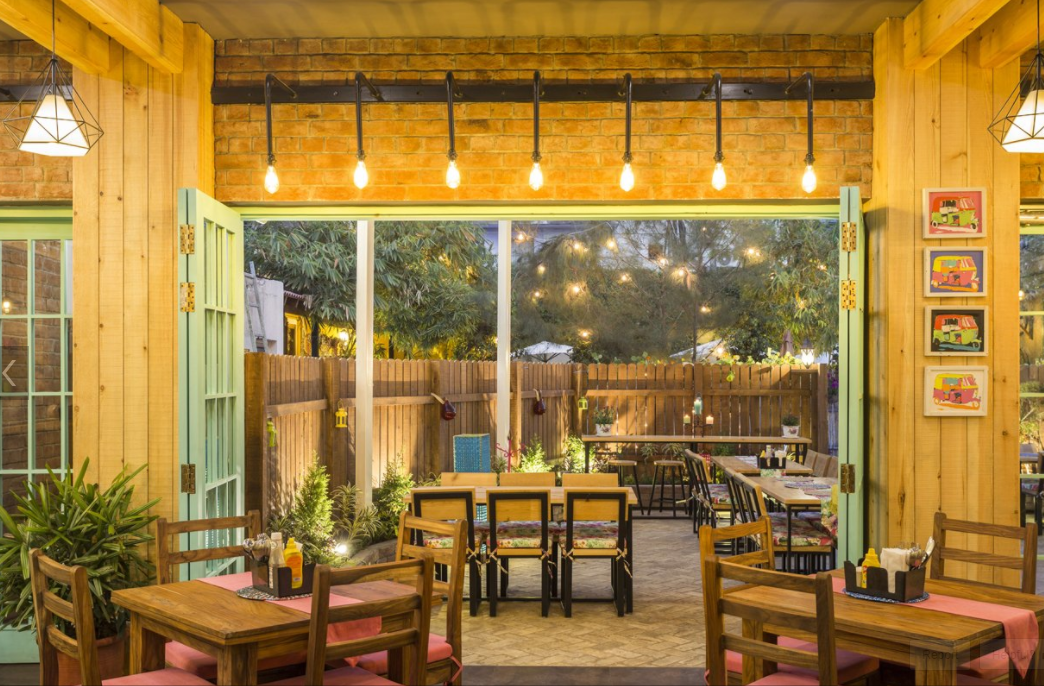
Best Cafes in Chandigarh: Area Guide, Timing and Tips
Best cafes in Chandigarh guide with sector-wise planning, timing strategy, budget control, and practical one-day cafe route templates.
15 Best Places to Visit Near Chandigarh Within 100 km
15 best places to visit near Chandigarh within 100 km - Kasauli, Pinjore Gardens, Morni Hills, Anandpur Sahib, Bhakra Dam & more. Complete guide with distances.
12 Best Weekend Getaways from Chandigarh & Haryana
Discover 12 best weekend getaways from Chandigarh & Haryana. Hill stations, adventure hubs, heritage sites & wildlife sanctuaries with distances, travel tips & itineraries.
Never Miss an Adventure
Get the latest trekking guides, travel tips, and exclusive offers delivered straight to your inbox.
