
Famous Food in Kerala: 15 Must-Try Dishes

Rohit Verma
February 18, 2026
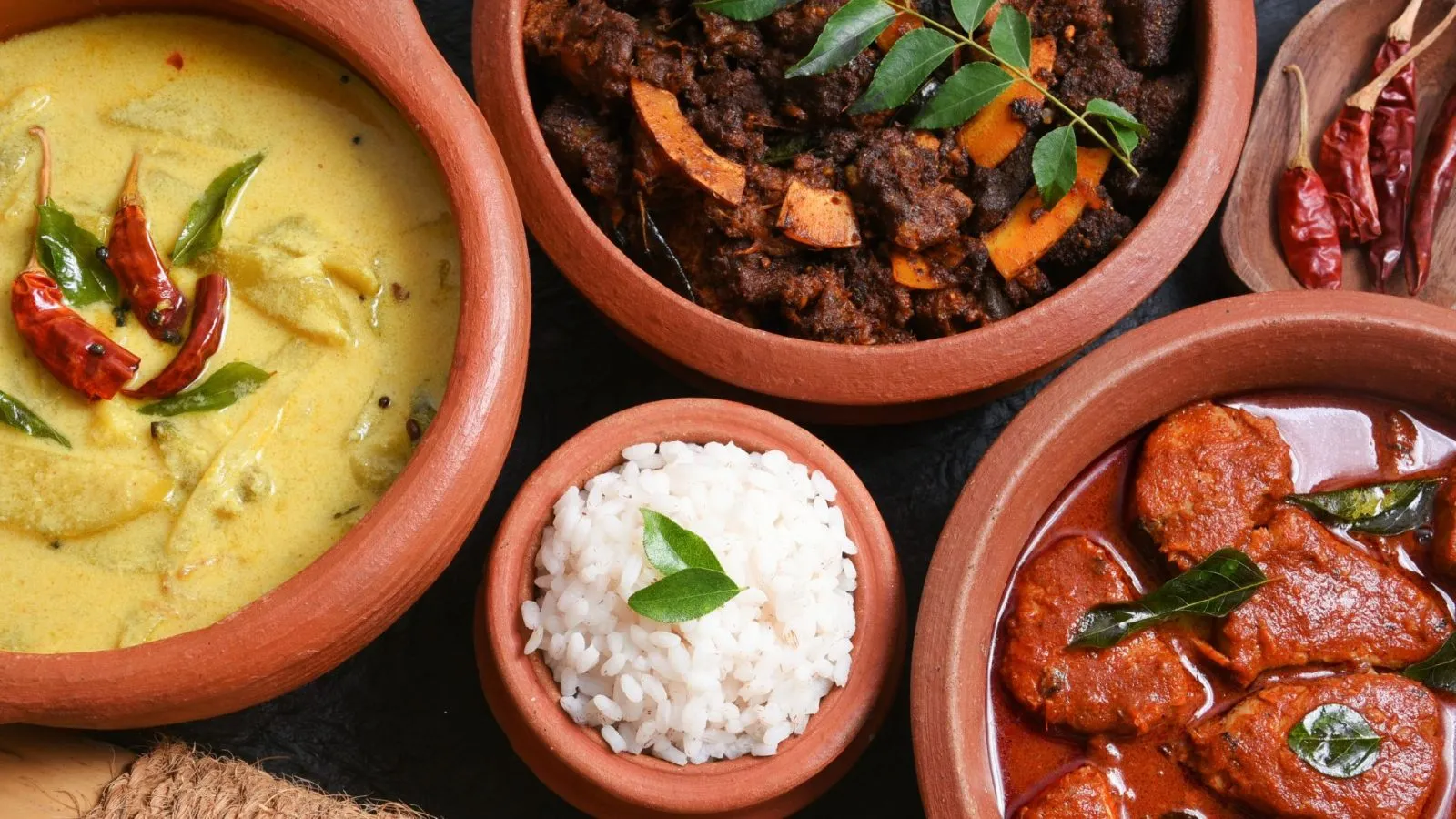
Discover the famous food of Kerala. From Appam & Stew to Karimeen Pollichathu and Sadhya. A culinary journey through God's Own Country with 15 must-try dishes.
Introduction: The Spice Garden of India
Kerala, fondly known as "God's Own Country," offers a culinary landscape as diverse and vibrant as its lush green landscapes. The famous food of Kerala is a beautiful symphony of flavors shaped by its geography—a long coastline abundant with seafood, fertile lands bursting with spices, and centuries of trade connections with Arab, Chinese, Portuguese, and Dutch merchants.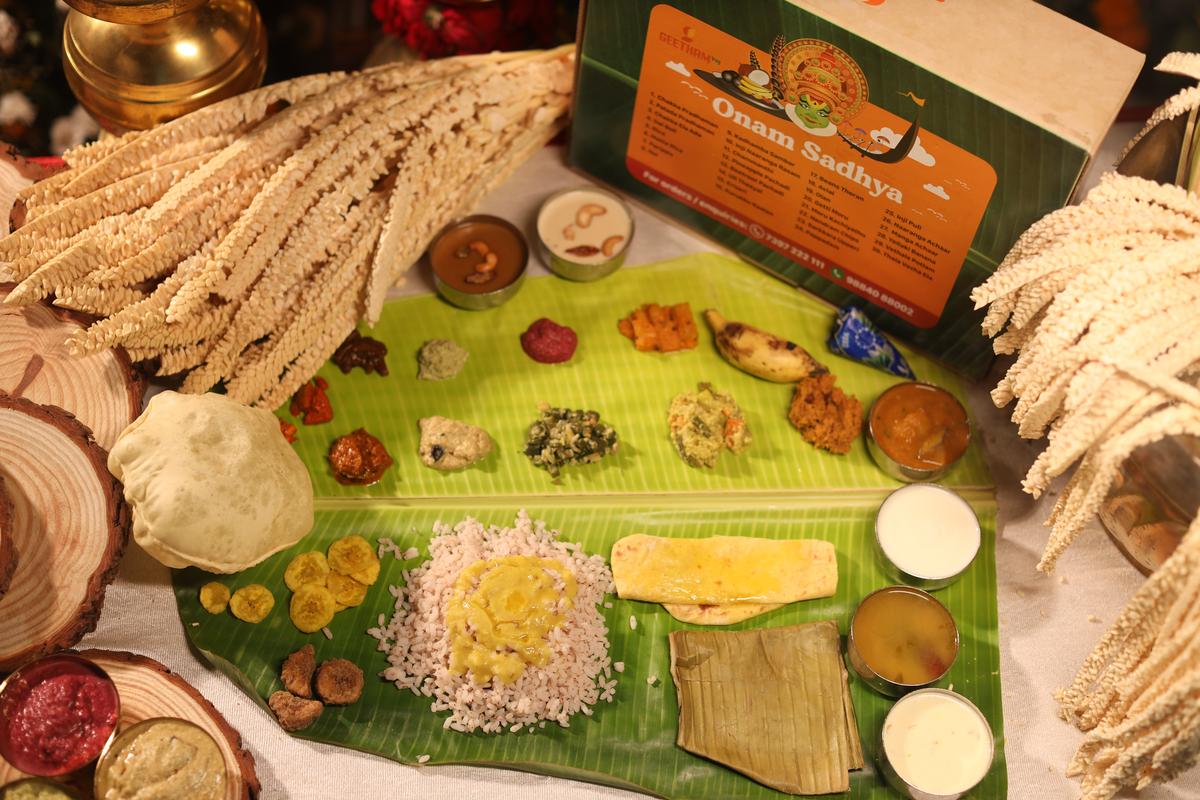 What makes Kerala cuisine truly unique is the masterful use of coconut in every form—grated, milk, oil, and cream—combined with curry leaves, mustard seeds, and an array of spices that create distinctive dishes you won't find anywhere else in India. The food here is not just about sustenance; it's about culture, tradition, and the warm hospitality that Keralites are famous for.
Whether you're a vegetarian looking for the perfect Sadhya or a seafood lover craving the freshest catch, Kerala's cuisine has something extraordinary to offer. From the humble Puttu enjoyed with Kadala curry to the elaborate Sadhya served on banana leaves during Onam, let's explore the 15 must-try dishes that define Kerala's culinary identity.
What makes Kerala cuisine truly unique is the masterful use of coconut in every form—grated, milk, oil, and cream—combined with curry leaves, mustard seeds, and an array of spices that create distinctive dishes you won't find anywhere else in India. The food here is not just about sustenance; it's about culture, tradition, and the warm hospitality that Keralites are famous for.
Whether you're a vegetarian looking for the perfect Sadhya or a seafood lover craving the freshest catch, Kerala's cuisine has something extraordinary to offer. From the humble Puttu enjoyed with Kadala curry to the elaborate Sadhya served on banana leaves during Onam, let's explore the 15 must-try dishes that define Kerala's culinary identity.
Breakfast Staples: The Perfect Start to Your Day
Puttu and Kadala Curry
Puttu is perhaps the most iconic breakfast dish of Kerala, and once you try it, you'll understand why Keralites living abroad miss it dearly. This cylindrical steamed rice cake is made by layering ground rice and grated coconut in a special bamboo mold called a "Puttu kutti" and steaming to perfection.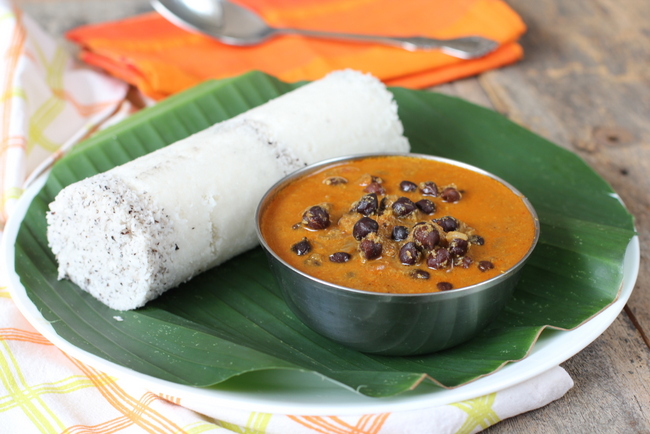 What makes Puttu special is its texture—soft, crumbly, and slightly earthy from the bamboo steam. It's typically served with Kadala curry (black chickpea curry) cooked with roasted coconut, spices, and a tempering of mustard seeds and curry leaves. The combination is wholesome, filling, and deeply satisfying.
Many Keralites also enjoy Puttu with ripe yellow bananas, papad, or even fish curry. It's a breakfast that fuels you for hours and represents the simplicity and genius of Kerala's traditional cuisine.
What makes Puttu special is its texture—soft, crumbly, and slightly earthy from the bamboo steam. It's typically served with Kadala curry (black chickpea curry) cooked with roasted coconut, spices, and a tempering of mustard seeds and curry leaves. The combination is wholesome, filling, and deeply satisfying.
Many Keralites also enjoy Puttu with ripe yellow bananas, papad, or even fish curry. It's a breakfast that fuels you for hours and represents the simplicity and genius of Kerala's traditional cuisine.
Appam with Stew
Appam is a bowl-shaped fermented rice pancake with crispy edges and a soft, fluffy center—often described as a rice hoppers. The fermentation process using coconut toddy or yeast gives Appam its characteristic slight tang and delicate texture. The perfect accompaniment to Appam is Stew—a mild, creamy curry made with coconut milk. For vegetarians, it's made with mixed vegetables like carrots, potatoes, green peas, and pearl onions. The non-vegetarian version features chicken or mutton, slowly simmered in the coconut milk base with whole spices like cinnamon, cardamom, and cloves. The beauty of Appam and Stew lies in its balance—the slight sourness of the Appam complements the creamy, mildly sweet Stew perfectly. It's comfort food at its finest and a breakfast you'll find in almost every Kerala household, especially on Sundays and special occasions.Idiyappam (String Hoppers)
Idiyappam, also known as String Hoppers, is another breakfast favorite that showcases Kerala's love for rice-based dishes. These delicate steamed rice noodles are pressed into beautiful lace-like discs using a special Idiyappam press. The process requires skill—making the rice flour dough with the right consistency and pressing it into circular swirls that steam into soft, fluffy nests. Idiyappam is incredibly versatile and pairs beautifully with a range of accompaniments. Traditionalists enjoy it with sweetened coconut milk, egg roast, or vegetable stew. The non-vegetarian version often features a spicy egg curry where the hard-boiled eggs are simmered in a rich, onion-tomato gravy with roasted coconut paste. It's a breakfast that's light on the stomach yet thoroughly satisfying.The Grand Sadhya: A Feast Like No Other
If there's one dish that truly represents Kerala's culinary heritage, it's the Sadhya—a vegetarian feast served on a banana leaf that's as much about visual splendor as it is about taste. Traditionally served during Onam, weddings, and special ceremonies, a typical Sadhya features 24 to 28 dishes arranged in a specific order on the banana leaf.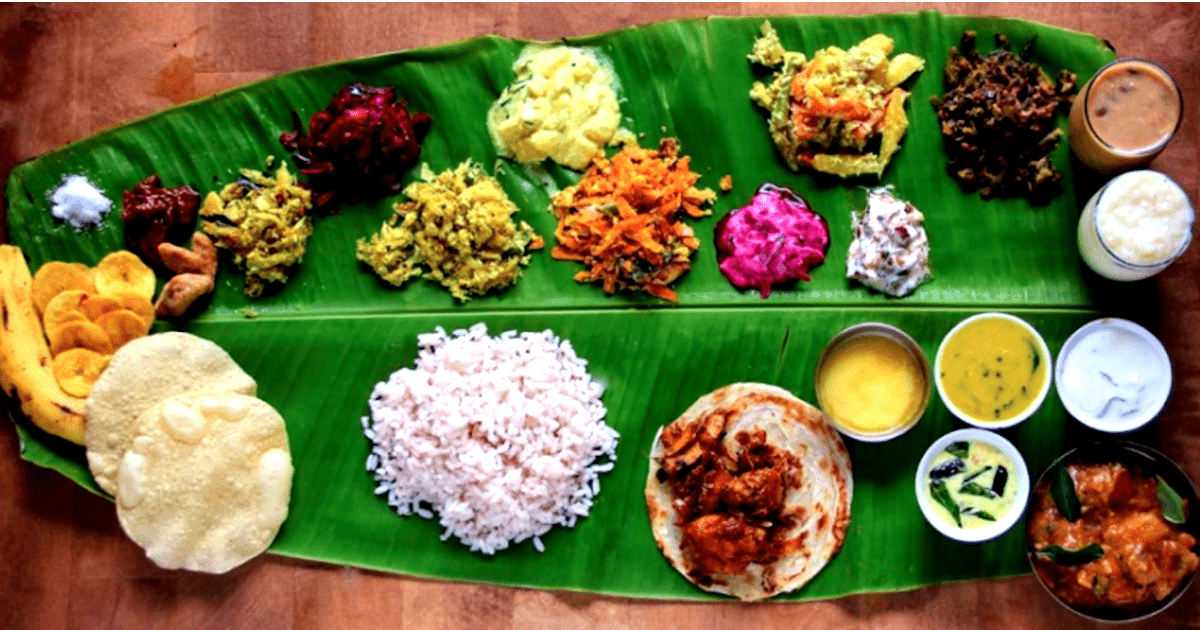 The Sadhya begins with the sweet Pradhaman (usually Palada Payasam) placed at the top left corner of the leaf, followed by an array of dishes that include:
- Sambar — Lentil-based vegetable stew with tamarind
- Rasam — Tangy, spicy soup-like preparation
- Avial — Mixed vegetable dish with coconut and yogurt
- Thoran — Dry vegetable dish with grated coconut
- Olan — Ash gourd and bean dish in coconut milk
- Pachadi and Kichadi — Yogurt-based preparations
- Pickle — Lime or mango pickle
- Pappadam — Crispy lentil wafers
- Banana Chips and Sharkara Varatti — Jaggery-coated banana chips
Non-Veg Specialties: Coastal Kerala at Its Best
Malabar Biryani (Thalassery Biryani)
Unlike the Hyderabadi or Kolkata varieties, Malabar Biryani stands out for its unique use of Khaima rice—a short-grain, fragrant rice that's distinct from the long-grain Basmati used in other biryanis. This special rice, combined with generous amounts of ghee, fried onions (birista), and dry fruits, creates a biryani that's aromatic, flavorful, and utterly addictive. The meat—usually chicken, mutton, or beef—is marinated in yogurt and spices, then cooked separately and layered with partially cooked rice. The dum (slow cooking) process allows the flavors to meld together perfectly. What sets Malabar Biryani apart is the subtle sweetness from raisins and cashews, the fragrance of ghee, and the perfect balance of spices. Served with pickles, papad, and sometimes a chammanthi (a chutney-like side), this biryani from the northern Malabar region is a must-try for anyone visiting Kochi or Kozhikode.Karimeen Pollichathu
Karimeen (Pearl Spot fish) is Kerala's most prized freshwater fish, and Karimeen Pollichathu is perhaps its most iconic preparation. The fish is marinated in a spice blend that typically includes turmeric, red chili powder, lemon juice, and salt, then wrapped in a banana leaf and grilled to perfection. The banana leaf wrapping does more than just hold the fish—it infuses it with a subtle, earthy aroma while keeping the flesh moist and tender. As the fish grills, the spices penetrate deep, and the banana leaf chars slightly, adding another layer of flavor. When you open the banana leaf parcel at your table, you're greeted with an incredible aroma that immediately stimulates your appetite. The fish should be moist, flaky, and perfectly spiced. It's traditionally served with boiled rice or Kappa (tapioca). For an authentic experience, try this dish in Alleppey or Kumarakom where fresh Pearl Spot is readily available.Kerala Beef Fry (Erachi Ularthiyathu)
Beef Fry is more than just a dish in Kerala—it's a cultural icon, especially in Central Travancore regions like Kottayam and Pathanamthitta. The beef is slow-cooked with shallots, ginger, garlic, curry leaves, and a special spice blend until it's tender, then fried until dark and caramelized with coconut slivers. The secret to great Kerala Beef Fry lies in the slow cooking process. The beef first simmers in its own juices with spices until almost dry, then gets a final fry with coconut oil and roasted coconut pieces. The result is tender, caramelized beef with crispy coconut bits—spicy, savory, and incredibly moreish. It's typically served with Kappa (mashed tapioca) or Appam, and it's a breakfast staple in many Kerala Christian households. The dish has achieved such cult status that it's now featured on menus worldwide, but nothing beats the authentic version from a local toddy shop in Kerala.Nadan Kozhi Varuthathu (Spicy Chicken Fry)
This classic Kerala-style chicken fry is all about simplicity and bold flavors. Chicken pieces are marinated in a mixture of turmeric, red chili powder, pepper, and salt, then shallow-fried until golden and crispy. The finishing touch—a tempering of curry leaves, sliced shallots, and sometimes dried chilies in coconut oil—elevates it to something special. What makes Nadan Kozhi Varuthathu special is the cooking technique. The chicken is first cooked covered so it steams in its own marinade, then uncovered to get that beautiful crispy exterior. The result is chicken that's moist inside, crispy outside, and packed with flavor from the freshly cracked pepper and curry leaves. This dish is a favorite for Sunday lunches and pairs perfectly with boiled rice, Chappathi, or even as a starter. It's home-style Kerala cooking at its best—unpretentious, flavorful, and deeply satisfying.Snacks & Sweets: Kerala's Tea-Time Treasures
Pazhampori (Ethakka Appam)
Pazhampori, also known as Ethakka Appam, is Kerala's beloved banana fritter. Ripe Nendran bananas—a variety native to Kerala—are sliced lengthwise, dipped in a sweetened batter, and deep-fried to golden perfection. The choice of banana is crucial here. Nendran bananas are firm, less sweet than dessert bananas, and hold their shape beautifully when fried. The batter—made with flour, sugar, and a pinch of salt—creates a crispy exterior that contrasts perfectly with the soft, sweet banana inside. Pazhampori is the quintessential Kerala evening snack, enjoyed with a cup of hot tea. You'll find it at every local tea shop, beachside stall, and roadside eatery. It's especially popular during the monsoon season when there's nothing quite like hot fritters and tea to go with the rain.Banana Chips (Ethakka Upperi)
No discussion about Kerala snacks is complete without mentioning Banana Chips. These crispy, salty chips are made from unripe Nendran bananas sliced thinly, salted, sometimes spiced with turmeric, and deep-fried until crunchy. Kerala's Banana Chips are different from plantain chips you might find elsewhere. They're thinner, crispier, and have that unique flavor that comes from the Nendran banana. The process requires skill—getting the right thickness, frying at the right temperature, and knowing when they're perfectly crisp. These chips are an essential part of any Sadhya and are also enjoyed as a snack. They're so iconic that they're now exported worldwide, but the best versions are still found in small, local shops in Kerala, especially in places like Kovalam and Alleppey.Palada Payasam
Payasam is Kerala's answer to pudding, and Palada Payasam is arguably the most loved variety. This pink-hued, creamy dessert is made from rice ada (flat rice flakes), milk, and sugar, slow-cooked until the ada is soft and the milk reduces to a thick, pudding-like consistency. The secret to excellent Palada Payasam lies in the slow cooking process. Traditional recipes call for simmering for hours, sometimes in a brass vessel over a wood fire, which gives the Payasam its characteristic pink color and depth of flavor. The ada should be soft but not mushy, and the milk should be rich and creamy without being overly sweet. This dessert is a must-have at any Sadhya or special occasion. It's served warm or at room temperature, and one taste will tell you why it's considered the king of Kerala desserts. The combination of soft ada, creamy milk, and cardamom fragrance is simply heavenly.Unniyappam
Unniyappam is a traditional Kerala sweet—small, round fritters made from rice flour, jaggery, and ripe bananas, sometimes with coconut pieces added. The batter is fried in special molds, creating these adorable, dimpled sweets that are crispy outside and soft inside. The name literally means "small appam" in Malayalam. What makes Unniyappam special is the flavor profile—the sweetness comes primarily from jaggery (unrefined cane sugar), which has a complex, caramel-like flavor that refined sugar can't match. The bananas add natural sweetness and moisture. These sweets are traditionally made during festivals and special occasions, especially for offerings at temples. They're best enjoyed fresh and warm, with a cup of tea. The combination of crispy exterior, soft center, and jaggery's distinctive flavor makes Unniyappam irresistible.Beverages: Kerala's Traditional Drinks
Sulaimani Chai
Sulaimani is a unique style of black tea that originated in the Malabar region through Arab trade connections. Unlike the milky, sweet chai common in North India, Sulaimani is a light, refreshing black tea flavored with cardamom, sometimes mint, and finished with a squeeze of lemon. The name "Sulaimani" is believed to refer to Solomon, and the tea was traditionally served after meals to aid digestion. It's less milky than regular chai, making it lighter and more refreshing. The lemon adds a bright note that cuts through the richness of a heavy meal. In Malabar region, especially Kozhikode, Sulaimani is more than just tea—it's a cultural institution. You'll find it served at weddings, offered to guests, and enjoyed at local tea shops. It's the perfect ending to a rich Kerala meal.Toddy (Kallu)
Toddy is a traditional mildly alcoholic beverage made from the sap of coconut palm flowers. Fresh toddy is sweet and only slightly fermented, but as it ages, it becomes more alcoholic and sour. It's been consumed in Kerala for centuries and is an integral part of rural Kerala culture. Toddy shops (kallu shapu) are social hubs where men gather to drink fresh toddy, eat spicy seafood snacks, and converse. These shops serve some of the best non-vegetarian food in Kerala—spicy fish curry, crab roast, and beef fry that pair perfectly with the slightly sour toddy. For visitors, trying toddy is a unique cultural experience. It's not about getting drunk—it's about participating in a tradition that's been part of Kerala's social fabric for generations. The fresh toddy collected in the morning is sweet and refreshing, quite unlike anything you've tasted before.Best Places to Experience Kerala's Cuisine
To truly experience authentic Kerala food, you need to eat where the locals eat. In Kochi, head to the narrow lanes of Fort Kochi and Mattancherry for traditional Syrian Christian cuisine, or try the small eateries in Ernakulam for authentic Sadhya. Kozhikode (Calicut) is the place for Malabar specialties. Try the biryani here—it's different from what you'll find elsewhere in India. The city's street food scene, especially around S.M. Street, offers everything from Pazhampori to squint-worthy spicy snacks. For the best seafood, Alleppey and Kumarakom are unbeatable. Fresh catch from Vembanad Lake finds its way into Karimeen Pollichathu, fish curry, and prawn preparations that will make you understand why Kerala's coastal cuisine is so celebrated. Don't miss the tea shops that dot every highway and village road. These humble establishments serve everything from Puttu for breakfast to Pazhampori in the evening, and the food here is often more authentic than what you'll find in upscale restaurants.Conclusion
Kerala's cuisine is a reflection of its land and people—diverse, flavorful, and deeply rooted in tradition. From the elaborate Sadhya that showcases vegetarian cooking at its finest to the coastal seafood that celebrates Kerala's maritime bounty, every dish tells a story of the state's history and culture. What makes Kerala food special isn't just the ingredients or techniques—it's the balance. The balance between sweet and sour, spicy and mild, rich and light. It's food that nourishes not just the body but the soul, prepared with care and meant to be shared. Whether you're planning a trip to Munnar for tea plantation tours or heading to the backwaters of Alleppey, make sure to prioritize the food. Kerala's cuisine is as much an attraction as its beaches, hills, and backwaters, and experiencing it authentically will give you memories (and flavors) that last a lifetime.Location
Frequently Asked Questions
Q1.What is the main food of Kerala?
Q2.Is Kerala food very spicy?
Q3.What is Sadhya in Kerala?
Q4.What is the must-try dish for vegetarians in Kerala?
Q5.What is the most famous non-vegetarian dish of Kerala?
Q6.What are the famous sweets of Kerala?
Q7.What is Kerala's famous breakfast dish?
Q8.Where can I try authentic Kerala food?
Recommended For You

Beaches Alleppey: Complete Guide to Alappuzha's Coastal Paradise
Discover the best beaches in Alleppey (Alappuzha), from the historic Alappuzha Beach to pristine Marari Beach. Enjoy the unique combination of Kerala's backwaters and Arabian Sea coastline with houseboat experiences, fresh seafood, water sports, and stunning sunsets in this comprehensive coastal paradise guide.

Kovalam: Complete Travel Plan Beaches And Weather
Complete Kovalam travel guide covering 3 beaches (Lighthouse, Hawa, Samudra), best resorts, things to do, water sports, Ayurveda, backwaters day trips, dining, and practical tips. Discover Kerala's premier beach destination.

25 Places to Visit in Kochi: Fort Area, Backwaters & Cultural Spots
Explore the best places to visit in Kochi with area-wise planning across Fort Kochi, Mattancherry, Ernakulam, and backwater routes.
Never Miss an Adventure
Get the latest trekking guides, travel tips, and exclusive offers delivered straight to your inbox.
