
Food
Best Food in Thailand: 20 Must-Try Dishes & Street Eats

Neha Kapoor
February 18, 2026
20 min read4,916 views
Discover the best food in Thailand. From Pad Thai to Tom Yum Goong. A complete guide to Thai street food, curries, and local delicacies for every foodie.
Introduction: Welcome to Thailand's Culinary Paradise
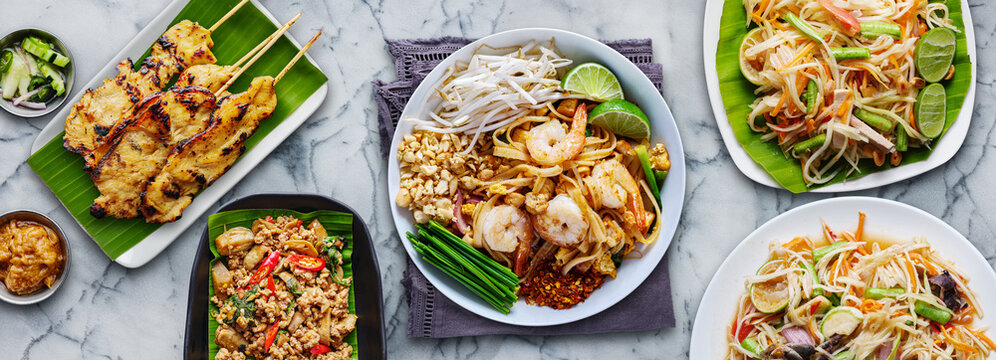
Thailand is a food lover's dream destination, where every street corner tells a delicious story and every meal becomes a memorable adventure. Thai cuisine has captured hearts worldwide with its perfect balance of flavors – sweet, sour, salty, and spicy dancing together in harmony. From bustling night markets in Bangkok to humble roadside stalls in Chiang Mai, food in Thailand is more than sustenance; it's a way of life, an art form, and a deeply rooted cultural expression. What makes Thai food so special? It's the intricate layering of flavors, the use of fresh aromatic herbs, and the philosophy that every dish should balance all four taste profiles. Whether you're slurping spicy boat noodles from a tiny street stall or savoring elegant royal cuisine in a fine dining restaurant, Thailand offers culinary experiences that will tantalize your taste buds and leave you craving more.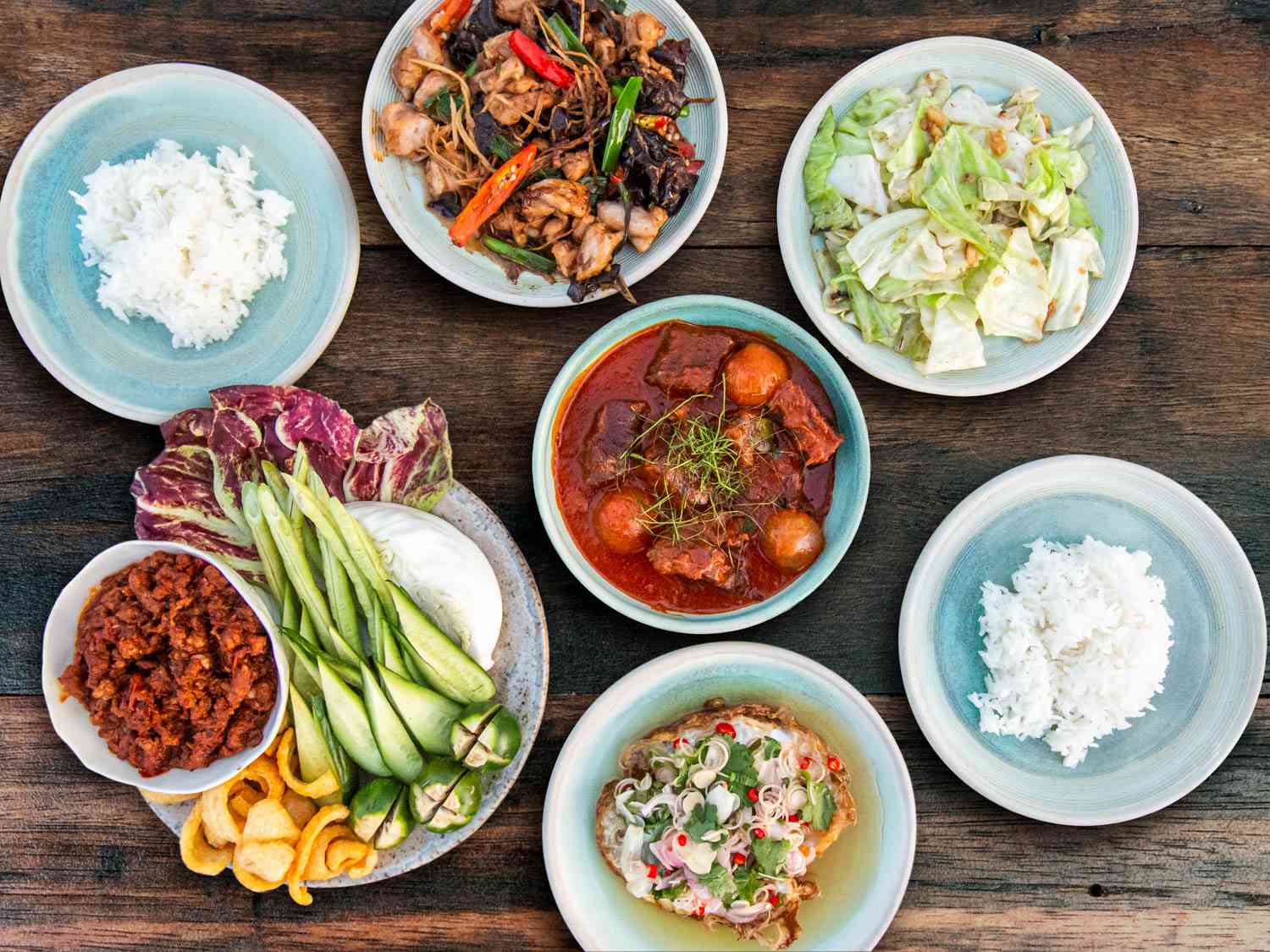 The beauty of exploring food in Thailand lies in its accessibility and variety. Street food stalls offer world-class flavors at pocket-friendly prices, while night markets come alive after sunset with an incredible array of dishes. Thai people take immense pride in their cuisine, and you'll find that even the simplest meals are prepared with care and attention to detail. This guide will take you through the must-try dishes that define Thai cuisine, from iconic street foods to beloved comfort foods that locals cherish.
The Four Flavors of Thai Cuisine
Understanding Thai cuisine begins with appreciating its flavor philosophy. Every authentic Thai dish aims to balance the four fundamental tastes: sweet (from palm sugar and coconut milk), sour (from lime juice and tamarind), salty (from fish sauce), and spicy (from fresh chilies). This harmony creates the complex, layered flavors that make Thai food so addictive and distinctive.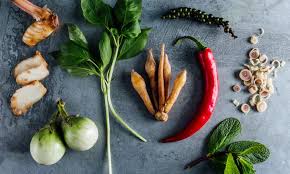 Key ingredients that define Thai cooking include lemongrass, galangal (Thai ginger), kaffir lime leaves, fish sauce (nam pla), palm sugar, coconut milk, and an abundance of fresh chilies. These ingredients form the backbone of Thai cuisine, appearing in countless dishes across the country. Thai cooks also rely heavily on fresh herbs like cilantro, basil, and mint, which add brightness and depth to everything from soups to stir-fries.
The regional variations in Thai cuisine add another fascinating layer to explore. Northern Thai food from Chiang Mai and surrounding areas tends to be milder and influenced by neighboring Burmese and Lao cuisines. Southern Thai food is fiery hot, with strong Malay influences and generous use of coconut milk. Central Thai cuisine, centered around Bangkok, represents what most people know as "Thai food" – the perfect balance of all flavors with refined presentation. Northeastern (Isan) food is known for its spicy salads, sticky rice, and fermented flavors that pack a punch.
Key ingredients that define Thai cooking include lemongrass, galangal (Thai ginger), kaffir lime leaves, fish sauce (nam pla), palm sugar, coconut milk, and an abundance of fresh chilies. These ingredients form the backbone of Thai cuisine, appearing in countless dishes across the country. Thai cooks also rely heavily on fresh herbs like cilantro, basil, and mint, which add brightness and depth to everything from soups to stir-fries.
The regional variations in Thai cuisine add another fascinating layer to explore. Northern Thai food from Chiang Mai and surrounding areas tends to be milder and influenced by neighboring Burmese and Lao cuisines. Southern Thai food is fiery hot, with strong Malay influences and generous use of coconut milk. Central Thai cuisine, centered around Bangkok, represents what most people know as "Thai food" – the perfect balance of all flavors with refined presentation. Northeastern (Isan) food is known for its spicy salads, sticky rice, and fermented flavors that pack a punch.
Must-Try Noodle Dishes
Pad Thai: Thailand's Most Famous Dish
No exploration of food in Thailand would be complete without Pad Thai, the stir-fried rice noodle dish that has become synonymous with Thai cuisine worldwide. This iconic street food features thin rice noodles wok-fried with eggs, tofu, shrimp (or chicken), bean sprouts, and crushed peanuts, all seasoned with tamarind paste, fish sauce, and palm sugar. The result is a harmonious blend of sweet, sour, and savory flavors with a delightful texture contrast between soft noodles and crunchy peanuts. While you can find Pad Thai everywhere in Thailand, the best versions come from street food stalls where chefs have perfected the art of wok cooking over high heat. A perfectly made Pad Thai should have a subtle smoky flavor from the wok, with noodles that are tender but not mushy. Don't forget to squeeze fresh lime over your bowl and customize the spice level with the condiments provided – that's part of the authentic Thai street food experience!Khao Soi: Northern Thailand's Comfort Food
If you travel to Chiang Mai in northern Thailand, Khao Soi is an absolute must-try. This beloved dish features egg noodles in a rich, creamy coconut curry soup, topped with crispy fried noodles and served with pickled mustard greens, shallots, and lime. The combination of soft and crispy noodles creates wonderful texture, while the curry broth is deeply flavorful with hints of turmeric, coconut milk, and aromatic spices. Khao Soi exemplifies the influence of neighboring cuisines on Thai food, with roots tracing back to Burmese cooking. Today, it's considered one of Thailand's most beloved comfort foods, perfect for cool northern evenings. The dish is traditionally served with chicken or beef, though vegetarian versions are becoming more common. When eating Khao Soi, locals recommend mixing everything together and adjusting the flavors with the provided condiments.Boat Noodles: Rich and Flavorful
Boat noodles (Kuay Teow Reua) earned their name because they were traditionally sold from boats floating along Bangkok's canals. These small bowls of noodles feature a dark, intensely flavorful broth made from pork blood, spices, and herbs, creating a depth of flavor that's hard to find elsewhere. The soup typically contains rice noodles, pork slices, meatballs, and sometimes organ meats, all garnished with crispy pork rind and fresh vegetables. Despite the intimidating description, boat noodles are incredibly delicious and represent authentic Thai street food culture at its finest. The broth is complex and savory, with hints of star anise, cinnamon, and other aromatics. Because the bowls are small and inexpensive, it's common practice to order two or three at a time for a satisfying meal.Pad See Ew: Savory Stir-Fried Noodles
For those who prefer savory over sweet, Pad See Ew is the perfect noodle dish. Wide rice noodles are stir-fried with soy sauce, eggs, Chinese broccoli, and your choice of meat (usually pork or chicken), creating a dish that's deeply satisfying and comforting. The high-heat wok cooking gives the noodles a smoky flavor and slightly charred edges that add complexity to this simple but delicious dish. Pad See Ew is less sweet than Pad Thai and showcases the savory side of Thai cuisine. It's a popular lunch option among Thais and can be found at virtually every street food stall and restaurant. The key to a great Pad See Ew is the wok hei – the breath of the wok – that smoky essence that comes from cooking at high temperatures in a well-seasoned wok.Famous Thai Curries
Green Curry: Sweet and Spicious
Green Curry (Kaeng Khiao Wan) is perhaps the most recognizable Thai curry worldwide, known for its vibrant green color from fresh chilies and harmonious balance of flavors. The curry paste combines green chilies, lemongrass, galangal, cilantro roots, and kaffir lime leaves, all cooked in coconut milk with chicken, beef, or vegetables. Thai eggplant and basil leaves are typically added, creating a complex dish that's creamy, spicy, and incredibly aromatic. The beauty of green curry lies in its versatility – it can be mild or fiery hot depending on the chef and region. In Thailand, you'll often find it served with roti (flatbread) for dipping or over steamed jasmine rice. The creamy coconut milk balances the heat from the chilies, while the fresh herbs add bright, citrusy notes that make each bite exciting.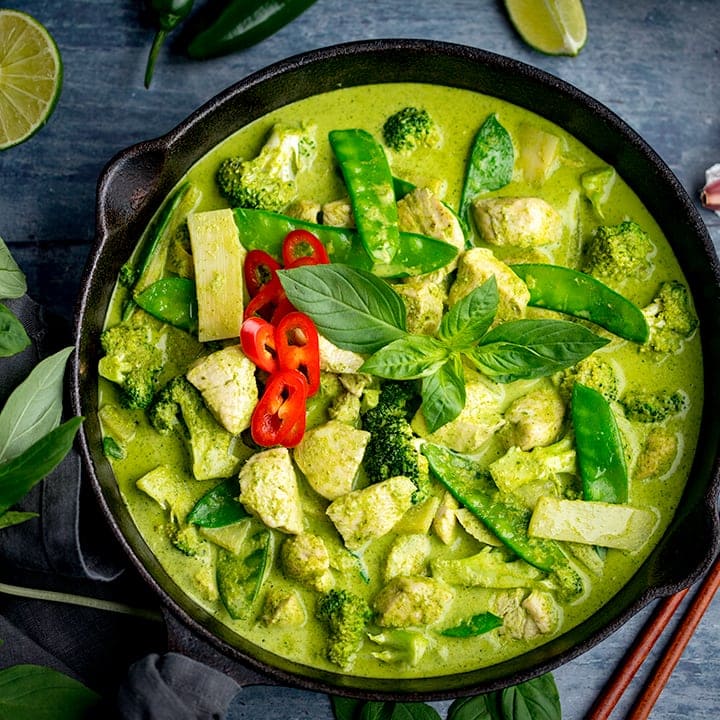
Red Curry: Spicier and Bolder
Red Curry (Kaeng Phet) is generally spicier than its green counterpart, made with dried red chilies that give it a deeper, more intense heat. The curry paste includes red chilies, galangal, lemongrass, and coriander seeds, all simmered in coconut milk with bamboo shoots, kaffir lime leaves, and your choice of meat. The result is a rich, fiery curry that's perfect for spice lovers. Red curry tends to be thinner in consistency than green curry, allowing the bold flavors to shine through. The dried chilies provide a different kind of heat – smoky and intense rather than sharp and bright. It's commonly served with rice but also delicious with roti for soaking up the flavorful sauce.Massaman Curry: Thailand's Most Famous Curry
In 2011, CNN Travel declared Massaman Curry the world's most delicious food, and after one taste, you'll understand why. This rich, mild curry represents the Persian and Indian influences on Thai cuisine, featuring warm spices like cardamom, cinnamon, cloves, and nutmeg alongside traditional Thai ingredients. The curry typically includes potatoes, onions, peanuts, and chicken or beef, all simmered in coconut milk until tender and flavorful. Massaman is unique among Thai curries for its sweetness and warmth rather than heat, making it perfect for those who can't handle spicy food. The potatoes absorb all the flavors and become incredibly creamy, while the peanuts add texture and richness. It's a dish that feels comforting and exotic at the same time, showcasing Thailand's position as a crossroads of culinary cultures.Panang Curry: Rich and Creamy
Panang curry is similar to red curry but thicker, richer, and sweeter, with a concentrated flavor profile that's absolutely addictive. The curry paste contains fewer ingredients than other Thai curries, focusing on red chilies, galangal, lemongrass, and kaffir lime peel. This simplicity allows each flavor to shine through. Peanuts are a key ingredient in Panang curry, adding sweetness and texture. Unlike other Thai curries that are served as soups, Panang is typically a thicker curry meant to be spooned over rice rather than poured. It's often made with pork or beef and features kaffir lime leaves that are torn into the curry, releasing their intense citrus aroma. The result is a rich, luxurious curry that's incredibly satisfying.Soups and Salads
Tom Yum Goong: Thailand's Iconic Soup
Tom Yum Goong is perhaps the most famous Thai dish internationally, and for good reason. This spicy and sour soup features shrimp in a fragrant broth flavored with lemongrass, galangal, kaffir lime leaves, fresh chilies, and lime juice. The broth is clear yet intensely flavorful, with a complex aroma that hits you before you even take a sip. The magic of Tom Yum lies in the balance of flavors – the sourness of lime, the heat from chilies, the savory depth of shrimp, and the aromatic herbs all work together perfectly. There are two main styles: Tom Yum Nam Sai (clear broth) and Tom Yum Nam Khon (with evaporated milk for a creamier version). Both are delicious, though the clear version is more traditional and showcases the bright, sharp flavors better.Tom Kha Gai: Creamy Coconut Soup
For those who prefer milder flavors, Tom Kha Gai is a perfect introduction to Thai soups. This creamy chicken soup features coconut milk as the base, making it rich and soothing rather than sharp and spicy. Galangal (Thai ginger) provides the dominant flavor, with lemongrass, kaffir lime leaves, and chilies adding depth and complexity. Tom Kha Gai is the ultimate comfort food in Thailand – warming, nourishing, and deeply satisfying. The coconut milk tames the heat from the chilies, while the aromatic herbs give it a distinctive Thai character. It's often served as part of a larger meal but can easily be a meal on its own, especially with a side of rice.Som Tum: Spicy Green Papaya Salad
Som Tum is a street food staple that originated in northeastern Thailand but has become popular throughout the country and beyond. This refreshing salad features shredded unripe papaya tossed with tomatoes, green beans, peanuts, dried shrimp, and a spicy dressing made from garlic, chilies, fish sauce, lime juice, and palm sugar. The result is a dish that's crunchy, spicy, sour, and incredibly addictive. The preparation of Som Tum is a sight to behold – street vendors pound the ingredients in a large mortar and pestle, releasing flavors and creating the perfect texture. The salad can be adjusted to your spice preference, though true Som Tum should be fiery hot. It's traditionally served with sticky rice and grilled chicken, making for a perfect light meal.Larb: Spicy Minced Meat Salad
Larb (or Laab) hails from northeastern Thailand's Isan region and represents the bold, spicy flavors of this area. This salad features minced meat (pork, chicken, or beef) cooked with mint, cilantro, lime juice, fish sauce, toasted ground rice powder, and plenty of fresh chilies. The result is a dish that's spicy, sour, and incredibly aromatic. What makes Larb special is the toasted rice powder, which adds a nutty flavor and unique texture. Fresh herbs provide brightness, while the lime juice and fish sauce create that characteristic Thai flavor balance. It's typically served with sticky rice and raw vegetables, making it a complete and satisfying meal that's beloved throughout Thailand.Best Thai Street Food Snacks
Moo Ping: Grilled Pork Skewers
Moo Ping is Thailand's ultimate street food snack – marinated pork skewers grilled over charcoal until slightly charred and incredibly flavorful. The pork is typically marinated in a mixture of coconut milk, soy sauce, garlic, cilantro, and palm sugar, giving it a sweet and savory flavor profile that's impossible to resist. These skewers are everywhere in Thailand – from morning markets to late-night street stalls – and are incredibly affordable, making them perfect for snacking. They're traditionally served with sticky rice and a spicy dipping sauce called Jaew, though they're delicious on their own. The charcoal grilling imparts a smoky flavor that elevates simple pork to something extraordinary.Sai Krok Isan: Fermented Sausage
Another northeastern Thai specialty, Sai Krok Isan is a fermented pork sausage that's packed with flavor. The sausage contains pork, garlic, sticky rice, and spices, all stuffed into natural casings and fermented until slightly sour. It's grilled until the skin is crispy and served with raw vegetables and herbs. The fermentation gives these sausages a distinctive tangy flavor that's unlike anything else in Thai cuisine. They're an acquired taste but absolutely delicious once you develop a liking for them. The combination of fatty, savory sausage with fresh, crisp vegetables and spicy dipping sauce creates a perfect balance of flavors and textures.Hoy Tod: Crispy Oyster Omelet
Hoy Tod is a beloved street food dish that originated in China but has been thoroughly adapted to Thai tastes. This crispy omelet features eggs, rice flour, oysters (or other seafood), and bean sprouts, fried until golden and crispy on the edges while remaining tender in the center. It's served with a spicy sriracha-style sauce for dipping. The contrast between crispy edges and soft center makes Hoy Tod incredibly satisfying, while the oysters add a briny depth of flavor. It's a popular late-night snack and can be found at street food stalls throughout Thailand, particularly in coastal areas where fresh seafood is abundant.Roti Gluay: Thai Banana Pancake
For those with a sweet tooth, Roti Gluay is a must-try street food dessert. This thin, crispy flatbread is made from a dough similar to Indian roti, fried until golden and filled with sliced bananas, sweetened condensed milk, and sometimes chocolate or sesame seeds. The result is a warm, crispy, sweet treat that's absolutely irresistible. Street vendors make Roti Gluay to order, stretching and spinning the dough until it's paper-thin before frying it on a griddle. Watching the preparation is almost as enjoyable as eating the final product. It's the perfect ending to a street food meal or a sweet snack any time of day.Delicious Thai Desserts
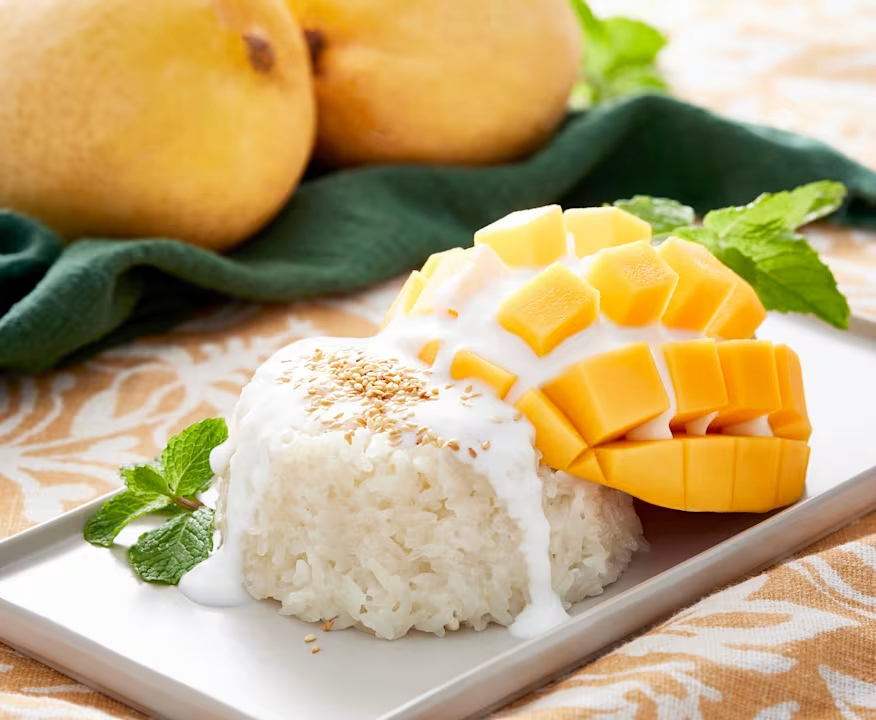
Mango Sticky Rice: Thailand's Most Famous Dessert
Mango Sticky Rice (Khao Niew Mamuang) is arguably Thailand's most beloved dessert and a must-try for anyone visiting the country. This simple yet perfect dessert features sweet sticky rice cooked in coconut milk and served with fresh ripe mango and a drizzle of sweet coconut cream. The combination of warm, creamy rice and cool, sweet mango is absolute perfection. The key to great mango sticky rice is using the right mango variety – Nam Dok Mai mangoes are preferred for their sweetness, fragrance, and lack of fibrous texture. The sticky rice should be cooked just right so each grain remains separate but tender, and the coconut milk should be rich and creamy without being cloying. It's a dessert that's satisfying without being overly heavy, making it perfect for Thailand's hot climate.Coconut Ice Cream in a Coconut Shell
Thailand's street food scene wouldn't be complete without mentioning the iconic coconut ice cream served in actual coconut shells. This creamy, coconut-based ice cream is incredibly smooth and not too sweet, with a pure coconut flavor that's refreshing rather than overwhelming. What makes it special is the presentation and toppings. You can choose from a variety of toppings including roasted peanuts, sweet corn, palm seeds, sticky rice, and condensed milk. Eating from an actual coconut shell adds to the experience, making it feel like a true tropical treat. It's the perfect way to cool down on a hot day in Thailand.Khanom Krok: Coconut Rice Pancakes
Khanom Krok are bite-sized coconut rice pancakes cooked in a special cast iron pan with half-sphere molds. The batter is made from rice flour and coconut milk, creating a texture that's crisp on the outside and soft, custard-like on the inside. Sweet corn, green onions, or other toppings are often added. These little pancakes are cooked fresh on street corners throughout Thailand, particularly in the morning and afternoon as snacks. The combination of textures is wonderful – crispy edges giving way to creamy centers – while the coconut flavor is rich but not overwhelming. They're best eaten hot, straight from the pan.Vegetarian and Vegan Options
Thailand is surprisingly accommodating to vegetarians and vegans, with Buddhist traditions promoting plant-based eating. Many dishes can be made vegetarian by substituting meat with tofu or simply omitting it. Look for restaurants with yellow flags featuring the word "Jay" in Thai – these indicate establishments serving vegan food that follows Buddhist dietary restrictions. Popular vegetarian dishes include Pad Phak Bung (stir-fried morning glory with garlic and chilies), Tofu Pad Thai, vegetarian Tom Yum made with vegetable stock, and Som Tum without fish sauce. Rice dishes like Khao Pad (fried rice) can easily be made vegetarian with tofu and vegetables. The variety of fresh tropical fruits available in Thailand also makes it easy for vegetarians to eat well. However, vegetarians should be aware that fish sauce is used extensively in Thai cooking as a seasoning, even in dishes that don't contain visible meat. If you're strictly vegetarian, learn to say "mai sai nam pla" (no fish sauce) in Thai, and consider carrying some soy sauce or vegetarian fish sauce as a substitute.Best Places to Eat in Bangkok
Chinatown (Yaowarat Road)
Bangkok's Chinatown along Yaowarat Road transforms into a street food paradise after sunset. This is arguably the best place in the city to experience the full range of Thai street food, from seafood restaurants to humble pushcarts selling everything from grilled meats to traditional desserts. The energy is electric, with locals and tourists alike flocking here for authentic flavors at great prices. Must-try dishes here include Kuay Jab (rolled noodle soup with crispy pork belly), bird's nest soup, grilled seafood, and an incredible variety of Chinese-Thai fusion dishes. The area is also famous for its traditional desserts and fresh fruit juices. Come hungry and bring cash – most vendors don't accept cards.Raan Jay Fai: Michelin-Starred Street Food
Raan Jay Fai gained international fame when it received a Michelin star, putting Thai street food on the global culinary map. This humble street food stall is run by an elderly woman who cooks over charcoal woks wearing goggles to protect her eyes. Her famous crab omelet is legendary – a massive, fluffy omelet stuffed with fresh crab meat that's worth every baht. Be prepared to wait in line – this place is incredibly popular despite its modest appearance. Jay Fai's dedication to quality and traditional cooking methods has earned her a devoted following. Other standout dishes include her drunken noodles and green curry. It's proof that great food doesn't need a fancy setting.Terminal 21 Food Court
For a clean, air-conditioned introduction to Thai food, the food court at Terminal 21 shopping mall is hard to beat. Each floor represents a different world city, and the food court on the fifth floor offers an incredible variety of Thai dishes at very affordable prices. It's perfect for trying multiple dishes in a comfortable setting. The food court uses a prepaid card system – purchase a card at the kiosk, load it with credit, and use it to pay at different vendors. This setup makes it easy to sample dishes from various regions of Thailand in one place. The quality is consistently good, making it a reliable option for those new to Thai cuisine.Wang Lang Market
Located on the west bank of the Chao Phraya River, Wang Lang Market is a local favorite that sees few tourists. This bustling market offers an incredible variety of affordable Thai food, from prepared curries and soups to fresh fruit and traditional snacks. It's particularly popular with office workers and hospital staff from nearby Siriraj Hospital. Take the ferry across the river to reach this hidden gem, and you'll be rewarded with authentic flavors and local prices. Must-try items include Isan sausages, grilled meats, traditional curries, and an incredible variety of desserts. The market is busiest during lunch hours, making it the perfect place to experience how everyday Thais eat.Dining Etiquette and Tips
When eating in Thailand, there are a few customs to keep in mind. Thais typically eat with a spoon and fork – the spoon goes in your right hand and is used to convey food to your mouth, while the fork in your left hand is used only to push food onto the spoon. Chopsticks are generally only used for noodle soups and dishes of Chinese origin. Sharing is central to Thai dining culture – dishes are typically ordered family-style and shared among everyone at the table. It's polite to serve others before serving yourself, and to never take the last bite from a communal dish without offering it to others first. Rice is the foundation of every meal and should be treated with respect. Tipping is not customary in Thailand, though it's becoming more common in tourist areas. At street food stalls and casual restaurants, rounding up the bill or leaving small change is appreciated but not expected. At nicer restaurants, a 10% tip is generous if service charge hasn't already been added to your bill. When it comes to spice, Thais typically eat food much spicier than most foreigners are used to. Don't be afraid to ask for "mai phet" (not spicy) if you can't handle heat, but keep in mind that some dishes derive their character from spice. The best approach is to start mild and gradually work your way up as your palate adjusts to the bold flavors of Thai cuisine.Conclusion
Exploring the food in Thailand is one of the most rewarding travel experiences you can have. From sophisticated curries in elegant restaurants to humble street food dishes that cost less than a dollar, every meal tells a story about Thailand's rich culinary heritage and cultural diversity. The balance of flavors, the use of fresh ingredients, and the sheer variety of dishes make Thai cuisine one of the world's most beloved and exciting. Whether you're navigating chaotic night markets in search of the perfect Pad Thai, sipping coconut soup in a bustling Bangkok eatery, or enjoying the comfort of northern Khao Soi in Chiang Mai, the food in Thailand will leave an indelible mark on your palate and your memories. The only problem? You'll spend the rest of your life trying to recreate those perfect flavors at home, always dreaming of your next return to the Land of Smiles and its incredible culinary treasures. So come to Thailand hungry. Come curious. Come ready to explore flavors you've never imagined and dishes you'll never forget. The food in Thailand isn't just sustenance – it's an adventure, a revelation, and a love letter to your taste buds that will keep you coming back for more, bite after incredible bite.Location
Frequently Asked Questions
Q1.Is street food safe to eat in Thailand?
Yes, Thai street food is generally safe to eat and is an essential part of the culinary experience. Street food stalls have high turnover, meaning food is fresh and cooked to order. Look for busy stalls with lots of local customers – this is usually a good sign of quality and safety. Avoid raw foods that might have been washed in tap water, and trust your instincts about cleanliness. The sizzling woks and boiling soups at most stalls actually help kill bacteria, making street food often safer than restaurant buffets where food sits out.
Q2.How much does a meal cost in Thailand?
Food in Thailand is incredibly affordable. Street food dishes typically cost between 40-100 THB ($1-3 USD), making it possible to eat well for very little. A filling meal of Pad Thai from a street stall might cost 50-60 THB ($1.50), while a bowl of boat noodles can be as cheap as 15-20 THB ($0.50). Mid-range restaurants charge around 100-300 THB ($3-9) per dish. Fine dining establishments are pricier but still offer excellent value compared to Western countries. You can easily eat delicious, authentic meals for under $10 per day if you stick to street food and local restaurants.
Q3.Can I drink tap water in Thailand?
No, you should not drink tap water in Thailand. Even locals don't drink tap water – they either boil it or buy bottled water. Bottled water is very cheap (around 10-15 THB for a large bottle) and available everywhere from 7-Eleven stores to street vendors. Ice in drinks is generally safe at restaurants and street food stalls as it's typically made from purified water, but if you have a sensitive stomach, you might want to avoid ice. Stick to bottled water for drinking and brushing teeth, and you'll be fine.
Q4.What is the national dish of Thailand?
While Thailand doesn't have an officially designated national dish, Pad Thai is widely considered the most iconic and representative Thai dish internationally. This stir-fried rice noodle dish embodies the balance of flavors that Thai cuisine is famous for – sweet, sour, salty, and sometimes spicy. However, within Thailand, different regions have their own beloved dishes. In the north, Khao Soi is the regional favorite, while in the northeast, Som Tum (papaya salad) and Larb are staples. Tom Yum Goong soup is another dish that's strongly associated with Thai cuisine globally.
Q5.Is Thai food very spicy?
Authentic Thai food can be very spicy, but the level of heat varies by dish and region. Central Thai cuisine (what most foreigners know as Thai food) offers a balance of flavors with moderate spice. Southern Thai food is the spiciest, using lots of fresh chilies. Northern Thai cuisine tends to be milder. The good news is that you can usually request your preferred spice level. Say "mai phet" (not spicy) if you can't handle heat, "phet nit noi" (a little spicy) for mild heat, or "phet" for authentic spice levels. However, some dishes like Som Tum derive their character from spice and can't be made mild without changing their essential nature.
Q6.Are there vegetarian options in Thai cuisine?
Yes, Thailand has many vegetarian options, especially due to Buddhist traditions that promote plant-based eating. Look for restaurants with yellow flags featuring the Thai word "Jay" – these serve vegan food following Buddhist dietary restrictions. Many dishes can be made vegetarian by substituting meat with tofu or simply omitting it. Popular vegetarian options include Pad Phak Bung (stir-fried morning glory), vegetarian Pad Thai with tofu, Tom Yum with vegetable stock, and fried rice with vegetables. However, be aware that fish sauce is used extensively as seasoning. If you're strictly vegetarian, learn to say "mai sai nam pla" (no fish sauce) or carry vegetarian fish sauce as a substitute.
Q7.Do you tip in Thailand?
Tipping is not customary in traditional Thai culture, though it's becoming more common in tourist areas and upscale establishments. At street food stalls and casual local restaurants, rounding up the bill or leaving small change is appreciated but not expected. For example, if your meal costs 47 THB, leaving 50 THB is fine. At nicer restaurants, especially in tourist areas like Bangkok, Phuket, or Chiang Mai, leaving a tip of 10% is generous if a service charge hasn't already been added to your bill. Check your bill first – many restaurants automatically add a 10% service charge. If it's already included, additional tipping is optional.
Q8.How do I eat Thai food correctly?
Thai dining etiquette is different from Western customs. Thais typically eat with a spoon and fork – the spoon (held in your right hand) is used to convey food to your mouth, while the fork (in your left hand) is used only to push food onto the spoon. The fork never goes directly into your mouth. Chopsticks are generally only used for noodle soups and dishes of Chinese origin. Sharing is central to Thai dining – dishes are ordered family-style and shared among everyone at the table. It's polite to serve others before serving yourself. Rice is the foundation of every meal and should be treated with respect. Don't leave rice uneaten on your plate as it's considered wasteful.
Recommended For You

Beaches
Phi Phi Islands Thailand: Ferry, Snorkeling & Island Itinerary
Discover Phi Phi Islands Thailand - a tropical paradise with Maya Bay, pristine beaches, diving, and stunning limestone cliffs. Complete guide with ferry info, accommodation, activities, and travel tips.
Nov 20Read More

Nightlife
Nightlife in Thailand: Best Cities, Party Streets & Safety Tips
Explore nightlife in Thailand with city-wise guidance for Bangkok, Phuket, Pattaya, islands, plus safety and planning tips.
Feb 18Read More
Travel
Best Time to Visit Bangkok: Weather, Festivals & Travel Costs
Find the best time to visit Bangkok by season, weather, festivals, crowds, and budget to plan a smoother Thailand trip.
Dec 28Read More
Never Miss an Adventure
Get the latest trekking guides, travel tips, and exclusive offers delivered straight to your inbox.
