

How to Reach Harsil Valley from Delhi and Dehradun: Route, Distance & Travel Guide

Rohan Malhotra
August 23, 2026
Complete road trip guide on how to reach Harsil Valley from Delhi (470 km) and Dehradun (220 km). Step-by-step route via Rishikesh and Uttarkashi, bus schedules, taxi fares, and Gartang Gali side trips.
Introduction: The Apple Valley of Garhwal
Tucked away along the sacred banks of the Bhagirathi River in the Uttarkashi district of Uttarakhand, Harsil Valley is one of the most enchanting and serene alpine getaways in the Garhwal Himalayas. Sitting at an altitude of 2,620 metres (8,600 feet), Harsil is celebrated for its dense deodar woodlands, centuries-old wooden Garhwali houses, vibrant apple orchards originally planted by British pioneer "Pahari" Wilson, and commanding views of snow-clad peaks like Mount Srikanth. Beyond its idyllic quietude, Harsil serves as the vital gateway to the holy shrine of Gangotri, the dramatic cliffside wooden bridge of Gartang Gali, and the trans-Himalayan gorge of Nelang Valley.
Located roughly 470 kilometres from Delhi and 220 kilometres from Dehradun, reaching Harsil requires an epic mountain drive climbing from the Shivalik foothills through the Bhagirathi river gorge. Whether you are exploring our detailed Harsil Valley apple orchards and Gangotri route guide or embarking on a high-altitude expedition to the holy Gangotri Temple or Gaumukh Tapovan trek, this comprehensive road guide covers route options, driving directions, bus connections, and travel advice.
Route 1: Delhi to Harsil Valley via Rishikesh and Uttarkashi (470 km)
The total driving distance from Delhi (NCR) to Harsil is approximately 470 kilometres. Because traversing high mountain terrain takes considerable time, this journey is best completed as a 2-day road trip with a relaxing overnight halt at Rishikesh, Chamba, or Uttarkashi.
Step-by-Step Route Breakdown:
- Delhi to Rishikesh (240 km / 5 to 6 hrs): Follow the smooth Delhi-Meerut Expressway (NE3) and NH334 past Modinagar, Meerut bypass, Muzaffarnagar bypass, Roorkee, and Haridwar to reach Rishikesh. Rishikesh offers excellent rest stops and vibrant culinary spots before you begin the mountain drive — see our guide to the best cafes in Rishikesh.
- Rishikesh to Chamba & Tehri Dam Bypass (60 km / 2.5 hrs): Climb via the paved All-Weather Char Dham Highway (NH34) through Narendranagar and Chamba, offering panoramic vistas of the Doon valley and Tehri reservoir.
- Chamba to Dharasu Bend & Uttarkashi (95 km / 3 hrs): Descend to meet the Bhagirathi River at Dharasu Bend and follow the wide river valley into Uttarkashi (1,158 m). Uttarkashi is the major district town featuring fuel pumps, banks, hospitals, and vehicle repair workshops.
- Uttarkashi to Bhatwari & Gangnani (45 km / 2 hrs): Enter the deeper Bhagirathi canyon. At Gangnani (1,855 m), travelers traditionally halt to bathe in the natural thermal sulphur hot springs of Rishikund.
- Gangnani to Sukhi Top & Harsil (30 km / 1.5 hrs): The highway climbs through dramatic switchbacks up to Sukhi Top (2,600 m). Crossing the pass, you are greeted by an expansive panoramic view of the broad Harsil Valley, descending gently through Jhala and into Harsil village along the riverbank.
Route 2: Dehradun to Harsil Valley (220 km)
Travelers flying into Jolly Grant Airport (DED) or taking the train to Dehradun can complete the mountain drive to Harsil in approximately 7 to 9 hours.
Recommended Route Option:
- Dehradun to Mussoorie Bypass & Suwakholi (35 km): Climb up the foothills via Rajpur Road or take the smooth bypass towards Suwakholi.
- Suwakholi to Chinyalisaur via Dhanaulti / Lambgaon: A less-trafficked, picturesque ridge drive that descends directly into the Bhagirathi valley basin at Chinyalisaur.
- Chinyalisaur to Uttarkashi and Harsil (110 km): Rejoin the main Gangotri National Highway (NH34) and continue past Uttarkashi, Bhatwari, and Gangnani into Harsil.

Public Transport & Shared Taxi Options
Budget travelers and backpackers have multiple public transport choices available from Rishikesh, Haridwar, and Dehradun:
1. Direct & Connecting Buses (UTC & GMOU)
- Direct Buses to Gangotri / Harsil: During the Char Dham Yatra season (May to October), Uttarakhand Transport Corporation (UTC) and GMOU run direct early morning buses from Rishikesh Bus Stand (ISBT) and Haridwar to Gangotri / Harsil, departing between 4:30 AM and 6:00 AM (Fare: ₹450 to ₹600, 10 to 12 hours).
- Via Uttarkashi: Regular state buses run every hour from Rishikesh and Dehradun to Uttarkashi. From Uttarkashi, frequent shared Sumos and local mini-buses depart for Harsil, Dharali, and Gangotri between 6:00 AM and 2:00 PM (Fare: ₹150 to ₹200).
2. Shared Maxx / Sumo Taxis
Shared taxis operate reliably along the Bhagirathi route. You can easily catch shared cabs from Rishikesh Natraj Chowk to Uttarkashi (₹400–₹500 per seat), and then board a connecting shared Maxx from Uttarkashi Taxi Stand to Harsil (₹200 per seat).
3. Private Taxi Hire
Private cabs (Innova, Ertiga, Swift Dzire) can be booked from Dehradun Airport or Rishikesh. A one-way private taxi to Harsil costs approximately ₹6,000 to ₹9,000, while a 3-day round-trip package ranges from ₹14,000 to ₹18,000.

Side Excursions from Harsil: Gartang Gali, Nelang & Gangotri
Once you are based in Harsil Valley, several world-class attractions are easily accessible within short drives:
- Gartang Gali (10 km from Harsil): The legendary 150-year-old wooden cantilever bridge carved into a sheer vertical granite cliff 300 feet above the roaring Jadh Ganga river. Originally built by Peshawar Pathans for the ancient Indo-Tibetan silk trade, it has been painstakingly restored for pedestrian visits (Entry permit required at Lanka check-post).
- Nelang Valley (25 km from Harsil): A cold desert high-altitude canyon resembling Ladakh and Tibet, opening with restricted military permits for day-tourist 4x4 safaris.
- Gangotri Dham (25 km from Harsil): Located just a 45-minute drive further up the highway at 3,100 metres, Gangotri Temple is the sacred source of the Ganges and the trailhead for high-altitude treks including Gaumukh and Tapovan.
- Dayara Bugyal Trailhead: Trekkers can also branch off near Bhatwari (at Raithal or Barsu) to embark on the famous Dayara Bugyal meadow trek.
Best Time to Visit Harsil Valley
- April to June (Spring & Summer): Crystal-clear weather, pleasant temperatures (12°C to 22°C), blooming apple and apricot blossoms, and full access to Gangotri Dham and Gartang Gali.
- July to August (Monsoon): Heavy monsoon rains can trigger landslides and temporary road blockages along the Uttarkashi-Bhatwari stretch. Always check weather advisories and road status before travelling.
- September to October (Autumn Harvest): The absolute best time to visit. Apple orchards are heavy with ripe red fruit, skies are cobalt blue, and night temperatures are pleasantly crisp (5°C to 10°C).
- November to March (Winter Snowfall): Harsil receives fairy-tale snowfall, turning into a serene winter wonderland. The highway up to Harsil is kept open by the BRO, making it a peaceful snow retreat with working wooden guesthouses and homestays.
Essential Driving & Road Trip Tips for Harsil
- Fuel Stops: Ensure you refuel your vehicle completely in Uttarkashi or Bhatwari. The last petrol pump is located near Bhatwari; there are no commercial fuel pumps inside Harsil village or Gangotri.
- Banking & ATMs: State Bank of India operates a branch with an ATM in Harsil, but network outages can occur. Carry adequate cash from Uttarkashi.
- Vehicle Readiness: The Char Dham All-Weather Highway has significantly broadened and paved most of NH34. Any standard sedan, hatchback, or SUV in good mechanical condition can easily complete the drive.
Conclusion
The road trip to Harsil Valley from Delhi and Dehradun is one of the most rewarding Himalayan journeys in Uttarakhand. Transitioning from the holy riverbanks of Rishikesh to the deodar-clad alpine valleys of Garhwal, Harsil offers an unparalleled combination of rustic tranquility, apple orchard charm, and historical wonder. Plan your road itinerary, take an overnight halt to enjoy the scenic vistas, and discover one of the Himalayas' finest hidden jewels.
Location
Frequently Asked Questions
Q1.What is the distance from Delhi and Dehradun to Harsil Valley?
Q2.Can I reach Harsil Valley by public bus?
Q3.How do I reach the famous Gartang Gali wooden bridge from Harsil?
Q4.Can a small hatchback or sedan drive to Harsil Valley?
Q5.Where is the last petrol pump on the route to Harsil?
Q6.Is Harsil Valley accessible in winter?
Recommended For You
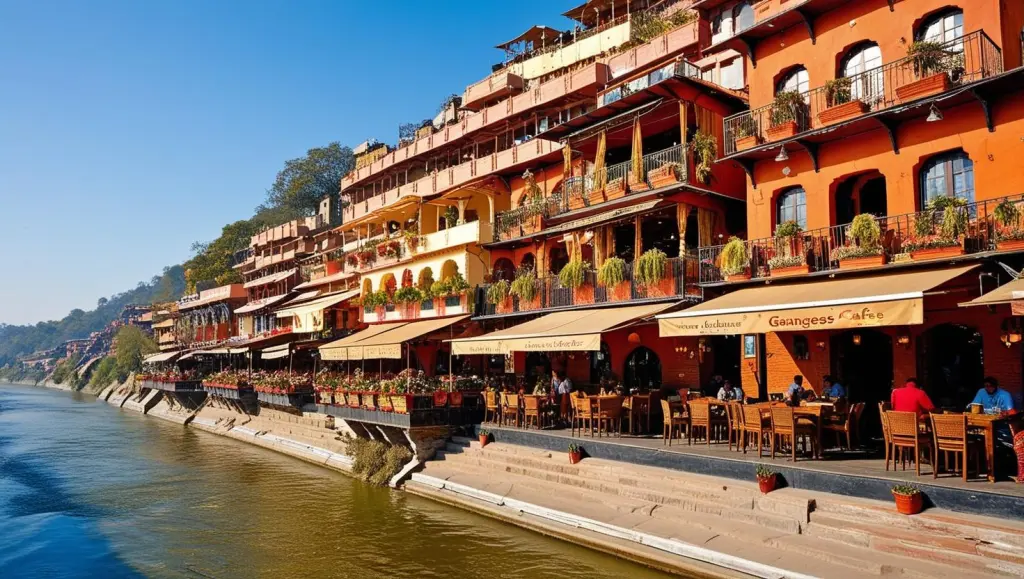
Best Cafes in Rishikesh: River View Guide and Tips
Best cafes in Rishikesh guide with Ganga-view timing, practical route planning, budget tips, and low-stress two-stop cafe itineraries.

Dayara Bugyal Trek Difficulty and Meadows Guide
Dayara Bugyal is graded easy-moderate, ideal for first-time Himalayan trekkers. Full breakdown of the day-by-day route, why the meadows are so special, fitness prep, best season, and gear checklist.

Dayara Bugyal Trek Guide: Route, Difficulty & Winter Snow
A complete Dayara Bugyal trek guide covering the route from Raithal, difficulty level, and why it's one of India's best winter snow treks.
Never Miss an Adventure
Get the latest trekking guides, travel tips, and exclusive offers delivered straight to your inbox.
