

InterContinental Almaty: Room Categories, Amenities & Booking Tips

Priya Mehta
February 20, 2026
Review InterContinental Almaty with room strategy, booking tips, facilities overview, and practical location planning for business and leisure stays.
Introduction: Premium Stay Planning in Almaty
InterContinental Almaty, an IHG property, is often selected by travelers who want a high-comfort base with strong service standards, business-friendly infrastructure, and easy access to key city zones. Whether you are visiting for meetings, leisure, or mixed-purpose travel, choosing the right room category, booking window, and location strategy can significantly improve trip quality.
For city pairing, combine this stay guide with places to visit in Almaty, timing context from best time to visit Almaty, and neighborhood orientation through Green Bazaar Almaty.
Hotel Overview and Positioning
The hotel is positioned as a premium full-service option with a balance of business and leisure offerings. Guests typically value predictable service quality, curated dining, and established brand-level standards. Compared with boutique options, this format is useful when reliability and professional operations are higher priorities than novelty.
For short city stays, this type of property can reduce planning friction because many needs are handled in one place.
Room Types and Stay Experience
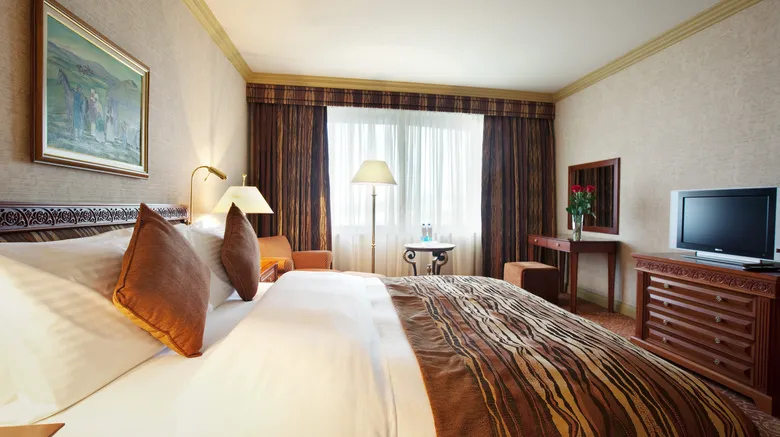
Room categories generally differ by space, view orientation, lounge access, and package inclusions. The best choice depends on trip purpose: business travelers may prioritize work comfort and early breakfast flow, while leisure couples may prefer upgraded views and longer in-room downtime. Before booking, compare cancellation terms and meal inclusions rather than rate alone.
A small nightly rate difference can be worth it if it avoids repeated add-on costs during the stay.
Dining, Wellness, and Facilities
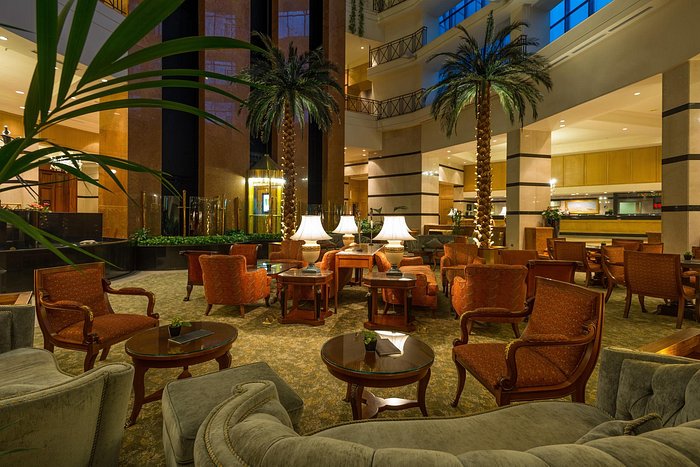
Premium hotels in this class usually provide multi-format dining, wellness spaces, and business facilities that support different traveler profiles. If your itinerary is dense, in-house dining and fitness options can save transport time. For business schedules, meeting infrastructure and reliable in-hotel service coordination become major advantages.
Review facility operating windows during booking so you can align your day plan realistically.
Location and Accessibility
Location is a core strength for many travelers. Staying in a well-connected urban zone helps you balance city exploration with efficient returns. If airport transfer is part of your plan, pre-arrange movement and keep contingency for peak traffic windows.
| Decision Area | What to Check | Why It Matters |
|---|---|---|
| Rate plan | Breakfast, cancellation, taxes | Avoid hidden total cost |
| Room category | Size, view, lounge access | Match stay purpose |
| Transport | Airport and city transfer plan | Smoother arrival and exit |
Booking Tips and Rate Strategy
For better value, compare direct and platform rates, then evaluate what each includes. Flexible booking policies are often useful for international travel where schedule changes are possible. If traveling in peak business or holiday windows, book early and monitor price movement periodically.
Stay quality is not only about brand category; it is about choosing the right package for your actual trip pattern.
Advanced Planning Notes for InterContinental Almaty stays and city planning
Travel success at InterContinental Almaty stays and city planning improves when you convert broad interest into operational choices. Define one core objective for each day, then build your route around that anchor. This prevents the common problem of overpacked schedules and low-quality on-ground time. Use a three-block framework: arrival and orientation, main experience, and controlled wrap-up. Add decision rules in advance so you can react quickly when weather, traffic, or crowd dynamics shift. For example, if a delay crosses thirty minutes, switch to a nearby backup stop and protect the next anchor item. This keeps momentum strong and avoids cascading disruptions.
Group travelers should assign simple roles: one person handles tickets and confirmations, one handles navigation, and one tracks timing and meal windows. The structure is especially useful in destinations with mixed activity intensity or variable service reliability. Keep a compact essentials kit with hydration, light weather layer, power backup, and basic medical items. These basics reduce friction and help you stay focused on the actual experience. Another high-impact habit is clustering stops by geography, not by category. Staying within one zone per time block saves transport time and improves overall comfort.
Budget Control and Experience Quality
Budget control is most effective when you spend for certainty and save on low-impact extras. In practice, certainty means reliable transport, confirmed entry for high-demand stops, and one dependable meal anchor per day. Avoid under-spending on transitions because missed windows can cost more than planned upgrades. Keep all confirmations offline and share them with at least one travel partner. If your destination has limited network coverage, this single step can prevent major confusion.
Experience quality should be measured by depth, not stop count. Ask whether you had enough time at the primary site, whether transitions were smooth, and whether the group energy remained stable. If these indicators are positive, your itinerary is working. If not, reduce stop volume and increase buffer space. Responsible behavior is equally important: follow local norms, respect cultural rules, and avoid risky photography positions. High-performing itineraries are flexible, respectful, and realistic. This approach creates safer days, stronger memories, and fewer avoidable compromises.
Execution Checklist for First-Time Visitors
- Before departure: confirm timings, weather, and route conditions.
- Transport: lock primary and fallback movement options.
- Pacing: alternate intensive and light activity segments.
- Meals: pre-plan one signature and one efficient stop.
- Safety: keep local emergency and contact details accessible.
- Respect: follow etiquette for heritage, spiritual, and community spaces.
Use this checklist as a daily filter and adjust quickly when conditions change. The goal is not maximum movement; it is maximum value from every hour on ground.
Conclusion
InterContinental Almaty can be an efficient luxury base when you align room type, booking terms, and city movement strategy with your trip goals.
Plan inclusions carefully, secure transport logic early, and use the property as a structured hub for Almaty exploration.
Operational Guide for Better Trip Execution
A strong travel day depends on operational clarity more than attraction count. Start by defining one primary objective and one optional objective for each half-day. If the primary objective is completed with good experience quality, treat the day as a success even if optional items are skipped. This prevents stress and helps preserve energy for the next day. Build a minimum 30-minute transition buffer between major segments and maintain one fallback stop in the same area. If traffic, weather, or crowd flow changes suddenly, switch to the fallback instead of forcing the original plan. This approach keeps momentum and protects the overall itinerary structure.
Use a practical tracking method while on the move: note expected arrival, actual arrival, and route adjustment decision. These three checkpoints help identify recurring delays and improve the rest of your trip. Travelers often lose quality because they keep making ad-hoc decisions without a system. A simple log-based approach prevents that. If you are in a group, align everyone on meet-up times and regroup points before each segment starts. Clear regroup logic reduces coordination friction and keeps the pace inclusive for mixed traveler profiles.
Food, Recovery, and Energy Management
Travel performance is closely linked to meal timing and hydration discipline. Keep one efficient meal block before high-effort activity and one restorative meal after the main objective. Avoid heavy meals immediately before long transfers or climbs. Carry water and simple snacks that can be consumed quickly without disrupting movement. In destinations with variable weather, add warm beverage stops or cooling breaks based on local conditions. Recovery is not downtime waste; it is a planned component of consistent execution across multi-day itineraries.
If your day includes cultural or religious sites, reduce pace and noise before entry so the transition feels respectful and smooth. For photography-focused travelers, choose two peak windows rather than shooting continuously all day. This improves both image quality and personal experience quality. You will engage more deeply with the destination when your schedule is not overloaded by constant capture tasks. A deliberate rhythm usually produces better memories and fewer logistical errors.
Risk Control and Responsible Behavior
Risk control should be proactive: verify route conditions in advance, avoid unstable terrain edges, and follow official guidance at all times. If the destination has restricted sections, treat boundaries seriously. Do not improvise access for photos or shortcuts. Carry core essentials in one compact pouch so emergency response remains quick and simple. This typically includes identification, local contact numbers, basic medical supplies, and a charged backup battery. A lightweight preparedness model is enough for most trips and dramatically improves resilience.
Responsible travel also means minimizing disruption in local communities. Keep noise levels low, ask before photographing people, and support local businesses in a fair and respectful way. When visiting heritage or spiritual places, modest dress and calm conduct are essential. High-quality travel is measured not just by what you see, but by how you move through the destination. The most successful itineraries are safe, respectful, adaptable, and realistic under changing conditions.
Final planning tip: keep one deliberate buffer at the end of the day for transport variation, weather shifts, or an optional repeat of your favorite stop. This buffer improves safety, reduces stress, and often becomes the most flexible high-value segment of the itinerary.
Final Practical Note
If your timeline is tight, prioritize one high-value anchor and one nearby secondary stop instead of chasing volume. This preserves comfort, protects safety margins, and usually delivers better overall satisfaction than rushed multi-stop sequencing. Keep return transport confirmed in advance, maintain hydration, and end the day with a short review of what worked so the next day can be planned more precisely.
Location
Frequently Asked Questions
Q1.Where is InterContinental Almaty located?
Q2.Is this hotel suitable for business travelers?
Q3.What should I check before booking?
Q4.Does the hotel offer luxury amenities?
Q5.How far is it from major attractions?
Q6.Should I book early?
Q7.Can couples use this for leisure stays?
Q8.What is the best rate strategy?
Recommended For You

Kok Tobe Hill Almaty: Best Time To Visit, Entry Fee & Timings
Complete Kok Tobe Hill Almaty guide with cable car info, entry fees, timings, best time to visit, attractions, Beatles Monument & practical tips for this iconic viewpoint.
Medeu Skating Rink Almaty: Guide & Tips
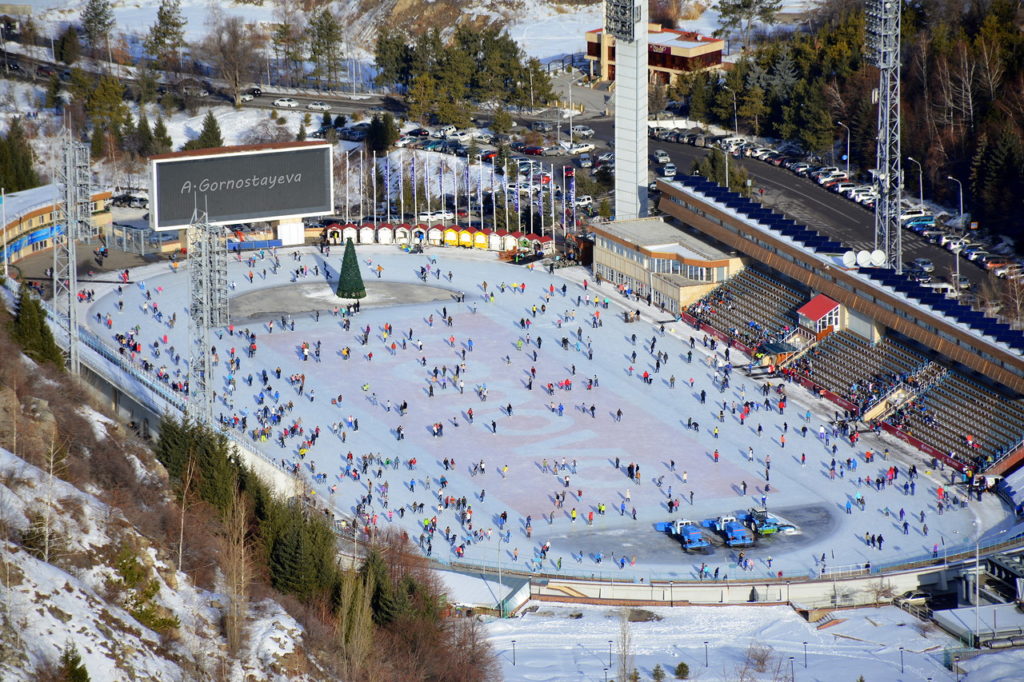
Visit Medeu Skating Rink in Almaty. World's highest rink, tickets, timings, how to reach, activities & travel guide.
Green Bazaar Almaty: What to Buy, Local Foods & Shopping Tips
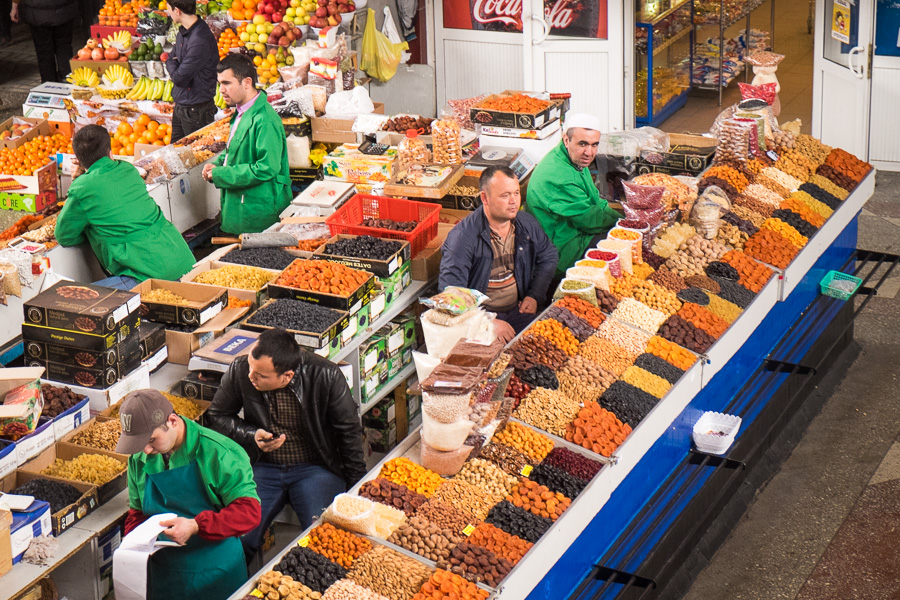
Explore Green Bazaar Almaty, Kazakhstan's iconic market. Discover local food, souvenirs, spices & shopping tips in this complete guide.
Never Miss an Adventure
Get the latest trekking guides, travel tips, and exclusive offers delivered straight to your inbox.
