
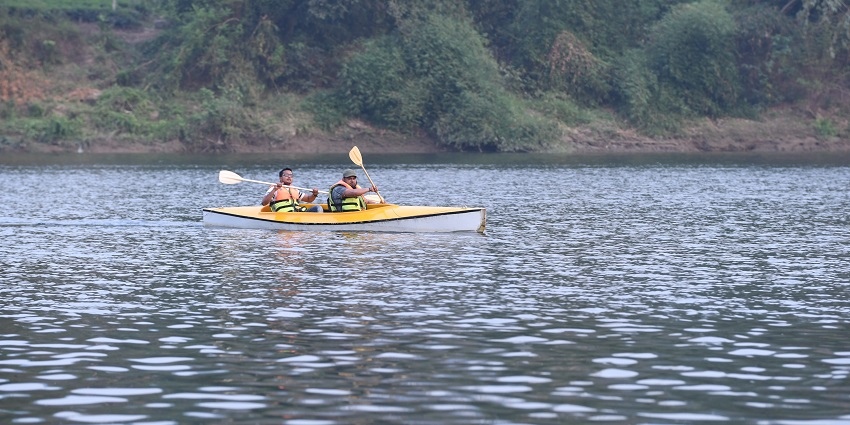
Kayaking in Kerala: Backwater Routes, Pricing & Best Time
Rohan Malhotra
November 27, 2025
Discover kayaking in Kerala! Explore best spots like Alleppey, Kovalam, Varkala, prices, best time, tips for beginners & complete kayaking guide for backwaters adventure.
Why Kayaking is Kerala's Best-Kept Secret
Kerala's backwaters have long been famous for houseboat cruises, but kayaking offers an entirely different way to experience God's Own Country. While houseboats provide comfort and luxury, kayaking puts you directly in touch with the water, allowing you to navigate narrow canals, explore hidden mangrove tunnels, and discover villages that larger boats cannot reach. This eco-friendly activity has gained tremendous popularity among adventure seekers and nature lovers who want to experience Kerala's network of lagoons, lakes, and rivers more intimately.
The state's unique geography—a network of 44 rivers, countless canals, and five major lakes—creates perfect conditions for kayaking. From the famous backwaters of Alleppey to the coastal waters of Kovalam and the pristine lakes of Wayanad, each location offers a distinct kayaking experience. Whether you're a first-time paddler or an experienced kayaker looking for challenging routes, Kerala has something to offer every skill level.
Kayaking in Kerala isn't just about physical activity—it's about immersing yourself in a centuries-old way of life. As you paddle through these waterways, you'll witness local fishermen at work, women washing clothes at the ghats, children playing on the banks, and an incredible variety of bird species that call these wetlands home. The slow pace of a kayak allows you to observe scenes of rural Kerala that most tourists never see, making it one of the most authentic cultural experiences available in the state.
Why Choose Kayaking Over Houseboats?
Houseboats have been Kerala's signature tourism experience for decades, but kayaking offers several distinct advantages that many travelers find appealing. First and foremost is accessibility—kayaks can navigate narrow canals and shallow waters that houseboats cannot reach, taking you into the heart of villages and ecosystems that remain hidden from typical tourist routes. This intimacy with the surroundings creates a much more personal connection to the landscape and its people.
From an environmental perspective, kayaking is significantly more sustainable. Houseboats, despite improvements, still contribute to water pollution and disturb aquatic life with their engines. Kayaks are silent, non-polluting, and cause minimal disturbance to birds, fish, and otters that inhabit these waterways. For eco-conscious travelers concerned about their environmental impact, kayaking represents a guilt-free way to explore Kerala's beautiful backwaters while supporting local communities through eco-tourism initiatives.
The physical aspect of kayaking also appeals to travelers who find houseboat trips too passive. Paddling your own kayak gives you control over your journey—you can stop whenever something catches your interest, explore side canals that look intriguing, or simply drift and listen to the sounds of nature. Many people find the rhythmic motion of paddling meditative, and the moderate exercise provides a nice balance to the typically relaxed pace of Kerala tourism. Best of all, kayaking tours are significantly more affordable than houseboat rentals, making this authentic experience accessible to budget travelers as well.
Top 7 Kayaking Destinations in Kerala
1. Alleppey (Alappuzha) - The Venice of the East
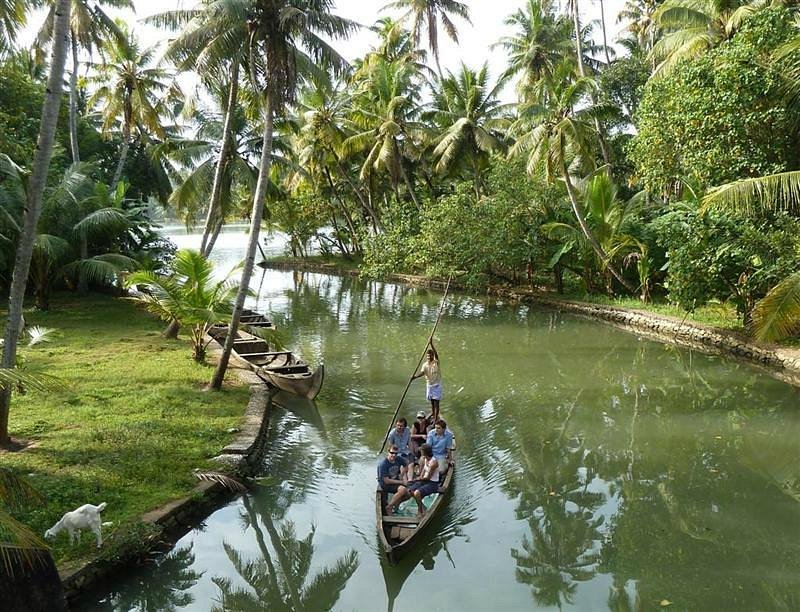
Alleppey remains the most popular kayaking destination in Kerala, and for good reason. The intricate network of canals here offers endless possibilities for exploration, from wide stretches of Lake Vembanad to narrow village canals shaded by coconut palms. Most kayaking tours in Alleppey begin at Punnamada Lake, where the famous Nehru Trophy Boat Race takes place. From there, you can paddle into the backwater system, passing through areas where houseboats, country boats, and smaller fishing vessels create a fascinating tapestry of water-based life.
The Alleppey kayaking experience typically includes visits to coir-making units, traditional toddy shops, and villages where you can see Kerala's unique lifestyle up close. The guides here are usually local fishermen who know every canal and shortcut, taking you to places that only locals know. Sunrise tours are particularly magical in Alleppey, as the mist rises off the water and birds begin their morning chorus. The golden hour light filtering through palm trees creates perfect photography conditions, making early morning paddling sessions worth the wake-up call.
2. Munroe Island - Mangrove Tunnels
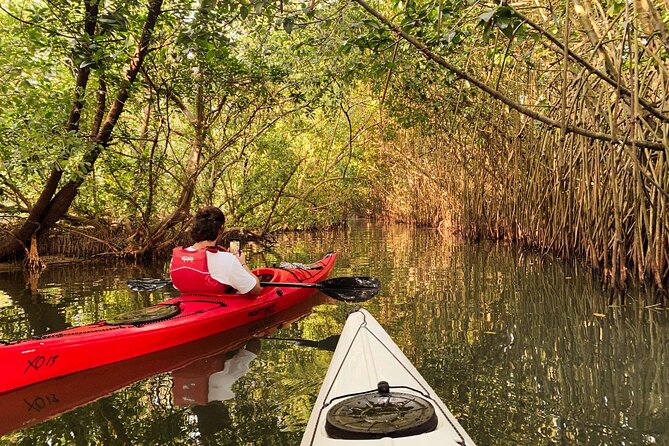
Located at the confluence of Ashtamudi Lake and the Kallada River, Munroe Island offers what many consider Kerala's most unique kayaking experience. This island is named after Colonel John Munroe, a British resident who developed the area's canal system in the 19th century. Today, those very canals provide a fascinating kayaking route through mangrove forests that form natural tunnels over the water. Paddling through these shaded corridors feels like entering another world, with dappled sunlight filtering through the mangrove canopy and roots creating natural arches above your head.
Munroe Island is also famous for its migratory bird population, and kayaking provides the perfect way to observe them without causing disturbance. Kingfishers, herons, cormorants, and various species of ducks are commonly sighted here. The island's inhabitants practice traditional fishing and farming, and many kayaking tours include visits to observe these activities or try your hand at traditional fishing methods with Chinese fishing nets. The pace of life here is noticeably slower even by Kerala standards, making it an ideal destination for travelers seeking tranquility.
3. Kovalam - Coastal Kayaking
While most kayaking in Kerala happens in backwaters, Kovalam offers the chance to paddle in the Arabian Sea. This coastal experience is quite different from inland kayaking—you'll encounter waves, sea breeze, and saltwater spray as you explore Kerala's most famous beach destination from a unique perspective. Kovalam has three main beaches—Lighthouse Beach, Hawah Beach, and Samudra Beach—and kayaking allows you to see all three from the water while discovering hidden coves and rocky outcrops that are inaccessible from land.
Coastal kayaking in Kovalam is best during the early morning hours when the sea is calmest. As the day progresses, waves typically increase, making paddling more challenging. Most operators here provide sit-on-top kayaks that are more stable in waves and easier for beginners to handle. Apart from the physical experience, kayaking in Kovalam offers spectacular views of the lighthouse that gives Lighthouse Beach its name, along with the dramatic coastline of rocky headlands and sandy stretches. Sunset kayaking here can be particularly rewarding, with the setting sun painting the sky in brilliant colors.
4. Varkala - Cliff Views from the Water
Varkala offers perhaps Kerala's most dramatic setting for kayaking, with its distinctive cliffs towering beside the Arabian Sea. Paddling here gives you a completely different perspective on these stunning cliffs, which are unique along Kerala's coastline. Most kayaking trips launch from Papanasam Beach, allowing you to paddle north or south along the cliff face, exploring sea caves and watching the waves crash against the rocky base of the cliffs.
The water off Varkala can be more challenging than protected backwaters, making this destination better for those with some kayaking experience or those comfortable with moderate wave action. However, on calm days, even beginners can enjoy paddling close to shore under the watchful eye of experienced guides. The cliffs are dotted with cafes, hotels, and the famous Janardanaswamy Temple, all of which take on a different character when viewed from the water. Keep an eye out for dolphins, which are sometimes spotted in the waters off Varkala, especially during the winter months.
5. Kumarakom - Lake Vembanad
Kumarakom, located on the eastern shore of Lake Vembanad, shares much of the same ecosystem as Alleppey but offers a somewhat more tranquil kayaking environment. The area is famous for the Kumarakom Bird Sanctuary, and kayaking provides the perfect silent approach for bird watching. Early morning paddles here often reward you with sightings of resident and migratory birds including Siberian storks, egrets, herons, and the spectacularly colored kingfishers that seem to be everywhere in Kerala's backwaters.
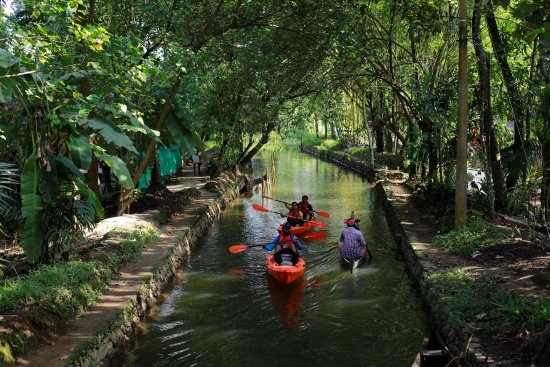
The kayaking routes in Kumarakom typically pass through narrow canals lined with water lilies and hyacinths, wider stretches of the lake, and the famous Pathiramanal Island (Sands of Midnight), which is accessible only by water. This small island is a bird watcher's paradise and makes an excellent stopping point during a kayaking excursion. The waters around Kumarakom are generally calmer than coastal areas, making it an excellent choice for families and those new to kayaking. Several luxury resorts in the area offer kayaking as part of their activity programs, providing a comfortable base for exploring the backwaters.
6. Poovar - Estuary Paradise
Located near Thiruvananthapuram (Trivandrum), Poovar is where the Neyyar River meets the Arabian Sea, creating a unique estuary ecosystem. This relatively lesser-known kayaking destination offers a mix of river, estuary, and sea paddling in a single location. The golden sand beach that separates the river from the sea is a fascinating geographical feature that you can explore by kayak, paddling from calm river waters through the estuary into the gentle waves of the Arabian Sea.
Poovar's kayaking routes pass through mangrove forests, past fishing villages, and alongside the beautiful Poovar Island, which is accessible only by boat. The area is particularly rich in wildlife, including various species of birds, otters, and even occasional crocodiles in the more remote stretches (your guide will know which areas to avoid). The estuary creates constantly changing conditions as freshwater meets seawater, creating brackish waters that support unique ecosystems. Poovar is less developed than other kayaking destinations in Kerala, offering a more offbeat and peaceful experience away from the tourist crowds.
7. Wayanad - Bamboo Rafting and Lake Kayaking
Wayanad in Kerala's northern hills offers a completely different kayaking experience from the backwater destinations. Here, you can paddle on the calm waters of Pookode Lake, surrounded by forests and hills rather than coconut palms and villages. The lake's setting at an altitude of 770 meters creates a cooler climate than coastal Kerala, making it a refreshing escape from the heat. The clear waters reflect the surrounding greenery, creating mirror-like surfaces that are perfect for photography.
While traditional kayaking is available at Pookode Lake, Wayanad is also famous for bamboo rafting in various locations including the Kabini River's backwaters. These traditional rafts, made by binding large bamboo poles together, offer a similar paddling experience to kayaks but with a distinctly local touch. The forested surroundings of Wayanad's water bodies create different wildlife viewing opportunities, particularly for land animals that come to the water's edge to drink. Elephants, deer, and various monkey species are sometimes spotted from the water, adding an element of excitement to the paddling experience.
Sunrise vs Sunset Kayaking
The timing of your kayaking expedition significantly influences the experience, and both sunrise and sunset paddles offer unique advantages. Sunrise kayaking, typically starting between 5:30 and 6:30 AM depending on the season, provides the calmest conditions of the day. The water is often glass-smooth in the early morning, making paddling effortless and creating perfect reflections. Birds are most active at dawn, making this the best time for bird watching—herons stirring in the shallows, kingfishers diving for breakfast, and the spectacular flight of brahminy kites overhead.
The temperature is coolest in the early morning, which is significant during Kerala's warmer months. Starting your day with a peaceful paddle as the sun rises over palm-lined horizons creates a magical atmosphere that many travelers describe as a highlight of their Kerala trip. The soft morning light is ideal for photography, with long shadows and golden tones creating atmospheric images. Most sunrise tours include breakfast either during or after the paddle, often featuring traditional Kerala cuisine like appam and stew or idli-vada, enjoyed at a waterside location.
Sunset kayaking offers a completely different but equally rewarding experience. While the water may be choppier due to daytime heating, the visual spectacle of a Kerala sunset more than compensates. As the sun descends toward the western horizon (usually over the sea in coastal areas and over the land in backwaters), the sky transforms through shades of gold, orange, pink, and purple. These colors reflect beautifully on the water, creating ever-changing patterns that photographers find irresistible.
Evening paddles have a different energy—birds returning to roost, fishermen heading home with their catch, and villages coming alive with evening activities. The transition from day to night is a special time in Kerala's waterways, with sounds and sights changing as darkness approaches. Many sunset tours include opportunities to witness traditional fishing techniques or visit villages during the golden hour. After dark, the experience becomes even more magical as houseboats and shore buildings create reflections on the dark water, and fireflies sometimes appear along the banks.
Kayaking Prices and Tour Packages
The cost of kayaking in Kerala varies considerably based on location, duration, and the level of service provided. Understanding these price variations helps you choose the right experience for your budget and expectations. Generally speaking, backwater kayaking in Alleppey, Kumarakom, and Munroe Island costs less than coastal kayaking in Kovalam or Varkala, primarily because equipment and guide costs are lower in interior areas.
| Destination | Duration | Price Range (Per Person) | Inclusions |
|---|---|---|---|
| Alleppey Backwaters | 3 hours | ₹1,000 - ₹1,500 | Equipment, guide, water |
| Munroe Island | 3-4 hours | ₹1,200 - ₹1,800 | Equipment, guide, snacks |
| Kovalam Coastal | 2 hours | ₹800 - ₹1,200 | Equipment, instructor |
| Varkala Cliff Paddle | 2-3 hours | ₹1,000 - ₹1,500 | Equipment, guide |
| Kumarakom Birding | 3 hours | ₹1,200 - ₹1,800 | Equipment, birding guide |
| Poovar Estuary | 3-4 hours | ₹1,500 - ₹2,000 | Equipment, guide, transfers |
| Wayanad Lake | 2 hours | ₹700 - ₹1,000 | Equipment, basic guide |
Prices typically include kayak rental, life jacket, and guide services. Some operators include breakfast or snacks, particularly for sunrise tours. Multi-day kayaking expeditions are also available for enthusiasts who want to explore Kerala's waterways more extensively. These packages, which often include overnight stays in homestays or camps, range from ₹5,000 to ₹12,000 depending on duration and inclusions. Group tours cost less per person than private tours, while custom photography tours or specialized birding expeditions may cost more due to the expertise required.
Best Time to Go Kayaking in Kerala
Timing your kayaking trip correctly can significantly impact your experience, as weather conditions in Kerala vary dramatically throughout the year. The winter months from October to March are widely considered the best time for kayaking, offering pleasant temperatures, relatively calm waters, and minimal rainfall. During this period, daytime temperatures typically range from 24°C to 32°C (75°F to 90°F), making paddling comfortable without excessive heat exhaustion. The winter months also correspond with Kerala's peak tourist season, so while conditions are ideal, popular kayaking destinations may be more crowded.
The summer months from April to May bring higher temperatures (sometimes exceeding 35°C/95°F) and more humidity, which can make kayaking tiring, especially for those not accustomed to the heat. However, early morning paddles during summer can still be enjoyable, and the water feels particularly refreshing when temperatures rise. One advantage of visiting in summer is fewer tourists, meaning you'll often have the waterways to yourself. Some operators reduce prices during summer, making it a more budget-friendly time to visit.
The monsoon season from June to September presents both opportunities and challenges for kayaking enthusiasts. Heavy rainfall makes kayaking inadvisable during many days, and operators frequently cancel tours when conditions are dangerous. However, immediately after rains, the backwaters are at their fullest and most beautiful, with lush green vegetation everywhere. Some experienced kayakers actually enjoy monsoon kayaking on days when rain is light or intermittent, as the dramatic cloud formations and rain-cooled air create a special atmosphere. If you visit during monsoon, maintain flexibility with your plans and be prepared for cancellations due to weather.
For bird watching enthusiasts, the months from November to February are particularly rewarding as migratory birds arrive in Kerala's wetlands. If your primary interest is photography, the winter months provide the clearest light and most comfortable conditions for extended paddling sessions. Regardless of when you visit, always check weather forecasts before setting out, and respect your guide's judgment about whether conditions are safe for kayaking.
Safety Guidelines and Essential Gear
Kayaking in Kerala's backwaters is generally safe, but following proper safety guidelines ensures an enjoyable experience without mishaps. The most important safety rule is to always wear your life jacket, regardless of how well you can swim. Conditions on the water can change unexpectedly—a sudden wave, a cramp, or equipment failure can create dangerous situations even for strong swimmers. Life jackets provided by reputable operators are properly sized and maintained, and wearing them at all times is non-negotiable for safe kayaking.
Choosing the right kayak for your skill level and the conditions is also important. Sit-on-top kayaks are more stable and easier for beginners, especially in coastal areas with waves. Sit-inside kayaks provide more protection from the sun and spray but require more skill to paddle safely. Your operator should provide appropriate equipment based on your experience and the day's conditions. Always check your kayak for damage before launching—look for cracks, loose fittings, or other issues that could affect safety.
Understanding your limits is crucial for safe kayaking. Kerala's backwaters may look calm, but currents—especially near rivers and where lakes meet the sea—can be stronger than they appear. Stay within designated areas recommended by your guide, and don't attempt to paddle further than your energy levels allow. Fatigue can set in surprisingly quickly, especially in the sun, and paddling back when you're already tired increases risk. Most kayaking accidents happen when people overestimate their abilities or underestimate conditions.
Hydration and sun protection are often overlooked aspects of kayaking safety. The combination of physical exertion and reflection from the water accelerates dehydration and sunburn, even on cloudy days. Carry at least 2 liters of water per person for a 3-hour paddle, and drink regularly rather than waiting until you feel thirsty. Apply waterproof sunscreen before launching and reapply every 2 hours. Wear a hat, sunglasses with a strap, and consider long-sleeved rash guards or lightweight clothing that covers your arms and legs.
What to Wear and Carry
Packing the right clothing and equipment makes a significant difference to your kayaking experience in Kerala's tropical climate. For clothing, choose quick-dry synthetic fabrics rather than cotton, which stays wet and heavy. Most kayakers wear shorts and t-shirts or lightweight long-sleeved tops for sun protection. If you're kayaking in coastal areas or during cooler months, consider a light windbreaker or spray jacket to protect from splashes. Avoid jeans or heavy pants—they become extremely uncomfortable when wet and restrict movement.
Footwear is an important consideration. While many people kayak barefoot in calm backwaters, having proper footwear is recommended for safety and comfort. Water shoes or sandals with straps (like Crocs or Tevas) protect your feet from sharp objects, hot surfaces, and sea creatures. They also provide grip when launching and landing, when you'll likely be walking on slippery, uneven surfaces. Avoid flip-flops, which can easily fall off and become lost.
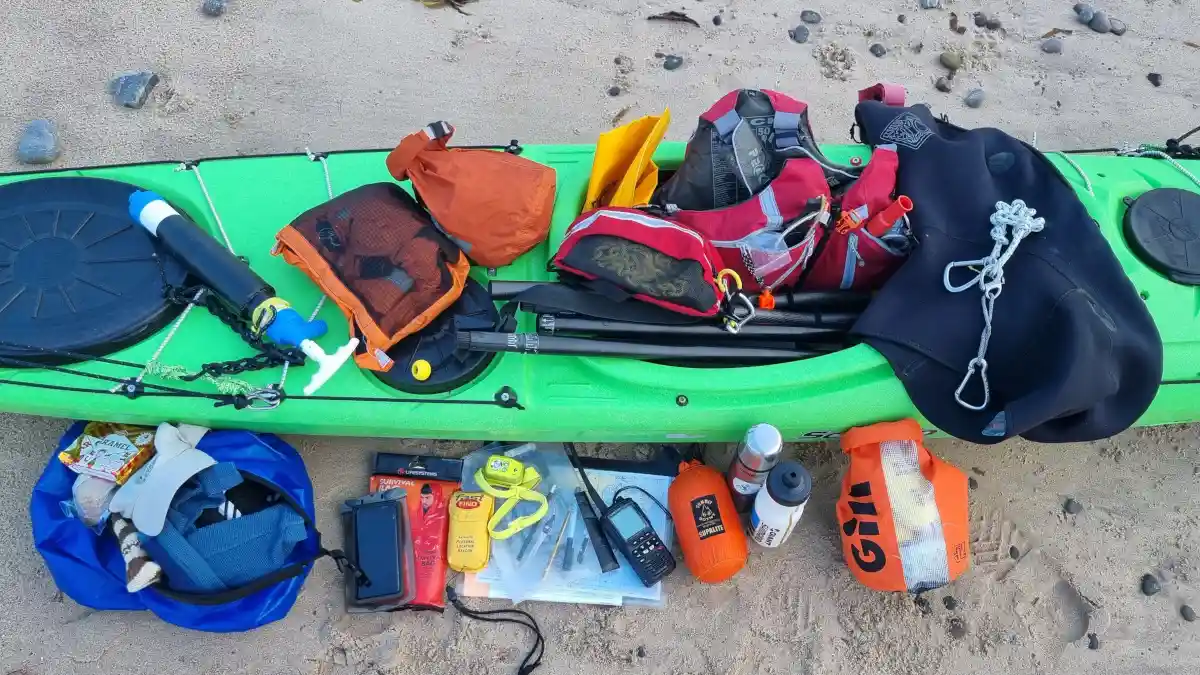
In addition to clothing, carry a small dry bag with essentials. This should include your phone (in a waterproof case), camera, sunscreen, lip balm, sunglasses with strap, hat, tissues or wet wipes, and any personal medications. A small towel can be useful for drying off afterward. If you're on a longer tour or expedition, your operator will provide a more comprehensive list of items to bring, which might include a change of clothes for after the paddle, snacks, and additional water.
Don't forget cash for small expenses—tips for guides, purchases from village vendors during stops, or unexpected needs. Most small establishments in rural Kerala don't accept digital payments, so having physical currency is important. Finally, carry your identification and emergency contact information, especially if you're kayaking independently rather than with a tour operator.
Kayaking for Beginners versus Experienced Paddlers
Kerala offers excellent kayaking opportunities for all skill levels, and different destinations suit different experience levels. For first-time kayakers or those with limited experience, Alleppey's backwaters, Kumarakom's lake areas, and Wayanad's Pookode Lake provide ideal conditions. These locations have calm waters, minimal currents, and plenty of places to stop and rest if needed. Beginner tours typically last 2-3 hours and cover shorter distances, allowing you to build confidence and skills without exhaustion.
When choosing a beginner-friendly tour, look for operators who provide thorough instruction before launching. Good beginner tours start with a land-based lesson covering paddling technique, safety procedures, and what to do if you capsize. They should also provide stable, wide kayaks that are forgiving of mistakes and appropriate for your size. Don't hesitate to ask about the difficulty level before booking—reputable operators will honestly assess whether a particular tour suits your experience level.
For experienced kayakers looking for more challenge, Varkala's coastal waters and the open stretches of Lake Vembanad provide opportunities to test your skills. Coastal kayaking, especially around Varkala and parts of Kovalam, requires comfort with waves, knowledge of surf zone etiquette, and the ability to paddle efficiently through choppy conditions. The estuary at Poovar, where fresh and saltwater mix, creates interesting current patterns that experienced paddlers find engaging and technically interesting.
Experienced paddlers might also enjoy longer expeditions, such as multi-day trips combining different water bodies or circumnavigating islands. Some operators in Alleppey offer full-day expeditions covering 20+ kilometers, including lunch stops at villages and exploration of more remote canal systems. These longer tours require good physical fitness and paddling endurance but reward you with access to areas that few tourists ever see. If you're an experienced kayaker bringing your own equipment to Kerala, consider connecting with local kayaking groups who can provide information on the best routes and current conditions.
Responsible Kayaking and Eco-Tourism Practices
As kayaking gains popularity in Kerala, it's increasingly important that paddlers practice responsible tourism to protect these fragile ecosystems. The backwaters and coastal areas are home to diverse plant and animal life, some of which are particularly sensitive to human disturbance. Following eco-friendly practices ensures that these beautiful destinations remain pristine for future generations while also supporting local communities who depend on these waterways for their livelihoods.
One fundamental principle of responsible kayaking is respecting wildlife from a distance. It's tempting to approach closely when you spot interesting birds or animals, but getting too close causes stress and disrupts natural behaviors. Use binoculars or camera zooms to observe wildlife instead of paddling nearer. This is particularly important during breeding seasons when animals are more vulnerable. Similarly, avoid disturbing nesting birds, and never touch or feed wild animals, even if they approach you curiously.
Proper waste disposal is another critical aspect of responsible kayaking. Everything you bring with you should return with you—trash, including food scraps, should never be left in the water or on the banks. Even biodegradable items like fruit peels can disrupt ecosystems when introduced in large quantities. Carry a small trash bag in your dry bag and use it for all waste. If you see litter in the water during your paddle, consider collecting it if you can do so safely—many kayaking tours in Kerala now include conservation activities as part of their community service.
Supporting local communities is an essential part of responsible tourism. Choose locally-owned and operated kayaking companies rather than large corporations based outside Kerala. These local operators employ residents, use local knowledge to create authentic experiences, and reinvest in their communities. When your tour includes village stops, purchase handicrafts, snacks, or other products directly from makers rather than bargaining aggressively. These small economic contributions make a meaningful difference in rural communities.
Finally, educate yourself about the ecosystems you're paddling through. Understanding what makes these environments special—and what threatens them—helps you become a better advocate for their conservation. Many guides in Kerala are eager to share their knowledge about local ecology, traditional uses of plants, conservation challenges, and success stories. Engaging with this information enriches your experience and transforms you from a tourist into a conscious traveler who helps protect Kerala's incredible waterways.
Kayaking in Kerala offers more than just an adventure activity—it provides a window into the soul of God's Own Country. Whether you're paddling through misty backwaters at dawn, exploring mangrove tunnels at Munroe Island, or watching the sun set over the Arabian Sea from a kayak, the experience connects you deeply with Kerala's landscape, culture, and people. With proper preparation, respect for safety, and a commitment to responsible tourism, kayaking will likely become one of your most treasured memories of Kerala.
Location
Frequently Asked Questions
Q1.What are the best places for kayaking in Kerala?
Q2.What is the best time for kayaking in Kerala?
Q3.How much does kayaking cost in Kerala?
Q4.Is kayaking safe for beginners in Kerala?
Q5.Do I need swimming skills for kayaking?
Q6.What should I wear for kayaking in Kerala?
Q7.How long does a kayaking session last?
Q8.Which is better for kayaking: Alleppey or Kumarakom?
Recommended For You
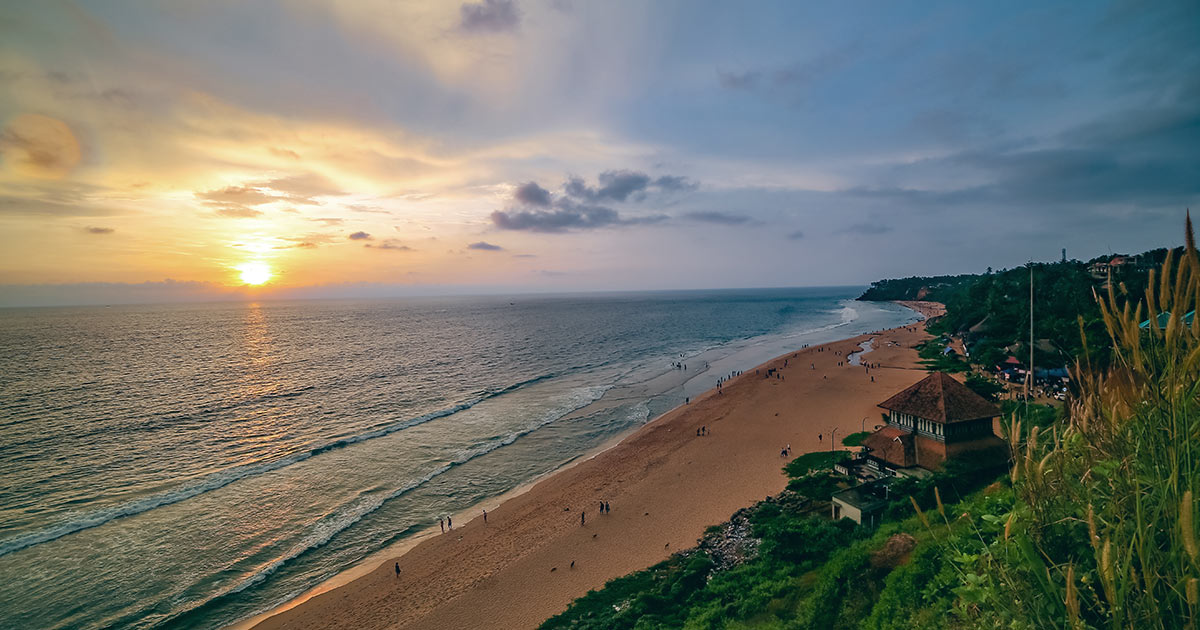
Varkala Beach Kerala: Complete Guide to Papanasam Cliff Paradise
Discover Varkala Beach, Kerala's only cliff beach at Papanasam. Complete guide covering cliff-top cafes, activities, Ayurveda wellness, spiritual significance & travel tips for this unique coastal destination.
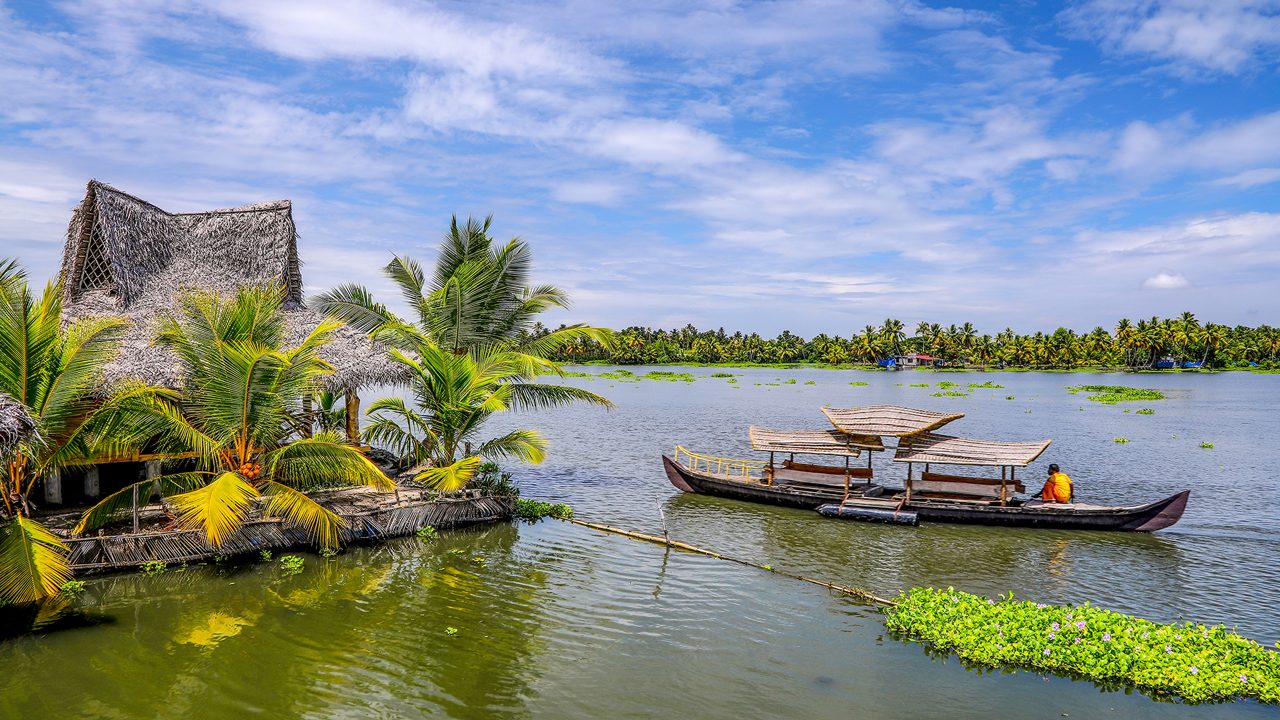
Kumarakom Backwaters: Houseboat Routes, Prices & Booking Tips
Explore Kumarakom backwaters in Kerala with houseboat options, route details, best season, things to do, and accommodation tips for a smooth trip.
Places to Visit in Kerala in Monsoon: Backwaters, Falls & Green Escapes
Discover the best places to visit in Kerala in monsoon, from Munnar and Wayanad to Alleppey backwaters, with practical safety, route, and weather planning tips.
Never Miss an Adventure
Get the latest trekking guides, travel tips, and exclusive offers delivered straight to your inbox.
