

Mountain Restaurants Guide: Scenic Dining and Practical Food Planning
Rahul Garg
February 22, 2026
Find the best mountain restaurants with practical planning tips on altitude, hygiene, reservations, and destination-wise dining choices.
What defines a good mountain restaurant
A good mountain restaurant is not just about views. In hill and high-altitude destinations, dining quality depends on four practical factors: food safety, kitchen reliability, weather fallback, and access convenience. Scenic value matters, but it should come after hygiene and route practicality. Most list-style pages focus on photogenic cafes without helping travelers decide where to eat before/after long road journeys, trekking blocks, or weather shifts. A better approach is to plan meals by destination cluster, altitude, and activity load so your trip stays comfortable and efficient.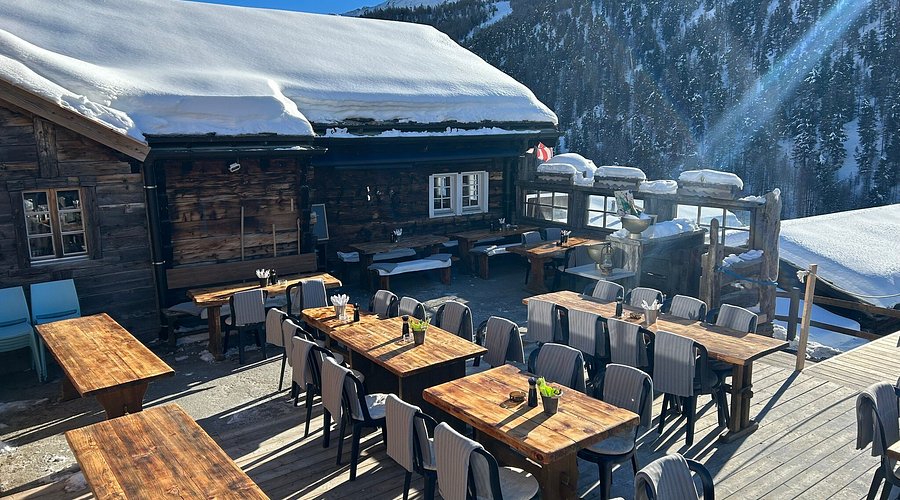
Destination clusters and dining styles
Mountain dining choices differ by region. Himalayan circuits, western-ghat hill towns, and high-altitude cold-desert routes need different food strategies.| Mountain Cluster | Dining Pattern | Best Use Case | Planning Note |
|---|---|---|---|
| Himalayan hill towns | Cafe + local comfort-food mix | Road-trip and weekend hill breaks | Reserve ahead in peak seasons |
| High-altitude circuits | Simple hot meals and hydration-focused dining | Trekking and high-cold routes | Prioritize digestible meals over variety |
| Western Ghats hill belts | Regional cuisine plus scenic-view stops | Family-friendly short trips | Use weather-safe indoor backups |
Meal planning by altitude and activity level
Food planning should match your travel day intensity. Heavy meals before sharp mountain drives or steep hikes can reduce comfort.| Travel Day Type | Meal Strategy | Why It Works |
|---|---|---|
| Long mountain drive day | Light breakfast + early lunch + warm evening meal | Reduces motion discomfort and fatigue |
| Trek day | Simple, high-energy, easy-digest foods | Supports stamina without overloading digestion |
| Leisure hill-station day | Scenic brunch + local cuisine dinner | Balances experience and comfort |
Hygiene and food safety checklist
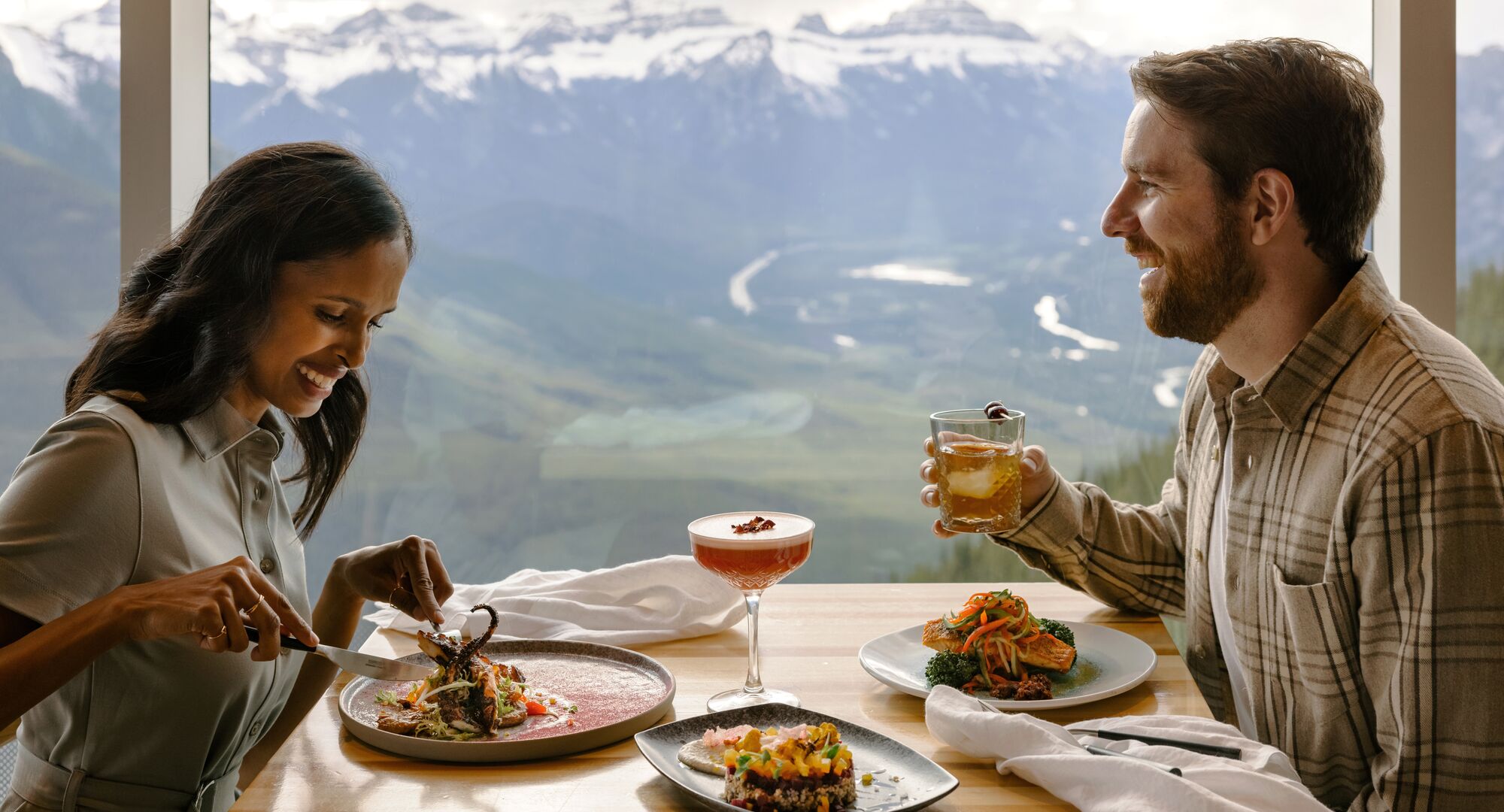
Food safety matters more in mountain routes where medical access can be slower than city areas. - Prefer busy restaurants with visible turnover and active kitchen flow. - Choose freshly cooked hot meals over long-exposed buffet items. - Use safe drinking-water practices and avoid uncertain ice sources. - Check basic washroom and table hygiene before ordering full meals. These practices align with general traveler food-and-water guidance from public-health travel advisories and are useful across domestic and international mountain trips.Budget categories and reservation strategy
Mountain restaurant costs can vary sharply by season and location. Budgeting works best when split into clear meal buckets.| Budget Bucket | Includes | Control Tip |
|---|---|---|
| Daily essentials | Breakfast, hydration, light snacks | Carry a core backup kit for transit days |
| Experience meals | Scenic lunch/dinner at notable restaurants | Reserve advance slots in peak season |
| Contingency | Weather diversions or delayed arrival | Keep one flexible indoor backup option |
Family and group dining tips
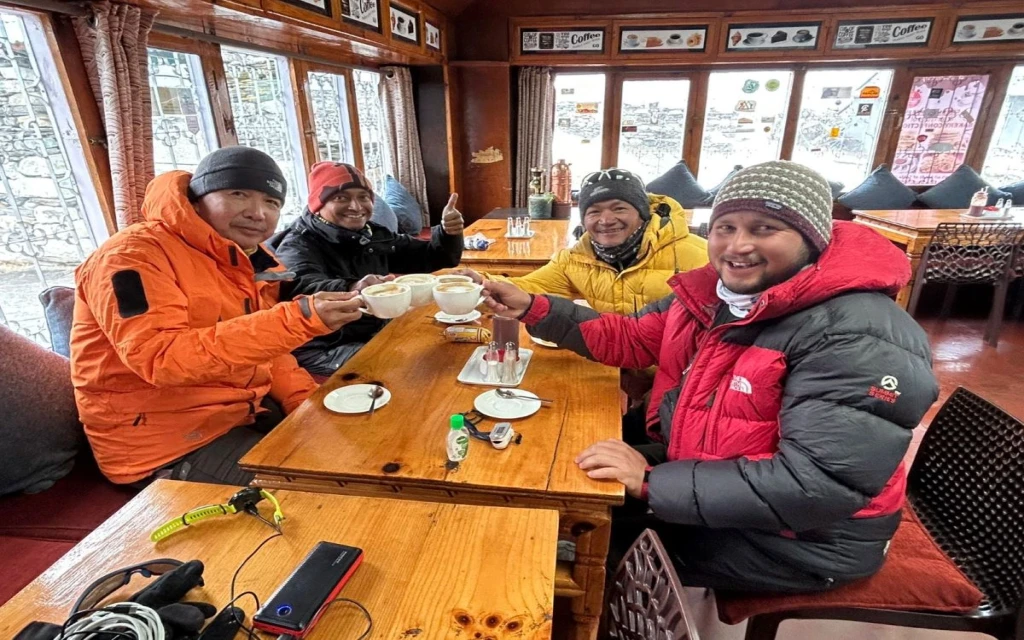
Families and large groups need simpler decision rules than solo travelers. 1. Keep one fixed meal stop per route block instead of frequent random halts. 2. For children and seniors, prioritize warm, less spicy, easy-digest options. 3. Choose restaurants with indoor seating backups during rain/wind windows. 4. Pre-confirm service times in remote areas with early kitchen closure patterns. This keeps dining smooth and avoids end-of-day fatigue from repeated food-search detours.Common mistakes in mountain food planning
1. Choosing restaurants only by view and ignoring hygiene signals. 2. Eating heavy meals before winding uphill road segments. 3. No reservation plan during peak holiday windows. 4. Skipping hydration and long gaps between meals on trek days. 5. Relying on one famous spot with no backup option. 6. Ignoring local weather impact on dining schedules and road access.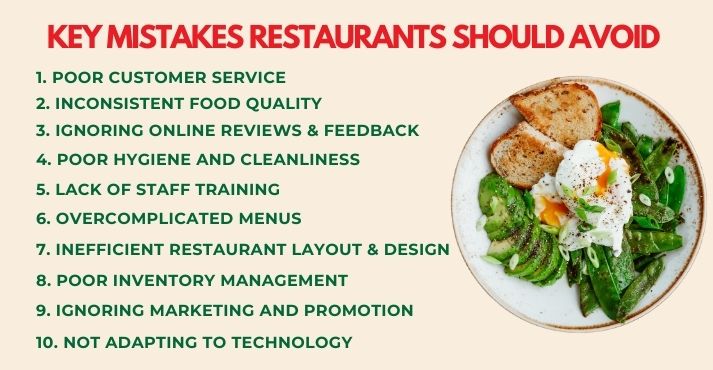
Conclusion
Mountain restaurants become trip highlights when chosen with practical filters: safety, timing, access, and activity alignment. A destination-cluster strategy with simple meal planning and backup options helps travelers enjoy scenic dining without compromising health, budget, or itinerary flow.If you're extending this trip, Places to Eat in Manali is worth adding to your plan. Many travelers also pair this with Airbnbs in Shimla for a fuller itinerary.
Seasonal shifts in mountain dining
Mountain restaurant availability and menus change more sharply with the season than city dining does. In peak summer (April-June), hill stations see the heaviest tourist footfall, which means longer wait times at popular restaurants and a higher chance that trek-route dhabas run out of stock by late afternoon. Booking dinner slots a day ahead becomes worthwhile during this window, especially at scenic-view restaurants with limited seating. Monsoon months bring a different challenge: many mountain roads become harder to access, and some elevated restaurants reduce hours or shut temporarily during heavy rain or landslide-prone stretches. If you are traveling in the rains, always keep a lower-altitude backup dining option in your plan, since higher viewpoints may be foggy or closed. Winter travel, especially in high-altitude circuits like Ladakh or upper Himachal, sees many restaurants close entirely once snowfall blocks the passes, so verify operating dates in advance rather than assuming a spot is open year-round.Comparing hill-town cafes versus trek-route dhabas
Not all mountain dining serves the same purpose, and mixing up the two can throw off your day. Hill-town cafes, found in places like Manali, McLeodganj, or Munnar, are built for leisure: slower service, wider menus, and comfortable seating meant for lingering over a meal with a view. These work well on rest days or when you are not racing daylight. Trek-route dhabas and roadside stops serve a different function entirely. They prioritize speed and calorie-dense, easy-to-digest food over ambience, since travelers there are usually mid-journey with a schedule to keep. Expect simpler menus (dal-rice, maggi, parathas, hot tea) but faster turnaround. Knowing which type of stop you need before you arrive helps you set the right expectations and avoid frustration when a scenic dhaba doesn't have a full menu.Practical tips for high-altitude dining
At higher elevations, appetite and digestion both slow down due to reduced oxygen levels, so it's common to feel less hungry even during physically demanding days. Forcing large meals in this state can lead to discomfort. Instead, eat smaller portions more frequently, favor warm liquids like soups and tea over cold drinks, and avoid alcohol until you've acclimatized, since it worsens altitude-related dehydration. Ginger and garlic-based local soups, common across Himalayan menus, are traditionally used to help with mild altitude discomfort and are worth trying even if you are not typically drawn to them.Reading local menus and regional specialties
Mountain restaurant menus vary a lot by region, and recognizing a few staple dishes helps you order with confidence instead of defaulting to generic multi-cuisine options. In Himachal and Uttarakhand hill towns, look for siddu, madra, and thick lentil preparations alongside standard North Indian fare. In Ladakh and other high-altitude cold-desert routes, thukpa, momos, and skyu are reliable, warming choices suited to the climate. In the Western Ghats, expect stronger use of coconut, local spices, and filter coffee culture layered into otherwise standard South Indian hill-station menus. Asking staff for the "local" or "regional" section of the menu, rather than the general multi-cuisine listing, usually surfaces better and fresher options than the printed default.Location
Frequently Asked Questions
Q1.How do I choose safe mountain restaurants during a road trip?
Q2.Are reservations needed for popular hill station restaurants?
Q3.What should travelers eat at higher altitude locations?
Q4.Is local cuisine usually better than multi-cuisine options in mountain towns?
Q5.How can families plan meal breaks on mountain routes?
Q6.Are scenic restaurants generally expensive in hill stations?
Q7.What hygiene checks should I do before ordering food?
Q8.What are common dining mistakes during mountain travel?
Recommended For You

Gesmo Restaurant Leh: Menu, Timings, Prices & Tips
Detailed Gesmo Restaurant guide for Leh travelers: what to eat, best visiting hours, expected budget, and how to plan your meal around Main Bazaar.

The Himalayan Cafe Manali: Menu, Vibe & Best Time to Visit
The Himalayan Cafe Manali guide with timing strategy, menu pacing, and route-aware pairing tips for smoother Old Manali cafe plans.

Tsas by Dolkhar Ladakh: Menu, Ambience, and Visit Tips
Tsas by Dolkhar Ladakh guide with reservation strategy, meal pacing, and itinerary fit for a calm premium dining evening in Leh.
Never Miss an Adventure
Get the latest trekking guides, travel tips, and exclusive offers delivered straight to your inbox.
