

Top Things to Do in Shangarh and Sainj: Sacred Meadows, Waterfalls & Heritage
Rohit Verma
August 18, 2026
Discover the top things to do in Shangarh and Sainj Valley: walk barefoot on the sacred Pandava meadow, visit Sangchul Mahadev temple, hike to Barshangarh waterfall, and spot GHNP wildlife.
The Mystical Alpine Meadows of Shangarh and Sainj Valley
Tucked away within the protected buffer zone of the UNESCO World Heritage-listed Great Himalayan National Park (GHNP) in Himachal Pradesh's Kullu district, Shangarh in Sainj Valley is one of the most serene and unspoiled alpine hamlets in northern India. Situated at an elevation of 2,100 meters (6,900 feet), Shangarh is famed for its vast, rolling emerald meadow encircled by ancient deodar (Himalayan cedar) woodlands and towering snow-capped Himalayan peaks. Deeply steeped in local mythology, indigenous Kath-Kuni architecture, cascading waterfalls, and rich biodiversity, Sainj Valley provides a peaceful refuge far removed from tourist-heavy circuits. Travelers discovering offbeat Kullu destinations frequently consult our Shangarh meadows guide or follow our comprehensive Sainj Valley travel guide.

1. Walk Barefoot on the Legendary Pandava-Created Shangarh Meadow
The crown jewel of Shangarh is its sprawling, velvety green meadow spanning over 120 bighas of level alpine ground. According to local folklore rooted in the Mahabharata, the Pandava brothers created this pristine meadow during their period of exile (Agyatvaas). Legend has it that the brothers meticulously sieved the mountain soil to remove every sharp stone and pebble, creating a sacred clearing for cultivation and divine assemblies under the protection of the local deity, Lord Sangchul Mahadev.
Today, the meadow is treated as a sacred precinct by the village community. Strict cultural rules prohibit the entry of cattle, horses, vehicles, and alcohol onto the grass. Visitors are encouraged to take off their footwear and walk barefoot across the soft, cool turf, soaking in the grounding energy of the earth while gazing at the towering 360-degree amphitheater of snow-capped peaks. The meadow provides an extraordinary setting for morning meditation, yoga, sketching, or simply relaxing on the grass as the mountain mist rolls gently across the cedar tree canopies.
2. Admire the Kath-Kuni Pagoda Architecture of Sangchul Mahadev Temple
Anchoring the edge of the Shangarh meadow stands the magnificent Sangchul Mahadev Temple, dedicated to the presiding deity of the valley. Built in the traditional multi-tiered pagoda style of Himachali Kath-Kuni architecture, the temple is constructed using thick alternating horizontal layers of hand-hewn deodar wood beams and interlocking mountain stones without the use of cement or iron nails.
The temple is celebrated for its exquisite wood carvings, featuring intricately detailed friezes of mythical deities, serpent motifs (nag devtas), floral patterns, and ornamental wooden eaves hung with small brass bells that chime in the alpine breeze. The courtyard of the temple serves as an asylum of ancient sanctuary laws—traditionally, any fugitive or runaway couple who entered the holy precincts of Sangchul Mahadev was granted absolute protection and peace by the deity and village elders. The surrounding courtyard offers exceptional angles for architectural photography and cultural observation.
3. Hike to the Hidden Cascade of Barshangarh Waterfall
Located approximately 4 kilometers from Shangarh village along a scenic mountain trail, the hike to Barshangarh Waterfall is a delightful half-day adventure. The trail begins from the tiny hamlet of Barshangarh and winds through terraced organic apple orchards, rustic wooden bridges, and dense groves of ban oak, horse chestnut, and blue pine.
As you approach the falls, the roaring sound of falling water reverberates through the forested gorge. The Barshangarh waterfall cascades down a sheer 50-foot vertical granite cliff into a crystal-clear, mossy plunge pool. Sunbeams filtering through the forest canopy create sparkling rainbow prisms in the cool mountain mist. Visitors can dip their feet into the refreshing pool or sit on the surrounding granite boulders for a quiet forest picnic. The hike is graded easy-to-moderate, making it accessible to hikers of all experience levels.
4. Birdwatching in Sainj Wildlife Sanctuary and GHNP Buffer Zone
Sainj Valley is a recognized ecological haven and vital corridor for the Great Himalayan National Park (GHNP). The dense mixed-conifer forests, riparian riverbanks, and subalpine meadows of the Sainj Wildlife Sanctuary provide exceptional habitats for diverse Himalayan birdlife and wildlife species.
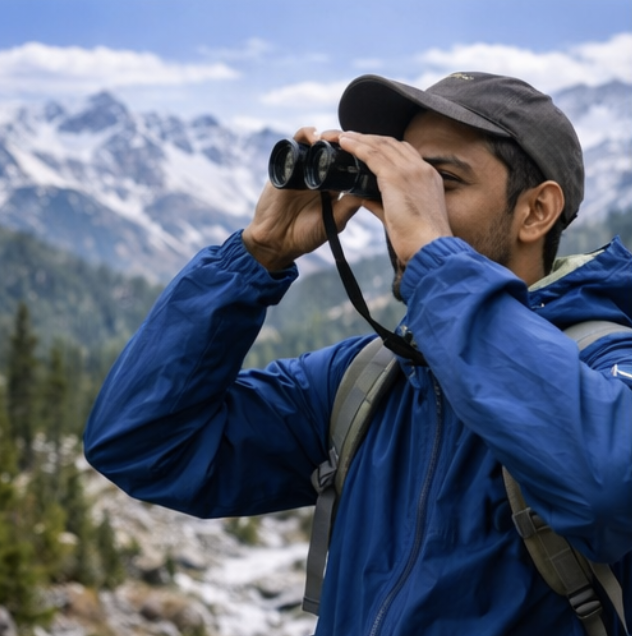
Avid birdwatchers and nature enthusiasts can spot rare high-altitude avian species, including the endangered Western Tragopan (Himachal's state bird), the iridescent Himalayan Monal, Koklass Pheasant, Cheer Pheasant, Spotted Nutcracker, Rufous-bellied Woodpecker, and Asian Paradise Flycatcher. Early morning guided bird walks along the forest trails from Shangarh towards Manu Temple in Shanshar or the Sainj river gorge provide rewarding sightings. For those interested in extended trekking permits and deeper wilderness exploration, consult our detailed Great Himalayan National Park wildlife guide and GHNP permit guide.
5. Experience Warm Mountain Hospitality in Traditional Village Homestays
Unlike commercial hill resorts dominated by concrete hotels, accommodation in Shangarh is centered around authentic, community-run village homestays and restored wooden heritage cottages. Built with local timber, stone, and mud plaster, these traditional homes offer natural thermal insulation—staying naturally cool during sunny days and warmly insulated during cold alpine nights.
Staying with a local family allows travelers to experience daily Pahari life firsthand. Guests can enjoy delicious home-cooked traditional meals prepared over wood-fired stoves, featuring local red rice, fresh kidney bean curries (rajma), wild ferns (lingad), freshly churned butter, and sweet wheat rotis. In the evenings, hosts often gather guests around outdoor fire pits or bukhari stoves to share ancient folk tales of local devtas and mountain traditions. To learn more about homestay options across the broader valley region, check our curated guide to homestays in Tirthan and Sainj Valley.
6. Explore Manu Temple in Shanshar and Pundrik Rishi Lake
A short scenic drive or rewarding day hike from Shangarh takes you deeper into Sainj Valley to explore historic cultural sites. In the village of Shanshar stands the ancient five-tiered Manu Rishi Temple, an extraordinary architectural wonder dedicated to Sage Manu, regarded as one of the tallest wooden pagoda temples in Himachal Pradesh.
Another fascinating excursion is the day trek to Pundrik Rishi Lake, located near the village of Deori. Cradled amidst dense deodar forests, this sacred alpine lake is completely covered by a thick floating mat of native grass and aquatic vegetation, resembling a lush green carpet upon which water flows beneath. The lake is revered by local villagers, who hold seasonal religious ceremonies along its tranquil shores. For travelers organizing road transport from the plains, explore our step-by-step guide on how to reach Shangarh and Sainj Valley from Delhi and Aut, or combine your journey with a visit to our neighboring Tirthan Valley travel guide.
Best Time to Visit Shangarh and Sainj Valley
Each season brings unique beauty to the meadows of Shangarh:
- Spring and Summer (April to June): Crisp mountain breezes, daytime temperatures between 15°C and 25°C, lush green grass across the meadow, and vibrant wildflowers. Ideal for camping, trekking, and nature photography.
- Monsoon (July to August): The meadow turns an intense emerald green, and misty fog rolls across the deodar ridge. Fresh waterfalls cascade with power. Travel with caution as rural link roads can experience minor mudslides.
- Autumn (September to November): Golden autumn foliage, pristine clear blue skies, crisp mountain air, and unmatched visibility of the snowy Great Himalayan National Park peaks.
- Winter (December to February): The entire meadow is buried beneath a pristine 2-to-3-foot blanket of pure white snow. Temperatures drop to -5°C, offering a quiet, magical winter wonderland for travelers who love cozy fires and snowy walks.
Essential Travel Tips for Shangarh
To preserve Shangarh's sacred culture and pristine environment, keep these guidelines in mind:
- Respect Meadow Sanctity: Strictly avoid stepping onto the sacred meadow with shoes, do not bring pets or vehicles onto the grass, and never consume alcohol or play loud music anywhere near the meadow or temple premises.
- Cash & Fuel: There are no ATMs or petrol pumps in Shangarh. Withdraw cash and refuel your vehicle in Aut, Larji, or Sainj town before ascending the mountain road to Shangarh.
- Road Conditions: The 12-kilometer link road from Sainj to Shangarh is a narrow, unpaved mountain road with several steep hairpins. Drive carefully in low gear or hire a local 4x4 taxi from Sainj if driving conditions are unfamiliar.
- Waste Management: Shangarh has limited municipal waste collection. Practice strict Leave No Trace principles and carry all plastic trash back down to the main highway.
Location
Frequently Asked Questions
Q1.Why is footwear not allowed on Shangarh meadow?
Q2.How do I reach Shangarh from Delhi or Chandigarh?
Q3.Is the Barshangarh waterfall trek difficult?
Q4.What wildlife can you see in Sainj Valley?
Q5.Does Shangarh receive snowfall in winter?
Recommended For You

Tirthan Valley Travel Guide: Rivers, Forests, and Trout
A complete Tirthan Valley travel guide covering the Tirthan River, Great Himalayan National Park, trout fishing, villages, and how to plan your trip.

Best Homestays in Tirthan Valley: Authentic Village Stays in Gushaini, Nagini & Sai Ropa
Discover the best authentic village homestays in Tirthan Valley across Gushaini, Nagini, and Sai Ropa. Experience Kath-Kuni architecture, organic Himachali meals, riverside gardens, and warm mountain hospitality.

Great Himalayan National Park Wildlife Guide: Fauna & Trekking
Explore the UNESCO World Heritage Great Himalayan National Park. Guide covers wildlife (Snow leopard, Western Tragopan), trekking routes from Sai Ropa, and ecozone permits.
Never Miss an Adventure
Get the latest trekking guides, travel tips, and exclusive offers delivered straight to your inbox.
