🧭 Overview
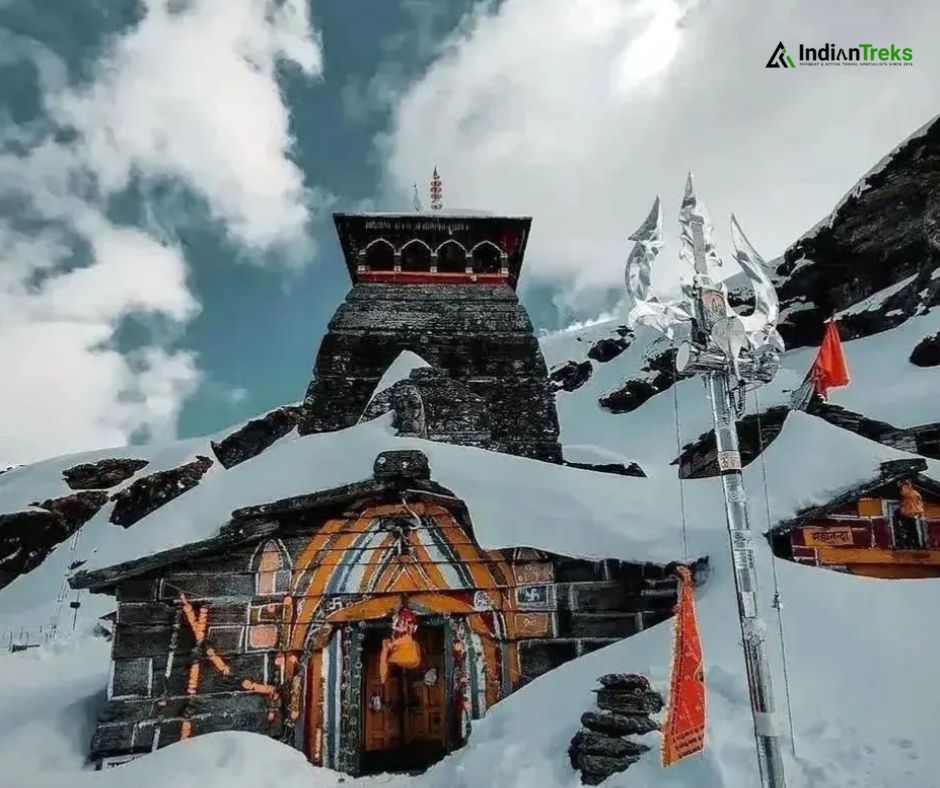
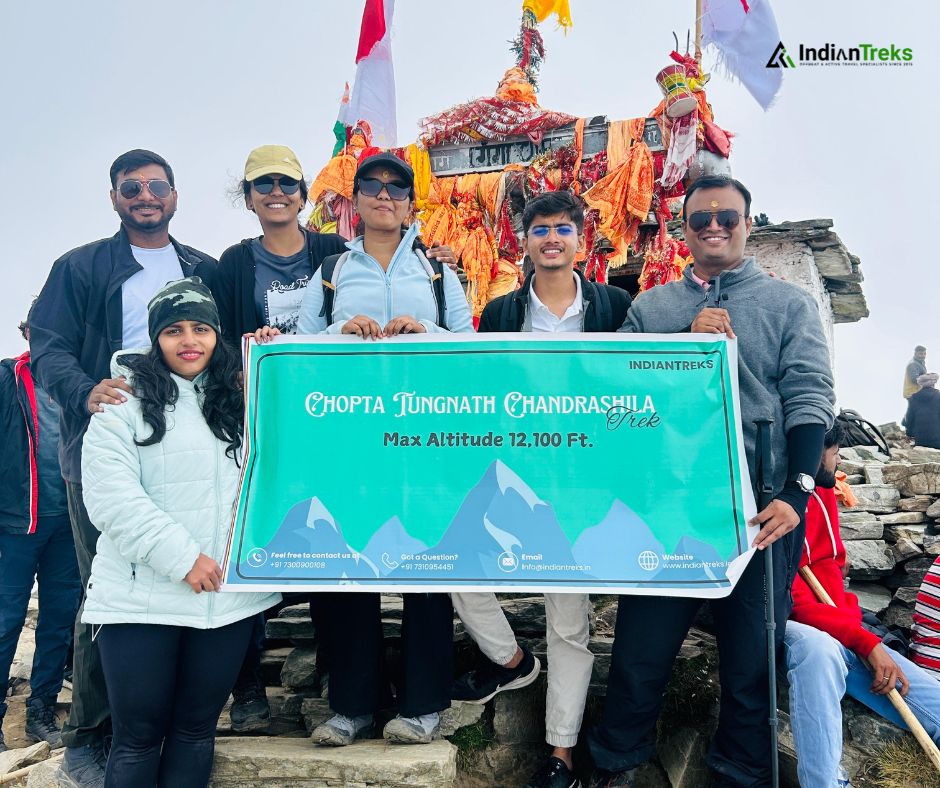
Perched high in the Garhwal Himalayas, the Tungnath–Chandrashila Trek is more than just an adventure—it is a soulful experience where spirituality blends seamlessly with nature’s magnificence. At 12,073 ft, Tungnath is the highest Shiva temple in the world and forms an integral part of the sacred Panch Kedar circuit. Just above it lies the legendary Chandrashila Summit, offering a 360° view of some of the tallest Himalayan peaks, making this trek both a pilgrimage and a paradise for trekkers. The Trail ExperienceThe journey begins at Chopta, lovingly called the “Mini Switzerland of India”. With its rolling meadows, captivating forests, and stunning Himalayan backdrop, Chopta sets the stage for an unforgettable trek.The trail winds through dense rhododendron and oak forests, alive with birdsong and exotic wildlife. As you climb higher, the path unfolds into rocky ridges that finally open up to grand vistas of Chaukhamba, Nanda Devi, Trishul, and Kedar Dome. Each step immerses you deeper into the serene landscapes of Uttarakhand’s Garhwal district, where beauty and divinity walk side by side.At Tungnath, trekkers are welcomed by the ancient temple dedicated to Lord Shiva, a site steeped in mythology and reverence. The climb further to Chandrashila Peak rewards you with breathtaking panoramic views that leave you spellbound—sunrises here are said to be among the finest in the entire Himalayas.Altitude and Height of Tungnath–Chandrashila TrekThe Tungnath Temple, resting peacefully at 12,073 ft (3,680 m), is not only the highest Shiva temple in the world but also a place where spirituality meets Himalayan beauty. The climb to Tungnath is moderate in difficulty, yet it feels rewarding at every step. The trail gradually unfolds views of snow-draped peaks, meadows glowing in the sunlight, and a silence that carries the essence of divinity. Many trekkers describe the experience as if they’ve stepped into a different realm—closer to the sky, closer to the gods.A little higher stands the Chandrashila Peak, rising at 13,123 ft (4,000 m). Though the distance is short, the trail is steep and demands steady effort. But once you reach the top, the world opens up—Nanda Devi, Chaukhamba, Kedarnath, and Trishul stand in full glory around you. The sunrise here is often described as one of the finest in the entire Himalayan range, a sight that alone makes the trek worth every ounce of energy spent.The shift in altitude from Chopta to Tungnath and finally Chandrashila makes this journey special. Dense rhododendron forests slowly give way to alpine ridges, and finally, wide-open summits where the sky feels within reach. This natural transition, combined with the spiritual aura of Tungnath, makes the trek unforgettable—a blend of divinity, adventure, and breathtaking Himalayan scenery.Difficulty Level of Tungnath–Chandrashila TrekThe Tungnath–Chandrashila Trek is widely known as a moderate and beginner-friendly trek. The five-kilometre stretch from Chopta to Tungnath Temple is well-marked, scenic, and relatively easy to walk on, though the gradual ascent can make you breathe a little harder. From Tungnath, a short but steeper climb leads up to the Chandrashila Peak (13,123 ft)—a section that adds just the right touch of adventure without being intimidating.What makes this trail so rewarding is the balance it offers. The effort is never overwhelming, and the serenity of meadows, forests, and Himalayan views far outweighs the climb. For newcomers, it is often the perfect introduction to trekking in the Himalayas, while seasoned trekkers see it as a refreshing journey filled with both nature and spirituality.Best Time to Do the TrekThe best season for the Tungnath–Chandrashila Trek is April to November, when the trail is open and weather conditions are favourable.Spring & Summer (April–June): Clear skies, pleasant temperatures, and blooming rhododendrons make the trail vibrant and welcoming.Monsoon (July–August): The forests and meadows turn lush and alive, but trekkers must be cautious as the trails can get slippery.Autumn (September–November): Perhaps the best time—crisp mountain air, unobstructed Himalayan views, and a calm atmosphere ideal for trekking.During the winter months (December–March), the region is usually buried under snow, and Tungnath Temple remains closed. Chopta, however, becomes a snowy wonderland, attracting travellers for winter walks and snow play.Key Highlights of the Tungnath–Chandrashila TrekTungnath Temple – Highest Shiva Shrine (12,073 ft): A sacred landmark of the Panch Kedar circuit, where mythology and spirituality blend seamlessly with the serenity of the Himalayas.Chandrashila Summit (13,123 ft): A short yet steep climb rewards you with a sweeping 360° view of Himalayan giants including Nanda Devi, Chaukhamba, Trishul, and Kedarnath.Chopta Meadows – Mini Switzerland of India: Begin your journey from lush alpine meadows framed by snow-covered peaks, offering the perfect base for this trek.Forest Trails Alive with Colour: Trek through enchanting oak and rhododendron forests that turn vibrant in spring, filling the trail with flowers, birds, and fresh mountain air.Breathtaking Sunrise Views: Watch the first light of day break over Himalayan ranges from Chandrashila—a moment many trekkers call the highlight of their Himalayan journeys.Perfect for Beginners & Families: With a well-defined path and moderate difficulty, this trek is accessible to first-timers while still exciting for experienced trekkers.Wildlife and Birdlife Encounters: The region is home to exotic Himalayan birds and animals, making it a delight for nature lovers and photographers alike.