
Select date
7 Days / 6 Nights
Easy
4.9 (13 reviews)
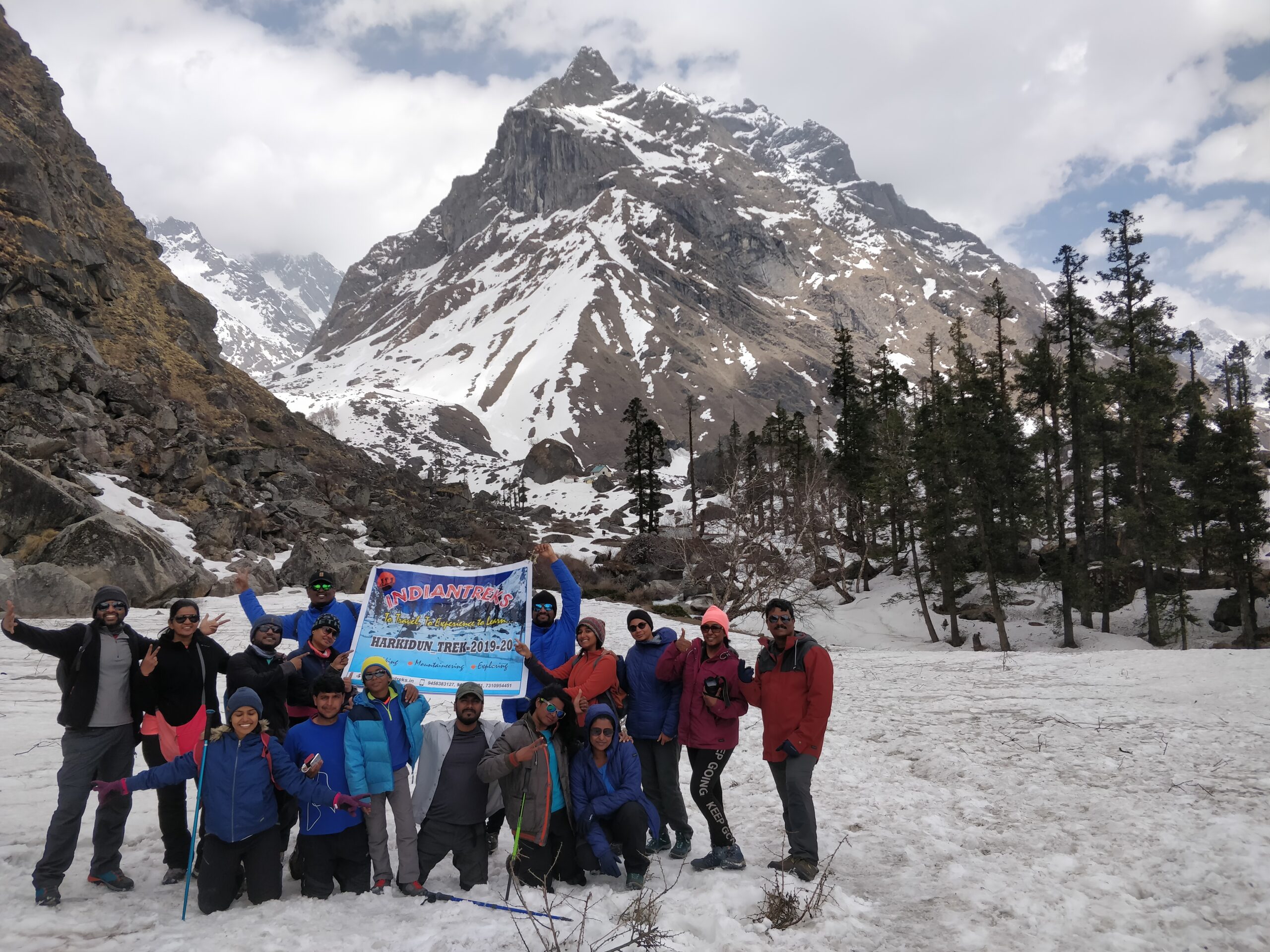
Har Ki Dun is a classic Garhwal valley trek that starts from Sankri and enters the Supin River valley. The trek reaches about 11,600 ft, is typically done over 7 days, and is best in spring and autumn.
Altitude
12100 ft.
Distance
35 km
Departure Time
7:30 To 8:00 AM
Season
April to June, September to November
Trip Category
domestic
Base Location
Sankri

Total Price (1 traveler)
₹9,499
10% OFFCheck availability for future dates.

Everything you need to know about Har Ki Dun Trek
Refund structure: 30+ days full refund less 1.99%, 15-30 days 80%, 10-15 days 40%, 8-10 days 40%, under 8 days no refund. 5% fee on all refunds. Refunds in 7 working days. Bad weather: free lifetime reschedule.
Note: Original reservation and departure date determine refund.
Everything you need to know about Har Ki Dun Trek
The Garhwal region of Uttarakhand, India, is home to the stunning valley of Har Ki Dun. It is renowned for its breathtaking natural beauty, meadows, pine trees, and vistas of the Himalayan ranges. It is situated at an elevation of roughly 3,566 meters (11,700 ft).
What makes Har Ki Dun well-known is:has tranquil hiking routes that provide stunning scenery.being abundant in biodiversity and a haven for birdwatchers.It is thought to be the route the Pandavas from the Mahabharata used to reach heaven, giving it mythological significance.
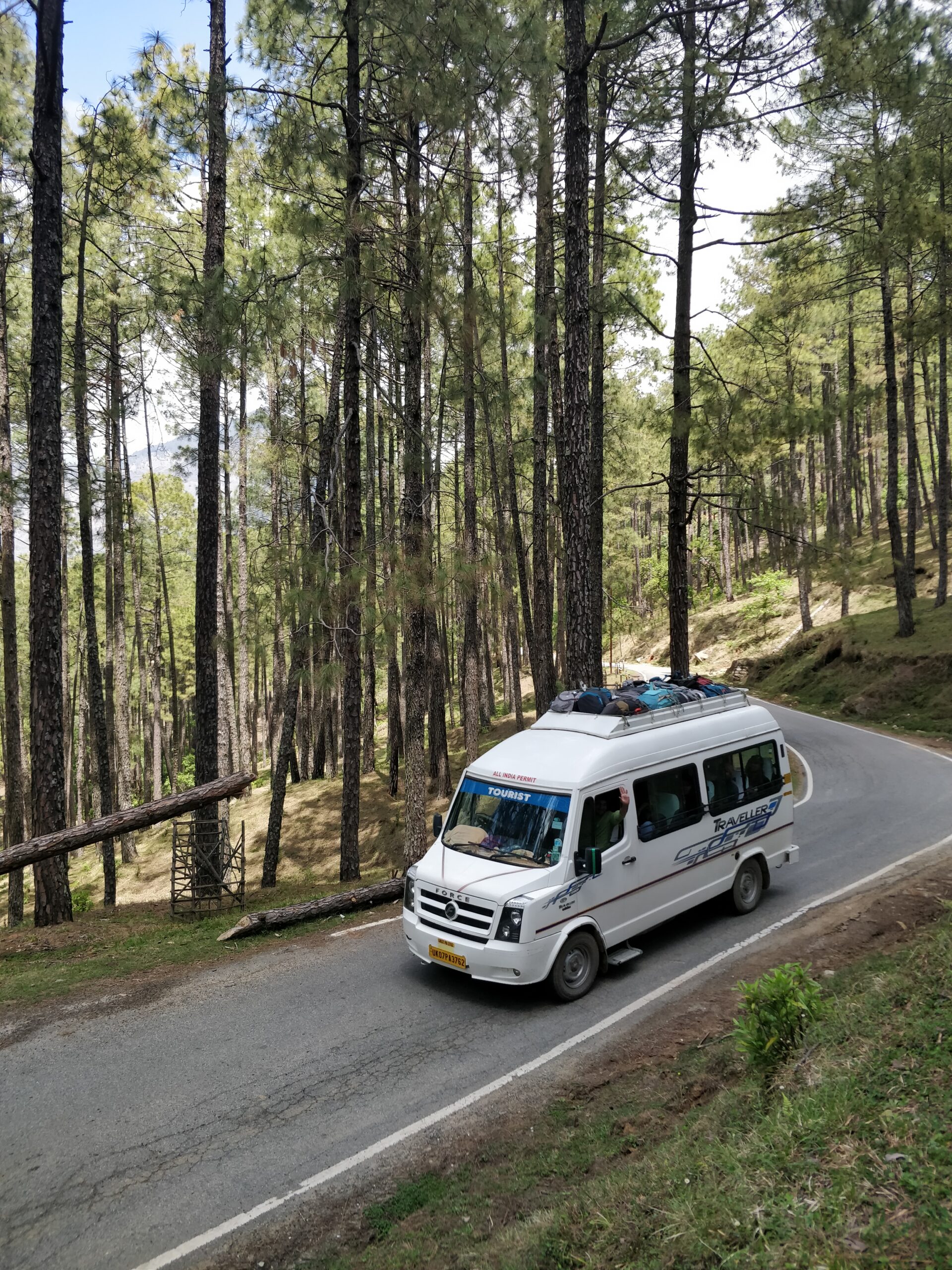
To reach Har Ki Dun, you need to:Travel to Dehradun, which is the nearest major city with good connectivity by train, flight, or bus.From Dehradun, drive to Sankri, the starting point of the trek (approximately 200 km, 7–8 hours).From Sankri, you will trek for 5–7 days to explore Har Ki Dun valley.
When is the ideal time to go to Har Ki Dun?April through June is the best time of year to trek and take in the clear skies.September through November is the post-monsoon season, which is ideal for photography and verdant scenery.Steer clear of the July–August monsoon season because of the high rainfall and landslides.
Yes, Har Ki Dun is considered a moderate trek, making it suitable for beginners with reasonable fitness levels. However, proper preparation, acclimatization, and guidance from experienced trekkers or local guides are essential.
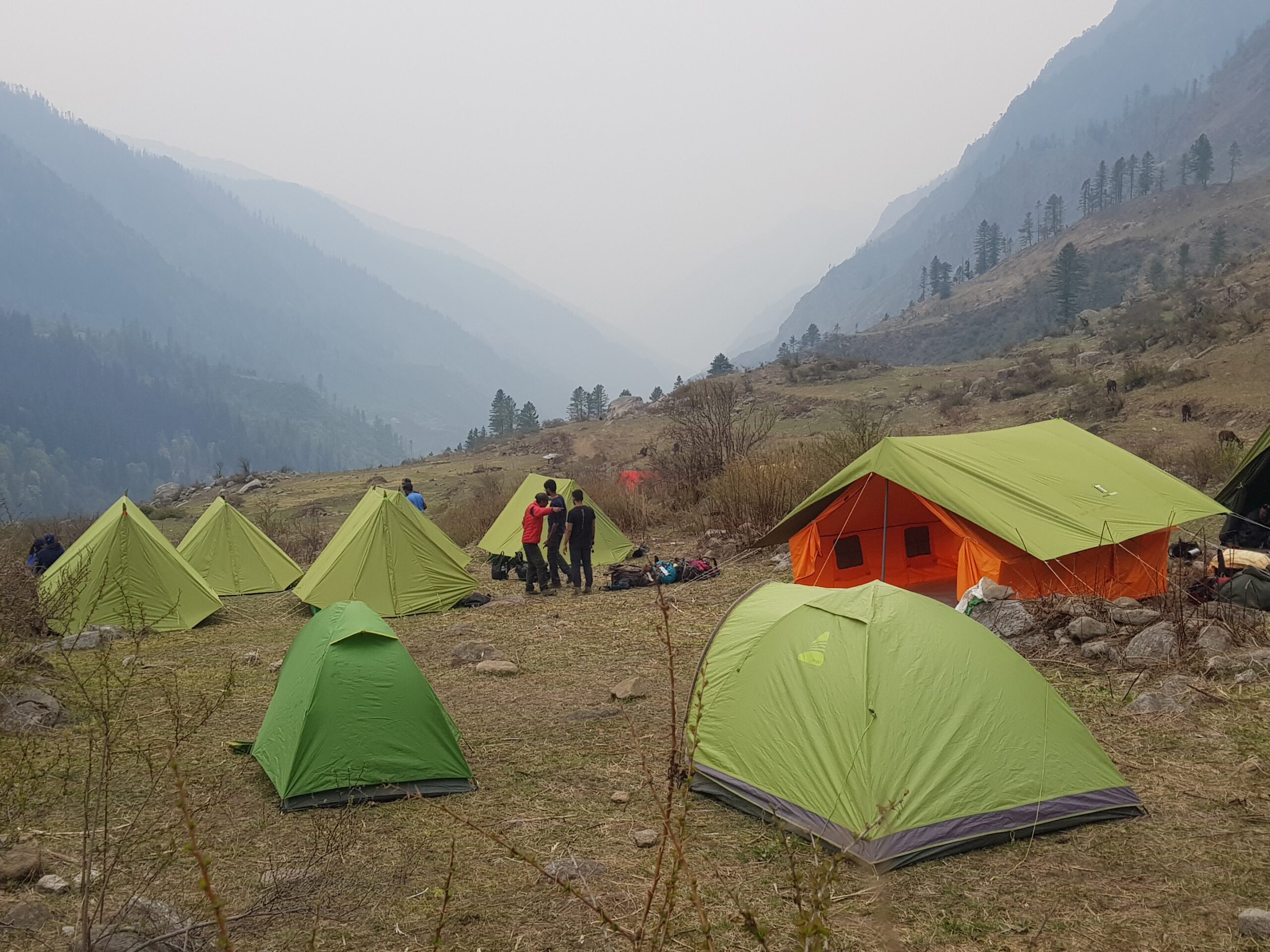
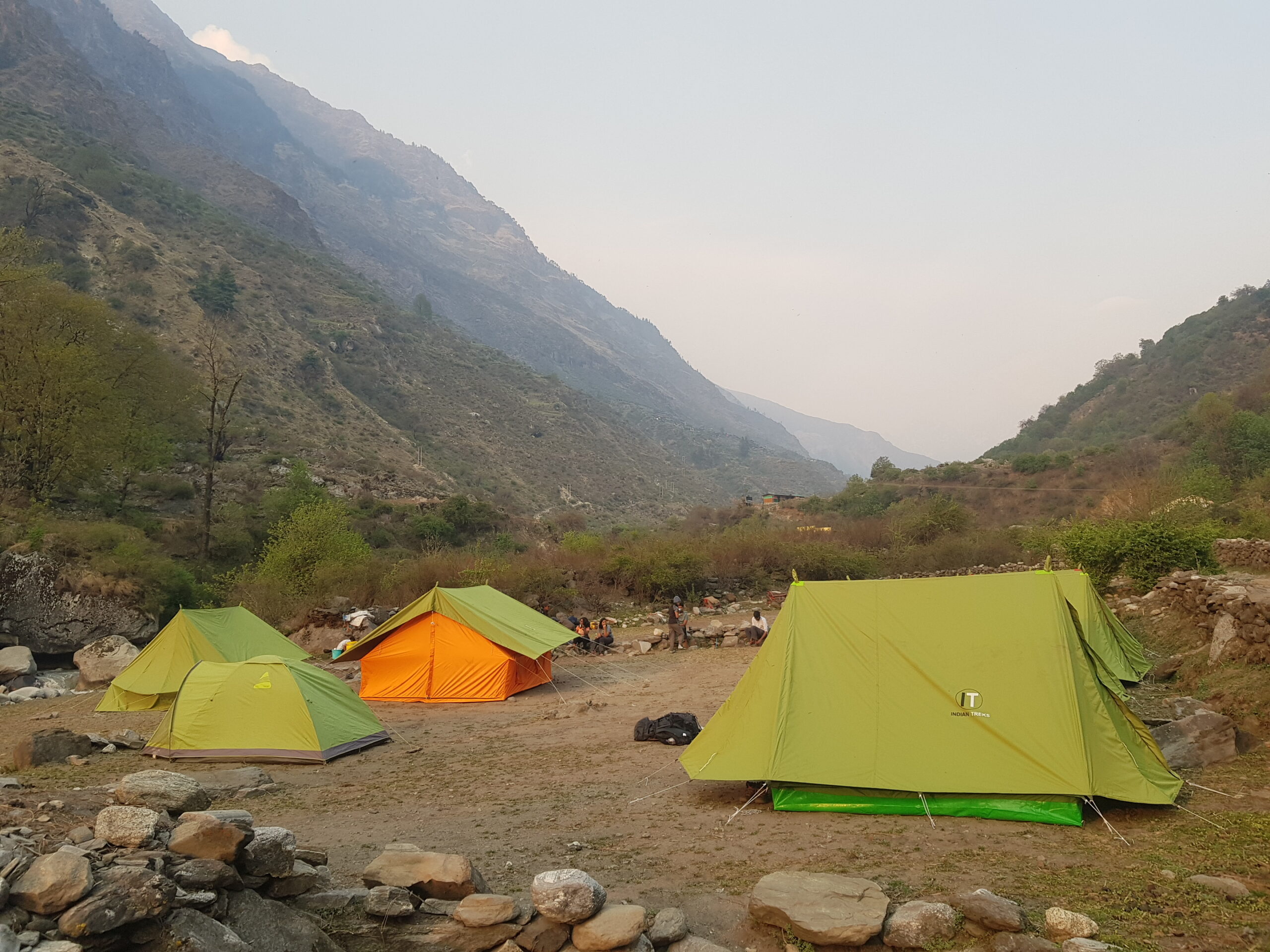
While on the trek, accommodations are typically:Camping in tents at designated spots.Basic guesthouses or homestays in villages like Osla or Sankri.You need to carry essential trekking gear or book through trekking companies for organized trips.
Among the necessities are:Rain gear, thick clothes, and trekking shoes.A backpack, trekking poles, and a sleeping bag.Energy bars, water bottles, and personal medications.Basic hygiene, a camera, and sunscreen.
Yes, trekkers need to obtain forest permits and pay an entry fee as the trek passes through Govind National Park. Trekking companies often arrange these permits for you.
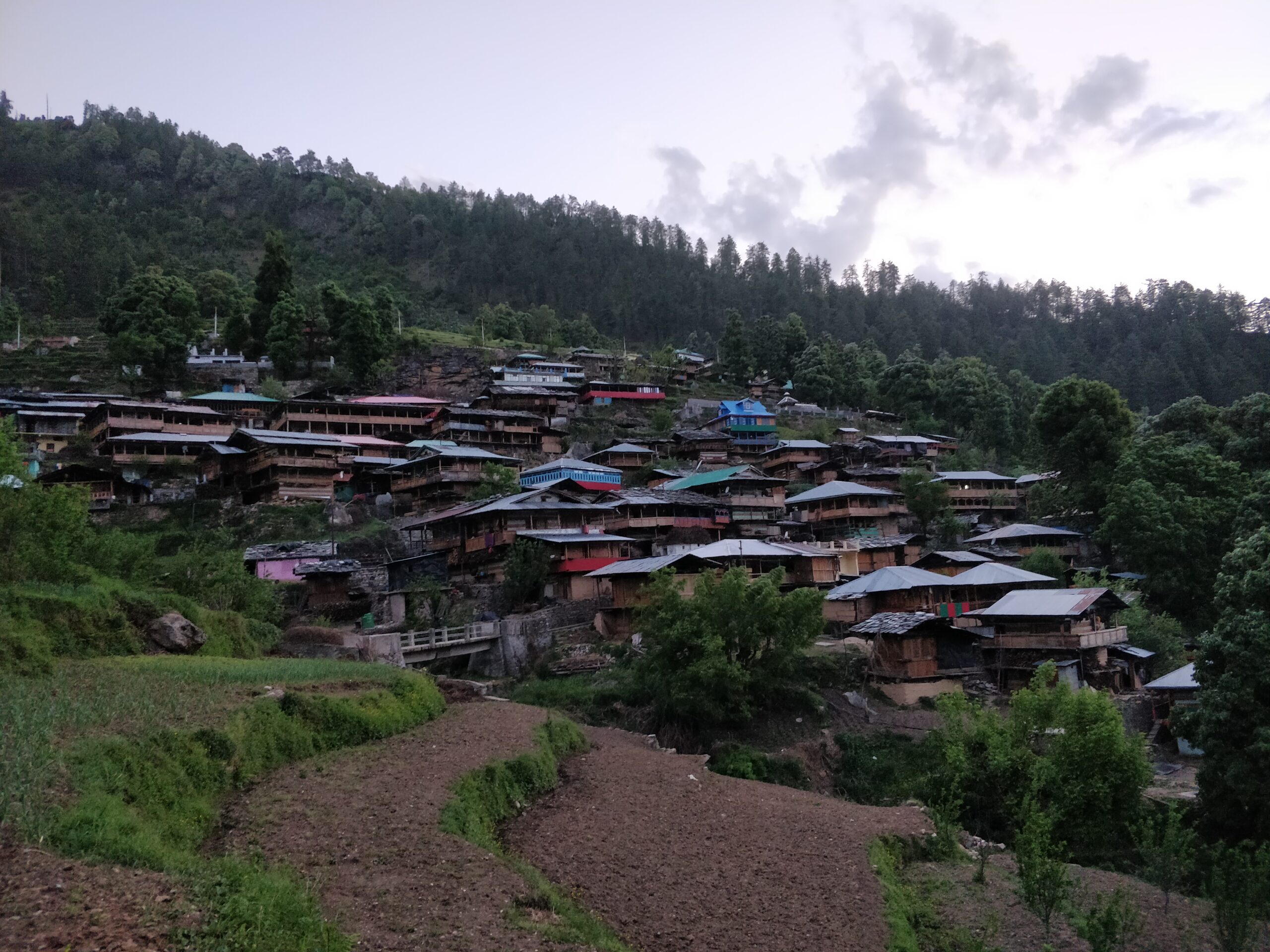
Stunning views of peaks like Swargarohini and Bandarpoonch.Ancient villages like Osla and Gangad, rich in culture and tradition.Lush meadows, alpine forests, and crystal-clear streams.
Yes, Har Ki Dun is often referred to as the "Valley of Gods" because it is believed that the Pandavas from the Mahabharata passed through this valley on their way to heaven via Swargarohini Peak.
Yes, you can combine Har Ki Dun with nearby treks such as Ruinsara Tal, which is a serene glacial lake, or Bali Pass Trek, for a more challenging adventure.
Har Ki Dun is home to diverse wildlife, including Himalayan black bears, musk deer, langurs, bharal (blue sheep), and various bird species such as monals and Himalayan griffons.
While it’s possible to trek solo, it’s not recommended due to the remoteness, changing weather conditions, and need for navigation skills. Hiring a guide or trekking with a group ensures safety and a more enjoyable experience.
Yes, villages like Osla and Sankri celebrate traditional Himalayan festivals, such as Phool Dei (welcoming spring) and other local fairs that showcase their unique culture, music, and rituals.
Typical difficulties include the following:steep climbs and descents during the journey.Unexpected weather changes, like rain or snow.restricted availability of facilities in isolated locations, such as food or medical assistance.Being athletic and well-prepared can help you overcome these obstacles.