

Addu Atoll Maldives: Islands, Transfers & Stay Planning

Rohan Malhotra
February 18, 2026
Discover Addu Atoll, the southernmost atoll in Maldives. Connected islands, world-class diving, British heritage & authentic local culture. Complete travel guide.
Introduction: Maldives' Southern Gem
Nestled in the southernmost reaches of the Maldives, Addu Atoll (also known as Seenu Atoll) stands as a unique paradise that offers travelers an authentic Maldivian experience far removed from the crowded resort islands of North Male Atoll. Unlike most atolls in the Maldives where islands are isolated and separated by vast stretches of ocean, Addu Atoll features a remarkable network of islands connected by causeways, creating the country's longest road and allowing visitors to explore multiple islands by bicycle or scooter.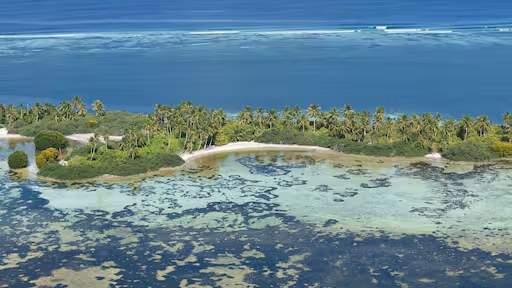 This heart-shaped atoll, located just south of the equator, boasts a rich history that includes its time as a British Royal Air Force base, pristine coral reefs teeming with marine life, and a welcoming local culture that invites visitors to experience the true Maldives beyond luxury resorts. Whether you're a diving enthusiast eager to explore World War II wrecks, a nature lover seeking encounters with sea turtles, or simply looking for a peaceful tropical getaway, Addu Atoll offers something truly special.
The atoll's unique geography, combined with its proximity to the equator, creates a year-round tropical climate with warm waters and abundant sunshine. Yet, despite its incredible offerings, Addu Atoll remains remarkably uncrowded compared to other Maldivian destinations, making it perfect for travelers seeking authentic experiences and genuine connections with local culture.
This heart-shaped atoll, located just south of the equator, boasts a rich history that includes its time as a British Royal Air Force base, pristine coral reefs teeming with marine life, and a welcoming local culture that invites visitors to experience the true Maldives beyond luxury resorts. Whether you're a diving enthusiast eager to explore World War II wrecks, a nature lover seeking encounters with sea turtles, or simply looking for a peaceful tropical getaway, Addu Atoll offers something truly special.
The atoll's unique geography, combined with its proximity to the equator, creates a year-round tropical climate with warm waters and abundant sunshine. Yet, despite its incredible offerings, Addu Atoll remains remarkably uncrowded compared to other Maldivian destinations, making it perfect for travelers seeking authentic experiences and genuine connections with local culture.
About Addu Atoll: Geography & Islands
Addu Atoll holds the distinction of being the southernmost atoll in the Maldives, located approximately 540 kilometers south of Male and just 0.5 degrees north of the equator. This strategic location near the equator means the atoll enjoys consistent warm temperatures throughout the year, making it an ideal destination regardless of when you choose to visit. What truly sets Addu Atoll apart from other Maldivian atolls is its unique connectivity. The atoll comprises several inhabited islands—Gan, Hithadhoo, Maradhoo, Feydhoo, and Meedhoo—that are linked by a series of causeways, creating a 17-kilometer road that allows visitors to easily explore multiple islands. This interconnectedness is unprecedented in the Maldives and offers travelers the opportunity to experience local life, visit beaches on different islands, and explore at their own pace.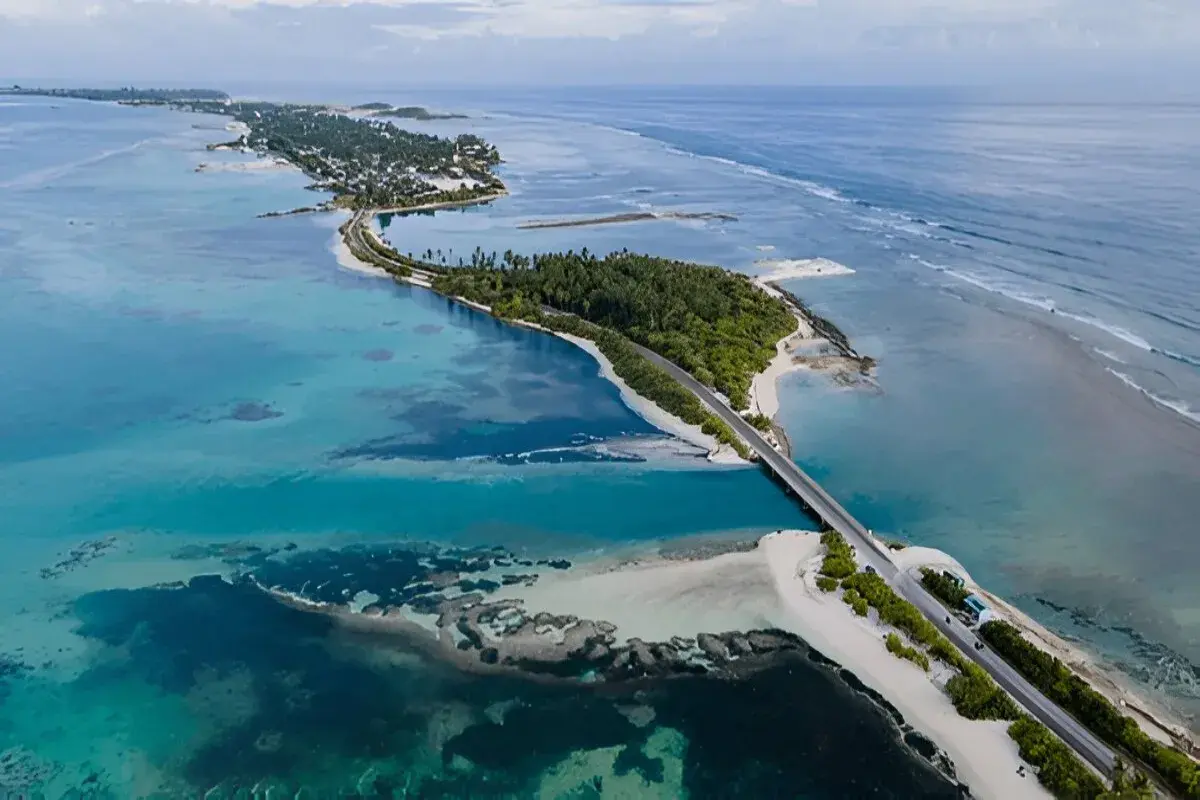 Gan Island, the largest in the atoll, holds particular historical significance as it was home to a British Royal Air Force base from 1941 until 1976. Today, remnants of this colonial past can still be seen, including the former RAF buildings that have been repurposed into Equator Village resort. The island also houses Gan International Airport, making it the primary gateway for visitors arriving by domestic flight from Male.
Hithadhoo, the most populous island in Addu Atoll, serves as the commercial and administrative center. Here, visitors will find local markets, shops, restaurants serving authentic Maldivian cuisine, and friendly residents eager to share their culture. The island's eastern side features beautiful natural beaches, while the western portion offers glimpses into daily Maldivian life.
Maradhoo and Feydhoo are smaller, quieter islands known for their serene beaches and relaxed atmosphere. These islands are particularly popular among visitors seeking to escape crowds and enjoy peaceful beach walks, especially at the designated bikini beaches where tourists can swim freely in beachwear.
The atoll's unique heart shape is best appreciated from above, and its position near the equator means that the coral reefs here are distinct from those found in other parts of the Maldives. The combination of shallow lagoons, deep channels, and abundant marine life creates an underwater paradise that attracts divers and snorkelers from around the world.
Gan Island, the largest in the atoll, holds particular historical significance as it was home to a British Royal Air Force base from 1941 until 1976. Today, remnants of this colonial past can still be seen, including the former RAF buildings that have been repurposed into Equator Village resort. The island also houses Gan International Airport, making it the primary gateway for visitors arriving by domestic flight from Male.
Hithadhoo, the most populous island in Addu Atoll, serves as the commercial and administrative center. Here, visitors will find local markets, shops, restaurants serving authentic Maldivian cuisine, and friendly residents eager to share their culture. The island's eastern side features beautiful natural beaches, while the western portion offers glimpses into daily Maldivian life.
Maradhoo and Feydhoo are smaller, quieter islands known for their serene beaches and relaxed atmosphere. These islands are particularly popular among visitors seeking to escape crowds and enjoy peaceful beach walks, especially at the designated bikini beaches where tourists can swim freely in beachwear.
The atoll's unique heart shape is best appreciated from above, and its position near the equator means that the coral reefs here are distinct from those found in other parts of the Maldives. The combination of shallow lagoons, deep channels, and abundant marine life creates an underwater paradise that attracts divers and snorkelers from around the world.
Best Time to Visit Addu Atoll
Addu Atoll enjoys a tropical climate with warm temperatures throughout the year, thanks to its proximity to the equator. However, understanding the seasonal variations can help you plan the perfect trip based on your preferences for weather, crowds, and activities.| Season | Months | Weather | Pros | Cons |
|---|---|---|---|---|
| Dry Season | Nov - Apr | Sunny, calm seas | Ideal weather, best visibility | Peak rates, more tourists |
| Wet Season | May - Oct | Rainy, humid | Lower prices, fewer crowds | Limited visibility, rougher seas |
| Shoulder | Apr & Nov | Mixed weather | Good value, decent conditions | Unpredictable weather |
How to Reach Addu Atoll from Male
Reaching Addu Atoll requires a bit more planning than visiting resort islands near Male, but the journey is well worth the effort. The atoll's remote location in the southern Maldives means there's no ferry service from Male, making air travel the primary option for most visitors. The most common and convenient way to reach Addu Atoll is by domestic flight from Velana International Airport in Male. Several airlines, including Maldivian and Manta Air, operate daily flights to Gan International Airport, with flight times averaging approximately 70 minutes. These domestic flights are an experience in themselves, offering spectacular aerial views of the Maldives' scattered atolls, turquoise lagoons, and coral islands as you make your way south.
Flights typically depart throughout the day, with the earliest departure around 6:00 AM and the last flight usually departing in the early afternoon. It's advisable to book your domestic flight in advance, particularly during peak season, as seats can fill up quickly. The cost of a one-way domestic flight ranges from $150 to $250 USD depending on the season and how far in advance you book.
The most common and convenient way to reach Addu Atoll is by domestic flight from Velana International Airport in Male. Several airlines, including Maldivian and Manta Air, operate daily flights to Gan International Airport, with flight times averaging approximately 70 minutes. These domestic flights are an experience in themselves, offering spectacular aerial views of the Maldives' scattered atolls, turquoise lagoons, and coral islands as you make your way south.
Flights typically depart throughout the day, with the earliest departure around 6:00 AM and the last flight usually departing in the early afternoon. It's advisable to book your domestic flight in advance, particularly during peak season, as seats can fill up quickly. The cost of a one-way domestic flight ranges from $150 to $250 USD depending on the season and how far in advance you book.
| Transport | Duration | Cost (Approx.) | Notes |
|---|---|---|---|
| Domestic Flight | 70 minutes | $150-250 | Most convenient option |
| Resort Transfer | Varies | Included | If staying at luxury resort |
| Speedboat | N/A | N/A | Not available from Male |
Top Resorts & Accommodations
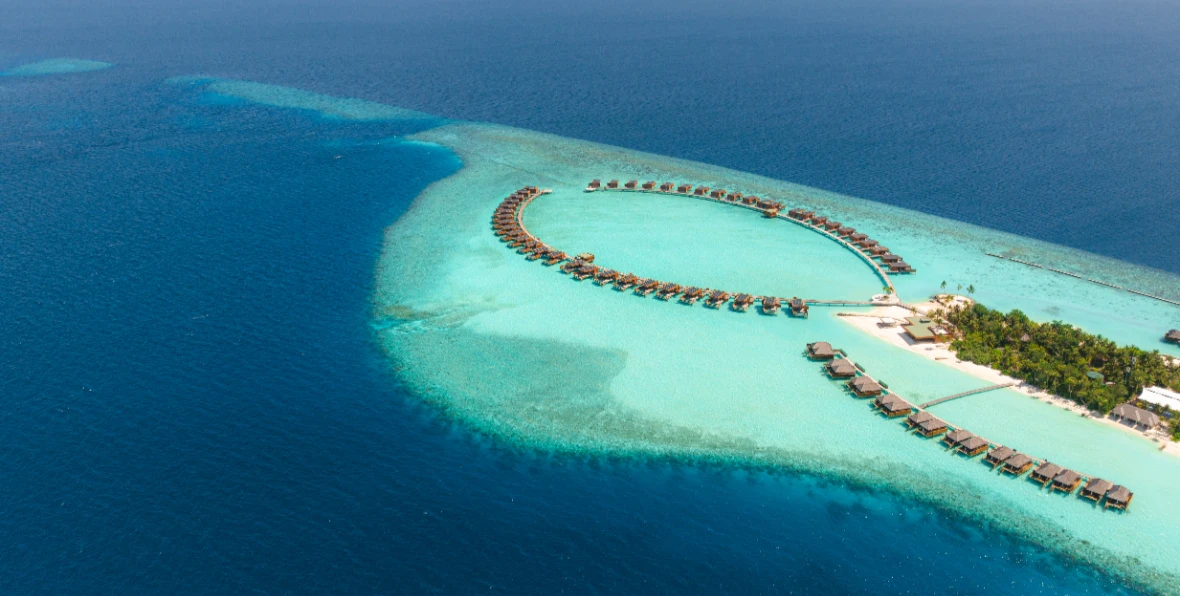
Addu Atoll offers a diverse range of accommodation options, from ultra-luxury private island resorts to budget-friendly guesthouses that provide authentic local experiences. Whether you're seeking all-inclusive luxury or affordable comfort, you'll find suitable options in this southern paradise.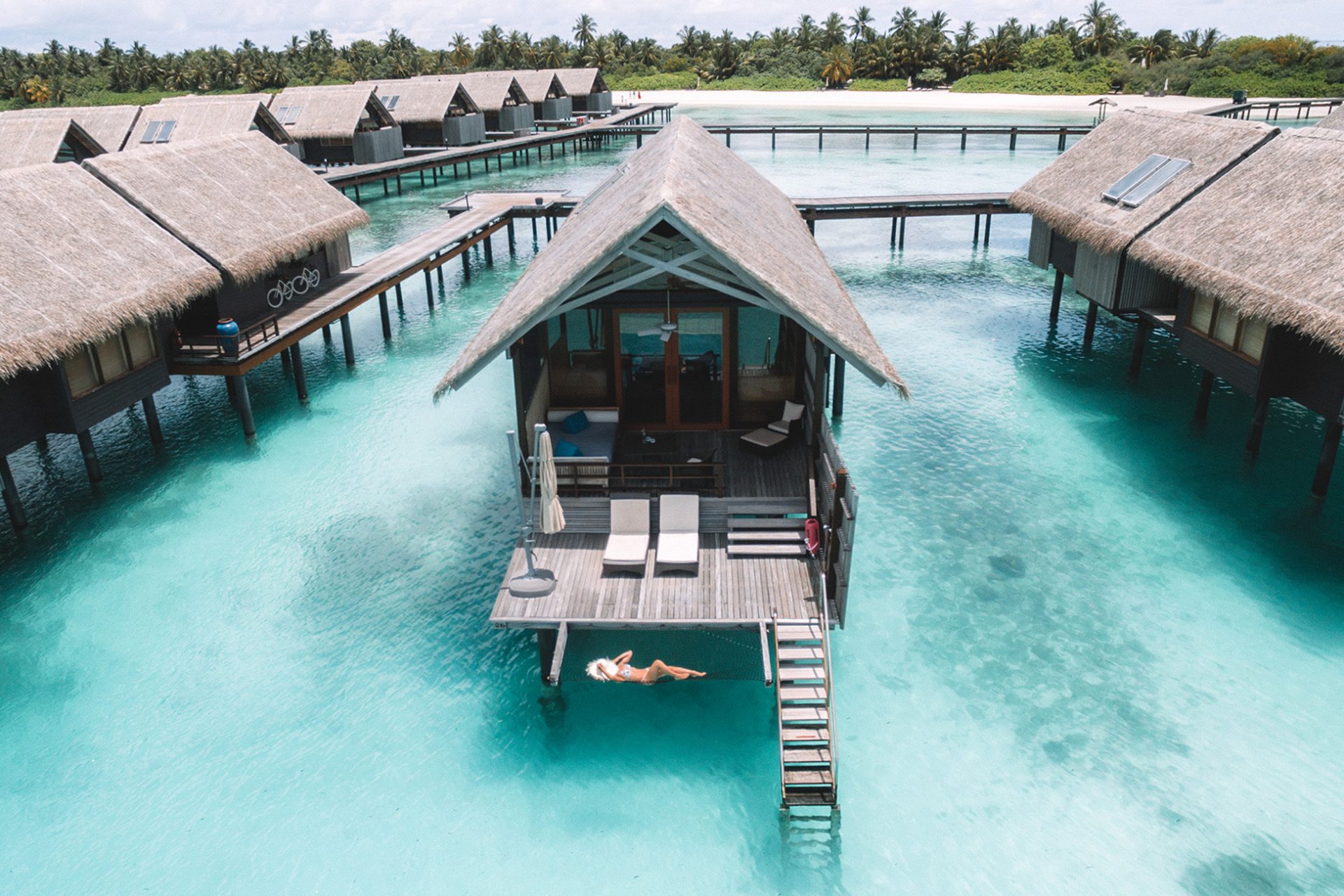
Shangri-La's Villingili Resort & Spa – Ultra-Luxury
Shangri-La's Villingili Resort & Spa represents the pinnacle of luxury in Addu Atoll. Located on its own private island, this 5-star resort offers guests an exclusive retreat with world-class amenities. The resort features spacious villas ranging from beachfront accommodations to overwater bungalows, each elegantly designed with traditional Maldivian touches and modern comforts. Resort highlights include multiple restaurants serving international and local cuisine, a luxurious spa offering traditional Maldivian treatments, infinity pools, and a wide range of water sports and diving facilities. The resort's private golf course—unique in the Maldives—allows golfers to play amid tropical surroundings with ocean views. The all-inclusive package here ensures a completely worry-free experience, though prices reflect the premium positioning, typically starting from $600-$800+ per night depending on the season and villa type.Equator Village – Mid-Range Heritage Option
For travelers seeking comfort with character, Equator Village offers a unique stay experience. Housed in the former British Royal Air Force officers' quarters, this mid-range resort retains much of its colonial charm while providing modern amenities. The property features a swimming pool, restaurant, bar, and direct access to beautiful beaches on Gan Island. What makes Equator Village special is its historical significance and relaxed atmosphere. The rooms, while not as luxurious as those at Shangri-La, are comfortable, clean, and reasonably priced at around $150-250 per night. The resort's location on Gan Island makes it easy to explore other islands in the atoll via the connecting causeways. Diving facilities are available, and the resort's dive center is known for excellent service and knowledgeable instructors who can guide you to Addu's best underwater sites.Canareef Resort – All-Inclusive Family Option
Canareef Resort, located on Herethere Island, offers an all-inclusive experience that's popular with families and couples seeking good value. The resort features comfortable villas, multiple dining options, swimming pools, and a comprehensive range of activities including diving, snorkeling, excursions, and entertainment programs. The resort's all-inclusive package covers meals, selected drinks, and various activities, making it easier to budget for your trip. Prices typically range from $300-500 per night depending on the season and room category. The resort's house reef offers decent snorkeling, though serious divers will want to venture to outer reefs for the best experiences.Local Guesthouses – Authentic Budget Experience
For travelers seeking authentic cultural immersion and significant savings, Addu Atoll offers several guesthouses on the inhabited islands. Properties like Anda Residence, Reventures, and various family-run guesthouses in Hithadhoo, Maradhoo, and Feydhoo provide basic but comfortable accommodations ranging from $50-100 per night. Staying in a guesthouse puts you in the heart of local communities, allowing you to experience daily Maldivian life, eat at local restaurants, and interact with residents. The guesthouses typically offer clean, air-conditioned rooms with private bathrooms, and some can arrange meals, tours, and diving excursions. Keep in mind that alcohol is not available on local islands due to Maldivian law, though some guesthouses can arrange special gatherings at tourist-approved locations.Things to Do in Addu Atoll
Addu Atoll offers a wealth of activities and experiences that go far beyond typical beach relaxation. From world-class diving to historical exploration and cultural immersion, there's something to captivate every type of traveler in this southern paradise.Diving & Snorkeling – World-Class Underwater Experiences
Addu Atoll has earned a reputation as one of the Maldives' premier diving destinations, and for good reason. The atoll's unique geography and position near the equator create ideal conditions for coral growth and marine life diversity. Unlike many diving destinations that have specific seasons, Addu offers excellent diving year-round, though conditions vary with weather patterns.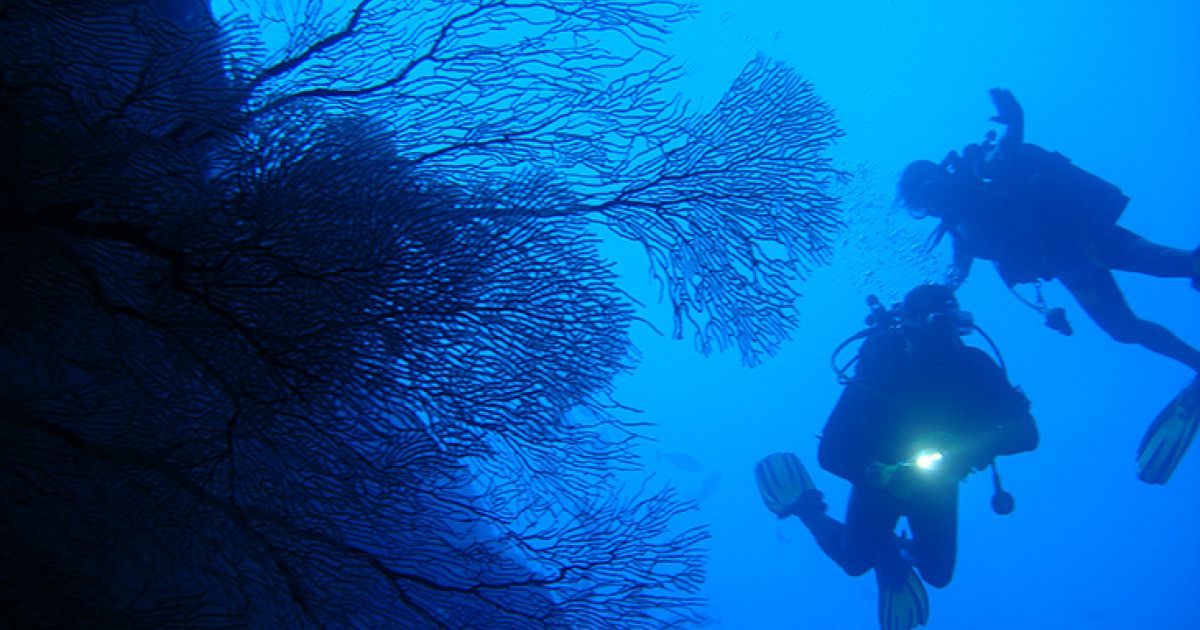 The atoll is famous for its manta ray cleaning stations, particularly at sites like Manta Point and Sharks Point. Here, you can witness these graceful creatures as they visit cleaning stations where smaller fish remove parasites from their bodies—an extraordinary natural spectacle. The best time to encounter mantas is generally from April to June and September to November, though sightings occur throughout the year.
World War II wrecks add a fascinating historical dimension to Addu's diving offerings. The British Loyalty, a British oil tanker torpedoed in 1946, lies intact in relatively shallow waters (around 33 meters deep) and is accessible to advanced divers. The wreck has become an artificial reef, attracting a diverse array of marine life including schools of batfish, napoleon wrasse, and occasional reef sharks.
For snorkelers, Addu Atoll's house reefs offer excellent opportunities, particularly around the resort islands. The shallow lagoons and reef edges are home to colorful coral gardens, turtles, reef fish, and rays. Many resorts offer guided snorkeling excursions to the best spots, and some locations feature swim-throughs and underwater formations that make for exciting exploration.
Dive centers in Addu, particularly those associated with resorts, offer PADI certification courses, guided dives, and equipment rental. The diving here is generally suitable for all experience levels, from beginners completing their Open Water certification to advanced divers seeking challenging wreck dives and drift dives along the atoll's outer edges.
The atoll is famous for its manta ray cleaning stations, particularly at sites like Manta Point and Sharks Point. Here, you can witness these graceful creatures as they visit cleaning stations where smaller fish remove parasites from their bodies—an extraordinary natural spectacle. The best time to encounter mantas is generally from April to June and September to November, though sightings occur throughout the year.
World War II wrecks add a fascinating historical dimension to Addu's diving offerings. The British Loyalty, a British oil tanker torpedoed in 1946, lies intact in relatively shallow waters (around 33 meters deep) and is accessible to advanced divers. The wreck has become an artificial reef, attracting a diverse array of marine life including schools of batfish, napoleon wrasse, and occasional reef sharks.
For snorkelers, Addu Atoll's house reefs offer excellent opportunities, particularly around the resort islands. The shallow lagoons and reef edges are home to colorful coral gardens, turtles, reef fish, and rays. Many resorts offer guided snorkeling excursions to the best spots, and some locations feature swim-throughs and underwater formations that make for exciting exploration.
Dive centers in Addu, particularly those associated with resorts, offer PADI certification courses, guided dives, and equipment rental. The diving here is generally suitable for all experience levels, from beginners completing their Open Water certification to advanced divers seeking challenging wreck dives and drift dives along the atoll's outer edges.
British Heritage Exploration – Step Back in Time
Addu Atoll's unique history as a British Royal Air Force base during World War II and beyond has left an indelible mark on the atoll, particularly on Gan Island. History enthusiasts and curious travelers alike will find fascinating remnants of this colonial period scattered throughout the island. Exploring the former RAF base provides insights into a lesser-known chapter of World War II history in the Indian Ocean. Many of the original British buildings have been remarkably well-preserved, particularly at Equator Village, which occupies the former RAF officers' quarters. The architecture—functional tropical colonial design with wide verandas and high ceilings—reflects the practical considerations of building in a tropical climate before air conditioning became common. The Gan Island cemetery, where British servicemen who died during their posting in the Maldives are buried, stands as a poignant reminder of the island's wartime importance. The well-maintained cemetery offers a quiet space for reflection and features headstones that tell personal stories of the young men who served here thousands of miles from home. Guided tours of the historical sites are available through some resorts, or you can explore independently if you're staying on Gan Island. The combination of tropical beauty and colonial history creates a unique atmosphere that sets Addu apart from other atolls in the Maldives.Cross the Equator – Unique Photo Opportunity
One of Addu Atoll's most quirky attractions is the equator crossing ceremony. As the southernmost atoll in the Maldives, Addu lies extremely close to the equator, and some boat excursions offer the opportunity to cross this imaginary line that divides our planet. Depending on the tour operator, crossing the equator might involve a ceremonial certificate presentation, photos marking the occasion, and even entertaining rituals involving Neptune (the Roman god of the sea) or King Neptune ceremonies. These lighthearted traditions, originally practiced by sailors crossing the equator, have been adapted for tourist excursions and add a fun element to the Addu experience. Even without an organized ceremony, the knowledge that you're standing just kilometers north of the equator—where the seasons are reversed compared to the northern hemisphere and the sun passes directly overhead during equinoxes—adds a geographical specialness to your visit.Island Hopping by Bicycle – Explore Connected Islands
The network of causeways connecting Addu's islands creates one of the most unique exploration opportunities in the Maldives. Renting a bicycle and pedaling between islands offers a wonderful way to experience the atoll at a relaxed pace, stopping wherever catches your interest. Bicycles can be rented from guesthouses, local shops, or through resorts for around $5-10 per day. The 17-kilometer road connecting the islands is flat and well-maintained, making for easy cycling regardless of your fitness level. Along the way, you'll pass local neighborhoods, schools, mosques, shops, and restaurants, gaining genuine insight into Maldivian daily life. Each island has its own character and attractions. Hithadhoo offers the most commercial activity with its markets and shops. Maradhoo and Feydhoo are quieter and feature beautiful local beaches. Meedhoo, the oldest inhabited island in the atoll, has historical significance and a peaceful atmosphere. Cycling allows you to explore these differences firsthand and discover your own favorite spots. The causeways themselves are impressive engineering structures, particularly considering they were built to withstand the tropical conditions and powerful ocean currents. Stopping on the causeways to watch the water flow beneath, observe local fishermen, or simply enjoy the views in both directions is part of the experience.Bikini Beaches – Sunbathing & Swimming
While Maldivian culture traditionally requires modest dress, particularly on local islands, Addu Atoll has designated bikini beaches where tourists can swim and sunbathe in beachwear. These designated areas provide a comfortable space for international visitors who prefer the freedom of swimwear. Feydhoo and Maradhoo both have well-maintained bikini beaches with facilities including showers, changing areas, and sometimes small cafes or snack shops. These beaches typically feature powdery white sand, calm turquoise waters, and good snorkeling just offshore. They're also less crowded than resort beaches, giving you a more private experience. It's important to respect local customs when traveling between bikini beaches and other areas. When on local islands outside the designated bikini beach areas, modest dress covering shoulders and knees is appreciated. This respect for local culture is appreciated by residents and helps maintain positive relationships between tourists and host communities.Fishing Experiences – Traditional Maldivian Sport
Fishing has been central to Maldivian life for centuries, and experiencing traditional fishing methods connects visitors to this essential aspect of local culture. Various fishing experiences are available in Addu Atoll, from night fishing excursions to big game fishing adventures. Night fishing trips typically depart around sunset and involve traditional hand-line fishing techniques. Under the stars, with minimal light pollution in this remote part of the Maldives, you'll fish for snapper, emperor fish, and other reef species. Many operators will cook your catch on board or back at shore for a fresh dinner, creating a true farm-to-sea-to-table experience. For more adventurous anglers, big game fishing expeditions can be arranged to target species like tuna, marlin, and wahoo in the deeper waters beyond the atoll. These trips typically use modern equipment and larger boats suitable for ocean fishing.Water Sports – Jet Skiing, Kayaking & More
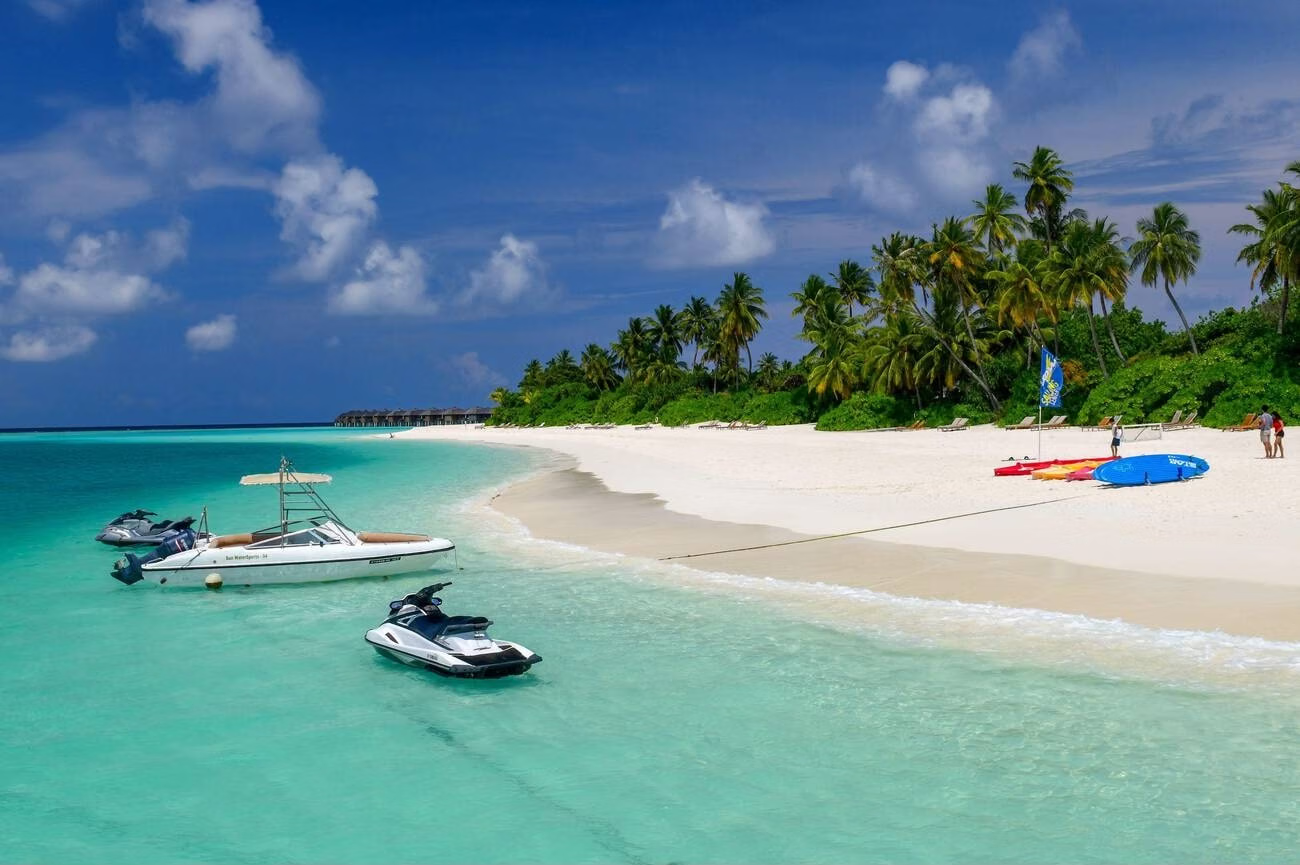
The calm, protected lagoons of Addu Atoll provide ideal conditions for various water sports. Resorts and independent operators offer equipment rental and instruction for activities including jet skiing, kayaking, stand-up paddleboarding, windsurfing, and water skiing. Jet skiing offers an exhilarating way to explore the atoll's coastline and visit remote beaches. The generally calm waters make jet skiing accessible even for beginners, though operators will provide safety briefings and may guide tours to ensure you see the best spots. Kayaking and paddleboarding provide a more peaceful way to explore, allowing you to navigate shallow areas and get close to marine life without disturbing it. Early morning paddles often reward with sightings of turtles, rays, and even dolphins that frequent the lagoons.Local Culture & Experiences
Beyond its natural beauty and recreational activities, Addu Atoll offers rich cultural experiences that provide insight into authentic Maldivian life. The atoll's relative isolation and unique history have created a distinctive local culture that welcomes visitors while preserving traditional ways of life.Local Life – Authentic Maldivian Culture
Staying on or visiting the inhabited islands of Addu Atoll offers a window into daily Maldivian life that resort visitors rarely experience. The rhythm of life here revolves around fishing, prayer, family, and community, and visitors who take the time to observe and participate in this daily rhythm are richly rewarded. Early morning is a particularly vibrant time in local islands, as fishermen return with their overnight catches and prepare fish for market and family consumption. The sight of traditional dhoni boats bringing in fresh fish, followed by the energetic fish market activity, represents a tradition that has sustained Maldivian communities for generations. Visiting local mosques, particularly the historic Friday Mosque in Hithadhoo, provides insight into the Islamic faith that is central to Maldivian culture. While non-Muslims typically cannot enter prayer rooms, the architecture and peaceful mosque grounds are worth viewing. Remember to dress modestly and respect prayer times when visiting religious sites.Maldivian Cuisine – Flavors of the Islands
Maldivian cuisine reflects the atoll's geography and history, featuring fresh seafood, coconut, rice, and influences from Indian, Arabic, and Asian cooking traditions. Local restaurants and cafes in Addu Atoll serve authentic dishes that give you a true taste of the islands. Traditional Maldivian food centers around fish, particularly tuna, which appears in countless dishes. Mas huni, a breakfast dish of shredded smoked tuna, grated coconut, onions, and chili served with flatbread, is a must-try. Garudhiya, a clear fish soup served with rice, lime, and chili, is another staple that locals eat daily. Seafood curries, featuring fresh catch from the atoll's waters, are flavored with coconut milk and local spices. These dishes range from mild to very spicy—be sure to ask about the heat level if you're sensitive to chili. Hedhikaa, the Maldivian word for snacks and short eats, includes various savory pastries, fish cakes, and sweet treats that locals enjoy with tea throughout the day. Many guesthouses and resorts offer cooking classes where you can learn to prepare traditional Maldivian dishes. These classes typically include a visit to the local market to select ingredients, hands-on preparation, and of course, enjoying your creations afterward.Local Crafts & Souvenirs
While Addu Atoll is not a major shopping destination compared to Male, there are opportunities to purchase locally made crafts and souvenirs that support local artisans and provide lasting memories of your visit. Traditional Maldivian crafts include woven mats, baskets, and bags made from local palm fibers. These items feature intricate geometric patterns and are both beautiful and practical. Wood carving, once a significant craft tradition, can still be found in the form of decorative objects and small boats. When purchasing souvenirs, prioritize locally made items over mass-produced imports. This ensures your money directly benefits local communities and you're taking home authentic handicrafts rather than generic tourist items.Travel Tips & Practical Information
To make the most of your Addu Atoll experience, it's helpful to understand some practical aspects of visiting this remote paradise. Being prepared with the right information and expectations will help ensure a smooth, enjoyable trip.Currency & Payments
The local currency is the Maldivian Rufiyaa (MVR), though US dollars are widely accepted at resorts and larger establishments. As of recent exchange rates, 1 USD equals approximately 15-16 MVR. While credit cards are accepted at resorts and some guesthouses, it's advisable to carry some cash for smaller establishments, local restaurants, and tips. ATMs are available on Hithadhoo and at Gan Airport, but they can be unreliable and may not accept foreign cards. It's best to arrive with sufficient cash or withdraw in Male before traveling to Addu Atoll. Resorts typically operate on a cashless system where you sign for everything and settle your bill at departure.Language
Dhivehi is the official language of the Maldives, but English is widely spoken, particularly in tourism-related businesses. Resort staff, dive instructors, and most guesthouse owners communicate comfortably in English. Learning a few basic Dhivehi phrases—such as "hello" (assalaamu alaikum), "thank you" (shukuriyaa), and "goodbye" (dhanee)—will be appreciated by locals and enhance your interactions.Getting Around
The connected nature of Addu's islands makes getting around relatively straightforward. Taxis are available and inexpensive, typically charging around 20-50 MVR ($1-3 USD) for trips within and between islands. Bicycles can be rented from guesthouses and local shops, providing an enjoyable way to explore at your own pace. For reaching some beaches and spots that aren't accessible by road, local boats can be chartered. Resorts typically offer their own boat transfers and excursions. If you're planning to explore extensively, consider arranging transportation through your accommodation, as they often have reliable contacts and can negotiate fair prices.Budget Considerations
Addu Atoll can be enjoyed on various budgets, though costs are generally lower than Male atoll resorts. Luxury resorts like Shangri-La range from $600-1000+ per night, while mid-range options like Equator Village cost around $150-250 per night. Guesthouses offer the most affordable accommodations at $50-100 per night. Meals at local restaurants cost around $5-15 per person, while resort dining is significantly higher at $30-50+ per meal. Diving typically costs $80-150 per dive depending on the location and whether equipment rental is included. Activities and excursions vary widely but budget around $50-150 per person for most organized experiences. Overall, budget travelers can manage on approximately $80-100 per day excluding flights, while mid-range travelers should budget $200-300, and luxury travelers $500+ per day.What to Pack
Packing appropriately will ensure your comfort during your stay. Essential items include lightweight, breathable clothing (cotton or linen is ideal), swimwear, reef-safe sunscreen, a hat or cap for sun protection, sunglasses, and insect repellent. If you plan to dive or snorkel, consider bringing your own mask and snorkel for hygiene and comfort, though dive centers provide all necessary equipment. A waterproof camera or GoPro will help capture your underwater adventures. Modest clothing covering shoulders and knees is respectful when visiting local islands and religious sites outside bikini beach areas. A light rain jacket is useful during the wet season, and a reusable water bottle helps reduce plastic waste in this fragile environment.Responsible Tourism
Addu Atoll's fragile ecosystem and traditional culture deserve protection from the impacts of tourism. Practice responsible tourism by choosing reef-safe sunscreen that doesn't contain oxybenzone or octinoxate, which damage coral reefs. Respect marine life by maintaining distance from turtles, rays, and other creatures. Never touch coral or stand on reef heads. Choose responsible dive operators who follow environmental guidelines and respect marine life. Support the local economy by eating at local restaurants, purchasing from local shops, and choosing locally-owned guesthouses when possible. Minimize plastic waste by bringing a reusable water bottle and refusing single-use plastics when possible.Conclusion
Addu Atoll stands apart as one of the Maldives' most authentic and diverse destinations, offering experiences that go far beyond typical luxury resort holidays. From its unique geography of connected islands to its rich World War II history, world-class diving, and welcoming local culture, this southern atoll provides a multifaceted destination that rewards curious travelers. Whether you're exploring underwater wrecks, cycling between islands, crossing the equator, or simply relaxing on pristine beaches with fewer crowds than you'll find elsewhere in the Maldives, Addu Atoll offers a perfect blend of adventure and relaxation. The atoll's accessibility—both through its connected islands and range of accommodation options—makes it suitable for various travel styles and budgets. For travelers seeking to experience the authentic Maldives beyond the glossy resort brochure, Addu Atoll delivers cultural immersion, natural beauty, and genuine hospitality that create lasting memories. As more travelers discover this southern gem, now is the ideal time to experience Addu Atoll before it becomes as discovered as the northern atolls.For more on the area, check out our guide to Maafushi Island Maldives. Many visitors combine this with Maldives in September while in the region. It also helps to read up on Male City Maldives before you finalize your plans.
Location
Frequently Asked Questions
Q1.Where is Addu Atoll located in Maldives?
Q2.How do I get to Addu Atoll from Male?
Q3.How many days should I spend in Addu Atoll?
Q4.What is Addu Atoll famous for?
Q5.Is Addu Atoll good for diving?
Q6.What islands are part of Addu Atoll?
Q7.What is the best time to visit Addu Atoll?
Q8.Are there luxury resorts in Addu Atoll?
Recommended For You
Veligandu Island Maldives: Resort Experience, Transfers & Costs
Experience luxury at Veligandu Island Resort Maldives. Water villas, all-inclusive packages, activities, best time to visit & how to reach this tropical paradise.
Maldives in May: Weather Trends, Resort Prices & Travel Tips
Visit Maldives in May! Enjoy shoulder season deals, excellent weather with occasional rain, fewer crowds, great diving, and complete travel tips for your May trip.

Maldives in July: Weather, Prices & Activities
Planning Maldives in July? Learn real monsoon weather, resort deals, diving conditions, what to pack, and practical tips for a smooth, value-first island trip.
Never Miss an Adventure
Get the latest trekking guides, travel tips, and exclusive offers delivered straight to your inbox.
