
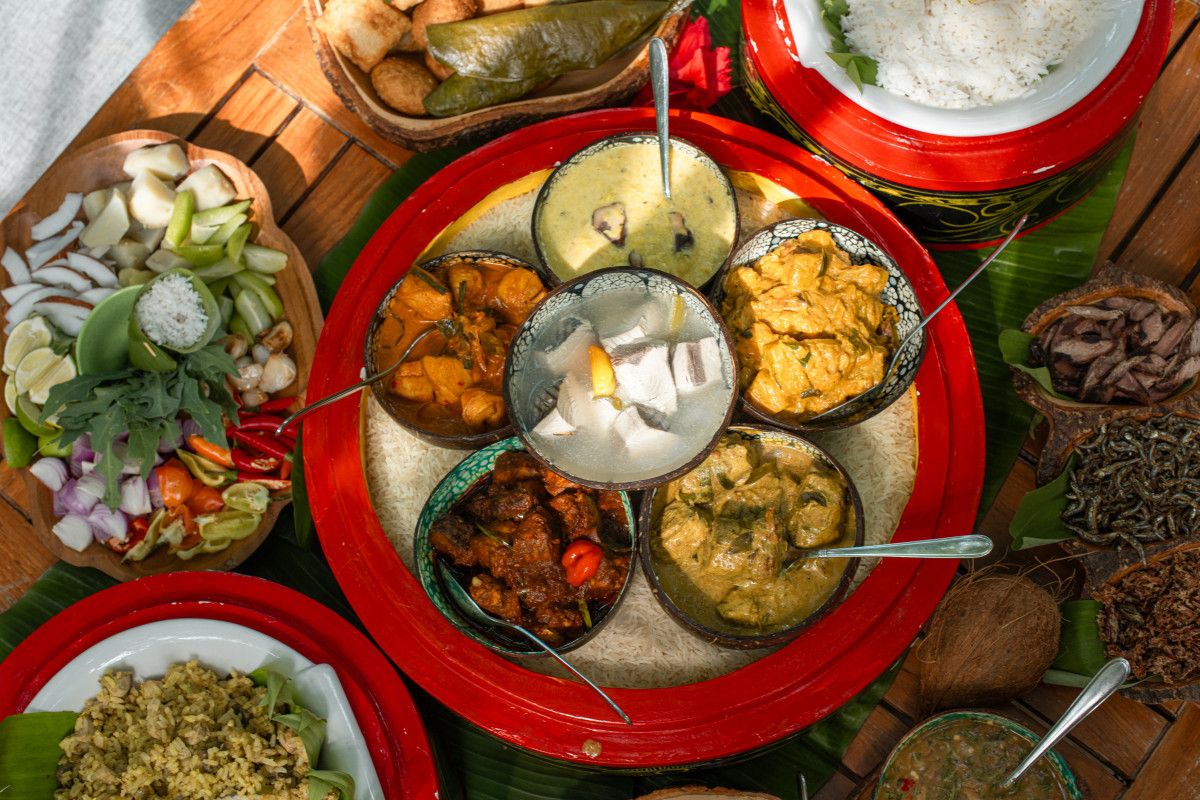
Food in Maldives: 25 Dishes You Must Try

Neha Kapoor
January 26, 2026
Discover Maldivian cuisine: Mas Huni, Garudhiya & more. Traditional dishes, seafood & street food guide for foodies.
Food in Maldives: Complete Guide to Traditional Maldivian Cuisine for First-Time Travelers
Food in Maldives is often misunderstood as only resort buffets and global menus. In reality, traditional Maldivian cuisine has a clear identity built around tuna, coconut, rice, flatbreads, chilies, and aromatic local preparations shaped by island life. If you explore only luxury menus, you miss the everyday food culture that locals actually eat. This guide focuses on authentic choices, practical dining strategy, and how to eat meaningfully while traveling across islands.
Whether you are staying in a resort, guesthouse island, or mixed itinerary, understanding local dishes helps you order better, spend smarter, and experience Maldivian culture more deeply. If you are comparing island logistics first, check airports in Maldives and then build your food plan by location and stay style.
What Defines Maldivian Cuisine?
The core of Maldivian cuisine is practical island nutrition with strong flavor. Tuna appears in many forms: smoked, dried, shredded, or cooked into broths and curries. Coconut is equally important and used in gravies, condiments, and breakfast preparations. Rice and roshi (flatbread) act as common bases, while chili and onion combinations bring heat and depth.
The cuisine reflects history, trade, and geography. You will notice South Asian influences, coastal cooking logic, and a rhythm of simple ingredients prepared with precision. This is why local food can taste both familiar and distinct for Indian travelers.
Breakfast in Maldives: Where Local Flavor Starts
A traditional Maldivian breakfast is one of the best introductions to local food culture. You will often find tuna-coconut mixes, flatbreads, sweet milk tea, and savory snacks that are filling but balanced. Resorts may present local breakfast as one small “ethnic” corner, but in local islands these dishes are central, not optional.
If you want authentic breakfast, ask specifically for local menu options rather than default continental sets. Many guesthouses can arrange this when requested in advance.
Must-Try Traditional Dishes
Mas Huni: A classic breakfast mix of tuna, coconut, onion, and chili, usually served with roshi. Light, flavorful, and ideal for first-time visitors.
Garudhiya: A clear tuna broth eaten with rice, lime, chili, and onion. Simple ingredients, deep taste.
Fihunu Mas: Grilled fish with spice and smoky flavor, often preferred for lunch or dinner.
Mas Riha: Fish curry with coconut notes; comforting and rich.
Bis Keemiya: Crispy stuffed snack, popular as quick bite.
Bajiya variants: Savory pastry-style snack options in local tea shops.
These dishes are the foundation of what to eat in Maldives if your goal is authentic local cuisine instead of generic international menus.
Seafood in Maldives: What to Expect
Seafood is central in Maldives, but expectations should be realistic. Local fish preparations are usually less about complicated plating and more about freshness and balance. Tuna dominates daily cooking, while other seafood appears depending on island, supply, and season.
When ordering seafood, ask how the fish is prepared: grilled, curried, smoked, or broth-based. This helps avoid menu confusion, especially where labels are brief. If you enjoy coastal food in other destinations, you can compare style differences with Andaman and Nicobar food.
Resort Food vs Local Island Food
Resorts offer wide international choice, themed nights, and curated dining experiences. Local islands offer stronger authenticity and better value for traditional dishes. Neither is better in absolute terms; they serve different travel goals.
If your priority is cultural food exploration, dedicate at least part of your trip to local-island dining. If your priority is comfort and variety, resort menus may suit better. A mixed strategy often works best: one premium dinner experience plus multiple local meals.
Street-Style and Casual Eating in Maldives
In inhabited islands, tea shops and casual counters provide snack-style food and simple meals at practical prices. This is where you can taste everyday island life beyond tourism packaging. Keep your order light and varied to try more items in one session.
Use busy stalls and high-turnover kitchens for fresher food. This is a reliable approach in most travel destinations, including island setups.
Vegetarian and Indian Traveler Considerations
Maldives is seafood-heavy, but vegetarian travelers can still eat comfortably with planning. Ask for vegetable curries, lentil preparations where available, rice-based meals, flatbreads, and fruit-based breakfast options. In resort settings, vegetarian variety is usually easier. In local islands, communicate clearly and politely about dietary preferences.
Indian travelers who need familiar meals during longer stays can mix local dishes with Indian options where available. If you are extending to Southeast Asia later, you may also find useful comparisons in Indian restaurants in Vietnam.
Dining Budget in Maldives: Practical Reality
Food pricing varies sharply between resorts and local islands. Resort dining can be expensive, especially for a la carte premium seafood and imported ingredients. Local-island dining is generally more budget-friendly and ideal for frequent authentic meals.
A practical cost strategy is to pre-check meal inclusions before booking stays. Full-board or half-board plans can reduce uncertainty in higher-cost properties. For local islands, keep small cash and plan meal windows around opening times.
Where to Eat by Stay Type
Resort stay: Prioritize one local cuisine night, one seafood night, and one flexible international meal to avoid menu fatigue.
Guesthouse stay: Ask hosts for local breakfast and one recommended home-style dinner setup.
Mixed itinerary: Use resort dining for occasion meals and local islands for authentic daily food exploration.
This approach gives cultural depth and budget control together.
Food Safety and Comfort Tips
Choose fresh-cooked meals, stay hydrated, and avoid over-ordering unfamiliar rich dishes in one sitting. In tropical island weather, lighter meal rhythm often feels better. Carry basic digestive support if you are trying many new items quickly.
If you have allergies, communicate clearly before ordering. Menu descriptions can be brief, so ingredient confirmation is essential.
How to Build a 3-Day Food Plan in Maldives
Day 1: Local breakfast (Mas Huni), light fish curry lunch, grilled seafood dinner.
Day 2: Roshi-based breakfast, broth-style lunch (Garudhiya), snack + dessert sampling evening.
Day 3: Island tea-shop breakfast, mixed local platter lunch, premium seafood or fusion dinner.
This format helps first-time visitors cover core flavors without repeating similar meals.
Food and Island Experience: Why They Should Be Planned Together
Your island choice influences your food experience directly. Some islands are better for local dining depth, while others are tuned for resort-led culinary variety. Planning food after selecting accommodation can lead to limited options and higher spend. Plan both together from the beginning.
If you are still choosing islands, compare routes such as Maafushi Island Maldives and Addu Atoll Maldives based on travel style and food accessibility.
Common Mistakes Travelers Make
The biggest mistake is eating only at one property and assuming it represents Maldivian cuisine. Another issue is not requesting local options at breakfast. Travelers also overspend by ignoring local-island meal choices available near their stay zone.
Avoid these errors with one simple rule: balance comfort dining with intentional local sampling every day.
Advanced Tips: How to Eat Better in Maldives on Any Stay Type
If you are staying in resorts, ask in advance whether local cuisine can be prepared off-menu. Many kitchens can serve authentic Maldivian breakfast and fish-based items when requested early. If you are in guesthouses, ask hosts for homestyle meal recommendations rather than only tourist-facing cafes. This often gives better flavor and better value.
For multi-island itineraries, maintain a simple food journal with dishes tried, preferred spice levels, and places that performed best. This helps avoid repeated trial-and-error ordering and improves your overall culinary experience. Also, keep one meal daily that is light and hydration-friendly, especially after sun-heavy activity days.
How to Avoid Repetitive Meals on a Multi-Island Trip
Many travelers repeat similar resort dishes daily and then feel that Maldives food is limited. Prevent this by setting one daily local priority: breakfast special, fish broth lunch, snack tasting, or traditional dinner. Rotating focus keeps meals fresh and improves cultural exposure across the trip.
Also keep one “new dish rule” each day. Trying even one unfamiliar local item daily quickly expands your understanding of Maldivian cuisine.
Final Takeaway
Food in Maldives is far richer than the standard resort stereotype. Traditional Maldivian cuisine offers strong identity through tuna, coconut, flatbreads, broths, and island-style cooking methods that reflect local life.
Plan your meals with the same care as your island itinerary. When you combine local breakfast culture, authentic seafood dishes, and smart stay-based dining strategy, Maldives becomes a true culinary journey, not just a scenic holiday.
Location
Frequently Asked Questions
Q1.What is the most famous food in Maldives?
Q2.What do Maldivians eat for breakfast?
Q3.Is Maldives food spicy?
Q4.What is Mas Huni?
Q5.What is Garudhiya?
Q6.What seafood is popular in Maldives?
Q7.Is alcohol allowed in Maldives?
Q8.What is the staple food of Maldives?
Recommended For You
Best Local Food in Agra: Must-Try Dishes and Tips
Best local food in Agra guide with breakfast-to-dinner sequencing, street food timing, sweet-shop planning, and practical budget tips.
Famous Food in Kerala: 15 Must-Try Dishes
Discover the famous food of Kerala. From Appam & Stew to Karimeen Pollichathu and Sadhya. A culinary journey through God's Own Country with 15 must-try dishes.
Best Food in Thailand: 20 Must-Try Dishes & Street Eats
Discover the best food in Thailand. From Pad Thai to Tom Yum Goong. A complete guide to Thai street food, curries, and local delicacies for every foodie.
Never Miss an Adventure
Get the latest trekking guides, travel tips, and exclusive offers delivered straight to your inbox.
