
Al Karama Dubai: Shopping, Food Streets & Neighborhood Highlights

Rohit Verma
February 18, 2026
Explore Al Karama Dubai beyond the tourist trails. Discover budget shopping, authentic South Asian restaurants, vibrant markets and local culture in this multicultural residential district.
Why Visit Al Karama?
Al Karama stands as one of Dubai's most vibrant and culturally rich residential districts, offering visitors an authentic taste of the city's multicultural fabric. Unlike the glitzy skyscrapers and luxury developments that define much of Dubai, Al Karama retains a grounded, community-focused atmosphere that reflects the everyday life of the city's diverse population. Located in the Bur Dubai area, this neighborhood has evolved from a quiet residential area established in the 1970s into a bustling hub of activity that seamlessly blends living spaces with commercial vibrancy.
What makes Al Karama particularly appealing to visitors is its accessibility and affordability. In a city known for luxury pricing, Karama offers budget-friendly options for shopping, dining, and exploration without compromising on experience. The area's low-rise buildings create a human-scale environment that's perfect for walking tours, while its streets come alive in the evenings with residents and visitors alike seeking everything from traditional South Asian cuisine to modern fashion finds.
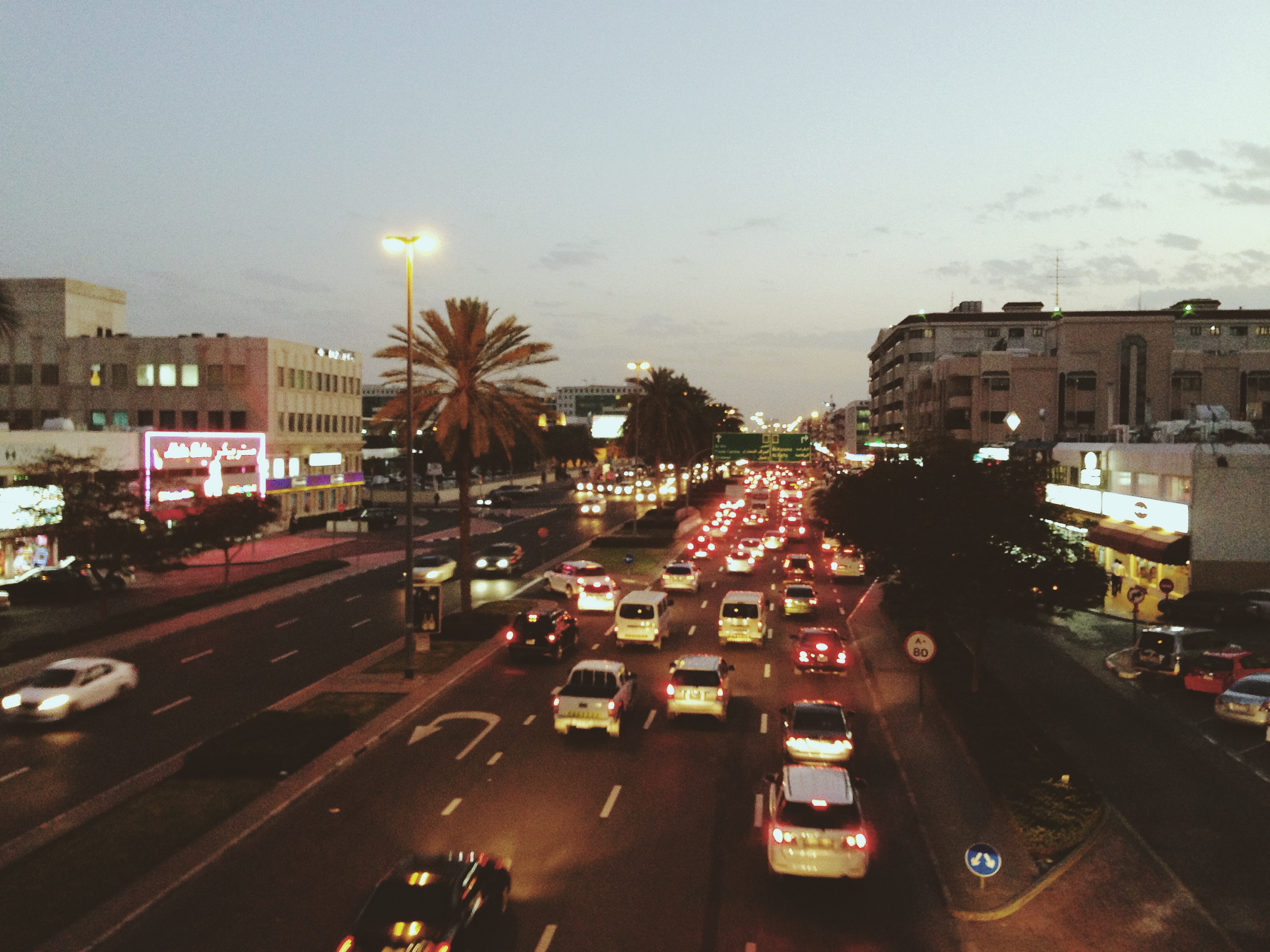
The neighborhood's character is defined by its strong South Asian community influence, particularly from India, Pakistan, and the Philippines. This cultural diversity manifests in the array of restaurants, textile shops, and markets that line its streets. For travelers seeking to experience Dubai beyond the tourist brochures, Al Karama provides an unfiltered look at how thousands of expatriates have made this desert city their home, creating communities that maintain traditions while embracing Dubai's modern opportunities.
About Al Karama District
Al Karama traces its origins to the 1970s when Dubai was rapidly expanding as a trading hub. The area was developed primarily as a residential district for the growing expatriate population, particularly those from South Asian countries. Unlike the master-planned communities that dominate modern Dubai, Karama grew organically, resulting in a maze of streets and buildings that give it character and charm.
The district's name comes from the Arabic word for "generosity," reflecting the welcoming nature of its community. Spanning approximately 1.5 square kilometers, Karama is one of Dubai's most densely populated areas, yet it maintains a distinct neighborhood feel. The architecture predominantly features low-rise apartment buildings, typically 4-6 stories tall, a rarity in a city dominated by towers. This lower density creates a more open feel, with buildings set back from streets allowing for better airflow and natural light.
Economically, Al Karama has always been known as an affordable alternative to Dubai's more expensive neighborhoods. This affordability factor has made it popular with middle-income expatriates, particularly young professionals and families starting their journey in Dubai. The area's rental prices remain significantly lower than nearby districts like Business Bay or Downtown Dubai, making it an attractive base for long-term residents.
The streets of Karama tell their own story. Unlike the grid-like planning of newer Dubai areas, Karama's layout evolved over decades, creating winding streets and unexpected corners. This organic development has produced vibrant commercial streets that cater to every need—from supermarkets and pharmacies to textile shops and electronics stores. The pedestrian-friendly nature of these streets encourages walking, with wide sidewalks and relatively calm traffic compared to other parts of Dubai.
Best Time to Visit Al Karama
Timing your visit to Al Karama can significantly enhance your experience of this vibrant district. Like most of Dubai, the weather plays a crucial role in determining the best times for exploration, but Karama's unique character as a pedestrian-friendly shopping and dining destination adds additional considerations.
Evening Hours (5 PM - 9 PM): The ideal time to experience Al Karama is during the evening hours when the district truly comes alive. As the sun sets and temperatures cool, the streets fill with residents finishing work and visitors exploring the area. The shops stay open late, typically until 10 PM or later, making evening shopping a pleasant experience. This is when restaurants are at their busiest, and the energy of the neighborhood peaks.
Weekday vs. Weekend: Weekends (Friday and Saturday in Dubai) present a different Karama experience. Fridays, being the holy day in Islamic culture, see a quieter morning period as businesses open later. The area becomes bustling in the afternoon and evening. Saturday evenings are particularly busy, as this is when many families shop and dine together. For a more relaxed experience, weekday evenings (Sunday-Thursday) offer fewer crowds and more attentive service in restaurants.
Winter Season (November - March): The winter months provide the best weather for exploring Karama on foot. With daytime temperatures averaging 25°C and pleasant evenings, you can comfortably walk between attractions without the oppressive heat that characterizes Dubai's summer. This season is ideal for outdoor dining, street photography, and leisurely shopping explorations.
Ramadan Period: Visiting during Ramadan offers a unique cultural experience. During the holy month, the atmosphere transforms, with special night markets (Ramadan souqs) setting up in the area. The evenings during Ramadan are particularly vibrant, with families breaking their fast and the streets decorated for the festivities. However, be respectful that eating, drinking, and smoking in public during daylight hours is prohibited during this period.
Summer Considerations: From June to August, Dubai's extreme heat (often exceeding 40°C) makes outdoor exploration uncomfortable. If visiting during summer, plan indoor activities during peak heat hours (11 AM - 4 PM) and limit walking to early morning or after sunset. Many visitors prefer this time for accessing air-conditioned shops and restaurants, but be aware that even short walks between buildings can be exhausting.
How to Reach Al Karama
Al Karama's central location in Dubai makes it easily accessible through various modes of transportation. Its connectivity is one of its advantages, allowing visitors to reach the district conveniently from anywhere in the city.
Metro Access: The Dubai Metro's Green Line serves Al Karama directly via the Al Karama Station (Green Line). The station is centrally located within the district, providing easy access to most parts of Karama on foot or via a short taxi ride. The metro system is clean, efficient, and affordable, with trains running every 5-7 minutes during peak hours. From Dubai International Airport, take the Red Line to Union Station and transfer to the Green Line, reaching Karama in approximately 20-25 minutes.
Bus Connectivity: Multiple bus routes serve Al Karama, connecting it to various parts of Dubai. The RTA (Roads and Transport Authority) buses are air-conditioned and budget-friendly. Key routes include buses to Deira, Bur Dubai, and various commercial districts. Bus stops are well-marked, and real-time bus tracking is available through RTA's official app.
Taxi and Ride-Hailing: Taxis are readily available throughout Dubai and can be hailed on the street or found at designated taxi stands. Ride-hailing services like Uber and Careem operate extensively in Dubai and are often preferred by visitors for their convenience, upfront pricing, and cashless payment options. A taxi from Downtown Dubai to Karama typically takes 15-20 minutes, depending on traffic conditions.
From Dubai Airport: Dubai International Airport (DXB) is approximately 15-20 minutes from Al Karama by taxi, making it one of the most conveniently located districts for travelers arriving by air. The journey costs approximately AED 35-50 depending on the exact destination within Karama and time of day.
From Tourist Hubs: Al Karama's location makes it easily accessible from major tourist areas. From the Dubai Mall/Burj Khalifa area, it's approximately 15 minutes by car. From Dubai Marina, allow 30-35 minutes. From Palm Jumeirah, the journey takes approximately 25-30 minutes. The district's central location means you're never far from other Dubai attractions.
Parking Considerations: If driving to Karama, be aware that parking can be challenging, especially during peak evening hours. Street parking is available but fills quickly. Some commercial buildings offer paid parking facilities. For a stress-free experience, using public transport or ride-hailing services is recommended.
Shopping in Al Karama
Shopping represents the heart of the Al Karama experience, offering visitors a diverse retail landscape that ranges from traditional markets to modern shopping complexes. Unlike Dubai's mega-malls, Karama's shopping scene is characterized by its accessibility, affordability, and authentic local flavor.
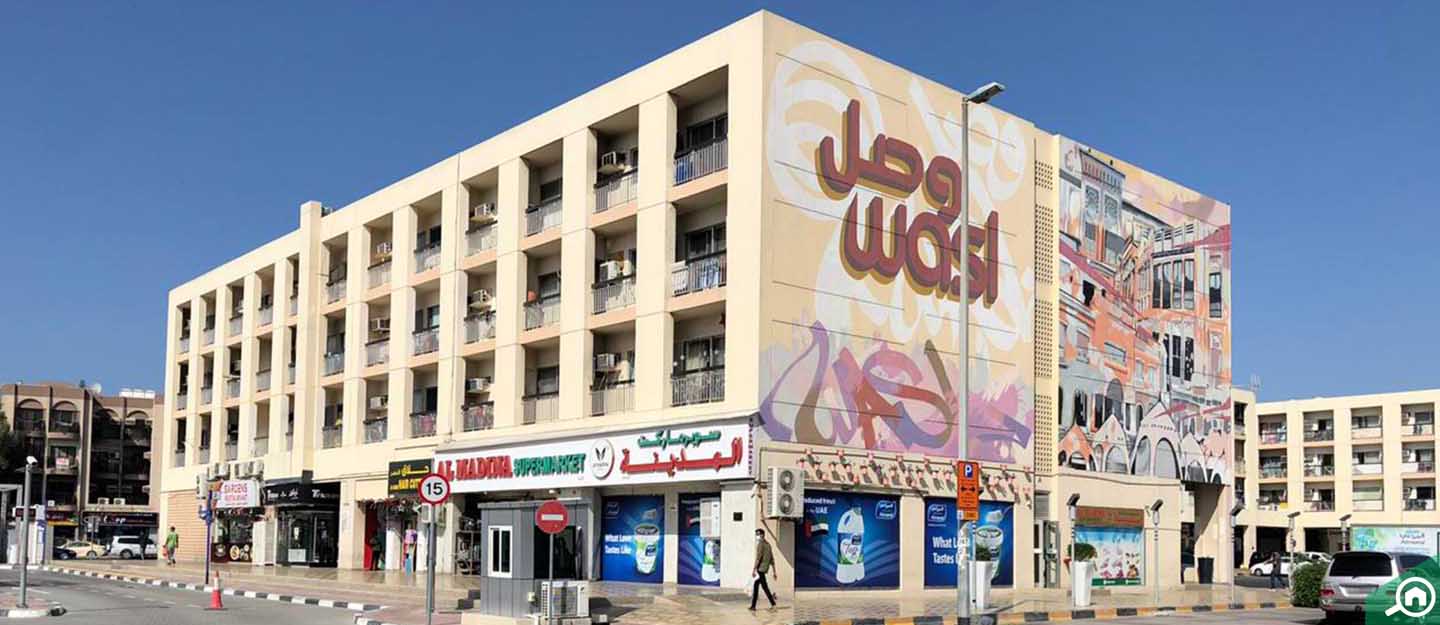
Karama Shopping Complex: This multi-story shopping destination is one of the area's retail anchors. The complex houses numerous small shops specializing in textiles, garments, and fashion accessories. It's particularly known for its extensive collection of Indian and Pakistani clothing, including traditional wear like salwar kameez, sarees, and sherwanis. The complex also features tailoring shops where you can get custom-made clothing at reasonable prices. Bargaining is expected and part of the experience here.
Al Karama Street: The main commercial artery of the district, this street is lined with shops catering to various needs. Electronics stores offer competitive prices on mobile phones, accessories, and small gadgets. Perfume shops feature both international brands and traditional Arabian fragrances (attar). The street also has several well-stocked supermarkets for everyday needs and international food products.
Ibrahim Street: Known for its concentration of shoe stores and bag shops, Ibrahim Street is a footwear lover's paradise. From casual sandals to formal dress shoes, the variety is impressive. Many shops stock leather goods at prices significantly lower than luxury malls. Adjacent to the footwear stores are numerous shops selling handbags, backpacks, and travel accessories.
Budget Shopping Culture: One of Karama's biggest draws is its affordability. Prices here are typically 30-50% lower than in Dubai's luxury malls, making it popular with budget-conscious shoppers and those looking for value. The bargaining culture is alive and well—particularly in smaller shops and markets. Don't hesitate to negotiate, especially when buying multiple items. As a general rule, start by offering 50-60% of the asking price and negotiate from there.
Textile Market: Al Karama has established itself as a destination for fabric shopping. Several stores stock high-quality textiles from India, Pakistan, and other Asian countries. Whether you're a fashion designer, a tailor, or someone interested in traditional fabrics, you'll find an extensive selection of cottons, silks, embroidery, and specialty fabrics. Some shops also offer ready-made traditional wear with intricate craftsmanship.
Electronics and Gadgets: The district has numerous electronics stores offering competitive prices on smartphones, tablets, accessories, and small appliances. While the selection may not be as extensive as dedicated electronics malls, the prices are often better. Many shops also offer repair services for mobile phones and computers.
Home Decor and Gift Items: Several shops specialize in home decor, artificial jewelry, and gift items. These stores stock everything from decorative pieces and artifacts to costume jewelry and handicrafts. They're particularly popular during festival seasons when residents shop for decorations and gifts. The variety of artificial jewelry is impressive, with designs ranging from traditional Indian styles to contemporary pieces.
Restaurants and Food Scene
The culinary landscape of Al Karama reflects its multicultural population, offering one of Dubai's most diverse food scenes. From authentic South Asian cuisine to Filipino delicacies and Middle Eastern specialties, Karama is a paradise for food lovers seeking authentic flavors at reasonable prices.
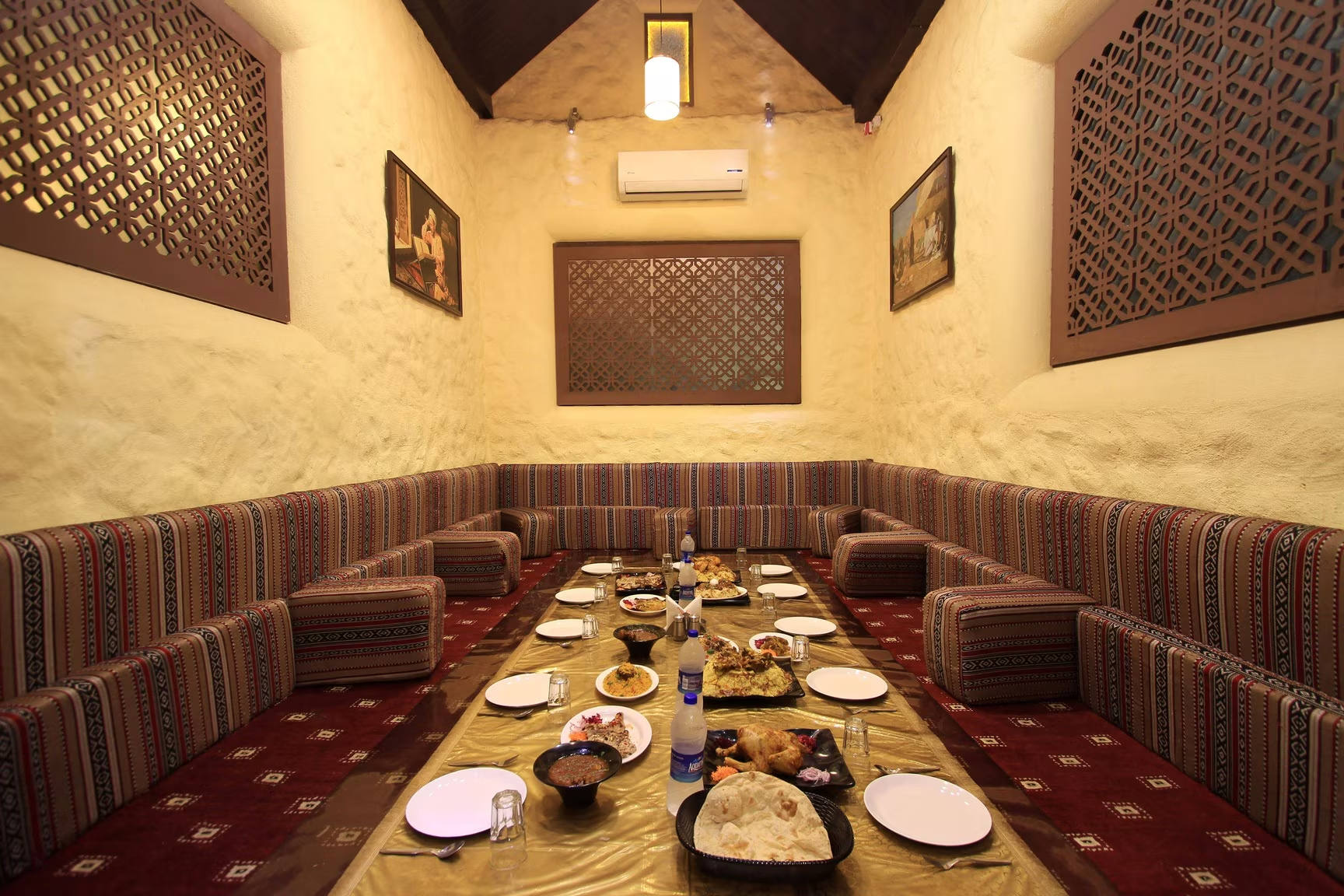
Indian Cuisine: Given the large Indian expatriate community, it's no surprise that Indian restaurants dominate Karama's food scene. You'll find everything from humble street-food-style eateries to upscale restaurants serving regional specialties from across India. North Indian favorites like butter chicken, naan bread, and biryani are ubiquitous, but look deeper and you'll find South Indian dosas, Punjabi delicacies, Gujarati thalis, and Hyderabadi specialties. Many restaurants offer both vegetarian and non-vegetarian options, catering to diverse dietary preferences.
Pakistani Food: Pakistani restaurants in Karama serve authentic cuisine that rivals what you'd find in Lahore or Karachi. Seekh kebabs, nihari (slow-cooked meat stew), and karahi dishes are staples. These restaurants often have a more casual, no-frills atmosphere but deliver exceptional flavors. The breads, particularly naan and tandoori roti, are typically made fresh in traditional clay ovens.
Street Food and Quick Eats: For authentic street food experiences, Karama doesn't disappoint. Numerous small eateries serve chaat (Indian street snacks), samosas, rolls, and other quick bites at very affordable prices. These places are popular with office workers during lunch hours and families looking for casual dining. Don't miss trying pani puri, sev puri, and other chaat items if you enjoy spicy, tangy flavors.
Filipino Cuisine: The significant Filipino community in Karama has brought with it authentic Filipino restaurants. Adobo (marinated meat), sinigang (sour soup), and lechon (roast pig) are menu staples. These restaurants often have a warm, family-style atmosphere and represent excellent value for money. Filipino desserts and bakery items are also worth trying.
Popular Dining Establishments: While listing specific restaurants can be subjective as quality varies, certain names have achieved legendary status among locals. Ravi Restaurant (while technically in nearby Satwa) is famous for Pakistani cuisine, and similar establishments in Karama draw comparable crowds. Delhi Hotel, despite its name, is actually a restaurant known for North Indian cuisine. Many smaller establishments have loyal followings for specific dishes—ask locals for their recommendations.
Fine Dining Options: While Karama is primarily known for casual dining, a few establishments offer upscale experiences. These venues typically combine quality food with improved ambiance and service, appealing to those celebrating special occasions or seeking a more refined dining environment. Prices at these restaurants are still generally lower than equivalent establishments in Dubai's luxury districts.
Cafes and Quick Bites: Modern cafes have begun appearing in Karama, catering to younger residents and visitors. These establishments serve coffee, sandwiches, salads, and light meals in contemporary settings. They're popular for casual meetings, working remotely, or simply taking a break from shopping. International fast-food chains also have outlets in the area for those seeking familiar tastes.
Bakeries and Sweets: Indian and Pakistani sweet shops are scattered throughout Karama, offering an array of traditional desserts. From gulab jamun to jalebi, rasgulla to barfi, these shops cater to those with a sweet tooth. Many also serve savory snacks like samosas and pakoras. Bakeries offering fresh bread, cakes, and pastries are also common.
Things to Do in Al Karama
While Al Karama is primarily a residential and commercial district rather than a tourist destination filled with attractions, there are several ways to immerse yourself in its unique character. The district's appeal lies in experiencing everyday Dubai life rather than visiting monuments or museums.
Walking Tours: The best way to experience Karama is on foot. A self-guided walking tour allows you to absorb the sights, sounds, and smells of this vibrant neighborhood. Start near Karama Shopping Complex and explore the side streets. Observe the mix of traditional and modern architecture, notice the small details that give each building character, and watch the daily life of residents unfold. Early morning walks offer a different perspective, with shops opening and residents starting their day.
Food Crawls: Organize your own food crawl through Karama's diverse culinary landscape. Plan a route that takes you through different cuisines—perhaps starting with South Indian breakfast, moving to Pakistani lunch, and ending with Filipino dinner. Between proper meals, snack on street food and sample sweets from various shops. This culinary journey provides insight into the cultures that call Karama home.
Shopping Expeditions: Dedicate time to exploring Karama's shopping scene systematically. Unlike Dubai's malls where everything is under one roof, Karama's shopping requires exploring multiple streets and buildings. Challenge yourself to find specific items and compare prices across different shops. This treasure hunt approach makes shopping an adventure rather than a chore.
Cultural Observation: Spend time in public spaces observing the multicultural interactions that make Karama unique. Parks, coffee shops, and restaurant patios provide vantage points for watching the neighborhood's diverse population go about their daily lives. The blend of traditional attire worn by some residents with modern clothing worn by others creates fascinating visual contrasts.
Photography Opportunities: For photographers interested in street photography and urban culture, Karama offers rich material. The contrast of old and new architecture, the colorful displays in shops, the diverse faces of residents, and the energy of busy streets provide endless photo opportunities. Always be respectful and ask permission before photographing people.
Evening Atmosphere: Experience Karama after sunset when the district truly comes alive. The cooler evening temperatures bring more people outdoors. Streets fill with shoppers, restaurants buzz with diners, and the overall energy level increases. This is when Karama feels most vibrant and authentic.
Seasonal Experiences: During festival seasons (Diwali, Eid, Christmas), Karama transforms with decorations and special events. Visiting during these periods provides insight into how Dubai's multicultural communities celebrate their traditions while living abroad. Shops often stock festival-specific items, and the atmosphere becomes particularly festive.
Nearby Areas to Explore
Al Karama's central location makes it an excellent base for exploring other interesting parts of Dubai. Several nearby attractions and districts complement a Karama visit, providing a more comprehensive Dubai experience.
Bur Dubai: Just north of Karama lies the historic Bur Dubai district, home to some of Dubai's oldest neighborhoods. The Al Fahidi Historical Neighborhood (Bastakiya) features traditional wind-tower architecture, the Dubai Museum in Al Fahidi Fort, and the abra (water taxi) station crossing Dubai Creek. This area provides a contrast to Karama's modern bustle with its preserved heritage buildings and cultural attractions.
Dubai Creek: A short distance from Karama, Dubai Creek separates Bur Dubai from Deira. Taking an abra across the creek costs just 1 dirham and offers views of both old and new Dubai. On the Deira side, explore the gold souk, spice souk, and textile markets—traditional shopping experiences that complement Karama's modern retail scene.
Zabeel Park: For a break from urban density, Zabeel Park offers green space and recreational facilities. Located approximately 10 minutes from Karama by taxi, the park features walking paths, lake views, and picnic areas. It's particularly pleasant during winter months when outdoor activities are comfortable.
Downtown Dubai: Approximately 15 minutes away, Downtown Dubai represents the modern face of the city. The Burj Khalifa (world's tallest building), Dubai Mall, and Dubai Fountain are iconic attractions that contrast sharply with Karama's grounded atmosphere. Many visitors combine a day exploring Karama's authentic streets with an evening in Downtown Dubai's glitzy environment.
Business Bay: This nearby development area features waterfront promenades, restaurants, and modern architecture. It's a pleasant area for evening walks, particularly during cooler weather, and offers a different perspective on Dubai's urban development.
City Walk: A relatively new development, City Walk combines retail, dining, and entertainment in a pedestrian-friendly environment. It's more curated and planned than Karama's organic streets but offers an interesting contrast in urban design philosophies.
Al Karama may not have the tourist attractions of Dubai Marina or the luxury of Palm Jumeirah, but its authenticity, affordability, and cultural richness make it a fascinating destination for travelers seeking to understand the real Dubai beyond the glossy brochures. Whether you're shopping for bargains, sampling diverse cuisines, or simply soaking in the atmosphere of a working neighborhood, Karama offers rewards that can't be measured in star ratings or admission tickets.
Location
Frequently Asked Questions
Q1.Where is Al Karama located in Dubai?
Q2.What is Al Karama famous for?
Q3.Is Karama a good area to stay in Dubai?
Q4.What can I buy in Al Karama?
Q5.Are things cheap in Al Karama?
Q6.Which metro station is near Al Karama?
Q7.How far is Karama from Dubai Mall?
Q8.Is parking available in Al Karama?
Recommended For You
Best Beaches in Dubai: Ultimate Guide for Sun, Sand & Luxury
Explore Dubai's stunning coastline with our comprehensive beach guide. From iconic Jumeirah Beach with Burj Al Arab views to adventure-filled Kite Beach and hidden gems like Black Palace. Find free public beaches, luxury private shores, water sports, facilities & insider tips for the perfect Dubai beach experience year-round.
Dubai Aquarium: Complete Guide to Tickets, Timings & Experiences
Complete Dubai Aquarium & Underwater Zoo guide with ticket prices, timings, shark diving, cage snorkeling, tunnel walk experience & practical tips for visiting world's largest aquarium.
Ferrari World Abu Dhabi: Ticket Options, Best Rides & Visit Tips
Experience the world's fastest roller coaster at Ferrari World Abu Dhabi. Our complete guide covers tickets, rides including Formula Rossa, and insider tips for visiting.
Never Miss an Adventure
Get the latest trekking guides, travel tips, and exclusive offers delivered straight to your inbox.
