
Anjuna Flea Market Goa: Timings, Bargaining Tips & What to Buy

Priya Mehta
February 19, 2026
Shop at Goa's legendary Anjuna Flea Market every Wednesday. Discover handicrafts, jewelry, clothes, bargaining tips, timing & complete guide to Asia's famous hippie market.
Introduction: Goa's Legendary Hippie Market
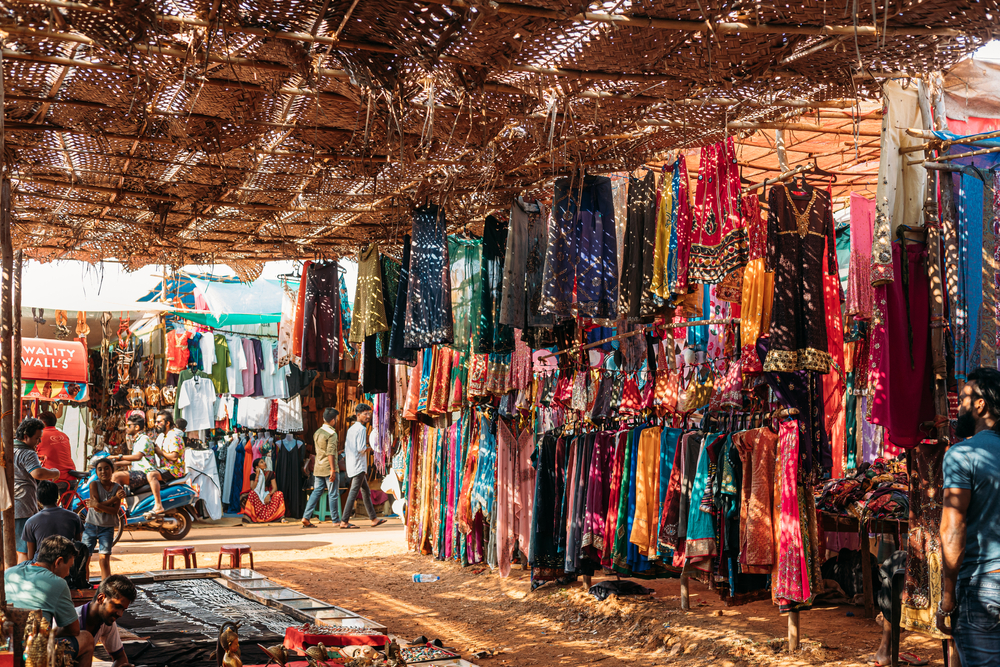
Every Wednesday, the southern end of Anjuna Beach transforms into one of Asia's most famous flea markets—a vibrant, chaotic celebration of Goa's hippie heritage that has been captivating shoppers for over five decades. The Anjuna Flea Market began in the 1970s when hippies from around the world, needing to fund their extended stays in paradise, started trading and selling goods from their travels. What started as a small gathering of backpackers exchanging wares has evolved into a massive marketplace that attracts thousands of visitors every week.
The market is far more than just a shopping destination—it's a cultural experience that embodies the free-spirited, bohemian soul of Goa. Here, you'll find Tibetan traders selling silver jewelry alongside Kashmiri artisans displaying intricate handicrafts. European backpackers sell travel gear while local Goan vendors offer spices, textiles, and souvenirs. The air fills with the aroma of incense and street food, the sound of reggae and trance music, and the constant buzz of negotiation in a dozen languages. This is where East meets West, where traditional Indian crafts blend with hippie culture, and where shopping becomes an adventure rather than a chore.
Whether you're a serious bargain hunter, a curious traveler seeking authentic Goan culture, or simply someone who loves the thrill of discovering unique treasures, the Anjuna Flea Market delivers an unforgettable experience. This comprehensive guide will help you navigate the market like a pro, from bargaining strategies to the best stalls to visit, ensuring you make the most of your Wednesday market adventure.

History of the Famous Flea Market
The story of the Anjuna Flea Market is intimately tied to Goa's hippie movement of the 1960s and 1970s. When international travelers first discovered Anjuna's untouched beauty and laid-back atmosphere, many found themselves staying longer than planned—sometimes for months or years. To support these extended stays, hippies began organizing informal markets where they could sell possessions, crafts, and items acquired during their travels.
What made these early markets special was their international character. A hippie who had traveled through Afghanistan might sell Afghan jewelry alongside another selling Nepalese singing bowls. Others offered handmade clothes, leather goods, or simply possessions they no longer needed. The Wednesday market became a community event—a place to socialize, share stories, and sustain the alternative lifestyle that had taken root in Anjuna.
As Goa's popularity grew, so did the market. Local artisans and traders from across India recognized the opportunity and began setting up stalls. Tibetan refugees brought their distinctive jewelry and handicrafts. Kashmiri traders offered papier-mâché boxes, carpets, and embroidered textiles. Rajasthani merchants sold colorful textiles, leather goods, and silver jewelry. Over time, the market evolved from a purely hippie exchange into the diverse, multicultural marketplace it is today.
Despite its growth and commercialization, the market has retained its bohemian spirit. The original hippie vendors still come every Wednesday, now older but still embodying the free-spirited ethos that created the market. New generations of international travelers continue the tradition, selling everything from handmade crafts to travel gear. The market remains a testament to Goa's unique ability to embrace diverse cultures while maintaining its distinct identity.
Wednesday Market Timing and Schedule
The Anjuna Flea Market operates like clockwork every Wednesday, creating a weekly ritual that defines Anjuna's rhythm. Understanding the schedule is crucial for planning your visit and maximizing your shopping experience.
Weekly Schedule
The market operates exclusively on Wednesdays—no other days of the week. This Wednesday-only tradition has continued for over 50 years and shows no sign of changing. The market operates from approximately 8:00 AM to 6:00 PM, though the exact timing can vary depending on the season and vendor preferences.
Seasonal Operations
Peak Season (November to February): This is when the market is at its biggest and best. Hundreds of vendors set up stalls, covering the southern end of Anjuna Beach. The market starts early (around 8 AM) and continues until sunset (6 PM). The variety of goods is at its peak, and you'll find the most international vendors during these months.
Shoulder Season (March to May): As temperatures rise and tourist numbers decline, the market becomes smaller but still operates. Fewer international vendors are present, but the core local traders remain. The market might start a bit later and end earlier due to the heat. However, smaller crowds mean better bargaining opportunities.
Monsoon Season (June to September): The Anjuna Flea Market is suspended during the monsoon. Heavy rains make the open-air beach location impossible for vendors. Most international traders leave Goa during this period, and beach activity drops significantly. Plan your visit between October and May if you want to experience the market.
Post-Monsoon (October): The market typically resumes in late October as the monsoon season ends and tourist season begins. Vendors return, and the market gradually builds up to its peak-season scale by November.
Best Time to Arrive
Your arrival time significantly impacts your market experience. Early birds (8-10 AM) get the best selection and can browse before crowds arrive. Serious shoppers who know what they want often come early to snag the best items before others see them. Vendors are also more willing to bargain early in the day when they're eager to make their first sales.
Mid-morning (10 AM-12 PM) offers a good balance—stalls are fully set up, crowds are manageable, and the heat isn't at its peak. This is an ideal time for families and those who prefer a more relaxed shopping pace.
Afternoon (12-4 PM) is when the market is most crowded and chaotic. The energy is fantastic, with music playing, people dancing, and the market at its liveliest. However, bargaining becomes tougher as vendors are busy, and the heat can be exhausting.
Late afternoon (4-6 PM) sees vendors more willing to negotiate as they try to sell remaining stock before packing up. You might get better deals, but the best items may already be sold. The atmosphere is more relaxed as crowds thin toward evening.
What to Buy at the Market
The Anjuna Flea Market offers an overwhelming variety of goods, reflecting its international character and bohemian roots. Knowing what to look for helps you focus your shopping and avoid missing the best deals.

Jewelry: Silver, Beads, and Hippie Designs
Jewelry is one of the market's strongest categories, with an incredible range of styles and prices. Tibetan silver jewelry is particularly popular—look for intricate necklaces, bracelets, earrings, and rings with traditional Tibetan motifs. Many pieces are handmade by Tibetan artisans who have been selling at the market for decades. Quality varies, so examine pieces carefully for stamps indicating silver content.
Beaded jewelry and hippie-style accessories are everywhere. Shell jewelry, stone beads, hemp bracelets, and colorful necklaces cater to the bohemian crowd. These are perfect souvenirs or gifts and are very affordable after bargaining.
Kashmiri jewelry often features intricate metalwork, semi-precious stones, and distinctive designs. Look for earrings, necklaces, and bracelets with filigree work or traditional Kashmiri patterns.
Clothing: Hippie Fashion and Beachwear
The clothing selection embodies Goa's hippie culture. Flowing hippie pants, tie-dye shirts, embroidered tunics, and bohemian dresses are everywhere. Many clothes are handmade or feature unique batik, block print, or tie-dye designs. These are perfect for Goa's relaxed beach vibe.
Beachwear is abundant—cover-ups, sarongs, board shorts, and lightweight summer dresses at great prices. You'll also find t-shirts with Goa-themed designs, some quirky and fun, others more artistic.
Traditional Indian clothing like kurtas, salwar suits, and sarees are available, often with beautiful embroidery or prints. These make excellent gifts or can be worn during your Goa stay.
Handicrafts: Treasures from Across India
Handicrafts are where the market's diversity really shines. Tibetan handicrafts include singing bowls, prayer flags, thangka paintings, and carved wooden items. These are authentic and often sourced directly from Tibetan communities.
Kashmiri specialties feature papier-mâché boxes (intricately painted and perfect for gifts), embroidered shawls, carpets, and wooden carvings. The craftsmanship is often exceptional.
Rajasthani traders offer colorful textiles, puppets, leather goods, and metalwork. Look for embroidered mojris (traditional shoes), leather bags, and brass statues.
Textiles and Fabrics
Textile lovers will be in heaven. Bedspreads, tapestries, wall hangings, and cushion covers feature vibrant colors and intricate designs. These are perfect for adding Indian flair to your home. Many items are handmade or feature traditional block printing, embroidery, or mirror work.
Silk scarves, pashmina shawls, and other textiles are available at various price points. Quality varies significantly, so examine fabric closely and bargain accordingly.
Souvenirs and Curios
The market is excellent for unique souvenirs. Goan artifacts include coconut crafts, shell items, and local handicrafts. These make authentic gifts that capture Goa's essence.
Brass statues, wooden carvings, and decorative items sourced from across India are perfect for home decor. You'll find everything from small figurines to larger statement pieces.
Spices and Food Products
Goa's famous spices are available at several stalls. Look for vanilla, cardamom, cinnamon, cloves, and spice blends. Many vendors sell packaged spice mixes perfect for recreating Goan dishes at home.
Tea, coffee, honey, and other food products are also available. These make great edible souvenirs and gifts.
Musical Instruments
The market's hippie roots are evident in the musical instruments for sale. Drums (djembe, tabla, and other percussion instruments), flutes, string instruments, and other items are popular. Many are handmade and produce beautiful sounds. If you're musical, this is paradise.
Bargaining Tips and Strategies
Bargaining at the Anjuna Flea Market is not just accepted—it's expected! Vendors quote high prices anticipating negotiation. Your ability to bargain effectively can mean the difference between paying tourist prices and getting local deals.
The Golden Rules of Bargaining
Start at 50%: When a vendor quotes a price, counter at approximately 50% of that amount. For example, if they say ₹1,000, offer ₹500. This gives you room to negotiate up while still getting a good deal.
Be Friendly and Smile: Bargaining should be fun, not confrontational. Maintain a friendly demeanor, smile, and keep the tone light. Vendors are more likely to give good prices to pleasant customers. Rude or aggressive behavior rarely works.
Walk Away: If the vendor won't budge on price, politely say "it's too expensive" and start walking away. Often, they'll call you back with a better offer. This psychological trick works exceptionally well. If they don't call you back, you've likely reached their bottom price.
Know When to Stop: Not every item needs to be bargained down to the absolute lowest price. If you're happy with the price and the item is good quality, it's okay to accept. A fair deal benefits both parties.
Buy Multiple Items: Purchasing several items from one vendor gives you bargaining power. Ask for a "bundle price"—they're often willing to discount more for larger purchases.
Advanced Bargaining Strategies
Point Out Defects: If an item has minor flaws (loose threads, small scratches, missing parts), use this to justify a lower price. Be polite but direct about why the item should be cheaper.
Compare Prices: Browse multiple stalls selling similar items before buying. This knowledge of market prices gives you leverage. If one vendor knows another is selling the same item for less, they may match or beat that price.
Pay in Cash: Some vendors offer better prices for cash payments (as opposed to cards or digital payments). Mention you're paying cash—it might help negotiations.
Timing Matters: Early morning vendors are eager to make their first sales and may bargain more. Late afternoon, vendors want to sell remaining stock before packing up—another good time for deals. Mid-day when crowds are peak, bargaining is toughest.
Build a Relationship: If you're browsing multiple items from one vendor, chat with them. Show genuine interest in their products. Vendors often give better prices to customers they connect with.
What Not to Do
Avoid bargaining over very small amounts—it's not worth the time or energy. If the difference is ₹20-50, just pay it. Don't be aggressive or insult the vendor's goods—bargaining should remain friendly. Don't bargain if you're not seriously interested in buying—it wastes everyone's time.
Best Time to Arrive for Shopping
Your arrival time at the Anjuna Flea Market significantly impacts your shopping experience. Different times offer distinct advantages depending on your priorities.

Early Morning Advantage (8-10 AM)
Arriving when the market opens offers several benefits for serious shoppers. You get first pick of new stock before other shoppers have gone through it. If you're looking for specific items or high-quality pieces, early morning is best. Vendors are fresh and more willing to bargain as they're eager to make their first sales of the day. There's also more space to move around, making it easier to browse stalls thoroughly. The temperature is cooler, making shopping more comfortable before the midday heat sets in.
Mid-Morning Balance (10 AM-12 PM)
This time slot offers an excellent balance for most shoppers. All stalls are fully set up and operational, but crowds haven't reached peak levels yet. The energy is building but not overwhelming. You still have good bargaining opportunities, though not as good as early morning. The weather is still pleasant before the heat intensifies. This is an ideal time for families or those who prefer a more relaxed shopping experience without the chaos of peak hours.
Peak Hours (12-4 PM)
The market is most crowded and energetic during afternoon hours. This is when the full market experience is in full swing—music playing, people dancing, vendors calling out prices, and an electric atmosphere throughout. If you want to experience the market's famous hippie vibe at its peak, this is the time. However, there are downsides: bargaining becomes tougher as vendors are busy, you'll need to navigate through crowds, and the heat can be intense. This time is best for those who want to soak in the atmosphere rather than serious bargain hunting.
Late Afternoon Deals (4-6 PM)
As the day winds down, opportunities for better deals emerge. Vendors become more willing to negotiate as they try to sell remaining stock before packing up. You might get significant discounts, especially on larger items or bulk purchases. The market is less crowded as many shoppers leave, making browsing more relaxed. However, selection may be limited as the best items often sell earlier. Vendors may be tired and less enthusiastic. This time is perfect for flexible shoppers looking for deals rather than specific items.
Seasonal Timing Considerations
During peak season (November-February), arrive earlier as the market gets crowded faster by 10 AM. In shoulder season (March-May), midday heat is intense—plan accordingly with sun protection and hydration. The market is smaller during these months, so you need less time to see everything.
Food and Drinks at the Market
Shopping works up an appetite, and the Anjuna Flea Market delivers with excellent food and drink options that reflect Goa's culinary diversity and hippie culture.
Market Food Stalls
Scattered throughout the market are numerous food stalls offering everything from quick snacks to full meals. Goan specialties are readily available—look for fish curry rice, prawn balchão, xacuti, and other local dishes. These are authentic, flavorful, and reasonably priced.
International options cater to the diverse crowd. Israeli food is particularly common due to the large Israeli tourist population in Goa. Falafel, hummus, pita, and shawarma are widely available. Tibetan momos (steamed or fried dumplings) are excellent and perfect for a quick snack. Italian, Continental, and other cuisines are also represented.
Indian street food options include chaat, samosas, and various snacks. Fresh fruit juice stalls offer refreshing blends perfect for hot weather. Coconut water vendors provide natural hydration straight from the coconut.
Beach Shack Restaurants
The market is located on Anjuna Beach, and several beach shacks operate during market day. These shacks offer full menus with seating right on the beach. You can take a break from shopping, enjoy a meal with ocean views, and watch the market activity.
Popular beach shacks near the market include Curlies, which is legendary for its parties but also serves excellent food. Other shacks offer fresh seafood, Goan cuisine, and international dishes. Prices are higher than market stalls but still reasonable by most standards.
Beverage Options
Alcoholic beverages are widely available. Beer is the drink of choice for many market shoppers—cold Kingfisher is perfect for hot market days. Cocktails, spirits, and other alcoholic options are available at beach shacks. Non-alcoholic options include fresh fruit juices, lassis, soft drinks, and water.
Chai tea stalls offer authentic Indian masala chai—perfect for a mid-shopping break. Coffee lovers can find espresso and other coffee drinks at some stalls and shacks.
Dining Tips
Vegetarian and vegan options are abundant—Goa is very vegetarian-friendly. Many food stalls display their ingredients, but if unsure, ask about preparation. Hygiene varies between stalls—look for busy stalls with high turnover as food is likely fresher. Carry hand sanitizer and use it before eating, especially if you've been handling money or merchandise.
Budget around ₹200-500 per person for food and drinks depending on what you order. Market food stalls are cheaper, beach shacks more expensive but with better ambiance.
Avoiding Tourist Traps
While the Anjuna Flea Market is generally authentic and fair, like any major tourist destination, there are some pitfalls to avoid. Knowing these traps helps you shop smarter and avoid disappointment.
Quality Misrepresentations
Some vendors may misrepresent materials, especially with jewelry and textiles. Silver jewelry is a common area for misrepresentation—items labeled "silver" may be silver-plated or mixed metal. Use your judgment—if the price seems too good to be true for solid silver, it probably is. For textiles, silk may be artificial silk or synthetic blend. Pashmina shawls might be synthetic rather than genuine pashmina wool.
The solution: examine items carefully, ask questions about materials, and use your judgment. If in doubt, assume it's lower quality and price accordingly in your bargaining.
Antique Claims
Many items are sold as "antique" or "vintage" but are actually reproductions. Genuine antiques exist but are rare and priced accordingly. Be skeptical of antique claims, especially for items priced low. Most brass statues, wooden carvings, and similar items are newly made to look old.
The solution: buy items because you like them, not because they're supposedly antique. If genuine antiques interest you, educate yourself beforehand and be prepared to pay accordingly.
Brand Name Fakes
Clothing, sunglasses, watches, and other items featuring famous brand logos are almost certainly fake. These aren't necessarily bad quality for the price, but they're not genuine branded items. Don't pay premium prices thinking you're getting real branded goods.
The solution: assume branded items are replicas and price accordingly. If you want the real thing, shop at authorized stores, not flea markets.
Emotional Selling
Some vendors use emotional stories to justify high prices—tales of family hardship, medical emergencies, or financial struggles. While some may be genuine, others are selling techniques designed to make you feel obligated to pay more.
The solution: be empathetic but firm. You can acknowledge their situation while still negotiating the price you're willing to pay. Don't let guilt override your bargaining judgment.
Distraction Techniques
In crowded areas, one person might distract you (asking questions, showing you items) while an accomplice picks your pocket or bag. This isn't common but can happen.
The solution: stay aware of your surroundings and keep your belongings secure. Use a crossbody bag and keep valuable items in front pockets or money belts.
Pushy Vendors
Some vendors are aggressively persistent, following you and continuing to pitch items after you've declined. They may get angry or insulting if you refuse to buy.
The solution: be polite but firm. A simple "no, thank you" or "maybe later" usually works. If they persist, ignore them and walk away. Don't engage further—this just encourages them.
Group Pricing
Vendors sometimes quote higher prices to groups, assuming friends or families will pay more. The price might suddenly be lower if you appear to be alone.
The solution: if shopping in a group, have one person do the talking and negotiating while others browse separately. This can sometimes get better prices.
Transportation and Parking
Getting to the Anjuna Flea Market requires some planning, especially on Wednesdays when thousands of visitors descend on this normally peaceful beach area.
From Panjim (Goa's Capital)
Panjim is approximately 18 km from Anjuna Beach. By taxi, the journey takes 45 minutes to 1 hour depending on traffic, and costs ₹300-500. Auto-rickshaws are available but can be uncomfortable for longer distances—still, they're cheaper at ₹150-200. If you're driving yourself, rental scooters are available in Panjim for ₹300-500 per day and are the most fun way to reach Anjuna. The route is scenic and takes you through North Goa's coastal landscape.
From Baga and Calangute
These popular beach areas are very close to Anjuna—only 8-10 km away. By taxi, it's a quick 20-25 minute ride costing ₹150-250. Auto-rickshaws are perfect for this distance at ₹80-120. Many visitors actually walk or cycle between Baga and Anjuna, though it's a 30-40 minute walk each way. Scooter rental is highly recommended if you're staying in this area—gives you maximum flexibility.
From Mapusa
Mapusa, North Goa's main market town, is about 10 km from Anjuna. Taxis cost ₹200-300 for the 25-30 minute journey. Auto-rickshaws are available at ₹100-150. Local buses run from Mapusa to Anjuna, but they're infrequent and crowded on market day. If taking the bus, allow extra time and be prepared for a squeeze.
From Dabolim Airport (GOI)
The airport is 45 km from Anjuna, a journey of 1.5-2 hours depending on traffic. Prepaid taxis are available at the airport and cost ₹1,000-1,500. This is the most convenient option, especially if you have luggage. Ride-hailing apps like Uber and Ola operate from the airport and are often slightly cheaper than prepaid taxis. Rental cars are available at the airport if you prefer driving yourself.
Parking at the Market
If you're driving or riding to the market, parking is available but limited. The market area has several informal parking lots where local residents charge ₹50-100 for parking (two-wheeler cheaper than four-wheeler). These spaces fill up early on market day—by 10 AM, parking can be challenging.
Your best bet is to arrive early (before 9 AM) for better parking options. Alternatively, park a bit away from the market area and walk—this also lets you escape easily when you're done shopping without getting stuck in market traffic.
Scooter Rental Recommendations
Renting a scooter is highly recommended for exploring North Goa, including market day visits. Most rental agencies are in Baga, Calangute, and Anjuna itself. Rates are ₹300-500 per day depending on scooter type and season. You'll need to provide ID (passport or driver's license) and a security deposit (₹500-2,000).
Wearing a helmet is mandatory and strictly enforced. International driving permits are technically required for foreigners, though this isn't always checked. Make sure you're comfortable driving in Indian traffic conditions before renting.
Market Layout and Navigation
The Anjuna Flea Market covers a large area on the southern end of Anjuna Beach. Understanding the layout helps you navigate efficiently and find what you're looking for.
Main Market Areas
The market is organized somewhat informally, but certain areas tend to specialize in particular goods. The beachfront area features food stalls and beach shacks, with jewelry and clothing stalls scattered throughout. Behind the main beachfront, you'll find more permanent stalls specializing in textiles, handicrafts, and larger items. The market extends inland from the beach, with rows of stalls filling open areas.
Jewelry Section
Silver jewelry is concentrated in a specific area—look for clusters of stalls displaying jewelry and ask for "silver" or "jewelry section." Tibetan traders usually cluster together, as do Kashmiri traders. This makes it easy to compare similar items across multiple vendors.
Clothing Area
Clothing stalls are scattered throughout but tend to be closer to the main entrance areas. Hippie clothing, beachwear, and Indian ethnic wear are usually grouped separately. Browse multiple clothing sections as variety is extensive.
Handicrafts Zone
Larger handicrafts, statues, and decorative items tend to be in rows further from the beachfront. This makes sense as these items require more display space. This is where you'll find Kashmiri papier-mâché, Tibetan crafts, and Indian brass statues.
Music Instruments
Musical instruments are often found together—listen for the sound of drums and string instruments. These stalls are fun even if you're not buying—vendors often demonstrate instruments and may even teach you basic rhythms.
Navigation Tips
Wear comfortable shoes—you'll be walking on sand and uneven ground for several hours. Bring a small backpack or crossbody bag for your purchases—keeps hands free for more shopping. Stay hydrated—carry water and take breaks in the shade. Apply sunscreen regularly and consider wearing a hat. Arrange a meeting point with companions if you get separated—the market is crowded and phone signals can be weak.
Plan at least 3-4 hours for a thorough visit. Serious shoppers can easily spend the entire day. Don't try to see everything—focus on areas that interest you most. Take breaks to eat, rest, and enjoy the beach vibe.
Money Matters: Payment and Budgeting
Understanding payment options and budgeting appropriately ensures you have enough cash for the purchases you want without overspending.
Cash is King
The vast majority of vendors at the Anjuna Flea Market only accept cash. Digital payments are becoming more common, but don't rely on them. Bring adequate cash for your shopping—how much depends on what you plan to buy, but ₹2,000-5,000 is typical for a good shopping session.
Carry smaller denominations (₹100, ₹200, ₹500 notes) rather than just large notes. Vendors often struggle to provide change for ₹2,000 notes, especially early in the day. Having smaller bills also makes negotiations easier.
Digital Payments
An increasing number of vendors accept UPI payments through PhonePe, Google Pay, Paytm, and other apps. Look for QR codes displayed at stalls. However, network connectivity can be spotty with thousands of people in one area. Don't assume digital payment will work—always have cash backup.
Credit/Debit Cards
Very few market vendors accept cards. The exceptions are some larger shops near the market or beach shack restaurants. Don't rely on card payments for market purchases.
ATM Access
There are ATMs in Anjuna and nearby areas, but they can run out of cash on market day due to high withdrawal volume. Also, ATM lines can be long. It's better to come prepared with cash rather than relying on finding an ATM.
Budgeting Guidelines
Light Shopping (₹500-1,000): Small items like jewelry, accessories, small souvenirs, or a few clothing items. Good for casual browsers or those on tight budgets.
Moderate Shopping (₹1,500-3,000): A good mix of items—jewelry, several clothing pieces, some handicrafts, maybe a textile or two. Allows for decent bargaining and variety in purchases.
Serious Shopping (₹4,000-8,000+): Serious gift shopping, larger items like carpets, statues, or multiple textiles. High-quality silver jewelry, several clothing items, handicrafts, and souvenirs. This budget allows for substantial purchases.
Remember that these ranges are after bargaining. Vendors will quote higher initial prices, so your budget should account for successful bargaining down to these levels.
Shopping for Different Items: Expert Tips
Different categories of merchandise require different approaches and considerations. These expert tips help you shop smarter for specific types of items.
Silver Jewelry Shopping
When buying silver jewelry, check for stamps indicating purity (925 for sterling silver). Use a magnet—if the item is magnetic, it's not solid silver. Examine craftsmanship—good silver should have smooth edges, secure settings, and clasps that work properly. Compare prices across multiple vendors before buying. Be aware that many items are silver-plated rather than solid silver—these should be priced accordingly.
Textile and Fabric Shopping
For textiles, examine fabric quality by holding it up to light—high quality should be tightly woven without loose threads. Check for color fastness by rubbing the fabric—if color transfers easily, it will fade. Look for even prints and patterns that align at seams. Smell the fabric—strong chemical odors indicate poor dyes that may cause allergic reactions. Unfold items completely to check for stains, tears, or defects that might be hidden when folded.
Handicraft and Decor Shopping
When buying handicrafts, check for stability—items should sit flat without wobbling. Examine carving quality—intricate, detailed work indicates better craftsmanship. Look for cracks, chips, or repairs that might affect value. Ask about materials and origin—genuine items from specific regions have different values. Consider how you'll transport items home—large or fragile items may be difficult to pack.
Clothing Shopping
For clothes, always try on items if possible—sizes vary wildly between vendors and countries. Check fabric content—natural fibers (cotton, silk, linen) are usually better quality than synthetics. Examine stitching—loose threads, uneven seams, or gaps indicate poor quality. For beachwear, check that fasteners (zippers, buttons, ties) are secure and functional. Wash new clothes before wearing, especially if they have strong chemical odors.
Spice and Food Shopping
When buying spices, check packaging should be intact and not tampered with. Look for expiration dates on packaged items. Spices should be fragrant—strong smell indicates freshness. Avoid spices that appear damp, clumped, or moldy. For tea and coffee, ask when it was packaged—fresher is better. Consider customs regulations if you're traveling internationally—some food items may be restricted.
Combining Market Day with Other Activities
The Anjuna Flea Market is perfectly located to combine with other North Goa attractions, making for a full and varied day.
Morning Market, Afternoon Beach
Start at the market when it opens (8 AM), shop for 3-4 hours, then spend the afternoon at a nearby beach. Vagator Beach, adjacent to Anjuna, offers better swimming conditions and stunning red cliff views. Alternatively, Baga Beach is great for water sports and beach activities. This way you get serious shopping done before crowds arrive, then relax at the beach.
Chapora Fort Visit
The famous Chapora Fort, immortalized in the movie "Dil Chahta Hai," is just 2-3 km from Anjuna. Combine market shopping with a fort visit—the fort offers spectacular views and makes for great photos. Best visited early morning or late afternoon to avoid heat.
Mapusa Market Experience
If you're in Goa on a Friday (the day before the flea market), visit Mapusa Market—the largest traditional market in North Goa. It's fascinating to experience both the traditional Friday market and the tourist-oriented Wednesday flea market to see different sides of Goan commerce.
Saturday Night Market
Goa's other famous market is the Saturday Night Market in Arpora. If you're staying for a week, experience both—the Wednesday Anjuna market and Saturday Night Market offer different vibes and different merchandise.
Sustainability and Ethical Shopping
Conscious shopping at the Anjuna Flea Market ensures your purchases support local communities and minimize environmental impact.
Supporting Artisans Directly
Many items at the market are made by the vendors themselves or their families. When you buy directly from artisans, your money goes directly to the creator rather than middlemen. Ask about who made the item and how it was made—vendors are usually proud to discuss their craft.
Choosing Handmade Over Mass-Produced
Handmade items may cost more but support traditional crafts and offer unique character. Look for signs of handmade production—slight variations, hand stitching, or tool marks. These indicate authentic craftsmanship rather than factory production.
Environmental Considerations
Bring your own reusable bag rather than accepting plastic bags from every vendor. A sturdy tote or backpack is more practical and eco-friendly. Avoid buying products made from endangered species or unsustainable materials. Be cautious with shells and corals—some are harvested unsustainably.
Fair Bargaining
While bargaining is expected, remember that vendors rely on these sales for their livelihood. Don't bargain to the point where the seller makes no profit. A fair deal leaves both parties happy. Consider that handmade items represent hours or days of labor—price accordingly.
Practical Tips for First-Time Visitors
If it's your first time at the Anjuna Flea Market, these practical tips will help you have a smooth and enjoyable experience.
Dress Appropriately: Wear lightweight, comfortable clothing suitable for hot weather. Beachwear is fine since you're on the beach, but bring a cover-up for respect. Comfortable walking shoes are essential—you'll be on your feet for hours.
Sun Protection: The Goan sun is strong. Wear sunscreen, bring a hat, and consider sunglasses. Reapply sunscreen regularly, especially if you're shopping for several hours.
Stay Hydrated: Drink plenty of water throughout the day. Heat and dehydration can sneak up on you. Buy bottled water or coconut water from vendors.
Secure Your Belongings: Crowded markets attract pickpockets. Use a crossbody bag that stays in front of you. Keep money and phone in secure pockets. Don't carry unnecessary valuables.
Bring Wet Wipes/Hand Sanitizer: You'll be handling merchandise and money. Wet wipes or hand sanitizer let you clean your hands before eating.
Charge Your Phone: You'll want to take photos, and phone signal can drain battery quickly. Consider bringing a power bank.
Start Early: First-time visitors should arrive early to avoid being overwhelmed. The market is less chaotic and easier to navigate in the morning.
Take Breaks: Don't try to power through without stopping. Rest in the shade, drink water, and maybe enjoy a snack. Shopping in heat is exhausting.
Keep Receipts: If you're claiming VAT refunds or need to prove purchases for customs, ask for receipts. Not all vendors provide them, but it doesn't hurt to ask.
Conclusion: The Magic of Anjuna Flea Market
The Anjuna Flea Market is far more than a shopping destination—it's a living piece of Goa's hippie heritage, a celebration of alternative culture, and one of India's most unique market experiences. Every Wednesday, this beach transforms into a vibrant tapestry of colors, sounds, and smells that captures the essence of Goa's bohemian soul.
What makes the market special is its authenticity. Despite decades of tourism and commercialization, it retains the free-spirited atmosphere that created it. The original hippie vendors still come, now joined by artisans from across India and new generations of international traders. The result is a marketplace where East truly meets West, where traditional crafts blend with counter-culture, and where every visit feels like an adventure.
Whether you find incredible bargains, unique souvenirs, or simply soak in the atmosphere, the Anjuna Flea Market delivers memories that last long after your Goa vacation ends. The reggae beats, the smell of incense, the kaleidoscope of colors, and the constant hum of negotiation create an experience that's uniquely Goan.

Approach the market with an open mind, a friendly smile, and patience for bargaining. Bring cash, wear comfortable shoes, and prepare to be swept up in the magic that has made this market legendary for over 50 years. Whether you're a serious shopper or a curious traveler, the Anjuna Flea Market offers an unforgettable glimpse into Goa's hippie heart.
Combine your market visit with exploring Anjuna Beach, or discover more of Goa's incredible attractions. Either way, the Wednesday flea market experience is an essential part of any authentic Goa adventure.
Location
Frequently Asked Questions
Q1.What day is Anjuna Flea Market held?
Q2.What time does Anjuna Flea Market start?
Q3.How do I reach Anjuna Flea Market from Baga?
Q4.What can I buy at Anjuna Flea Market?
Q5.Is bargaining allowed at Anjuna Flea Market?
Q6.What is the best time to visit Anjuna Flea Market?
Q7.Is Anjuna Flea Market open during monsoon?
Q8.Are there ATMs at Anjuna Flea Market?
Recommended For You
Anjuna Beach Goa: Flea Market, Nightlife & Beach Activities
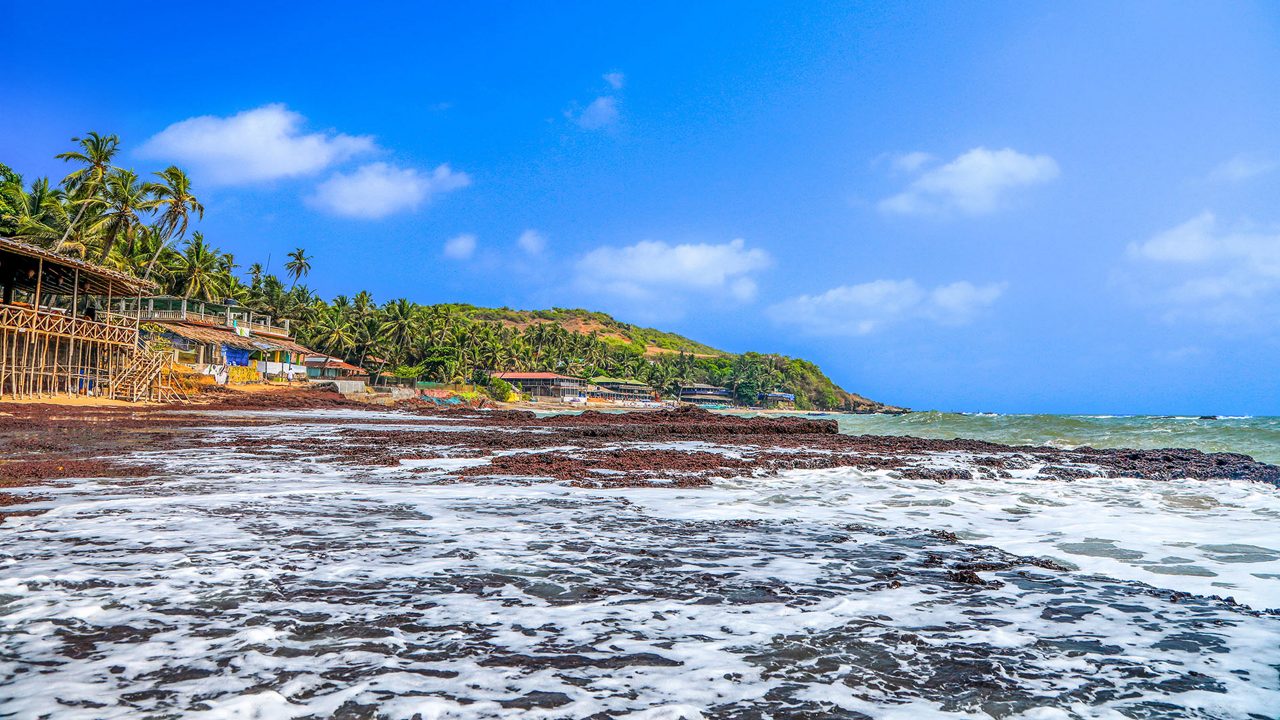
Anjuna Beach Goa - Famous for its Wednesday Flea Market, legendary trance parties, rocky coastline and stunning sunsets. Complete guide to Goa's iconic hippie beach.
New Year Party in Goa: Best Beach Events, Clubs & Passes
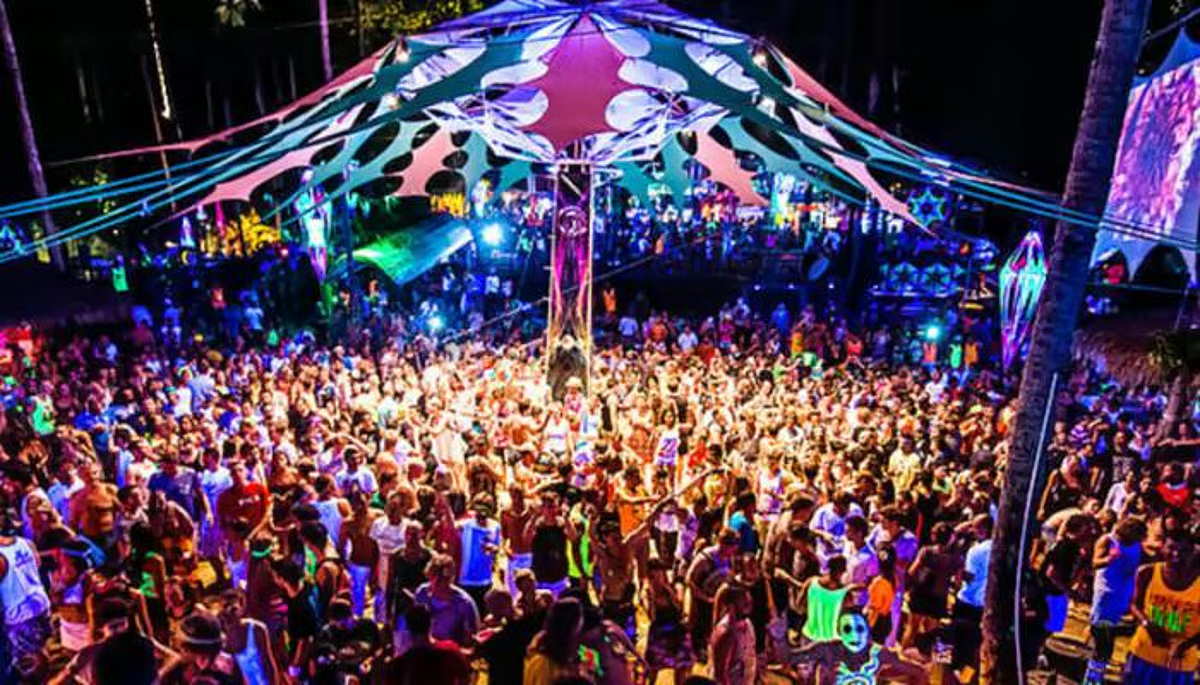
Plan the best New Year party in Goa with beach events, club zones, cruise options, ticket strategy, stay tips, and safety checklist.
Goa in July: Monsoon Weather, Waterfalls & Travel Tips
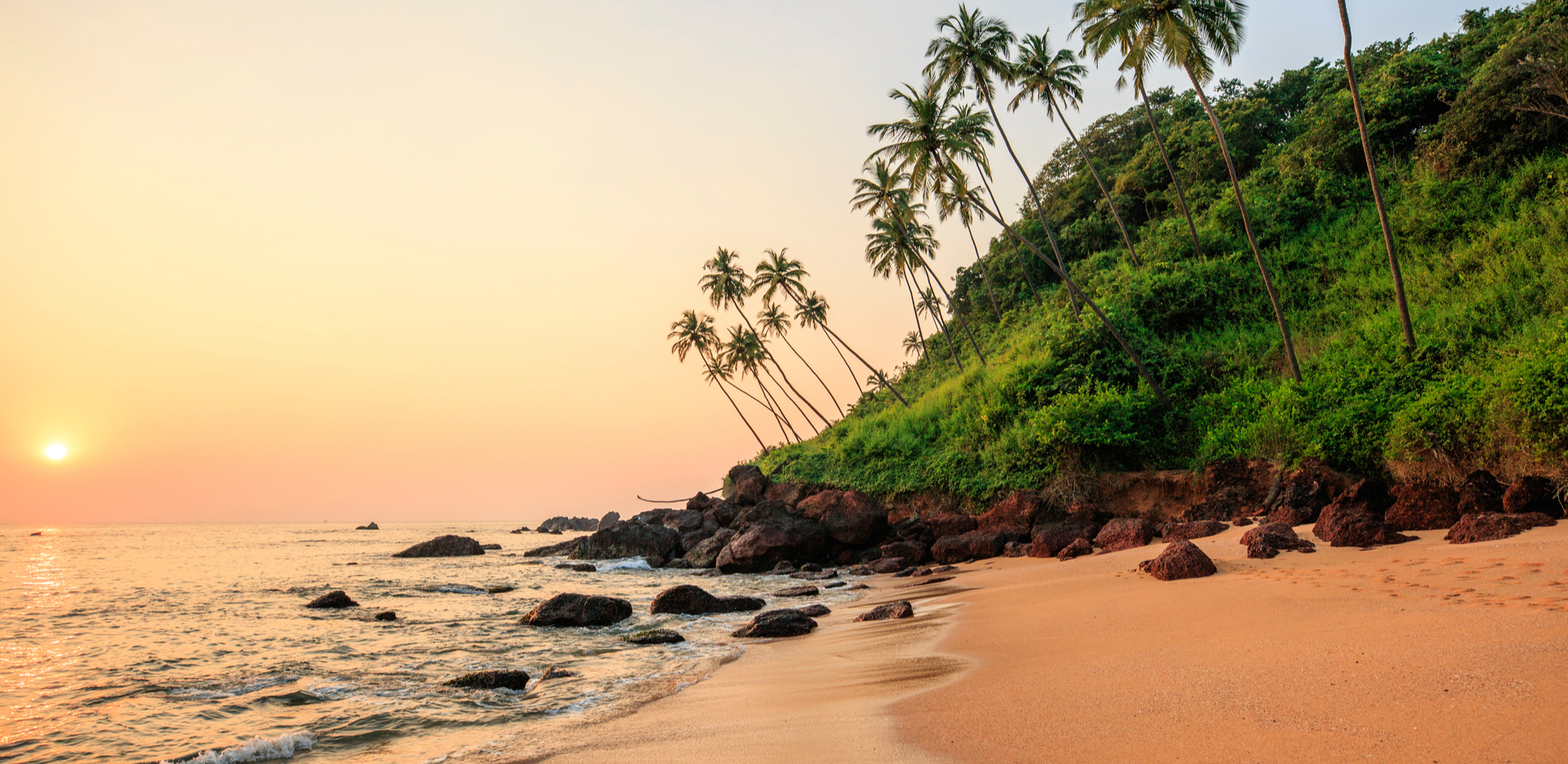
Discover the best places to visit in Goa in July with monsoon-friendly itineraries, Dudhsagar plans, heritage routes, weather tips, and safety guidance.
Never Miss an Adventure
Get the latest trekking guides, travel tips, and exclusive offers delivered straight to your inbox.
