
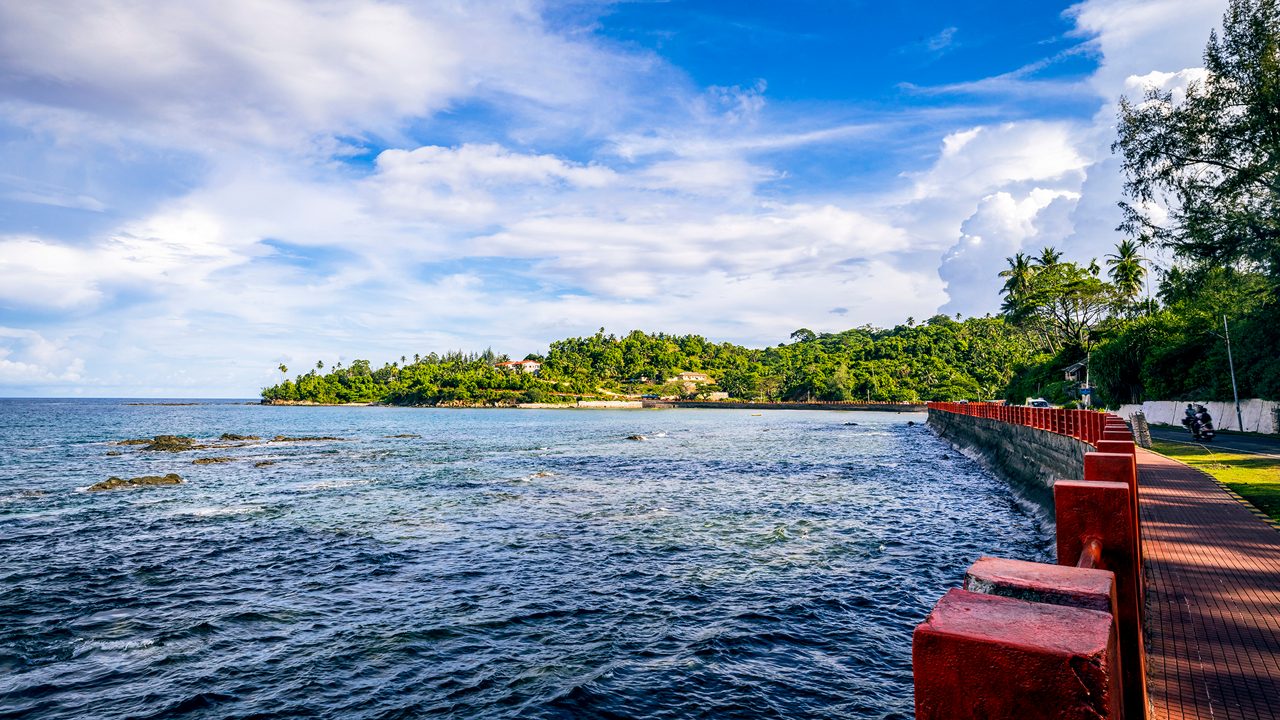
Andaman and Nicobar Food: Seafood Dishes, Local Flavors & Where to Eat

Rohan Malhotra
February 19, 2026
Discover Andaman and Nicobar food: fresh seafood, coconut curries, and island specialties. Complete guide to cuisine, restaurants, and must-try dishes.
Andaman and Nicobar Food: Complete Island Cuisine Guide
Andaman and Nicobar food is one of the strongest reasons to slow down your itinerary. Most travelers arrive for beaches and water activities, but the food scene quickly becomes a highlight because it is built on freshness, local adaptation, and practical island cooking. The cuisine blends seafood traditions with Bengali and South Indian influences, plus daily market realities in a remote archipelago.
Top ranking search results for this topic usually ask the same questions: what is famous, where should I eat, is vegetarian food available, and how much should I budget. This guide answers all of that in one scan friendly flow. If you are starting in the capital, combine this with Port Blair places guide and Port Blair restaurant picks to plan meals around sightseeing windows.
What Makes Andaman Cuisine Unique
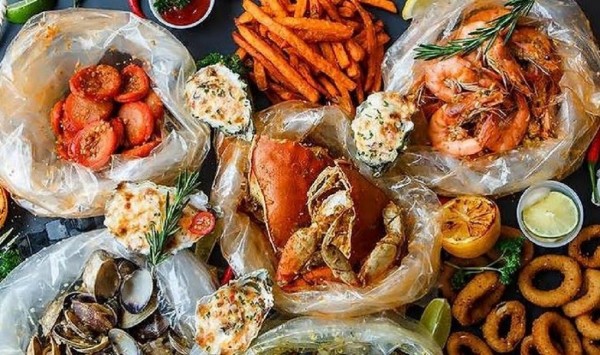
The core identity is simple: sea first, coconut second, spices balanced. Unlike heavy mainland gravies, many island dishes keep textures lighter and let fish or shellfish quality drive flavor. Coconut milk appears frequently in curries, but kitchens vary in spice intensity and thickness.
The region’s food culture is also shaped by migration. Bengali style fish preparations, Tamil style breakfast and curry logic, and local produce availability all combine into a practical hybrid cuisine. This is why menus across islands can look familiar yet taste different from mainland versions of similar dishes.
Must Try Dishes in Andaman and Nicobar
1) Fish curry with rice
The most dependable and iconic meal. Ask for day catch fish if possible, because freshness changes everything. Curry styles range from tangy tomato notes to creamy coconut forward versions.
2) Crab masala
A hands on dish with strong flavor depth. If you are new to crab, request cut and clean service suggestions before ordering. It is usually worth the effort.
3) Prawn preparations
Prawn masala, coconut prawn curry, and grilled prawns are common. Prawns are often safer for travelers who want shellfish flavor without crab shell handling complexity.
4) Grilled lobster
Available in selected spots at variable pricing by weight. Confirm weight and final cooking style before order so billing is clear.
5) Vegetarian thali and tiffin
Port Blair has reliable veg options with dal, sabzi, rice, and South Indian breakfast sets. Smaller islands offer fewer pure veg choices, so timing matters.
Seafood Focus: What to Expect
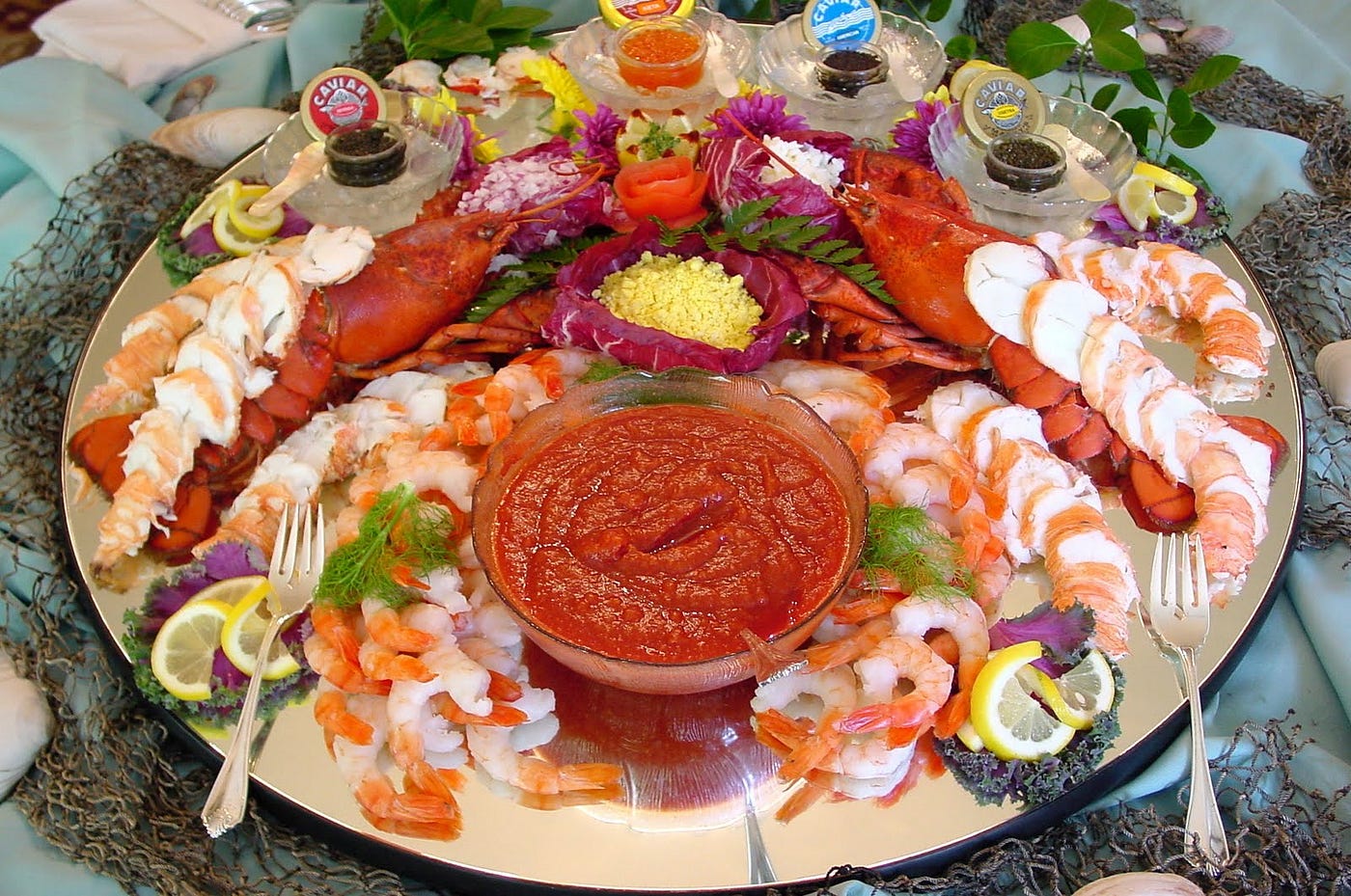
Fish: often grilled, fried, or in curry format. Prawns: versatile and widely available. Crab: premium flavor, effort heavy meal. Lobster: tourist favorite in beach zones. Squid: available in selected restaurants as fry or masala.
Always ask for the freshest options instead of sticking to fixed menu names. Good kitchens are transparent about what came in that morning, and this helps you order smarter.
Where to Eat Across Islands
Port Blair
Best for variety and stable service. You can explore seafood, cafes, and vegetarian places in one day. It is the right place to start your culinary map before moving to smaller islands.
Havelock
Great for beachside seafood experiences and relaxed dining sessions. Menus may be shorter but ambience plus freshness often make up for it.
Neil Island
Quieter and smaller, with limited timings. Plan dinner early and avoid assuming late night availability.
If you want cafe style meal breaks between heavier seafood sessions, use cafes in Port Blair as your backup list.
Street and Market Food Scene
Local market zones are useful for breakfast, quick snacks, and everyday island food habits. Aberdeen Bazaar area has practical options where you can observe local meal rhythm beyond tourist menus. Prioritize high turnover counters and freshly cooked items in humid weather.
Street food works best as a supplement, not replacement, for your core meals. Keep hydration and food timing balanced, especially on activity heavy days.
Vegetarian and Family Friendly Eating
Vegetarian travelers can eat comfortably in Port Blair and reasonably on outer islands with planning. Common reliable choices include idli, dosa, curd rice, dal rice, paneer curries, and vegetable stir fry options. Families with children should keep one low spice fallback meal in each location.
If your trip includes early ferries, keep dry snack backups and avoid depending on last minute breakfast availability near jetties.
Meal Budget Planning
Budget tier: local counters and basic cafes. Mid tier: standard seafood restaurants with full meal combinations. Premium tier: lobster crab and curated beach dining.
For premium seafood, ask whether menu price is per plate or per 100 grams. This single check prevents almost all billing confusion.
Best Time for Food Lovers
October to May is generally smoother for island movement and seafood supply consistency. During monsoon months, some routes and menus can fluctuate with weather and transport constraints. Food is still available year round, but selection may be narrower in certain pockets.
Travelers who keep one buffer meal window per day usually have a better experience than those running very tight activity schedules.
Smart Dining Rules for Andaman Trips
- Ask for day catch before placing fish orders.
- Keep lunch as your main seafood meal when possible.
- Confirm spice level clearly.
- Carry cash backup for smaller outlets.
- Avoid very heavy meals before long boat transfers.
- Book popular dinner spots in peak season.
One Day Food Trail in Port Blair
Morning: tiffin style breakfast and tea. Midday: seafood lunch with fish curry and one shellfish dish. Evening: cafe break with lighter snacks. Dinner: focused meal based on what you still want to try, ideally with one local curry and one grilled item.
This model gives variety without overloading your stomach, which is useful when your next day includes ferry travel or water sports.
Detailed Planning and Local Insight
To get better results from this food route, plan meals around movement, weather, and crowd intensity. Travelers often overpack sightseeing and then rush meals, which reduces the quality of the experience. A better pattern is one anchor meal and one exploratory meal each day. Keep your anchor meal at a trusted location where menu quality is consistent, then use your exploratory window for local discovery. This structure protects both comfort and curiosity.
Another useful strategy is to track what you have already tried. In destination food travel, people often order similar dishes repeatedly and miss regional depth. Maintain a small note list: one signature dish, one local beverage, one dessert, and one street style item per day. This method increases variety without increasing spend. It also gives you a cleaner memory of each city’s food identity.
For families, prioritize places with clear seating comfort, predictable service, and easy menu customization. For solo travelers, look for safe timing windows and cafes or restaurants that allow slower sessions without table pressure. For groups, assign one person to menu coordination before arrival to reduce ordering delays and avoid repetitive dishes.
Seasonality also matters. Freshness, ingredient availability, and crowd levels shift by month. During high season, reserve popular places where possible and arrive earlier for signature items that may sell out. During shoulder season, use quieter windows to have longer conversations with staff and ask for day recommendations. You often discover better dishes through these interactions than by ordering only headline items.
Finally, keep hydration and pacing in mind. Food travel should be enjoyable, not exhausting. Spacing heavier meals and adding lighter breaks helps you keep energy for the rest of your itinerary. A balanced dining day usually produces better taste memory than back-to-back heavy sessions.
Final Verdict
Andaman and Nicobar food is not a side attraction. It is a complete travel layer that combines freshness, island practicality, and multicultural flavor depth. Plan your meals with the same care as your beaches and ferries, and you will leave with far better memories.
For smoother execution, keep this guide paired with Andaman travel tips so meal timing, transport, and island transitions stay aligned throughout your trip.
Location
Frequently Asked Questions
Q1.What is the famous food of Andaman and Nicobar Islands?
Q2.Is Andaman food spicy?
Q3.What seafood is famous in Andaman?
Q4.What are the must-try dishes in Andaman?
Q5.Are there good vegetarian food options in Andaman?
Q6.Where can I find the best seafood in Port Blair?
Q7.What is unique about Andaman cuisine compared to mainland Indian food?
Q8.What is the best time to visit Andaman for food lovers?
Recommended For You
Places to Visit in Andaman: Islands, Beaches & Planning Tips
Explore the best places to visit in Andaman with island-wise highlights, beach picks, activity ideas, and practical route planning tips.
Places to Visit in Port Blair: Historic Sights & Island Day Trips
Explore top places to visit in Port Blair with Cellular Jail, Ross Island, North Bay, beaches, museums, and practical ferry-based itinerary planning.
Andaman Islands: Best Time To Visit And Things To Do
Planning your dream Andaman Islands vacation? This comprehensive guide covers essential Andaman travel tips for first-timers including best time to visit, how many days required, permits, packing list, budget breakdown, ferry booking, safety guidelines, and practical advice. Get ready for the perfect island paradise getaway with our expert tips on Port Blair, Havelock, Neil Island, water activities, and more.
Never Miss an Adventure
Get the latest trekking guides, travel tips, and exclusive offers delivered straight to your inbox.
