

Andaman Islands: Best Time To Visit And Things To Do

Rahul Garg
January 29, 2026
Planning your dream Andaman Islands vacation? This comprehensive guide covers essential Andaman travel tips for first-timers including best time to visit, how many days required, permits, packing list, budget breakdown, ferry booking, safety guidelines, and practical advice. Get ready for the perfect island paradise getaway with our expert tips on Port Blair, Havelock, Neil Island, water activities, and more.
Andaman Travel Tips: Practical Guide for a Smooth Island Trip
Planning an Andaman trip looks easy on social media, but the islands work differently from most mainland destinations. Ferry schedules, weather shifts, and permit rules can change your plan quickly if you arrive unprepared. This guide is written for first-time travelers who want fewer mistakes, better budgeting, and a realistic daily plan. It focuses on what actually helps on ground: when to go, how many days to keep, what to book in advance, what to carry, and how to avoid common travel disruptions.
The Andamans reward travelers who plan smartly. If you keep a flexible itinerary, lock your key bookings early, and pack for tropical humidity, your trip becomes significantly easier. You can combine this article with the Andaman complete travel guide for destination-level depth and with places to visit in Andaman for island-wise planning.
Best Time to Visit Andaman
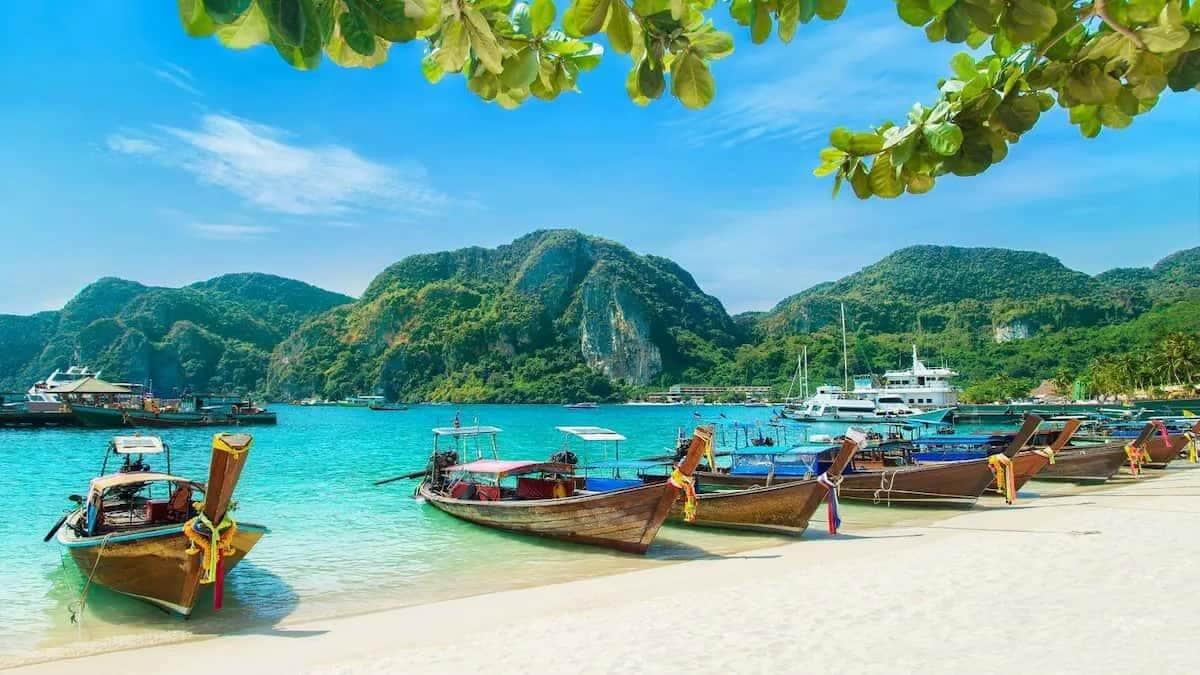
The most reliable season is October to May. Sea conditions are usually calmer, ferry movement is smoother, and water visibility is stronger for diving or snorkeling. December to February is peak season because weather is pleasant and activity operators run full schedules. March to May is warmer but still good for marine activities, and you may find slightly better room rates than peak winter.
June to September is monsoon-heavy. Some travelers still visit for lower prices, but rough seas can delay inter-island transfers and reduce outdoor activity windows. If this is your first Andaman trip, avoid monsoon months unless you are comfortable with backup plans and possible cancellations. For activity-focused travelers, combine your season decision with scuba diving in Andaman and keep at least one buffer day.
How Many Days You Should Keep
Five days is the practical minimum for a basic trip. You can cover Port Blair and one major island, but your pace will be tight. Seven to eight days is the ideal range for first-timers. It gives enough time for Port Blair history, Havelock beaches, and one additional island leg without rushing each transfer day. Ten days works best if you want a slower trip with water activities and relaxed evenings.
A useful rule: every ferry-heavy itinerary needs at least one flexible block. Weather or operational shifts are not rare, and a buffer day protects your return flight plan. For most first-time travelers, this pattern works: arrive Port Blair, move to Havelock Island, add one shorter island leg, return to Port Blair, and depart next day.
Know the Islands Before You Finalize Itinerary
Andaman is not a single-stop destination. Port Blair, Havelock, and Neil each offer different experiences, so your plan should match your priorities. If your focus is beaches and water activities, allocate more nights outside Port Blair. Keep inter-island transfer time in mind while planning daily schedules.

Permits, ID, and Booking Documents
Indian citizens generally do not need extra permits for common tourist circuits in South Andaman, Havelock (Swaraj Dweep), and Neil (Shaheed Dweep). Foreign nationals usually receive entry permission on arrival, but must carry passport copies and follow area restrictions where applicable. Rules can change, so verify from official tourism or administration channels before travel dates.
Keep both digital and printed copies of key documents: government ID, flight tickets, hotel confirmations, and ferry tickets. Poor connectivity in some points can make app-only access inconvenient. A hardcopy folder reduces last-minute stress at counters and jetties.
What to Pack: Practical Island Checklist
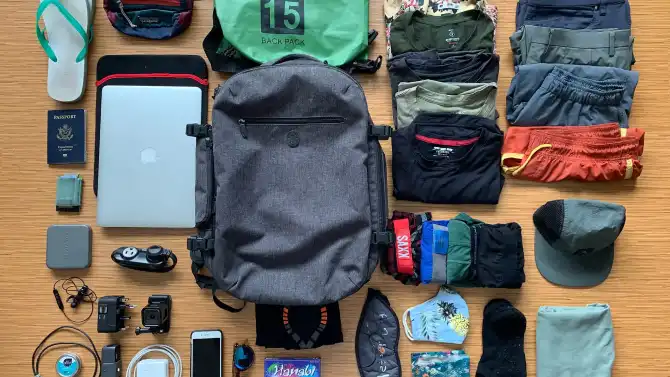
Pack for heat, humidity, and occasional rain bursts rather than city-style travel. Lightweight cotton clothes, quick-dry wear, swimwear, slippers, and one pair of secure walking footwear are enough for most travelers. Do not overpack heavy outfits you may never use. Add a light rain layer and a compact dry bag for ferry and beach days.
Sun and salt exposure are constant, so keep reef-safe sunscreen, sunglasses, cap, and basic skin hydration products. For activity days, carry waterproof pouches for phone and documents. If you are prone to motion discomfort, keep anti-nausea medicine for ferry transfers after consulting your doctor. Also keep insect repellent, personal medication, and a small first-aid kit.
Packing Essentials That Actually Help
Carry light cotton clothes, sun protection, basic medicines, and waterproof pouches for island transfers. A compact daypack is useful for beach hopping and boat rides. Keep printed and digital copies of booking confirmations because network quality can vary in some stretches.

Budget Planning Without Surprises
A realistic budget depends on season, hotel category, and activity intensity. For a 6–7 day trip, budget travelers can plan around moderate stays and selective activities. Mid-range travelers usually spend more on better rooms, private ferries, and curated experiences. Peak season can push costs higher across flights, stays, and transport.
Instead of only tracking total budget, split by category: flights, ferry movement, local transfers, stays, activities, food, and contingency. This helps control overspending on the first few days. Keep a 10–15% buffer for weather-led rebooking, upgrade decisions, or medical need.
Budget Planning Tips for First-Time Visitors
Your major costs are accommodation, ferry movement, and activities. Budget travelers should pre-book stays and compare ferry slots early, especially in peak season. Keep a daily buffer for weather-based schedule changes and last-minute transport. A simple category-wise budget prevents overspending during water-sport add-ons.

Flights, Ferries, and Local Transport
Port Blair is your entry point, so choose flights that minimize same-day tight connections to ferries. If your arrival is late, stay one night and take the next morning transfer. This reduces stress and missed transfer risk. Return similarly: reach Port Blair before your departure day whenever possible.
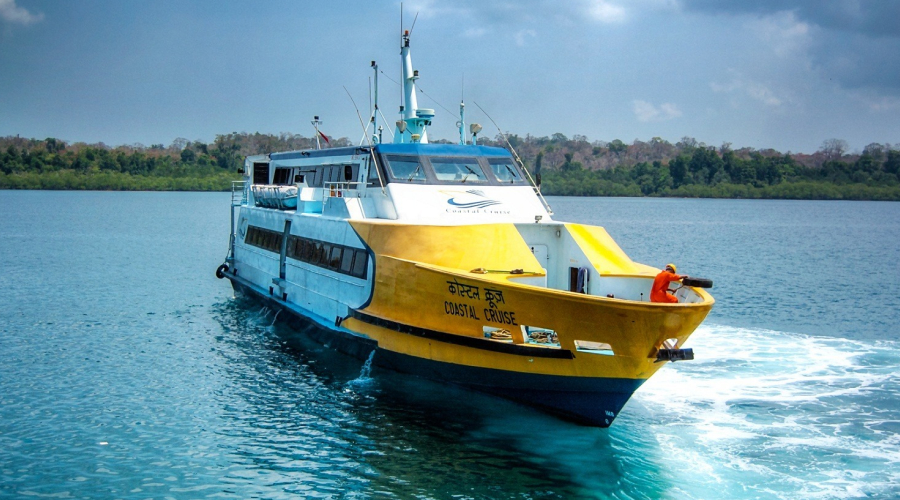
For inter-island travel, compare private and government ferry schedules in advance. Book important legs early during high season. On-ground local movement is usually through auto-rickshaws, cabs, and rented two-wheelers in selected islands. Always check fuel range and road conditions before long scooter routes. Keep transfer times realistic and avoid stacking too many movement legs on one day.
Activity Planning: Water Sports, Beaches, and Timing
Morning windows are usually better for most activities because weather is calmer and visibility can be better. Keep heavy sightseeing or long road movement for early blocks, and use afternoons for flexible plans or nearby beaches. For scuba, sea walk, snorkeling, or boat rides, confirm operator credentials and cancellation policy before payment.
Avoid back-to-back physically heavy days if your itinerary includes water sports plus transfers. Fatigue causes poor decisions and missed schedules. Keep one easy evening after every major activity day. If your plan includes multiple beaches, prioritize quality time at fewer spots instead of doing fast check-ins at too many locations.
Safety and Health Tips That Actually Matter
Follow local beach flags and lifeguard instructions strictly. Sea conditions can shift quickly even on visually calm beaches. Do not enter restricted zones for photos or swimming. If you are not a confident swimmer, use proper flotation support and avoid deep water experiments during non-guided sessions.
Stay hydrated throughout the day. Humidity can drain energy quickly, especially when you are outdoors for long periods. Eat from clean, well-reviewed places, especially before activity-heavy days. For diving and sea activities, avoid alcohol the previous night and choose rest over late-night plans.
Connectivity, Cash, and Everyday Logistics
Network quality varies by island and can be inconsistent in certain pockets. Download tickets, IDs, offline maps, and hotel details before transfer days. Keep cash in smaller denominations because digital payments may not work everywhere at all times. ATMs are available in major points, but avoid depending on last-minute cash withdrawals during rush hours.
Power cuts are occasional in some areas, so keep your devices charged and carry a power bank. If you work remotely during travel, do not schedule critical calls during transfer windows. Island logistics need flexibility, and fixed hour commitments can create unnecessary pressure.
Responsible Travel in Andaman
Andaman’s marine ecosystems are fragile. Do not step on corals, collect shells from protected zones, or leave waste on beaches. Choose operators that follow safety and environmental guidelines. Small behavior changes from visitors make a visible impact in island destinations.
Respect local communities, local timings, and restricted zones. Ask before photographing people. Keep noise low in quiet beach stays and homestay clusters. Responsible travel is not just environmental behavior; it also means reducing pressure on local systems and being respectful in public spaces.
Simple 7-Day Framework for First-Timers
Day 1: Arrive Port Blair, rest, local orientation.
Day 2: Port Blair local history and evening leisure.
Day 3: Ferry to Havelock, easy beach evening.
Day 4: Water activity + relaxed second half.
Day 5: Optional short transfer or island exploration.
Day 6: Return Port Blair buffer day.
Day 7: Departure.
This framework works because it protects your departure, avoids overloading movement days, and keeps enough flexibility for weather changes. Customize it based on your hotel style, activity preference, and comfort with ferry movement.
Final Andaman Travel Tips Before You Book
Book the non-negotiables early: flights, first key stay, and critical ferry legs. Keep everything else adjustable. Do not overdesign the itinerary; Andaman works better when you keep breathing room between high-energy blocks. A flexible traveler usually enjoys the islands more than a rushed one.
If this is your first island trip, prioritize consistency over checklist tourism. Spend more time at fewer places, choose verified activity operators, and keep one buffer day. These simple decisions make your trip calmer, safer, and more memorable.
Location
Frequently Asked Questions
Q1.How many days are enough for Andaman?
Q2.What is the best time to visit Andaman?
Q3.Do Indians need permits for Andaman?
Q4.How much does an Andaman trip cost?
Q5.Is Andaman safe for solo travelers and families?
Q6.What should I pack for Andaman?
Q7.Is there network connectivity in Andaman?
Q8.How to book ferries between Andaman islands?
Recommended For You
Scuba Diving in Andaman: Best Spots & Prices
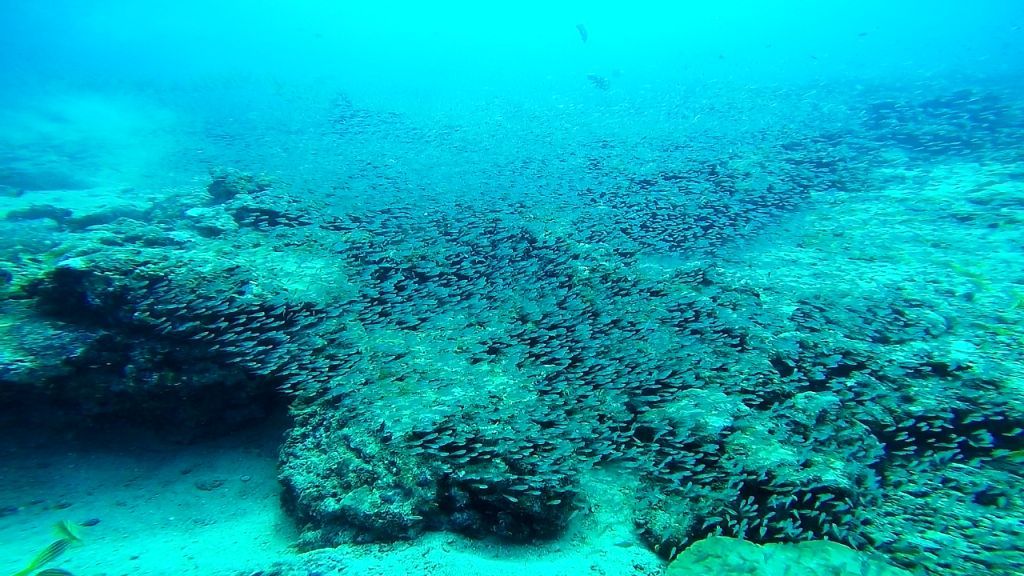
Scuba diving in Andaman guide with best dive spots, price ranges, beginner safety rules, no-fly timing, and practical planning tips for Havelock and Neil.

Things to Do in Andaman: Top Activities, Water Sports & Island Tours
Plan top things to do in Andaman with diving, snorkeling, beaches, island hopping, historical sites, and practical itinerary plus budget guidance.

Places to Visit in Andaman: Islands, Beaches & Planning Tips
Explore the best places to visit in Andaman with island-wise highlights, beach picks, activity ideas, and practical route planning tips.
Never Miss an Adventure
Get the latest trekking guides, travel tips, and exclusive offers delivered straight to your inbox.
