
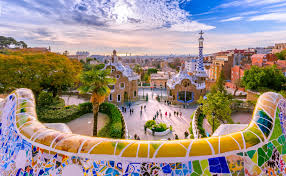
Barcelona Gaudi Architecture: Complete Visit Information

Rahul Garg
February 20, 2026
Plan a Barcelona Gaudi itinerary with timed-entry ticket logic, realistic route sequencing, and practical one-day or two-day execution tips.
Introduction
A Barcelona Gaudi guide should solve two practical problems: how to prioritize landmarks and how to handle timed ticket systems without losing half the day. Many travelers know the famous sites but still run into sold-out slots, inefficient route order, and long transfer churn between neighborhoods. The most reliable approach is to combine booking strategy with realistic movement blocks.
If you are comparing multi-city Europe planning styles, you can contrast this with Disneyland Paris, urban shopping logistics in shopping places Paris, and iconic attraction planning from Eiffel Tower Paris updates. This guide focuses on Gaudi landmarks, timed-entry logic, and one-day/two-day route execution.
Why a Gaudi-Focused Trip Works
Antoni Gaudi’s works are distributed across Barcelona in a way that can be planned efficiently by metro and short walks if sequenced well. A focused Gaudi route gives architectural depth and clear visual continuity, especially for first-time visitors who want high-value city understanding without random stop-hopping.
The key is to pick your pace model: fast one-day coverage or comfortable two-day immersion. Trying to force deep interiors, facades, and photo windows into one over-packed day usually reduces quality.
Must-Visit Landmarks in Priority Order
Most first-time travelers prioritize Sagrada Familia and Park Guell, then expand to Casa Batllo and La Pedrera depending on time and budget. This order works because it balances iconic value with practical geography when planned correctly.
Use a priority ladder: Tier 1 must-do sites, Tier 2 optional interiors, Tier 3 exterior-only passes. This prevents schedule collapse when ticket slots shift.
| Priority | Landmark Type | Suggested Time |
|---|---|---|
| Tier 1 | Sagrada Familia, Park Guell | 2 to 3 hours each including transitions |
| Tier 2 | Casa Batllo, La Pedrera | 1 to 2 hours each |
| Tier 3 | Exterior viewpoints and short passes | 20 to 40 min each |
Ticket Strategy: Timed Entry Rules
Sagrada Familia and Park Guell operate with timed-entry models and capacity controls, so booking late can force poor time slots or complete misses. Reserve core tickets as early as possible, then build your transport sequence around those locked times.
Keep at least 30 to 45 minutes between major timed entries when cross-city movement is involved. This buffer protects you from metro delays and queue variation. Without buffer, one late arrival can break your full route.
If you must choose only one paid interior in a short trip, pick the one most aligned with your interests: engineering and sacred geometry vs urban landscape and panoramic movement.

One-Day Gaudi Itinerary
For a fast one-day route, start early with your first timed entry at Sagrada Familia, then transition to Park Guell with a fixed lunch block between transfers. Keep afternoon flexible for one premium interior or two short exterior stops depending on energy.
Do not add too many museum-scale detours on this day. A clean Gaudi-only plan performs better for first-time visitors than mixed-theme overloading.
Two-Day Comfortable Itinerary
A two-day plan allows better architecture appreciation. Day 1 can cover core icons with interiors, while Day 2 handles optional buildings, facades, and neighborhood-level depth. This pacing supports better photos, lower stress, and richer interpretation.
Use Day 2 for reflection and selective revisits rather than chasing checklist completion. Revisiting one site at a different light window can produce stronger visual and experiential value than adding a low-priority stop.
Metro and Walking Logistics
Barcelona is movement-efficient when you cluster stops geographically and avoid repeated cross-city zig-zags. Use metro for major jumps and keep walking blocks short but intentional in architectural districts.
Carry offline maps with pinned entrances because wrong entrance approach can waste timed-entry windows. Confirm exact gate instructions on your ticket confirmation, not only map labels.
Budget Split and Time Control
A practical budget includes timed-entry tickets, city transport passes, simple meal windows, and a contingency reserve. High-cost mistakes usually come from last-minute upgrades or missed entry slots caused by poor sequencing.
Time control is equally important as money control. Protect morning focus hours for Tier 1 sites and push optional items later. This one rule keeps your route resilient.

Common Planning Mistakes
Typical mistakes include booking core sites too late, placing far-apart timed entries back-to-back, and confusing facade-only visits with full interiors. Another frequent issue is skipping buffer around lunch and transfer windows.
Solve this with pre-committed sequencing: lock two anchors, assign flexible mid-block, and cap optional stops by remaining energy and daylight.
Execution Layer for Better Travel Outcomes
High-quality travel results rarely come from long destination lists alone. They come from sequencing, buffers, and clear decision rules. Start each day with one anchor objective, define two optional adds, and keep a fallback near your current zone. This protects your schedule when weather, crowds, or transport drift from plan.
Use a simple control method throughout the day. First, check live conditions. Second, confirm your next transfer and time cap. Third, decide whether to continue deeper at the current stop or move to the next one. This three-step method prevents rushed decisions and reduces fatigue from reactive changes.
Group travelers should assign roles to avoid confusion. One person tracks timing, one tracks navigation, and one confirms bookings and payments. Role clarity improves movement speed and cuts repetitive discussion at every transition point. If your group includes elders or children, add more recovery windows and avoid long standing blocks.
Budget planning should prioritize certainty over impulse. Spend where it improves outcomes directly: reliable transfers, verified tickets, and essentials like hydration and weather gear. Keep a small contingency reserve for route changes. Travelers who protect certainty usually get stronger overall experiences at similar total spend.
End each day with a short review: what worked, what delayed, and what should change tomorrow. This feedback loop compounds quickly across a multi-day trip and helps you maintain both comfort and depth.
Advanced Route Optimization Notes
For travelers who want deeper output, build a site worksheet before arrival: objective, allocated time, and top three details to observe per site. This transforms passive tourism into active architectural learning.
If rain or strikes disrupt movement, shift to near-cluster exterior observations instead of forcing long transfers. Depth in one district generally delivers better outcomes than panic re-routing.
Finally, keep ticket screenshots and booking IDs offline. Connectivity issues at entry gates are common enough to justify this simple backup step.
Detailed Time-Block and Booking Control
To make a Gaudi-focused route reliable, treat each major attraction as an operations block. Every block has four components: entry buffer, exploration core, photo margin, and exit transition. If one block exceeds its cap, reduce the next optional stop immediately. This approach protects your must-see priorities and avoids late-day panic. Travelers who preserve block discipline usually complete more meaningful visits than travelers who try to recover delays by rushing.
Ticket management should be centralized. Keep all confirmations in one offline folder with entrance notes, slot times, and cancellation rules. Many issues at major attractions come from searching scattered emails at entry points. Two minutes of preparation can save a missed slot. Also verify whether your booked product includes audio guide, tower option, or guided route; product type differences can affect the on-ground timeline.
Movement design matters more than raw distance. Barcelona can feel compact on a map but transit friction appears when slot timings are too tight. Keep one macro-buffer in the afternoon and micro-buffers between every transfer. If you regain spare time, spend it on depth at one site rather than adding a random extra stop. Depth improves trip quality far more than overextended checklists.
Photography goals should be pre-defined. Decide if your priority is architecture detail, skyline context, or lifestyle frames. Different goals require different light windows and movement choices. Without a plan, travelers often capture repetitive angles and miss structural details that make Gaudi’s work unique. A short shot list can transform the same route into stronger visual storytelling with less rushing.
For families, keep child energy cycles in mind. Monument-heavy days can become difficult without scheduled rest and meal anchors. Protect hydration windows and add one low-stimulation break between major sites. If energy drops, skip lower-tier interiors and keep only high-value facades. Controlled reduction keeps morale high and preserves the day’s best experiences.
Budget discipline improves when you split costs by certainty and flexibility. Certainty costs include core tickets and transport passes. Flexibility costs include optional interiors, cafés, and spontaneous add-ons. By protecting certainty first, you avoid spending on low-impact extras that reduce time for priority experiences. This method is especially useful on short city breaks.
End each Gaudi day with a route audit: compare planned vs actual timings, note queue realities, and adjust tomorrow’s buffers. This one practice upgrades day-two execution dramatically. City travel is dynamic; the best itineraries evolve daily based on real movement data, not static assumptions.
Operational Buffer Notes
Add one protected buffer block near the end of your day. This buffer absorbs delays without harming your primary experience. If no delays occur, use it for deeper exploration at the most valuable stop instead of adding a random new stop.
Keep confirmations, maps, and key contacts offline. Network instability can disrupt otherwise good plans, especially during transitions. Simple offline preparation improves confidence and reduces avoidable friction.
If conditions change, reduce optional activities first and preserve anchor goals. Controlled simplification is usually the best decision for quality and safety.
Location
Frequently Asked Questions
Q1.Which Gaudi sites should first-time visitors prioritize?
Q2.How far in advance should Sagrada Familia tickets be booked?
Q3.Can Park Guell and Sagrada Familia be done on the same day?
Q4.Is a guided tour worth it for Gaudi landmarks?
Q5.What is the most efficient metro route between key sites?
Q6.How much time should be kept per monument?
Q7.Is early morning or late afternoon better for crowds?
Q8.Which Gaudi sites can be skipped on a short trip?
Recommended For You
Bali: Complete Travel Plan Places And Weather
Complete Bali travel guide with 7-day itinerary, best time to visit, cost breakdown, top attractions, transport options & insider tips for first-time visitors to Indonesia's Island of Gods.
Best Time to Visit Bangkok: Weather, Festivals & Travel Costs
Find the best time to visit Bangkok by season, weather, festivals, crowds, and budget to plan a smoother Thailand trip.
Best Things to Do in Vietnam: Top Activities
Discover the best things to do in Vietnam with practical city, nature, food, and adventure ideas for a balanced trip.
Never Miss an Adventure
Get the latest trekking guides, travel tips, and exclusive offers delivered straight to your inbox.
