
Bali: Complete Travel Plan Places And Weather

Rohan Malhotra
November 15, 2025
Complete Bali travel guide with 7-day itinerary, best time to visit, cost breakdown, top attractions, transport options & insider tips for first-time visitors to Indonesia's Island of Gods.
Introduction: Welcome to the Island of Gods
Bali, the famed "Island of Gods," captivates over 6 million visitors annually with its enchanting blend of spiritual heritage, pristine beaches, emerald rice terraces, and warm hospitality. This Indonesian paradise boasts over 1,500 temples, each telling stories of ancient traditions and religious devotion. Having explored Bali across three trips spanning 30+ days, I'm still discovering hidden gems and magical corners that make every visit feel like the first time. What makes Bali truly special is its incredible diversity. Within a few hours, you can transition from surfing world-class waves at Uluwatu to finding inner peace at a yoga retreat in Ubud, then dancing the night away at Seminyak's beach clubs. This comprehensive Bali travel guide covers everything you need to plan your perfect Balinese adventure – from the best time to visit and top attractions to a detailed 7-day itinerary, budget breakdowns, and insider tips that will save you time and money.Quick Facts About Bali
- Location: Indonesia's westernmost island of the Lesser Sunda Islands
- Capital: Denpasar
- Population: 4.3 million
- Currency: Indonesian Rupiah (IDR)
- Language: Bahasa Indonesia (English widely spoken in tourist areas)
- Time Zone: GMT+8
- Best Time to Visit: April-October (dry season)
- Average Daily Budget: ₹2,500-8,000 ($35-115 USD)
- Visa: Visa on Arrival available for most nationalities
- International Airport: Ngurah Rai International Airport (DPS)
Best Time to Visit Bali
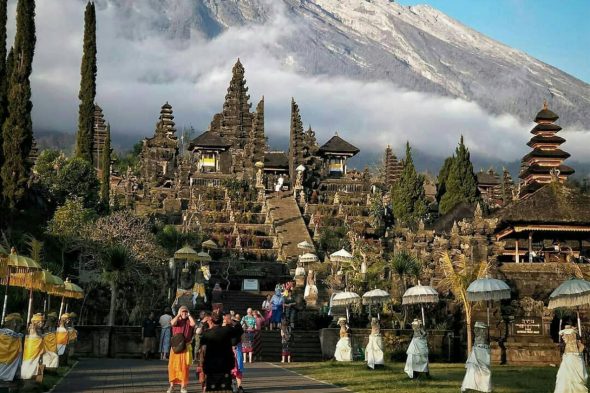 Understanding Bali's weather patterns is crucial for planning the perfect trip. Bali has two distinct seasons: the dry season (April-October) and the wet season (November-March). However, the island's microclimates mean weather can vary significantly between regions.
Dry Season (April - October)
The dry season is undoubtedly the best time to visit Bali, offering ideal conditions for exploring and outdoor activities. **April to June** represents the sweet spot – you'll enjoy perfect weather, fewer crowds, and lower prices before the peak season rush. **July and August** are the most popular months, bringing excellent weather but also the highest tourist numbers and accommodation rates. September offers a fantastic balance as crowds thin out while the weather remains glorious. October sees the start of the shoulder season with occasional showers but significantly better value.Wet Season (November - March)
While the wet season brings heavier rainfall, it's not necessarily a bad time to visit. Rain typically comes in short, intense bursts, often in the late afternoon or evening, leaving plenty of dry hours for exploration. The landscape transforms into lush greenery, and you'll find much better deals on accommodation and activities. January and February are the wettest months, while March sees the rain begin to taper off. If you don't mind occasional showers and want to experience Bali with fewer tourists, this can be an excellent time to visit.Best Time by Activity
- Surfing: May-September (best waves on the west coast)
- Diving & Snorkeling: April-November (best visibility)
- Hiking Mount Batur: May-October (clear sunrise views)
- Yoga & Wellness: April-October (ideal outdoor conditions)
- Budget Travel: November-March (lowest prices)
Top Places to Visit in Bali
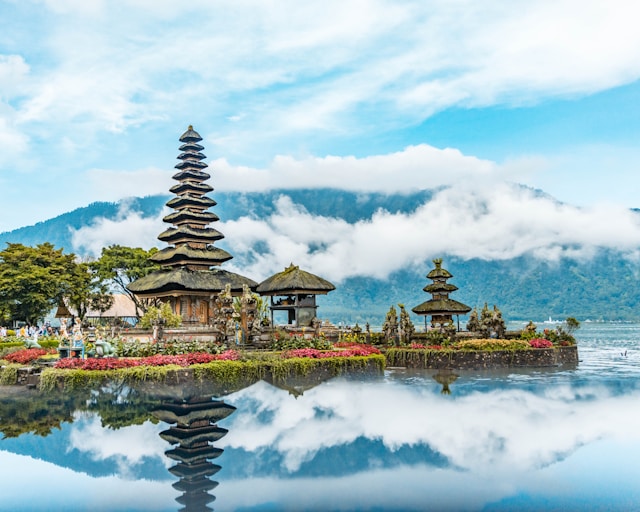 Bali's diverse regions each offer unique experiences, from spiritual retreats to beach parties. Here's a comprehensive breakdown of the must-visit destinations across the island.
South Bali: Beaches & Nightlife
Kuta
Kuta burst onto the tourist map in the 1970s as Bali's original surf destination. While it's lost some of its charm to overdevelopment, it remains a backpacker hub with some of Bali's best surf breaks for beginners. The long, sandy beach is perfect for sunset walks, and the party scene continues well into the night. Kuta is also home to Waterbom Bali, consistently ranked among Asia's best water parks.Seminyak
Just north of Kuta, Seminyak has evolved into Bali's most sophisticated beach destination. The upscale neighborhood boasts trendy beach clubs like Potato Head and Ku De Ta, world-class restaurants, and stylish boutiques. Seminyak Beach offers golden sands perfect for sunbathing, while the sunset scene at beach clubs is legendary. This is the place to see and be seen, attracting a fashionable international crowd.Canggu
Canggu has emerged as Bali's coolest neighborhood, particularly popular with digital nomads and surfers. The area is famous for its hipster cafes, yoga studios, and co-working spaces. Echo Beach is the main surf break, attracting surfers of all levels, while Batu Bolong Beach offers a more relaxed vibe. The food scene here is exceptional, with healthy cafes serving everything from smoothie bowls to authentic Balinese cuisine.Jimbaran
Jimbaran Bay is renowned for its fresh seafood restaurants right on the sand. The experience of dining by candlelight with your feet in the sand while watching the sunset is unforgettable. The calm bay waters are perfect for swimming, and the area's luxury resorts offer a more tranquil alternative to the hustle of Kuta and Seminyak.Nusa Dua
For those seeking luxury and pampering, Nusa Dua is Bali's purpose-built resort enclave. The gated community features pristine beaches, championship golf courses, and world-class resorts. While it lacks authentic Balinese character, it's perfect for families and those wanting a hassle-free, indulgent vacation.Ubud & Central Bali: Cultural Heart
Ubud Center
Ubud is Bali's cultural and spiritual capital, nestled among lush rice paddies and jungle-covered hills. The Sacred Monkey Forest Sanctuary is home to over 700 long-tailed macaques and three ancient temples. The Ubud Palace (Puri Saren Agung) hosts traditional dance performances each evening. The Ubud Art Market offers excellent shopping for handicrafts, textiles, and artwork. Ubud's yoga and wellness scene is world-renowned, with countless studios offering everything from drop-in classes to teacher trainings. The town is also famous for its healthy cafes, serving organic, vegetarian cuisine that has put Ubud on the global foodie map.Tegallalang Rice Terraces
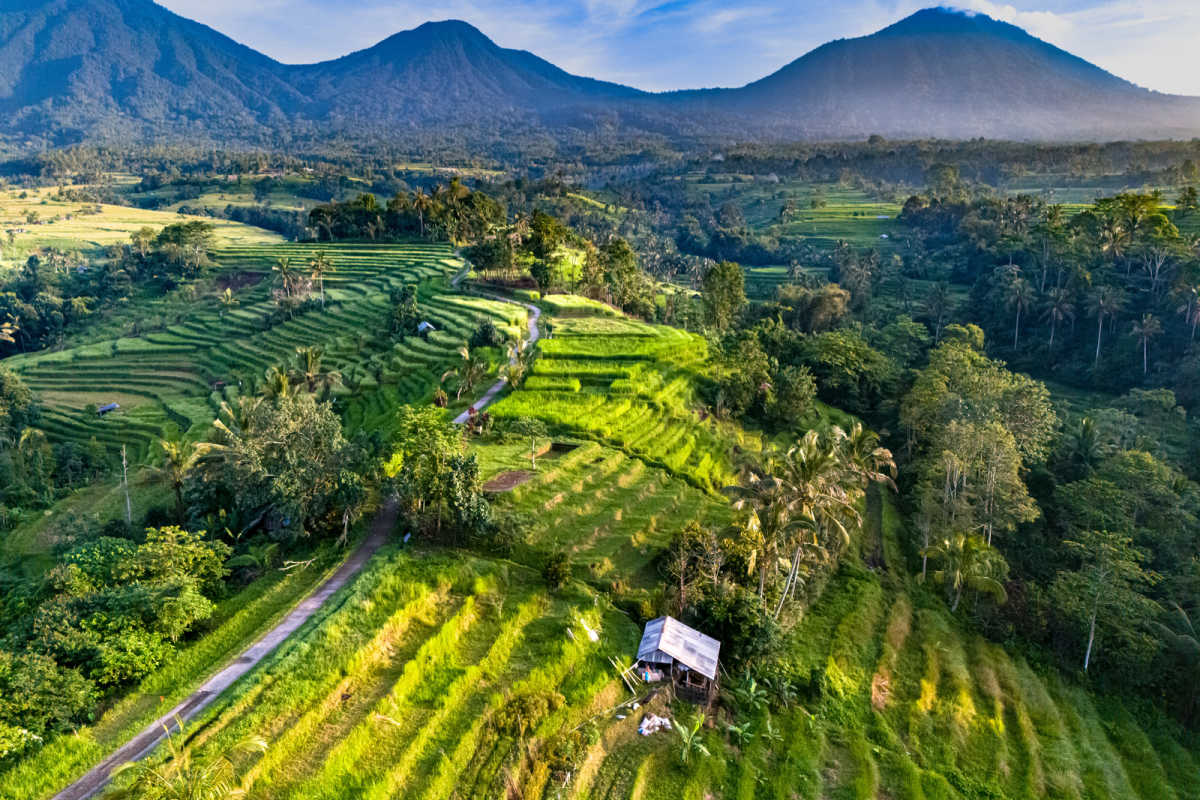
Just north of Ubud, the Tegallalang Rice Terraces showcase Bali's traditional subak irrigation system, recognized as a UNESCO World Heritage site. The emerald-green carved hills follow the natural contours of the land, creating a stunning mosaic pattern. The best time to visit is early morning or late afternoon to avoid crowds and capture the perfect photo. Don't miss the Instagram-famous swings that offer dramatic views over the terraces.Tampaksiring
This area north of Ubud houses two of Bali's most significant cultural sites. Tirta Empul (Holy Water Temple) features a natural spring where Balinese Hindus come for ritual purification. You can participate in the melukat purification ritual, which is said to cleanse both body and soul. Nearby Gunung Kawi is an 11th-century temple complex featuring rock-cut shrines carved into a cliff face. The 300-step descent through rice terraces is part of the adventure, and the peaceful atmosphere makes it a spiritual experience.Kintamani
The Kintamani region offers spectacular views of Mount Batur and its crater lake. The active volcano last erupted in 2000 and is considered sacred by locals. Many visitors come for the sunrise hike, but the area also offers hot springs, coffee plantations, and cool mountain air. The views from Penelokan are simply breathtaking, especially on clear days.East Bali: Authentic Culture
Amed
Amed is a stretch of coastal villages in East Bali known for its black sand beaches and excellent diving. The area is far less developed than South Bali, offering a glimpse into traditional Balinese life. The USS Liberty shipwreck at Tulamben is one of Bali's best dive sites, accessible from shore and teeming with marine life. The relaxed pace and stunning sunrise views make Amed perfect for unwinding.Tirta Gangga
This former royal palace features elaborate water gardens with tiered fountains and pools. Built by the King of Karangasem in 1948, Tirta Gangga is named after the sacred Ganges River in India. The gardens are perfect for a peaceful stroll and offer excellent photo opportunities. You can even feed the koi fish in the main pool.Sidemen
Sidemen Valley is what Ubud was 20 years ago – rice terraces as far as the eye can see, minimal development, and genuine rural charm. The area is perfect for hiking through rice fields, visiting traditional weaving villages, and experiencing authentic Balinese culture. Many visitors come here for yoga retreats and wellness programs away from the crowds.North Bali: Waterfalls & Dolphins
Lovina
Lovina is North Bali's main tourist area, known for its black sand beaches and dolphin-watching tours. Early morning boat trips take visitors out to see pods of spinner dolphins in their natural habitat. The area has a much slower pace than South Bali, making it popular with families and older travelers. The coral reefs off Lovina offer good snorkeling, and the sunset views across the Bali Sea are spectacular.Singaraja
Singaraja is Bali's former colonial capital and second-largest city. While not a major tourist destination itself, it's the gateway to some of Bali's most impressive waterfalls. Gitgit Waterfall is the most famous, cascading 40 meters into a refreshing pool. The surrounding area offers beautiful rice terraces and opportunities for jungle trekking.West Bali: Untouched Beauty
West Bali National Park
This protected area covers 770 square kilometers of diverse ecosystems, from monsoon forests to coral reefs. It's home to the endangered Bali starling and offers excellent birdwatching. The park receives far fewer visitors than other parts of Bali, making it perfect for those seeking solitude and nature.Menjangan Island
Part of the West Bali National Park, Menjangan Island is widely considered the best diving and snorkeling spot in Bali. The crystal-clear waters and pristine coral reefs offer visibility up to 50 meters. The island is uninhabited except for temple deer that sometimes swim between the island and mainland.Nusa Islands: Island Adventures
Nusa Penida
Nusa Penida has exploded in popularity thanks to Instagram, and for good reason. Kelingking Beach features the iconic T-Rex shaped cliff formation that looks like something from a fantasy world. Angel's Billabong is a natural infinity pool carved into limestone rock. Manta Point offers the chance to swim with majestic manta rays. While the island can be done as a day trip, staying overnight allows you to explore the eastern side's beautiful beaches and avoid the day-trip crowds. The roads are rough, so hiring a driver is highly recommended.Nusa Lembongan
Nusa Lembongan offers a perfect island escape with excellent infrastructure. The island is famous for its seaweed farming and relaxed atmosphere. The northern mangroves can be explored by stand-up paddleboard at sunset. Dream Beach and Mushroom Beach offer swimming and sunbathing, while Devil's Tear provides dramatic crashing wave views.Nusa Ceningan
The smallest of the three Nusa islands is connected to Lembongan by a Yellow Bridge. Ceningan is known for its Blue Lagoon cliff jumping spot and Secret Beach. The island's rolling hills offer fantastic scooter rides with spectacular ocean views. It's much quieter than its neighbors, making it perfect for escaping the crowds.7-Day Bali Itinerary
 This perfectly balanced itinerary covers Bali's highlights without feeling rushed. It combines culture, adventure, beach time, and relaxation to give you a comprehensive taste of what Bali has to offer.
Day 1: Arrival & Seminyak
Arrive at Ngurah Rai International Airport (DPS) and take a taxi to your hotel in Seminyak (approximately 45 minutes). Check into your accommodation and spend the afternoon acclimating to the tropical climate. Head to Seminyak Beach around 4 PM to secure a good spot for sunset. Enjoy dinner at one of the beachfront restaurants like La Plancha or Ku De Ta, where you can dine with your feet in the sand. The beach clubs come alive after sunset if you have energy for nightlife.Day 2: Ubud Culture
After breakfast, take a one-hour drive to Ubud. Start your exploration at the Sacred Monkey Forest Sanctuary, home to hundreds of monkeys and three important temples. The monkeys can be aggressive, so follow the guidelines and secure your belongings. Have lunch at one of Ubud's famous healthy cafes, then head to the Tegallalang Rice Terraces in the afternoon. Walk through the terraces and try the famous swings for Instagram-worthy photos. Return to Ubud center and visit the Ubud Palace and Art Market. In the evening, attend a traditional Kecak fire dance performance at the palace. Stay overnight in Ubud.Day 3: Temples & Waterfalls
Start early to beat the crowds at Tirta Empul Holy Water Temple. Participate in the purification ritual if you wish – it's a profound cultural experience. Continue to Gunung Kawi, the rock-cut temple shrines surrounded by rice paddies. After lunch at a local warung (eatery), head to Tegenungan Waterfall. This impressive waterfall is easily accessible and offers a refreshing swim. Return to Ubud in the late afternoon and explore more of the town's cafes, yoga studios, and art galleries. Consider booking a traditional Balinese massage to unwind.Day 4: Mount Batur Sunrise
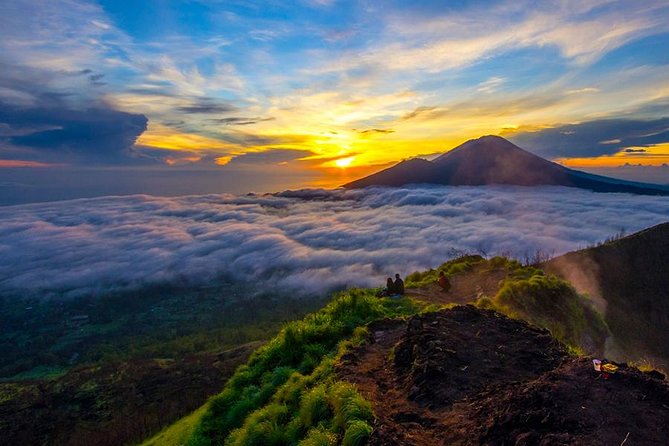
You'll need to wake up very early (around 2:30 AM) for your Mount Batur sunrise trek. A driver will pick you up from your hotel and take you to the starting point. The hike takes about two hours to reach the 1,717-meter summit. Watching the sun rise over the crater lake and smoking volcanic cone is a magical experience. After descending, celebrate with a breakfast cooked by volcanic steam. Soak your tired muscles in the nearby hot springs before driving to Candidasa on the east coast. Check into your hotel and enjoy a relaxing evening by the beach.Day 5: Nusa Penida Day Trip
Take an early morning fast boat from Sanur (about 45 minutes from Candidasa) to Nusa Penida. The journey takes about 40 minutes each way. Hire a private driver for the day as the island's roads are challenging. Start at Kelingking Beach to see the famous viewpoint – it's even more spectacular in person than in photos. Continue to Angel's Billabong natural pool and Broken Beach. After lunch, head to Manta Point to snorkel with manta rays (seasonal). Return to the mainland in the late afternoon and drive back to Seminyak or Jimbaran for the night.Day 6: Uluwatu & Beaches
Spend the morning at Padang Padang Beach, one of Bali's most beautiful beaches and a famous surf break. The beach is accessed through a cave and offers excellent swimming and snorkeling. In the afternoon, head to Uluwatu Temple at the southern tip of Bali. The cliff-top temple offers stunning ocean views. Time your visit for the sunset Kecak dance performance at the temple amphitheater – the combination of traditional dance, dramatic sunset, and temple backdrop is unforgettable. After the performance, head to Jimbaran Bay for a seafood dinner on the beach. The grilled fish, sunset views, and candlelit tables create a magical dining experience.Day 7: Last Minute & Departure
Use your final hours for any last-minute shopping or beach time. If you're flying out in the afternoon, perhaps squeeze in a spa treatment for one final indulgence. Leave plenty of time to reach the airport, especially during rush hour. Bali's traffic can be unpredictable, and you don't want to miss your flight.Bali Travel Cost Breakdown
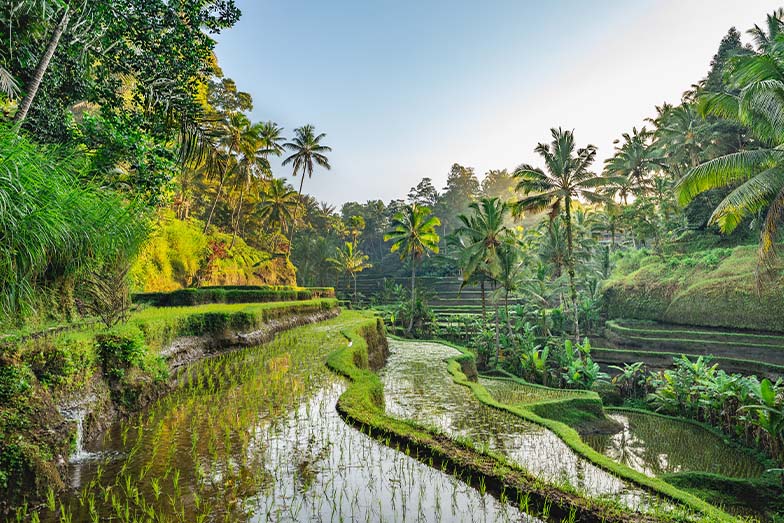 One of Bali's greatest appeals is its incredible value for money. Your daily budget will depend heavily on your travel style, but you can have an amazing experience at any price point.
Budget Traveler: ₹2,500-3,500 ($35-50) Per Day
Accommodation: ₹600-1,000 ($8-15) per night Stay in hostels, homestays, or simple guesthouses. Many offer free breakfast and basic amenities. Popular areas like Ubud and Canggu have excellent backpacker accommodations. Food: ₹800-1,000 ($11-14) per day Eat at local warungs (family-owned restaurants) where meals cost ₹150-300 ($2-4). Try dishes like nasi goreng (fried rice), mie goreng (fried noodles), and satay. Street food is delicious and incredibly cheap. Transport: ₹500 ($7) per day Rent a scooter (₹300-500/day or $4-7) if you're comfortable driving in traffic. Use GoJek or Grab apps for affordable motorbike taxis. Public buses (bemos) are the cheapest option but limited and confusing for newcomers. Activities: ₹600-1,500 ($8-21) per day Focus on free activities like beaches, rice terraces, and temples with small entrance fees. Choose activities wisely and skip expensive tours.Mid-Range Traveler: ₹5,000-8,000 ($70-115) Per Day
Accommodation: ₹2,500-4,000 ($35-55) per night Stay in 3-star hotels, boutique resorts, or nice villas. These properties offer pools, restaurants, and comfortable rooms. Areas like Seminyak and Ubud have excellent mid-range options. Food: ₹1,500-2,000 ($21-28) per day Mix local warungs with mid-range restaurants and cafes. You can enjoy excellent international cuisine and healthy options that Bali is famous for. Transport: ₹1,000-1,500 ($14-21) per day Use a combination of private drivers for day trips, Grab/GoJek for shorter distances, and occasional scooter rentals. A private driver costs about ₹2,500-3,500 ($35-50) for a full day. Activities: ₹1,000-2,000 ($14-28) per day Enjoy paid attractions like water parks, guided tours, diving, and spa treatments. You can also afford occasional fine dining experiences and beach club visits.Luxury Traveler: ₹15,000+ ($215+) Per Day
Accommodation: ₹10,000+ ($140+) per night Stay at 5-star resorts, private villas with staff, or luxury hotels in areas like Nusa Dua and Seminyak. These properties offer world-class amenities, stunning pools, and impeccable service. Food: ₹3,000+ ($42+) per day Dine at fine dining restaurants, beach clubs, and resort restaurants. Bali has an incredible food scene with world-class chefs and innovative concepts. Transport: ₹2,000+ ($28+) per day Hire private drivers with luxury vehicles, use premium car services, or rent a car with a driver. Activities: ₹2,000+ ($28+) per day Experience premium activities like helicopter tours, private yacht charters, exclusive spa treatments, and VIP experiences at clubs and restaurants.7-Day Trip Total Estimates
- Budget: ₹18,000-25,000 ($260-360)
- Mid-Range: ₹35,000-55,000 ($500-790)
- Luxury: ₹1,00,000+ ($1,430+)
Practical Information
Getting to Bali
Ngurah Rai International Airport (DPS) is well-connected to major cities across Asia and beyond. Direct flights are available from Indian cities like Delhi, Mumbai, and Bangalore, as well as from Singapore, Bangkok, Kuala Lumpur, and many Australian cities. Visa on Arrival is available for most nationalities, including Indian passport holders, for 30 days. The cost is approximately ₹3,500 ($50 USD), and the process is straightforward at the airport. Make sure your passport has at least six months of validity.Getting Around Bali
- Scooter Rental: The most popular and flexible option for experienced riders. Rentals cost ₹300-500 ($4-7) per day. Note that traffic can be chaotic, and an International Driving Permit is technically required.
- Grab/GoJek: These ride-hailing apps are ubiquitous and affordable. Use them for car rides (more expensive) or motorbike taxis (cheaper and faster).
- Private Driver: Hire a driver for ₹2,500-3,500 ($35-50) per day for 8-10 hours. This is the most comfortable option for exploring, especially with a group or family.
- Car Rental: Rent a car if you're comfortable driving on the left side of the road in heavy traffic. Daily rates start around ₹3,500 ($50).
- Public Transport: Limited and confusing. The Trans Sarbagita bus system connects major areas but is not tourist-friendly.
Accommodation
Bali offers accommodation options for every budget and style:- Ubud: Perfect for culture, yoga, and wellness. Choose from jungle retreats, yoga centers, and traditional guesthouses.
- Seminyak: Ideal for luxury, shopping, and nightlife. Home to high-end resorts and boutique hotels.
- Canggu: Great for digital nomads and surfers. Plenty of co-living spaces and modern villas.
- Nusa Islands: Perfect for island vibes and getting away from it all.
Connectivity
- SIM Cards: Telkomsel has the best coverage, especially in rural areas. Indosat and XL Axiata are cheaper alternatives. SIM cards cost ₹150-250 ($2-4) and include data packages.
- eSIM: Available through apps like Airalo for convenient tourist data plans.
- WiFi: Widely available at hotels, cafes, and restaurants. Speed is generally good in tourist areas.
Essential Travel Tips
What to Pack
- Lightweight, modest clothing for temple visits (shoulders and knees covered)
- Swimwear and beach cover-ups
- Comfortable walking shoes for temple exploring and rice terrace walks
- Sandals/flip-flops for beach time
- Rain jacket or umbrella (especially in wet season)
- Sunscreen, hat, and sunglasses – the sun is strong!
- Insect repellent for mosquito protection
- Power adapter (Indonesia uses Type C and F plugs, 230V)
- Cash – many places don't accept cards
Cultural Etiquette
- Dress modestly when visiting temples – cover shoulders and knees. Sarongs and sashes are usually available for rent at temple entrances.
- Use your right hand for eating, passing objects, and shaking hands. The left hand is considered unclean.
- Remove shoes before entering temples and homes.
- Don't touch people's heads – the head is considered sacred.
- Be respectful during ceremonies – if you encounter a temple ceremony, observe quietly from a distance.
- Negotiate prices politely at markets but remember that a few rupees mean much more to the seller than to you.
Health & Safety
- Drink bottled water only – tap water is not safe to drink.
- Use sunscreen and stay hydrated – the tropical sun is deceptively strong.
- Be cautious with traffic – road accidents are the most common tourist injury. Consider hiring a driver rather than driving yourself.
- Respect the monkeys – don't make eye contact, smile, or show food. Keep sunglasses and hats secure.
- Travel insurance is highly recommended, especially if you plan to ride scooters or participate in adventure activities.
Money-Saving Tips
- Eat at warungs – authentic, delicious, and incredibly cheap.
- Stay in homestays – support local families and save money.
- Negotiate prices at markets and with drivers.
- Use local transportation – Grab/GoJek motorbike taxis are very affordable.
- Travel in the wet season – better rates and fewer crowds.
- Book activities directly – skip tour agencies and arrange directly with providers.
Best Beaches by Activity
- Swimming: Sanur, Jimbaran, Nusa Dua (calm waters)
- Surfing: Uluwatu, Canggu, Kuta (various skill levels)
- Sunbathing: Seminyak, Padang Padang, Dream Beach (Nusa Lembongan)
- Snorkeling: Menjangan Island, Amed, Nusa Penida
- Sunset Views: Seminyak, Uluwatu, Lovina
Scams to Avoid
- Overpriced taxis – always use meters or Grab/GoJek apps.
- Fake "official" guides at temples – real guides have official badges.
- Money changers offering too-good-to-be-true rates – use banks or authorized exchange offices.
- Free gifts that come with a price tag.
Conclusion
Bali offers an incredible diversity of experiences that few destinations can match. From spiritual awakenings in Ubud to adrenaline adventures in Nusa Penida, from luxury pampering in Seminyak to authentic cultural encounters in rural villages, Bali truly has something for everyone. The key to a perfect Bali trip is balancing your interests. Don't try to see everything – Bali rewards those who slow down and immerse themselves in the island's unique rhythm. Spend time getting lost in rice terraces, chatting with locals, and watching spectacular sunsets. These moments often become the most cherished memories. Whether you're a first-time visitor or a repeat traveler, Bali's magic will captivate you. The island's combination of natural beauty, rich culture, warm hospitality, and excellent value makes it one of Southeast Asia's most special destinations. Use this guide as a starting point, but don't be afraid to follow your instincts and discover your own piece of paradise. For those fascinated by Bali's temple culture, the clifftop Uluwatu Temple offers a particularly dramatic setting with ocean views and cultural performances. If you're planning a romantic getaway, check out our comprehensive Bali honeymoon guide for curated recommendations on luxury resorts, private villas, and intimate experiences. Nature lovers should also consider exploring Amed Beach in East Bali, where black sand beaches and excellent diving opportunities await away from the crowds. Most importantly, travel with an open mind and heart. The Balinese people are incredibly warm and welcoming, and embracing their culture and customs will enrich your experience beyond measure. Selamat jalan! (Safe travels!)If you're extending this trip, Time to Visit Bali is worth adding to your plan.
Location
Frequently Asked Questions
Q1.How many days are enough for Bali?
For first-time visitors, 7-10 days is ideal to cover the main highlights including Ubud, beaches, temples, and a day trip to Nusa Penida.
If you want a more relaxed experience or want to explore off-the-beaten-path areas, plan for 14+ days.
This allows you to experience multiple regions without rushing and truly immerse yourself in Bali's culture.
Q2.Is Bali worth visiting?
Absolutely! Bali offers an incredible diversity of experiences - from spiritual retreats in Ubud to world-class surfing in Uluwatu, from luxury resorts in Seminyak to authentic village life in Sidemen.
The island's unique blend of Hindu culture, stunning natural beauty, warm hospitality, and excellent value for money make it one of Southeast Asia's most rewarding destinations.
Q3.Is Bali safe for tourists?
Yes, Bali is generally very safe for tourists. Violent crime against tourists is rare.
However, common issues include petty theft, traffic accidents (especially involving scooters), and scams.
The biggest safety concern is actually traffic - road accidents are the most common tourist injury.
Be cautious when riding scooters, consider hiring a driver instead, and always wear a helmet.
Q4.When is the best time to visit Bali for weather?
The best time to visit Bali is during the dry season from April to October.
Within this period, April, May, June, and September offer the perfect combination of great weather, fewer crowds, and lower prices.
July and August are peak season with excellent weather but also the highest tourist numbers and accommodation rates.
Q5.What is Bali famous for?
Bali is famous for its stunning Hindu temples (over 1,500!), beautiful beaches, terraced rice paddies, world-class surf breaks, yoga and wellness retreats, vibrant arts scene, traditional dance performances, and warm, hospitable people.
The island's unique culture, which blends Balinese Hinduism with ancient local traditions, sets it apart from other Indonesian islands.
Q6.Is Bali expensive to visit?
Bali can be incredibly budget-friendly or quite luxurious, depending on your choices.
Budget travelers can get by on ₹2,500-3,500 ($35-50) per day staying in guesthouses and eating local food.
Mid-range travelers typically spend ₹5,000-8,000 ($70-115) per day.
Luxury options are available at ₹15,000+ ($215+) per day.
Overall, Bali offers excellent value compared to most international destinations.
Q7.Do I need a visa for Bali?
Most nationalities, including Indian passport holders, can obtain a Visa on Arrival (VOA) at Ngurah Rai International Airport for 30 days.
The cost is approximately ₹3,500 ($50 USD).
The process is straightforward - just fill out to form, pay to fee, and get your passport stamped.
Make sure your passport has at least six months of validity remaining.
Q8.How to get around in Bali?
The main transport options are:
Scooter rental (₹300-500/day or $4-7) - most flexible but requires confidence in traffic.
Grab/GoJek apps - affordable and convenient for short distances.
Private driver (₹2,500-3,500/day or $35-50) - most comfortable for day trips.
Car rental - if comfortable driving on the left.
Public transport is limited and not recommended for tourists.
Recommended For You
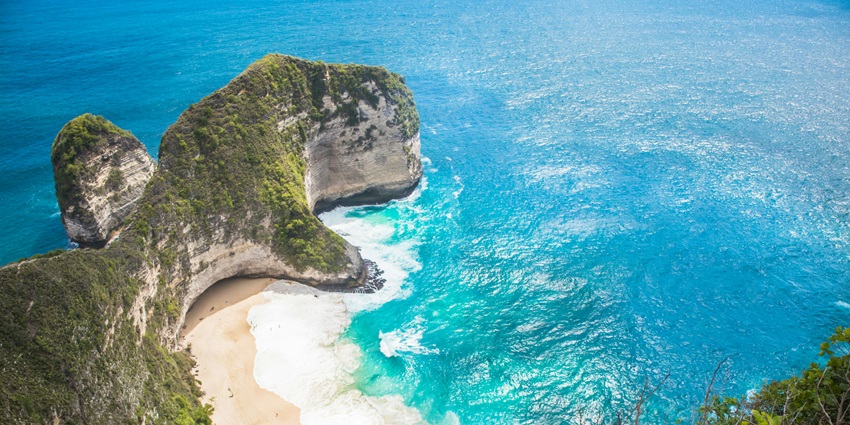
Nusa Penida Island: East-West Itinerary, Transport & Stay Areas
Discover Nusa Penida Island, Bali's rugged paradise. Explore Kelingking Beach, swim with manta rays, and discover hidden beaches in this complete travel guide.
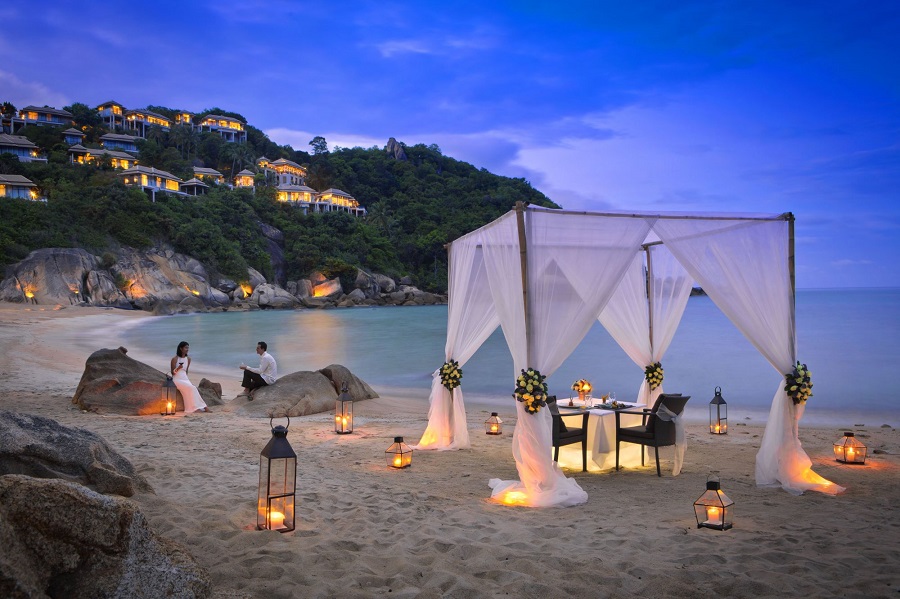
Bali Honeymoon: Best Places Packages And Itinerary
Ultimate Bali honeymoon guide with best villas, romantic beaches, sunset dinners & 7-day itinerary. Plan your perfect romantic getaway to the Island of Gods.
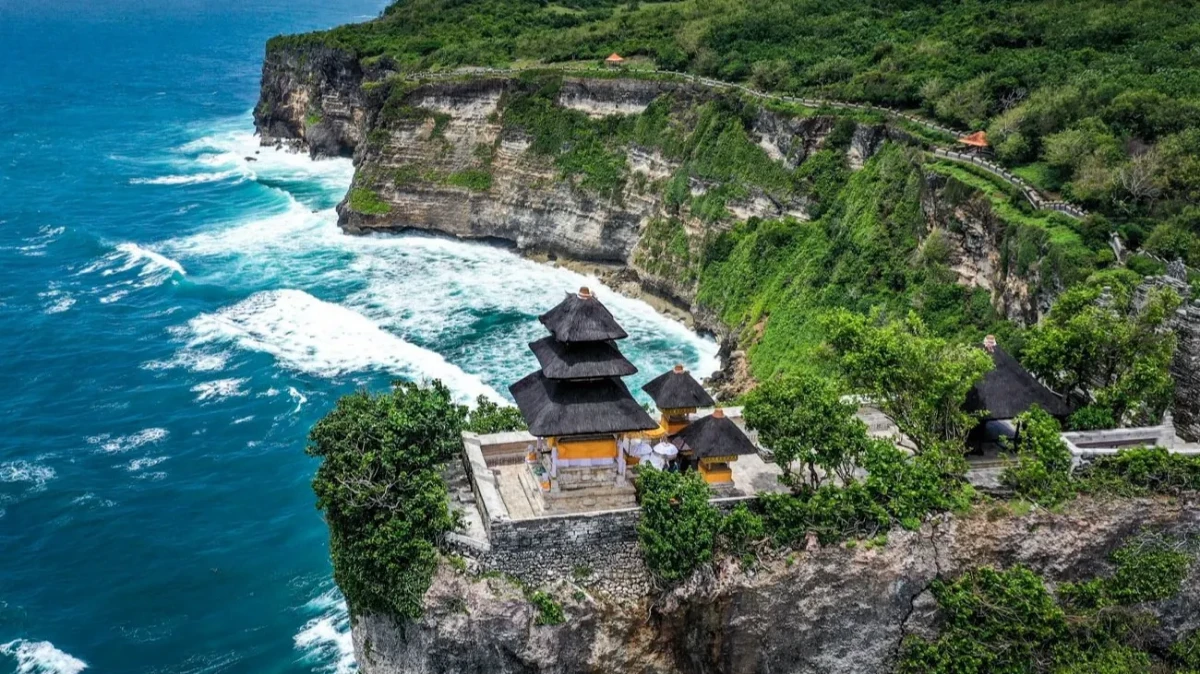
Uluwatu Temple Bali: Sunset Viewpoints, Kecak Show & Entry Tips
Visit Uluwatu Temple (Pura Luhur) perched on a 70m cliff in Bali. Complete guide to Kecak Fire Dance, sunset views, entrance fees, dress code, monkeys, and practical tips for this spectacular cliffside temple.
Never Miss an Adventure
Get the latest trekking guides, travel tips, and exclusive offers delivered straight to your inbox.
