
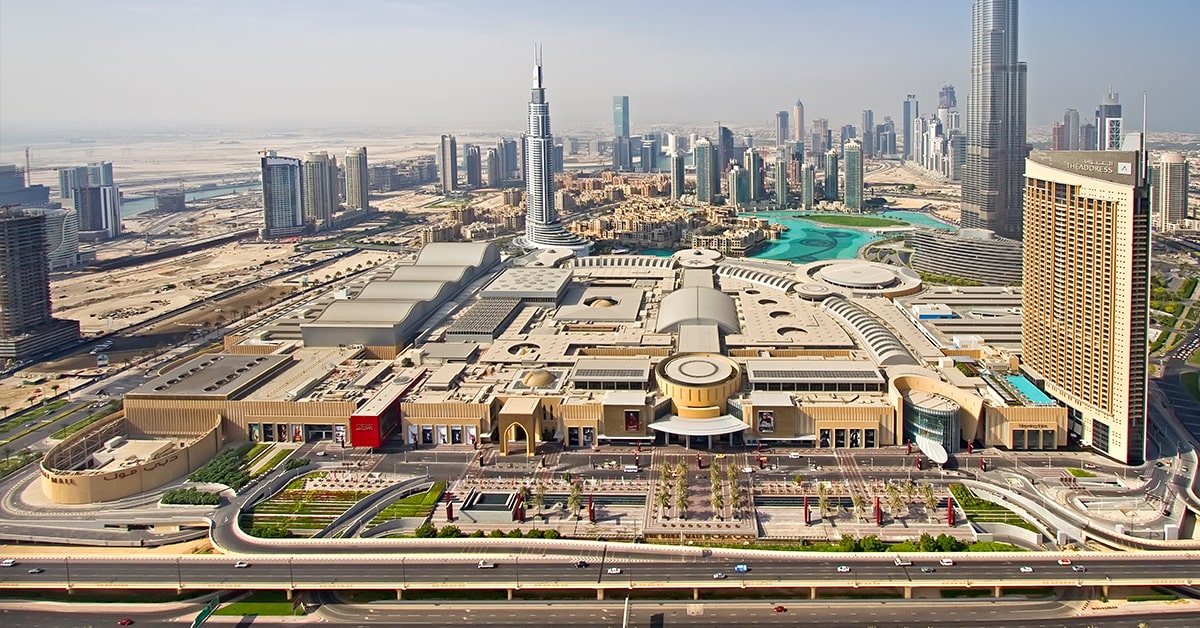
Best Shopping Places Dubai: Area Guide and Tips

Rohan Malhotra
February 18, 2026
Plan shopping in Dubai with mall/market zoning, timing strategy, and practical budget tips for a smoother retail experience.
Best Shopping Places in Dubai: Zone-Based Guide for Malls, Souks, and Value Shopping
Dubai is one of the easiest cities in the world to over-shop and over-travel on the same day. The retail options are huge, but transfers between zones can consume time and energy if the plan is not structured. The most effective method is zone-based: choose one primary area per session and one optional secondary stop only if energy, budget, and traffic allow.
This guide helps you pick shopping places by objective: luxury brands, everyday value, souvenirs, or category-specific buying. For product strategy, pair with best things to buy in Dubai, add seasonal context from Dubai Shopping Festival, and compare major malls such as Mall of the Emirates.
How to Choose the Right Shopping Area
Not all Dubai shopping zones serve the same purpose. Some are best for international brands, others for market-style buying and souvenirs. If you try to mix all formats in one day, decision quality drops and transport stress rises. A clearer approach is to define your objective first: brand shopping, family shopping, bargain shopping, or gift buying.
| Shopping Goal | Best Zone Type | Practical Rule |
|---|---|---|
| Luxury and flagship brands | Mega malls | Keep 3-4 target stores only |
| Mid-range lifestyle shopping | Regional malls | Combine with dining break |
| Souvenir and cultural items | Souk/market areas | Compare quality before final buy |
| Value-driven purchases | Outlet/discount zones | Set quantity and budget caps |
This framework prevents random movement and improves both value and comfort.
Major Mall-Led Shopping Areas
Dubai's large malls are designed for full-session visits, not quick pass-throughs. If you choose one, commit to it for the session. Trying to rush two mega malls in a half day usually leads to fatigue and poor purchase decisions. For architecture-themed shopping and alternative store mix, Ibn Battuta Mall is a useful secondary comparison stop on another day.
Use a floor-first strategy: complete one floor objective before changing levels. Backtracking repeatedly costs more time than shoppers realize.

Market and Souk Style Shopping
Dubai's market-style zones are useful for travelers looking for cultural items, gifts, and selective bargains. Quality and pricing variation can be wider than in malls, so product checks matter more. If you are buying items that need authenticity or quality assurance, request proper receipts and documentation where applicable.
Souk sessions are best scheduled when weather is manageable and you can walk comfortably. Keep hydration and short rest breaks in your plan, especially in warmer months.
Best Time to Shop in Dubai
Timing has a direct impact on shopping quality. Weekday daytime windows are often smoother for comparison shopping. Evening windows can be lively and visually impressive but may involve heavier crowd flow and longer dining waits. Seasonal sale periods can improve value, but they also increase crowd intensity.
- Go earlier for focused shopping.
- Use evenings for ambience and dining-heavy sessions.
- Keep extra buffer during sale/festival periods.
- Avoid rigid same-day multi-zone shopping plans.
Time discipline is often the biggest difference between a productive and tiring Dubai shopping day.

Budget Strategy: Avoiding Overspend
Set a category budget before leaving your hotel: apparel, gifts, food, optional spending. Keep optional spending at the end, not the beginning. This prevents early impulse purchases from taking over your total plan. If shopping with family, assign one shared reference budget so group choices remain aligned.
For high-value items, compare at least two stores, confirm invoice terms, and check return or exchange policies before payment closure.

Practical Route Examples
A practical full day can be: one major mall in first half, one meal break, then one lighter secondary zone only if needed. Another approach is split-day planning: mall on one day, souk on another. This reduces cognitive overload and keeps shopping decisions cleaner.
If your itinerary includes sightseeing, combine shopping with nearby attraction clusters rather than crossing the city repeatedly.
Common Mistakes to Avoid
- Trying to cover too many major zones in one day.
- Shopping without category budget splits.
- Skipping documentation checks on expensive items.
- Ignoring transfer times between distant areas.
- Leaving return transport planning to late evening.
Dubai rewards structured shoppers. A small amount of planning usually produces better prices, better choices, and a more enjoyable day.
Area-Wise Two-Day Plan
If you have two shopping days, keep one day mall-focused and one day souk/value-focused. Day one can target major climate-controlled malls with high-value items and branded categories. Day two can cover market-style zones, gift shopping, and lower-stress browsing. This split improves budget control and reduces transport fatigue while still covering the full Dubai shopping spectrum.
Travelers who use a two-day split usually report better purchase quality than those forcing all categories into one long day.
City-Wide Efficiency Rule
Dubai shopping days work best when each day has a clear theme: luxury, value, or souvenir focus. Mixing all three in one long route usually creates fatigue and weaker decisions. Use morning hours for planned buys, then shift to lighter browsing in later hours. Also pre-decide return transport and avoid last-minute zone changes once evening congestion begins.
With this city-wide rule, shoppers usually cover more meaningful purchases with less time waste.
Purchase Priority Ladder
Use a three-level priority ladder: must-buy, good-to-buy, and optional. Close must-buy items first in the best-matched zone, then proceed to lower-priority categories only if budget and time allow. This ladder keeps your Dubai shopping day focused and practical.
Shoppers who follow a priority ladder usually return with more useful purchases and fewer impulse regrets.
A realistic shopping plan should include transit, meals, and carrying capacity, not just store lists. This simple adjustment improves decision quality and overall day comfort in Dubai.
Smart Carry and Storage Note
As purchases increase, carrying comfort drops. Keep one planned stop for bag reorganization, hydration, and route reset. This small pause improves the quality of your remaining shopping decisions and helps avoid fatigue-driven impulse purchases late in the day.
Conclusion
The best shopping places in Dubai are not just about famous names; they are about matching your shopping goal to the right zone and timing. Use one-zone sessions, category budgets, and realistic movement plans. Done right, Dubai shopping becomes efficient, enjoyable, and high-value.
Location
Frequently Asked Questions
Q1.How to choose shopping areas in Dubai?
Q2.When should I visit major malls?
Q3.Can I combine mall and market shopping?
Q4.How to avoid overspending?
Q5.Is transport planning necessary?
Q6.What improves shopping quality?
Q7.Should I track festival offers?
Q8.Is Dubai good for family shopping trips?
Recommended For You
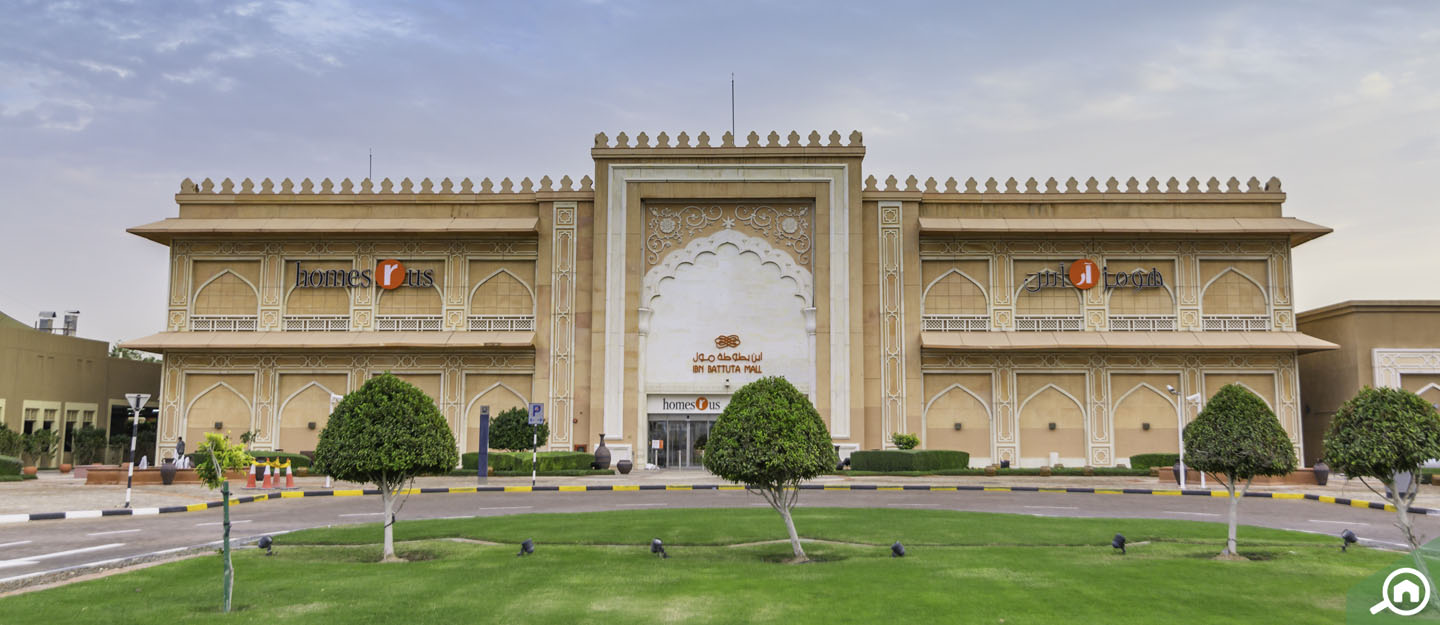
Ibn Battuta Mall Dubai: Theme Courts, Shops & Visitor Essentials
Explore Ibn Battuta Mall Dubai with practical tips on six themed courts, shopping strategy, dining, metro access, timings, and parking.

Best Places to Visit in Dubai: Attractions, Timings & Day Plans
Discover the best places to visit in Dubai. From Burj Khalifa and Dubai Mall to Palm Jumeirah and desert safari - complete Dubai travel guide with tickets, timings & tips.
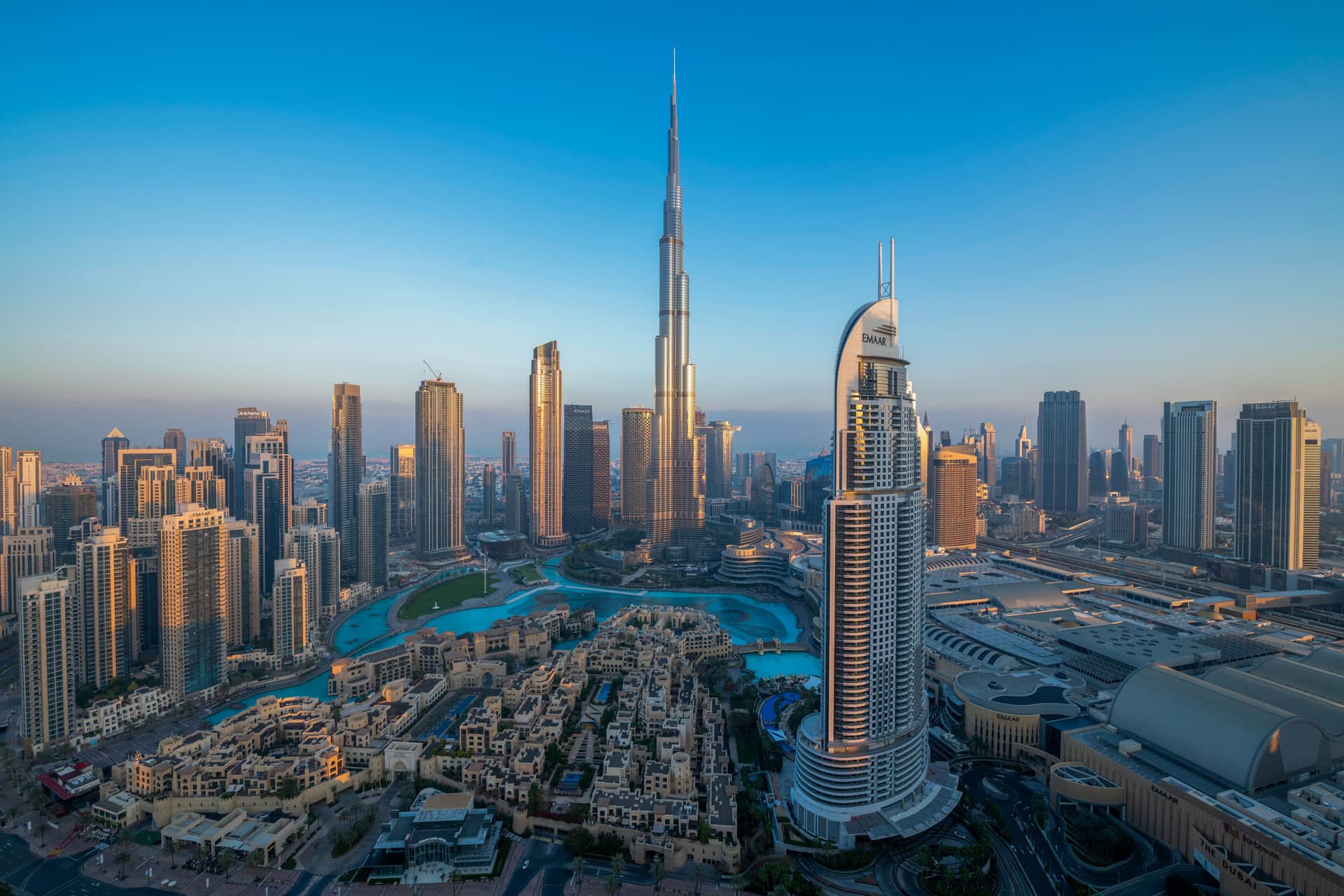
Burj Khalifa Dubai: Tickets, Timings & Best Views
Visit Burj Khalifa, the world's tallest building in Dubai. Complete guide with ticket prices, observation deck timings, best time to visit, and practical tips for an unforgettable experience.
Never Miss an Adventure
Get the latest trekking guides, travel tips, and exclusive offers delivered straight to your inbox.
