
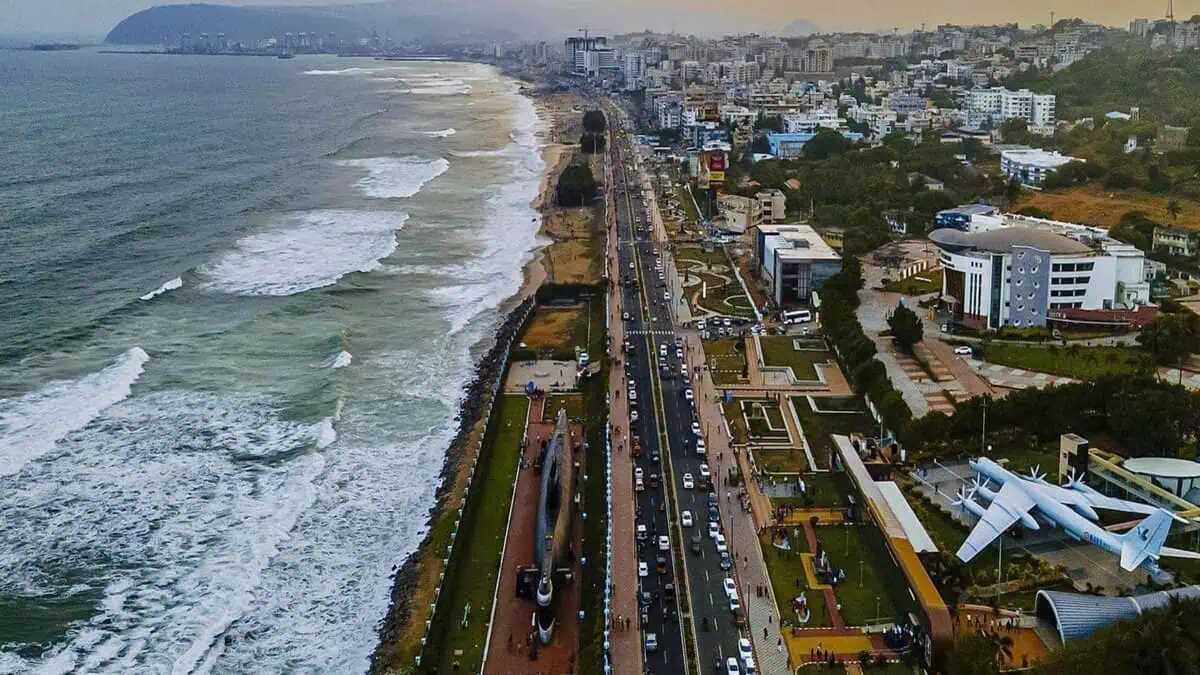
Best Time to Visit Visakhapatnam: Coastal Weather & Best Months

Rahul Garg
February 19, 2026
Plan the best time to visit Visakhapatnam with month-wise weather, beach and Araku timing guidance, plus practical tips for seasonal crowd and budget trade-offs.
Introduction
Visakhapatnam (Vizag) is one of India's most versatile coastal destinations, combining beaches, hill viewpoints, naval heritage, and easy access to Araku Valley. Because the city sits on the Bay of Bengal with humid coastal weather, the travel experience changes notably by season. Winter feels comfortable for beaches and outdoor sightseeing, summer can be hot and sticky, and monsoon brings dramatic greenery with periodic rain disruption.
So the best time to visit Visakhapatnam depends on your priority: beach comfort, Araku excursion, low-crowd value, or festival atmosphere. For most travelers, October to February offers the best mix of pleasant weather and itinerary flexibility. However, shoulder and monsoon months can still work for budget-focused travelers with flexible day plans.
This guide breaks down each season, month-wise planning, and best timing for beaches plus Araku Valley so you can pick dates with realistic expectations. For deeper local planning, also check places to visit in Visakhapatnam, places to eat in Visakhapatnam, and street food in Visakhapatnam.
Best Time to Visit Visakhapatnam: Quick Answer
For most travelers, the best time to visit Visakhapatnam is October to March. This period generally offers better beach comfort, lower heat stress, and easier day trips. April to June is hotter and more humid, while July to September brings monsoon rain and greener landscapes with possible interruptions.
| Travel Goal | Best Months | Why It Works |
|---|---|---|
| General sightseeing and beaches | October to March | Pleasant weather and better daytime comfort |
| Araku Valley day trip | October to February | Cooler hill weather and scenic routes |
| Budget-focused city break | April to September (non-festival weeks) | Potentially better hotel rates |
| Nature and monsoon greenery | July to September | Lush landscapes in and around hill stretches |
| Festival plus city travel | November to January | Comfortable climate with festive activity windows |
Winter in Visakhapatnam (October to February): Peak Season
Winter and post-monsoon months are generally the most recommended period for Vizag. The weather is comparatively pleasant, humidity is lower than peak summer, and it becomes easier to combine beaches, viewpoints, temple visits, and city attractions in one itinerary. Morning and evening movement along the coast feels comfortable, which is important for travelers planning sunrise or sunset beach experiences.
October and November often bring strong travel conditions for first-time visitors. December and January stay popular for family travel and holiday breaks. February remains favorable with manageable conditions for both city and nearby hill circuits.
Winter Snapshot
- Typical range: roughly 18 degree C to 30 degree C
- Best for: beaches, city sightseeing, family trips, Araku day plans
- Crowd profile: moderate to high on weekends and holidays
- Planning tip: pre-book seafront stays for peak holiday periods

Summer in Visakhapatnam (March to June): Hot and Humid
Summer in Vizag can feel intense due to combined heat and humidity, especially from April onward. Outdoor movement in mid-day becomes tiring for many travelers, and beach visits are usually better scheduled in early morning or late evening. If you travel in this period, structure your day around cooler time bands and keep indoor breaks between activities.
The upside is that some weeks may have lower crowd pressure than winter highs. Budget travelers can often find comparatively better room rates outside peak holiday windows. Summer can still work if your schedule is slow-paced and weather-aware, but it is usually not the first choice for comfort-first travel.
Monsoon in Visakhapatnam (July to September): Green, Atmospheric, and Flexible
Monsoon changes Vizag's mood. The region looks greener, hill stretches become visually rich, and the city feels more atmospheric. At the same time, showers and humidity can affect transport pace and outdoor plans. Beach views remain beautiful, but water activities may depend on local conditions and advisories.
This season suits travelers who prioritize scenery, photography, and off-peak rhythm over rigid checklists. Keep buffer time, rain gear, and flexible sequencing for outdoor spots. If your plan includes Araku or other elevated stretches, monitor weather updates close to departure.
For value-focused travelers, monsoon can be rewarding with practical planning.

Best Time for Vizag Beaches
Beach timing is one of the biggest reasons travelers ask about Vizag seasons. For most visitors, October to March is best for beach walks, family outings, and coastal sightseeing. Conditions are usually more pleasant for time at RK Beach, Rushikonda stretches, and nearby viewpoints.
Summer beach visits are possible but should be planned for sunrise or sunset slots to avoid peak heat stress. Monsoon beaches can be scenic and dramatic, but weather variability may limit active water plans on some days. If your primary goal is a relaxed beach holiday, winter and post-monsoon months remain the safest recommendation.
Best Time for Araku Valley from Visakhapatnam
Araku Valley is a common extension from Vizag, and timing matters. The most comfortable period for Araku travel is usually October to February, when weather is cooler and day movement is easier. This is ideal for travelers combining train routes, coffee plantation views, and valley sightseeing.
Summer can still be visited and may offer relief compared with hot coastal noon conditions, but travel comfort varies by exact dates. Monsoon brings lush landscapes and strong visual appeal, though rain can affect route pace and activity predictability. If Araku is a core objective, keep one extra buffer block and avoid overpacked day schedules.
Festival Calendar and Seasonal Demand
| Festival/Event | Typical Timing | Travel Impact |
|---|---|---|
| Sankranti period | January | Higher family travel movement and local demand |
| Visakha Utsav (local event windows) | Late year periods | City activity and selective crowd spikes |
| Chandanotsavam-linked travel interest | Spring period | Religious movement increase in nearby circuits |
| Diwali and holiday season | October or November | Accommodation demand rises around weekends |
Festival windows can add cultural depth, but book early if your dates overlap long weekends or holiday clusters.
Visakhapatnam Weather by Month: Practical Snapshot
| Month | Travel Character | Planning Note |
|---|---|---|
| January | Pleasant winter | Excellent for beach + city itineraries |
| February | Comfortable and clear | Strong month for Araku extension |
| March | Warming transition | Use early/late activity windows |
| April | Hot and humid | Avoid long mid-day outdoor blocks |
| May | Peak summer heat | Heat-aware slow planning required |
| June | Hot to pre-monsoon | Flexible city schedule helps |
| July | Monsoon onset | Carry rain gear and keep buffers |
| August | Rainy and humid | Great for greenery-focused travel |
| September | Late monsoon | Mixed conditions with scenic value |
| October | Post-monsoon comfort | One of the best travel months |
| November | Pleasant peak season | Ideal for beach and food circuits |
| December | Cool and busy | Book early for holiday demand |

Crowd and Budget Strategy
Visakhapatnam's best-weather months are often busier and sometimes pricier, especially around holidays. If comfort is your top priority, winter dates are worth the higher demand. If budget matters more, summer or monsoon non-festival weeks may provide better rates, but weather trade-offs increase.
A smart approach is to lock your primary objective first, then optimize stays and transport within that season. This avoids choosing low prices that do not match your trip expectations.
2-Day Seasonal Itinerary Framework
For a short two-day trip in winter, keep Day 1 for beaches and coastal viewpoints, then use Day 2 for city attractions or Araku transfer depending on pace. In summer, reverse this pattern by concentrating outdoor spots in early morning and evening, with indoor or rest blocks in between. In monsoon, keep outdoor clusters flexible and retain one movable slot for rain-adjusted changes.
This lightweight framework helps first-time travelers avoid the most common problem in Vizag trips: overloading too many distant points in heat or rain windows.
Sample 2-Day Vizag Plan by Season
For a short winter trip, keep Day 1 for beach-side experiences such as RK Beach promenade, coastal viewpoints, and an evening food walk. Use Day 2 for either city heritage spots or an early Araku departure depending on your travel pace. In summer, shift outdoor visits to morning and post-sunset windows, and reserve noon hours for indoor breaks. In monsoon, keep one movable slot for rain-adjusted choices so your plan stays practical instead of rushed.
If traveling with family, avoid stacking distant attractions in one day. Vizag works best when coastal and hill segments are split cleanly with buffer time for traffic and weather. Keep meal breaks near activity clusters to reduce transit fatigue and improve overall pace.
Packing and Practical Tips
- Winter: light layers for early mornings and breezy evenings.
- Summer: breathable clothing, sun protection, hydration support.
- Monsoon: umbrella, quick-dry clothing, anti-slip footwear.
- All seasons: keep one buffer slot for weather or traffic changes.
- For Araku trips: carry one extra light layer even in shoulder months.
Common Timing Mistakes to Avoid
- Planning beach-heavy activities at summer noon.
- Assuming Araku and coastal weather are identical on all days.
- Ignoring festival and weekend demand while booking stays.
- Overpacking monsoon itineraries without rain buffers.
- Skipping sunrise/sunset slots that offer best coastal comfort.
Conclusion
The best time to visit Visakhapatnam for most travelers is October to March, with the strongest comfort usually from November to February. Summer and monsoon can still be worthwhile for budget or greenery-focused travel when planned carefully. Match your dates to your real objective, keep weather-aware flexibility, and Vizag becomes far more enjoyable than a rushed one-size-fits-all trip.
If you're extending this trip, Places to Visit in Visakhapatnam is worth adding to your plan. Many travelers also pair this with Shopping in Visakhapatnam for a fuller itinerary.
Location
Frequently Asked Questions
Q1.What is the best month to visit Visakhapatnam?
Q2.Is Vizag worth visiting in summer?
Q3.When is the best time for Vizag beaches?
Q4.Is Visakhapatnam hot in April and May?
Q5.When is monsoon in Visakhapatnam?
Q6.What is the best time for Araku Valley from Vizag?
Q7.Can we visit Visakhapatnam in July?
Q8.When is Vizag comparatively less expensive?
Recommended For You
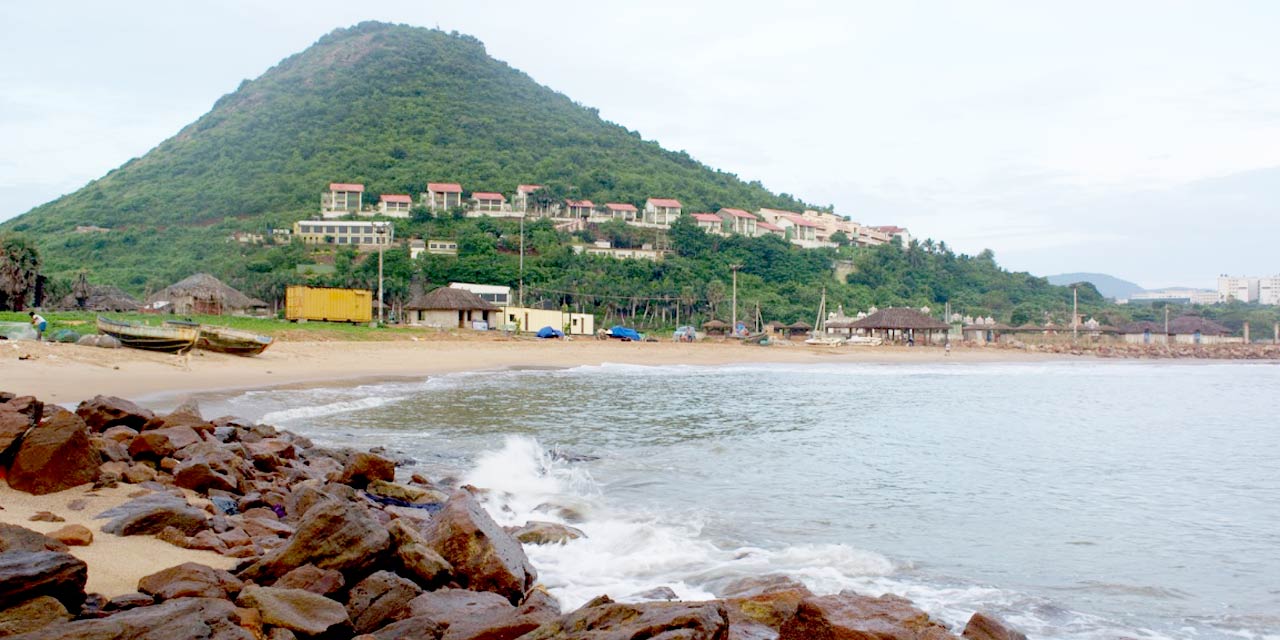
Beaches Visakhapatnam: Best Spots, Timing and Tips
Plan Visakhapatnam beaches with spot selection, best-time guidance, and practical safety tips for a smooth and balanced coastal itinerary.
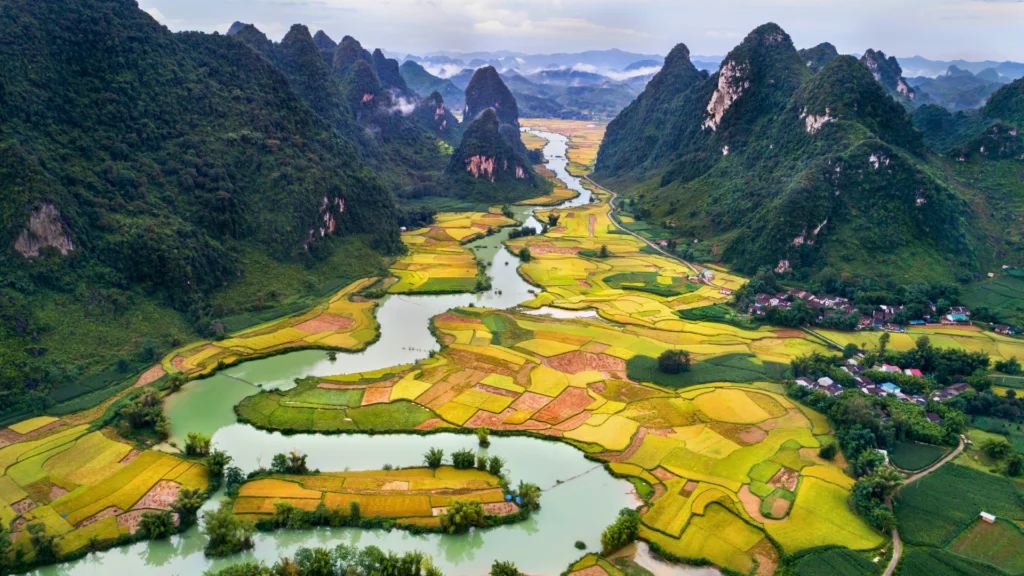
Best Time to Visit Vietnam: Regional Weather by North, Central & South
Plan the best time to visit Vietnam with month-wise weather, dry and wet season differences, regional timing tips, and practical advice for beaches and Halong Bay.
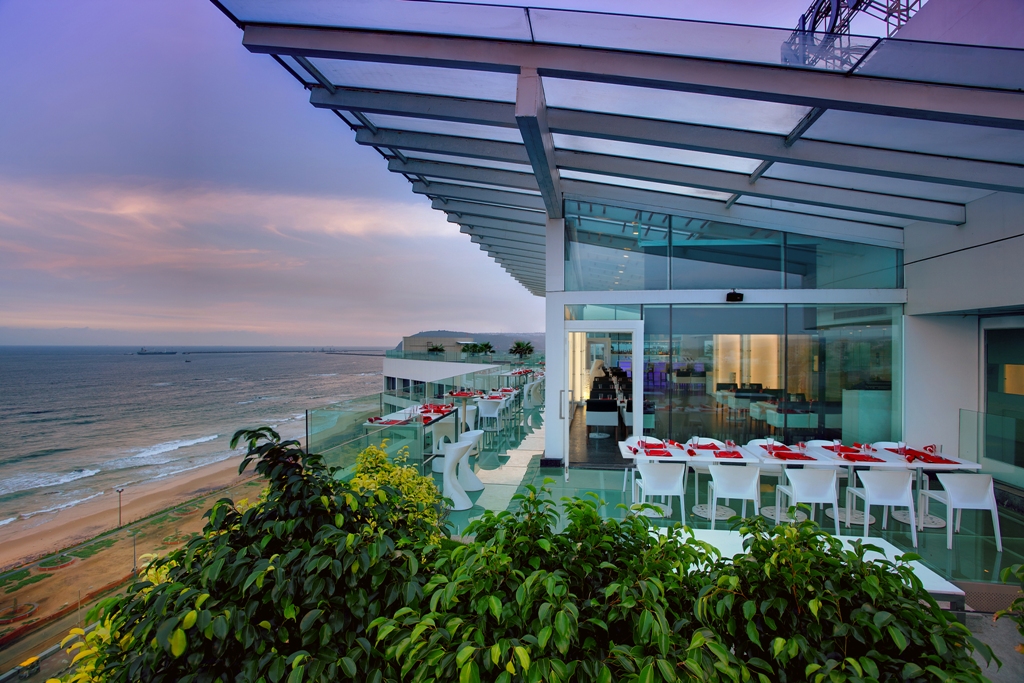
Best Cafes in Visakhapatnam: 15 Picks
Explore the 15 best cafes in Visakhapatnam (Vizag), from beachfront coffee shops with ocean views to traditional South Indian coffee houses, rooftop lounges, and budget-friendly hangouts perfect for couples, families, and remote workers.
Never Miss an Adventure
Get the latest trekking guides, travel tips, and exclusive offers delivered straight to your inbox.
