
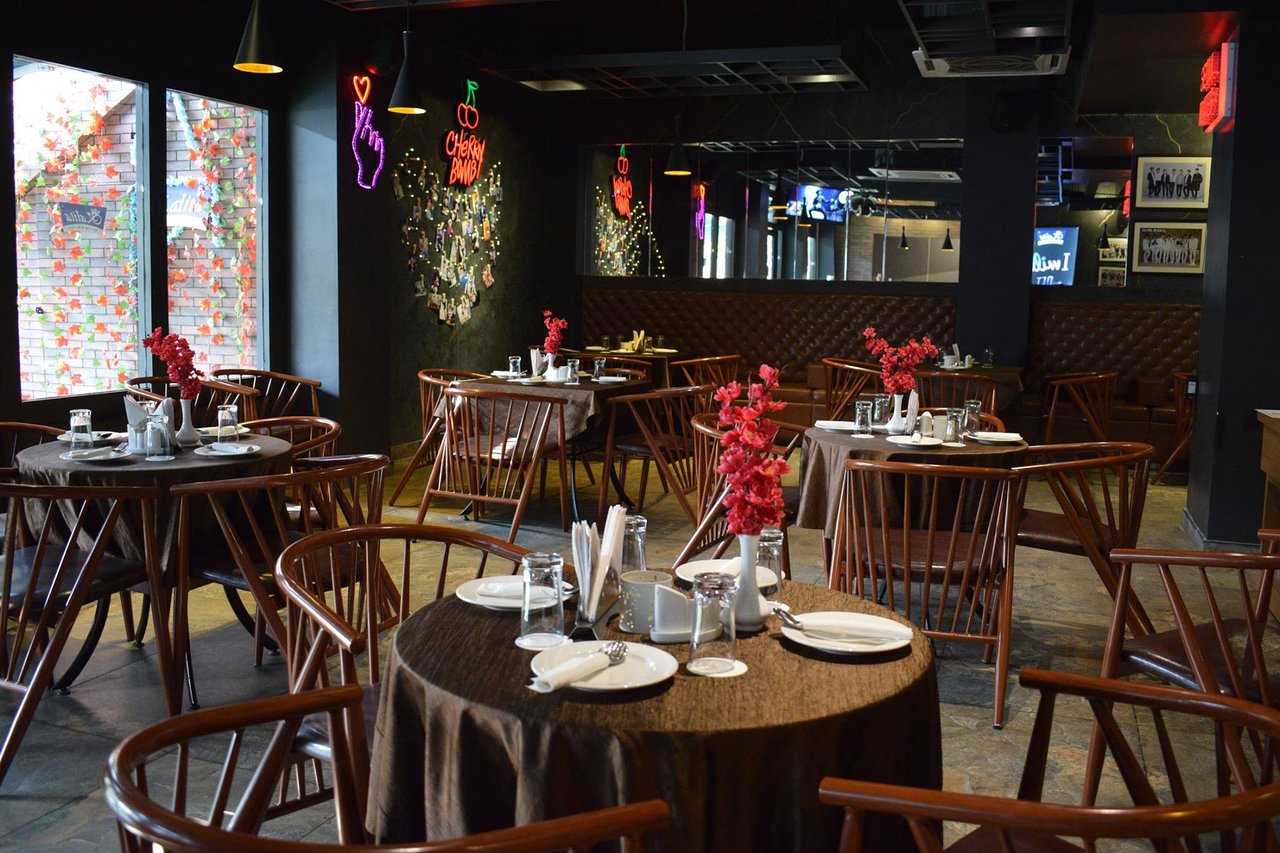
Best Cafes in Kullu-Manali: Scenic Spots, Coffee & Local Bites
Rohit Verma
February 18, 2026
Discover the best cafes in Kullu Manali. From Old Manali's rustic gems to New Manali's modern rooftops. Your complete guide to Himalayan cafe culture with insider tips.
Best Cafes in Kiulim: Riverside Vibes and Manali Day-Out Coffee Stops
Kiulim has become a favored cafe zone for travelers who want a quieter alternative to crowded Manali cores. People search this keyword for one clear reason: they want scenic cafes with better breathing space, good food, and a relaxed pace. This guide helps you choose the right cafes by mood, timing, and travel objective.
If your base is Manali, combine this guide with Old Manali guide and Himachal vs Uttarakhand planning for a more structured hill itinerary.
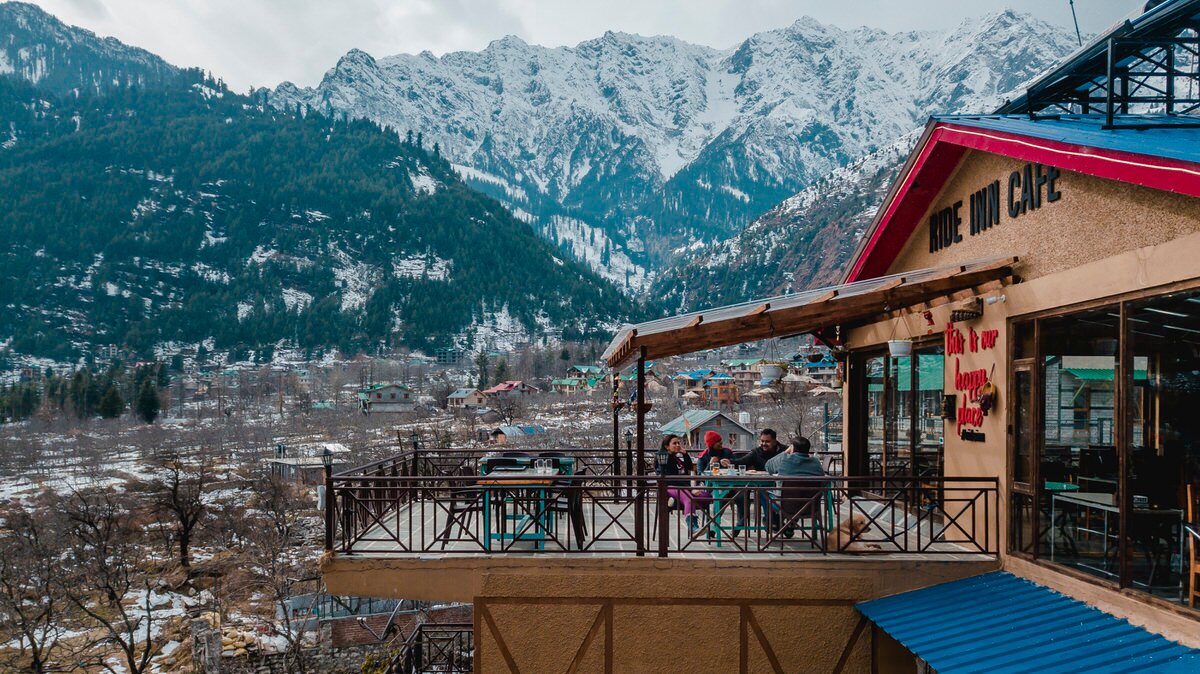
Why Kiulim Cafes Are Popular
Kiulim sits on a route that naturally attracts road trippers, remote workers, and slow travelers. Cafes here often offer wider sit-out space, mountain backdrops, and less noisy service compared with central tourist clusters. Menus usually include coffee staples, global comfort dishes, and light local influences.
The area is good for half-day cafe hops, especially when weather is clear and road traffic is manageable.
Cafe Types in Kiulim Area
Riverside and nature-facing cafes
Best for long chats and creative work sessions. Ideal in daytime when natural light is strong.
Traveler social cafes
Popular with backpackers and digital nomads. Good for meeting fellow travelers and relaxed evenings.
Work friendly calm cafes
Useful for planning routes, editing photos, or taking short remote work blocks.
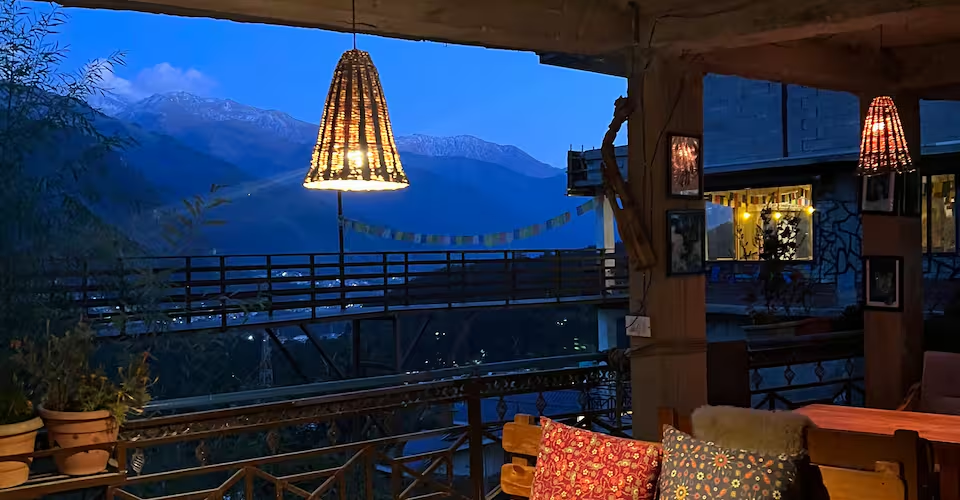
What to Eat and Drink
Coffee and cold brews: most common and dependable. All-day breakfast: practical for late starters. Pasta, bowls, and sandwiches: typical traveler menu base. Desserts: good at evening sunset windows.
If your trip continues into Spiti side circuits, compare planning with things to do in Spiti Valley so your food and movement transitions stay realistic.
Best Time to Visit Kiulim Cafes
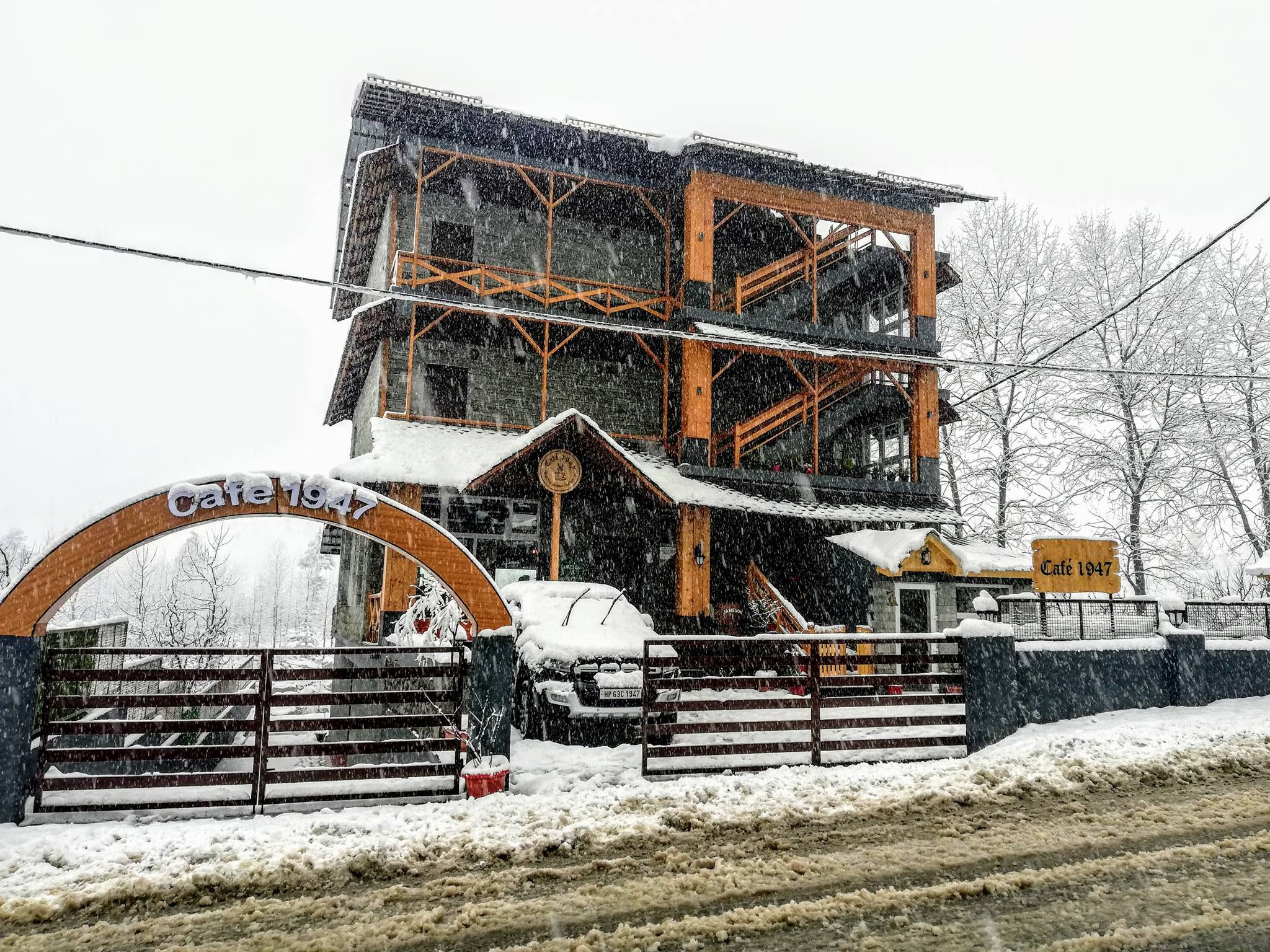
Late morning to sunset is the strongest window for both views and service. Weekends may get busier with drive-in tourists. During heavy rains, road and seating conditions can shift, so keep backup indoor options.
In colder months, choose cafes with enclosed seating and warm menu options rather than open terrace plans.
Budget and Session Planning
Quick stop: beverage and snack. Half-day session: meal plus repeat drinks. Long work session: coffee cycle with light food intervals.
Keep budget caps if doing multiple cafes in a day, since scenic locations can increase average spend per order.
Sample Kiulim Cafe Flow
Morning: coffee and breakfast with valley view. Afternoon: quiet cafe work block. Evening: social cafe stop with light dinner.
This format gives variety without overcommitting to one crowded location.
Detailed Planning and Local Insight
To get better results from this food route, plan meals around movement, weather, and crowd intensity. Travelers often overpack sightseeing and then rush meals, which reduces the quality of the experience. A better pattern is one anchor meal and one exploratory meal each day. Keep your anchor meal at a trusted location where menu quality is consistent, then use your exploratory window for local discovery. This structure protects both comfort and curiosity.
Another useful strategy is to track what you have already tried. In destination food travel, people often order similar dishes repeatedly and miss regional depth. Maintain a small note list: one signature dish, one local beverage, one dessert, and one street style item per day. This method increases variety without increasing spend. It also gives you a cleaner memory of each city’s food identity.
For families, prioritize places with clear seating comfort, predictable service, and easy menu customization. For solo travelers, look for safe timing windows and cafes or restaurants that allow slower sessions without table pressure. For groups, assign one person to menu coordination before arrival to reduce ordering delays and avoid repetitive dishes.
Seasonality also matters. Freshness, ingredient availability, and crowd levels shift by month. During high season, reserve popular places where possible and arrive earlier for signature items that may sell out. During shoulder season, use quieter windows to have longer conversations with staff and ask for day recommendations. You often discover better dishes through these interactions than by ordering only headline items.
Finally, keep hydration and pacing in mind. Food travel should be enjoyable, not exhausting. Spacing heavier meals and adding lighter breaks helps you keep energy for the rest of your itinerary. A balanced dining day usually produces better taste memory than back-to-back heavy sessions.
Final Verdict
Cafes in Kiulim are ideal for travelers who want mountain ambiance without central town rush. Choose by purpose: quiet for work, social for evenings, scenic for breaks. With simple timing and route planning, Kiulim can become your most enjoyable cafe segment in the Manali region.
For onward route flexibility, you can compare with Gulmarg gondola planning or maintain Himachal focus based on your weather window and travel pace.
Advanced Local Planning
Serious food travelers can improve outcomes by pairing meal intensity with activity intensity. Keep heavy meals for slower evening schedules and lighter meals before long movement windows. This reduces fatigue and helps you enjoy both cuisine and sightseeing quality. In city or hill environments, one strong lunch and one moderate dinner usually performs better than repeated heavy sessions.
Another practical method is to diversify dish structure in each meal. Instead of ordering similar gravies or similar cafe items, choose one staple, one texture contrast item, and one palate balancing side. This creates better taste memory and lowers the chance of flavor fatigue. Many travelers forget this and end up with repetitive plates that feel less satisfying by day two.
When traveling in groups, assign a quick ordering framework before entering the restaurant or cafe. Pre-decide vegetarian and non-vegetarian split, spice preference, and shared vs individual ordering. This prevents delays and reduces accidental over-ordering. It also helps service staff deliver better recommendations when they understand your table profile clearly.
For budget control, use per-meal limits rather than per-item limits. Per-item control often fails because small add-ons accumulate quickly. A full meal cap gives cleaner decisions and keeps your trip spending stable. If the place is premium, reduce variety but increase quality instead of trying to sample everything in one visit.
Finally, collect local recommendations directly from staff during non-rush hours. Their guidance is often more current than static online lists, especially in destinations where menus shift seasonally. This is one of the most reliable ways to discover signature items and avoid disappointing orders.
Advanced Local Planning
Serious food travelers can improve outcomes by pairing meal intensity with activity intensity. Keep heavy meals for slower evening schedules and lighter meals before long movement windows. This reduces fatigue and helps you enjoy both cuisine and sightseeing quality. In city or hill environments, one strong lunch and one moderate dinner usually performs better than repeated heavy sessions.
Another practical method is to diversify dish structure in each meal. Instead of ordering similar gravies or similar cafe items, choose one staple, one texture contrast item, and one palate balancing side. This creates better taste memory and lowers the chance of flavor fatigue. Many travelers forget this and end up with repetitive plates that feel less satisfying by day two.
When traveling in groups, assign a quick ordering framework before entering the restaurant or cafe. Pre-decide vegetarian and non-vegetarian split, spice preference, and shared vs individual ordering. This prevents delays and reduces accidental over-ordering. It also helps service staff deliver better recommendations when they understand your table profile clearly.
For budget control, use per-meal limits rather than per-item limits. Per-item control often fails because small add-ons accumulate quickly. A full meal cap gives cleaner decisions and keeps your trip spending stable. If the place is premium, reduce variety but increase quality instead of trying to sample everything in one visit.
Finally, collect local recommendations directly from staff during non-rush hours. Their guidance is often more current than static online lists, especially in destinations where menus shift seasonally. This is one of the most reliable ways to discover signature items and avoid disappointing orders.
Location
Frequently Asked Questions
Q1.Which are the best cafes in Old Manali?
Q2.What is special about Manali's cafe culture?
Q3.Are cafes in Manali open year-round?
Q4.What should I try at cafes in Kullu Manali?
Q5.How do I get around to different cafes in Manali?
Q6.What is the average cost of food and drinks at Manali cafes?
Q7.Are cafes in Manali good for digital nomads?
Q8.What is the best time of year to experience cafe culture in Kullu Manali?
Recommended For You
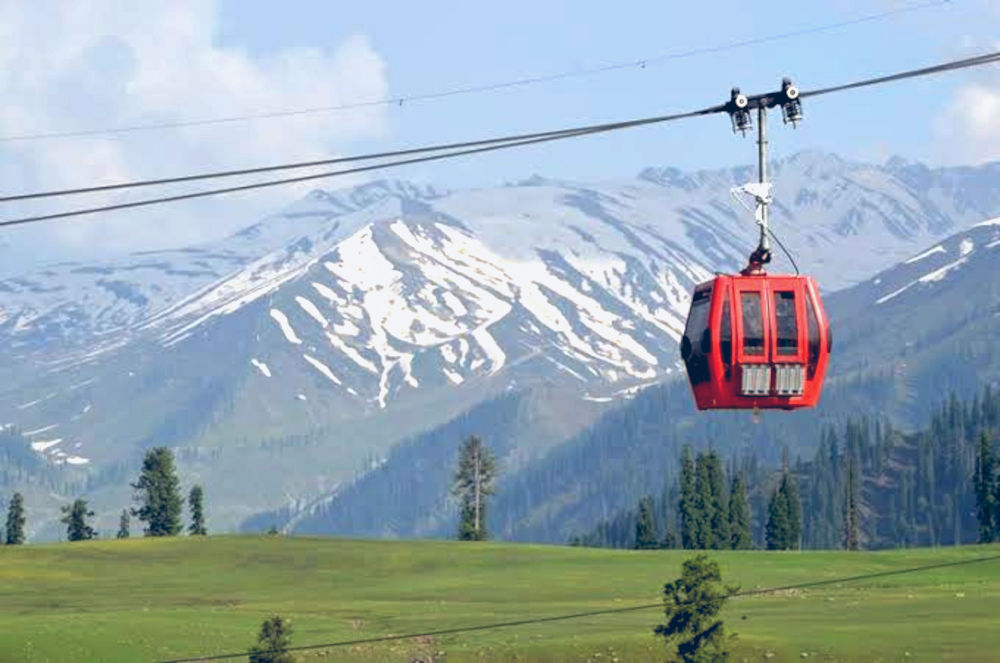
Gulmarg Gondola: Phases, Ticket Booking & Ride Details
Ride Asia's highest cable car in Gulmarg, Kashmir. Complete guide covering ticket prices, two phases, timings, best time to visit, booking & safety tips.

Things to Do in Spiti Valley: Monasteries, Villages & Routes
Discover the top 15 things to do in Spiti Valley including Key Monastery, Chandratal Lake, Pin Valley, ancient villages, and high-altitude adventures. Complete guide with itineraries, costs, and travel tips.
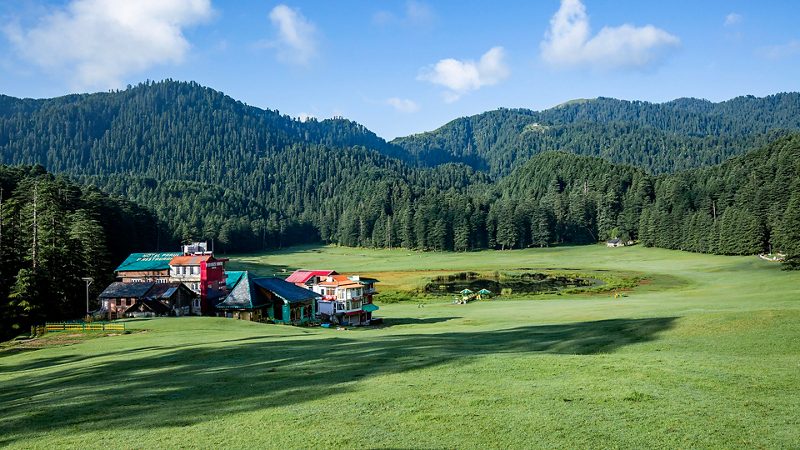
Himachal vs Uttarakhand: Which Is Better For Your Trip?
Can't decide between Himachal vs Uttarakhand? Our comprehensive guide compares scenery, budget, best time, trip types, and top destinations with expert recommendations.
Never Miss an Adventure
Get the latest trekking guides, travel tips, and exclusive offers delivered straight to your inbox.
