
Things to Do in Spiti Valley: Monasteries, Villages & Routes

Priya Mehta
February 10, 2026
Discover the top 15 things to do in Spiti Valley including Key Monastery, Chandratal Lake, Pin Valley, ancient villages, and high-altitude adventures. Complete guide with itineraries, costs, and travel tips.
Introduction: The Middle Land Between India and Tibet
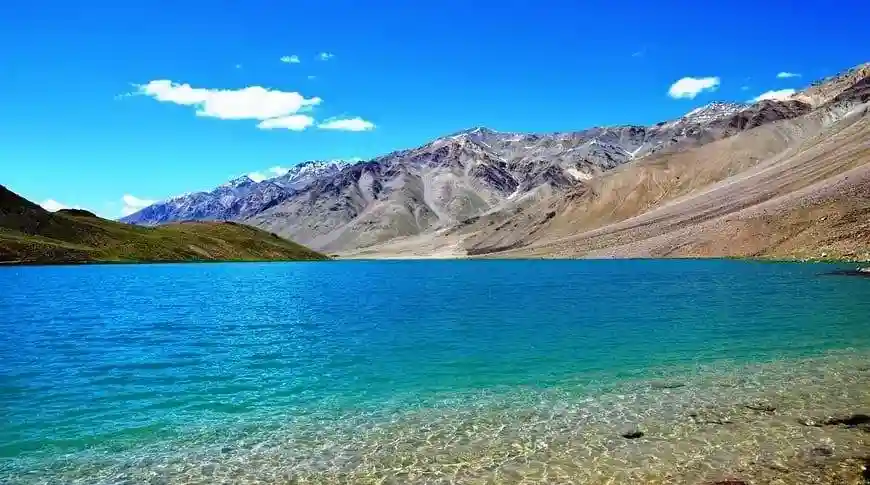
Nestled in the Himalayan mountains of Himachal Pradesh, Spiti Valley is often called the "Middle Land" - a cold desert mountain valley that separates India from Tibet. Located at an altitude of 4,000 meters, this remote destination offers some of the most breathtaking landscapes in India, from ancient Buddhist monasteries to high-altitude lakes and traditional villages that seem frozen in time.What makes Spiti truly special is its raw, untouched beauty. Unlike more touristy Himalayan destinations, Spiti retains an authentic charm with its dramatic barren mountains, crystal-clear rivers, and centuries-old monasteries perched on cliffs. Whether you're a spiritual seeker, adventure enthusiast, or nature lover, this valley has something extraordinary to offer every traveler.
In this comprehensive guide, we'll explore the top things to do in Spiti Valley, from visiting ancient monasteries that date back to the 11th century to trekking to the stunning Chandratal Lake. We'll also cover practical information including itineraries, costs, best time to visit, and essential travel tips to help you plan your Spiti adventure.
Quick Facts: Spiti Valley at a Glance
Before diving into the attractions, here are some quick facts about Spiti Valley:
📍 Location: Himachal Pradesh, 4,000m altitude
🚗 Nearest Airport: Bhuntar (Kullu) - 250 km
⏰ Best Time: May-October (avoid winters)
⏳ Time Required: 7-10 days
💰 Budget: ₹25,000-45,000/person
🌡️ Temperature: 0-20°C (summer), -20 to 5°C (winter)
📱 Famous For: Monasteries, Chandratal Lake, Pin Valley
Top 15 Things to Do in Spiti Valley
1. Visit Key Monastery: The Crown Jewel of Spiti
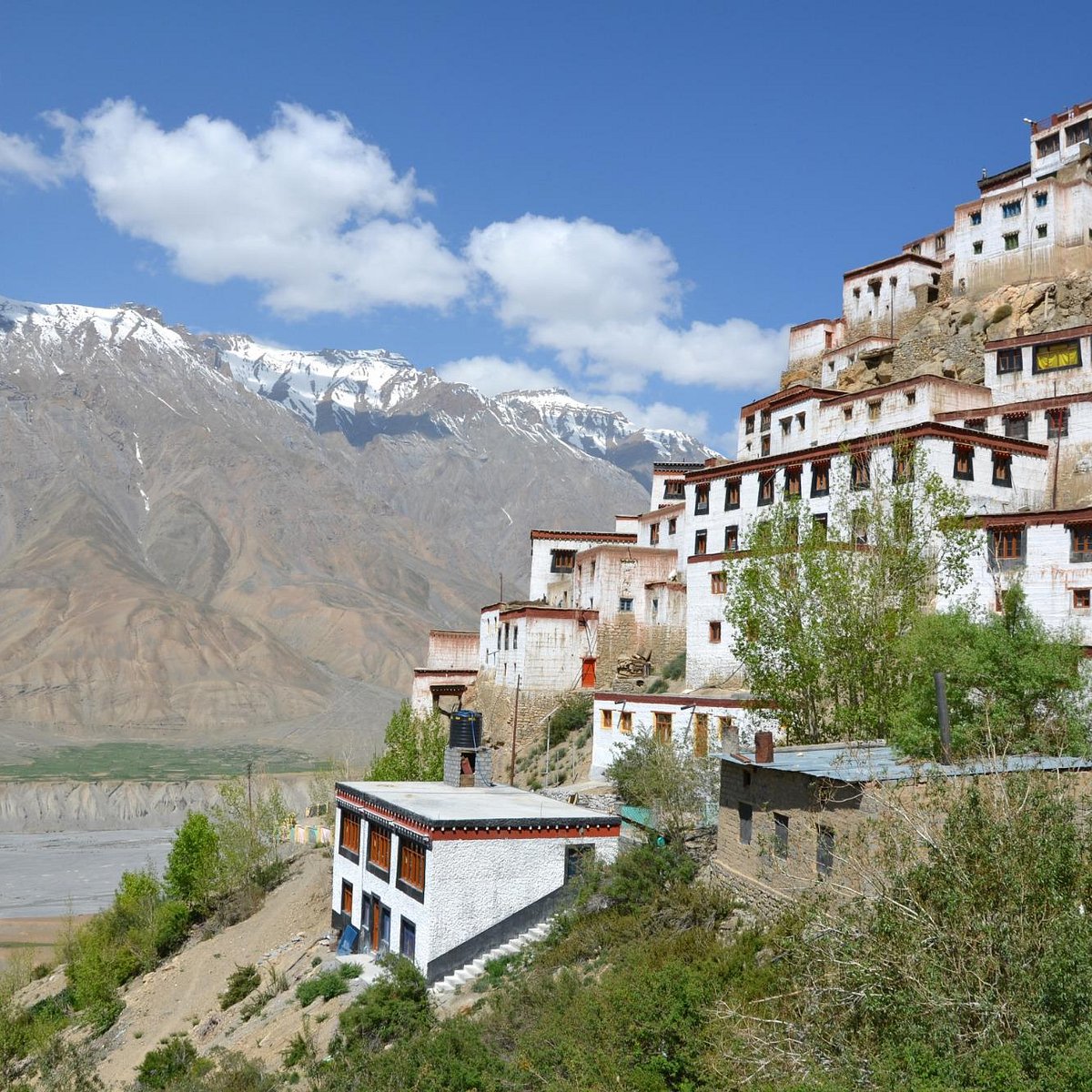
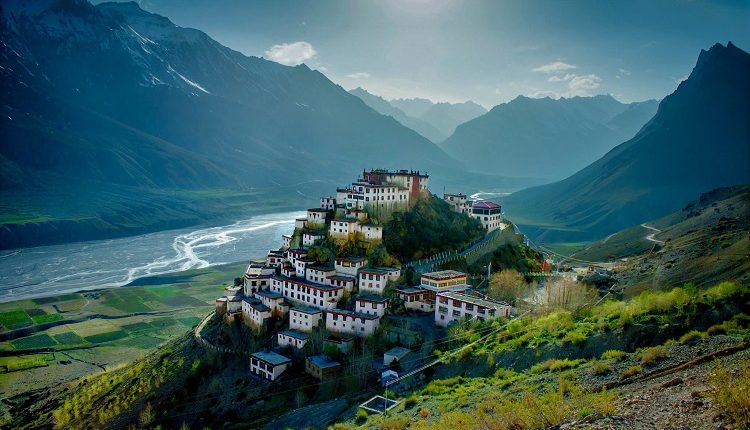
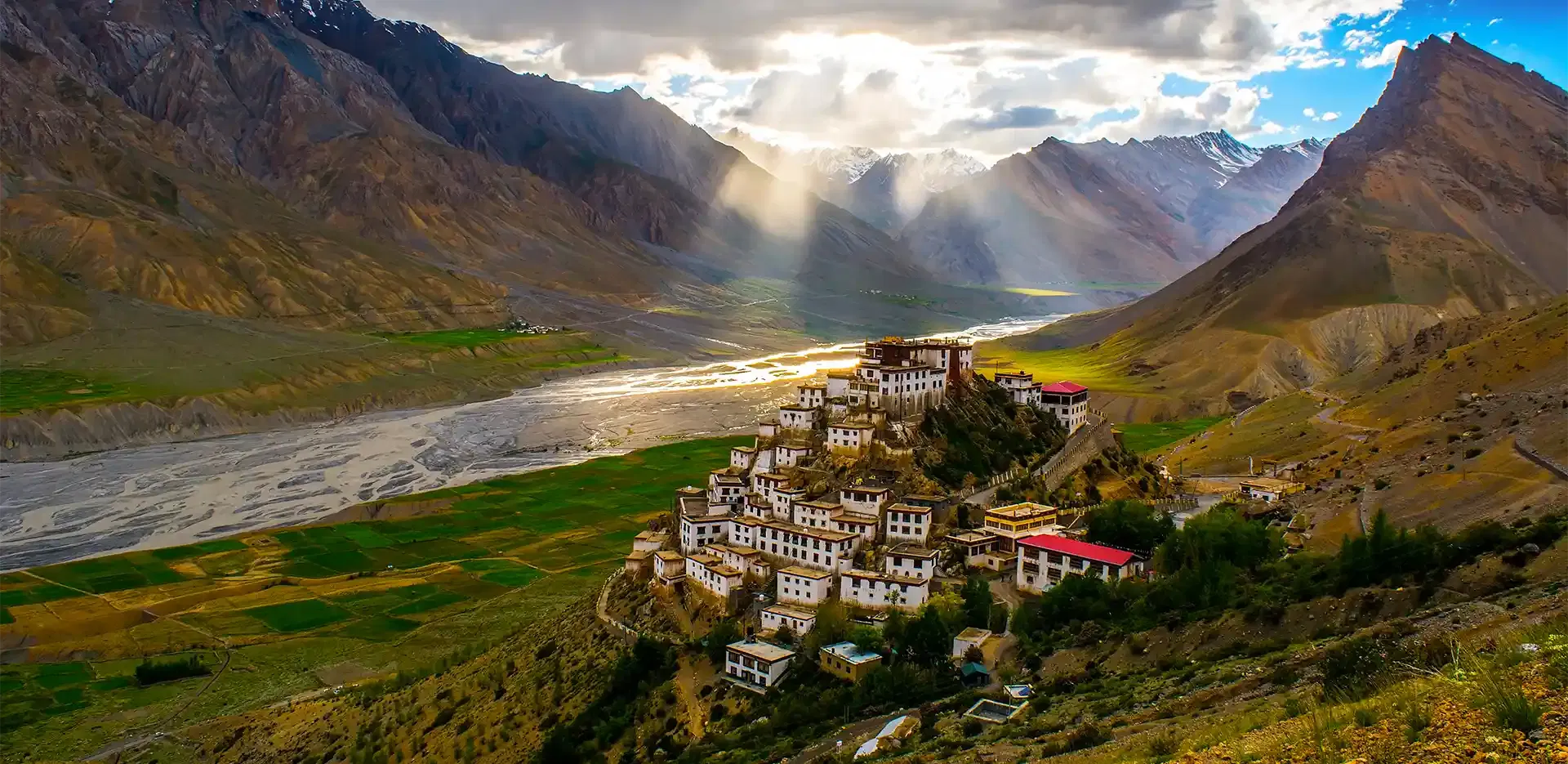
Perched atop a hill at 4,166 meters, Key Monastery is the largest and oldest monastery in Spiti Valley, dating back to the 11th century. This stunning Buddhist monastery features ancient murals, colorful thangkas (Tibetan Buddhist paintings), and a collection of rare wind instruments that are centuries old. The architecture itself is a sight to behold, with narrow corridors leading to prayer rooms filled with statues of Buddha and various deities.Visiting Key Monastery is one of the most spiritual experiences in Spiti. You can witness monks chanting prayers, spinning prayer wheels, and going about their daily routines. The monastery also houses a training center for young Lamas, adding to its vibrant atmosphere. The panoramic views of the Spiti River and surrounding mountains from the monastery are simply breathtaking.
Practical Details:
- Timings: 6 AM - 7 PM
- Entry Fee: Free (donations welcome)
- Time Required: 2-3 hours
- Altitude: 4,166 meters
- Distance from Kaza: 12 km
2. Chandratal Lake Trek: The Moon Lake of the Himalayas
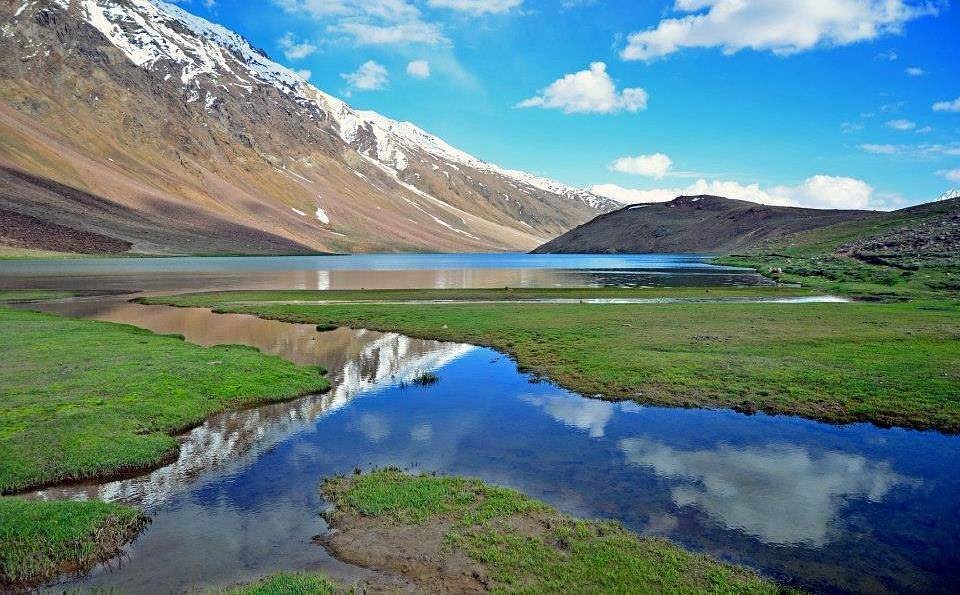
Chandratal Lake, meaning "Lake of the Moon," is one of the most stunning high-altitude lakes in India. Situated at 4,300 meters, this crescent-shaped lake gets its name from its resemblance to the moon. The water changes colors throughout the day - from turquoise blue to emerald green - creating a magical spectacle that photographers dream about capturing.The trek to Chandratal Lake is an adventure in itself. Starting from Kunzum Pass, it's a 14-kilometer round trek through meadows filled with wildflowers during the summer months. The trail offers spectacular views of snow-capped peaks and the Baralacha Pass region. Camping by the lake under a sky filled with stars is an unforgettable experience - the silence and beauty of this place will stay with you forever.
For more details about this incredible trek, check out our Chandratal Lake Trek Guide. You might also want to explore homestays in Spiti Valley for authentic accommodation options.
Trek Details:
- Altitude: 4,300 meters
- Distance: 14 km round trek from Kunzum Pass
- Best Time: June-September
- Difficulty: Moderate
- Time Required: 5-6 hours
- Camping: Available (₹500-1,000/tent)
3. Explore Kaza: The Heart of Spiti
Kaza is the headquarters of Spiti Valley and serves as the perfect base for exploring the region. This small town offers a mix of traditional Spitian culture and modern amenities that travelers appreciate. Take time to walk through the local market, where you can find woolen handicrafts, prayer flags, and traditional Spitian jewelry.In Kaza, visit the Sakya Tangyud Monastery and the Kaza Monastery to get a feel for the spiritual life in the valley. The town also has several cafes serving delicious local cuisine - try the momos and thukpa, staples of the region. Kaza is the ideal place to spend your first day acclimatizing to the high altitude before venturing further into the valley.
Highlights in Kaza:
- Sakya Tangyud Monastery
- Kaza Monastery
- Local market shopping
- Local cafes and restaurants
- Acclimatization day activities
4. Pin Valley National Park: Snow Leopard Territory
For wildlife enthusiasts, Pin Valley National Park is a must-visit destination. This protected area is famous for being home to the elusive snow leopard, one of the rarest big cats in the world. The park also hosts Himalayan birds like the snow partridge and golden eagle, along with ibex and blue sheep.The best time to visit Pin Valley National Park is July to September when the weather is pleasant and wildlife is active. The park offers excellent trekking opportunities through pristine forests and meadows. Remember that an Inner Line Permit is required to visit, which you can obtain from the DM Office in Kaza. For more information about the best time to visit this beautiful region, read our guide on Pin Valley travel.
Wildlife Highlights:
- Snow leopard (rare sightings)
- Himalayan ibex
- Blue sheep (bharal)
- Snow partridge
- Golden eagle
5. Dhankar Monastery & Lake: Cliff-Top Views
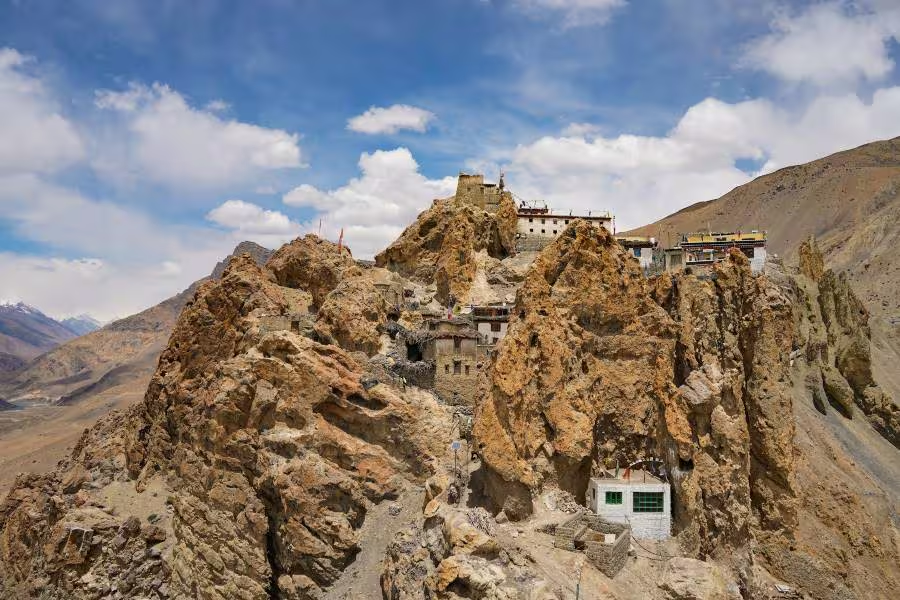
Dhankar Monastery is one of the most dramatically situated monasteries in all of Spiti. Perched at 3,894 meters on the edge of a cliff, this 1,000-year-old monastery offers breathtaking views of the confluence of the Spiti and Pin rivers below. The monastery itself is small but beautiful, featuring ancient murals and statues of Buddha.From the monastery, take a one-hour trek to Dhankar Lake, a stunning high-altitude lake surrounded by mountains. The trail offers more incredible views and is a peaceful escape from the crowds. The combination of the monastery and lake makes Dhankar a must-visit destination in Spiti Valley.
Practical Details:
- Altitude: 3,894 meters
- Distance from Kaza: 32 km
- Time Required: 3-4 hours (including lake trek)
- Trek Difficulty: Easy to moderate
6. Komick Village: World's Highest Polling Station
Komick (Komic) Village is famous for being one of the highest inhabited villages in the world at 4,587 meters. This remote village offers a glimpse into traditional Spitian life with its mud-brick houses and ancient monastery. The village is also known for being the world's highest polling station during elections.Walking through Komick, you'll meet friendly locals who are happy to share their culture and traditions. The village has a small monastery that's worth visiting. For accommodation, homestays are available for ₹800-1,500 per night, offering an authentic Spitian experience with home-cooked meals and warm hospitality.
Village Highlights:
- Altitude: 4,587 meters
- Time Required: 2-3 hours
- Stay: Homestays available
- Activities: Village walk, monastery visit
7. Langza Village: Fossils and the Golden Buddha
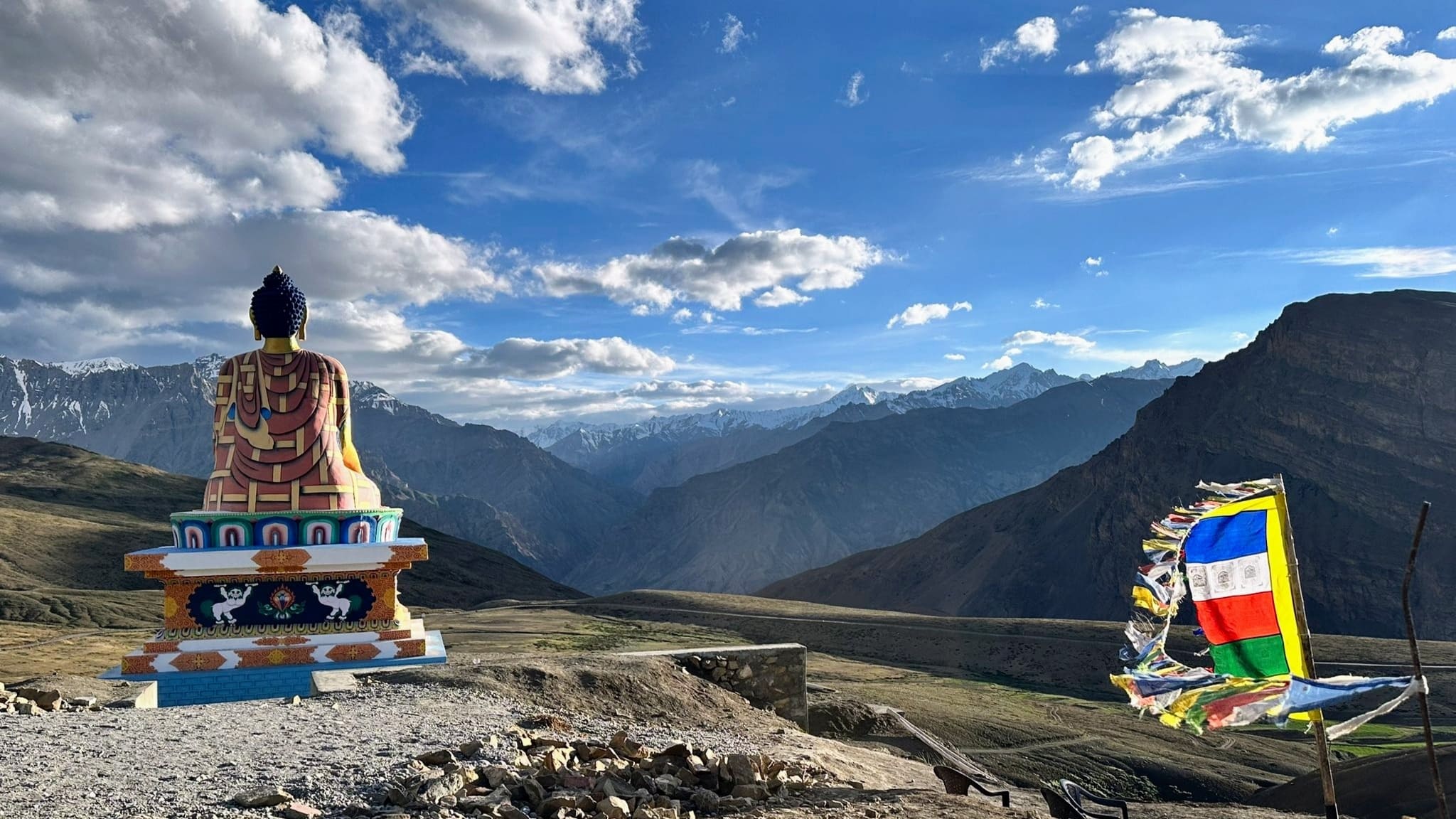
Langza is famous for two things: its stunning golden Buddha statue overlooking the village and the abundance of marine fossils found in the area. This peaceful village sits in a valley surrounded by mountains, creating a beautiful setting for photography and relaxation.Fossil hunting is a popular activity in Langza - you can find ammonites and other ancient marine fossils that date back millions of years when the region was underwater. The village is also an excellent spot for Milky Way photography at night due to its clear skies and minimal light pollution. The golden Buddha statue is particularly photogenic during sunrise and sunset.
Highlights:
- Golden Buddha statue
- Fossil hunting
- Village walks
- Night sky photography
- Time Required: 2-3 hours
8. Hikkim Village: Send Postcards from the World's Highest Post Office
Hikkim holds the Guinness World Record for having the world's highest post office at 4,433 meters. This small village offers a unique experience - you can send postcards to loved ones from this remote outpost, complete with a special postmark proving your visit to this remarkable location.The post office is a modest building, but its significance makes it a worthy stop. You can purchase postcards and stamps right there. Besides the post office, Hikkim offers beautiful views of the Spiti Valley and a chance to experience village life at high altitude. Allow 1-2 hours for this visit.
Practical Details:
- Altitude: 4,433 meters
- Time Required: 1-2 hours
- Activity: Send postcards, village exploration
9. Kibber Village: High-Altitude Wildlife Spotting
Kibber is one of the highest inhabited villages in the world at 4,270 meters and is famous for being a prime spot for snow leopard sightings, especially during winter months. The village offers stunning views of the surrounding mountains and valleys, making it a photographer's paradise.While in Kibber, you can go on short treks to explore the surrounding area or simply enjoy the peaceful village atmosphere. The village has several homestays where you can experience traditional Spitian hospitality. Winter is the best time for snow leopard expeditions, though the Manali route is closed during this season.
For more details about visiting this remarkable village, check out our guide on Kibber Village.
Village Highlights:
- Altitude: 4,270 meters
- Time Required: 2-3 hours
- Wildlife: Snow leopard spotting (winter)
- Activities: Trekking, hiking, homestay
10. Cross Kunzum Pass: Gateway to Spiti
Kunzum Pass, at 4,590 meters, is the gateway to Spiti Valley from Manali. This high mountain pass offers stunning views of the surrounding Himalayan peaks and valleys. The pass is adorned with colorful prayer flags and a chorten (Buddhist stupa), making it a spiritual and scenic stop on your journey.The pass is only open from June to October due to heavy snowfall in winter. When crossing Kunzum Pass, take time to stop at the chorten, walk around it, and offer prayers for a safe journey. The views from here are simply spectacular, with mountains stretching as far as the eye can see. Allow about an hour to enjoy the pass before continuing your journey.
Pass Details:
- Altitude: 4,590 meters
- Best Time: June-October
- Time Required: 1 hour
- Famous: Gateway to Spiti from Manali
11. Chandratal Lake Camping: Under the Stars
Camping at Chandratal Lake is an experience unlike any other. Several campsites operate around the lake, offering tents for ₹800-2,000 per night. The best time for camping is during full moon nights when the lake's reflection creates a magical, almost otherworldly scene.Camping facilities include tents, food, and bonfires. It's important to book in advance during July and August when the area is most popular. Stargazing here is incredible - the clear high-altitude skies offer unobstructed views of the Milky Way and constellations. Waking up to sunrise over the lake is a memory you'll cherish forever.
Camping Details:
- Camping: Multiple campsites
- Cost: ₹800-2,000/night
- Best Time: Full moon nights
- Activities: Stargazing, photography, camping
12. Lhalung Monastery: The Second Oldest in Spiti
Lhalung Monastery, built in the 10th century, is one of the oldest monasteries in Spiti Valley. This ancient Buddhist monastery is known for a sacred tree that allegedly changes color every few years. The monastery houses precious statues, ancient murals, and thangkas that are centuries old.Visiting Lhalung offers a quieter, more intimate monastery experience compared to the larger Key Monastery. The route to Lhalung is scenic, passing through beautiful Spitian villages and landscapes. Allow 1-2 hours for the visit, including time to explore the monastery and its surroundings.
Monastery Details:
- Age: 10th century
- Time Required: 1-2 hours
- Famous: Sacred tree that changes color
13. Giu Village Mummy: 500-Year-Old Lama
Giu Village is home to one of Spiti's most fascinating attractions - a 500-year-old mummified lama. This naturally preserved mummy sits in a small shrine and is remarkably intact, with skin and hair still visible. It's a unique and somewhat eerie sight that offers insight into Tibetan Buddhist traditions of preserving the dead.The village is small and remote, located near Sumdo. Entry to the mummy shrine is free, though donations are appreciated. The journey to Giu Village is scenic, passing through beautiful Spitian terrain. Allow 1-2 hours for this visit and the journey.
Mummy Details:
- Age: 500 years
- Location: Giu Village near Sumdo
- Entry: Free (donation accepted)
- Time Required: 1-2 hours
14. Sopona Lake: High-Altitude Wetland
Sopona Lake is a lesser-known gem located on the Manali route to Spiti. This high-altitude wetland is a haven for bird watchers, hosting various Himalayan bird species. The lake and surrounding meadows offer beautiful photography opportunities, especially during the summer when wildflowers are in bloom.Sopona Lake is relatively unexplored compared to other Spiti attractions, making it perfect for those seeking solitude. The peaceful atmosphere and stunning mountain backdrop make it a worthwhile stop on your Spiti journey. Allow 1-2 hours for the visit.
Lake Details:
- Location: Near Manali route
- Best For: Bird watching, photography
- Time Required: 1-2 hours
15. Mudh Village: Traditional Spitian Architecture
Mudh Village is the last village in the Pin Valley and offers a glimpse into traditional Spitian architecture with its mud-brick houses and narrow lanes. The village is peaceful and authentic, with residents who are happy to share their culture with visitors.Mudh is also the starting point for several Pin Valley treks, making it a convenient base for adventure enthusiasts. You can stay in homestays here, experiencing warm Spitian hospitality and home-cooked meals. Walking through Mudh Village allows you to appreciate the simplicity and beauty of life in this remote mountain region. Allow 2-3 hours for exploration.
Village Highlights:
- Traditional Spitian architecture
- Village walks
- Homestay options
- Starting point for Pin Valley treks
- Time Required: 2-3 hours
Spiti Valley Itineraries
7-Day Itinerary (Manali - Kaza - Manali Circuit)
This is the most popular itinerary for travelers short on time who want to experience the highlights of Spiti Valley. It covers the main attractions while ensuring you have time to acclimatize properly.
| Day | Route | Distance | Highlights |
|---|---|---|---|
| Day 1 | Manali to Kaza | 200 km, 8-10 hours | Kunzum Pass, scenic drive |
| Day 2 | Kaza to Ki, Komick, Hikkim, Langza | 80 km | Key Monastery, highest villages |
| Day 3 | Kaza to Dhankar, Pin Valley | 60 km | Dhankar Monastery, wildlife |
| Day 4 | Kaza to Chandratal Lake | 80 km | Camp overnight at the lake |
| Day 5 | Chandratal to Manali | 120 km | Rohtang Pass views |
10-Day Itinerary (Shimla - Kaza - Manali Circuit)
For those with more time, this extended itinerary covers both the Shimla and Manali routes, giving you a complete Spiti experience including Sangla and Kalpa on the way.
| Day | Route | Distance | Highlights |
|---|---|---|---|
| Day 1 | Shimla to Sarahan | 170 km | Bhimakali Temple |
| Day 2 | Sarahan to Sangla | 50 km | Sangla Valley, Kamru Fort |
| Day 3 | Sangla to Kalpa | 50 km | Kinnaur Kailash views |
| Day 4 | Kalpa to Kaza (via Tabo) | 200 km | Tabo Monastery |
| Day 5 | Kaza local sightseeing | - | Key, Komick, Hikkim |
| Day 6 | Kaza to Pin Valley, Dhankar | 60 km | Wildlife spotting |
| Day 7 | Kaza to Chandratal Lake | 80 km | Camping under stars |
| Day 8 | Chandratal to Manali | 120 km | Rohtang Pass |
Trip Cost Breakdown
Planning your Spiti Valley trip budget is essential for a smooth experience. Costs vary significantly depending on your travel style - from budget-friendly homestays to more comfortable hotels and private transportation.
Budget Traveler (₹25,000-30,000 per person)
For budget travelers, Spiti Valley is surprisingly affordable if you're willing to stay in homestays and use shared transportation. Homestays offer authentic experiences and home-cooked meals at reasonable prices. Shared cabs from Manali or Shimla are the most cost-effective way to reach Kaza.
- Transport: Shared cab/Bus - ₹8,000-10,000
- Stay: Homestays/Guest houses - ₹8,000-10,000
- Food: Local cafes - ₹4,000-5,000
- Permits & Misc: - ₹2,000-3,000
- Fuel: Shared cost - ₹3,000-4,000
Mid-Range Traveler (₹35,000-45,000 per person)
Mid-range travelers can enjoy more comfort with private transportation and better hotels. Private cabs give you flexibility to stop wherever you want along the route. Hotels in Kaza and other villages offer attached bathrooms and hot water, which can be a luxury at high altitudes.
- Transport: Private cab - ₹15,000-18,000
- Stay: Hotels/Resorts - ₹12,000-15,000
- Food: Mix of cafes & restaurants - ₹5,000-7,000
- Permits & Activities: - ₹3,000-5,000
Cost Comparison Table
| Expense | Budget (₹) | Mid-Range (₹) |
|---|---|---|
| Transport | 8,000 | 15,000 |
| Accommodation | 8,000 | 12,000 |
| Food | 4,000 | 5,000 |
| Permits | 500 | 500 |
| Total | 25,000+ | 35,000+ |
Best Time to Visit Spiti Valley
Choosing the right time to visit Spiti Valley is crucial for a successful trip. The weather and road conditions vary dramatically throughout the year, affecting accessibility and activities.
May-June (Best Season)
May and June are ideal months to visit Spiti Valley. The weather is pleasant with temperatures ranging from 10-20°C during the day. The Manali route via Kunzum Pass opens in late May or early June, making the valley accessible from this direction. The landscapes are green and lush, with snow still visible on the peaks above. These months are less crowded compared to July-August, allowing for a more peaceful experience.
July-August (Monsoon Season)
July and August bring monsoon to the region, with temperatures between 12-22°C. While the valley becomes lush and green with blooming wildflowers, there's a higher risk of landslides and roadblocks, especially on the Manali route. Chandratal Lake is fully accessible during these months. Carry rain gear and be prepared for potential delays. Despite the monsoon challenges, many travelers still visit during these months for the vibrant landscapes.
September-October (Ideal Season)
September and October are arguably the best months for photography enthusiasts. The skies are clear, offering stunning views of the mountains and valleys. Temperatures range from 5-18°C, making it comfortable for outdoor activities. The roads are stable, and the risk of landslides is minimal. Late October sees the first snowfall, so plan accordingly. These months offer the perfect balance of good weather and fewer crowds.
November-April (Winter Season)
Winter in Spiti is extreme, with temperatures dropping to -20°C and heavy snowfall covering the valley. The Manali route is closed from November to May due to snow at Kunzum Pass. The valley is only accessible via the Shimla route. Most accommodations are closed, and travel is challenging. While some adventurers visit in winter for snow leopard expeditions and frozen landscapes, it's not recommended for first-time visitors.
For detailed weather information throughout the year, check our Spiti Valley weather guide.
How to Reach Spiti Valley
From Manali (June-October)
The Manali route is the most popular way to reach Spiti Valley, though it's only open from June to October when Kunzum Pass is accessible. The route is Manali - Rohtang Pass - Kunzum Pass - Kaza, covering 200 kilometers in 8-10 hours. This route offers stunning scenic views but has rough patches and 4-5 river crossings. It's best for adventure lovers who don't mind bumpy roads.
From Shimla (May-November)
The Shimla route is accessible for a longer period, typically from May to November. The route is Shimla - Rampur - Sumdo - Kaza, covering 425 kilometers. It takes 2 days with an overnight stop at Kalpa or Sangla. The roads are mostly paved and generally in better condition than the Manali route. This route is safer and better suited for families.
For a detailed guide on reaching Spiti Valley, read our How to Reach Spiti Valley.
From Delhi
To reach Spiti Valley from Delhi, first travel to Manali (540 km, 12-14 hours) or Shimla (350 km, 8-10 hours), then proceed to Spiti via the respective routes mentioned above. Both Manali and Shimla are well-connected to Delhi by road, with frequent bus services.
By Bus
Himachal Road Transport Corporation (HRTC) operates buses to Spiti. From Manali, there are daily buses to Kaza (₹600-800). From Shimla, buses are less frequent (₹800-1,000). Most travelers take a bus to Manali or Shimla first, then continue to Spiti.
Travel Tips for Spiti Valley
Acclimatization is Crucial
At 4,000 meters, altitude sickness is a real concern in Spiti Valley. Spend your first day in Kaza resting and acclimatizing. Drink 3-4 liters of water daily to stay hydrated. Avoid smoking and alcohol, which can worsen altitude sickness. Consider carrying Diamox tablets, but consult your doctor first.
Packing Essentials
Even in summer, temperatures can drop significantly at night in Spiti. Pack warm clothes including thermals, a jacket, and gloves. Sunscreen and sunglasses are essential due to the thin atmosphere and strong UV radiation. Carry motion sickness medicines for the winding roads, a power bank for charging devices, and a basic first aid kit. Importantly, carry enough cash as ATMs are limited to Kaza only.
Road Conditions
The Manali route is rough with several river crossings and broken patches. 4WD vehicles are recommended. The Shimla route is better maintained but longer. Fuel up at Manali or Shimla as fuel stations in Spiti are limited. Start your drives early to avoid night driving, which is dangerous on mountain roads.
Connectivity
Only BSNL and Jio networks work in Spiti Valley, and even these are limited to Kaza and a few other locations. Internet connectivity is poor to non-existent in most places. Download offline maps before your trip and inform family about limited connectivity.
Nearby Attractions
If you're extending your trip beyond Spiti Valley, consider visiting these nearby attractions:
- Spiti Valley Road Trip Guide - For those wanting to explore more of the region
- Shimla to Spiti Valley Bike Trip - An exciting adventure for motorcyclists
- Rohtang Pass - Located near Manali, this pass offers stunning views
- Sangla Valley - A beautiful valley on the Shimla route
- Things to do in Kaza - Explore more activities in the heart of Spiti
Conclusion
Spiti Valley is a destination that stays with you long after you've left. Its raw beauty, ancient monasteries, friendly locals, and sense of adventure create an unforgettable experience. Whether you're camping under the stars at Chandratal Lake, exploring the world's highest villages, or simply soaking in the spiritual atmosphere of Key Monastery, Spiti offers something special for every traveler.
The best time to visit is between May and October when the valley is accessible and the weather is pleasant. A 7-10 day trip is ideal for covering the main attractions, though those with more time can explore deeper into this remarkable region. Remember to acclimatize properly, pack warm clothes even in summer, and carry enough cash for your journey.
Spiti Valley is more than just a tourist destination - it's a spiritual journey through one of India's most remote and beautiful regions. The mountains call, and answering them might just change your perspective on life and travel forever.
Location
Frequently Asked Questions
Q1.How many days are required for Spiti Valley?
Q2.What is the best time to visit Spiti Valley?
Q3.How much does a Spiti Valley trip cost?
Q4.How do I reach Spiti Valley from Delhi?
Q5.Is Spiti Valley safe for travelers?
Q6.Are Inner Line Permits required for Spiti Valley?
Q7.Is Chandratal Lake worth visiting?
Q8.Can we visit Spiti Valley in winter?
Recommended For You
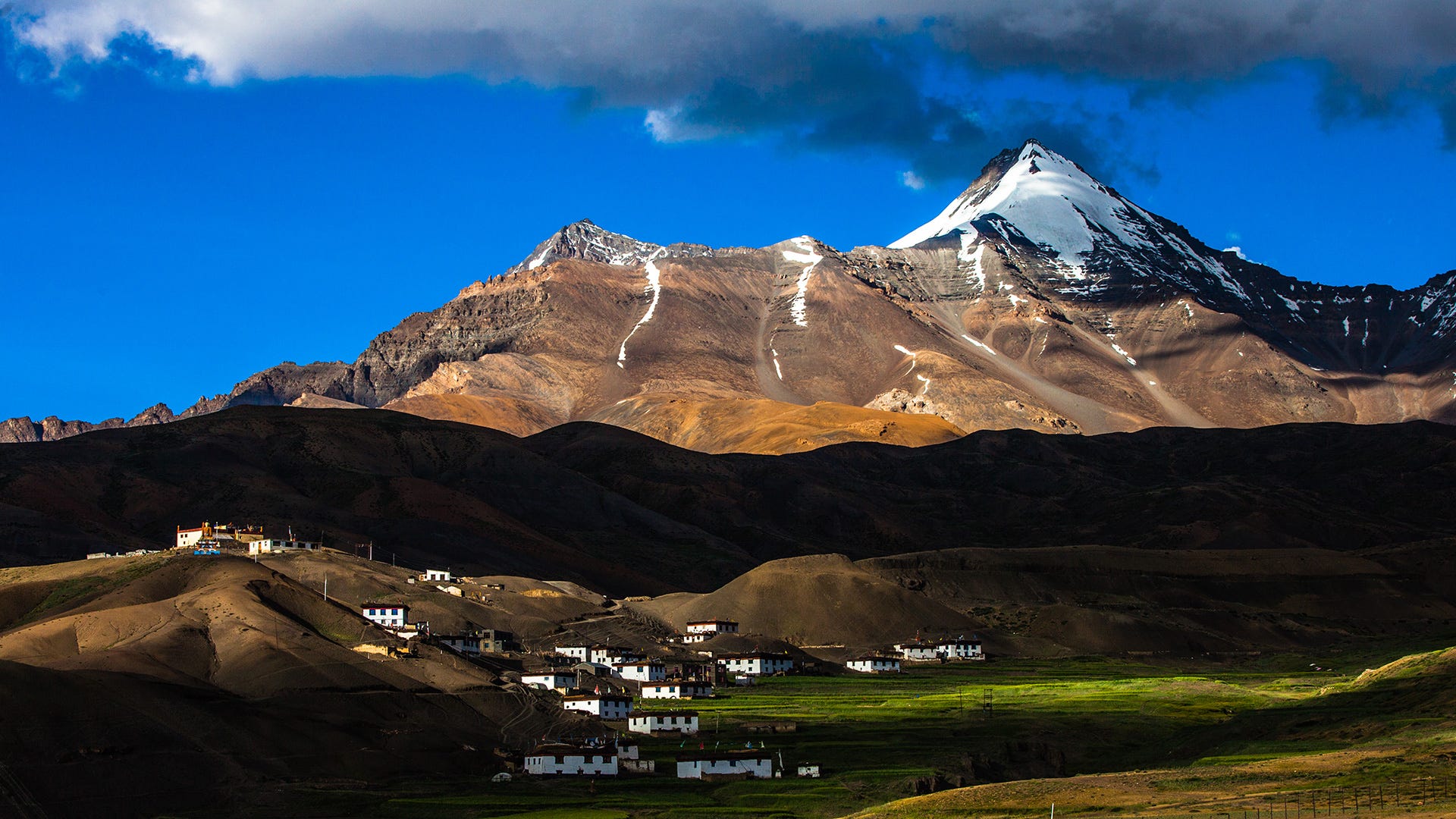
Spiti Valley 8 Days: Complete Itinerary And Route Plan
Plan perfect 8 days Spiti Valley trip from Delhi/Manali. Discover complete itinerary, best time to visit, budget & essential travel tips.
Places to Visit Tabo Village Spiti Valley
Explore Tabo Village in Spiti Valley. Ancient Tabo Monastery, caves, and Himalayan beauty. Complete travel guide to the Ajanta of the Himalayas.
Spiti Valley Weather: Best Time To Visit And Conditions
Complete Spiti Valley weather guide with month-wise temperature, rainfall, and snowfall details. Best time to visit plus essential weather travel tips.
Never Miss an Adventure
Get the latest trekking guides, travel tips, and exclusive offers delivered straight to your inbox.
