
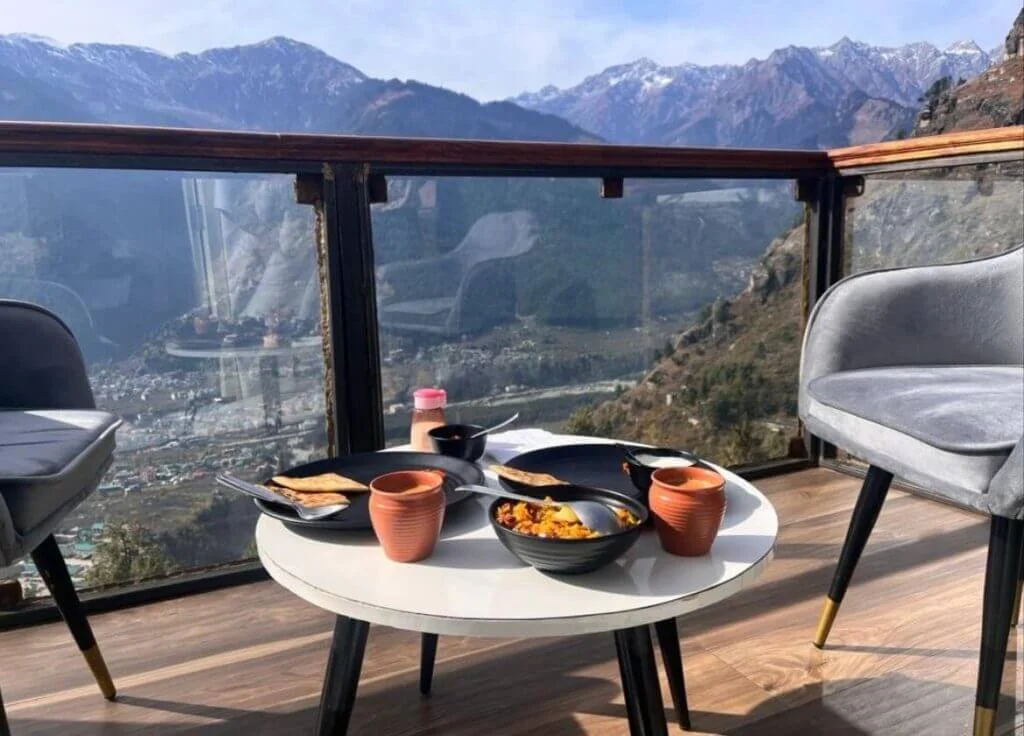
Best Cafes in Old Manali: Riverside Vibes, Coffee & Live Music

Rahul Garg
February 18, 2026
Discover Old Manali's enchanting cafe culture with our comprehensive guide. From historic institutions to Israeli cuisine, riverside dining to hidden gems in the Himalayas.
Best Cafes in Old Manali: Complete Food and Coffee Guide
Old Manali is one of India’s most recognizable hill cafe destinations, known for backpacker culture, riverside spaces, and all-day comfort menus. Travelers searching this keyword want practical answers: which cafes have the best ambience, where to get reliable food, where to work remotely, and how to avoid overcrowded slots. This guide is designed around those exact needs.
For itinerary planning, combine this with cafes in Kasauli and best cafes in Kasol if you are doing a longer Himachal cafe trail.
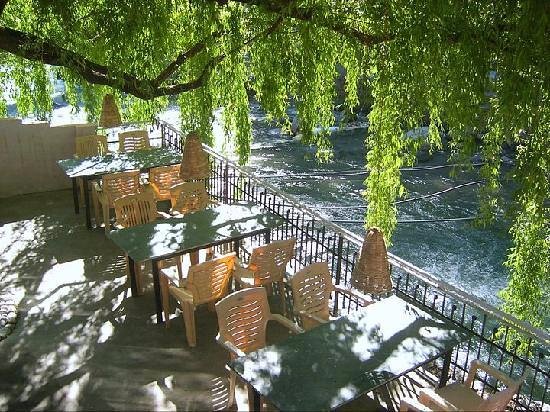
Why Old Manali Cafe Scene Is Different
Old Manali cafes are not only food venues. They act as social spaces, creative hubs, music corners, and slow travel anchors. Menus often blend global comfort dishes with local additions, and many cafes encourage unhurried dining sessions. This is ideal for travelers who want to spend time, not just eat quickly.
The river proximity and forested slopes create a naturally relaxed setting. Even basic coffee sessions feel elevated in this environment.
Popular Cafe Categories
Riverside cafes
Best for scenic seating and evening wind-down sessions. Arrive early for better tables in peak season.
International menu cafes
Known for mixed offerings including Israeli, continental, and fusion comfort dishes. Good for multi-day stays when you want variety.
Work and reading friendly cafes
Useful for digital nomads and solo travelers needing stable seating and quiet corners.
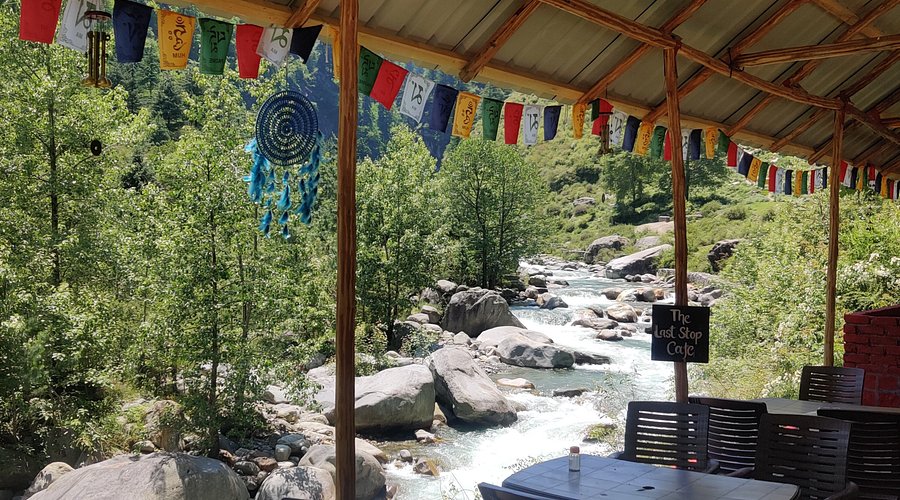
What to Order in Old Manali
Specialty coffee and tea: safest starting point. Israeli platters and bowls: common in backpacker cafés. Wood-fired pizzas and pastas: available in many popular spots. Himachali comfort additions: occasional but worth trying where offered.
For food diversity beyond cafes, compare with famous food in Kerala as a contrast template for regional cuisine vs traveler menu formats.
Best Time to Visit Cafes in Old Manali
Late morning and sunset windows are the most popular. Peak crowd arrives in high season evenings. For quiet sessions, choose weekday daytime slots. Winter gives cozier indoor vibes, while summer supports longer outdoor seating.
Monsoon can reduce terrace usability, so always keep one indoor backup cafe in your shortlist.
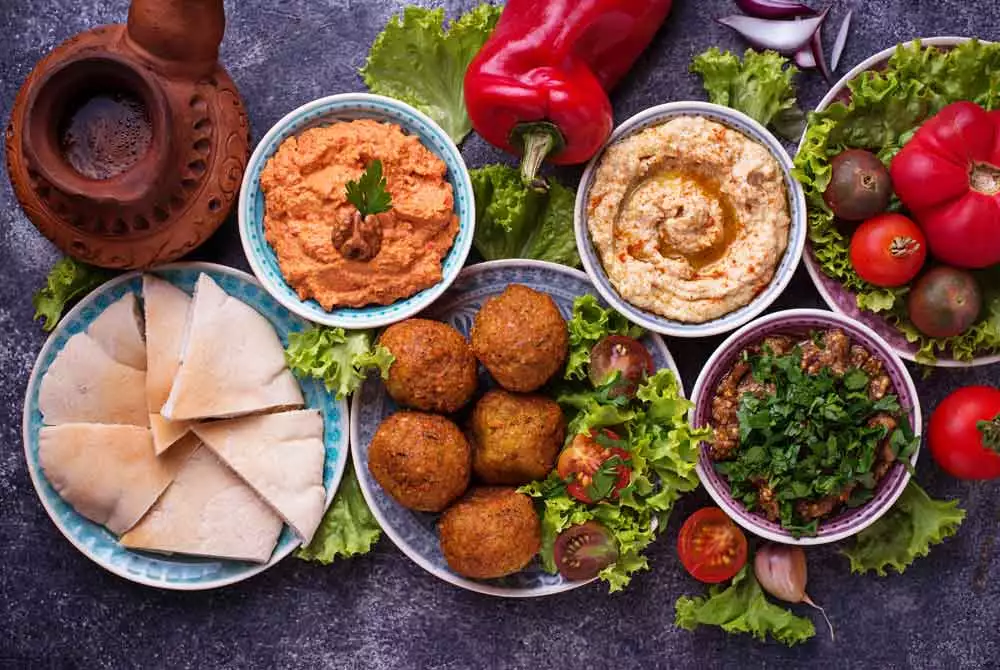
Budget Planning
Budget café stop: one drink and snack. Mid-range session: full meal with beverages. Extended social/work block: multiple orders across 2–3 hours.
Set a daily spend cap if you plan multi-cafe days, since repeat drink ordering can increase costs quickly.
One Day Old Manali Cafe Flow
Morning: quiet coffee and breakfast. Afternoon: river-facing cafe lunch. Evening: social cafe with music and light dinner. This rhythm captures the full range of Old Manali’s cafe personality without rush.
Practical Tips
- Avoid peak hours if you want work friendly silence.
- Carry layers for evening seating near river points.
- Check Wi-Fi reliability before long laptop sessions.
- Reserve or arrive early on weekends and holidays.
- Keep one low-crowd backup cafe nearby.
Detailed Planning and Local Insight
To get better results from this food route, plan meals around movement, weather, and crowd intensity. Travelers often overpack sightseeing and then rush meals, which reduces the quality of the experience. A better pattern is one anchor meal and one exploratory meal each day. Keep your anchor meal at a trusted location where menu quality is consistent, then use your exploratory window for local discovery. This structure protects both comfort and curiosity.
Another useful strategy is to track what you have already tried. In destination food travel, people often order similar dishes repeatedly and miss regional depth. Maintain a small note list: one signature dish, one local beverage, one dessert, and one street style item per day. This method increases variety without increasing spend. It also gives you a cleaner memory of each city’s food identity.
For families, prioritize places with clear seating comfort, predictable service, and easy menu customization. For solo travelers, look for safe timing windows and cafes or restaurants that allow slower sessions without table pressure. For groups, assign one person to menu coordination before arrival to reduce ordering delays and avoid repetitive dishes.
Seasonality also matters. Freshness, ingredient availability, and crowd levels shift by month. During high season, reserve popular places where possible and arrive earlier for signature items that may sell out. During shoulder season, use quieter windows to have longer conversations with staff and ask for day recommendations. You often discover better dishes through these interactions than by ordering only headline items.
Finally, keep hydration and pacing in mind. Food travel should be enjoyable, not exhausting. Spacing heavier meals and adding lighter breaks helps you keep energy for the rest of your itinerary. A balanced dining day usually produces better taste memory than back-to-back heavy sessions.
Final Verdict
The best cafes in Old Manali depend on your purpose: scenery, social energy, or work comfort. Choose by session type and timing rather than popularity alone, and your experience improves significantly.
If your route includes Ladakh extension later, you can pair this phase with Alchi Kitchen Ladakh for a very different but equally memorable food stop.
Advanced Local Planning
Serious food travelers can improve outcomes by pairing meal intensity with activity intensity. Keep heavy meals for slower evening schedules and lighter meals before long movement windows. This reduces fatigue and helps you enjoy both cuisine and sightseeing quality. In city or hill environments, one strong lunch and one moderate dinner usually performs better than repeated heavy sessions.
Another practical method is to diversify dish structure in each meal. Instead of ordering similar gravies or similar cafe items, choose one staple, one texture contrast item, and one palate balancing side. This creates better taste memory and lowers the chance of flavor fatigue. Many travelers forget this and end up with repetitive plates that feel less satisfying by day two.
When traveling in groups, assign a quick ordering framework before entering the restaurant or cafe. Pre-decide vegetarian and non-vegetarian split, spice preference, and shared vs individual ordering. This prevents delays and reduces accidental over-ordering. It also helps service staff deliver better recommendations when they understand your table profile clearly.
For budget control, use per-meal limits rather than per-item limits. Per-item control often fails because small add-ons accumulate quickly. A full meal cap gives cleaner decisions and keeps your trip spending stable. If the place is premium, reduce variety but increase quality instead of trying to sample everything in one visit.
Finally, collect local recommendations directly from staff during non-rush hours. Their guidance is often more current than static online lists, especially in destinations where menus shift seasonally. This is one of the most reliable ways to discover signature items and avoid disappointing orders.
Advanced Local Planning
Serious food travelers can improve outcomes by pairing meal intensity with activity intensity. Keep heavy meals for slower evening schedules and lighter meals before long movement windows. This reduces fatigue and helps you enjoy both cuisine and sightseeing quality. In city or hill environments, one strong lunch and one moderate dinner usually performs better than repeated heavy sessions.
Another practical method is to diversify dish structure in each meal. Instead of ordering similar gravies or similar cafe items, choose one staple, one texture contrast item, and one palate balancing side. This creates better taste memory and lowers the chance of flavor fatigue. Many travelers forget this and end up with repetitive plates that feel less satisfying by day two.
When traveling in groups, assign a quick ordering framework before entering the restaurant or cafe. Pre-decide vegetarian and non-vegetarian split, spice preference, and shared vs individual ordering. This prevents delays and reduces accidental over-ordering. It also helps service staff deliver better recommendations when they understand your table profile clearly.
For budget control, use per-meal limits rather than per-item limits. Per-item control often fails because small add-ons accumulate quickly. A full meal cap gives cleaner decisions and keeps your trip spending stable. If the place is premium, reduce variety but increase quality instead of trying to sample everything in one visit.
Finally, collect local recommendations directly from staff during non-rush hours. Their guidance is often more current than static online lists, especially in destinations where menus shift seasonally. This is one of the most reliable ways to discover signature items and avoid disappointing orders.
Location
Frequently Asked Questions
Q1.Which are the best cafes in Old Manali?
Q2.Why is Old Manali famous for Israeli food?
Q3.Do cafes in Old Manali have WiFi?
Q4.What is the average cost at cafes in Old Manali?
Q5.What should I try at Old Manali cafes?
Q6.Are Old Manali cafes open in winter?
Q7.What is the difference between Old Manali and New Manali cafes?
Q8.Do Old Manali cafes serve alcohol?
Q9.Are Old Manali cafes vegan-friendly?
Q10.What is the best time to visit Old Manali cafes?
Recommended For You
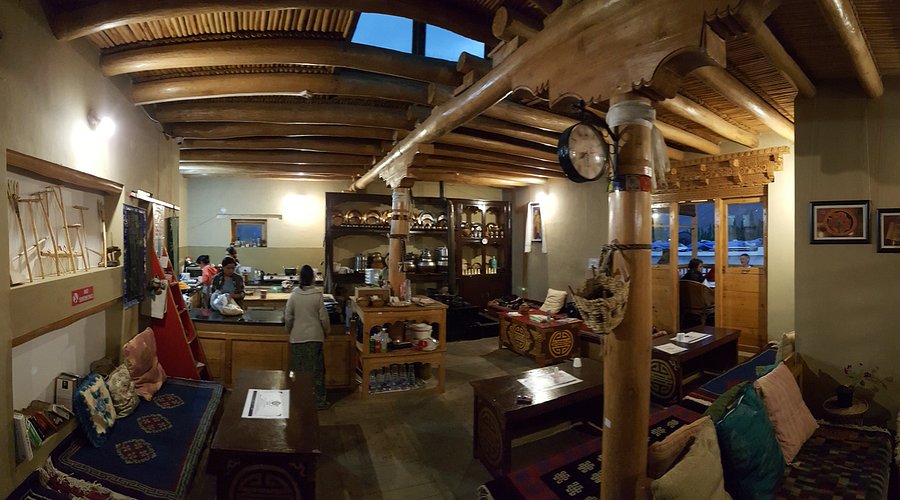
Alchi Kitchen Ladakh: Menu Highlights, Prices & Local Food Picks
Discover Alchi Kitchen Ladakh: authentic local cuisine, menu highlights, location & dining experience in Alchi village.
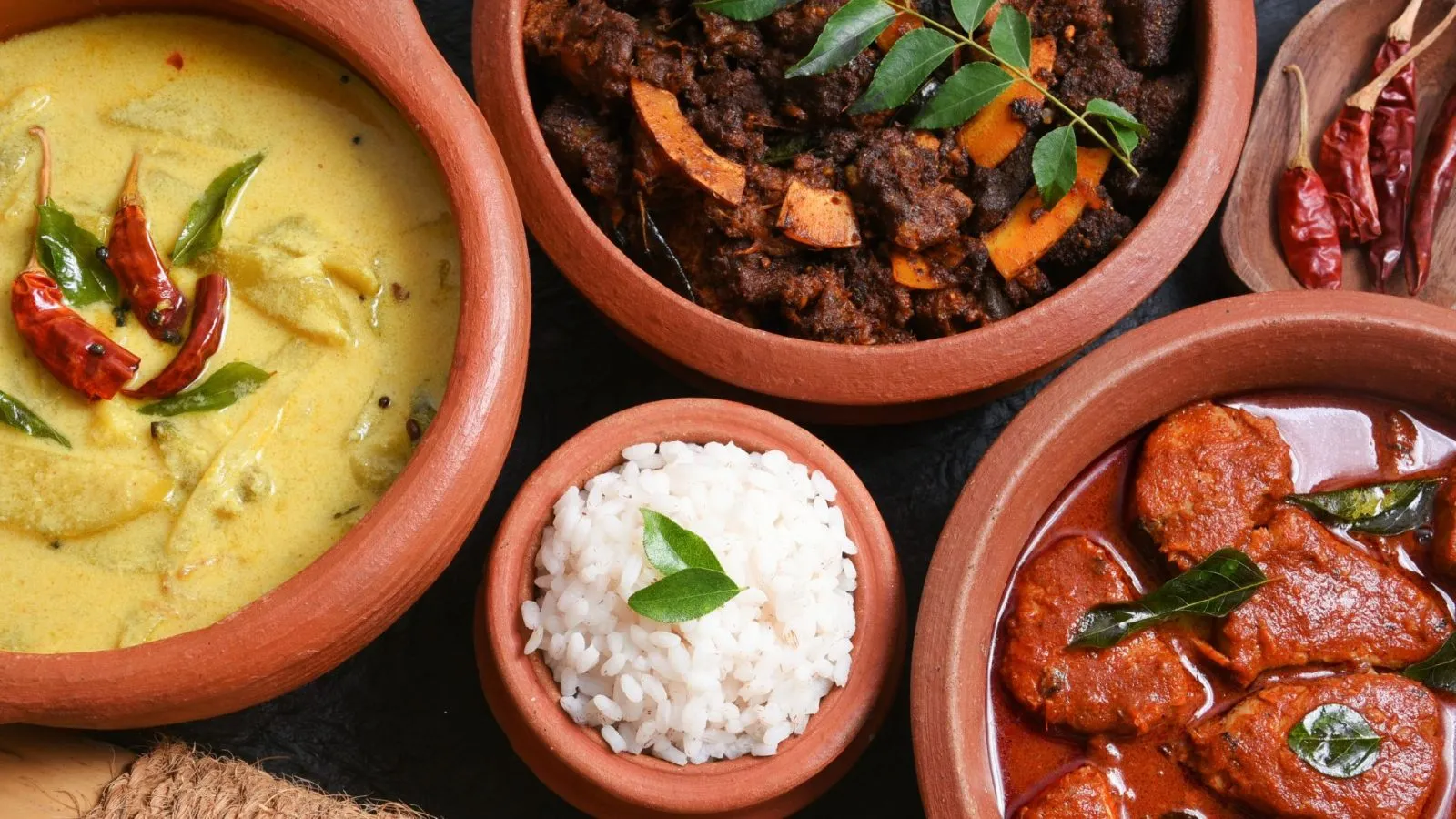
Famous Food in Kerala: 15 Must-Try Dishes
Discover the famous food of Kerala. From Appam & Stew to Karimeen Pollichathu and Sadhya. A culinary journey through God's Own Country with 15 must-try dishes.
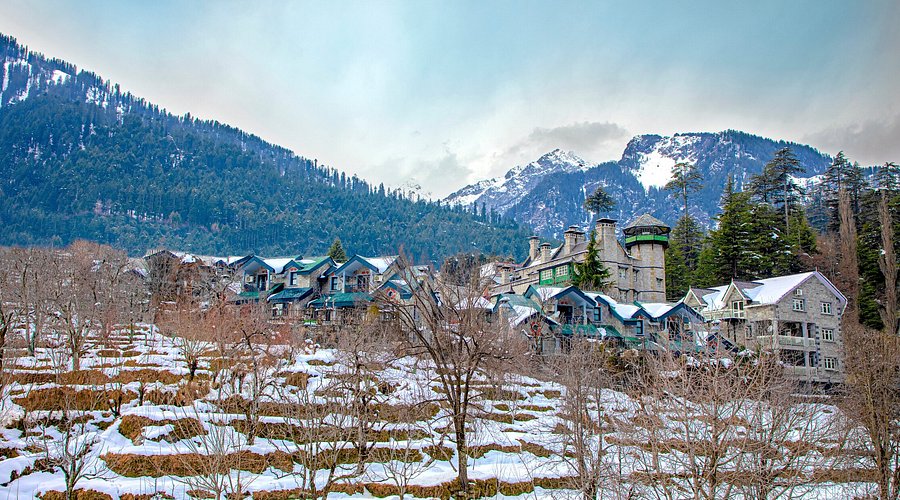
The Himalayan Cafe Manali: Menu, Vibe & Best Time to Visit
The Himalayan Cafe Manali guide with timing strategy, menu pacing, and route-aware pairing tips for smoother Old Manali cafe plans.
Never Miss an Adventure
Get the latest trekking guides, travel tips, and exclusive offers delivered straight to your inbox.
