
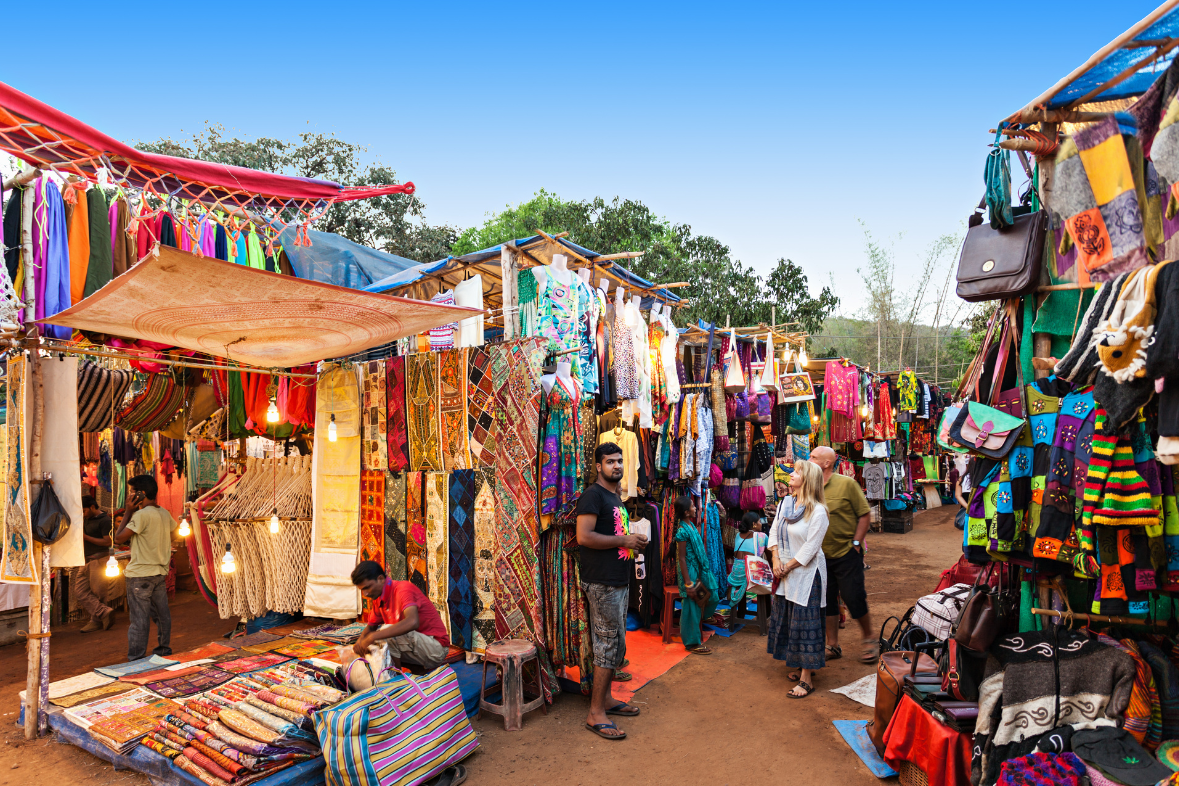
Cloth Market Ambala Haryana: Wholesale Lanes & Buying Tips

Priya Mehta
February 19, 2026
Plan your Cloth Market Ambala Haryana visit with wholesale tips, product categories, timing strategy, negotiation guidance, and nearby shopping add-ons.
Cloth Market Ambala Haryana: Complete Shopping Guide
Cloth market Ambala is one of the most practical textile buying zones for shoppers looking at variety, competitive pricing, and category depth. The market attracts both retail shoppers and bulk buyers, including boutique owners, event shoppers, and family purchasers planning seasonal wardrobes. If you are visiting for the first time, success depends on preparation: what to buy, how to compare quality, and when to shop.
This guide is designed for decision-driven shopping. It covers product categories, wholesale vs retail differences, timing strategy, bargaining logic, and practical route planning. If you want to combine shopping with food breaks, use Best Restaurants in Ambala Haryana and Cafes in Ambala for efficient breaks.

Why Ambala Cloth Market Is Popular
Ambala’s market strength comes from concentration. Buyers can compare multiple fabric types, patterns, and price points within short walking distances. This creates faster decision cycles and better negotiation leverage.
| Shopping Advantage | Buyer Benefit |
|---|---|
| High shop density | Quick comparison of rate and quality |
| Mixed wholesale-retail ecosystem | Suitable for both bulk and individual buyers |
| Category diversity | Fabric, ready wear, accessories, trimmings |
| Competitive pricing | Better value than single-store shopping |
What You Can Buy in Ambala Cloth Market
- Cotton, silk-blend, and synthetic fabrics.
- Dress materials and suit sets.
- Readymade garments in selected lanes.
- Home textile products (curtains, bedsheets, furnishings).
- Laces, borders, buttons, and tailoring accessories.
- Festival and wedding-season textile ranges.
Before buying, define use case: personal tailoring, boutique resale, or event bulk purchase. This changes how you negotiate and compare inventory.
Wholesale vs Retail: Which One Fits You?
Wholesale buying gives better per-unit rates, but usually requires quantity commitments. Retail is better for mixed-category personal shopping.
| Buying Mode | Best For | Key Consideration |
|---|---|---|
| Wholesale | Boutiques, event buyers, frequent resellers | Minimum quantity and consistency |
| Retail | Individual shoppers | Higher rate but lower quantity risk |
| Hybrid buying | Family/event shoppers | Mix bulk basics with retail special picks |
How to Compare Fabric Quality Properly
Do not judge only by color and print. Fabric quality checks should include texture feel, weave consistency, stretch behavior, and wash tolerance discussion with seller.
- Check edge finishing and thread stability.
- Ask if color bleed risk is known.
- Compare same category fabric at 2-3 shops.
- Confirm final measurement and bill details.

Best Time and Days to Shop
Timing affects both crowd and negotiation quality. Early day shopping usually gives better movement and focused seller interaction.
- Morning to early afternoon: best for serious buying.
- Late evenings: higher crowd, slower billing.
- Peak festival periods: greater variety but faster stock movement.
If you are bulk buying, avoid rushed late-hour negotiation and keep enough time for cross-shop verification.
Bargaining Strategy That Actually Works
Bargaining in Ambala works best when you are clear and specific. Instead of asking for random discounts, negotiate based on quantity, repeat purchase potential, or combined category order.
- Group similar products into one bill for better rates.
- Ask for “final quantity price,” not first quoted price.
- Keep alternatives ready before closing a deal.
- Stay polite and firm; rushed pressure usually backfires.
Route Planning Inside the Market
A category-wise route is the biggest time saver. Start with foundational fabric categories, then move to design and finishing accessories.
| Route Sequence | Purpose |
|---|---|
| Fabric core lanes | Base purchase and rate benchmarking |
| Readymade lanes | Gap-fill and quick add-ons |
| Accessories lane | Buttons, borders, tailoring materials |
| Final check loop | Price re-confirmation before billing |
This method reduces backtracking and helps you control budget drift.
Food and Break Planning During Long Shopping Days
Long textile shopping can be tiring, especially in peak season. Keep one scheduled break to avoid impulsive purchases caused by fatigue. For extended day plans, nearby options from Best Restaurants in Chandigarh can be useful if you are combining intercity movement.
Common Mistakes to Avoid
- Buying from first shop without comparison.
- Ignoring fabric quality checks while chasing price.
- Skipping measurement verification at billing stage.
- Carrying no category list and overspending on duplicates.
Sample Half-Day Buyer Plan
| Time | Task |
|---|---|
| 10:00-11:30 | Primary fabric comparison and shortlist |
| 11:30-12:30 | Bulk negotiation and first billing round |
| 12:30-13:00 | Break and budget review |
| 13:00-14:00 | Accessories and final purchase closure |
This keeps decisions structured and avoids rushed errors.
Final Takeaway
Cloth Market Ambala Haryana is a strong shopping destination for both retail and wholesale buyers when approached with a plan. Focus on category-based movement, quality-first comparison, and quantity-linked negotiation. With these basics, you can get better value, avoid common traps, and finish shopping efficiently.
Plan your route, track spend in real time, and keep a practical quality checklist. That is the fastest way to make Ambala market shopping productive and rewarding.

Seasonal Buying Windows and Inventory Behavior
Textile market inventory changes significantly by season. Wedding periods and festival months usually bring stronger ethnic and premium fabric choices, while regular months often offer better negotiation flexibility. If you are buying for events, shop early in the season to secure variety before popular patterns move out of stock.
| Season Type | What Changes in Market |
|---|---|
| Wedding/festival phase | Higher variety, faster stock turnover |
| Regular phase | Better bargaining room on selected categories |
| End-of-cycle stock | Opportunity for value deals on specific lots |
Plan by requirement timeline, not only by date convenience.
Shopper Profiles and Recommended Strategy
Different buyers should use different approaches. Retail family shoppers should prioritize quality and manageable quantities. Boutique buyers should focus on consistency and repeat supply reliability. Event planners should lock color themes first, then source accessories in final round.
- Family shoppers: buy core items first, trend items last.
- Boutique buyers: request repeat-lot availability confirmation.
- Event shoppers: carry sample reference swatches.
This reduces mismatch and post-purchase regret.
Combining Ambala Shopping with Nearby City Plans
If you are traveling from Chandigarh side, combine market shopping with planned meal and rest windows to avoid fatigue. Practical stop options from Best Cafes in Chandigarh can improve overall comfort on high-volume shopping days. Structured intercity planning helps you maintain better buying decisions and lowers the chance of rushed purchases.
A good textile trip is not just about finding low rates; it is about buying the right quality at the right quantity with clear post-purchase usability.
Frequently Asked Questions
What are the best hours to shop in Ambala cloth market?
Morning to early afternoon is generally best for serious fabric comparison and lower crowd pressure. Evening windows are useful for casual browsing but often slower for billing and negotiation.
Is Ambala cloth market only for wholesale buyers?
No. Both wholesale and retail buyers can shop effectively here. Wholesale gives better rates for quantity purchases, while retail works for personal and mixed-category needs.
How much bargaining is realistic?
Reasonable bargaining is common, especially on quantity and repeat-category purchases. The best approach is polite rate comparison across multiple shops rather than aggressive one-shop negotiation.
How do I check if fabric quality is good?
Inspect weave consistency, edge finish, color stability discussion, and final measurement. Ask about washing behavior and confirm bill details before payment.
Can I finish shopping in half a day?
Yes, if you follow a category plan and avoid random lane hopping. A structured route often saves one to two hours for first-time buyers.
Is it better than shopping from a single branded store?
For variety and rate comparison, yes. Ambala market gives stronger range and pricing flexibility, especially when you know your requirement clearly.
What should boutique buyers prioritize?
Consistency and repeat supply capability are more important than one-time low rates. Ask about lot continuity and reordering before placing bigger orders.
Can I combine this trip with Chandigarh plans?
Yes, many buyers do that. Just keep enough buffer for market time so decisions stay quality-focused instead of rushed.
Location
Frequently Asked Questions
Q1.Where is Cloth Market Ambala located?
Q2.What are the typical market timings in Ambala cloth market?
Q3.What is the best day to visit Ambala cloth market?
Q4.Is Ambala cloth market mainly wholesale or retail?
Q5.What products can I buy in Ambala cloth market?
Q6.Are prices negotiable in Ambala cloth market?
Q7.Is parking available near Ambala cloth market?
Q8.How can outstation buyers plan a market visit efficiently?
Recommended For You
15 Best Places to Visit in Haryana: Heritage, Lakes & Weekend Trips
Discover the best places to visit in Haryana including Kurukshetra, Sultanpur, Panipat, Damdama Lake, Surajkund, and Pinjore with a practical travel plan.
Shopping in Panipat Haryana: A Complete Guide to Textile Hub
Shopping in Panipat Haryana - Discover India's textile city. Complete guide to factory outlets, home furnishings, carpets, bed linen with prices, timing and shopping tips.
Best Places to Visit in Chandigarh: Gardens, Museums & Night Spots
Explore the best places to visit in Chandigarh with practical itineraries, top attractions like Rock Garden and Sukhna Lake, and smart local travel tips.
Never Miss an Adventure
Get the latest trekking guides, travel tips, and exclusive offers delivered straight to your inbox.
