
Dubare Elephant Camp Coorg Guide: Activity Flow, Responsible Visits, and Day-Plan Strategy

Priya Mehta
February 26, 2026
Use this Dubare Elephant Camp Coorg guide for responsible visit planning, better timing, and smoother full-day Coorg itineraries.
Introduction
Dubare Elephant Camp in Coorg is one of the region’s most searched experiences, but many travelers approach it with theme-park expectations and no operational plan. The result is often long waiting, mismatched timing, and weak learning value. A better visit combines responsible wildlife etiquette, realistic activity sequencing, and smart integration with nearby Coorg experiences. This guide explains how to plan Dubare as part of a full day without unnecessary rush. You will learn best arrival windows, what to expect in interaction zones, how to manage family comfort, and how to combine this stop with nearby nature and food segments for a complete and balanced Coorg day.

What Makes Dubare Worth Visiting
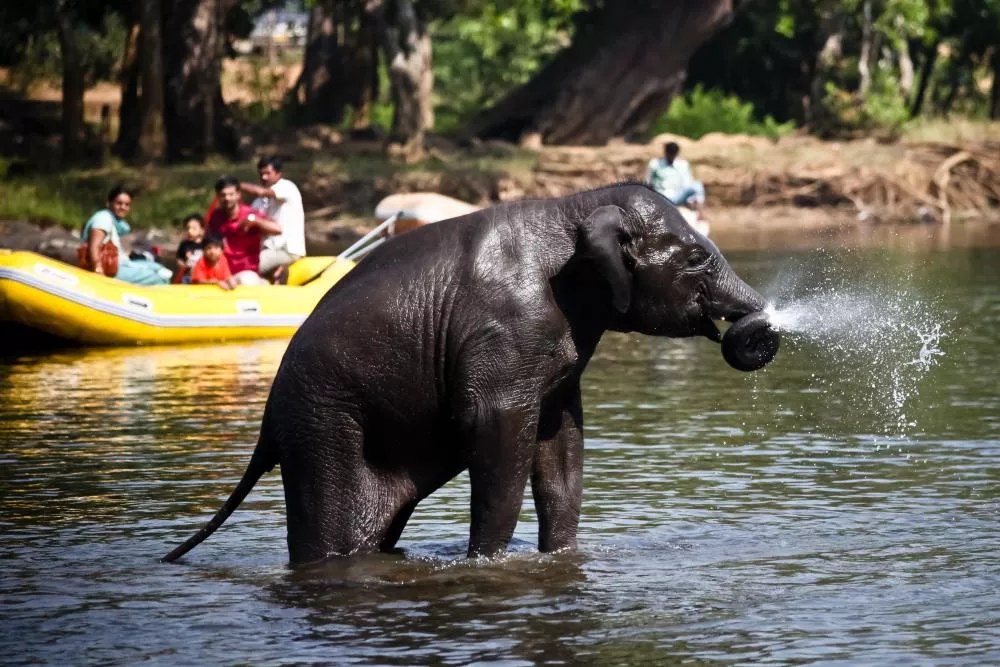
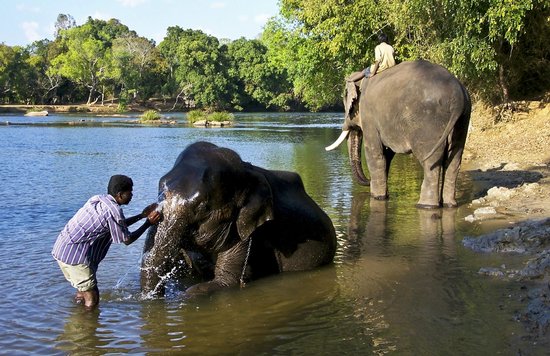
Dubare is valuable when treated as an education-first nature experience rather than a quick checklist attraction. Visitors can observe elephant care routines, understand handler coordination, and see how structured wildlife management works in a controlled environment. The quality of your experience depends less on duration and more on attention. If you arrive with context and patience, even a short session can be meaningful. If you arrive late and rushed, the same place feels underwhelming. Keep your expectation centered on observation, responsible interaction, and learning. This mindset shift is the most important factor in getting real value from the visit.
Best Time to Visit Dubare Elephant Camp
Morning windows usually work better for comfortable movement and more organized activity flow. Late arrivals often face crowd concentration and reduced session quality. During weekends and holiday periods, queue behavior can significantly affect pacing, so start earlier than your default travel habits. In rainy conditions, add movement buffer and maintain footwear and clothing readiness. A useful rule is to protect your first two hours for Dubare and avoid committing to fixed, distant post-lunch appointments. Weather and crowd elasticity demand flexibility. Buffer-led planning prevents stress and helps families keep the day enjoyable without constant schedule conflict.
How to Structure a Dubare-Focused Day
Use a three-part day design. Part 1: early arrival and main camp session. Part 2: slow lunch and rest. Part 3: one nearby scenic or culture stop. This format avoids overload and supports children and elderly travelers better than high-density itineraries. For nearby continuation, pair with Coorg travel guide logic and choose only one additional anchor stop. If you want water-linked scenery, add Abbey Falls Coorg as a separate block with realistic transit time. Purposeful segmentation creates better energy and fewer avoidable delays.
Responsible Behavior at Elephant Interaction Areas
Responsible visitor conduct is non-negotiable. Keep noise low, follow handler instructions, avoid sudden movement, and never force interaction for photos. Respect animal space and camp flow. Children should be briefed before entry so they understand boundaries and voice control. Do not block pathways for staged pictures or social media reels. Ethical behavior protects both animals and visitors, and it also creates smoother operations for everyone. If you treat the camp as a shared learning environment instead of a personal content set, your experience becomes more respectful and usually more insightful.
Family and Group Planning Tips
Group visits work best with predefined roles: one person handles tickets, one tracks timing, one manages essentials and hydration. Keep regroup points fixed and avoid splitting into too many sub-groups in high-footfall windows. Families should carry light snacks, water, and basic weather protection. If traveling with seniors, prioritize minimal standing time and keep one seated recovery break after the main session. A calm operational structure prevents small issues from escalating into trip friction. Group discipline is especially important in nature-oriented destinations where activity timing can shift and queues may grow unpredictably.
Combining Dubare with Wider Coorg Itinerary
Dubare should not be isolated from your broader Coorg plan. Use it as one thematic piece in a multi-day nature and culture route. For example, one day can focus on wildlife and river-linked activities, another on coffee landscapes and viewpoints, and another on local markets and food. Connect your planning with places to visit in Coorg to avoid repeating similar experiences. If you already include soft-scenic sessions, add one elevated viewpoint like Raja's Seat Coorg at sunset. Variety with intent is better than quantity without structure.
Food and Break Strategy Around Camp Visits
Do not plan heavy meals immediately before high-movement windows. Keep breakfast light and hydrating, then take a proper meal after your core camp session. Avoid random restaurant decisions during peak hours; shortlist options in advance. If your day includes children, place one predictable snack break before onward movement. Fatigue and hunger are the most common hidden causes of poor travel experience ratings, especially in family itineraries. Stable nutrition and hydration support mood, pacing, and patience through queues and transitions.
Budget Planning and Value Decisions
You can keep Dubare day costs controlled by booking transport smartly, limiting low-value add-ons, and avoiding impulsive long detours. Budget quality improves when you spend on convenience that directly impacts comfort, such as suitable transfer timing, rather than scattered extras. Keep one contingency margin for weather and route changes. Value is not only ticket cost; it is total day quality per rupee spent. Well-sequenced days often feel more premium than expensive but chaotic itineraries.
Common Mistakes to Avoid
Frequent mistakes include arriving too late, expecting unrestricted interaction, overloading same-day attractions, and ignoring weather-readiness in monsoon-sensitive periods. Another recurring issue is no backup plan when crowd conditions are heavier than expected. Correct this by defining an optional secondary stop that can be dropped without regret. Adaptive plans are stronger than rigid plans in nature destinations.

Practical One-Day Sample (High Comfort)
Start early, reach Dubare before the first crowd peak, complete your main session with responsible observation, and then move to a nearby lunch break zone. Keep post-lunch activity low intensity, such as a viewpoint or short scenic walk, and close with an early return. This structure gives high completion confidence without fatigue overload.
Post-Visit Reflection for Better Future Trips
A useful habit after leaving Dubare is to quickly review what worked: arrival timing, group coordination, food break spacing, and crowd handling. This short reflection helps travelers improve future wildlife and nature trips. If your morning was smooth, preserve that structure for other Coorg days. If queue pressure affected experience, adjust next-day start time. Travel quality improves significantly when feedback from one day is applied immediately to the next.
Why Slow Observation Beats Fast Checklists
Nature-oriented experiences are rarely about the number of activities completed. They are about how attentively each activity is experienced. In Dubare, even ten additional minutes of calm observation can add more value than one extra rushed stop elsewhere. Visitors who accept this slow approach often report stronger satisfaction and lower fatigue. Choose depth where it matters and your full Coorg itinerary will feel more rewarding.
Final Timing Rule
Keep a fixed cut-off time for ending your camp session and moving to lunch or return transit. This one rule protects the rest of your day from spillover delays and keeps group energy stable. Consistent cut-off discipline is one of the most practical upgrades for wildlife-oriented day planning.
Conclusion
Dubare Elephant Camp Coorg is most rewarding when planned as a respectful, learning-oriented experience supported by realistic timing and calm day design. Protect your morning window, follow ethical interaction practices, and integrate Dubare with one complementary Coorg stop instead of forcing too many add-ons. With this approach, you get better comfort, stronger educational value, and a more meaningful wildlife-oriented day.
Location
Frequently Asked Questions
Q1.What is the best time to visit Dubare Elephant Camp?
Q2.Is Dubare suitable for families with children?
Q3.Can Dubare be combined with other Coorg spots in one day?
Q4.What activities are available at Dubare Elephant Camp?
Q5.How do I reach Dubare Elephant Camp from Madikeri?
Recommended For You
Coorg Coffee Plantations Guide: Estate Visits, Best Season, and Practical Route Planning
Plan Coorg coffee plantation visits with better timing, estate selection, and route flow for a richer travel experience.
Raja’s Seat Coorg Guide: Best Time, Sunset Views, Garden Walks, and Trip Planning
Plan Raja’s Seat Coorg with practical tips on sunset timing, viewpoint pacing, nearby route combinations, and travel-style-specific planning.

Tadiandamol Peak Coorg Guide: Trail Plan, Seasonal Strategy, and Trekking Tips
Plan Tadiandamol Peak Coorg with practical weather-aware trail strategy, packing essentials, and post-trek itinerary balance.
Never Miss an Adventure
Get the latest trekking guides, travel tips, and exclusive offers delivered straight to your inbox.
