
Best Places to Visit Coorg: Scotland of India

Neha Kapoor
December 1, 2025
Discover the best places to visit in Coorg, Karnataka. From coffee plantations and Abbey Falls to Dubare Elephant Camp and Talakaveri Temple, complete travel guide with timings and tips.
Introduction: Scotland of India
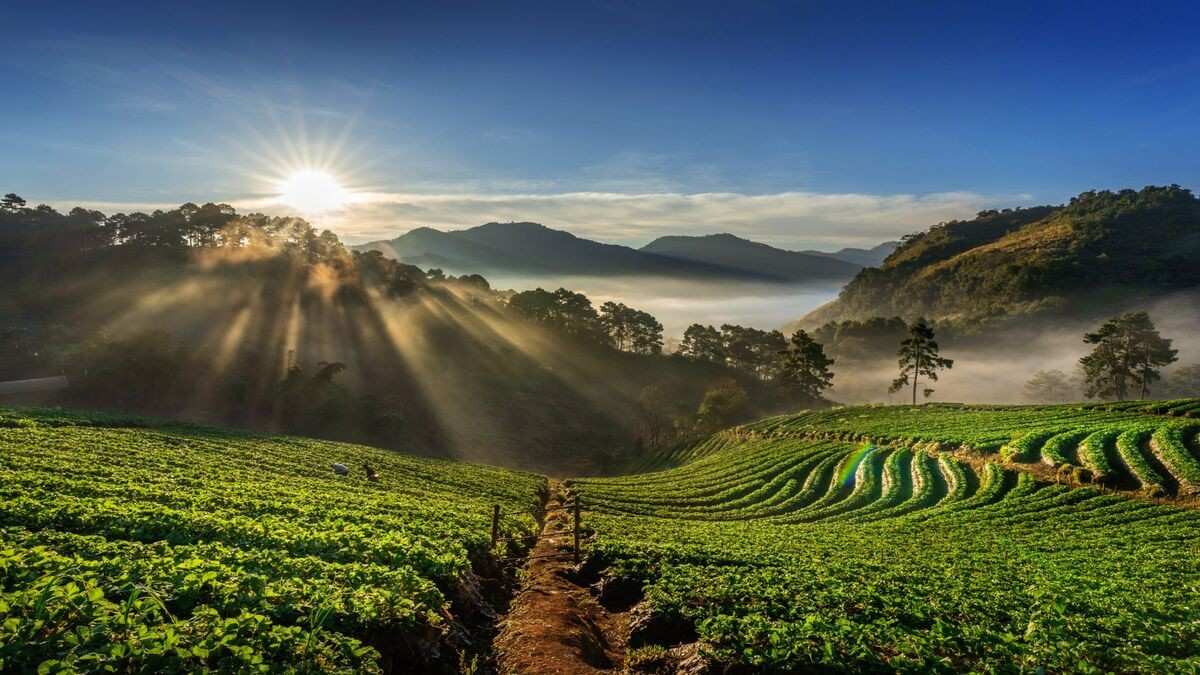
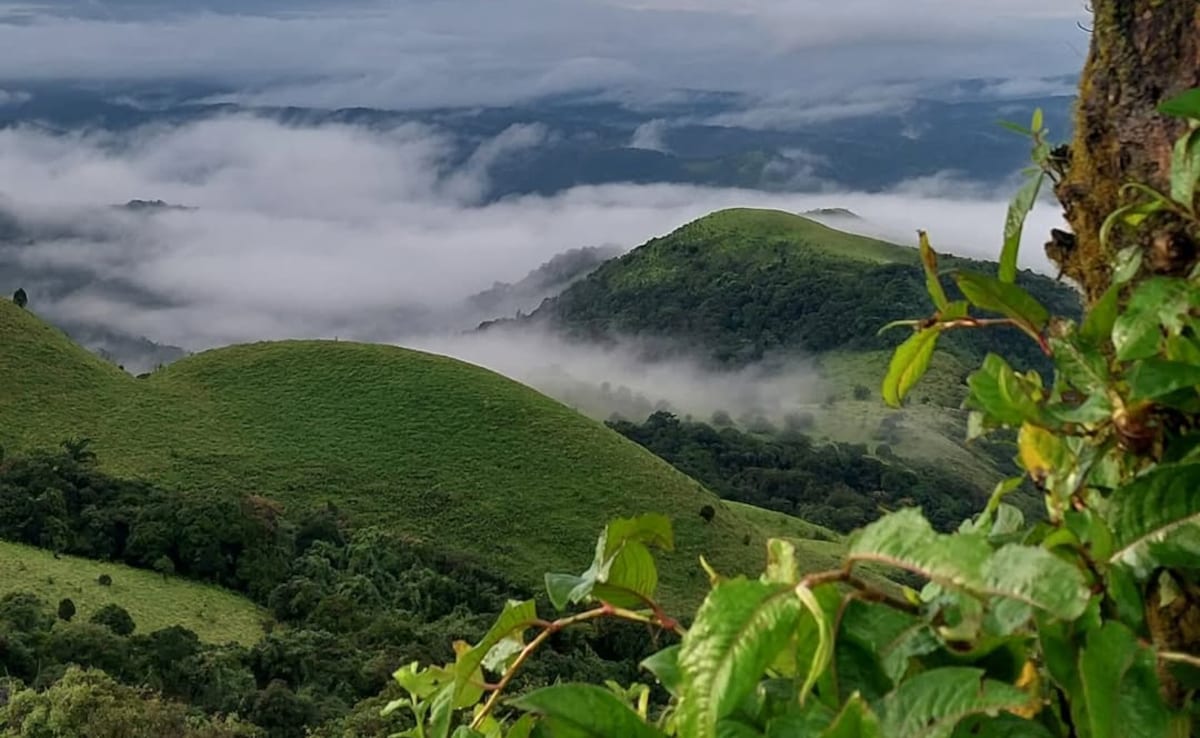
Nestled in the Western Ghats of Karnataka, Coorg (officially known as Kodagu) is a mesmerizing hill station that has earned the nickname "Scotland of India" for its rolling hills, misty landscapes, and lush greenery. This beautiful district, located approximately 250 kilometers from Bangalore, is India's largest coffee producer and one of its most sought-after romantic getaways. With its aromatic coffee plantations, spice gardens, cascading waterfalls, and rich Kodava culture, Coorg offers visitors a perfect blend of natural beauty and cultural experiences.
What makes Coorg truly special is its diversity - you can trek through dense forests, interact with elephants at a camp, visit ancient temples, witness stunning sunsets from viewpoints, and experience the unique Kodava hospitality all in one trip. The region's cool climate throughout the year makes it an attractive destination for weekend getaways, family vacations, honeymooners, and nature enthusiasts alike.
Abbey Falls
One of Coorg's most popular attractions, Abbey Falls is a stunning waterfall located approximately 8 kilometers from Madikeri, the main town of Coorg. The falls cascade down from a height of 70 feet into a rocky pool below, creating a spectacular sight surrounded by dense coffee and spice plantations. The sound of the gushing water and the cool mist that fills the air make Abbey Falls a refreshing experience for visitors.
The walk to the falls is as beautiful as the destination itself. Visitors must descend through a series of steps surrounded by lush greenery, coffee plants, cardamom bushes, and pepper vines. The path offers glimpses of the rich biodiversity that makes the Western Ghats a UNESCO World Heritage Site. As you approach the falls, the sound of rushing water grows louder, building anticipation for the spectacular sight ahead.
Best Time to Visit
The best time to visit Abbey Falls is during the monsoon season (July to October) when the waterfall is at its fullest and most powerful. However, post-monsoon (November to February) offers safer access and clearer views. The area can be slippery during heavy rains, so wear appropriate footwear.
Photography Tips
The falls offer excellent photography opportunities. Early morning visits provide softer light and fewer crowds. Use a slower shutter speed to capture the water's silky flow. The surrounding plantations and hanging bridges add interesting foreground elements to your compositions.
Coffee Plantations
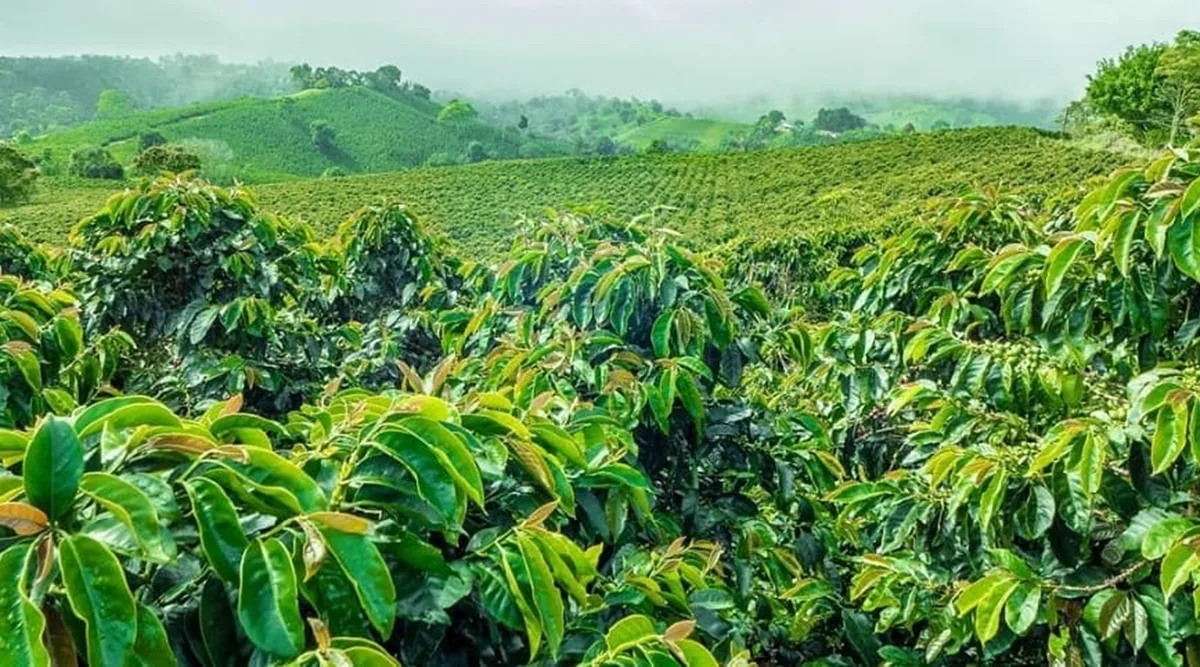
No visit to Coorg is complete without exploring its famous coffee plantations. Coorg produces some of India's finest coffee, and a visit to these plantations offers fascinating insights into the journey of coffee from cherry to cup. The region's unique climate, altitude, and soil conditions create the perfect environment for growing both Arabica and Robusta varieties.
Coffee Tour Experience
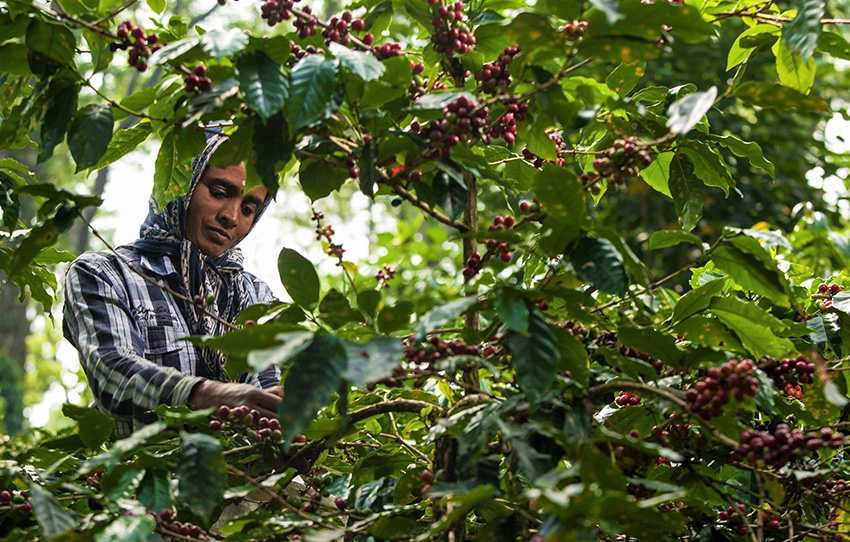
Several plantations offer guided tours where visitors can learn about the entire coffee-making process. Knowledgeable guides explain how coffee cherries are picked, processed, dried, and roasted. You'll see the different stages - from red coffee cherries hanging on the trees to the final roasted beans ready for grinding. Many tours end with a coffee tasting session where you can sample different varieties and preparations.
Types of Coffee
Coorg primarily produces two varieties of coffee:
- Arabica - Known for its mild, aromatic flavor and higher caffeine content. Arabica grows at higher altitudes and requires more care.
- Robusta - Stronger, more bitter, and contains more caffeine. Robusta is hardier and grows at lower altitudes.
Plantation Stay Experiences
For a deeper immersion, consider staying at one of Coorg's many plantation homestays. These properties, often family-run, offer guests the chance to live amidst the coffee bushes, wake up to the aroma of brewing coffee, and experience plantation life firsthand. Many plantation stays also serve authentic Kodava cuisine, adding to the cultural experience.
Best Plantations to Visit
Popular plantations open to visitors include Tata Coffee's Plantation Trails, Coffee Bean Homestay, and numerous smaller family-owned estates. Each offers a slightly different experience, so choose based on your interests - whether it's detailed technical tours, casual walks, or luxury plantation stays.
Dubare Elephant Camp
Located on the banks of the river Cauvery, approximately 30 kilometers from Madikeri, Dubare Elephant Camp offers a unique opportunity to interact with these magnificent gentle giants. Originally a training camp for elephants used in logging operations, today it serves as a conservation and education center where visitors can learn about elephant behavior, care, and conservation.
The camp is home to several elephants that were once part of the Forest Department's logging operations. After logging was banned, these elephants needed a new purpose, and the camp was transformed into an eco-tourism destination. Today, visitors can observe, interact with, and even participate in caring for the elephants.
Activities at the Camp
- Elephant Bathing - Join the mahouts (elephant caretakers) in giving the elephants their morning bath in the river. This is a unique opportunity to get close to these animals and contribute to their care.
- Elephant Feeding - Feed the elephants their favorite foods, including sugarcane, bananas, and coconuts. The camp provides the food, and the experience of seeing these gentle animals eat is memorable.
- Elephant Ride - Take a short ride on an elephant back through the forest. While opinions on elephant riding vary, the camp maintains high standards of animal care.
- Naturalist Walks - Learn about the local ecosystem, elephant behavior, and conservation efforts from knowledgeable naturalists.
- River Rafting - During certain seasons, the camp offers rafting opportunities on the Cauvery River.
Timings and Entry Fee
The camp is open from 9:00 AM to 5:30 PM on all days except Mondays. The best time to visit is early morning when the elephants have their bath and breakfast. Entry fees apply for various activities, and it's advisable to book in advance during peak tourist seasons.
Best Time to Visit
October to March offers the most pleasant weather for outdoor activities. Summer months can be hot, especially during midday, while monsoon season can make river activities challenging.
Raja's Seat
Raja's Seat (meaning "Seat of the King") is a spectacular sunset point in Madikeri that was once the favorite recreational spot of the Kodava kings. According to local history, the kings of Coorg would spend their evenings here, watching the sun set over the Western Ghats with their queens. Today, this beautifully maintained garden continues to enchant visitors with its panoramic views and serene atmosphere.
The garden features colorful flowering plants, well-manicured lawns, and strategically placed benches from which visitors can enjoy the views. The main attraction is the view of the surrounding hills, valleys, and green expanses that stretch as far as the eye can see. On clear days, you can see for miles across the undulating landscape of Coorg.
What to Expect
- Spectacular Sunsets - The main draw is the sunset view. As the sun descends behind the hills, it paints the sky in brilliant shades of orange, pink, and purple.
- Musical Fountain - In the evenings, the garden features a musical fountain show with synchronized lights and music.
- Toy Train - A small toy train operates within the garden, popular with children.
- Photography - Excellent location for landscape and sunset photography.
Best Time to Visit
The best time to visit Raja's Seat is in the evening, about an hour before sunset. This gives you time to explore the garden and find a good spot for the sunset show. The musical fountain typically operates after sunset, completing the evening experience.
Talakaveri Temple
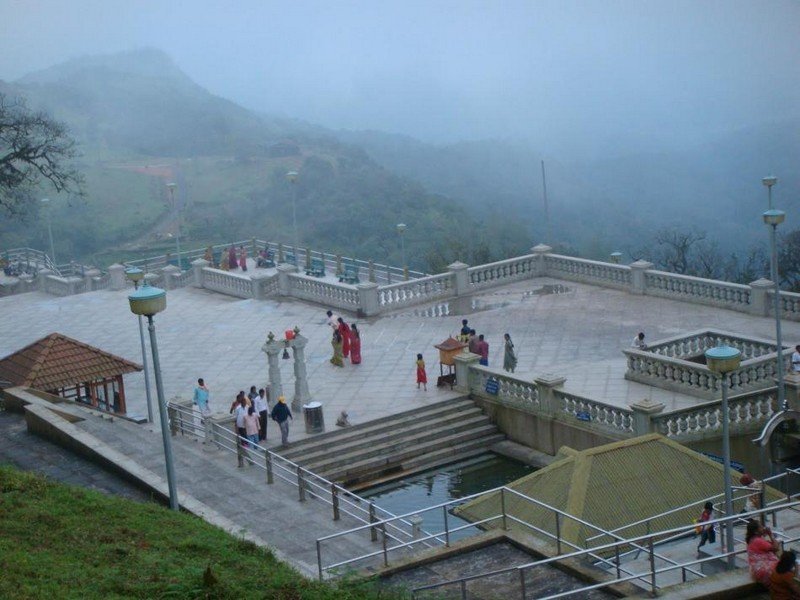
Located approximately 48 kilometers from Madikeri, Talakaveri is the source of the sacred River Cauvery (Kaveri), one of South India's most important rivers. Situated at an altitude of 1,276 meters in the Brahmagiri Hills, this temple town holds great religious significance and attracts pilgrims throughout the year. For those interested in exploring more of Karnataka, consider visiting places to visit Karnataka.
The temple complex is set amidst scenic surroundings with the Brahmagiri Hills providing a dramatic backdrop. According to legend, the River Cauvery originated here when the sage Agastya caught the water in his kamandalu (water vessel). A sacred tank (kundike) marks the exact spot where the river emerges, and devotees believe that bathing in these waters washes away sins.
Religious Significance
Talakaveri is one of the most important pilgrimage sites for Hindus in South India. The river Cauvery is considered sacred, and its waters are used in religious ceremonies across Karnataka, Tamil Nadu, and Kerala. The temple is especially crowded during the Tula Sankramana festival (usually in October), when the river is said to miraculously appear in the sacred tank.
Trek to Brahmagiri Peak
For adventure enthusiasts, Talakaveri serves as the starting point for a trek to Brahmagiri Peak, the highest point in the region. The trek offers stunning views of the surrounding landscape and takes you through diverse ecosystems including shola forests and grasslands. Permission from the Forest Department is required for the trek.
Best Time to Visit
October to May offers pleasant weather for the visit and trek. The monsoon season (June to September) makes the trek challenging but transforms the landscape into a lush green paradise.
Nagarhole National Park
Also known as Rajiv Gandhi National Park, Nagarhole is one of India's premier tiger reserves and a must-visit for wildlife enthusiasts. Located approximately 80 kilometers from Madikeri, this national park is part of the Nilgiri Biosphere Reserve and is home to diverse wildlife including tigers, leopards, elephants, sloth bears, and hundreds of bird species.
The park's name comes from the Kannada words "naga" (snake) and "hole" (stream), referring to the winding streams that run through the forest. The landscape includes dense forests, rolling hills, riverine ecosystems, and water bodies, creating diverse habitats that support an incredible variety of flora and fauna.
Wildlife Safari Experience
The park offers jeep safaris that take visitors deep into the forest in search of wildlife. The safaris are conducted in the early morning and late afternoon when animals are most active. Each safari is different - sometimes you'll see abundant wildlife, other times the forest seems empty. The excitement of not knowing what you might encounter is part of the experience.
Wildlife You Might See
- Tigers - The park's star attraction, though sightings are never guaranteed
- Leopards - More commonly sighted than tigers
- Asian Elephants - Frequently seen, often in herds
- Sloth Bears - Elusive but sometimes spotted
- Indian Gaur - Massive wild cattle, commonly seen grazing
- Various Deer Species - Spotted deer, sambar, and barking deer
- Birds - Over 300 species including hornbills, kingfishers, and raptors
Best Time to Visit
The park is open from October to May. The summer months (March to May) offer the best wildlife sightings as animals congregate around water sources. The park remains closed during the monsoon season.
Best Time to Visit Coorg
Choosing when to visit Coorg depends on what you want to experience:
Winter (October - February)
This is the peak tourist season and arguably the best time to visit. Daytime temperatures range from 15-20°C, making it perfect for outdoor activities. The skies are clear, visibility is excellent, and the post-monsoon landscape is lush and green. This is the ideal time for trekking, sightseeing, and plantation visits. However, this is also the busiest and most expensive time to visit.
Summer (March - May)
Summer temperatures range from 20-25°C during the day, which is still pleasant compared to most of India. This is an excellent time for wildlife safaris as animals are more visible. Coffee plantations are in bloom during March-April, filling the air with a fragrant coffee blossom scent. Crowds are thinner, and prices are more reasonable than in winter.
Monsoon (June - September)
Coorg receives heavy rainfall during the monsoon, transforming the landscape into a vibrant green paradise. Waterfalls are at their most spectacular, and the entire region comes alive. However, outdoor activities can be challenging, and some attractions may have limited access. This is the best time for travelers who love rain, want to avoid crowds, and don't mind getting wet. Accommodation prices are at their lowest.
How to Reach Coorg
For travelers looking to explore more destinations in South India, places to visit Wayanad is another popular option that can be combined with a Coorg trip.
By Air
The nearest airport is Mangalore International Airport (approximately 160 kilometers away). Another option is Bangalore's Kempegowda International Airport (approximately 280 kilometers away). Both airports are well-connected to major cities across India. From the airport, you can hire a taxi or take a bus to Coorg. Travelers coming from Bangalore might also want to explore Brindavan Gardens Mysore on the way.
By Train
The nearest railway station is Mysore (approximately 120 kilometers away), which is well-connected to major cities. Other options include Hassan (approximately 115 kilometers) and Mangalore (approximately 136 kilometers). From the railway station, you can continue your journey by taxi or bus.
By Road
Coorg is well-connected by road to major cities in Karnataka and neighboring states:
- From Bangalore - 250-270 km, 6-7 hours via Mysore
- From Mysore - 120 km, 3-4 hours
- From Mangalore - 136 km, 3-4 hours
- From Hassan - 115 km, 3 hours
State-run buses, private buses, and taxis are readily available. The roads are generally in good condition, though the hilly terrain means winding roads and slower speeds.
Getting Around Coorg
Once in Coorg, the best way to get around is by hiring a private taxi or cab. Some areas have local bus connectivity, but services can be infrequent. If you're comfortable driving, renting a car or scooter gives you flexibility. However, be aware that the roads can be narrow, winding, and sometimes challenging for inexperienced drivers.
Things to Do in Coorg
- Plantation Tours - Explore coffee, spice, and orange plantations
- Wildlife Safari - Jeep safari in Nagarhole National Park
- Trekking - Various trails from easy walks to challenging treks
- Waterfall Visits - Abbey Falls, Iruppu Falls, and others
- Temple Visits - Talakaveri, Bhagamandala, and Omkareshwara Temple
- Cultural Experiences - Learn about Kodava culture and traditions
- Adventure Activities - Microlight flying, quad biking, ziplining
- Relaxation - Enjoy the peaceful surroundings at a plantation stay
Travel Tips
- Pack Warm Clothes - Evenings can be cool year-round
- Book in Advance - Especially during peak season (October-January)
- Respect Local Customs - Coorg has unique Kodava traditions
- Carry Cash - ATMs may not be available in remote areas
- Try Local Cuisine - Don't miss Kodava dishes like Pandi Curry
- Stay at Plantation Stays - For an authentic Coorg experience
- Be Prepared for Rain - Especially if visiting during monsoon
- Hire a Local Guide - For trekking and wildlife experiences
Coorg's unique combination of natural beauty, aromatic coffee plantations, rich wildlife, and distinctive culture makes it one of South India's most captivating destinations. Whether you're seeking adventure, relaxation, or cultural experiences, the "Scotland of India" has something special to offer every traveler. The region's warm hospitality and stunning landscapes ensure that visitors leave with memories that last a lifetime.
Location
Frequently Asked Questions
Q1.What is the best time to visit Coorg?
Q2.How many days are enough for Coorg?
Q3.What is Coorg famous for?
Q4.Is Coorg good for honeymoon?
Q5.What are the must-see places in Coorg?
Q6.Is Coorg safe for tourists?
Q7.How to reach Coorg from Bangalore?
Q8.What should I buy in Coorg?
Recommended For You
Places to Visit in Karnataka: Coast, Hills & Heritage Cities
Explore the best places to visit in Karnataka with a complete guide to Hampi, Coorg, Mysore, beaches, wildlife parks, trekking routes, and practical travel planning.
Coffee Plantations in Chikmagalur: Tours, Stay & Best Months
Discover Chikmagalur's coffee plantations where India's coffee story began. Complete guide to plantation stays, best time to visit, tours, and buying fresh coffee.
Coorg Coffee Plantations Guide: Estate Visits, Best Season, and Practical Route Planning
Plan Coorg coffee plantation visits with better timing, estate selection, and route flow for a richer travel experience.
Never Miss an Adventure
Get the latest trekking guides, travel tips, and exclusive offers delivered straight to your inbox.
