
ISKCON Temple Bangalore: Timings, Darshan & How to Reach

Rohan Malhotra
February 19, 2026
Complete guide to ISKCON Temple Bangalore including darshan timings, rituals, festivals, how to reach, and visitor information.
Introduction to ISKCON Temple Bangalore
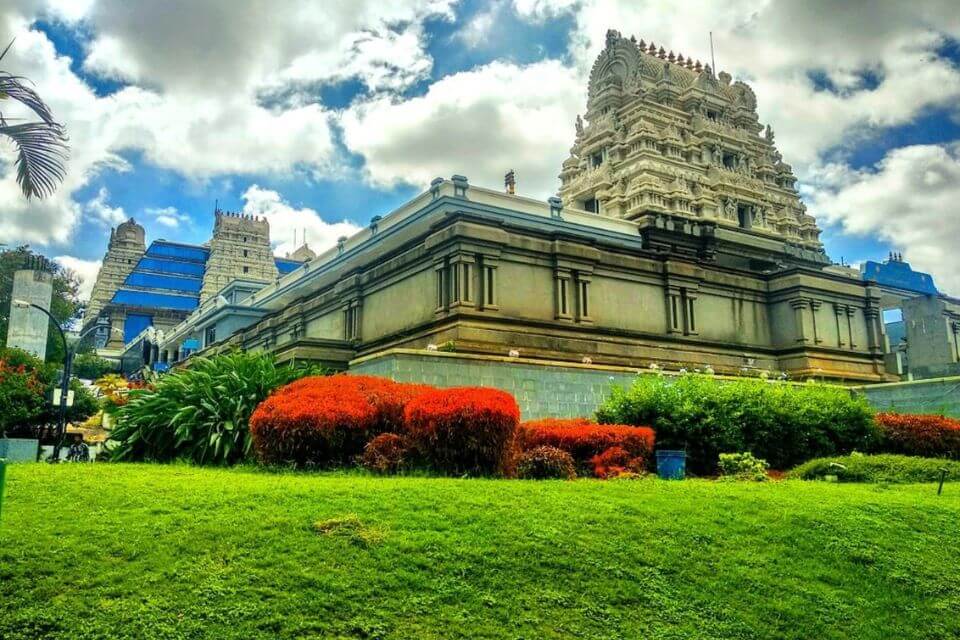
The ISKCON Temple in Bangalore, officially known as Sri Radha Krishna Temple, stands as one of the largest ISKCON temples in the world and a major spiritual landmark in India's Silicon Valley. Located on Hare Krishna Road in Rajajinagar, this magnificent temple complex was inaugurated in 1997 under the guidance of Sri Madhu Pandit Dasa and has since become one of Bangalore's most visited religious destinations, attracting millions of devotees and tourists annually. For those exploring other ISKCON temples in South India, the ISKCON Temple Chennai is another prominent spiritual destination.
What makes this temple special is not just its impressive architecture but also its spiritual atmosphere that offers a peaceful respite from Bangalore's bustling city life. The temple is dedicated to Lord Krishna and Radha, with beautiful deities that are the central focus of devotion. The complex combines traditional temple architecture with modern facilities, creating a space that honors ancient traditions while meeting contemporary needs.
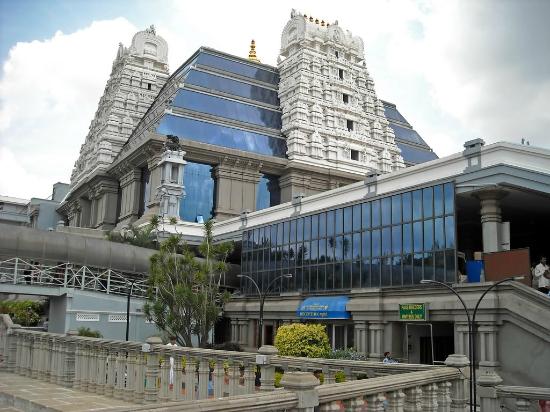
The temple sits on a seven-acre hillock, making it visible from various parts of West Bangalore. The neoclassical style of architecture features six shikharas (spires), with the tallest reaching 60 feet. These shikharas can be seen from a distance, guiding devotees toward the temple. The evening view, when the temple is illuminated, is particularly spectacular and has become one of Bangalore's iconic sights.
History and Significance
The ISKCON Bangalore temple has an inspiring story of vision and dedication. The project was conceived in 1987 when a group of young devotees, led by Sri Madhu Pandit Dasa, aimed to create a temple that would showcase India's rich spiritual heritage. Construction began in 1990 after securing the land from the Bangalore Development Authority, and the temple was completed and inaugurated in 1997 by India's then President, Shankar Dayal Sharma.
What's remarkable is that the temple was built entirely through donations from devotees, with contributions ranging from modest amounts to substantial sums. The construction cost of approximately 44 crore rupees was raised without any government funding, demonstrating the power of collective devotion. The temple's design, created by architects with expertise in traditional temple architecture, incorporates elements from various Indian temple styles while maintaining the distinctive ISKCON character.
The temple is part of the International Society for Krishna Consciousness (ISKCON), founded by A.C. Bhaktivedanta Swami Prabhupada in 1966 in New York. ISKCON's mission is to spread the teachings of Lord Krishna as presented in ancient Vedic scriptures. The Bangalore temple has been particularly successful in this mission, attracting not just traditional devotees but also young professionals and families who find meaning in its spiritual practices and community atmosphere.
Over the years, the temple has expanded beyond its religious functions to include extensive social service activities. The Akshaya Patra Foundation, which started here in 2000, now serves mid-day meals to millions of school children across India. The temple also runs educational programs, cultural events, and various welfare activities, making it a significant institution in Bangalore's social landscape.
Architecture and Layout
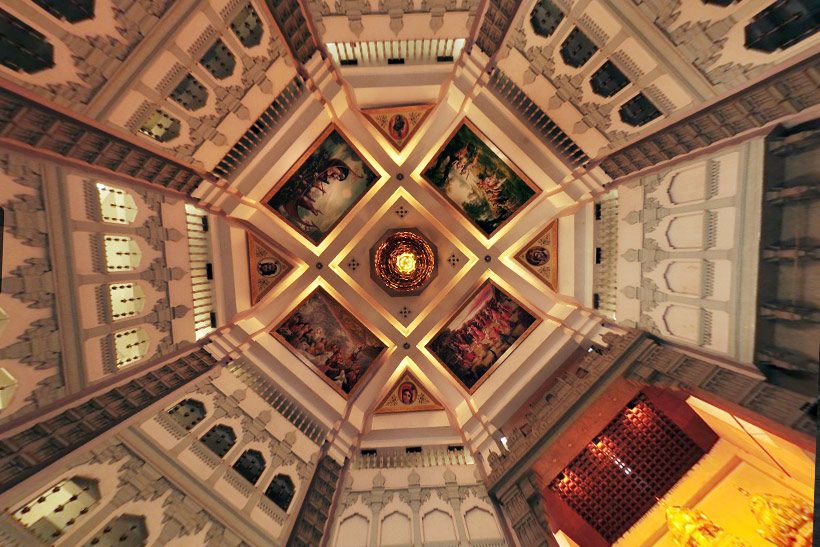
The ISKCON Bangalore temple complex is an architectural marvel that showcases traditional Indian temple craftsmanship on a grand scale. As you enter through the main gates, you're welcomed by the sight of the magnificent main temple building with its six gold-plated shikharas gleaming in the sunlight. The main temple features a 17,000-square-foot hall that can accommodate thousands of devotees during festivals and special events.
The main sanctum sanctorum houses the beautiful deities of Radha Krishna, along with deities of Krishna Balarama, Krishna Radha, and Nitai Gauranga. Each deity is adorned with intricate silk outfits and jewelry that change according to the season and festival. The altar is beautifully decorated with flowers, and the divine atmosphere is enhanced by continuous chanting of the Hare Krishna mantra.
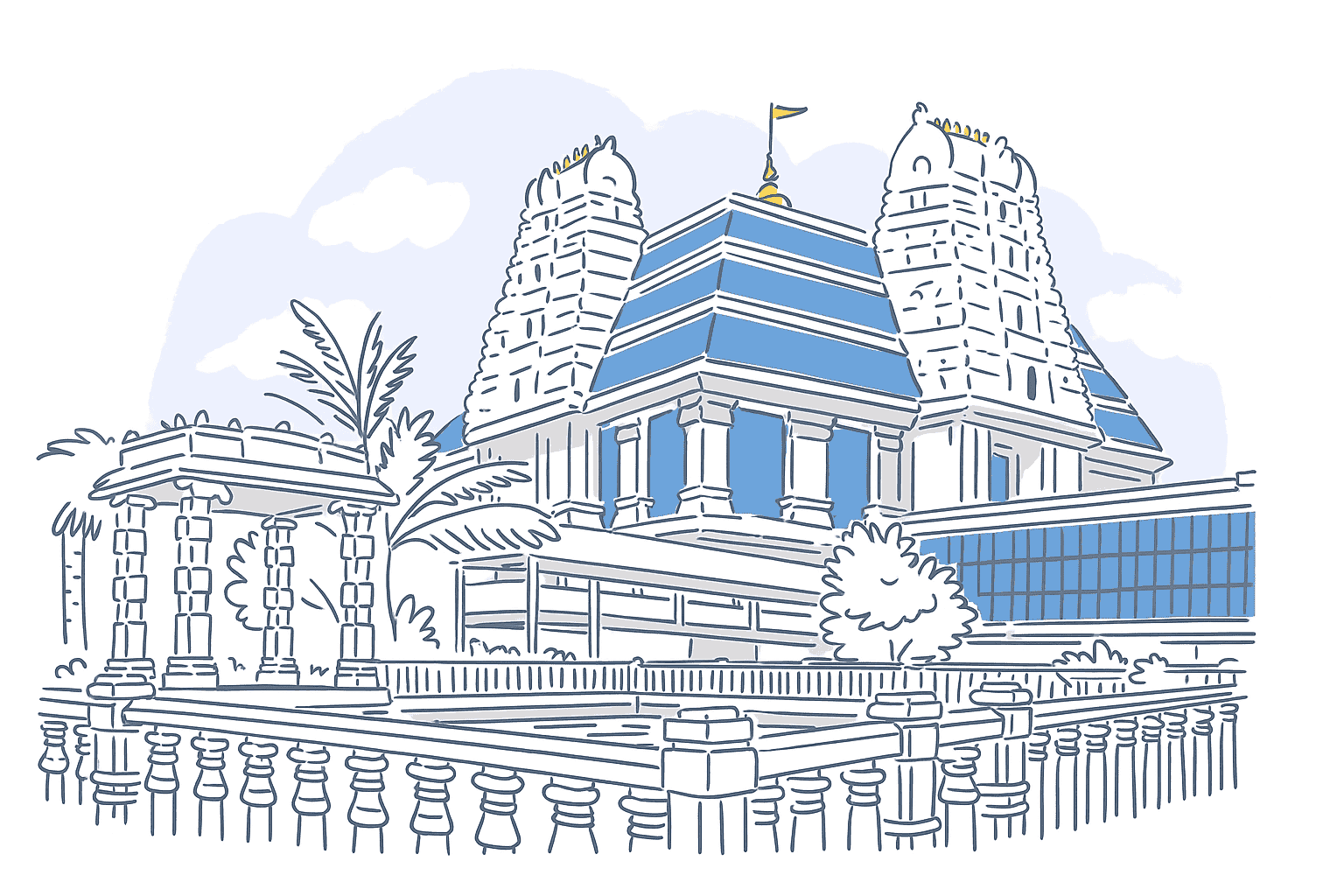
The temple complex includes several other important buildings and areas. The complex features a 12,000-square-foot marriage hall where traditional weddings are conducted according to Vedic rituals. There's also an auditorium for cultural programs and spiritual discourses. The temple grounds include beautifully maintained gardens with fountains and walkways where devotees can stroll and meditate.
The temple museum, located within the complex, uses multimedia presentations to explain the philosophy of Krishna consciousness and the history of ISKCON. This is particularly helpful for first-time visitors who want to understand the background of the movement and the significance of the practices they observe.
One of the architectural highlights is the use of traditional materials and craftsmanship. The temple features intricate carvings by artisans from Rajasthan and Tamil Nadu, creating a fusion of North and South Indian styles. The gold-plated shikharas are made of copper and covered with gold foil, requiring regular maintenance to retain their luster. The temple's design ensures that even with thousands of visitors, the sanctum maintains an atmosphere of peace and devotion.
Darshan Timings and Rituals
The ISKCON Bangalore temple follows a strict schedule of darshans (viewing of deities) and rituals throughout the day. The temple opens at 4:15 AM with Mangala Aarti, the first worship ceremony of the day. This early morning darshan is particularly popular among serious devotees who begin their day with divine blessings. The atmosphere during Mangala Aarti is peaceful and spiritually charged.
Daily Schedule
4:15 AM: Mangala Aarti (first worship)
5:00 AM: Tulasi Aarti and Japa meditation (individual chanting on beads)
7:15 AM: Sringar Darshan (deities dressed in morning attire)
8:00 AM: Guru Puja (worship of the spiritual master)
8:15 AM: Raj Bhog Aarti (main midday offering)
12:00 PM: Usthapana Aarti (afternoon worship)
4:15 PM: Dhupa Aarti (evening worship)
6:30 PM: Sandhya Aarti (sunset worship)
7:00 PM: Shayana Aarti (deities put to rest)
Each aarti ceremony has its unique character and significance. The Mangala Aarti is quiet and contemplative, while the evening Sandhya Aarti is more elaborate with more devotees participating. The Raj Bhog Aarti, at noon, is particularly special as it includes an elaborate food offering to the deities.
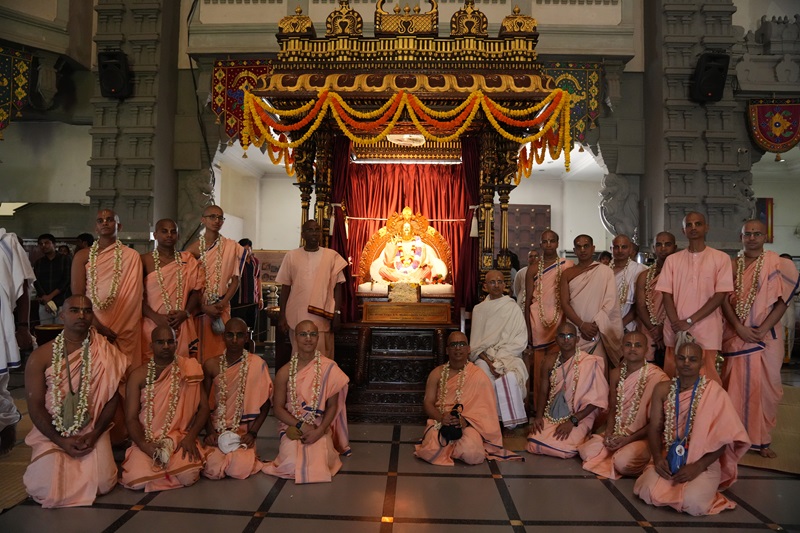
Sunday is a special day at the temple with a festival atmosphere. The Sunday Feast program, which begins at 6:00 PM, includes an extended aarti, spiritual discourse, and a vegetarian feast that's free for all attendees. This program attracts hundreds of visitors every Sunday and is an excellent introduction to ISKCON culture for newcomers.
There are also special abhisheka (bathing ceremony) for the deities on certain festivals. During these ceremonies, the deities are bathed with various sacred substances including milk, honey, and fruit juices, while devotees sing devotional songs. These ceremonies are particularly beautiful to witness and participate in.
Festivals Celebrated
ISKCON Bangalore celebrates all major Vaishnava festivals with great pomp and devotion. The most important festival is Janmashtami, Lord Krishna's birthday, which attracts over 500,000 devotees over two days. The celebrations begin with elaborate abhisheka ceremonies at midnight, followed by special aartis, distribution of prasad (sanctified food), and cultural programs. The entire temple complex is decorated with flowers and lights for this occasion.
Radhastami, the appearance day of Srimati Radharani, is another major celebration. The temple is decorated with thousands of flowers, and special events focus on the devotion of Radharani. This festival is particularly important for devotees who follow the path of bhakti (devotion) through the mood of servitude to Radha and Krishna.
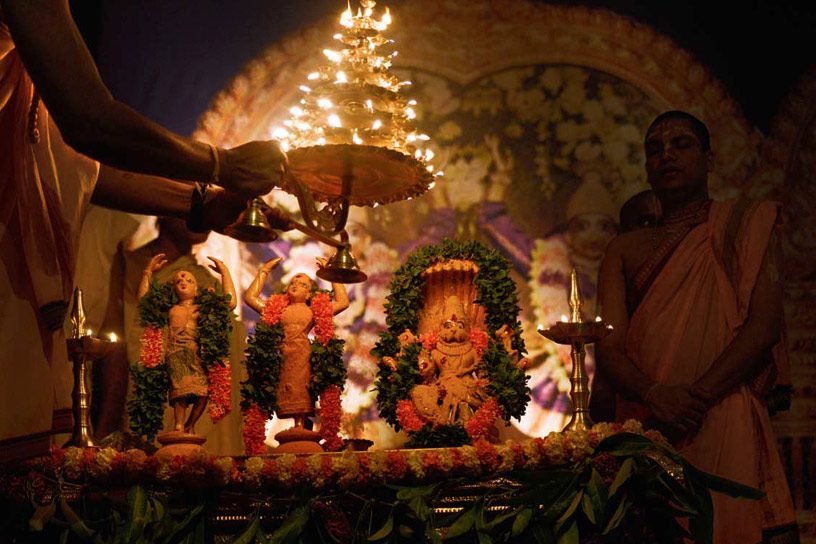
Gaura Purnima, celebrating the appearance of Chaitanya Mahaprabhu who inaugurated the Hare Krishna movement in the 16th century, is also celebrated with great enthusiasm. The festival includes special aartis, spiritual discourses about Chaitanya Mahaprabhu's life and teachings, and distribution of prasad.
Rama Navami, Narasimha Chaturdashi, and Govardhana Puja are other significant festivals celebrated at the temple. Each festival has its unique character and traditions, providing devotees with opportunities to learn about different aspects of Vaishnava theology and practice.
The temple also celebrates major Indian festivals like Diwali and New Year according to the lunar calendar with special programs. These celebrations often include cultural performances by temple members and guest artists, creating a festive atmosphere that welcomes everyone.
Prasad and Food
One of the highlights of visiting ISKCON Bangalore is the prasad (sanctified vegetarian food). The temple has several food outlets that serve delicious vegetarian meals. The prasad is considered spiritually beneficial because it's first offered to Krishna and then distributed to devotees. The food is prepared according to strict guidelines - no meat, fish, eggs, onions, or garlic - yet is flavorful and satisfying.
The main food counter, located within the temple complex, serves a variety of South and North Indian dishes. The thali (platter meal) is particularly popular and includes rice, dal, vegetables, savories, and sweet. All meals are affordably priced, making it possible for everyone to enjoy a satisfying meal. The temple's famous laddu prasad is available at the counter and makes for a wonderful religious souvenir.
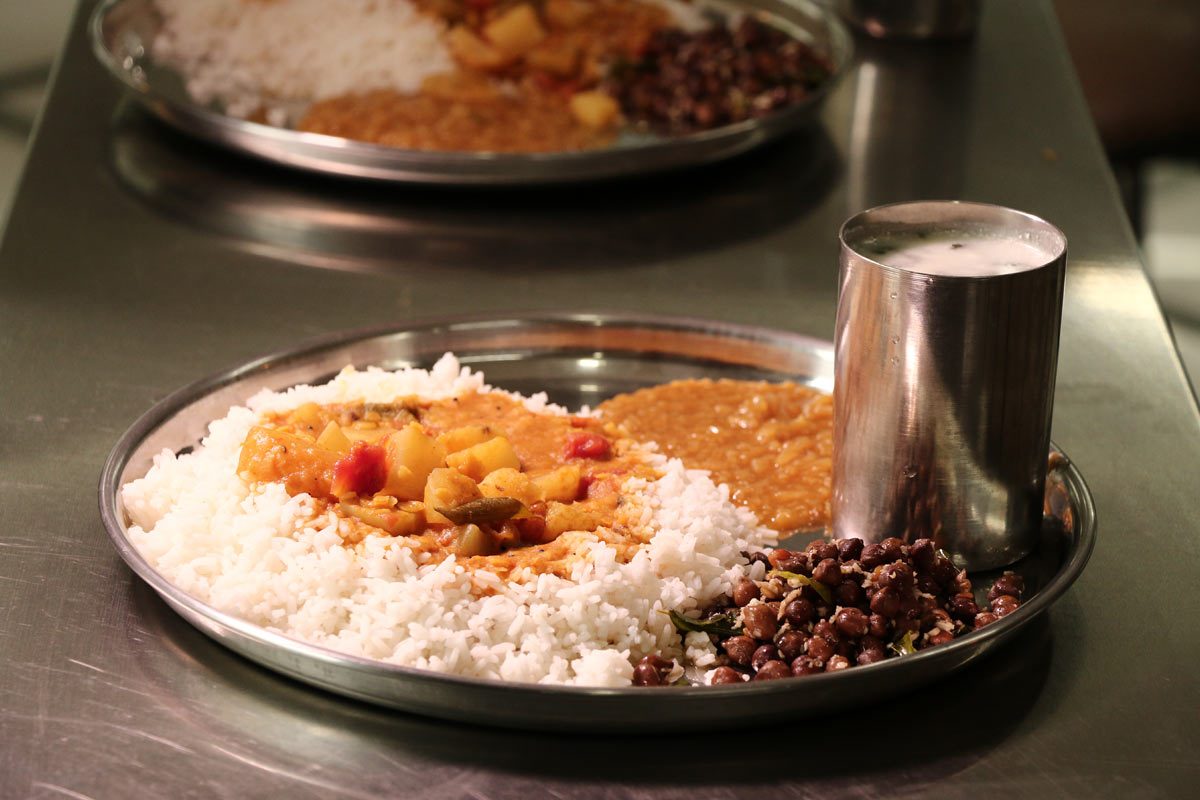
The Sunday Feast, mentioned earlier, provides free meals to all attendees, regardless of their ability to pay. This tradition, started by ISKCON's founder, ensures that no one leaves the temple hungry. The feast typically includes several dishes and is a community event that brings together people from all walks of life.
For those who want to learn vegetarian cooking, the temple occasionally conducts cooking classes that teach how to prepare prasad and offer it to Krishna before eating. These classes are particularly popular with young families who want to integrate spiritual practices into their daily lives.
ISKCON Temple Educational Programs
The temple offers various educational programs for different age groups and interest levels. The Bhakta Prahlad School is a value education program for children that teaches moral values through stories from Hindu scriptures. The program is designed to be engaging for children while giving them a foundation in spiritual principles.
For adults, the temple conducts courses on the Bhagavad Gita, Bhagavatam, and other Vedic scriptures. These courses range from introductory level to advanced study and are taught by experienced devotees. The temple also offers correspondence courses for those who cannot attend in person.
The temple's youth programs, particularly targeted at college students and young professionals, are very popular. These programs address contemporary issues from a spiritual perspective and provide a supportive community for young people seeking meaning beyond material success. Many young professionals credit these programs with helping them balance their careers with spiritual growth.
The temple also has a publishing division that produces books on Krishna consciousness. These books, many authored by ISKCON's founder Srila Prabhupada, are available at the temple bookstore and cover various aspects of philosophy, practice, and lifestyle. The bookstore is worth visiting for anyone interested in learning more about the tradition.
How to Reach ISKCON Temple Bangalore
By Air
Kempegowda International Airport is approximately 35 km from the temple. From the airport, you can take a taxi or app-based cab service. The journey typically takes 1-1.5 hours depending on traffic. Pre-paid taxis are available at the airport, and services like Uber and Ola operate reliably. The airport bus service connects to various points in the city, from where you can take local transport to the temple.
By Train
Bangalore City Junction is about 6 km from the temple. From the railway station, auto-rickshaws and app-based cabs are readily available. The journey takes about 20 minutes by road depending on traffic. Bangalore also has several other railway stations including Yeshwanthpur and Cantt, all of which are well-connected to the temple via road.
By Metro
Namma Metro's Green Line has a station at Mahalakshmi, which is about 1.5 km from the temple. From the metro station, you can walk (about 15 minutes) or take an auto-rickshaw. The metro is a convenient option during peak traffic hours when roads can be congested.
By Road
The temple is located in Rajajinagar, West Bangalore, and is well-connected by road. BMTC buses run from various parts of the city to Rajajinagar. The temple has its own bus stop called ISKCON Temple Stop, which is served by multiple bus routes. For those driving, the temple has parking facilities, though these can fill up quickly during festivals and weekends.
Best Time to Visit
The temple can be visited throughout the year, but different times offer different experiences. Early morning darshan (4:15 AM Mangala Aarti) is peaceful with fewer crowds, making it ideal for serious devotees who want to spend time in meditation. The evening Sandhya Aarti (6:30 PM) is more popular and has a more festive atmosphere.
For first-time visitors, weekday mornings are ideal as the temple is less crowded and you can get a good view of the deities and explore the complex at your own pace. Weekends, especially Sundays, are crowded but also have a special energy with more programs and activities.
Festival days, particularly Janmashtami and Radhastami, see huge crowds but are also when the temple is most beautifully decorated. If you want to experience the festival atmosphere, plan to arrive early and be prepared for large crowds and longer waiting times.
The temple is open throughout the year, but Bangalore's weather is most pleasant from October to February, making it comfortable to wait in queues if needed. Summer months can be hot, especially during midday, though the temple hall itself is air-conditioned. Travelers who enjoy ISKCON's devotional architecture sometimes extend their trip to Indore's ISKCON Temple Indore for comparison, as both temples follow a similar Vaishnava ritual calendar.
Visitor Information
Entry to the temple is free for everyone. There's no admission fee, though donations are accepted and help maintain the temple and its activities. Photography is allowed in certain areas but not in the main sanctum or during aarti ceremonies - always check with the temple staff before taking photographs.
Dress modestly when visiting the temple. While there's no strict dress code, it's respectful to wear clothing that covers shoulders and knees. Footwear must be left at the designated shoe counter before entering the temple - this service is free of charge.
The temple has facilities including drinking water, restrooms, and a first aid station. The complex is wheelchair accessible with ramps and elevators. There are also facilities for families with young children including a baby care room.
Mobile phones are allowed but should be kept on silent mode inside the temple premises. Don't disturb the worship or other devotees by talking loudly on the phone. If you need to make a call, step outside the main temple hall.
Places to Visit Nearby
The temple is located in Rajajinagar, a well-developed area of Bangalore. The nearby Orion Mall is one of Bangalore's largest shopping malls and offers shopping, dining, and entertainment options. The ISKCON temple is just a 10-minute auto-rickshaw ride from the Bangalore Palace, another major tourist attraction. You can also explore Parthasarathy Temple in Chennai, another historic South Indian temple.
Cubbon Park and Vidhana Soudha are about 5 km away and can be combined with a temple visit. The temple is also relatively close to MG Road and Brigade Road, Bangalore's commercial and entertainment hubs. Devotees building a broader Bangalore temple circuit can also add other sites covered in our Temples in Bangalore guide.
Travel Tips
Arrive early for major festivals to avoid long queues. The temple becomes very crowded on Janmashtami and Radhastami, and you may have to wait for hours for darshan. Consider visiting on weekdays rather than weekends if you prefer a quieter experience.
Don't rush your visit. Take time to sit in the temple hall and absorb the atmosphere. Even if you're not religious, the chanting, incense, and peaceful environment can be a welcome break from city life. If you're interested in learning more, approach any of the devotees - they're generally happy to answer questions.
Accept prasad when offered. It's considered blessing and the temple distributes prasad throughout the day. The laddu prasad, available at the counter, makes for a good religious souvenir to take home.
Be respectful of devotees engaged in worship. Maintain silence in certain areas and don't block the view of the deities for others. If you're unfamiliar with temple etiquette, observe what others are doing and follow accordingly.
Conclusion
Travelers comparing ISKCON temples across South India often visit both this temple and the ISKCON Temple Chennai during a longer regional trip, since both share the same devotional architecture and daily aarti structure. The ISKCON Temple Bangalore is more than just a religious site - it's a spiritual oasis in the heart of India's technology capital. Whether you're a devotee seeking divine blessings, a tourist interested in architecture, or simply someone looking for a peaceful break from Bangalore's busy streets, the temple offers something for everyone.
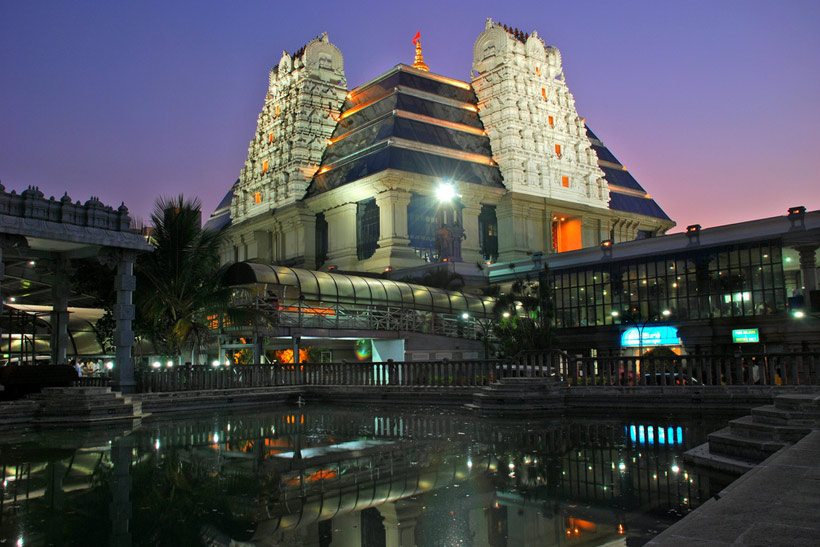
The combination of beautiful architecture, spiritual atmosphere, delicious vegetarian food, and welcoming community makes this temple a must-visit destination in Bangalore. The fact that it offers all this without any admission fee makes it accessible to everyone, regardless of their economic background.
Whether you spend ten minutes or several hours here, a visit to ISKCON Bangalore leaves you with a sense of peace and spiritual rejuvenation. The temple successfully bridges the gap between ancient wisdom and contemporary life, making Vedic spirituality relevant and accessible to modern audiences. Plan your visit, respect the traditions, and open yourself to an experience that has touched millions of hearts over the years.
Location
Frequently Asked Questions
Q1.What are the ISKCON Temple Bangalore timings?
Q2.How do I reach ISKCON Temple Bangalore?
Q3.Is there a dress code for ISKCON Temple Bangalore?
Q4.What is the best time to visit ISKCON Temple Bangalore?
Q5.Is there an entry fee for ISKCON Temple Bangalore?
Q6.What festivals are celebrated at ISKCON Bangalore?
Q7.Can we take photos inside ISKCON Temple Bangalore?
Q8.What facilities are available at ISKCON Bangalore?
Recommended For You
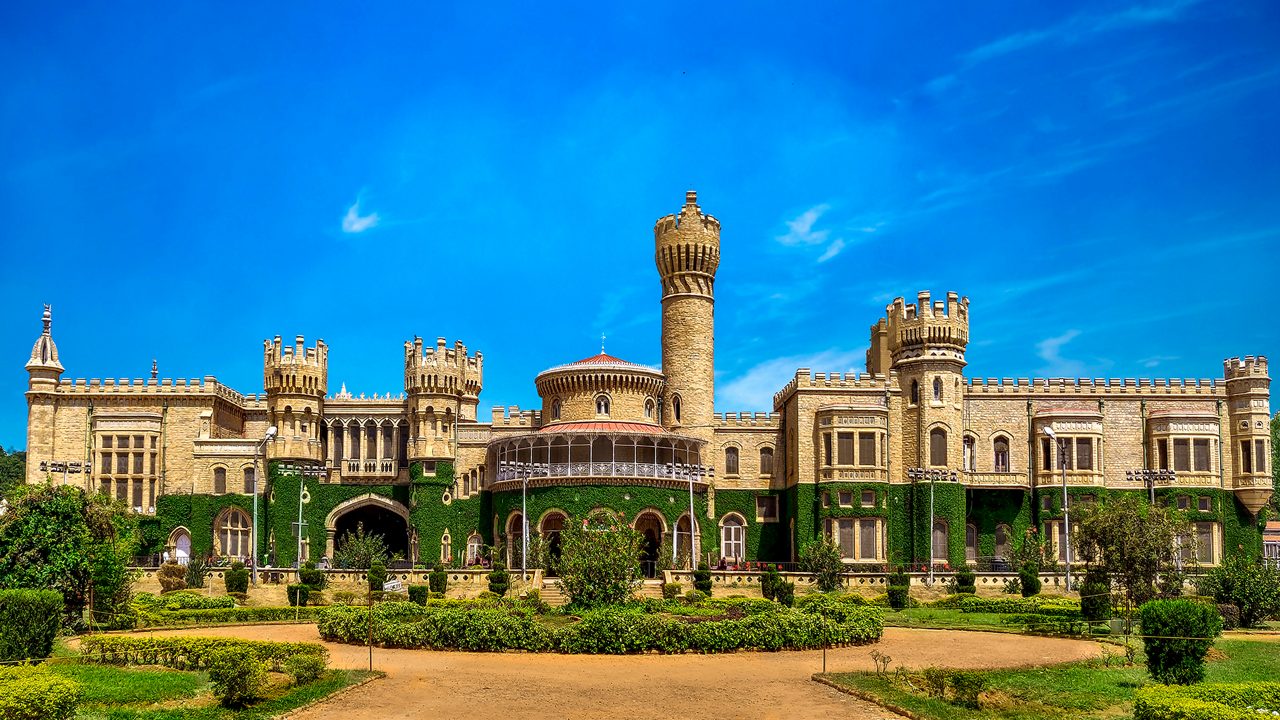
Bangalore Palace: Tudor Architecture in the Heart of Garden City
Explore Bangalore Palace, a Tudor-style architectural masterpiece in Karnataka's capital, featuring royal heritage, stunning interiors, and cultural events.

MG Road Bangalore: Shopping, Restaurants & Nearby Attractions
Discover MG Road Bangalore: colonial charm meets modern vibes - shopping, dining & nightlife guide.
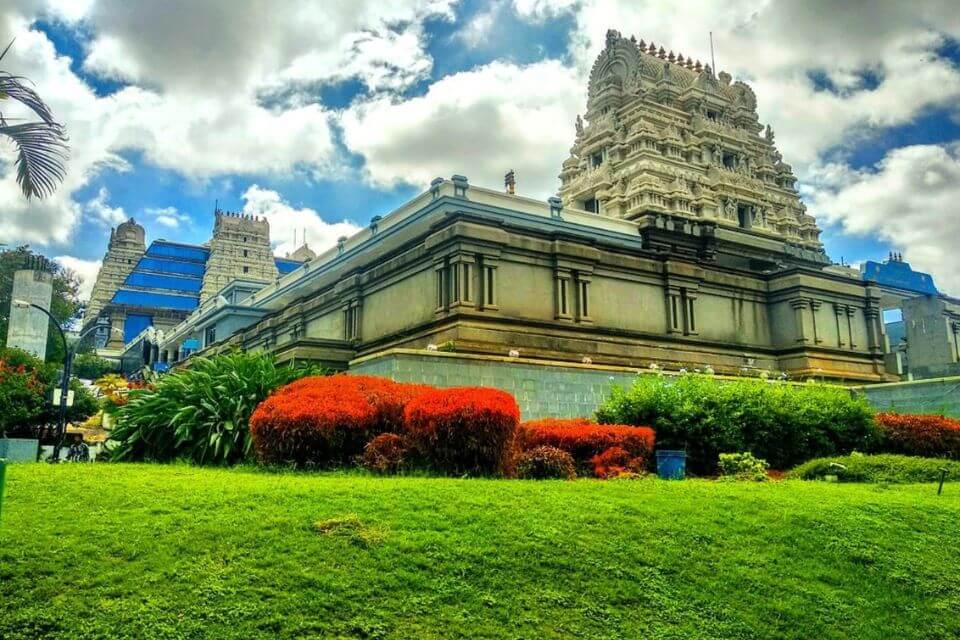
15 Famous Temples in Bangalore: Timings, Routes & Darshan Highlights
Explore Bangalore's sacred heritage: 15 famous temples from ancient rock-cut caves to magnificent ISKCON. Complete guide with timings, history, and travel tips.
Never Miss an Adventure
Get the latest trekking guides, travel tips, and exclusive offers delivered straight to your inbox.
