
15 Famous Temples in Bangalore: Timings, Routes & Darshan Highlights
Rohit Verma
January 4, 2026
Explore Bangalore's sacred heritage: 15 famous temples from ancient rock-cut caves to magnificent ISKCON. Complete guide with timings, history, and travel tips.
Bangalore's Divine Spiritual Heritage
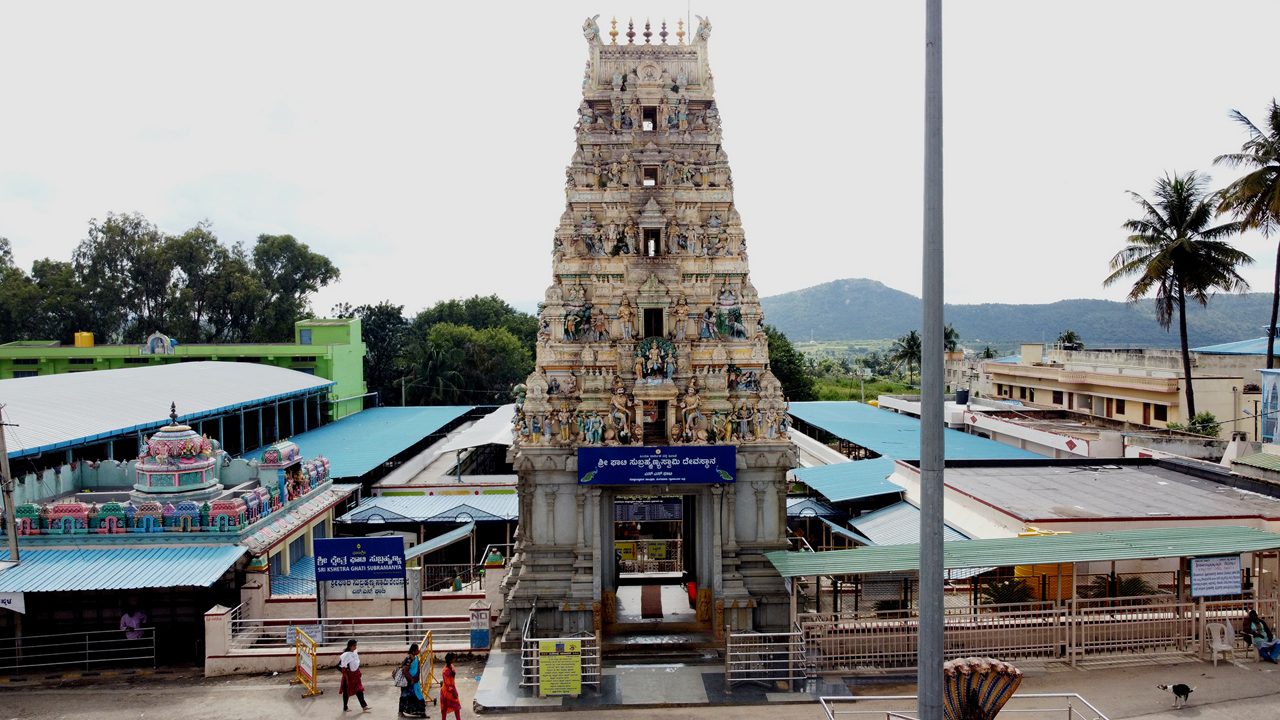
Bangalore, officially known as Bengaluru, is not just India's Silicon Valley but also a magnificent tapestry of spiritual heritage. The city houses an incredible collection of temples that span centuries, from ancient rock-cut caves to magnificent modern architectural marvels. These sacred spaces reflect the deep religious devotion and cultural richness that have flourished in this region for over a thousand years.
What makes Bangalore's temple landscape truly special is its incredible diversity. You'll find everything from centuries-old Chola and Vijayanagara era temples to contemporary spiritual complexes that blend traditional architecture with modern design. The city's temples are dedicated to various deities - Lord Shiva, Vishnu, Ganesha, Hanuman, and the Divine Mother Goddess, representing the pluralistic fabric of Hindu spirituality.
For devotees and spiritual seekers, Bangalore offers a unique temple-hopping experience. Whether you're seeking the blessings of Lord Venkateswara at the modern ISKCON temple, marveling at the monolithic Nandi at the Bull Temple, or exploring the mystical cave temple of Gavi Gangadhareshwara, each temple has its own distinct atmosphere, history, and spiritual energy. This comprehensive guide covers 15 must-visit temples in Bangalore that should be on every devotee's itinerary. For those exploring spiritual destinations beyond Bangalore, the ISKCON temples across India offer similar divine experiences.
Top 15 Temples in Bangalore
1. ISKCON Temple Bangalore
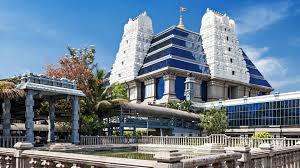
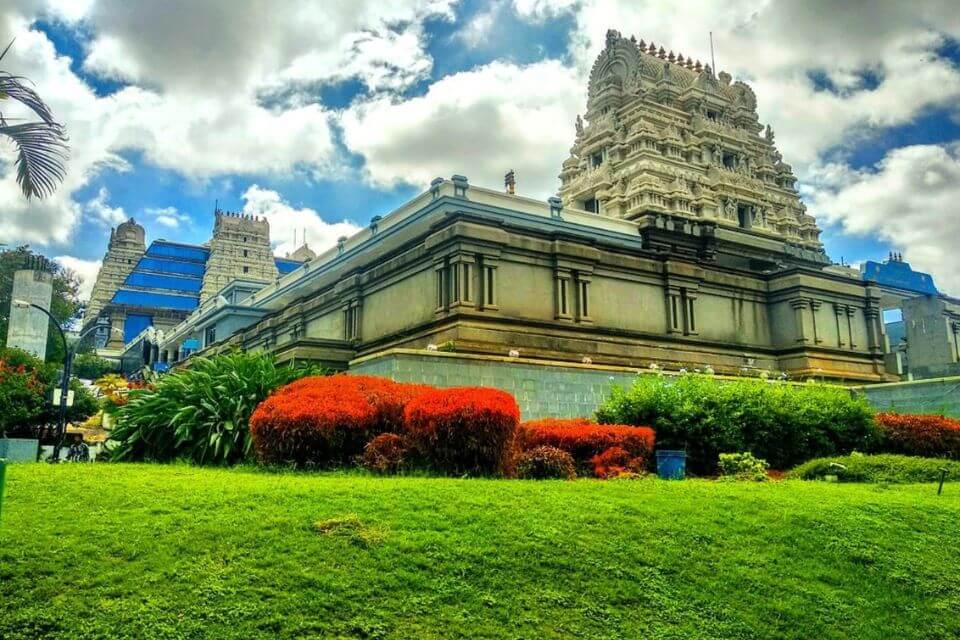
The ISKCON Temple in Bangalore, officially known as Sri Radha Krishna Temple, is one of the largest ISKCON temples in the world and an architectural masterpiece. Inaugurated in 1997 by then President of India Shankar Dayal Sharma, this temple complex sits on a seven-acre hillock in Rajajinagar. The temple features stunning neo-classical style architecture with six shikharas (spires), one of which is the magnificent gold-plated shikhara that rises to a height of 90 feet.
The main deity is Lord Krishna and Radha, beautifully adorned with intricate decorations. The temple complex includes a multi-vision cinema theatre, Vedic museum, and an extensive library. The main attraction is the beautiful deity darshan and the soul-stirring kirtans (devotional songs) that resonate throughout the temple. The temple serves free prasadam (sacred food) to thousands of visitors daily, embodying the spirit of devotion and service.
Timings: 4:15 AM - 5:00 AM (Mangala Aarti), 7:15 AM - 1:00 PM, 4:00 PM - 8:15 PM
Location: Hare Krishna Hill, Rajajinagar, West Bangalore
2. Bull Temple (Nandi Temple)
The Bull Temple, also known as Dodda Basavana Gudi, is one of Bangalore's oldest and most iconic temples. Built in 1537 by Kempegowda I, the founder of Bangalore, this temple is dedicated to Nandi, the sacred bull and vehicle of Lord Shiva. The temple's main attraction is a magnificent monolithic statue of Nandi, carved from a single granite rock, measuring 4.6 metres in height and 6.1 metres in length.
What makes this statue even more remarkable is the legend associated with it. According to local belief, the bull kept growing in size, and to prevent it from expanding further, a trident (trishul) was planted on its head. The temple is built in the Vijayanagara architectural style and features a simple yet elegant design. During Makar Sankranti (January), thousands of devotees visit to witness the sun's rays illuminating the Nandi statue through a small window.
Timings: 6:00 AM - 8:00 PM (all days)
Location: Bull Temple Road, Basavanagudi, South Bangalore
3. Gavi Gangadhareshwara Temple
The Gavi Gangadhareshwara Temple is a magnificent rock-cut temple carved out of a monolithic rock, dedicated to Lord Shiva. This cave temple, dating back to the 16th century, is an architectural marvel known for its unique astronomical significance. The temple features a rare phenomenon where sun rays pass through an arch and illuminate the Shivalinga on Makar Sankranti (January 14-15), creating a divine spectacle that draws thousands of devotees.
The temple complex includes several impressive rock-cut structures including a massive Shivalinga, Durga deity, and a beautiful monolithic rock-cut lamp pillar. The courtyard features two massive stone discs on a raised platform, representing the sun and moon. The precision with which the temple was carved demonstrates the advanced astronomical and architectural knowledge of ancient Indian craftsmen. The temple also houses idols of Agnimurthi and Bhoga Nandeeshwara.
Timings: 6:00 AM - 12:30 PM and 5:30 PM - 8:30 PM
Location: Gavipura, Kempegowda Nagar, Bengaluru
4. Banashankari Temple
The Banashankari Temple, located on Kanakapura Road, is dedicated to Goddess Banashankari, an incarnation of Goddess Parvati. The temple's name comes from "Bana" (forest) and "Shankari" (Parvati), referring to the goddess worshipped in the Tilaka forest as mentioned in ancient texts. The current temple structure was built in 1915 by the Diwan of Mysore, but the deity's worship dates back several centuries. Devotees of Goddess Parvati may also be interested in visiting other Shakti Peeth temples across India.
The temple features beautiful Haridra (turmeric) deity of the goddess, which is considered highly sacred. The temple celebrates the Banashankari Jatre (fair) annually, attracting thousands of devotees. During the festival, the goddess is taken in a grand procession through the streets. The temple also features a sacred fire pit (homa kunda) where fire rituals are performed regularly. The temple's architecture reflects the Dravidian style with a beautiful gopuram (temple tower).
Timings: 6:00 AM - 2:30 PM and 5:00 PM - 9:00 PM
Location: Banashankari, South Bangalore
5. Dodda Ganesha Temple
The Dodda Ganesha Temple, located in Basavanagudi near the Bull Temple, houses one of the largest monolithic Ganesha statues in India. This magnificent statue stands 18 feet tall and 12 feet wide, carved from a single granite rock. The deity is known as "Dodda Basavana Gudi" or simply "Dodda Ganesha" (Big Ganesha).
According to legend, the statue was discovered in a nearby pond when a farmer's plough hit it. The temple was then built around this magnificent discovery. The deity is adorned with different decorations throughout the year - butter in January, almonds in February, and turmeric during the festival season. The temple attracts huge crowds during Ganesh Chaturthi when elaborate celebrations take place. The temple's peaceful atmosphere and the sheer size of the Ganesha idol make it a must-visit.
Timings: 6:00 AM - 12:30 PM and 5:30 PM - 8:30 PM
Location: Near Bull Temple, Basavanagudi, South Bangalore
6. Someshwara Temple (Ulsoor)
The Someshwara Temple in Ulsoor is one of Bangalore's oldest temples, built during the Chola period and later expanded by the Vijayanagara kings. Dedicated to Lord Shiva as Someshwara (Lord of the Moon), this temple showcases classic Dravidian architecture with a beautiful gopuram, intricate pillar carvings, and a sacred temple tank.
The temple features a massive Rajagopuram (main tower) that rises high above the entrance, decorated with intricate sculptures of various deities and mythological figures. The temple complex includes shrines for other deities including Kamakshi Amman, Navagrahas (nine planets), and Bhairava. The temple's serene location near the Ulsoor Lake adds to its peaceful atmosphere, making it perfect for meditation and prayer.
Timings: 6:00 AM - 12:00 PM and 4:00 PM - 8:30 PM
Location: Ulsoor, Central Bangalore
7. Chokkanathaswamy Temple (Domlur)
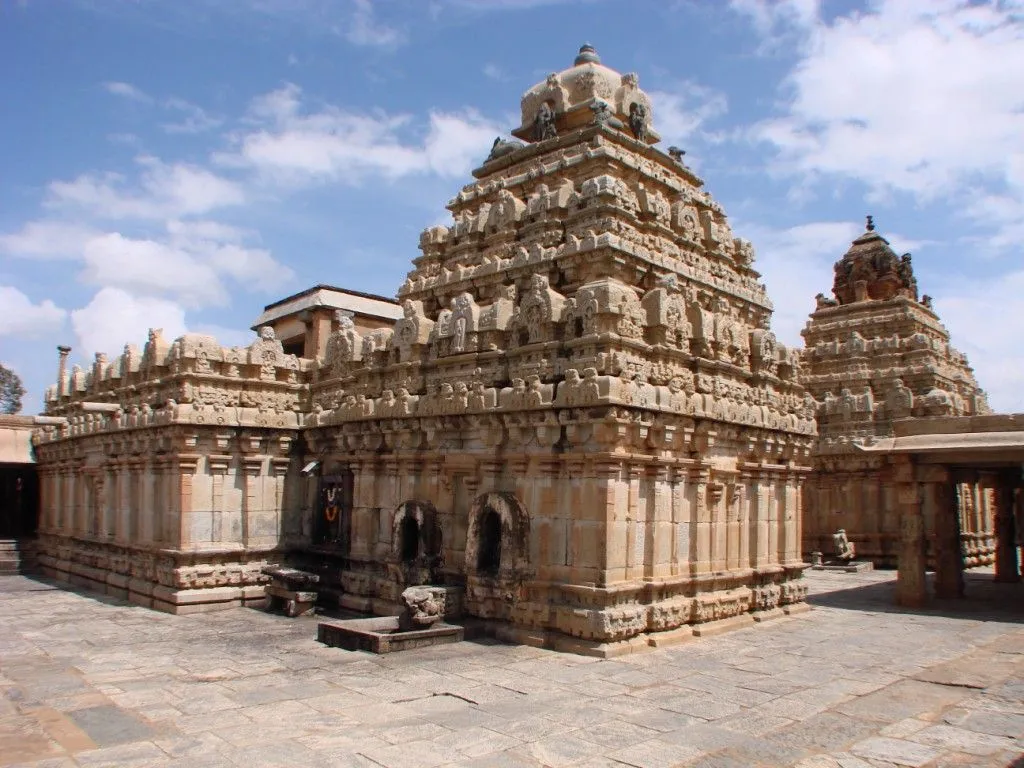
The Chokkanathaswamy Temple in Domlur is believed to be the oldest temple in Bangalore, dating back to the Chola period (10th century AD). Dedicated to Lord Shiva as Chokkanathaswamy, this ancient temple is a living testament to Bangalore's rich historical heritage that predates the founding of the city by Kempegowda.
The temple features classic Chola architecture with intricate stone carvings and a beautiful vimana (temple tower). Despite being surrounded by modern development, the temple has maintained its ancient charm and continues to be an active place of worship. The temple complex includes smaller shrines dedicated to various deities. The temple's antiquity and historical significance make it an important landmark for those interested in the region's history and temple architecture.
Timings: 7:00 AM - 12:00 PM and 5:00 PM - 8:30 PM
Location: Domlur, Central Bangalore
8. Ragigudda Anjaneya Temple
The Ragigudda Anjaneya Temple, located on a hillock in Jayanagar, is dedicated to Lord Hanuman. The temple's name comes from "Ragi" (a grain) and "Gudda" (hillock) - legend says that heaps of ragi grain miraculously appeared on this hillock during a famine, saving the local people from starvation. A temple was subsequently built here to commemorate this miracle.
The main deity is a magnificent statue of Lord Hanuman in a standing posture. The temple offers a panoramic view of the surrounding areas from the hillock. The temple complex also includes shrines for Lord Rama, Sita, Lakshmana, and Ganesha. The temple is particularly popular during Hanuman Jayanti and on Saturdays, which are considered auspicious for Hanuman worship. The evening aarti (devotional fire ritual) is a soul-stirring experience.
Timings: 8:00 AM - 12:30 PM and 5:00 PM - 8:30 PM
Location: Ragigudda, Jayanagar, South Bangalore
9. Shivoham Shiva Temple
The Shivoham Shiva Temple, located near the old HAL Airport, is a modern Shiva temple that has gained immense popularity. The temple features a magnificent 65-foot tall Shiva statue made of concrete and adorned with sacred ash (vibhuti). What makes this temple unique is the atmosphere created by continuous chanting of "Om Namah Shivaya" which plays throughout the day, creating a powerful spiritual ambiance. For devotees of Lord Shiva, exploring the sacred 12 Jyotirlingas across India is a transformative pilgrimage experience.
The temple complex includes a beautiful representation of the 12 Jyotirlingas, allowing devotees to have darshan of all the sacred Shiva shrines in one place. The temple also features a beautifully landscaped garden and a sacred pond (theertham). The Shivratri festival is celebrated here with great devotion, attracting thousands of devotees for night-long worship and meditation.
Timings: 6:00 AM - 12:00 PM and 4:00 PM - 9:00 PM
Location: Old Airport Road, HAL 2nd Stage, Indiranagar
10. Prasanna Veeranjaneya Temple
The Prasanna Veeranjaneya Temple in Mahalakshmi Layout is another prominent Hanuman temple in Bangalore. The temple features a beautiful statue of Lord Hanuman in a blessing posture, with the name "Prasanna" meaning "pleasing" or "gracious." The temple has become a significant spiritual centre for Hanuman devotees in the city.
The temple complex is well-maintained and features a peaceful atmosphere conducive to meditation and prayer. Special pujas and abhishekams (ritual bathing of the deity) are performed regularly. The temple sees huge crowds on Saturdays, which are considered especially auspicious for Hanuman worship. The annual Hanuman Jayanti festival is celebrated with great enthusiasm.
Timings: 8:00 AM - 12:00 PM and 5:00 PM - 8:30 PM
Location: Mahalakshmi Layout, West Bangalore
11. Mahalakshmi Temple
The Mahalakshmi Temple, located on the busy MG Road, is dedicated to Goddess Mahalakshmi, the goddess of wealth and prosperity. This temple, though relatively modern compared to some of Bangalore's ancient shrines, has become very popular among devotees seeking the blessings of the Divine Mother.
The temple features a beautiful idol of Goddess Mahalakshmi adorned with gold ornaments and silk sarees. The temple is particularly busy on Fridays, which are considered auspicious for Goddess worship. The Diwali and Navratri festivals are celebrated here with great devotion, with special decorations and pujas. The temple's location on one of Bangalore's busiest streets makes it easily accessible for devotees.
Timings: 6:00 AM - 12:30 PM and 4:00 PM - 9:00 PM
Location: MG Road, Central Bangalore
12. Suryanarayana Temple
The Suryanarayana Temple in Bangalore is dedicated to Surya, the Sun God. While temples dedicated specifically to Surya are relatively rare in South India, this temple has become an important spiritual centre for those seeking blessings for health, success, and removal of obstacles, as the Sun God is believed to govern these aspects of life.
The temple features a beautiful representation of Lord Surya in a chariot drawn by seven horses, representing the seven days of the week. The temple also has shrines for other deities including the Navagrahas (nine planetary deities). The festival of Ratha Saptami, dedicated to the Sun God, is celebrated here with special pujas and rituals. Sunday is considered particularly auspicious for visiting this temple.
Timings: 7:00 AM - 12:00 PM and 4:00 PM - 8:00 PM
Location:
13. Kaashi Vishwanath Temple
The Kaashi Vishwanath Temple in Bangalore is a replica of the famous Kashi Vishwanath Temple in Varanasi. This temple allows devotees who cannot travel to Varanasi to have darshan of Lord Vishwanath (Shiva) and experience a similar spiritual atmosphere. The temple is maintained with great devotion and follows traditional rituals.
The temple complex is designed to recreate the sacred atmosphere of Kashi (Varanasi), with the main shrine dedicated to Lord Shiva as Vishwanath, the Lord of the Universe. The temple also has shrines for other deities including Goddess Annapurna and Lord Vishnu. The temple is particularly busy during Mahashivratri and during the month of Shravan, which is considered highly auspicious for Shiva worship.
Timings: 6:00 AM - 12:00 PM and 4:00 PM - 9:00 PM
Location: Kamakshipalya, West Bangalore
14. Ranganathaswamy Temple
The Ranganathaswamy Temple, located in the Bangalore South area, is dedicated to Lord Vishnu as Ranganatha, the reclining form of Lord Vishnu on the serpent Sesha. This temple represents the Vaishnava tradition of Hinduism and follows the Pancharatra Agama tradition of worship.
The temple features a beautiful idol of Lord Ranganatha in reclining posture, similar to the famous Sri Ranganathaswamy Temple in Srirangam. The temple also has shrines for Goddess Ranganayaki (the divine consort) and other deities like Garuda (the eagle mount of Vishnu). The temple celebrates Vaikuntha Ekadashi with great devotion, when devotees observe fasting and special prayers. The temple's peaceful atmosphere makes it ideal for meditation and spiritual contemplation.
Timings: 7:00 AM - 12:00 PM and 5:00 PM - 9:00 PM
Location: Bangalore South, JP Nagar area
15. Kaartikeya Temple (Subramanya Swamy)
The Kaartikeya Temple, also known as Subramanya Swamy Temple, is dedicated to Lord Kartikeya (also known as Subramanya, Murugan, or Skanda), the son of Lord Shiva and Parvati. Lord Kartikeya is worshipped as the god of war and victory, and this temple has become a spiritual centre for devotees seeking courage and success.
The temple features a beautiful idol of Lord Kartikeya with his consorts Valli and Devasena. The temple is particularly popular among Tamil-speaking devotees, as Lord Kartikeya is especially revered in Tamil culture. The festival of Skanda Shasti, dedicated to Lord Kartikeya, is celebrated here with special pujas and processions. The temple also conducts regular abhishekam ceremonies with various sacred substances.
Timings: 7:00 AM - 12:30 PM and 4:00 PM - 9:00 PM
Location: Hanumanthnagar, South Bangalore
Ancient vs Modern Temples in Bangalore
Bangalore's temple landscape beautifully preserves the evolution of South Indian temple architecture over the centuries. The ancient temples, primarily from the Chola, Hoysala, and Vijayanagara periods (10th-16th centuries), showcase classic Dravidian architectural elements including towering gopurams (temple towers), intricately carved pillars, sacred temple tanks (theertham), and stone sanctums with intricate sculptures.
These ancient temples like Someshwara Temple (Ulsoor), Chokkanathaswamy Temple (Domlur), and the cave temple of Gavi Gangadhareshwara feature rock-cut architecture and monolithic sculptures that demonstrate the incredible craftsmanship of ancient Indian artisans. Many of these temples also feature stone inscriptions that provide valuable historical records about the period they were built in.
In contrast, modern temples like ISKCON Bangalore and Shivoham Shiva Temple represent contemporary religious architecture. While they maintain traditional elements like shikharas (spires) and sanctum sanctorums, they incorporate modern construction techniques and are designed to accommodate larger crowds. These modern temples often include additional facilities like auditoriums, museums, vegetarian restaurants, and extensive parking. They blend traditional spiritual practices with modern amenities, making them accessible to a new generation of devotees while maintaining the sanctity of ancient traditions.
Temple Darshan Timings in Bangalore
Most temples in Bangalore follow similar timing patterns, though there are variations. The general schedule includes morning darshan from 6:00 AM to 12:30 PM, followed by an afternoon break when the temple deities are offered rest and food. Evening darshan typically resumes at 4:00 PM and continues until 8:30 PM or 9:00 PM.
ISKCON Temple has slightly different, more extended timings: 4:15 AM - 5:00 AM for the early morning Mangala Aarti, 7:15 AM - 1:00 PM for morning darshan, and 4:00 PM - 8:15 PM for evening darshan. These extended hours allow devotees to participate in various rituals throughout the day.
It's important to note that some temples may have reduced timings or special schedules during festivals and eclipses. The Gavi Gangadhareshwara cave temple, being a natural cave, has specific lighting-dependent timings. During Makar Sankranti (January), the temple has special extended hours to accommodate the thousands of devotees who come to witness the unique sun-ray phenomenon.
Special pujas like Abhishekam (ritual bathing of the deity), Archana (offering of prayers), and Sahasranama Archana (chanting of 1008 names) are performed at specific times. These rituals may require prior booking or additional donations. Festival days often see extended hours and special darshan arrangements.
Best Time to Visit Bangalore Temples
The ideal time to visit temples in Bangalore is during the early morning hours, between 6:00 AM and 8:00 AM. During this time, the temples are less crowded, the atmosphere is peaceful, and the morning aarti creates a divine ambiance. The weather is also pleasant, especially during the winter months from October to March when Bangalore's climate is at its best.
Festival times offer special experiences but also bring larger crowds. Makar Sankranti (January) is particularly special at Gavi Gangadhareshwara Temple when the sun-ray phenomenon occurs. Ganesh Chaturthi (August-September) is the best time to visit Dodda Ganesha Temple. Hanuman Jayanti and Saturdays see special celebrations at Hanuman temples like Ragigudda and Prasanna Veeranjaneya.
Navratri and Deepavali (October-November) are celebrated with great devotion across all temples, with special decorations and extended hours. During the Islamic holy month of Ramadan, when many Muslim citizens observe fasting, temples tend to be less crowded during the day, offering peaceful darshan opportunities.
For a comfortable temple tour, avoid the peak summer months of April and May when temperatures can reach 38-40°C. Monsoon season (June-September) brings rain but fewer tourists, though some outdoor temple areas may be wet. The winter season (October-February) offers the most pleasant weather for temple hopping.
Temple Tour Planning: How to Cover Multiple Temples
Planning a temple tour in Bangalore requires strategic planning due to the city's traffic and the geographic distribution of temples. For a one-day temple tour, it's best to select 4-5 temples that are geographically clustered. Bangalore is divided into North, South, East, and West zones, and each zone has its own important temples.
For a South Bangalore circuit, start early at 6:00 AM with the Bull Temple and Dodda Ganesha Temple in Basavanagudi, which are walking distance from each other. Then proceed to Gavi Gangadhareshwara Cave Temple, followed by Banashankari Temple. End your morning tour with ISKCON Temple which serves delicious breakfast prasadam. This circuit covers 5 major temples and can be completed by 1:00 PM.
For a Central/East Bangalore circuit, you can cover Someshwara Temple (Ulsoor), Chokkanathaswamy Temple (Domlur), Shivoham Shiva Temple (Old Airport Road), and Mahalakshmi Temple (MG Road). This circuit is well-connected by metro and can be covered efficiently.
Factor in Bangalore's notorious traffic when planning inter-zone temple visits. What looks like a short distance on a map might take 45-60 minutes during peak hours. Starting early (before 7:00 AM) helps avoid the worst traffic. Also consider that temples have afternoon closures, so plan lunch breaks accordingly or carry snacks and water.
How to Reach Bangalore Temples
Bangalore offers excellent public transportation options for temple visits. The Namma Metro connects many temple areas - the Green Line connects to Basavanagudi (for Bull Temple and Dodda Ganesha), while the Purple Line connects to areas near central temples. The metro is clean, efficient, and the fastest way to cross the city during peak hours.
The BMTC (Bangalore Metropolitan Transport Corporation) bus network is extensive and connects virtually all temples. Look for buses going towards Rajajinagar (for ISKCON), Basavanagudi (for Bull Temple), Domlur (for Chokkanathaswamy), and Ulsoor (for Someshwara). Bus fares are economical (₹10-₹50 depending on distance).
Auto-rickshaws are available throughout the city and are convenient for temple-to-temple travel. However, ensure the driver goes by meter or negotiate a fair price beforehand. App-based cabs like Ola and Uber are reliable options, especially for covering multiple temples in one day. They offer the convenience of AC comfort and door-to-door service.
For those driving themselves, be aware that parking is a challenge at most older temples located in congested areas. Modern temples like ISKCON have ample parking space. Consider using the park-and-ride facility at metro stations and using public transport for the last mile connectivity.
Temple Etiquette and Guidelines
When visiting temples in Bangalore, following proper etiquette ensures a respectful and spiritually fulfilling experience. Dress modestly - both men and women should avoid shorts, short skirts, sleeveless tops, and revealing clothing. Traditional Indian wear like sarees, salwar kameez, or dhotis are ideal, but clean, modest Western clothing is also acceptable.
Footwear must be removed before entering the temple premises. All temples have designated shoe storage areas, which are usually free or charge a nominal fee (₹2-₹5). It's advisable to carry socks as temple floors can be cold or hot depending on the weather.
Maintain silence and decorum within the temple complex, especially in the sanctum sanctorum where the main deity is housed. Mobile phones should be on silent mode. Photography rules vary by temple - some allow it in outer areas but not inside the sanctum, while others prohibit it entirely. Always ask for permission and respect the temple's rules.
Offerings (archana) can be made at the counter - most temples accept ₹10-₹100 for special pujas. Prasadam (sacred food offering) is distributed at the end of darshan and should be accepted with respect. Join the queue systematically for darshan - pushing or cutting lines is considered disrespectful. Some temples have separate queues for special paid darshan if you're short on time.
During festivals and special occasions, temples may have large crowds. Exercise patience and follow instructions from temple volunteers and priests. The spiritual merit of temple visits is believed to come not just from the darshan but from the entire devotional process including the wait and the atmosphere of collective devotion.
Spiritual Significance of Temple Visits
Temple visits in Hindu tradition are not just religious rituals but spiritual practices that connect devotees to the divine and to a community of faith. The act of visiting a temple, offering prayers, and receiving prasadam is believed to purify the mind, body, and soul. Each temple in Bangalore has its own spiritual energy (sannidhyam) that devotees believe can bring blessings, peace, and spiritual progress.
Regular temple visits are considered especially beneficial during challenging life situations, important new beginnings, or when seeking blessings for specific needs. Many devotees follow the tradition of visiting their family deity (kula devata) temple regularly, while others visit temples associated with specific needs - Hanuman temples for courage and success, Ganesha temples for removing obstacles, and Shiva temples for spiritual liberation.
The practice of temple visits also connects devotees to centuries of tradition. When you visit the ancient Chokkanathaswamy Temple or the historic Bull Temple, you're walking in the footsteps of countless devotees who have sought divine blessings there for hundreds of years. This continuity of faith across generations is one of the most profound aspects of Hindu temple culture.
Whether you're a devout believer seeking spiritual blessings, a history enthusiast exploring ancient architecture, or simply someone seeking peace amidst Bangalore's bustling urban life, the city's temples offer something unique. They are not just places of worship but living heritage sites that continue to be vibrant centres of faith, culture, and community life.
Final Thoughts
Bangalore's temples represent the perfect blend of ancient wisdom and modern devotion. From the rock-cut cave temple of Gavi Gangadhareshwara that demonstrates the astronomical knowledge of ancient India to the magnificent modern ISKCON temple that showcases contemporary spiritual architecture, each temple has its own story to tell and blessings to offer.
For devotees and visitors alike, exploring these temples is a journey through not just Bangalore's spiritual landscape but through India's rich religious heritage. The peace, devotion, and spiritual energy you experience at these temples stay with you long after you leave, providing a sense of connection to something greater than yourself.
Whether you're planning a single temple visit or a comprehensive temple tour, Bangalore's sacred spaces welcome you with open arms. The city's temples are not just tourist attractions but living, breathing centres of faith that continue to inspire and uplift millions of devotees every year. Plan your visit, respect the traditions, and open your heart to receive the blessings that these sacred spaces have to offer.
For those planning to explore more of what Bangalore has to offer, the city's surrounding areas are filled with fascinating destinations. From the royal Bangalore Palace to the serene Nandi Hills, there's much to discover beyond the temples. Bangalore truly is a city that offers something for everyone - the spiritual seeker, the history enthusiast, and the modern traveler.
Location
Frequently Asked Questions
Q1.Which are the famous temples in Bangalore?
Q2.What is the best time to visit temples in Bangalore?
Q3.How many temples are there in Bangalore?
Q4.What are ISKCON Temple Bangalore timings?
Q5.Which is the oldest temple in Bangalore?
Q6.Is there a dress code for Bangalore temples?
Q7.Can we cover all temples in one day?
Q8.Are cameras allowed inside Bangalore temples?
Recommended For You
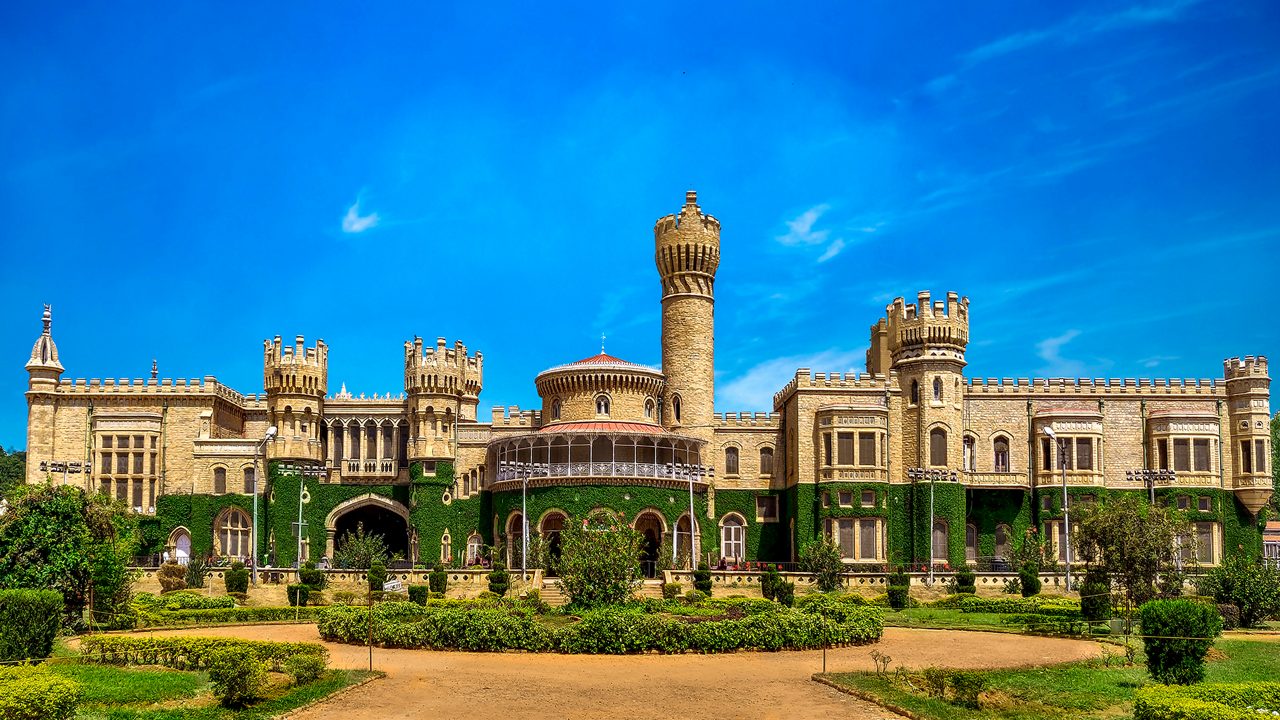
Bangalore Palace: Tudor Architecture in the Heart of Garden City
Explore Bangalore Palace, a Tudor-style architectural masterpiece in Karnataka's capital, featuring royal heritage, stunning interiors, and cultural events.
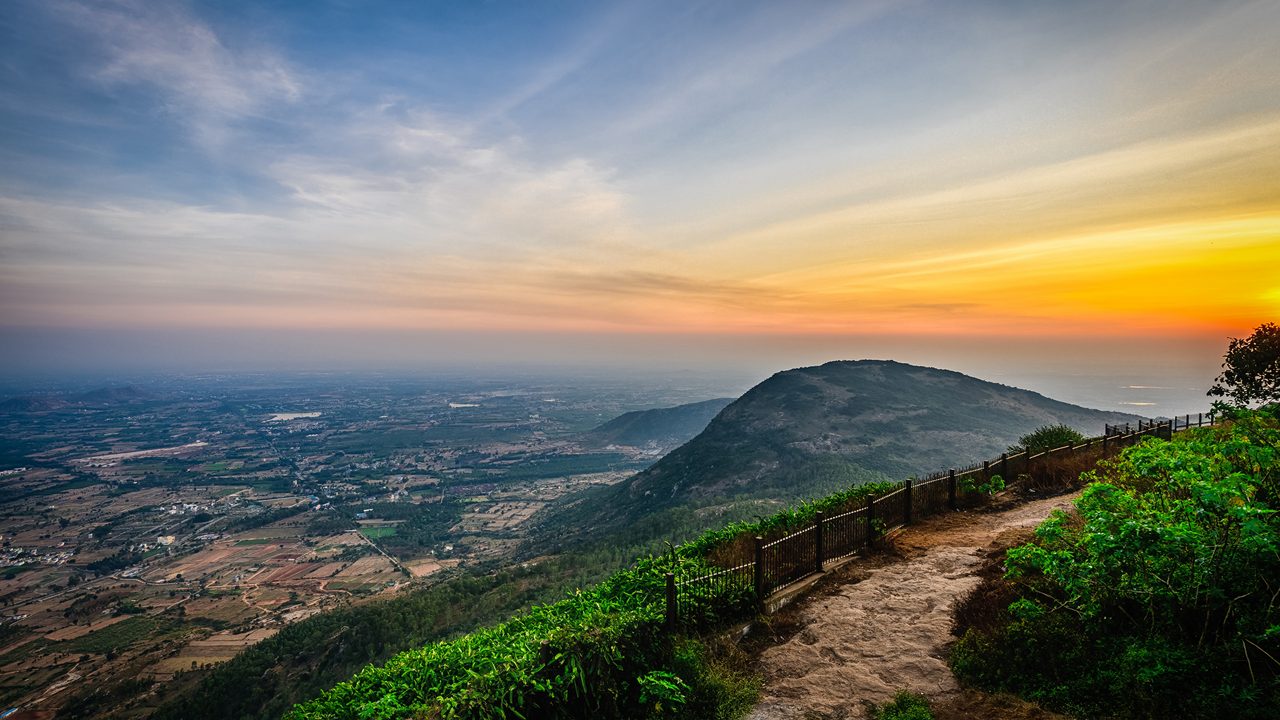
Nandi Hills Bangalore: Complete Guide to Sunrise Paradise
Discover Nandi Hills, Bangalore's favorite hill station offering spectacular sunrise views, Tipu Sultan's legacy, trekking trails, and a perfect weekend getaway from the city.

MG Road Bangalore: Shopping, Restaurants & Nearby Attractions
Discover MG Road Bangalore: colonial charm meets modern vibes - shopping, dining & nightlife guide.
Never Miss an Adventure
Get the latest trekking guides, travel tips, and exclusive offers delivered straight to your inbox.
