
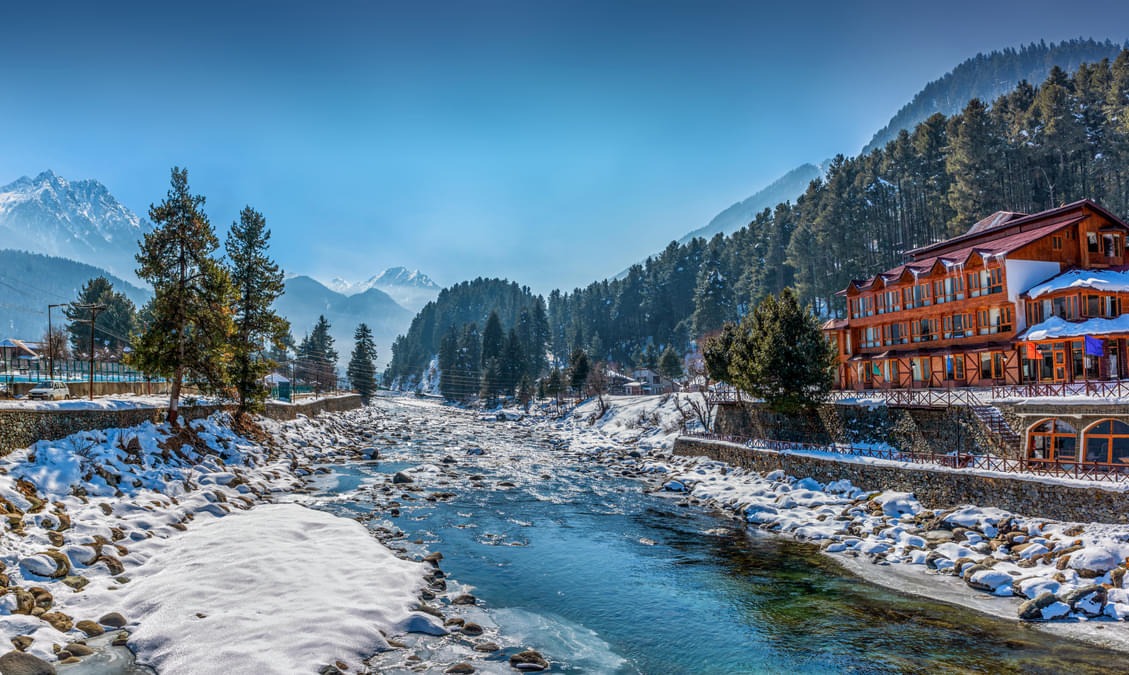
Kashmir in Summers vs Winters: Best Time to Visit
Rohan Malhotra
January 30, 2026
Kashmir in summers vs winters: Compare weather, activities, scenery & costs to decide the best time to visit Kashmir for honeymoon, family trip, or adventure.
Why Season Choice Matters for Your Kashmir Trip
Kashmir, often called Paradise on Earth, transforms dramatically with changing seasons. The valley that flaunts emerald green meadows and blooming gardens in summer becomes a pristine white wonderland in winter. Choosing between summer and winter isn't just about weather preferences—it determines your entire Kashmir experience, from activities you can enjoy to the type of scenery that unfolds before you.
Many travelers struggle with this decision. Summer promises pleasant temperatures, accessible landscapes, and floral beauty, while winter offers snow-covered peaks, winter sports, and a magical atmosphere that feels straight out of a fairy tale. Your choice impacts not only what you'll see and do but also your budget, packing requirements, and overall travel experience.
This comprehensive comparison breaks down both seasons across every important factor—weather, activities, scenery, costs, and practical considerations—to help you make the right choice based on your travel preferences, interests, and priorities.
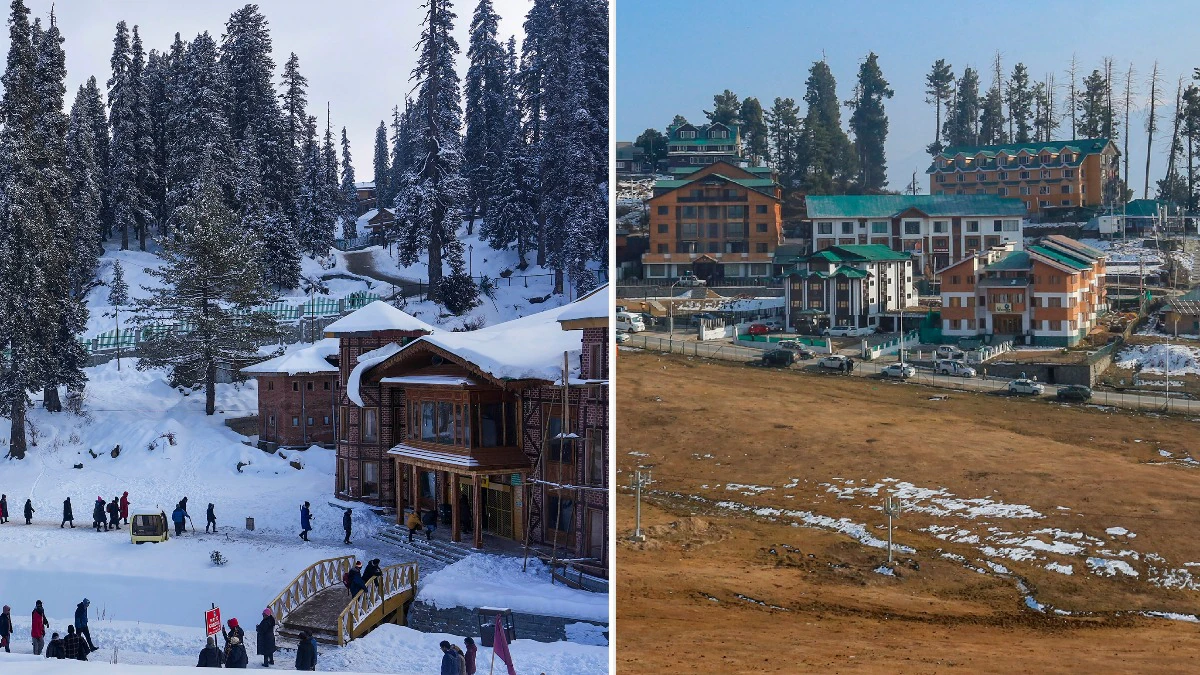
Weather Comparison: Month by Month Breakdown
Summer Weather in Kashmir (April-June)
Kashmir's summer extends from April through June, offering the most pleasant weather conditions in the valley. Temperatures range comfortably between 15°C and 30°C, creating ideal conditions for sightseeing, outdoor activities, and exploration.
In April, temperatures hover between 15-25°C with occasional light showers that freshen the valley. May brings warmer conditions at 18-28°C, while June marks the warmest month with temperatures reaching 20-30°C during the day. Despite the warmth, nights remain refreshingly cool, requiring light woolens.
Summer days are long with 12-14 hours of daylight, giving you ample time for exploration. The skies remain predominantly clear with minimal rainfall, making it perfect for photography and outdoor activities. This is when Kashmir's true beauty shines—literally—with abundant sunshine illuminating the valley's stunning landscapes.
Winter Weather in Kashmir (December-February)
Winter in Kashmir transforms the valley into a completely different world. From December through February, temperatures plummet to -2°C to 10°C, creating the perfect conditions for snowfall and winter activities.
December marks the beginning of true winter with temperatures ranging from 0-10°C. January stands as the coldest month, with mercury dropping between -2°C to 8°C and heavy snowfall covering the region in a pristine white blanket. February brings gradual warming with temperatures between 0-12°C as winter begins loosening its grip.
Winter days are shorter with 10-11 hours of daylight, and heavy snowfall—especially in January—can temporarily block roads and make certain areas inaccessible. The air is crisp and clear, offering stunning visibility when snow isn't falling. This is when Kashmir's famous winter wonderland emerges, attracting visitors specifically for snow activities and the unique beauty of snow-covered landscapes.
| Month | Temperature Range | Conditions | Best For |
|---|---|---|---|
| April | 15-25°C | Pleasant, blooming | Tulip garden, gardens |
| May | 18-28°C | Warm, clear skies | Sightseeing, houseboats |
| June | 20-30°C | Warmest summer month | All outdoor activities |
| December | 0-10°C | Cold, light snow | Beginning snow activities |
| January | -2 to 8°C | Coldest, heavy snow | Skiing, winter sports |
| February | 0-12°C | Cold, moderate snow | Skiing, snow views |
Best Time for Different Activities
Sightseeing and Exploration
For general sightseeing and exploration, April-June and September-October offer optimal conditions. During these months, roads remain open and accessible, viewpoints provide clear visibility, and you can comfortably move between attractions without weather-related hindrances.
The winter months of December and January can restrict movement due to snow-blocked roads, particularly in higher altitude areas like Gulmarg and Sonamarg. While main roads are usually cleared promptly, heavy snowfall can cause temporary disruptions. If your primary interest is covering multiple destinations and attractions, summer provides significantly better accessibility.
Adventure Sports
Adventure seekers need to choose their season based on preferred activities. Skiing and snowboarding are exclusively winter sports, best enjoyed from December through March when Gulmarg receives excellent snowfall and offers world-class skiing conditions.
Trekking, however, thrives in summer and early autumn (April-June, September-October) when trails are accessible, snow-free, and conditions are safe. The famous Kashmir Great Lakes trek and various other trekking routes operate during these months. Paragliding is also available during summer and autumn months when weather conditions remain stable.
Honeymoon Experience
Kashmir is India's premier honeymoon destination for good reason, but the experience differs significantly by season. Summer honeymoons (May-June) offer romantic shikara rides on Dal Lake, strolls through blooming Mughal gardens, and pleasant weather for romantic walks and outdoor dining.
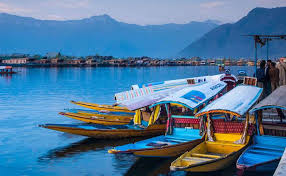
Winter honeymoons (December-January) provide a completely different romantic atmosphere—snuggling in heated houseboats while snow falls outside, enjoying hot kahwa tea, and experiencing the magical ambiance of snow-covered landscapes. Both seasons work wonderfully for honeymoons, so choose based on whether you prefer green meadows and flowers or snow romance and cozy stays.
Family Travel
For families traveling with children or elderly members, April-May and October prove most suitable. These months offer the most comfortable weather conditions, manageable temperatures, and excellent accessibility without extreme cold or heat. Children can enjoy outdoor activities comfortably, and families can cover attractions without weather-related challenges.
Winter family travel is possible but requires more preparation—warm clothing in layers, potential disruption from snowfall, and limited outdoor activities for children who aren't used to extreme cold. Summer simply offers a more relaxed, hassle-free family experience.
Photography
Photographers will find each season offering distinct visual rewards. Spring (April-May) delivers stunning images of blooming tulips, flowering trees, and lush green meadows. The famous Tulip Garden in Srinagar bursts with color during April, creating spectacular photo opportunities.
Summer (June) captures Kashmir at its greenest, with verdant valleys, reflecting lakes, and snow-capped peaks creating dramatic contrasts. Autumn (October) is famous for golden chinar trees that paint the valley in warm hues, offering some of the most photogenic landscapes in Kashmir.
Winter (January) transforms Kashmir into a minimalist white paradise. Snow-covered landscapes, snow-laden pine trees, frozen lakes, and stark white peaks create ethereal, otherworldly images that look almost surreal. Each season provides unique photographic appeal, so base your choice on the type of scenery that inspires you most.
Summer in Kashmir: What to Expect
The Summer Experience
Summer in Kashmir represents the valley at its most accessible and vibrant. The season begins with April's famous tulip bloom, when the Indira Gandhi Memorial Tulip Garden in Srinagar showcases Asia's largest collection of tulips. By May, the entire valley bursts into life—meadows turn emerald green, fruit orchards blossom, and Mughal gardens display their full glory with fountains, terraced lawns, and colorful flowerbeds.
The summer weather allows for comfortable exploration of all Kashmir's major destinations. Srinagar's Dal Lake comes alive with shikaras and houseboats, Gulmarg's meadows offer perfect conditions for golfing and gondola rides, Pahalgam's Lidder River flows invitingly for fishing and riverside picnics, and Sonamarg's valleys showcase pristine natural beauty without winter's harsh conditions.
Top Summer Experiences
Mughal Gardens—Shalimar Bagh, Nishat Bagh, and Chashme Shahi—reach their peak beauty during summer months. These UNESCO-recognized gardens, with their Persian-style architecture, cascading fountains, and meticulously maintained terraces, provide perfect settings for leisurely afternoon strolls. The combination of architectural beauty, floral displays, and views of Dal Lake creates unforgettable experiences.
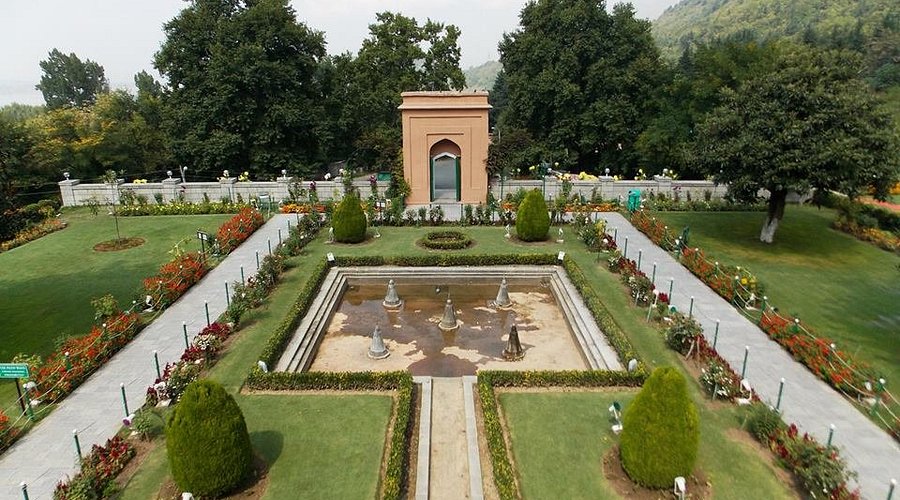
Dal Lake Activities define the summer Kashmir experience. Shikara rides at sunset, when the sky paints itself in hues of orange and pink reflecting on the water, create quintessential Kashmir memories. Staying in houseboats offers unique accommodations with personalized service, traditional Kashmiri meals, and waking up to panoramic lake views. The floating vegetable market on Dal Lake provides fascinating glimpses into local life.
Gulmarg in Summer reveals a different side of this famous destination. Known primarily for winter sports, Gulmarg's summer avatar features one of the world's highest golf courses, lush green meadows perfect for nature walks, and the famous Gulmarg Gondola—the world's second-highest cable car—offering breathtaking views without the snow. The pleasant summer weather makes outdoor activities enjoyable and accessible.
Pahalgam in summer is ideal for nature lovers. The Lidder River offers excellent trout fishing opportunities, Betaab Valley (named after a Bollywood movie filmed here) provides stunning picnic spots, and Aru Valley serves as the starting point for various treks. Pony rides to Chandanwari and beyond offer family-friendly adventures with spectacular scenery.
Sonamarg, meaning "Meadow of Gold," lives up to its name in summer when the valley is carpeted with yellow flowers. The Thajiwas Glacier remains accessible via a short pony ride or trek, offering snow experiences even in summer. The entire region around Sonamarg offers some of Kashmir's most dramatic mountain scenery.
Summer Pros & Cons
Pros: Pleasant weather makes exploration comfortable; all destinations and attractions remain accessible; gardens and meadows are at their most beautiful; outdoor activities are possible without weather restrictions; ideal for families with children; longer daylight hours maximize sightseeing time.
Cons: Higher tourist numbers mean more crowds at popular attractions; prices for accommodations and activities are at their peak; no snowfall (except at very high altitudes); hot midday temperatures in June; advance booking essential for good accommodations.
Winter in Kashmir: The Magic of Snow
The Winter Experience
Winter in Kashmir creates a completely different landscape that feels like entering another world. As December arrives and temperatures drop, the first snowfalls begin transforming the valley. By January, when snowfall is at its peak, Kashmir resembles a scene from a storybook—everything blanketed in pristine white, pine trees bending under snow weight, icicles hanging from eaves, and the air filled with the crisp freshness unique to snow-covered regions.
The winter experience in Kashmir centers around snow activities and the unique beauty of winter landscapes. While some areas become less accessible, the destinations that remain reachable offer spectacular winter scenery and specialized winter activities that you cannot experience in summer.
Top Winter Experiences
Skiing in Gulmarg ranks among Asia's premier winter sports experiences. Gulmarg receives some of the world's best powder snow, and the Gulmarg Gondola provides access to skiing at over 4,000 meters—higher than most European ski resorts. Whether you're a beginner taking your first skiing lesson or an experienced skier challenging Apharwat Peak's slopes, Gulmarg offers world-class skiing infrastructure combined with stunning Himalayan scenery.
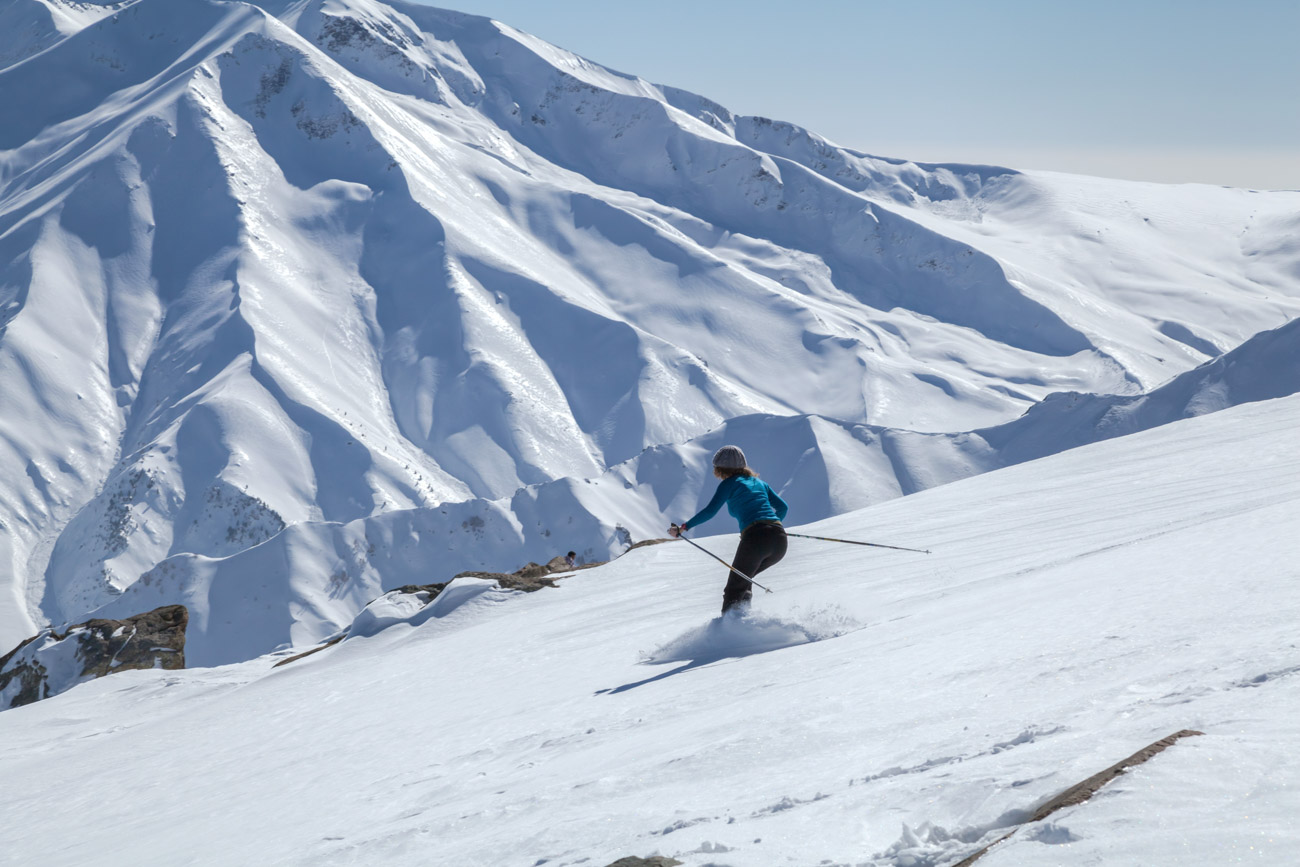
Snow Activities Beyond Skiing make winter in Kashmir accessible even to non-skiers. Snowboarding, sledding, snow tubing, and simple snow play are available in Gulmarg and other snow-covered areas. Building snowmen, having snowball fights, and just walking through snow-covered pine forests create magical winter memories. Many hotels and tour operators provide equipment rental and instruction for various snow activities.
Winter Houseboat Stays offer uniquely cozy experiences. While summer houseboating emphasizes outdoor deck views and shikara rides, winter houseboat stays focus on warmth and comfort—heated interiors, hot kahwa tea served while watching snow fall outside, traditional Kashmiri meals, and the surreal experience of being surrounded by frozen lake waters while staying warm and comfortable indoors.
Winter Landscapes provide some of Kashmir's most spectacular scenery. Snow-covered mountain ranges create dramatic white horizons, frozen lakes offer minimalist beauty, snow-laden chinar trees look like artistic sculptures, and the general quiet of winter creates peaceful atmospheres perfect for relaxation and contemplation. Photography enthusiasts find endless inspiration in winter's clean, white landscapes with occasional splashes of color from traditional Kashmiri architecture.
Winter Pros & Cons
Pros: Spectacular snow-covered scenery; world-class skiing and winter sports; fewer tourists (except New Year period); magical winter atmosphere; unique photography opportunities; lower prices except peak holiday periods; cozy indoor experiences.
Cons: Extreme cold requires heavy winter clothing and preparation; snowfall can temporarily block roads and cause travel disruptions; limited accessibility to some higher-altitude areas; shorter daylight hours restrict sightseeing time; heating costs in accommodations; not suitable for travelers who cannot tolerate cold.
Scenery Comparison: Green vs White
Summer Scenery: The Green Paradise
Summer Kashmir showcases nature in its most vibrant, abundant form. The valley transforms into a tapestry of greens—emerald meadows stretch to the horizon, terraced rice fields create geometric patterns on hillsides, and dense forests cover mountain slopes. Fruit orchards bloom with apples, cherries, apricots, and almonds, while wildflowers carpet alpine meadows in a riot of colors.
Water features play prominently in summer scenery. Dal Lake and Nigeen Lake reflect blue skies and surrounding mountains, rivers like the Lidder and Sindh rush with snowmelt, and waterfalls cascade down valley walls. The famous Mughal gardens add man-made beauty with their Persian-style architecture, flowing fountains, and carefully curated flowerbeds.
Chinar trees, icons of Kashmir, provide shade with their sprawling canopies. While they're most famous for autumn colors, their summer green creates a cooling, serene atmosphere. Throughout the valley, the combination of natural beauty and architectural elements creates landscapes that feel both wild and cultivated, dramatic and peaceful.
Winter Scenery: The White Wonderland
Winter simplifies Kashmir's palette into stunning black-and-white contrasts with occasional accents. Snow covers everything in pristine white, creating minimalist landscapes of remarkable beauty. Pine trees stand as dark green sentinels against white backgrounds, their branches bent under snow weight. Mountain ranges become white waves stretching to the horizon.
Water freezes into beautiful forms—frozen lakes become skating rinks, waterfalls turn into ice sculptures, and icicles hang from eaves creating natural decorations. The famous shikaras on Dal Lake sit marooned on partially frozen waters, creating surreal images. Traditional Kashmiri architecture with its wooden details and sloping roofs stands out beautifully against white backgrounds.
The winter landscape feels quieter and more contemplative. Crowds diminish, sounds are muffled by snow, and the entire valley seems to slow down. For those who appreciate minimalist beauty and winter's serene atmospheres, Kashmir in winter offers some of the most spectacular scenery anywhere in the world.
Cost Comparison: Budget Impact by Season
Your choice between summer and winter significantly impacts your Kashmir trip budget. Understanding seasonal pricing helps you plan accordingly and find the best value for your preferences.
Summer Peak Season (May-June) commands the highest prices of the year. Hotels in Srinagar range from ₹3,000-8,000 per night for decent properties, while houseboats cost ₹4,000-12,000 per night depending on luxury level. Flight prices to Srinagar peak during these months, typically ₹6,000-12,000 from major Indian cities. Tourist attraction entry fees remain constant, but tour operator prices and taxi rates are at their highest due to high demand.
Winter Peak Season (December-January) sees moderately lower prices except around New Year when demand spikes. Hotels cost ₹2,500-7,000 per night, houseboats ₹3,000-10,000 per night, and flights ₹5,000-10,000. However, heating charges in winter add ₹500-1,000 per day to accommodation costs. Ski equipment rental and ski lift tickets in Gulmarg add significant expense—₹1,500-3,000 per day for equipment plus gondola charges.
Shoulder Seasons (March, September-October) offer the best value. Accommodation prices drop 20-30% compared to peak periods, flights are more affordable, and tourist crowds are thinner. These months combine good weather with lower costs, making them ideal for budget-conscious travelers.
| Season | Hotels (per night) | Houseboats (per night) | Flights | Overall Best Value |
|---|---|---|---|---|
| Summer (May-Jun) | ₹3,000-8,000 | ₹4,000-12,000 | ₹6,000-12,000 | ❌ Highest prices |
| Winter (Dec-Jan) | ₹2,500-7,000 | ₹3,000-10,000 | ₹5,000-10,000 | ⚠️ Moderate (plus heating costs) |
| Shoulder (Mar, Sep-Oct) | ₹2,000-5,000 | ₹2,500-6,000 | ₹4,000-8,000 | ✅ Best value |
Clothing and Packing Guide
Summer Packing
Summer in Kashmir requires layered clothing approach. Days are warm but evenings become cool, especially at higher altitudes. Pack light woolens like sweaters or light jackets for mornings and evenings. Cotton clothing works well for daytime, but avoid shorts and sleeveless tops out of respect for local culture.
Comfortable walking shoes with good grip are essential for sightseeing and walking through gardens. Carry sunscreen (UV levels are high at altitude), sunglasses, and a wide-brimmed hat for sun protection. A light rain jacket or umbrella proves useful for occasional summer showers.
Don't forget swimwear if your hotel has a pool, and modest clothing for visiting religious sites. A small backpack for day trips helps carry water, snacks, and extra layers. Camera equipment with extra batteries is essential for capturing Kashmir's stunning landscapes.
Winter Packing
Winter packing requires serious preparation. Heavy woolens are non-negotiable—thick sweaters, thermal underwear (both tops and bottoms), heavy jackets or coats, and multiple layers are essential. Quality winter boots with good insulation and grip are crucial for walking on snow and ice.
Accessories make all the difference in extreme cold. Carry warm gloves or mittens, a woolen cap that covers your ears, and a scarf or muffler to protect your neck and face. Thermal innerwear for both top and bottom provides essential base layer warmth. Moisturizer and lip balm are critical as cold causes severe dryness.
Consider packing hand warmers and foot warmers for extra comfort during outdoor activities. Sunglasses are actually more important in winter than summer—snow reflects UV intensely and can cause snow blindness. A good quality sunscreen remains necessary despite cold temperatures. Camera batteries drain quickly in cold, so pack extras and keep them close to your body warmth.
Final Recommendations: Which Season Should You Choose?
Choose Summer If You Want:
- Pleasant Weather: Comfortable temperatures make exploration enjoyable without extreme cold preparation
- Gardens and Flowers: April's tulip bloom and summer's Mughal gardens at peak beauty
- Outdoor Activities: Trekking, golfing, shikara rides, and sightseeing without weather restrictions
- Easy Accessibility: All roads and attractions open and reachable
- Family-Friendly Travel: Manageable conditions for children and elderly family members
- Diverse Experiences: Mix of culture, nature, adventure, and relaxation all easily accessible
Choose Winter If You Want:
- Snow and Skiing: World-class winter sports in Gulmarg
- Winter Wonderlands: Magical snow-covered landscapes and unique winter scenery
- Fewer Crowds: More peaceful experience (except holiday periods)
- Cozy Atmosphere: Heated houseboats, hot kahwa, and warm Kashmiri hospitality
- Unique Photography: Spectacular winter landscapes and minimalist snow scenery
- Romantic Getaways: Intimate winter honeymoons with snow romance
Best Overall Months to Visit
May offers the perfect summer balance—pleasant weather, blooming gardens, accessible attractions, and vibrant valley life without extreme heat. This is the ideal month for first-time visitors wanting to experience Kashmir's classic green paradise.
October provides an exceptional autumn experience with golden chinar trees, clear views, comfortable temperatures, and fewer crowds than peak summer. The valley takes on warm hues that photographers particularly love.
January delivers the quintessential winter experience with reliable snowfall, excellent skiing conditions, magical winter landscapes, and the unique atmosphere that only deep winter in Kashmir can provide. Perfect for snow lovers and winter sports enthusiasts.
Each season in Kashmir offers something special. Your choice ultimately depends on what kind of experience you're seeking—the green, accessible paradise of summer or the white, magical wonderland of winter. Both seasons deliver unforgettable Kashmir experiences that will stay with you long after you've returned home.
Before finalizing your plans, check best time to visit Kashmir for more detailed seasonal information, or explore Kashmir travel guide for comprehensive trip planning advice. Whether you choose summer greenery or winter snow, Kashmir promises to exceed your expectations.
Location
Frequently Asked Questions
Q1.Is Kashmir better in summer or winter?
Q2.What is the best time to visit Kashmir?
Q3.Is there snow in Kashmir in May?
Q4.When can we see snow in Kashmir?
Q5.Kashmir in May or December?
Q6.Can we do skiing in May in Kashmir?
Q7.What is the weather in April in Kashmir?
Q8.When is tulip garden open in Kashmir?
Recommended For You
Kashmir Trip: How Many Days Needed?
Planning Kashmir trip? Learn how many days required - 3 to 10 days itineraries covering Srinagar, Gulmarg, Pahalgam & Sonamarg.
Kashmir: Complete Travel Plan Places And Weather
Complete Kashmir travel guide! Discover best time to visit, places to visit, itineraries, things to do, budget planning & tips for your Kashmir valley trip.
Places to Visit in Kashmir in May: Spring Blooms & Pleasant Weather
Discover the best places to visit in Kashmir in May with a complete spring guide to Srinagar, Gulmarg, Pahalgam, Sonamarg, weather, and travel planning.
Never Miss an Adventure
Get the latest trekking guides, travel tips, and exclusive offers delivered straight to your inbox.
