
Kashmiri Food Guide: 20 Traditional Dishes & Restaurants

Rohan Malhotra
February 20, 2026
Discover authentic Kashmiri food! Explore 20 traditional dishes, Wazwan cuisine, best restaurants in Srinagar, non-veg and veg options & complete food guide.
The Rich Flavors of Kashmiri Cuisine
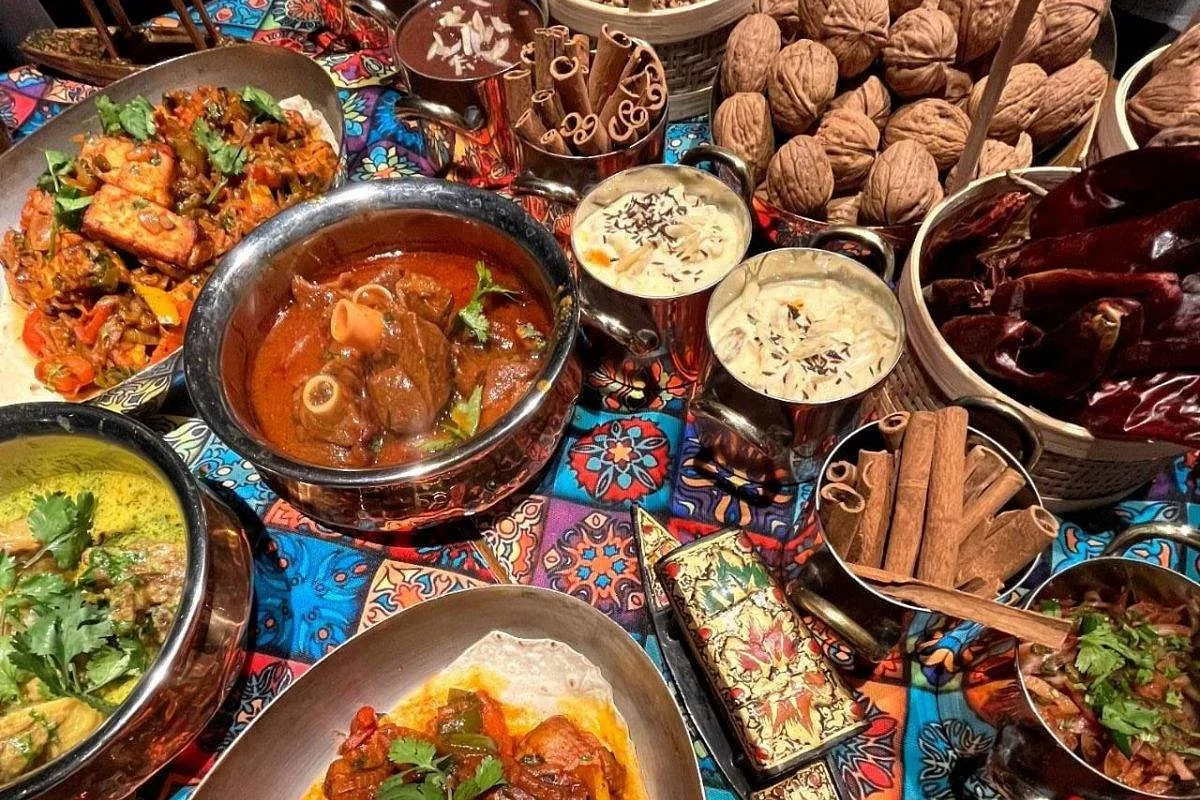
Kashmiri cuisine represents one of India's most distinctive culinary traditions, shaped by centuries of Persian influence, Central Asian connections, and the valley's unique agricultural bounty. Unlike many regional Indian cuisines that rely heavily on spices, Kashmiri food emphasizes the natural flavors of ingredients, using aromatics like fennel, ginger powder, and saffron to create subtle, sophisticated flavors.
The cuisine reflects Kashmir's history as a crossroads of cultures. Persian influences are evident in the elaborate Wazwan feast, while Central Asian connections appear in meat-centric dishes and bread varieties. The valley's climate—cold winters and temperate summers—shaped a cuisine perfect for harsh weather, with warming spices and rich preparations that provide comfort and sustenance.
What makes Kashmiri food special is its balance between meat and vegetarian dishes, its unique use of dairy (especially yogurt), and its famous saffron-based preparations. Whether you're enjoying a simple home-cooked meal or an elaborate Wazwan feast, Kashmiri cuisine offers flavors found nowhere else in India.
The Wazwan Tradition: Kashmir's Royal Feast
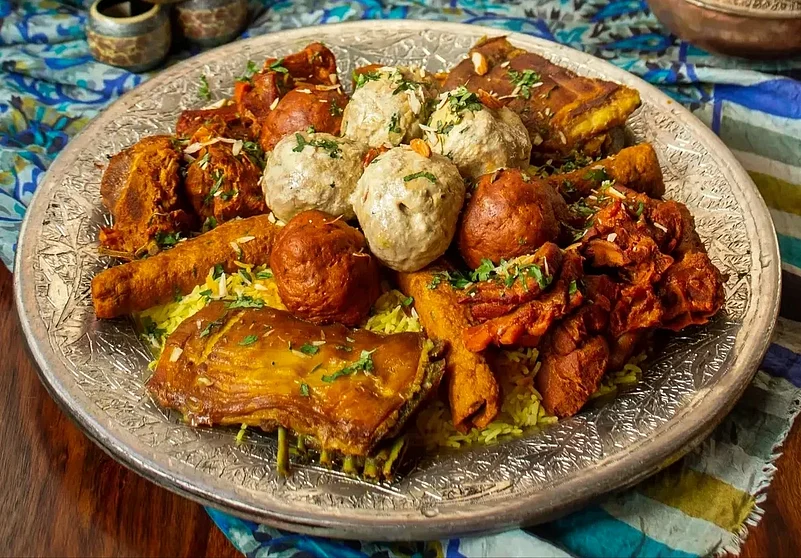
No discussion of Kashmiri food is complete without mentioning the Wazwan—a multi-course feast that represents the pinnacle of Kashmiri culinary tradition. Originally prepared for Kashmiri royalty, the Wazwan has evolved into a ceremonial meal served at weddings and special occasions.
A traditional Wazwan consists of 15-36 dishes served in a specific sequence. The meal begins with washing hands at a tash-t-nari (basin and jug), followed by starters like kababs and seekh kebabs. Then come the main courses—various meat preparations cooked in different styles, served with rice. The feast ends with desserts and traditional Kashmiri tea.
What makes Wazwan special is not just the food but the presentation. Dishes are served on a large copper platter called a trami, which four people typically share. The ceremonial aspect, the variety of flavors, and the communal dining experience make Wazwan more than just a meal—it's a cultural event.
While traditional Wazwans feature predominantly meat dishes, modern versions often include vegetarian options. The feast represents Kashmiri hospitality at its finest—generous, elaborate, and deeply rooted in tradition.
Top 20 Traditional Kashmiri Dishes
Signature Meat Dishes
Rogan Josh stands as Kashmir's most famous dish internationally. This aromatic lamb curry features tender meat pieces cooked in a gravy flavored with browned onions, yogurt, and a blend of spices including Kashmiri red chili powder (which gives color without excessive heat), fennel, and ginger powder. The name literally means "red lamb" in Persian, referring to the dish's rich red color. The secret to perfect Rogan Josh is slow cooking that allows the meat to become tender while the sauce develops depth.
Gushtaba represents Kashmiri cuisine's refinement. These velvety meatballs are made from minced mutton, fat, and spices, then slow-cooked in a yogurt-based gravy flavored with cardamom and fennel. The meatballs must be perfectly smooth—the traditional preparation involves pounding the meat by hand until it reaches the right consistency. The mild, creamy gravy contrasts beautifully with the flavorful meatballs. Gushtaba is traditionally the last meat dish served in a Wazwan.
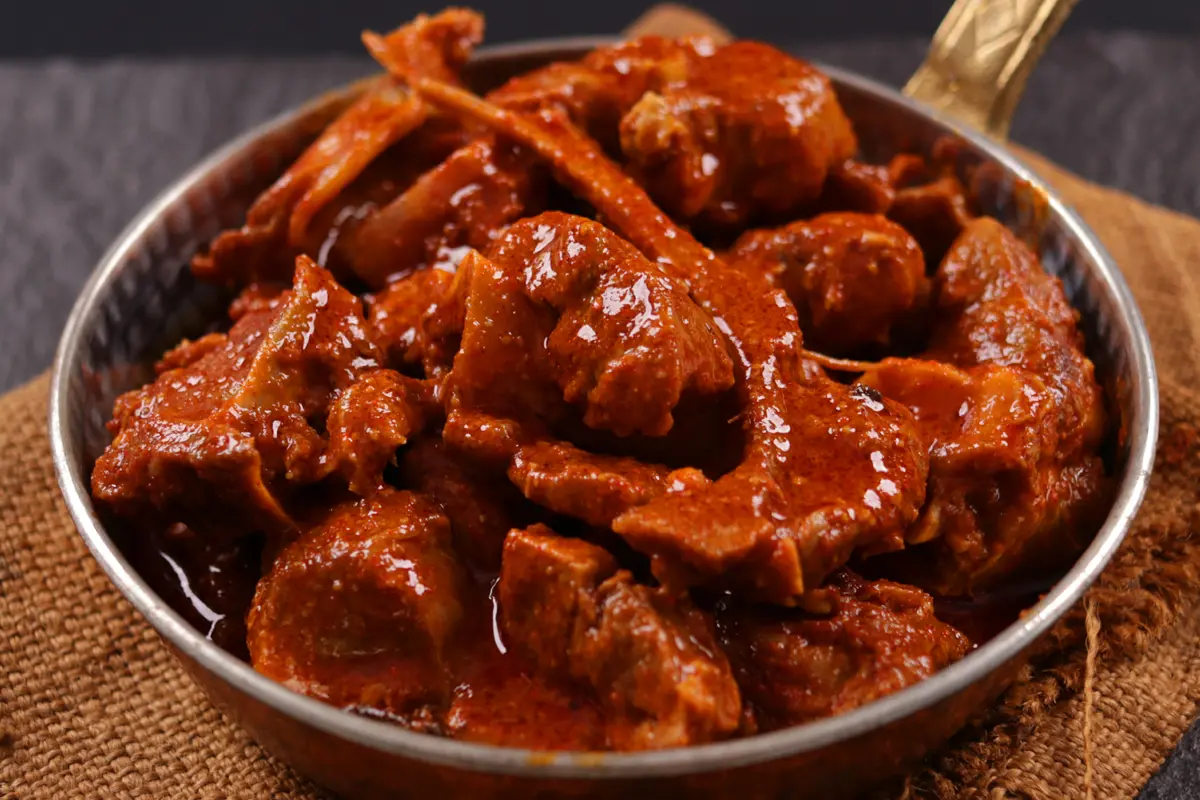
Rista brings excitement to Kashmiri cuisine with its spicy meatballs. Unlike the mild Gushtaba, Rista features smaller meatballs in a fiery red gravy. The red color comes from Kashmiri red chilies, which provide vibrant color and heat without being bitter. The meatballs are made similarly to Gushtaba but are spicier and smaller. Rista represents the bolder side of Kashmiri flavors and is often served earlier in a Wazwan to awaken the palate.
Yakhni showcases Kashmir's mastery of yogurt-based cooking. This mild, aromatic curry features mutton pieces cooked in a yogurt gravy flavored with cardamom, fennel, and sometimes dried mint or onion. The grayish-white gravy might look plain, but the flavors are subtle and sophisticated. Yakhni is typically eaten with rice and represents Kashmiri cuisine's gentler, more aromatic style. It's perfect for those who find Indian curries too spicy.
Tabakh Maaz offers crispy, succulent ribs that demonstrate Kashmir's varied cooking techniques. Ribs are first boiled, then fried in ghee until crispy and golden. The dish is flavored with fennel, ginger powder, and sometimes turmeric. The contrast between tender meat and crispy edges makes this dish addictive. Tabakh Maaz is typically served as part of a Wazwan but also makes an excellent appetizer or snack.
Marchwangan Korma delivers the heat that Kashmiri cuisine is sometimes (mistakenly) known for. This spicy chicken or mutton curry features liberal use of Kashmiri red chilies. Despite the heat, the dish has depth—tomatoes, onions, and aromatics create a complex gravy. Marchwangan literally means "chicken with red chilies," and this dish doesn't hold back. It's perfect for those who enjoy spicy food but still want balanced flavors.
Shab Deg represents slow cooking at its finest. This winter specialty features mutton or turnips (or both) slow-cooked overnight with aromatic spices. The long cooking time breaks down connective tissue, making the meat incredibly tender. Turnips absorb the spiced flavors and become meltingly soft. Traditionally cooked in a sealed pot over dying embers, Shab Deg is comfort food perfect for Kashmir's cold winters.
Aab Gosht offers a lighter, broth-style meat preparation. Mutton is cooked with milk (hence the name "aab" meaning water) and mild aromatics like cardamom and fennel. The resulting dish is creamy, mild, and nourishing—perfect for those seeking something less rich than typical curries. Aab Gosht is often served to invalids or those preferring gentle flavors, but its subtle sophistication appeals to everyone.
Vegetarian Delights
Dum Aloo might be a common Indian dish, but the Kashmiri version is special. Baby potatoes are first fried, then slow-cooked in a yogurt-based gravy seasoned with fennel, ginger powder, and Kashmiri red chilies. The potatoes absorb the flavors while maintaining their shape. Unlike North Indian Dum Aloo which can be heavy and tomato-based, the Kashmiri version is lighter, more aromatic, and distinctly sophisticated.
HaaKh (or Haakh) represents Kashmir's most beloved vegetable dish. These collard greens are simple—boiled and seasoned with minimal spices—but they're essential to Kashmiri meals. The slightly bitter greens balance the rich meat dishes and provide nutritional variety. HaaKh is typically cooked simply with mustard oil, asafoetida, and perhaps some green chilies. It's the ultimate comfort food for Kashmiris and appears in almost every traditional meal.
Nadir Yakhni showcases the Kashmiri genius for making everything delicious. Lotus stem (nadir) is cooked in a yogurt-based gravy similar to meat Yakhni but adapted for the vegetable's unique texture. The lotus stem becomes tender but retains some crunch, offering an interesting textural contrast. The mild, creamy gravy lets the lotus stem's subtle flavor shine through. This dish exemplifies how Kashmiri cuisine treats vegetables with as much respect as meat.
Nadir Monje transforms lotus stem into crispy snacks. Sliced lotus stems are battered and deep-fried until golden and crunchy. The spiced batter adds flavor, while the lotus stem provides unique texture and taste. These fritters are popular street food and also make excellent appetizers. The contrast between crispy exterior and tender interior makes Nadir Monje addictive.
Khatte Baingan offers eggplant with a tangy twist. Baingan (eggplant) is cooked with a tangy sauce featuring tamarind or dried pomegranate seeds (anardana). The sweetness of eggplant balances beautifully with the tartness of the sauce. This dish demonstrates Kashmiri cuisine's range—moving beyond the yogurt-based gravies into sour-sweet territory. Khatte Baingan is perfect for those who enjoy varied flavor profiles.
Rice and Bread Specialties
Kashmiri Pulao is fragrant rice at its finest. Unlike pulaos from other regions that might feature multiple vegetables and strong spices, Kashmiri Pulao is subtle and elegant. The rice is cooked with ghee, a handful of whole spices, and sometimes nuts and dried fruits. Saffron gives the rice its characteristic pale yellow color and delicate aroma. This pilaf is the perfect accompaniment to rich meat curries—the mild flavor balances spiced gravies.
Modur Pulao represents Kashmir's sweet side. This dessert pulao features sweet rice flavored with saffron, cardamom, and generous amounts of dried fruits and nuts. It's traditionally served at festivals and special occasions. The combination of savory rice with sweet flavors might sound unusual, but the balance is perfect. Modur Pulao ends a Wazwan on a sweet, festive note.
Sheermal is a mildly sweet bread that's perfect for sopping up gravies. This flatbread is made with flour, milk, ghee, and a little sugar. The dough is rolled out and cooked on a griddle until golden. Sheermal is slightly sweet, mildly flavored with cardamom, and incredibly soft. It's the perfect bread for pairing with rich curries or enjoying on its own.
Tsot and Girda are traditional Kashmiri breads baked in special clay ovens. Tsot is a round, slightly sweet bread with a shiny top from egg wash. Girda is a denser, oval bread with a crispy crust and soft interior. Both are breakfast staples, typically enjoyed with butter and tea. The traditional baking process gives these breads distinctive flavors and textures that modern baked goods can't replicate.
Desserts and Beverages
Phirni is a creamy rice pudding that's popular across North India but has a special place in Kashmiri cuisine. Ground rice is slow-cooked with milk, sugar, and sometimes saffron until thick and creamy. The pudding is served chilled in earthen bowls, which add earthy flavor. Garnished with nuts and sometimes silver leaf, Phirni is the perfect ending to a rich meal—light, creamy, and not overly sweet.
Shufta is a traditional dessert featuring nuts and dried fruits. Walnuts, almonds, cashews, and sometimes coconut are cooked with sugar and ghee until they become slightly crispy and caramelized. The dish is flavored with cardamom and sometimes saffron. Shufta might sound simple, but the technique creates toffee-like textures and caramelized flavors that make it special. It's typically served at weddings and festivals.
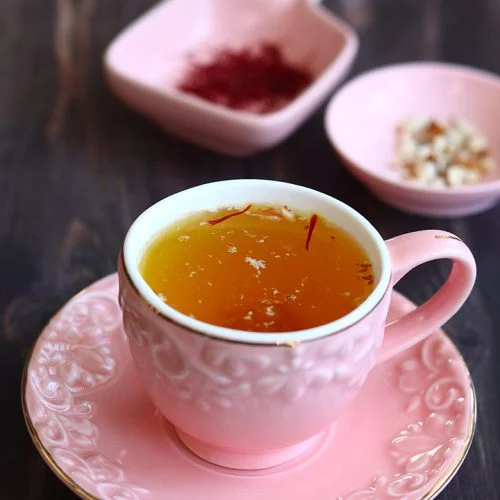
Kahwa is Kashmir's famous green tea preparation. This aromatic tea features green tea leaves simmered with saffron, cardamom, cinnamon, and sometimes rose petals. It's served without sugar but often accompanied by honey or sweets. Kahwa is more than a beverage—it's a cultural institution. It's served to guests, enjoyed after meals, and consumed throughout the day, especially in winter. The combination of caffeine from tea and warmth from spices makes Kahwa perfect for cold weather.
Noon Chai (or Sheer Chai) is Kashmir's unique pink tea. This salted tea is made with special tea leaves, baking soda (which creates the pink color), milk, and salt. The resulting beverage is pink, creamy, and savory—unusual for those accustomed to sweet tea, but addictive once you acquire the taste. Noon Chai is typically enjoyed at breakfast with traditional breads. The salt might seem strange, but it balances perfectly with the bread's sweetness.
Kashmiri Spices and Ingredients
The Essential Spice Blend
Kashmiri cuisine uses a distinctive spice palette that sets it apart from other Indian cuisines. Kashmiri red chili powder is essential—it provides vibrant red color with minimal heat, allowing dishes to look spicy without being overpowering. This chili powder is made from special dried chilies grown in Kashmir.
Fennel powder is another key ingredient, used more generously than in most other cuisines. Fennel's sweet, aromatic flavor forms the base of many Kashmiri dishes. Ginger powder (saunth) is preferred over fresh ginger in many traditional preparations—it provides a warmer, more concentrated flavor.
Cardamom (both green and black) appears frequently, adding its distinctive aroma to both savory and sweet dishes. Saffron is the luxury ingredient—used sparingly due to its cost, but essential for authentic Kashmiri Pulao, Kahwa, and some meat dishes.
Yogurt is the liquid of choice for many Kashmiri curries, creating creamy gravies that temper spices and provide richness. Mustard oil is the traditional cooking medium, though ghee is used for special dishes.
Special Ingredients
Lotus stem (nadir) is a uniquely Kashmiri ingredient that appears in multiple dishes. Its crunchy texture and mild flavor make it incredibly versatile. Mutton is preferred over chicken or beef in traditional Kashmiri cooking—the region's Muslim influence and sheep farming heritage made mutton the protein of choice.
Dried fruits and nuts—walnuts, almonds, cashews, raisins—appear in both savory and sweet dishes, adding texture and richness. Saffron, grown in Kashmir's Pampore region, is the valley's most famous spice export and essential to authentic cuisine.
Best Restaurants in Srinagar for Authentic Food
Legendary Establishments
Ahdoos on Residency Road is Srinagar's most famous restaurant, serving authentic Kashmiri cuisine since 1918. The heritage restaurant has hosted politicians, celebrities, and generations of food lovers. Their Wazwan, Rogan Josh, and Gushtaba are legendary. The old-world ambiance with wooden interiors and traditional service adds to the experience. Prices are moderate, and the portions are generous.
Mughal Darbar near Lal Chowk offers excellent Wazwan and Kashmiri specialties. The restaurant specializes in traditional preparations and serves some of the best Rogan Josh in Srinagar. The portions are large, prices reasonable, and the flavors authentic. Try their Rista and Tabakh Maaz for a complete Kashmiri experience.
Modern Authentic Options
Shahnameh at the Centaur Lake View Hotel offers fine dining Kashmiri cuisine with excellent lake views. The restaurant serves both traditional Wazwan and modern interpretations of Kashmiri dishes. The upscale setting and attentive service make it perfect for special occasions. Prices are higher but justified by the quality and ambiance.
Khyber at The LaLiT Grand Palace specializes in Kashmiri cuisine with a modern touch. The historic palace setting adds grandeur to the dining experience. Their interpretation of classic dishes is respectful yet creative. The buffet offers a good way to sample multiple Kashmiri dishes.
For Street Food and Quick Meals
Tadoos in the Lal Chowk area is famous for its street food and quick Kashmiri meals. Their Seekh Kebabs, Kathi rolls, and simpler Kashmiri dishes are excellent and affordable. The no-frills atmosphere focuses on the food.
J&W (Julian and Watson) near Dal Lake offers a mix of cuisines but their Kashmiri selections are authentic. The restaurant has been serving locals and tourists for decades. Try their Kahwa and traditional breakfast items.
Vegetarian Options in Kashmiri Cuisine
While Kashmiri cuisine is known for meat dishes, vegetarians need not worry. The cuisine offers excellent vegetarian options that are just as flavorful and satisfying.
Dum Aloo is the most famous vegetarian Kashmiri dish. Baby potatoes in spiced yogurt gravy are so flavorful that meat eaters don't miss anything. HaaKh (collard greens) provides healthy, delicious nutrition and appears in almost every Kashmiri meal.
Nadir Yakhni (lotus stem in yogurt gravy) offers unique textures and flavors. Khatte Baingan (tart eggplant) provides exciting flavor contrasts. Rajmah (kidney beans) cooked Kashmiri style with yogurt and mild spices makes a hearty meal.
Turnip Yakhni adapts the famous yogurt gravy for turnips, creating a dish that's both healthy and delicious. Paneer preparations, while not traditional, are available in restaurants and cooked Kashmiri style with mild spices and yogurt.
Many restaurants now offer complete vegetarian Wazwans featuring multiple vegetarian dishes served traditionally. Houseboats and hotels are generally accommodating to vegetarian requests and can prepare authentic vegetarian Kashmiri food.
Kashmiri Food Culture and Etiquette
Dining Traditions
Kashmiri dining culture is deeply rooted in hospitality and tradition. Meals are often communal affairs, with family and guests gathering around a large copper platter (trami). The traditional Wazwan is served to four people sharing one trami, creating a communal dining experience that emphasizes togetherness.
When dining traditionally, wash hands at the beginning of the meal at the tash-t-nari (basin and jug). Eating with the right hand is traditional, though utensils are always available for those who prefer them. The serving sequence of dishes is important in a Wazwan—experienced hosts or servers guide guests through the proper order.
Food in Daily Life
Breakfast in Kashmir typically features tea (Noon Chai or Kahwa) with bread like Tsot or Girda, sometimes accompanied by butter or local preserves. Lunch might be simpler—rice with a dal or vegetable dish and HaaKh. Dinner is when the more elaborate preparations come out—curries, Pulao, and sometimes special dishes.
Kahwa isn't just a beverage—it's a ritual. Guests are always served Kahwa, often with sweets or dried fruits. The tea represents Kashmiri hospitality and is consumed throughout the day, especially in winter. The process of preparing and serving Kahwa is almost ceremonial.
Festival and Celebration Food
Special occasions call for special food. Weddings feature elaborate Wazwans that can last hours. Eid celebrations include special dishes like Sheer Khurma (a vermicelli pudding). Navroz (Parsi New Year) has its own traditional foods.
Harvest festivals thank the gods for agricultural bounty with special feasts. Local shrine festivals often feature community meals where traditional Kashmiri food is served to all attendees, regardless of social status.
Bringing Kashmiri Flavors Home
Buying Ingredients
Srinagar's Lal Chowk and Residency Road areas have shops selling authentic Kashmiri spices. Saffron from Pampore is the most famous purchase—look for deep red threads with strong aroma. Kashmiri red chili powder is worth buying for its unique color-to-heat ratio. Fennel powder, ginger powder, and cardamom are also good purchases.
Walnuts from Kashmir are famous for their quality and flavor. Dried fruits like apricots, figs, and raisins are excellent purchases. Shah Zira (black cumin) is a special Kashmiri spice that's harder to find outside the region.
Simple Dishes to Try at Home
Kahwa is easy to make at home with the right ingredients. Green tea, cardamom, cinnamon, and saffron simmered together create the perfect warming beverage. Dum Aloo is relatively simple for home cooks—fried baby potatoes in yogurt-based gravy.
Kashmiri Pulao requires good quality basmati rice, saffron, and ghee. The technique is simple, but the quality of ingredients makes the difference. Rogan Josh is challenging for beginners but rewarding—slow cooking is the secret.
Kashmiri cuisine offers a window into the valley's soul—the refinement of Wazwan reflects courtly traditions, the warming spices speak of cold winters, the use of local ingredients shows connection to the land. Whether you're enjoying a meal in a traditional Srinagar restaurant, sipping Kahwa on a houseboat, or attempting a Kashmiri recipe at home, you're experiencing centuries of culinary evolution.
For more information on Kashmir's food scene, explore Kashmiri street food guide. To plan your culinary journey to Kashmir, check Kashmir travel guide for restaurant recommendations and food experiences.
Location
Frequently Asked Questions
Q1.What is Kashmiri food famous for?
Q2.What are the famous Kashmiri dishes?
Q3.Is Kashmiri food spicy?
Q4.What is the famous non-veg dish of Kashmir?
Q5.What is Wazwan in Kashmiri cuisine?
Q6.What are the vegetarian options in Kashmiri food?
Q7.What is Kashmiri tea called?
Q8.What are the famous sweets of Kashmir?
Q9.What are the popular restaurants for Kashmiri food?
Q10.What is the famous rice dish of Kashmir?
Recommended For You
Kashmir Trip: How Many Days Needed?
Planning Kashmir trip? Learn how many days required - 3 to 10 days itineraries covering Srinagar, Gulmarg, Pahalgam & Sonamarg.
Best Time to Visit Kashmir: Month-by-Month Weather & Activities
Plan the best time to visit Kashmir with month-by-month weather, snow and bloom seasons, and practical guidance for sightseeing, honeymoon, and family travel.
Kashmir: Complete Travel Plan Places And Weather
Complete Kashmir travel guide! Discover best time to visit, places to visit, itineraries, things to do, budget planning & tips for your Kashmir valley trip.
Never Miss an Adventure
Get the latest trekking guides, travel tips, and exclusive offers delivered straight to your inbox.
