
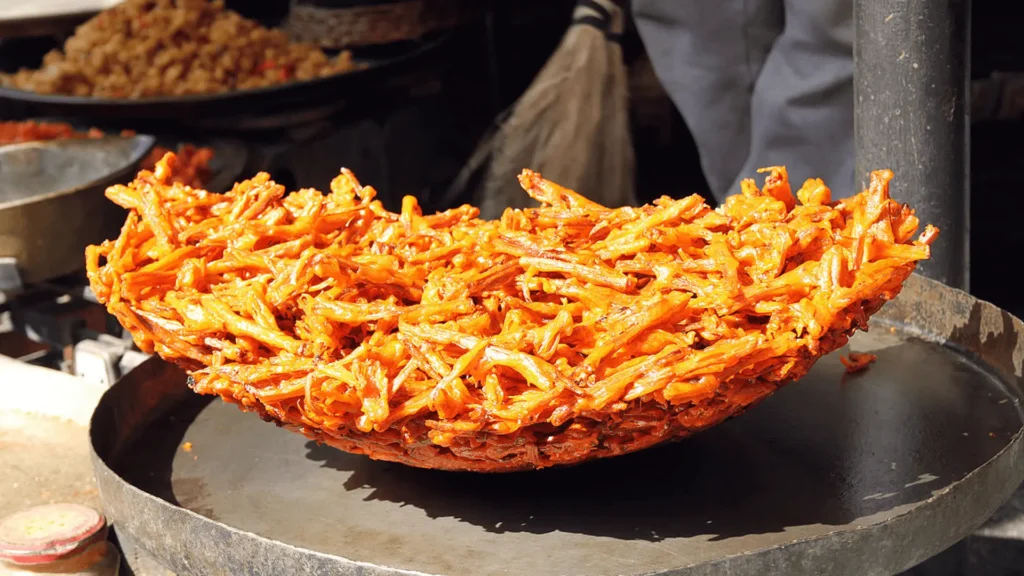
Kashmiri Street Food: 15 Must-Try Dishes & Places

Rohan Malhotra
November 18, 2025
Explore Kashmiri street food! Discover 15 must-try dishes like Rogan Josh, Goshtaba, Kahwa, best street food places in Srinagar & complete food guide.
The Flavors of Kashmir's Streets
Kashmiri street food represents the valley's culinary soul—authentic, accessible, and incredibly flavorful. While restaurant Wazwans showcase Kashmir's refined cuisine, the street food scene reveals what locals actually eat daily. The aromas wafting through Srinagar's markets tell stories of Persian influences, Central Asian connections, and ingredients unique to the Kashmir Valley.
Walking through Lal Chowk, Residency Road, or the narrow lanes of the old city, you'll encounter sizzling grills, bubbling pots, and vendors who've been perfecting their specialties for generations. Unlike street food in some other Indian regions that's predominantly vegetarian, Kashmir's street food embraces its love for meat while offering excellent vegetarian options too.
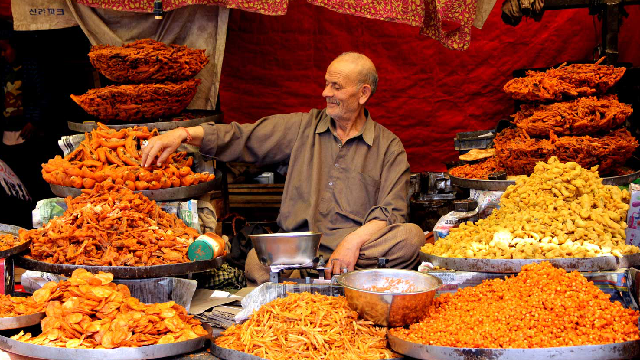
What makes Kashmiri street food special is its distinctive flavor profile. Fennel, ginger powder, cardamom, and the famous Kashmiri red chili powder create tastes you won't find elsewhere. The generous use of yogurt, the unique breads, and the famous teas—all combine to create street food experiences that are both familiar and completely new.
15 Must-Try Kashmiri Street Foods
Meat Lovers' Delights
Seekh Kebabs dominate Kashmir's street food scene. These minced meat kebabs, seasoned with aromatic spices and grilled over charcoal, are everywhere in Srinagar. What sets Kashmiri Seekh Kebabs apart is the spice blend—fennel, ginger powder, green cardamom, and mild Kashmiri chilies create a distinctive flavor profile. The kebabs are juicy, tender, and incredibly moreish. Look for stalls with high turnover and fresh grilling—the best ones sizzle continuously.
Tabakh Maaz represents Kashmir at its most indulgent. Crispy fried ribs are first boiled, then fried in ghee until golden and crunchy. The exterior crisps up beautifully while the interior remains meltingly tender. Seasoned simply with fennel and ginger powder, this dish showcases how Kashmiri cuisine lets quality ingredients shine. Vendors typically prepare small batches throughout the day to ensure freshness.
Kabargah offers another variation on Kashmir's love for mutton. These are mutton chops marinated in yogurt and spices, then fried until crispy and golden. The marinade tenderizes the meat while infusing it with aromatic flavors. The frying creates a crispy exterior that contrasts beautifully with the tender meat inside. Kabargah is typically served as a snack or appetizer, perfect with Kashmiri bread.
Gushtaba and Rista, while traditionally Wazwan dishes, are available in street food stalls in smaller portions. Gushtaba's velvet-soft meatballs in mild, creamy gravy and Rista's spicier meatballs in red gravy offer the full spectrum of Kashmiri flavors in handheld format. Some vendors serve these with bread for a complete meal on the go.
Traditional Breads
Lavasa is Kashmir's answer to the flatbread, but it's special. This large, thin bread is cooked in a traditional tandoor until it develops golden spots and a lovely crispy exterior. The bread is soft and pliable, perfect for wrapping kebabs or scooping up gravies. Lavasa is best eaten fresh and hot, straight from the tandoor. Watch street vendors slap the large dough rounds onto tandoor walls—it's quite a show.
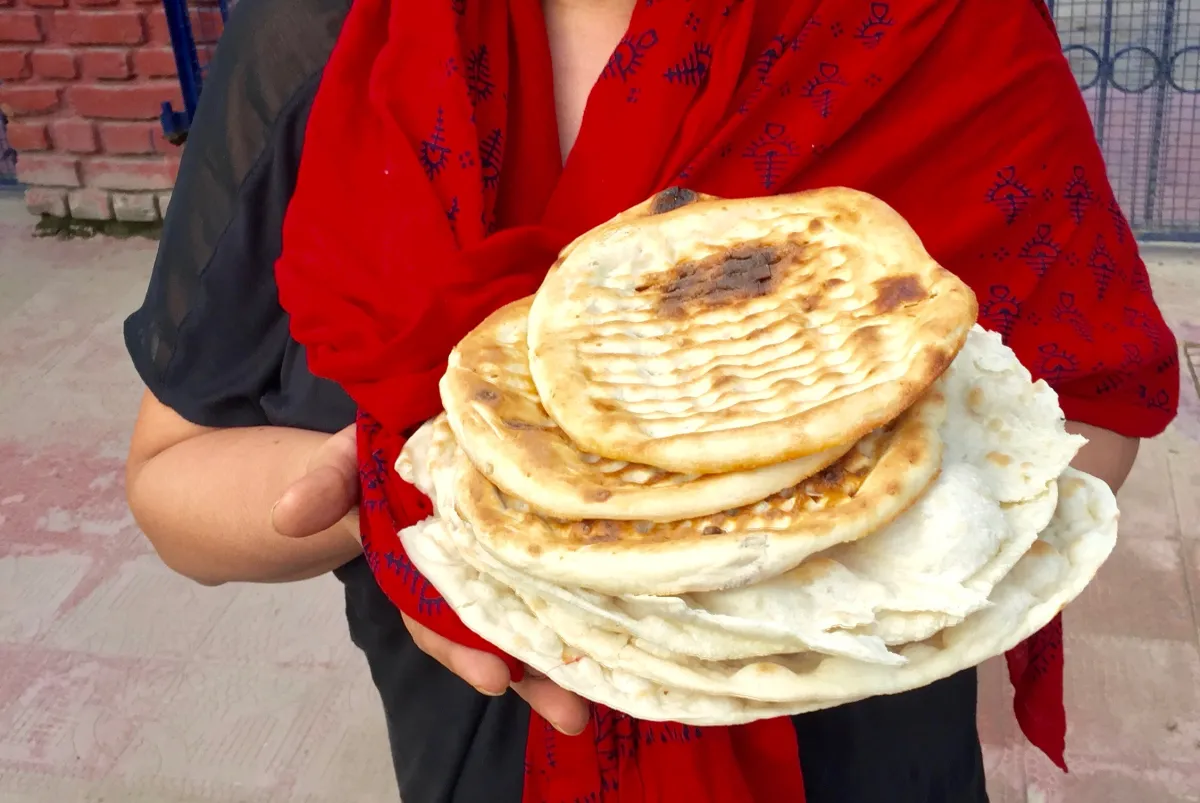
Girda represents the denser, more rustic side of Kashmiri bread. This oval bread has a crispy crust and soft, slightly dense interior. The traditional baking process in clay ovens gives Girda a distinctive flavor and texture that modern baking can't replicate. Girda is typically a breakfast bread, enjoyed with butter and tea, but you'll find it available throughout the day in local bakeries.
Sheermal brings sweetness to Kashmiri bread. This mildly sweet flatbread is made with milk, ghee, and a little sugar. The dough is rolled out and cooked until it develops a golden sheen from an egg wash. Sheermal is slightly sweet, delicately flavored with cardamom, and incredibly soft. It's perfect for sopping up rich gravies or enjoying on its own as a snack.
Tsot is another traditional breakfast bread that's widely available in street food stalls. Round with a shiny top from egg wash, Tsot is slightly sweet and soft-textured. It's typically eaten with butter and tea for breakfast, but also makes an excellent accompaniment to savory dishes throughout the day.
Popular Snacks
Nadir Monje might be Kashmir's most addictive snack. Lotus stem slices are dipped in spiced gram flour batter and deep-fried until golden and crunchy. The lotus stem itself has a mild, slightly sweet flavor and interesting texture that's somewhere between potato and artichoke. The crispy batter and tender interior create perfect contrast. Nader Monje is ubiquitous in Srinagar—every street corner seems to have a vendor frying up fresh batches.
Palak Chaat represents Kashmir's vegetarian street food at its finest. Spinach leaves are battered and fried until crispy, then seasoned with chaat masala and sometimes a sprinkle of lemon juice. The result is a crispy, flavorful snack that's both healthy and indulgent. It's typically served in paper cones, perfect for eating while walking through the market.
Paneer Tikka is available in the evening street food scene. Cubes of cottage cheese are marinated in yogurt and spices, then grilled over charcoal until they develop beautiful char marks and smoky flavor. The paneer stays creamy inside while developing a crispy exterior. Served with green chutney and onion rings, this is popular vegetarian street food.
Masala Tchot is a Kashmiri street food wrap that's gaining popularity. Soft bread (often Lavasa) is filled with spiced potatoes, sometimes with cheese or paneer, rolled up and grilled until crispy. It's Kashmir's answer to the kati roll but with distinctive local flavors. The filling uses Kashmiri spices—fennel, ginger powder, and mild chilies—giving it a different taste profile from other Indian wraps.
Famous Beverages
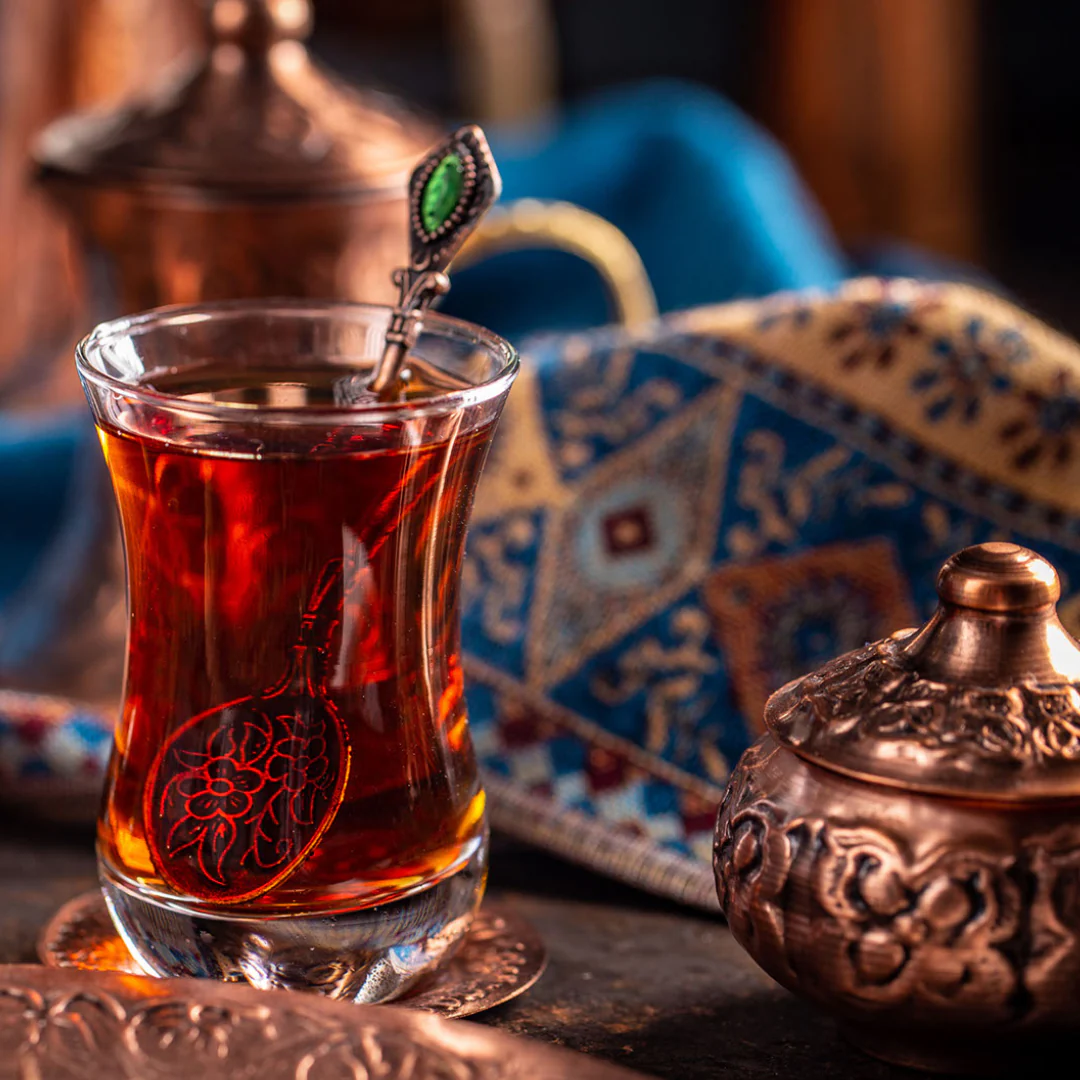
Kahwa is Kashmir's gift to the tea-loving world. This green tea preparation is infused with saffron, cardamom, and sometimes cinnamon. It's served without sugar but often accompanied by honey or sweets. Street vendors, especially in winter, prepare Kahwa in large copper kettles, ladling out steaming cups to grateful customers. The tea is aromatic, warming, and perfect for Kashmir's cold weather. Sipping hot Kahwa while watching Srinagar bustle by is an essential Kashmir experience.
Noon Chai (or Sheer Chai) is Kashmir's unique pink tea. This salted tea is made with special tea leaves, baking soda (which creates the pink color), milk, and salt. The resulting beverage is pink, creamy, and savory—unusual for those accustomed to sweet tea, but addictive once you acquire the taste. Street vendors prepare Noon Chai in large pots, serving it in traditional clay cups that add earthy flavor. It's typically consumed at breakfast with traditional breads.
Rooh Afza and other rose-flavored drinks are popular in summer, offering refreshing relief from the heat. These sweet, floral drinks are served over ice and are especially popular during Ramadan for breaking the fast.
Sweets and Desserts
Halwa Paratha is a beloved breakfast combination. Paratha (flaky fried bread) is served with semolina halwa sweetened with sugar and flavored with cardamom and sometimes saffron. The combination of sweet, rich halwa with flaky, buttery paratha is incredibly satisfying. Street vendors in the old city prepare fresh halwa daily, cooking it in large copper pots until it reaches the perfect consistency.
Phirni is available from sweet shops and street vendors. This creamy rice pudding is made by slow-cooking ground rice with milk, sugar, and sometimes saffron. The pudding is set in earthen bowls that add earthy flavor and are served chilled. Garnished with nuts and sometimes silver leaf, Phirni is a perfect ending to a street food tour.
Best Street Food Areas in Srinagar
Lal Chowk Area
Lal Chowk serves as Srinagar's heart and its street food hub. The area around the clock tower and surrounding streets comes alive with food vendors from morning until night. This is where you'll find the most variety—kebab stalls sizzling with Seekh Kebabs, bread vendors with baskets of fresh Lavasa and Girda, tea vendors with steaming kettles of Kahwa, and sweet shops with copper pots of Halwa.
The atmosphere here is electric—vendors calling out their specialties, the aroma of grilling meat mixing with cardamom-scented steam from tea kettles, shoppers bargaining for spices between snacks. Lal Chowk represents Kashmiri street food at its most vibrant and accessible.
Khayam Chowk
Khayam Chowk, located in the old city, is where locals go for authentic street food experiences. This area feels more traditional than Lal Chowk, with narrow lanes and historic buildings creating atmosphere. The food here is authentic and unpretentious—vendors who've been operating for generations serve specialties their families have perfected.
This is an excellent area for meat dishes—try the Kabargah and Tabakh Maaz here. The bread shops in Khayam Chowk are legendary, baking traditional breads in clay ovens throughout the day. Evening visits are especially atmospheric, with vendors setting up stalls and locals gathering for their favorite snacks.
Residency Road
Residency Road represents the more modern face of Srinagar's street food scene. Here you'll find a mix of traditional Kashmiri street food and modern variations. The area attracts both locals and tourists, so vendors have adapted some dishes to broader tastes while maintaining authentic flavors.
This is an excellent area for sampling different items in one visit—you'll find everything from Nadir Monje to modern chaat variations. The street food here is slightly more hygienic than some other areas, making it a good starting point for visitors new to Kashmiri street food.
Dal Lake Vendors
The floating markets and vendors around Dal Lake offer unique street food experiences. Some vendors operate from small boats, selling snacks to shikara passengers. Others set up temporary stalls along the boulevard in the evening.
Try the sweet corn roasted on the spot, fresh from Kashmir's fields. Some vendors sell traditional snacks like roasted chickpeas or dried fruits. The experience of eating street food while watching the lake reflect the evening sky is uniquely Kashmiri.
Best Restaurants for Authentic Wazwan
Traditional Wazwan Restaurants
While not technically street food, several Srinagar restaurants serve Wazwan in settings that bridge the gap between restaurant dining and street food authenticity. These establishments are where locals go for special occasion meals without the home cooking effort.
Mughal Darbar near Lal Chowk serves excellent Wazwan in a casual, no-frills setting. The food is authentic, portions generous, and prices reasonable. This is where you'll see families celebrating birthdays, groups of friends gathering, and solo diners enjoying a proper Wazwan. The Rogan Josh and Gushtaba here are particularly good.
Ahdoos on Residency Road is legendary, having served Kashmiri cuisine since 1918. While more upscale than typical street food, the Wazwan here is authentic and the historic ambiance adds to the experience. This is where politicians, celebrities, and locals have dined for generations.
Modern Wazwan Experiences
Some newer restaurants are offering modern interpretations of Wazwan while maintaining authenticity. These might feature individual portions instead of shared platters, or lighter versions of traditional dishes. They're worth exploring for a different take on Kashmiri cuisine.
Vegetarian Options in Kashmiri Street Food
Despite Kashmiri cuisine's meat-centric reputation, vegetarians have excellent street food options. The key is knowing what to look for.
Nadir Monje is entirely vegetarian and one of Kashmir's most popular snacks. The lotus stem's unique texture and the spiced batter make these fritters satisfying even without meat.
Palak Chaat offers healthy, delicious vegetarian snacking. The battered, fried spinach is crispy and flavorful, especially when sprinkled with chaat masala.
Dum Aloo is available from street food vendors, though it's more commonly found in restaurants. The Kashmiri version of potato curry is thoroughly satisfying.
HaaKh (collard greens) might be available from some vendors, especially in the old city. Simple preparations with mustard oil and minimal spices let the greens' natural flavor shine.
Bread-based items like Sheermal, Tsot, and Girda are naturally vegetarian and make excellent snacks or meals when paired with chai or purchased with accompaniments.
Paneer Tikka and Masala Tchot with potato or paneer filling are vegetarian adaptations that don't compromise on flavor.
Many street food vendors are happy to explain ingredients and preparation methods, so don't hesitate to ask. Vegetarians can eat very well in Kashmir's street food scene with a little knowledge and willingness to ask questions.
Food Prices and Budget Tips
Street Food Price Guide
Kashmiri street food is generally very affordable, especially compared to restaurant meals. Seekh Kebabs typically cost ₹20-40 per piece depending on size and meat quality. A plate of 4-6 kebabs costs ₹100-150.
Bread items like Lavasa and Girda cost ₹10-20 per piece. Sheermal and Tsot might cost slightly more at ₹15-25. Nadir Monje is typically ₹30-50 for a serving of 5-6 pieces.
Kahwa costs ₹20-40 per cup depending on the quality of saffron and ingredients used. Noon Chai is slightly cheaper at ₹15-30 per cup.
Meals combining kebabs, bread, and tea typically cost ₹150-250 per person, making street food an excellent budget option for travelers.
Budget Eating Tips
Follow the locals: Areas with lots of local customers typically offer the best food at fair prices. Tourist-heavy areas might charge more for lower quality.
Timing matters: Visit during peak meal times when food is freshly prepared and turnover is high. Fresh food tastes better and is safer.
Cash is king: Most street food vendors only accept cash. Carry small denominations to make payment easier.
Share plates: Street food is perfect for sharing. Order multiple items and split them to try more variety without overspending.
Lunch deals: Some areas have lunch specials where vendors offer combinations at fixed prices. These provide excellent value.
Sweet endings: Street food desserts like Phirni or sweet shops offer affordable sweets to complete meals without restaurant dessert prices.
Best Time to Enjoy Street Food
Morning Street Food Scene
Early morning (7-10 AM) is when Kashmir's breakfast street food scene comes alive. Bakeries produce fresh batches of Girda, Tsot, and Sheermal. Halwa Paratha vendors start cooking fresh halwa in large copper pots. Tea vendors prepare their first batches of Kahwa and Noon Chai.
This is the best time to experience traditional Kashmiri breakfast culture. The atmosphere is peaceful, the food is freshest, and you'll see locals starting their day with these rituals. Morning street food is more about sustenance and tradition than snacking.
Afternoon Snacking
Lunchtime (12-3 PM) sees street food vendors catering to hungry workers and shoppers. Kebab grills sizzle continuously, bread vendors replenish stocks, and tea kettles steam busily.
This is a good time for full meals—combinations of kebabs, bread, and perhaps a light vegetarian dish. The food turnover is high, ensuring freshness. Afternoon street food balances quick meals for working people with leisurely eating for shoppers.
Evening Bustle
Evening (4-8 PM) is when street food peaks in energy and variety. Additional vendors set up for the evening rush. The atmosphere becomes festive, with people gathering after work or school to socialize over snacks.
This is the best time for the full street food experience—maximum variety, lively atmosphere, and ideal weather for eating outdoors. Evening is when locals socialize over street food, making it the most authentic experience.
Night Street Food
Some areas, particularly around Lal Chowk and in the old city, have vendors operating until 10-11 PM. Night street food has a different energy—more relaxed, with regular customers stopping by for their favorites.
Night is great for meat dishes—kebabs taste excellent after a day of cooking, and vendors often have their best preparations available. The cooler evening temperatures make hot food more enjoyable.
Hygiene and Safety Tips
Choosing Safe Vendors
Look for high turnover: Vendors with constant customer traffic typically have fresher food. Food sitting out for long periods, especially in warm weather, poses higher risk.
Watch preparation: Vendors who cook food to order are generally safer than those serving pre-cooked food. Grilling, frying, and boiling kill bacteria.
Check cleanliness: Look at the vendor's workspace and hands. While street food isn't sterile, basic cleanliness indicates concern for food safety.
Follow crowds: Places with lots of local customers typically maintain reasonable standards—locals know which vendors to avoid.
Eating Smart
Hot is safe: Food served piping hot is generally safest. The heat kills most bacteria. Be cautious about room temperature foods.
Peel it or boil it: Raw fruits and vegetables from street vendors pose higher risk unless they can be peeled or have been boiled.
Trust your nose: If something smells off, don't eat it. Your nose is often the best food safety detector.
Start slowly: If you're not used to street food, start with simple items and gradually try more complex preparations. Let your stomach adjust.
Carry hand sanitizer: Use it before eating, especially if you've been handling money or touching surfaces.
Bottled water: Drink only bottled or sealed beverages. Avoid ice unless you're certain it's made from purified water.
Special Street Food Experiences
Ramadan Street Food
During Ramadan, Srinagar's street food scene transforms. Vendors set up special stalls for Iftar (breaking the fast), offering traditional foods prepared specifically for this holy month. The atmosphere is festive, with people gathering to break their fast together.
Look for special dishes that appear only during Ramadan. The energy and community feeling make this a special time to experience Kashmiri street food culture.
Festival Food
During festivals like Eid, street food vendors prepare special dishes. Some areas set up temporary markets with specific festival foods. These are excellent times to try traditional dishes you might not find otherwise.
Ask locals about upcoming festivals and where special foods are being sold. Festival foods represent Kashmiri culinary traditions at their most authentic.
Seasonal Specialties
Winter brings special street foods—hot dishes that warm you from inside. Some vendors set up only in cold months, serving warming foods and hot teas. Summer brings lighter fare and refreshing drinks.
Seasonal changes affect what's available and what locals eat. Visit during different seasons to experience the full range of Kashmiri street food.
Bringing Kashmiri Flavors Home
Buying Street Food Ingredients
Srinagar's spice markets, particularly around Lal Chowk, sell all the ingredients you need to recreate Kashmiri street food at home. Kashmiri red chili powder is essential—its color without heat is unique. Fennel powder and ginger powder form the base of many Kashmiri spice blends.
Saffron from Pampore is worth buying for authentic Kahwa and other dishes. Dried fruits and nuts from Kashmir are excellent quality and make great snacks or cooking ingredients.
Simple Recipes to Try
Nadir Monje is relatively simple to make at home if you can find lotus stem. Slice, batter with spiced gram flour, and fry until golden. Kahwa just requires green tea, cardamom, cinnamon, and saffron simmered together.
Lavasa can be made at home with a hot oven or stovetop, though it won't be quite the same as tandoor-cooked. Seekh Kebabs require more equipment but are possible with determination.
Kashmiri street food offers a window into the valley's heart—the warmth of its vendors, the creativity of its cooks, and the flavors that make Kashmir unique. Whether you're sipping Kahwa by Dal Lake, biting into crispy Nadir Monje in Lal Chowk, or enjoying breakfast bread in the old city, you're experiencing Kashmir through its most authentic lens.
The street food scene is approachable, affordable, and incredibly rewarding for adventurous eaters. Don't be afraid to try new things, ask questions, and follow the locals. Some of your best Kashmir memories will come from street food experiences—savors, smells, and moments that capture the essence of this beautiful valley.
For more on Kashmir's food scene, explore our Kashmiri food guide. To plan your food-focused trip to Kashmir, check Kashmir travel guide for restaurant recommendations and food experiences.
Location
Frequently Asked Questions
Q1.What is Kashmiri street food famous for?
Q2.What are the famous Kashmiri street foods?
Q3.Is Kashmiri street food spicy?
Q4.What is the famous non-veg street food of Kashmir?
Q5.What are the vegetarian street food options in Kashmir?
Q6.What are the popular street food markets in Kashmir?
Q7.What is the famous tea of Kashmir?
Q8.Is Kashmiri street food safe to eat?
Recommended For You
Places to Eat in Gulmarg: Mountain Cafes, Kashmiri Food & Top Restaurants
Explore places to eat in Gulmarg with Kashmiri wazwan, hotel dining, mountain cafes, winter food tips, and practical route-based meal planning.
Best Time to Visit Kashmir: Month-by-Month Weather & Activities
Plan the best time to visit Kashmir with month-by-month weather, snow and bloom seasons, and practical guidance for sightseeing, honeymoon, and family travel.
Kashmir: Complete Travel Plan Places And Weather
Complete Kashmir travel guide! Discover best time to visit, places to visit, itineraries, things to do, budget planning & tips for your Kashmir valley trip.
Never Miss an Adventure
Get the latest trekking guides, travel tips, and exclusive offers delivered straight to your inbox.
