
Kashmir Tulip Garden: Timings, Ticket Price & Season

Priya Mehta
November 20, 2025
Visit Asia's largest Kashmir Tulip Garden! Get best time to visit, ticket prices, opening timings, tulip festival dates & complete travel guide for Srinagar.
Asia's Largest Tulip Garden
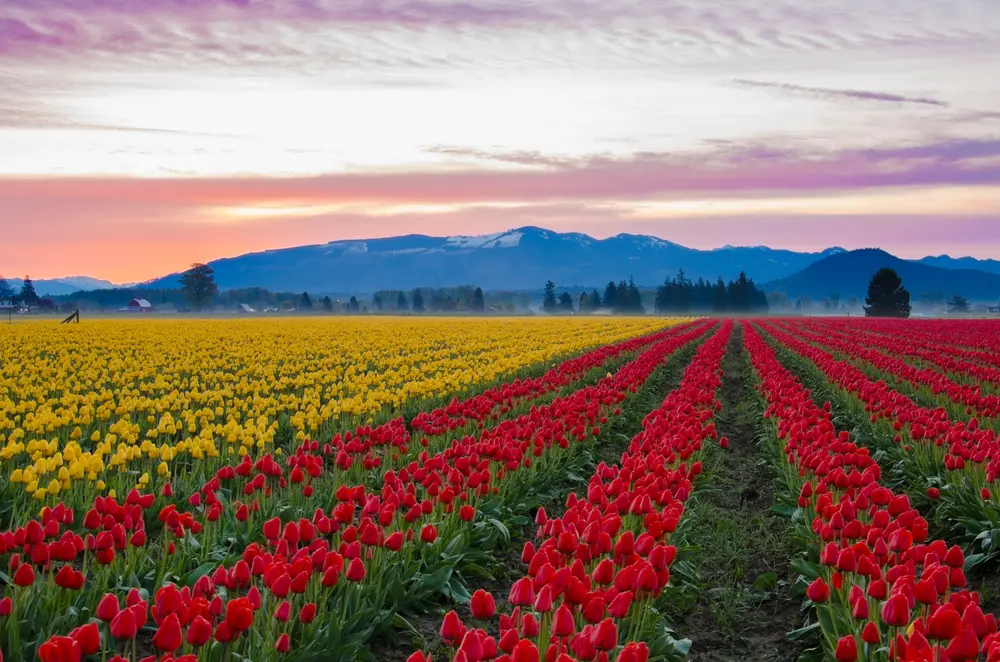
The Indira Gandhi Memorial Tulip Garden in Srinagar stands as Asia's largest tulip garden, a spectacular celebration of spring that draws visitors from across India and around the world. Located at the foothills of Zabarwan Range overlooking Dal Lake, this terraced garden bursts into color every spring, creating one of Kashmir's most iconic visual experiences.
What makes this garden special isn't just its size—it's the dramatic Kashmir landscape that forms its backdrop. Snow-capped mountains, pristine Dal Lake, and the sprawling Srinagar city create stunning contrasts with millions of blooming tulips in seemingly impossible colors. For a few weeks each year, this garden represents Kashmir at its most photogenic and joyous.
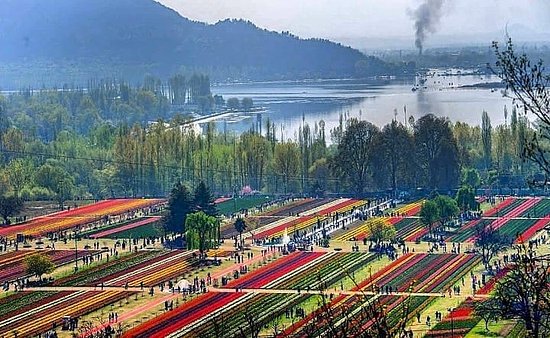
Whether you're a serious photographer, nature lover, or simply someone who appreciates beauty, the Tulip Garden delivers an experience that feels almost unreal—rows upon rows of tulips stretching toward mountains, reflected in lakes, and framed by Kashmir's famous blue skies.
Tulip Garden Opening Dates and Season
Annual Blooming Period
The Kashmir Tulip Garden typically opens in late March, around March 20-25, though the exact date varies each year depending on weather conditions and bloom timing. The garden remains open for approximately 3-4 weeks, closing by mid-April when most tulips have finished blooming.
The opening date is officially announced by Jammu and Kashmir Tourism based on flower bloom progress. Authorities monitor the tulips closely and time the opening to coincide with peak bloom, ensuring visitors see the garden at its most spectacular. Check official tourism websites or local news for the exact opening date each year.
Peak Bloom Season
While the garden is open for about a month, the first two weeks of April typically offer the best experience. This is when the majority of tulips are in full bloom, creating the maximum color impact. Early visitors (late March) might see some varieties still blooming, while late visitors (mid-April) might see some past-prime flowers.
The timing varies slightly by variety—some tulips bloom earlier, others later—but the garden is planned carefully so that different varieties bloom in succession, providing color throughout the open period. However, peak bloom in early April remains the most spectacular time.
Weather Impact
Weather significantly affects bloom timing and duration. Unseasonably warm weather can accelerate blooming and shorten the display. Late snowfall or cold snaps can delay opening and extend blooming. Rain can damage delicate petals.
Each season is different based on winter snowfall and spring temperatures. The garden authorities manage these variables professionally, adjusting opening dates to ensure the best visitor experience. Watching the bloom progress from closed buds to full flower is itself fascinating.
Best Time to Visit Tulip Garden
Optimal Timing Within the Day
Morning visits (7:00 AM - 10:00 AM) offer the most rewarding experience. The light is softer and more photogenic in early morning, creating beautiful illumination of the flowers. Morning dew on tulip petals adds magical sparkle. Crowds are thinner early in the day, allowing peaceful photography and contemplation.
Late afternoon (3:00 PM - 5:00 PM) provides lovely golden hour lighting as the sun begins descending. The warm light enhances tulip colors and creates beautiful backlit effects. Afternoon can be busier but offers excellent photography conditions.
Midday (11:00 AM - 2:00 PM) has the harshest light with strong overhead sun creating deep shadows. However, this is also when the garden is most vibrant and lively. If you visit midday, focus on close-up flower photography rather than wide landscape shots.
Best Days to Visit
Weekdays (Monday-Friday) are significantly less crowded than weekends. If your schedule allows, plan your visit on a weekday for a more relaxed experience. You'll have better photo opportunities without people in every frame and can enjoy the garden more peacefully.
Weekends are busy with local families, tourists, and groups. The atmosphere is festive but crowded. If you must visit on weekends, arrive early (right at 7:00 AM opening) to avoid peak crowds.
Seasonal Considerations
The peak bloom period (typically first week of April) offers maximum visual impact but is also the most crowded. If you prioritize seeing the garden at its absolute best, visit during peak bloom despite crowds. Arrive early or visit on weekdays to minimize crowd impact.
Shoulder periods (last few days of March or second week of April) have fewer visitors but also fewer blooms. If you prefer peaceful experiences and don't mind seeing some flowers not yet bloomed or starting to fade, shoulder periods offer better value.
Tulip Garden Ticket Price and Booking
Entry Fee Structure
Adults: Approximately ₹60 per person
Children: Approximately ₹25 per child
Foreign Tourists: Slightly higher fees (approximately ₹100-150)
Camera: Some reports mention additional camera fees, though this varies
Prices are subject to change each season, so check current rates before visiting. The garden is managed by Jammu and Kashmir Tourism, so official tourism websites will have accurate, updated pricing.
Ticket Booking Options
On-Site Purchase: Tickets are available at the garden entrance. The ticket booth opens at the same time as the garden (7:00 AM). During peak periods, queues can form, especially on weekends. Arriving early helps avoid ticket lines.
Online Booking: Online ticket booking is sometimes available through official J&K Tourism websites, though availability varies by year. Online booking can save time at the entrance, especially during busy periods. Check the official tourism website to see if online booking is available for the current season.
Package Tours: Many travel agencies and tour operators include Tulip Garden visits in Kashmir tour packages. These packages handle ticketing and logistics, providing hassle-free visits. This option works well if you're already taking a guided tour.
Payment Methods
Cash is universally accepted at the ticket counter. Digital payments (UPI, cards) might be accepted but shouldn't be relied upon exclusively. Carry sufficient cash for entry fees and any additional expenses within the garden.
Opening Timings and Days Closed
Daily Schedule
Opening Time: 7:00 AM
Closing Time: 7:30 PM (approximately)
Last Entry: Typically 6:30 PM
The garden opens early to accommodate visitors who want to avoid crowds and harsh midday sun. The long operating hours (over 12 hours) give flexibility in planning visits around other sightseeing.
Days Open
The Tulip Garden is open seven days a week during the blooming season. There are no weekly closed days—every day offers viewing opportunities while the flowers last. This daily operation accommodates the short blooming period and high visitor demand.
Seasonal Operation
The garden is only open during the tulip blooming season (approximately 3-4 weeks from late March to mid-April). Outside this period, the garden closes to visitors while authorities prepare for the next season. Don't plan to visit outside the announced blooming period—the garden will not be accessible.
How to Reach Tulip Garden Srinagar
Location
The Indira Gandhi Memorial Tulip Garden is located in Srinagar at the foothills of the Zabarwan Range, near the famous Chashme Shahi Mughal Garden. The address is:
Indira Gandhi Memorial Tulip Garden
Chashme Shahi Road
>Srinagar, Jammu & Kashmir
Near: Chashme Shahi Mughal Garden
From Srinagar City Center
Distance: Approximately 8-10 kilometers from Lal Chowk (city center)
Travel Time: 20-30 minutes by car depending on traffic
Route: Via Chashme Shahi Road through the Raj Bhawan area
From Dal Lake
Distance: Approximately 5-7 kilometers from Boulevard Road (Dal Lake)
Travel Time: 15-20 minutes by car
Route: Via Chashme Shahi Road, the garden is quite close to the lake
Transport Options
Taxi/Auto-Rickshaw: The most convenient option. Taxis are readily available from Srinagar hotels, Dal Lake houseboats, and the city center. Auto-rickshaws are cheaper but might be less comfortable for the distance.
Private Vehicle: If you have a hired car for your Kashmir trip, driving to the Tulip Garden is straightforward. Parking is available near the entrance, though it fills up quickly during peak times.
Tour Bus: Many organized tours include the Tulip Garden in their itineraries and handle transportation. This is a hassle-free option if you're already on a group tour.
Nearby Landmarks
>The garden is located close to several other attractions. Chashme Shahi Mughal Garden is practically next door. Pari Mahal is nearby on the same road. These can be combined into a half-day sightseeing itinerary covering Srinagar's Mughal heritage.Varieties of Tulips and Flower Sections
Tulip Diversity
The Tulip Garden boasts over 60 varieties of tulips, showcasing the incredible diversity of this beloved flower. The garden features tulips in nearly every imaginable color—classic reds and yellows, rare purples and blacks, delicate pinks and whites, and striking multi-colored varieties.
Popular tulip varieties in the garden include:
- Standard varieties: Classic single-flower tulips in solid colors
- Double-flower tulips: With extra petals creating fuller, peony-like flowers
- Parrot tulips: With ruffled, curled petals in exotic colors
- Lily-flowered tulips: With pointed petals resembling lilies
- Fringed tulips: With serrated petal edges
- Tri-color tulips: With striking color combinations
Garden Layout
The garden is arranged in terraced sections following the natural slope of the land. Each terrace features different color combinations and varieties, creating a visually stunning effect from multiple viewing angles. The terraced design allows visitors to see flowers from above and below, providing different perspectives on the colorful displays.
Well-maintained pathways wind through the tulip beds, allowing close-up viewing while protecting the flowers. Raised viewing platforms provide elevated vantage points for photography and panoramic views of the entire garden with Dal Lake and mountains as backdrop.
Other Flowers
While tulips are the stars, the garden also features other spring-blooming flowers including daffodils, hyacinths, and ranunculus. These companion flowers add variety and extend the blooming period. The combination of different flower types creates more complex and interesting displays.
Total Flower Count
The garden contains approximately 1.5 million tulips spread across its terraced sections. This massive number of flowers creates the overwhelming color impact that makes the garden famous. Walking through millions of blooming tulips is an experience that's difficult to describe—the colors seem endless, and the floral scent fills the air.
Tulip Festival Highlights
About the Tulip Festival
The annual Kashmir Tulip Festival coincides with the garden's peak bloom period, typically scheduled for the first two weeks of April. The festival celebrates spring and Kashmir's natural beauty with the tulip garden as centerpiece.
Festival Features
Cultural Programs: Traditional Kashmiri music and dance performances occur throughout the festival. Folk artists perform in designated areas, adding cultural richness to the natural beauty.
Photography Exhibitions: Local photographers display work featuring Kashmir's landscapes, flora, and culture. These exhibitions provide cultural context and showcase local talent.
Food Stalls: Local vendors set up stalls serving Kashmiri cuisine and snacks. Try traditional Kahwa tea, Kashmiri breads, and local sweets while enjoying the flowers.
Handicraft Sales: Local artisans sell traditional Kashmiri handicrafts including papier-mâché items, pashmina shawls, and wooden carvings. This is an excellent opportunity to buy authentic Kashmiri souvenirs directly from artisans.
Competitions: Photography competitions and other contests are sometimes held during the festival, encouraging visitor participation.
Festival Atmosphere
The Tulip Festival transforms the garden from a scenic spot into a vibrant celebration. The energy is festive with families picnicking, photographers at work, and visitors enjoying the combination of natural beauty and cultural programming. The festival represents Kashmir at its welcoming best.
Planning for Festival Visits
The festival period is the busiest time at the garden. If you want to experience festival activities but avoid peak crowds, visit on weekdays and arrive early. Festival programming typically occurs midday, so early mornings and late afternoons are relatively quieter despite the festival.
Photography Tips and Best Spots
Best Photography Locations
Raised Viewing Platforms: Several elevated platforms provide excellent vantage points for photographing vast tulip beds with Dal Lake and mountains as backdrop. These are iconic photo spots that capture the essence of Kashmir's tulip experience.
Terrace Edges: The upper terraces overlook lower sections, creating layered compositions with multiple color bands. The terraced design provides natural framing and depth.
Pathway Curves: Winding pathways create leading lines and natural framing. Photograph from pathways into tulip beds for depth and perspective.
Lighting Considerations
Golden Hour: Early morning and late afternoon provide the most flattering light. The soft, warm light enhances tulip colors and creates beautiful backlighting effects. Morning dew adds sparkle to close-up shots.
Overcast Days: Cloudy, diffused light is actually excellent for flower photography. Colors appear saturated, and there are no harsh shadows. Overcast days are ideal for close-up tulip photography.
Avoid Midday: Strong overhead sun creates harsh shadows and washed-out colors. If you must shoot midday, focus on close-ups in shaded areas or use fill flash/reflectors.
Equipment Recommendations
Camera: Any camera works, but DSLR/mirrorless cameras with manual controls offer best results. Phone cameras can capture excellent tulip photos with proper technique.
Lenses: A macro lens is ideal for close-up tulip photography. A standard zoom (24-70mm) works well for general scenes. A telephoto lens (70-200mm) compresses layers of tulip beds beautifully.
Accessories: A polarizing filter reduces glare and enhances colors. A small reflector helps fill shadows in close-up shots. Extra batteries are essential—cold drains batteries quickly.
Photography Etiquette
Stay on designated pathways—don't step into tulip beds for photos. Respect other visitors' photo opportunities. Don't block pathways with tripods for extended periods. Be patient waiting for photo opportunities rather than crowding. The garden gets busy—respect personal space.
Things to Do Inside the Garden
Leisure Activities
Walking and Contemplation: Simply walking through the garden, taking time to appreciate the flowers, is the primary activity. The terraced design provides varied views from different angles. Benches are placed throughout for resting and prolonged flower viewing.
Picnicking: While formal picnicking on the grass might not be allowed (to protect flowers), families often find spots to sit and enjoy snacks together. The garden has designated rest areas.
Nature Observation: Beyond tulips, the garden attracts birds and butterflies. Nature enthusiasts enjoy observing local wildlife amidst the flowers.
Cultural Experiences
During the Tulip Festival, enjoy cultural performances, photography exhibitions, and food stalls. The festival adds cultural dimensions to the natural beauty.
Shopping for Kashmiri handicrafts from festival vendors provides cultural insights and souvenir opportunities. Traditional items like papier-mâché and pashmina make meaningful purchases.
Photography
Photography is the most popular activity at the Tulip Garden. Whether you're a professional photographer or casual phone shooter, the endless colorful subjects provide rewarding photography opportunities. Take your time, explore different angles, and capture memories of this spectacular display.
Nearby Attractions to Combine
Chashme Shahi Mughal Garden
Located practically next door, Chashme Shahi is one of Srinagar's famous Mughal gardens. Built by Shah Jahan in 1632, this terraced garden features an iconic natural spring. The garden's Persian-style architecture, cascading fountains, and panoramic views complement the Tulip Garden visit perfectly. Combine both in a single morning.
Pari Mahal
This historic monument overlooking Dal Lake is a short drive from the Tulip Garden. Pari Mahal (Fairy Palace) is a seven-terraced garden with ancient ruins offering stunning views of Srinagar and Dal Lake. The monument's architecture and historical significance provide cultural context to the natural beauty of tulips.
Dal Lake
After visiting the Tulip Garden, head to Dal Lake for shikara rides or houseboat experiences. The lake is only 10-15 minutes away and provides a completely different but equally iconic Kashmir experience. Morning tulip viewing followed by afternoon Dal Lake activities makes for a perfect day.
Shankaracharya Temple
Located on a hill in Srinagar, this ancient Shiva temple offers panoramic city views. The temple is approximately 15 minutes from the Tulip Garden and provides cultural and spiritual dimensions to balance the natural beauty of tulips.
Suggested Itinerary
Morning: Visit Tulip Garden (7:00-9:00 AM) to avoid crowds and catch best light. Then explore Chashme Shahi Garden (9:30-10:30 AM). Visit Pari Mahal for views (11:00 AM-12:00 PM). Afternoon: Head to Dal Lake for shikara ride and lunch. This itinerary covers Srinagar's highlights efficiently.
Tips for Visitors
Crowd Management
Visit on weekdays if possible. Arrive at opening time (7:00 AM) or late afternoon (after 3:00 PM) to avoid peak crowds. Be patient with photography—wait for moments between groups of people. Focus on close-up shots if wide shots are constantly crowded.
Weather Preparation
March-April weather in Srinagar is unpredictable. Mornings can be cool (10-15°C) while afternoons warm up (20-25°C). Dress in layers. Carry a light jacket for early morning. Wear comfortable walking shoes—the garden involves considerable walking on paths. Bring sun protection (hat, sunglasses, sunscreen) for midday.
Packing List
- Comfortable walking shoes with good grip
- Light jacket or sweater for morning coolness
- Sun protection (hat, sunglasses, sunscreen)
- Camera with fully charged battery and memory cards
- Cash for entry fees and purchases
- Water bottle (stay hydrated)
- Small backpack for carrying items
Photography Tips
Don't just take wide shots of tulip beds—also capture close-up details of individual flowers. Include people in some photos for scale and human interest. Try different angles and perspectives. Take advantage of morning light and dew. Be patient waiting for clear shots between groups of visitors.
Time Management
Plan 1-2 hours for the Tulip Garden depending on your interest level. Serious photographers might want 2-3 hours. Combine the garden visit with nearby attractions for efficient sightseeing. Check current opening dates and times before visiting—the schedule varies yearly.
Respect the Garden
Stay on designated pathways—don't enter tulip beds for photos. Don't pick flowers—they're protected. Dispose of trash properly in provided bins. Keep noise levels respectful so all visitors can enjoy the peaceful atmosphere. Follow all garden rules posted at entrance.
Special Considerations
The garden is only open for 3-4 weeks annually—timing is critical. Don't plan visits outside announced blooming periods. Entry fees are modest but carry exact change to avoid issues. The garden can get very crowded on weekends—manage expectations accordingly.
The Indira Gandhi Memorial Tulip Garden represents Kashmir at its most vibrant and photogenic. For a few precious weeks each spring, this terraced garden showcases millions of tulips against one of the world's most beautiful backdrops—snowy mountains, pristine lake, and Valley of Heaven scenery. Whether you're a serious photographer, nature enthusiast, or simply someone who appreciates extraordinary beauty, the Tulip Garden delivers experiences that become lifelong memories.
Planning a Kashmir trip around the tulip bloom requires timing your visit carefully, but the reward is witnessing one of Asia's most spectacular floral displays. The combination of meticulous garden design, Kashmir's legendary landscape, and the ephemeral nature of the bloom creates urgency and exclusivity—you must see it now, or wait another year.
For more on planning your Kashmir trip, check our Kashmir travel guide. For spring timing information, explore best time to visit Kashmir to coordinate your tulip garden visit with other seasonal experiences.
Location
Frequently Asked Questions
Q1.What is Kashmir Tulip Garden famous for?
Q2.When is the best time to visit Tulip Garden?
Q3.What are the timings of Tulip Garden?
Q4.Is there an entry fee for Tulip Garden?
Q5.How do I reach Tulip Garden from Srinagar?
Q6.How many tulips are there in Tulip Garden?
Q7.How much time is needed at Tulip Garden?
Q8.Best time for photography at Tulip Garden?
Recommended For You
Botanical Garden Srinagar: Timings, Tulip Season & Visitor Details
Explore Botanical Garden Srinagar Kashmir - home to Asia's largest tulip garden. Complete guide to timings, entry fee, best season, attractions & nearby places to visit.
Floating Gardens of Dal Lake: Kashmir Wonder
Discover Dal Lake's floating gardens: RAD system, vegetable cultivation & unique Kashmiri tradition. Complete guide with photos & insights.
Kashmir: Complete Travel Plan Places And Weather
Complete Kashmir travel guide! Discover best time to visit, places to visit, itineraries, things to do, budget planning & tips for your Kashmir valley trip.
Never Miss an Adventure
Get the latest trekking guides, travel tips, and exclusive offers delivered straight to your inbox.
