
Floating Gardens of Dal Lake: Kashmir Wonder

Priya Mehta
January 2, 2026
Discover Dal Lake's floating gardens: RAD system, vegetable cultivation & unique Kashmiri tradition. Complete guide with photos & insights.
Introduction: Dal Lake's Floating Agricultural Marvel
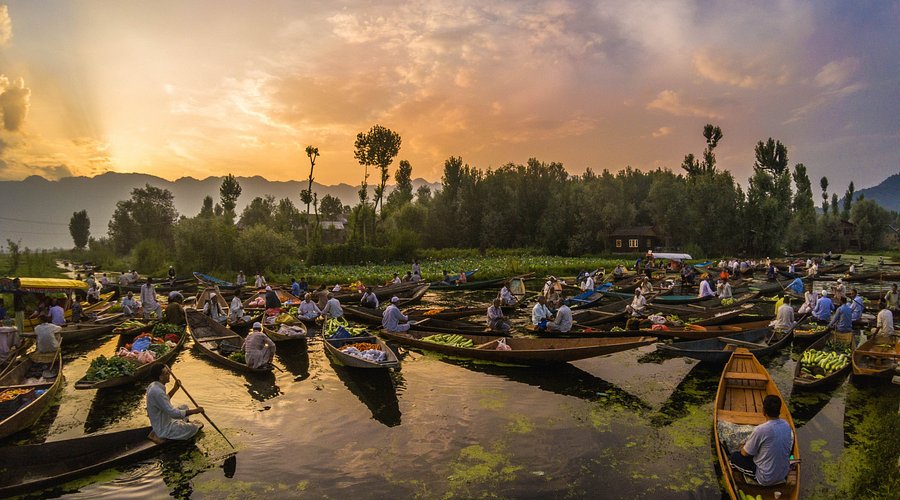
Dal Lake, the jewel of Srinagar, is famous for many things - its shikaras, houseboats, and stunning mountain views. But one of its most fascinating and unique features often goes unnoticed by casual tourists: the floating gardens. Known locally as RAD (Raad), these man-made islands of vegetation float on the lake's surface, creating a remarkable agricultural system found nowhere else in India. This ancient Kashmiri tradition dates back centuries and represents one of the most innovative forms of cultivation in the world. For travelers planning a visit to the best places to visit in Kashmir, exploring these floating gardens should be on your itinerary.
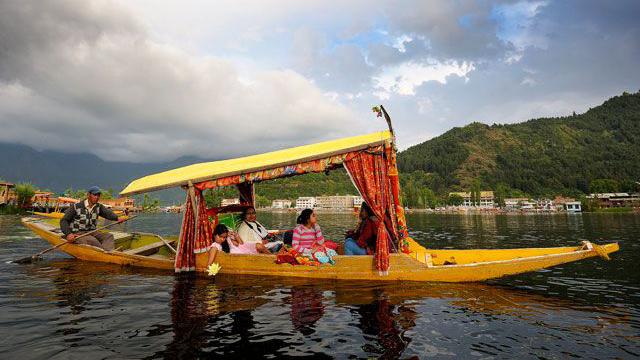
These floating gardens are not just visually beautiful - they're fully functional agricultural plots where local farmers grow a variety of vegetables and flowers. The gardens float freely on the water surface, anchored in place to prevent drifting. From a distance, they appear as lush green islands dotting the lake's expanse. Up close, they reveal themselves as sophisticated farming systems, carefully constructed and maintained by generations of Kashmiri farmers who have perfected this unique method of cultivation. Taking a shikara ride in Kashmir is the best way to experience these gardens up close.
What are RAD (Floating Gardens)?
Meaning & Origin
RAD, pronounced "Raad" in Kashmiri, translates to "floating island" - an apt name for these remarkable land masses that float freely on Dal Lake's surface. The tradition of creating floating gardens in Kashmir dates back several centuries, with historical records suggesting they've been in use for over 400 years. This knowledge has been passed down through generations of Kashmiri farmers, each adding their expertise to refine the techniques used to create and maintain these unique gardens.
The origins of RAD are closely tied to Kashmir's geography and history. In a valley surrounded by mountains, where arable land was limited and the lake was abundant, local communities developed innovative ways to utilize every available resource for agriculture. The floating gardens emerged as a solution to land scarcity while also providing a unique agricultural system that takes advantage of the lake's constant water supply and nutrient-rich environment. The region's natural beauty makes it one of the best places to visit in Kashmir, offering unique experiences beyond typical tourist attractions.
Structure & Size
RAD are essentially floating islands composed of vegetation and soil that float on Dal Lake's surface. They vary tremendously in size - from small plots measuring just 10x10 feet to massive islands spanning several acres. The thickness of a floating garden typically ranges from 1-2 meters, providing enough depth for plant roots to establish themselves securely.
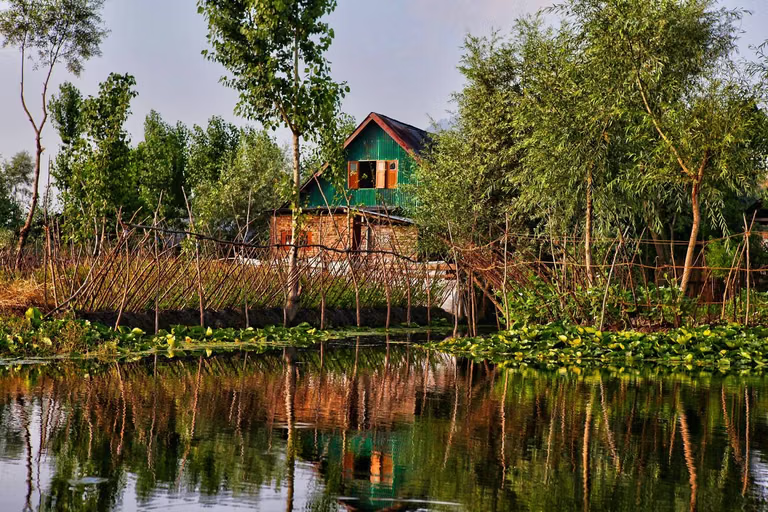
These floating land masses are not natural formations but are entirely man-made, constructed carefully by farmers using traditional techniques passed down through generations. Despite their artificial origin, once established, RAD become self-sustaining ecosystems that can remain productive for decades. The gardens are anchored in place using ropes tied to stones or wooden poles driven into the lake bed, preventing them from drifting away with wind or currents.
Location in Dal Lake
The floating gardens are distributed throughout Dal Lake, though they're more concentrated in certain areas. They're typically found in the shallower waters of the lake, where the water depth is optimal for their establishment and maintenance. Many gardens are strategically positioned near houseboats and residential areas, making them easily accessible for the farmers who tend to them daily. For those interested in learning more about Dal Lake in Srinagar, the floating gardens are an integral part of the lake's ecosystem and cultural heritage.
The location of each RAD is carefully chosen based on factors like water depth, protection from strong currents, and accessibility from the shore or via shikara. The most productive gardens are found in areas where the water is calm, nutrient-rich, and not too deep - conditions that allow for optimal plant growth and easy maintenance.
How Floating Gardens are Made
Natural Formation Process
While most RAD today are intentionally created, some floating islands form naturally in Dal Lake through an accumulation process. This natural formation begins with aquatic plants, particularly water hyacinth, growing and spreading in the lake. As these plants die and decompose, they create a layer of organic matter. Over time, silt and sediment settle on this vegetation base, adding weight and substance to the floating mass.
This process continues for years, with layer upon layer of vegetation and silt accumulating. Eventually, a substantial floating land mass is formed - thick enough to support agricultural cultivation. Natural RAD formation is a slow process that can take decades, but it results in extremely stable and fertile floating islands.
Artificial Creation Methods
Kashmiri farmers have developed sophisticated techniques for creating new floating gardens artificially, a process that takes 2-3 years from start to finish. The process begins with willow logs, which form the foundation or base of the floating garden. Willow is preferred because it's readily available in Kashmir and resists rotting in water.
On top of this willow log foundation, farmers add layers of aquatic weeds, particularly water hyacinth and other lake vegetation. These layers are mixed with lake silt, which is rich in nutrients and organic matter. The mixture is compacted thoroughly, creating a dense, heavy growing medium. This process is repeated multiple times, with each layer adding thickness and stability to the floating island.
Once the desired thickness is achieved, the garden is anchored in place using ropes tied to heavy stones or wooden poles driven into the lake bed. The anchoring system is crucial - it prevents the garden from drifting while allowing it to rise and fall with changing water levels, a natural occurrence in Dal Lake.
Maintenance & Upkeep
Creating a floating garden is just the beginning - maintaining it requires regular, ongoing effort. Farmers must continuously add fresh organic material to the surface to replenish nutrients and maintain the garden's thickness. As plants grow and are harvested, they remove nutrients from the soil, which must be replaced through regular additions of silt, organic matter, and sometimes even decomposed plant material.
Weed control is an ongoing challenge, as the nutrient-rich environment encourages vigorous weed growth. Farmers spend considerable time manually removing weeds to prevent them from competing with cultivated plants. The boundaries of each RAD also require maintenance - edges can erode or break away, so farmers regularly reinforce them with additional material.
Checking and maintaining the anchoring system is another critical task. Ropes can fray or break, and anchors can come loose during storms or high winds. A well-maintained anchoring system ensures the RAD stays in place and doesn't drift away, potentially colliding with houseboats or other gardens.
What Grows in Floating Gardens
Vegetables
The floating gardens of Dal Lake are incredibly productive, yielding a diverse array of vegetables that supply markets throughout Srinagar. The most commonly grown vegetables include:
Tomatoes: Perhaps the most successful crop in RAD, tomatoes thrive in the nutrient-rich soil of floating gardens. The constant moisture from below and abundant sunlight from above creates ideal growing conditions. Kashmiri tomatoes from floating gardens are prized for their flavor and quality.
Cucumber: Another very successful crop, cucumbers grow vigorously on floating gardens. The vines can spread across the garden surface, and the constant water supply ensures steady fruit development.
Pumpkin: With their large leaves and sprawling growth habit, pumpkins are well-suited to RAD. The substantial plants anchor well in the floating soil and produce generous harvests.
Bottle Gourd: This climbing vegetable grows exceptionally well on floating gardens. The vines can be trained to grow vertically, maximizing the limited space available.
Bitter Gourd: A popular vegetable in Kashmiri cuisine, bitter gourd thrives in the warm, humid environment of floating gardens.
Peppers (Capsicum): Both hot and sweet peppers grow successfully on RAD, benefiting from the consistent moisture and nutrient supply.
Eggplant (Brinjal): This staple vegetable in Kashmiri cooking grows well on floating gardens, producing abundant crops during the growing season.
Leafy Greens: Various leafy vegetables including spinach, mustard greens, and local varieties of saag are cultivated. These fast-growing crops provide continuous harvests throughout the season.
Radish: Root vegetables like radish grow well in the loose, rich soil of floating gardens. The constant moisture encourages healthy root development.
Melons: Watermelons and other melons are grown during the summer months, taking advantage of the full sun and warmth that floating gardens receive.
Flowers
Besides vegetables, floating gardens produce beautiful flowers that serve both ornamental and practical purposes:
Lotus: The iconic lotus flower grows extensively in Dal Lake, both in natural areas and on the edges of floating gardens. These magnificent flowers are not just beautiful - every part of the lotus plant has culinary or medicinal use in Kashmir.
Water Lilies: These beautiful aquatic flowers often grow around the edges of RAD, adding color and beauty to the floating gardens.
Marigolds: Widely grown for religious ceremonies and festivals, marigolds thrive in the floating garden environment.
Roses: Several varieties of roses are cultivated, providing flowers for local markets and religious offerings.
Other Seasonal Flowers: Depending on the season, farmers grow various ornamental flowers that are in demand for festivals, weddings, and religious ceremonies.
Fruits
While less common than vegetables, some fruit varieties are successfully cultivated on floating gardens:
Melons: Watermelons and muskmelons are the most commonly grown fruits on RAD. They thrive during the hot summer months and are an important cash crop for farmers.
Small Fruits: Some farmers grow small fruits like strawberries on floating gardens, though this is less common and requires specific conditions.
Cultivation decisions are largely based on market demand - farmers grow what sells well in Srinagar's markets. The ability to grow multiple crops per year on the same RAD makes floating gardens an economically viable form of agriculture despite the maintenance they require.
Cultivation Techniques
Planting Methods
Floating garden farmers employ several planting techniques, depending on the crop and season:
Direct Sowing: Some crops, like leafy greens and root vegetables, are sown directly into the soil of the floating garden. Seeds are planted in carefully spaced rows or broadcast across the surface, depending on the crop's requirements.
Seedling Transplantation: Many vegetables are first grown in nurseries on the shore or in smaller floating seedling beds. Once the seedlings are established and strong enough, they're transplanted to the main RAD. This method gives the plants a better survival rate and allows farmers to get a head start on the growing season.
Season Timing: Farmers carefully time their planting based on seasonal patterns. Spring planting happens in March-April, summer crops go in during May-June, and autumn varieties are planted in August-September. This staggered planting ensures continuous harvests throughout the growing season.
Soil Preparation
Before planting, farmers prepare the soil of the floating garden carefully. This involves adding fresh layers of nutrient-rich lake silt, which serves as a natural fertilizer. The soil is loosened to allow for good root penetration, and any weeds from previous plantings are removed. Some farmers add decomposed organic matter to enrich the soil further.
The preparation process is labor-intensive but crucial for successful cultivation. The rich, loose soil of well-maintained RAD is one of the reasons why crops grown on floating gardens are so productive.
Nutrient Management
One of the advantages of floating gardens is the constant supply of nutrients from the lake water below. However, farmers still actively manage soil fertility through several techniques:
Regular Silt Addition: Lake silt is incredibly rich in organic matter and nutrients. Farmers regularly add fresh layers of silt to their RAD, essentially fertilizing the soil naturally.
Organic Matter: Decomposed plant material, compost, and sometimes animal manure are added to replenish nutrients that crops have removed from the soil.
Crop Rotation: Farmers practice traditional crop rotation, planting different crops in succession to prevent nutrient depletion and break pest cycles.
Water Management
While floating gardens don't need irrigation in the traditional sense, water management is still important:
Natural Moisture: The lake water naturally wicks up into the garden soil, keeping it consistently moist. This is one of the main advantages of RAD - crops never experience water stress.
Drainage: Excess water drains naturally through the garden base back into the lake, preventing waterlogging even during heavy rains.
Water Level Changes: Dal Lake's water level varies seasonally. Floating gardens rise and fall with these changes automatically, maintaining their position relative to the water surface - a self-regulating system that farmers have learned to work with rather than against.
Economic Importance
Local Economy
Floating gardens are an important source of income for numerous families in Srinagar. The vegetables and flowers produced supply local markets throughout the city, providing fresh, locally-grown produce to residents. Many families have been tending RAD for generations, with agricultural knowledge passed down from father to son.
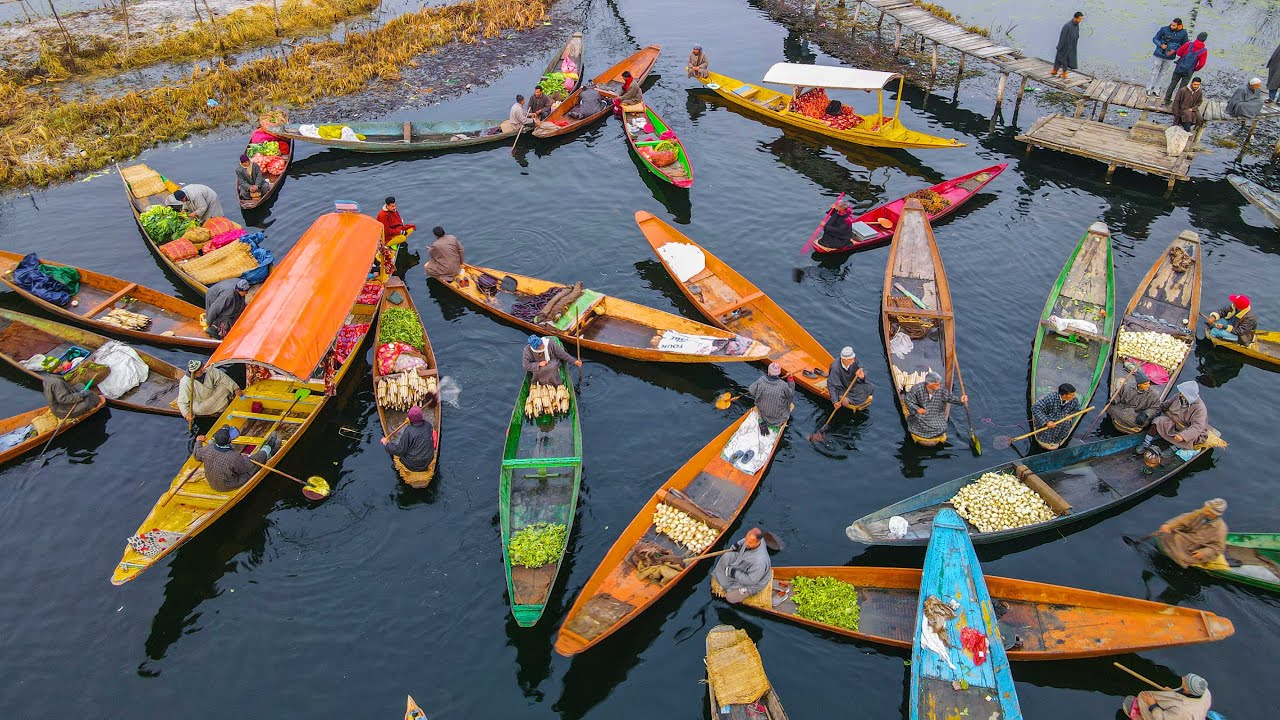
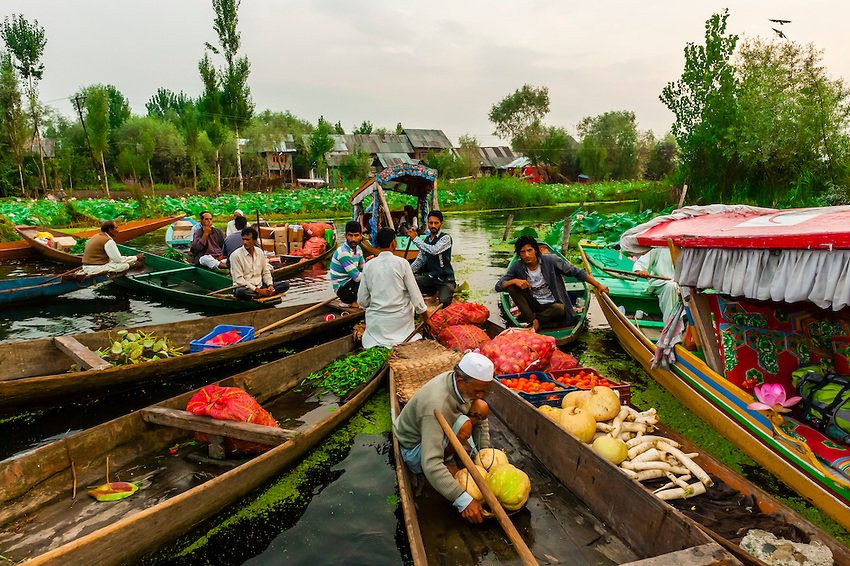
The income from floating garden agriculture, while not sufficient to make families wealthy, provides a reliable livelihood that has sustained communities for centuries. The daily harvest from RAD is transported by shikara to markets on the shore, where it's sold to vendors and directly to consumers. The freshness and quality of RAD-grown vegetables make them popular in local markets.
Beyond direct sales to markets, floating gardens also supply vegetables to houseboats and hotels around Dal Lake. This direct-to-consumer model eliminates middlemen and ensures farmers receive fair prices for their produce. Many houseboat owners have direct relationships with RAD farmers, purchasing fresh vegetables daily for their guests.
Tourism Value
In recent years, floating gardens have become an attraction in their own right, drawing tourists who are curious about this unique agricultural system. Shikara tours often include passes through areas with floating gardens, allowing visitors to see them up close. Some tours even include stops where tourists can speak with farmers and learn about RAD cultivation techniques.
The visual appeal of floating gardens - with their neat rows of vegetables, colorful flowers, and the backdrop of Dal Lake and mountains - makes them incredibly photogenic. They've become Instagram-famous, with images of Kashmir's floating gardens appearing on social media feeds worldwide, drawing more curious visitors to experience them firsthand.
This tourism interest has created additional economic opportunities for RAD farmers. Some now offer guided tours of their gardens, explaining the cultivation process and answering questions. Others sell fresh vegetables and flowers directly to tourists from their shikaras. This supplementary income helps farmers maintain their traditional way of life in the face of modernization pressures.
Cultural Heritage
Beyond their economic value, floating gardens represent an important part of Kashmir's cultural heritage. They're a living example of traditional knowledge and innovation - a system developed by local communities to solve specific geographical challenges. Preserving this agricultural tradition means preserving a piece of Kashmiri identity and history.
The techniques used to create and maintain RAD are not documented in books but passed orally from generation to generation. This traditional knowledge represents centuries of observation, experimentation, and adaptation to local conditions. Losing this knowledge would mean losing an important part of Kashmir's cultural heritage.
Visitor Experience
What to Expect
Visiting Dal Lake's floating gardens is a unique experience that combines natural beauty with cultural immersion. Most visitors experience RAD as part of a shikara tour - the traditional wooden boats of Kashmir. As your shikara glides through channels and passages between houseboats, you'll suddenly come upon areas dotted with these floating islands of green.
Up close, floating gardens reveal themselves as meticulously tended agricultural plots. You'll see neat rows of vegetables, farmers working the soil with traditional tools, and colorful patches of flowers mixed in with edible crops. The sight is unexpectedly orderly - each RAD is divided into plots, with pathways for farmers to walk between different crops.
From the shikara, you can observe farmers going about their daily work - planting, weeding, harvesting, and maintaining their gardens. Many farmers are accustomed to tourists and will wave or even pause to answer questions. The interaction provides a glimpse into a traditional way of life that has continued unchanged for centuries.
Best Time to Visit
The best time to see floating gardens at their most productive is during the summer months from June to September. This is when the gardens are lush and green, filled with growing vegetables and blooming flowers. The warm weather and long daylight hours mean crops are at their peak, and farmers are busy with daily maintenance and harvesting.
Summer (June-September): Peak season for RAD. Gardens are fully planted and productive. You'll see the greatest variety of crops and the most agricultural activity.
Spring (March-May): Planting season. Gardens are being prepared for the main growing season. You can observe farmers preparing soil, transplanting seedlings, and early season crops.
Autumn (October-November): Harvest time for many crops. Gardens are still productive but beginning to wind down for winter.
Winter (December-February): Floating gardens are less active during winter. Some cold-hardy crops may still grow, but most RAD lie fallow or are covered with protective mulch awaiting spring.
Tour Options
Most visitors experience floating gardens as part of a broader Dal Lake shikara tour. Standard tours include passes through areas with RAD, giving you views and photo opportunities. For a more in-depth experience, consider specialized tours that focus specifically on the floating gardens and their cultivation.
These specialized tours are often led by guides who have deep knowledge of RAD agriculture and can explain the techniques, history, and cultural significance of floating gardens. Some tours include stops where you can speak directly with farmers, examine the soil and plants up close, and even purchase fresh vegetables.
Photography Tips
Best Light: Early morning (6-8 AM) and late afternoon (4-6 PM) provide the most beautiful light for photography. The soft, golden light enhances the colors of the gardens and creates a magical atmosphere.
Angles: Photograph floating gardens from various angles - close-ups of vegetables and flowers, wider shots showing the layout of the RAD, and panoramic views including surrounding mountains and houseboats.
Include People: Photos of farmers working on the gardens add human interest and tell a story. Always ask permission before photographing people up close.
From Shikara: The low angle from a shikara provides an intimate perspective on the gardens. You're at eye level with the crops, which creates compelling compositions.
Aerial Views: If possible, photograph RAD from a higher vantage point - perhaps from a houseboat rooftop or a bridge. Aerial views show the layout and distribution of floating gardens across the lake.
Responsible Tourism
When visiting floating gardens, remember that these are working farms, not tourist attractions created for your entertainment. Be respectful of farmers and their work:
- Don't touch or damage crops
- Ask permission before photographing people up close
- Keep noise levels respectful
- Don't litter - carry back all trash
- Consider purchasing vegetables directly from farmers to support their livelihood
- Respect any barriers or boundaries farmers have established
What You Can Buy
Many farmers sell their produce directly from their shikaras or from small boats tied to their gardens. This is a wonderful opportunity to purchase incredibly fresh vegetables while directly supporting the farmers who grew them. Common items for sale include tomatoes, cucumbers, leafy greens, and whatever else is currently being harvested.
Purchasing produce directly from RAD farmers is a more meaningful souvenir than typical tourist trinkets. You're taking home a piece of Kashmir's agricultural heritage - vegetables grown using techniques that have been refined over centuries in this unique floating ecosystem.
For a broader look at planning shikara timing and lake-side stays beyond the gardens themselves, our guide to Dal Lake covers the practical side of a full lake visit. The floating gardens of Dal Lake represent one of the world's most remarkable agricultural systems - a perfect example of human innovation working with nature rather than against it. These man-made islands, constructed from willow logs and lake vegetation, have sustained Kashmiri communities for generations while creating one of the most beautiful and productive landscapes on Earth. Whether you're a serious student of agriculture, a casual tourist, or simply someone who appreciates human ingenuity, the floating gardens of Dal Lake offer a fascinating glimpse into a sustainable agricultural system that has stood the test of time.
Location
Frequently Asked Questions
Q1.What are floating gardens in Dal Lake?
Q2.How are floating gardens made in Dal Lake?
Q3.What vegetables grow in floating gardens?
Q4.What is RAD in Kashmir?
Q5.Who created floating gardens in Dal Lake?
Q6.How long do floating gardens last?
Q7.Can we visit floating gardens?
Q8.What is the best time to see floating gardens?
Recommended For You
Hidden Places in Srinagar: Offbeat Gems & Local Experiences
Discover hidden places in Srinagar Kashmir with offbeat gardens, quiet lake corners, heritage sites, and practical tips for a calm local-style visit.
Dal Lake Srinagar: Shikara Rides, Houseboats & Stay Planning
Plan your Dal Lake Srinagar visit with practical shikara timing, houseboat stay tips, nearby attractions, and route-smart travel advice. Experience the jewel of Kashmir with our comprehensive guide.
Dal Lake Srinagar: Complete Visitor Information & Local Experiences
Complete Dal Lake Srinagar guide covering best time to visit, shikara ride planning, houseboat stay tips, floating gardens, nearby attractions, and travel advice.
Never Miss an Adventure
Get the latest trekking guides, travel tips, and exclusive offers delivered straight to your inbox.
