
Kolli Hills Tourism: Complete Travel Guide to Tamil Nadu's Hidden Paradise

Neha Kapoor
January 30, 2026
Discover Kolli Hills in Tamil Nadu! Complete guide to Agaya Gangai waterfalls, 72 hairpin bends, trekking routes, tribal culture, best time to visit, and more.
Introduction to Kolli Hills: The Mountains of Death
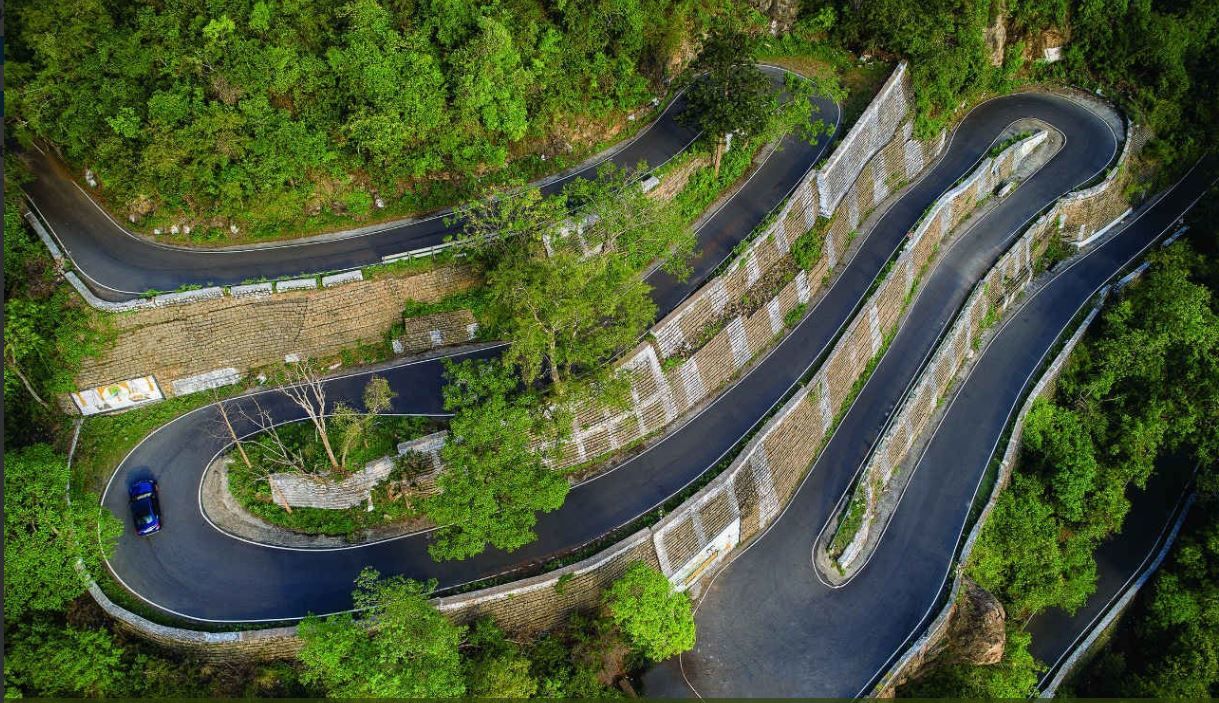
Nestled in the Namakkal district of Tamil Nadu, Kolli Hills stands as one of South India's most captivating yet lesser-explored destinations. This mountain range, part of the Eastern Ghats, rises to an elevation of 1,300 meters above sea level and spreads across an area of 280 square kilometers. The name 'Kolli' translates to 'the mountains of death' in Tamil, derived from ancient legends that once discouraged travelers from visiting. However, modern adventurers discover nothing but life, beauty, and tranquility in these mist-covered peaks. What makes Kolli Hills truly special is its pristine untouched beauty. Unlike commercialized hill stations, Kolli Hills retains its authentic charm with traditional tribal villages, ancient temples, and dense forests that have remained largely unchanged for centuries. The region is home to the Malayali tribe, who have preserved their unique culture and way of life amidst these mountains. The cool climate throughout the year, with temperatures rarely exceeding 25°C, provides a perfect escape from the scorching heat of the plains. The journey to Kolli Hills is an adventure in itself, featuring 72 hairpin bends that wind through breathtaking landscapes. Each turn reveals new vistas of valleys, waterfalls, and forests that seem straight out of a painting. Whether you're a nature enthusiast, a spiritual seeker, or simply someone looking to disconnect from the chaos of urban life, Kolli Hills offers an experience that's both rejuvenating and transformative.History and Legends of Kolli Hills
The history of Kolli Hills is steeped in fascinating mythology and ancient traditions. According to local folklore, the hills were named after the demon Kolli, who was believed to roam these mountains creating fear among travelers. Another legend speaks of the hills being cursed by a sage, making the terrain treacherous for those with impure intentions. These stories, while intimidating, actually served to protect the region's ecological and cultural heritage from over-exploitation for centuries. Historically, Kolli Hills finds mention in ancient Tamil Sangam literature, dating back over 2,000 years. The renowned poetess Avvaiyar, one of the most revered figures in Tamil literature, was believed to have visited these hills and composed verses about their beauty. The region was also an important center for traditional Siddha medicine, with practitioners using the abundant medicinal plants found in these forests to treat various ailments. The hills have been home to the Malayali tribal community for generations, who developed sustainable farming practices and deep knowledge of the forest's resources. Their unique dialect, customs, and architectural styles have been preserved in isolation, making Kolli Hills not just a natural wonder but also a living museum of indigenous culture. The ancient temples scattered across the hills, some dating back to the Chola period, stand testament to the region's spiritual significance and architectural heritage.Best Time to Visit Kolli Hills
Choosing the right time to visit Kolli Hills can significantly enhance your experience of this magnificent destination. The region enjoys a pleasant climate throughout the year, but different seasons offer unique advantages depending on your preferences and planned activities. The winter months from October to February are widely considered the best time to visit Kolli Hills. During this period, temperatures range from 15°C to 25°C during the day and can drop to around 10°C at night. The clear skies offer excellent visibility for photography and trekking, while the cool weather makes outdoor activities thoroughly enjoyable. This is also the peak season for tourism, so expect more visitors and higher accommodation prices. The summer months from March to May bring warmer temperatures, typically between 20°C and 30°C. While this might seem warm, it's still significantly cooler than the scorching temperatures experienced in the plains of Tamil Nadu. This is an excellent time for budget travelers as accommodation prices are lower and crowds are thinner. The summer also coincides with the flowering season in the forests, transforming the hills into a colorful paradise. The monsoon season from June to September brings heavy rainfall to Kolli Hills, with the region receiving between 150-200cm of annual rainfall. While the trekking trails become slippery and challenging, this is when the waterfalls are at their most spectacular and the forests turn lush green. If you enjoy the rain and want to witness the hills in their full natural glory, the monsoon offers a unique experience. However, road conditions can be difficult, and some attractions might be inaccessible during heavy rainfall.How to Reach Kolli Hills
Reaching Kolli Hills is an adventure that offers stunning views and a memorable journey through the scenic landscapes of Tamil Nadu. The hill station is well-connected by road, and while there's no railway station or airport in Kolli Hills itself, the nearest transport hubs are easily accessible. The most convenient way to reach Kolli Hills is by road, and the journey itself is part of the experience. From Salem, the hill station is approximately 90 kilometers away, and the drive takes around 3 hours. The route involves navigating the famous 72 hairpin bends that climb up the mountain, each offering breathtaking views of the valleys below. The road is well-maintained, though it can be challenging for inexperienced drivers, especially during monsoon. If you're not comfortable driving on mountain roads, hiring a local taxi or taking a bus is recommended. For those traveling by train, Salem Junction is the nearest railway station, located about 90 kilometers from Kolli Hills. Salem is well-connected to major cities across India, including Chennai, Bangalore, Coimbatore, and Trivandrum. From the railway station, you can hire a taxi or take a bus to reach Kolli Hills. There are regular government and private buses that ply between Salem and Kolli Hills, though they might not be the most comfortable option for those carrying heavy luggage. The nearest airports to Kolli Hills are Tiruchirappalli International Airport (about 120 kilometers away) and Coimbatore International Airport (about 150 kilometers away). Both airports have regular flights from major Indian cities and some international destinations. From the airport, you can hire a taxi to reach Kolli Hills, though the journey can take 3-4 hours depending on traffic and road conditions. For international travelers, flying into Chennai and then taking a connecting train or flight to Salem or Trichy might be more convenient.The Famous 72 Hairpin Bends
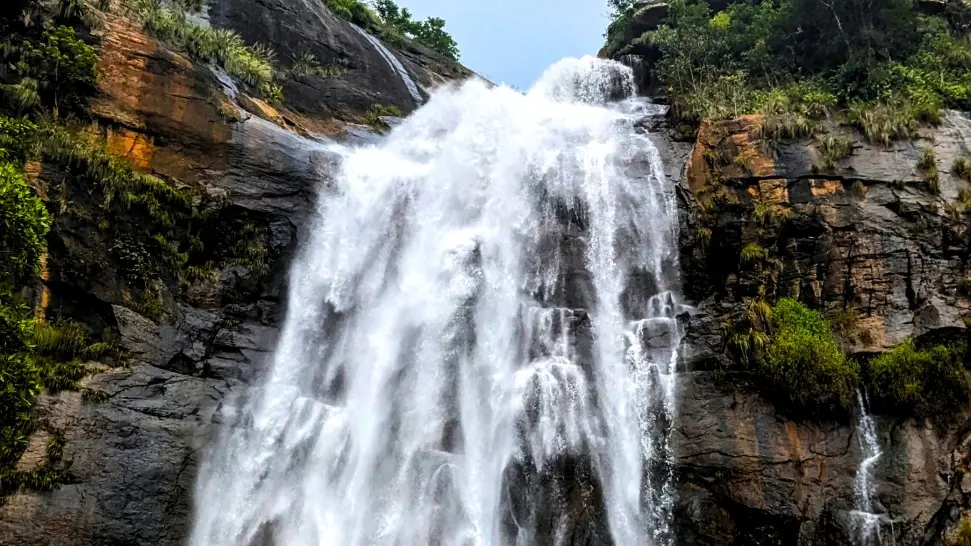 One of the most iconic features of visiting Kolli Hills is navigating the legendary 72 hairpin bends that connect the foothills to the mountain peak. This winding road, officially known as the Kolli Hills Ghat Road, is not just a route but an experience that offers some of the most spectacular views in Tamil Nadu. Each of the 72 hairpin bends reveals a new perspective of the Eastern Ghats, with deep valleys, dense forests, and distant peaks creating a mesmerizing panorama that keeps travelers reaching for their cameras.
The journey up these bends typically takes about 45-60 minutes, though it's recommended to take your time and enjoy the experience. There are several viewpoints along the way where you can stop, rest, and soak in the scenery. The most famous among these is the Seekuparai Viewpoint, located around the 40th bend, which offers panoramic views of the plains below. On clear days, you can see as far as the Salem and Namakkal districts, creating a stark contrast between the bustling plains and the serene hills.
For adventure enthusiasts, the hairpin bends offer excellent opportunities for cycling and motorcycling. The challenging terrain and sharp curves attract riders from across South India looking to test their skills. However, safety should always be the priority - the roads can be slippery, especially during monsoon, and visibility can drop suddenly due to fog. It's advisable to avoid driving after dark and to use a reliable vehicle with good brakes and suspension. For those who prefer a more relaxed journey, the government bus service that navigates these bends is an experience in itself, with skilled drivers who make the seemingly impossible maneuvering look effortless.
One of the most iconic features of visiting Kolli Hills is navigating the legendary 72 hairpin bends that connect the foothills to the mountain peak. This winding road, officially known as the Kolli Hills Ghat Road, is not just a route but an experience that offers some of the most spectacular views in Tamil Nadu. Each of the 72 hairpin bends reveals a new perspective of the Eastern Ghats, with deep valleys, dense forests, and distant peaks creating a mesmerizing panorama that keeps travelers reaching for their cameras.
The journey up these bends typically takes about 45-60 minutes, though it's recommended to take your time and enjoy the experience. There are several viewpoints along the way where you can stop, rest, and soak in the scenery. The most famous among these is the Seekuparai Viewpoint, located around the 40th bend, which offers panoramic views of the plains below. On clear days, you can see as far as the Salem and Namakkal districts, creating a stark contrast between the bustling plains and the serene hills.
For adventure enthusiasts, the hairpin bends offer excellent opportunities for cycling and motorcycling. The challenging terrain and sharp curves attract riders from across South India looking to test their skills. However, safety should always be the priority - the roads can be slippery, especially during monsoon, and visibility can drop suddenly due to fog. It's advisable to avoid driving after dark and to use a reliable vehicle with good brakes and suspension. For those who prefer a more relaxed journey, the government bus service that navigates these bends is an experience in itself, with skilled drivers who make the seemingly impossible maneuvering look effortless.
Agaya Gangai Waterfalls
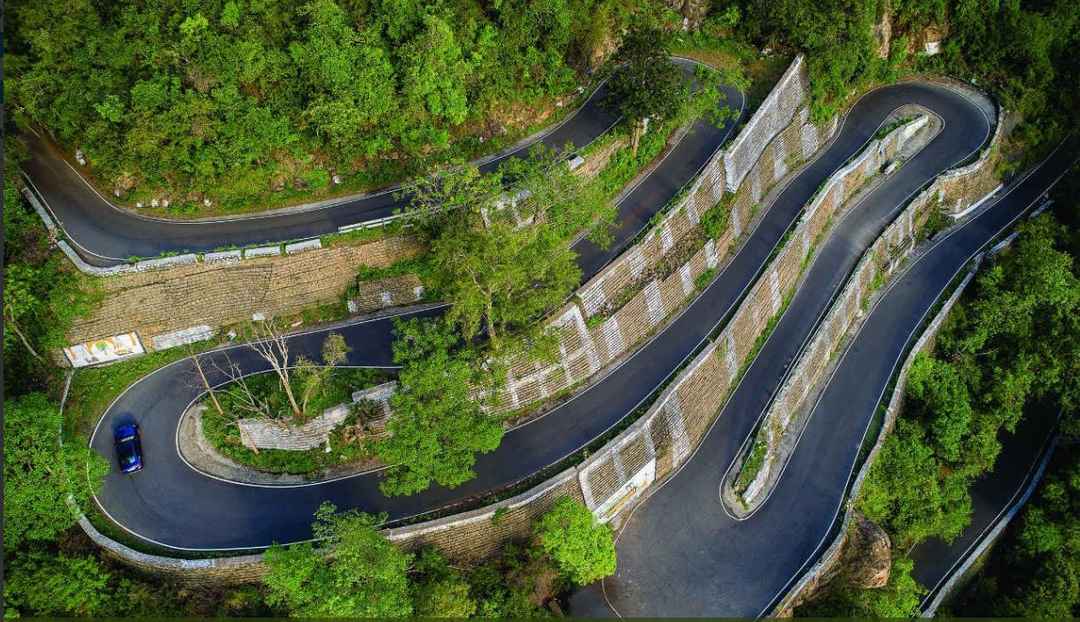
The crown jewel of Kolli Hills tourism is undoubtedly the magnificent Agaya Gangai Waterfalls, one of the most spectacular waterfalls in Tamil Nadu. Located within the reserve forest area, this 300-foot waterfall cascades down the rocky cliffs in a mesmerizing display of nature's power and beauty. The name 'Agaya Gangai' translates to 'Ganges of the Sky,' and the waterfall lives up to this celestial name with its ethereal beauty and spiritual significance. Reaching the waterfall requires an adventurous trek of about 2 kilometers through the forest. The trek, while moderately challenging, is accessible to most visitors, including families with children. The path winds through dense vegetation, crossing small streams and rocky terrain. During the trek, you're surrounded by the sounds of the forest - birds calling, leaves rustling, and the growing roar of the waterfall as you approach. The trek takes about 30-45 minutes each way, and comfortable walking shoes with good grip are essential, especially during monsoon when the path can be slippery. The best time to visit the waterfall is in the morning when the sunlight creates rainbows in the mist. The pool at the base of the waterfall is perfect for a refreshing swim, though the water can be quite cold. The area around the waterfall is also excellent for photography, with the cascading water creating endless opportunities for capturing stunning images. During the monsoon season, the waterfall is at its most powerful, with the water thundering down the cliffs. However, swimming might be prohibited during heavy flow due to safety concerns. There's a small temple dedicated to Lord Shiva near the waterfall, adding a spiritual dimension to the natural beauty.Arappaleeswarar Temple
Perched atop a hill in Kolli Malai, the ancient Arappaleeswarar Temple is one of the most significant religious sites in the region. Dedicated to Lord Shiva, this temple is believed to have been built during the Chola period, around 1000 years ago, though some local traditions suggest its origins date back even further. The temple's architecture reflects the classic Chola style, with intricate carvings, a towering gopuram (gateway tower), and a sanctum sanctorum that houses the main deity in the form of a Shiva Lingam. What makes the Arappaleeswarar Temple unique is its location and the legends associated with it. The temple is situated at an elevation that offers panoramic views of the surrounding hills and valleys. According to local belief, the temple was built at the spot where Lord Shiva appeared to the sage Agastya. Another fascinating legend speaks of a secret tunnel that connects the temple to the famous Shiva temple in Rameswaram, over 400 kilometers away. While the tunnel has never been discovered, the story adds to the temple's mystical allure. The temple is particularly vibrant during the festival of Maha Shivaratri, when devotees from across Tamil Nadu undertake a pilgrimage to Kolli Hills. The annual festival, usually held in February or March, features special prayers, traditional music, and a grand procession of the deity. Visiting the temple during the early morning or evening hours offers a serene experience, with the sounds of temple bells mingling with the gentle mountain breeze. The temple priests are knowledgeable about the history and legends of the place, and engaging them in conversation can provide fascinating insights into the region's spiritual heritage.Trekking in Kolli Hills
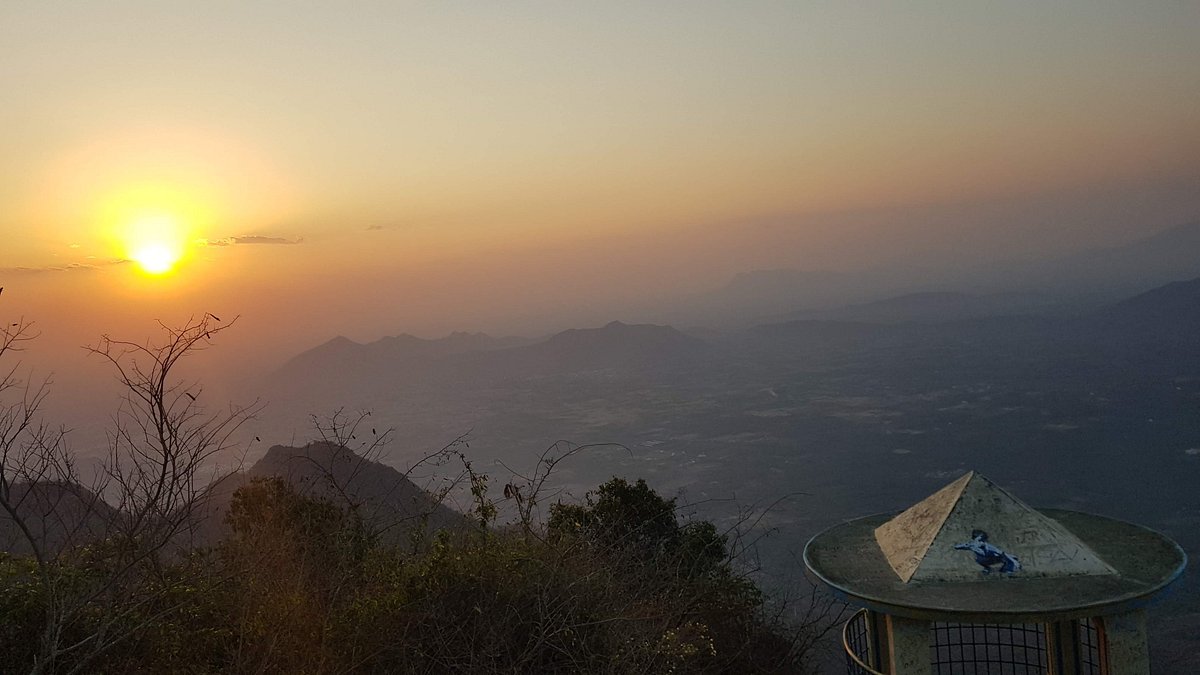
For adventure enthusiasts, Kolli Hills offers some of the most rewarding trekking experiences in Tamil Nadu. The region's varied terrain, ranging from dense forests to rocky cliffs and grassy slopes, provides diverse trekking opportunities suitable for beginners and experienced trekkers alike. The trails wind through pristine ecosystems, offering encounters with exotic flora and fauna, stunning viewpoints, and a chance to experience the wilderness up close. One of the most popular trekking routes is the trail to the Seekuparai Viewpoint. This moderate trek takes about 2-3 hours round trip and leads to one of the highest accessible points in Kolli Hills. The trail passes through small tribal villages, coffee plantations, and dense forests, offering insights into local life along the way. The viewpoint at the summit provides 360-degree views of the Eastern Ghats, making the challenging climb completely worth it. Early morning treks are particularly rewarding, as you can watch the sunrise paint the hills in golden hues while the mist slowly clears from the valleys. For more experienced trekkers, the trail to the Vettakaramurthy Temple offers a challenging but rewarding adventure. This temple, dedicated to a local deity, is located in a remote part of the hills and requires a full day of trekking through dense forest. The trail is steep in sections and requires a reasonable level of fitness. Along the way, trekkers might spot various species of birds, butterflies, and occasionally larger wildlife including bison and deer. The temple itself, though small, is a peaceful spot where you can rest and enjoy a packed lunch while taking in the surrounding wilderness. It's advisable to hire a local guide for treks, especially if you're not familiar with the terrain. The guides, usually from the local tribal community, know the safest routes, can identify plants and wildlife, and share fascinating stories about the region. They can be arranged through most hotels or at the starting point of popular trails. Remember to carry adequate water, snacks, and a basic first-aid kit. The weather in the hills can change rapidly, so carrying a light rain jacket or warm clothing is also recommended, even during seemingly pleasant weather.Siddhar Caves and Medicinal Plants
 Kolli Hills has been renowned for centuries as a center for Siddha medicine, one of the oldest systems of traditional medicine in South India. The Siddhars, ancient Tamil sages and mystics, were believed to have lived in these hills, practicing medicine, yoga, and alchemy. The caves where these sages meditated and conducted their research are scattered across Kolli Hills and are considered sacred by both locals and practitioners of traditional medicine.
The most famous of these caves is the Siddhar Cave, located near the Agaya Gangai Waterfalls. The cave is believed to have been the meditation site of several Siddhars, and the naturally formed rock formations within are said to have healing properties. Local guides can take you to these caves and explain the history and significance of each. While the caves are not extensively documented, oral tradition has preserved their stories and the knowledge of the Siddhars who once inhabited them.
The forests of Kolli Hills are home to over 2,000 species of medicinal plants, many of which are endemic to the region. These plants are used in traditional Siddha medicine to treat various ailments, from common colds to chronic diseases. The local tribal communities possess extensive knowledge of these plants and their uses. Some resorts and hotels offer guided tours where you can learn about these medicinal plants and their applications. The Eastern Ghats Plantation Development Corporation maintains an herbal farm that cultivates many of these plants, and visits can be arranged with prior permission.
For those interested in holistic wellness and traditional healing systems, Kolli Hills offers a unique opportunity to learn about Siddha medicine in its place of origin. Some centers even offer basic courses in Siddha medicine, yoga, and meditation. The peaceful environment and pristine nature make it an ideal place to practice wellness and reconnect with traditional knowledge systems that have been passed down through generations.
Kolli Hills has been renowned for centuries as a center for Siddha medicine, one of the oldest systems of traditional medicine in South India. The Siddhars, ancient Tamil sages and mystics, were believed to have lived in these hills, practicing medicine, yoga, and alchemy. The caves where these sages meditated and conducted their research are scattered across Kolli Hills and are considered sacred by both locals and practitioners of traditional medicine.
The most famous of these caves is the Siddhar Cave, located near the Agaya Gangai Waterfalls. The cave is believed to have been the meditation site of several Siddhars, and the naturally formed rock formations within are said to have healing properties. Local guides can take you to these caves and explain the history and significance of each. While the caves are not extensively documented, oral tradition has preserved their stories and the knowledge of the Siddhars who once inhabited them.
The forests of Kolli Hills are home to over 2,000 species of medicinal plants, many of which are endemic to the region. These plants are used in traditional Siddha medicine to treat various ailments, from common colds to chronic diseases. The local tribal communities possess extensive knowledge of these plants and their uses. Some resorts and hotels offer guided tours where you can learn about these medicinal plants and their applications. The Eastern Ghats Plantation Development Corporation maintains an herbal farm that cultivates many of these plants, and visits can be arranged with prior permission.
For those interested in holistic wellness and traditional healing systems, Kolli Hills offers a unique opportunity to learn about Siddha medicine in its place of origin. Some centers even offer basic courses in Siddha medicine, yoga, and meditation. The peaceful environment and pristine nature make it an ideal place to practice wellness and reconnect with traditional knowledge systems that have been passed down through generations.
Local Culture and Tribal Villages
The heart and soul of Kolli Hills lies in its indigenous tribal communities, primarily the Malayali tribe, who have inhabited these mountains for centuries. Visiting these villages offers a rare glimpse into a way of life that has remained largely unchanged by modernization. The Malayali people, whose name translates to 'mountain people,' have developed a sustainable lifestyle that's in harmony with the forest ecosystem. Their distinctive customs, dialect, architecture, and agricultural practices provide fascinating insights into indigenous wisdom and adaptation. The tribal villages in Kolli Hills are typically small hamlets consisting of 20-50 houses built using traditional materials. The houses, usually constructed with mud walls and thatched roofs, are designed to withstand the hill region's weather conditions. Most families practice subsistence farming, growing crops like coffee, pepper, cardamom, and fruits such as jackfruit and oranges. The terraced fields that climb the hillsides are a testament to generations of agricultural knowledge and engineering skills. A walk through these villages reveals a pace of life that's intimately connected to nature's rhythms, with daily activities revolving around farming, foraging, and community gatherings. Visitors to these villages are often welcomed with genuine warmth and curiosity. The Malayali people are known for their hospitality, and if you're respectful and show genuine interest in their culture, they might share stories about their traditions, demonstrate their farming techniques, or even invite you to share a meal. Traditional Malayali cuisine is simple yet flavorful, featuring locally grown ingredients prepared using recipes passed down through generations. Common dishes include rice-based preparations, spicy curries made with forest vegetables, and unique preparations of bamboo shoots and wild mushrooms. Several tour operators and some hotels arrange village visits as part of cultural tourism initiatives. These visits provide economic benefits to the tribal communities while allowing visitors to learn about indigenous cultures. It's important to remember that these are real communities, not tourist attractions, and visitors should be respectful, seek permission before taking photographs, and follow local customs. Some villages also sell traditional handicrafts, honey, and spices, providing an opportunity to purchase authentic products while supporting the local economy.Adventure Activities in Kolli Hills
Beyond trekking and sightseeing, Kolli Hills offers a range of adventure activities for thrill-seekers looking to explore the region in more exciting ways. The varied terrain and natural features provide the perfect playground for outdoor sports, and while the adventure tourism infrastructure is still developing, there are enough options to keep adrenaline enthusiasts engaged for several days. Camping is one of the most popular adventure activities in Kolli Hills. The region has several designated camping sites that offer safe locations to set up tents amidst nature. Camping overnight in the hills is a magical experience - as night falls, the temperature drops, the sky fills with stars, and the sounds of the forest create a natural symphony. Most campsites provide basic facilities including tents, sleeping bags, and sometimes even campfire arrangements with meals. Wake up to the ethereal sight of mist rolling through the valleys and the sounds of birds welcoming the new day. For the more adventurous, some operators offer wilderness camping experiences where you hike to remote locations and set up camp in the wilderness, though these require experienced guides. Rock climbing and rappelling are emerging adventure sports in Kolli Hills, taking advantage of the region's rocky cliffs and steep slopes. Several operators now offer guided rock climbing experiences for both beginners and experienced climbers. The natural rock faces provide varying levels of difficulty, and safety equipment is provided. Rappelling down waterfalls during the dry season is another thrilling activity that's gaining popularity. These activities should only be attempted under the supervision of trained professionals, as proper safety equipment and techniques are essential. For those who prefer two wheels, cycling through Kolli Hills offers an excellent way to explore the region. The 72 hairpin bends and the winding roads through the hills present a challenging but rewarding cycling experience. Several operators now offer bicycle rentals and guided cycling tours that cater to different fitness levels. Electric bicycles are also available for those who want some assistance on the climbs. Mountain biking trails through the forests and coffee plantations allow cyclists to explore areas that are inaccessible by vehicle, providing a more intimate experience of Kolli Hills' natural beauty.Where to Stay in Kolli Hills
Accommodation options in Kolli Hills cater to various budgets and preferences, ranging from basic guesthouses to comfortable resorts. While the infrastructure is not as developed as more popular hill stations, there are enough options to ensure a comfortable stay. Choosing the right accommodation can significantly enhance your experience, depending on whether you're looking for luxury, authenticity, or convenience. For budget travelers and backpackers, there are several guesthouses and budget hotels in Semmedu, the main town in Kolli Hills. These establishments offer basic rooms with essential amenities at affordable rates, typically ranging from ₹800 to ₹1,500 per night. While the facilities might be simple, they are usually clean and safe, and the staff are often locals who can provide valuable tips about the region. Some guesthouses also offer home-cooked meals featuring local cuisine, giving you a taste of authentic Malayali food. Staying in these budget accommodations also puts you closer to the local community and everyday life in the hills. Mid-range options include several resorts and hotels that offer more comfortable accommodations with additional amenities. These properties typically feature well-appointed rooms, restaurants serving multi-cuisine food, and sometimes even facilities like bonfire areas and guided tour arrangements. Prices range from ₹2,000 to ₹4,000 per night. Many of these resorts are located in scenic locations, offering stunning views of the valleys and hills. Some resorts are built in the traditional style using local materials, blending modern comforts with traditional architecture. These mid-range options are ideal for families and travelers who want comfort without breaking the bank. For those seeking a more immersive experience, homestays with local families are an excellent option. Several families in the tribal villages offer rooms in their homes, allowing visitors to experience local life firsthand. The accommodation is basic but authentic, and hosts often treat guests like family, sharing meals and stories. This is an excellent option for cultural enthusiasts who want to move beyond the typical tourist experience. Homestays also directly benefit the local community, ensuring that tourism revenue supports local people. However, facilities are basic, and guests should be respectful of local customs and schedules.What to Eat in Kolli Hills
 The cuisine of Kolli Hills reflects the region's agricultural bounty and the culinary traditions of the Malayali tribe. While restaurant options are limited compared to urban areas, the food is fresh, flavorful, and deeply connected to the local ecosystem. Most hotels and guesthouses serve food, and there are several small restaurants in Semmedu that offer both local and Tamil cuisine.
Traditional Malayali cuisine is centered around rice, which is the staple food. A typical meal includes steamed rice served with sambar (a lentil-based vegetable stew), rasam (a thin, tangy soup), and one or two vegetable preparations. The vegetables are often locally grown and include unique forest vegetables like bamboo shoots, wild mushrooms, and various tubers that are foraged from the forest. The food is typically mildly spiced, allowing the natural flavors of the ingredients to shine. Pickles and papad are common accompaniments, and meals usually end with yogurt, which aids digestion.
Coffee lovers are in for a treat in Kolli Hills, as coffee is one of the main cash crops grown in the region. The hills produce excellent Arabica coffee that's known for its smooth flavor and aromatic qualities. Fresh coffee is readily available, and many establishments serve traditional South Indian filter coffee, a strong, milky coffee that's perfect for the cool hill climate. Pepper, another major crop, is used extensively in local cooking, giving dishes a distinctive flavor.
For those who prefer more familiar fare, most restaurants also serve standard Tamil Nadu cuisine including dosa, idli, and various rice dishes like curd rice and lemon rice. Non-vegetarian options are available in some places, typically featuring chicken and mutton preparations. It's worth noting that many establishments in Kolli Hills are vegetarian, and alcohol is not widely available. If you have specific dietary requirements, it's best to inform your hotel in advance, as they can usually accommodate requests with notice.
The cuisine of Kolli Hills reflects the region's agricultural bounty and the culinary traditions of the Malayali tribe. While restaurant options are limited compared to urban areas, the food is fresh, flavorful, and deeply connected to the local ecosystem. Most hotels and guesthouses serve food, and there are several small restaurants in Semmedu that offer both local and Tamil cuisine.
Traditional Malayali cuisine is centered around rice, which is the staple food. A typical meal includes steamed rice served with sambar (a lentil-based vegetable stew), rasam (a thin, tangy soup), and one or two vegetable preparations. The vegetables are often locally grown and include unique forest vegetables like bamboo shoots, wild mushrooms, and various tubers that are foraged from the forest. The food is typically mildly spiced, allowing the natural flavors of the ingredients to shine. Pickles and papad are common accompaniments, and meals usually end with yogurt, which aids digestion.
Coffee lovers are in for a treat in Kolli Hills, as coffee is one of the main cash crops grown in the region. The hills produce excellent Arabica coffee that's known for its smooth flavor and aromatic qualities. Fresh coffee is readily available, and many establishments serve traditional South Indian filter coffee, a strong, milky coffee that's perfect for the cool hill climate. Pepper, another major crop, is used extensively in local cooking, giving dishes a distinctive flavor.
For those who prefer more familiar fare, most restaurants also serve standard Tamil Nadu cuisine including dosa, idli, and various rice dishes like curd rice and lemon rice. Non-vegetarian options are available in some places, typically featuring chicken and mutton preparations. It's worth noting that many establishments in Kolli Hills are vegetarian, and alcohol is not widely available. If you have specific dietary requirements, it's best to inform your hotel in advance, as they can usually accommodate requests with notice.
Shopping in Kolli Hills
While Kolli Hills is not a shopping destination by any means, there are several unique local products that make excellent souvenirs and gifts. The region's agricultural produce and traditional crafts offer visitors a chance to take home a piece of Kolli Hills' unique character. Purchasing these products also supports the local economy and helps preserve traditional livelihoods. Coffee and pepper are the most popular products to buy in Kolli Hills. The region's coffee is renowned for its quality, and you can purchase freshly roasted beans or ground coffee from various outlets including the Eastern Ghats Plantation Development Corporation. The coffee is significantly cheaper than what you would pay in cities, and you can be assured of its freshness and authenticity. Similarly, the pepper grown in Kolli Hills is highly regarded for its strong flavor and aroma. You can buy whole peppercorns or powdered pepper, both of which make excellent gifts for food enthusiasts. Honey is another specialty product of Kolli Hills. The region's diverse flora produces distinctively flavored honey that's collected by tribal honey gatherers using traditional methods. This honey is not only delicious but also valued in Ayurvedic and Siddha medicine for its medicinal properties. You can find various types of honey, including wild honey from rock bees and cultivated honey from apiaries. The honey is usually sold in basic packaging but is pure and unprocessed. Some local cooperatives and self-help groups also sell handicrafts made by tribal artisans. These include woven products, bamboo craft, and traditional jewelry. While the selection might be limited compared to craft emporiums in cities, these products are authentic and directly support local artisans. Other items worth considering include herbal oils and soaps made from local medicinal plants, spices like cardamom and nutmeg, and traditional snacks made from local ingredients.Travel Tips for Kolli Hills
To make the most of your visit to Kolli Hills and ensure a safe, enjoyable experience, keep these practical tips in mind. The region's relative remoteness and developing tourism infrastructure mean that a little preparation goes a long way. Pack appropriately for the hill climate. Even during summer, evenings and early mornings can be cool, so carry light woolens or a jacket. During winter, heavier woolens are necessary, especially at night. Comfortable walking shoes with good grip are essential, especially if you plan to trek or visit the waterfalls. The terrain can be rocky and slippery, and proper footwear is crucial for safety. Carry rain gear if you're visiting during monsoon, as showers can be sudden and heavy. Carry essential medications and a basic first-aid kit. While there are medical facilities in Semmedu, they might not stock specific medications you need. If you have any medical conditions, ensure you have an adequate supply of your medications. The remote location means that getting to a well-equipped hospital could take time, so it's better to be prepared, especially if you're planning treks or outdoor activities. Respect local customs and the environment. Kolli Hills is home to indigenous communities with their own traditions. When visiting villages or temples, dress modestly and seek permission before photographing people or religious sites. The region is also an ecologically sensitive area, so avoid using plastic, and carry your waste back with you. Stick to marked trails when trekking to avoid damaging fragile ecosystems and for your own safety, as the forest can be disorienting. Plan your accommodation in advance, especially during peak season and festivals. While you might find accommodation on arrival, options are limited, and you might end up paying more or settling for something that doesn't meet your expectations. Book your stay before you travel, and confirm the booking a day before your arrival, as communication can sometimes be unreliable in the hills.Nearby Attractions
While Kolli Hills deserves several days of exploration, if you have additional time, there are several interesting attractions in the surrounding region that can be combined with your Kolli Hills trip for a more comprehensive travel experience. Namakkal town, located about 50 kilometers from Kolli Hills, is famous for its ancient fort and the Anjaneya Temple dedicated to Lord Hanuman. The temple boasts one of the tallest statues of Lord Hanuman in India, standing at 18 feet. Namakkal also has historical significance due to its role in the freedom struggle and offers a glimpse into small-town Tamil Nadu life. Erode, approximately 80 kilometers away, is known as the Turmeric City due to the large-scale turmeric trading that takes place here. The city is also a major textile center and offers excellent shopping opportunities for handloom fabrics. Erode makes for an interesting contrast to the serene hills, with its bustling markets and commercial energy. Salem, the nearest major city, has its own attractions including the famous Kottai Mariamman Temple and Mettur Dam. Salem is also a good base for arranging transportation to Kolli Hills and offers more options for accommodation and dining if you need them before or after your hill station visit.Conclusion
Kolli Hills stands as a testament to the raw, untouched beauty of India's Eastern Ghats. This hidden paradise offers travelers a rare combination of natural splendor, adventure, cultural immersion, and spiritual peace. Far from the commercialization that has transformed many popular hill stations, Kolli Hills retains its authentic character, offering an experience that's both refreshing and deeply meaningful. Whether you're trekking through dense forests to reach a spectacular waterfall, meditating in ancient caves where sages once found enlightenment, engaging with indigenous communities who have preserved their traditions for centuries, or simply sitting at a viewpoint watching the mist roll over verdant valleys, Kolli Hills touches something primal within us. It reminds us of our connection to nature, to ancient wisdom, and to simpler ways of living. The journey to Kolli Hills might be challenging, with its winding roads and remote location, but that's part of its charm. This is not a destination for those seeking easy luxury or packaged entertainment. It's a place for travelers who are willing to step out of their comfort zones, who seek authenticity over convenience, and who understand that some of life's most rewarding experiences require a bit of effort. As more travelers discover Kolli Hills, there's both opportunity and responsibility. Tourism can bring economic benefits to local communities and support conservation efforts, but it must be developed sustainably. As a visitor, you have the power to ensure that your presence has a positive impact - by choosing responsible operators, respecting local culture and environment, and spreading the word about this special place in ways that encourage mindful travel. Plan your visit to Kolli Hills today and discover a side of Tamil Nadu that few travelers ever experience. In these mist-covered mountains, where legends echo through ancient forests and waterfalls cascade from the heavens, you might find something you didn't even know you were looking for.Location
Frequently Asked Questions
Q1.Why is Kolli Hills called the Mountains of Death?
Q2.How many hairpin bends are there in Kolli Hills?
Q3.What is the best time to visit Kolli Hills?
Q4.How do I reach Kolli Hills?
Q5.What are the main attractions in Kolli Hills?
Q6.Is Kolli Hills suitable for beginners in trekking?
Q7.What should I buy in Kolli Hills?
Q8.Are there good accommodation options in Kolli Hills?
Q9.What is special about Agaya Gangai Waterfalls?
Q10.Is Kolli Hills safe for solo female travelers?
Recommended For You
Kodaikanal: Complete Travel Plan Places And Weather
Complete Kodaikanal travel guide - discover the Princess of Hill Stations. Kodaikanal Lake, trekking, viewpoints, best time to visit & travel tips for Tamil Nadu's favorite hill station.
Places to Visit in Tamil Nadu: Region-Wise Attractions & Itinerary Ideas
Discover places to visit in Tamil Nadu with region-wise planning, season logic, and practical itinerary models for smoother travel.
Yercaud Tamil Nadu: Hill Station Attractions, Weather & Stay
Visit Yercaud hill station in Tamil Nadu. Tourist places, best time, weather, how to reach, trekking, hotels & complete travel guide to Jewel of the South.
Never Miss an Adventure
Get the latest trekking guides, travel tips, and exclusive offers delivered straight to your inbox.
