
Kodaikanal: Complete Travel Plan Places And Weather

Ananya Sharma
November 14, 2025
Complete Kodaikanal travel guide - discover the Princess of Hill Stations. Kodaikanal Lake, trekking, viewpoints, best time to visit & travel tips for Tamil Nadu's favorite hill station.
Introduction: The Princess of Hill Stations
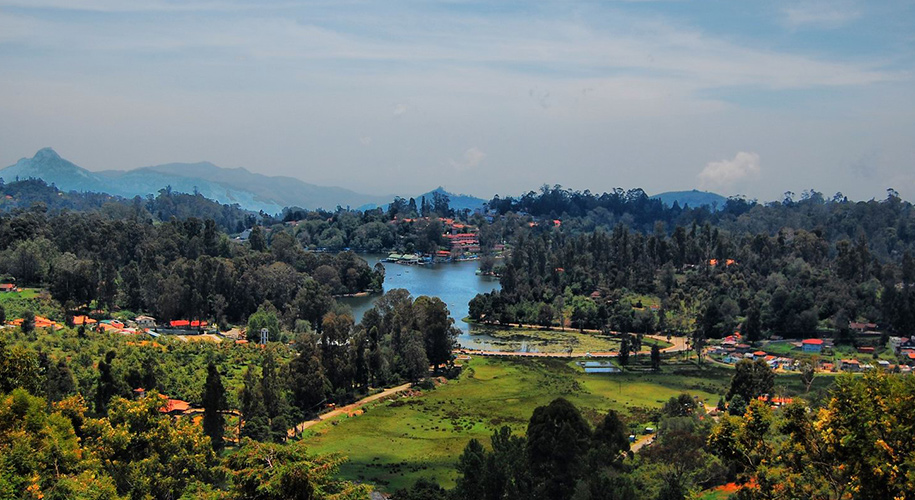
Nestled in the Palani Hills of the Western Ghats at 2,133 meters above sea level, Kodaikanal stands as Tamil Nadu's most beloved hill station. Known as the "Princess of Hill Stations," this charming town offers a perfect blend of scenic beauty, pleasant weather, and colonial heritage that has captivated travelers for over 150 years. Unlike some commercialized hill stations, Kodaikanal retains much of its old-world charm while offering modern amenities for today's visitors. What makes Kodaikanal truly special is its centerpiece - the star-shaped Kodaikanal Lake. Created in 1863 by Sir Vere Levinge, the then Collector of Madurai, this artificial lake spans 24 hectares and defines the town's character. Rowing boats across its mist-covered waters at dawn, with the surrounding hills silhouetted against the rising sun, creates memories that last a lifetime. Having explored Kodaikanal across different seasons, I can tell you that each visit reveals new facets - from the blooming of kurinji flowers that occur once every 12 years to the dramatic mists that roll down the valley in the evening. This comprehensive guide covers everything you need to plan your perfect Kodaikanal getaway.Why Visit Kodaikanal
 Kodaikanal's appeal lies in its ability to offer something for every type of traveler. For nature lovers, the Western Ghats provide pristine forests, waterfalls, and viewpoints with spectacular valley views. Adventure enthusiasts can trek to hidden gems like Vattakanal or explore the Pillar Rocks. Couples seeking romance find the perfect setting in misty mornings and quiet lake walks. Families appreciate the safe, laid-back atmosphere and activities like boating and horse riding.
The town's elevation keeps temperatures pleasantly cool throughout the year. Summer temperatures rarely exceed 25°C, while winter can dip to 8-10°C at night. This reliable weather makes Kodaikanal a year-round destination, though each season offers a different experience.
Kodaikanal's appeal lies in its ability to offer something for every type of traveler. For nature lovers, the Western Ghats provide pristine forests, waterfalls, and viewpoints with spectacular valley views. Adventure enthusiasts can trek to hidden gems like Vattakanal or explore the Pillar Rocks. Couples seeking romance find the perfect setting in misty mornings and quiet lake walks. Families appreciate the safe, laid-back atmosphere and activities like boating and horse riding.
The town's elevation keeps temperatures pleasantly cool throughout the year. Summer temperatures rarely exceed 25°C, while winter can dip to 8-10°C at night. This reliable weather makes Kodaikanal a year-round destination, though each season offers a different experience.
The Kurinji Flower Phenomenon
One of Kodaikanal's most magical features is the kurinji flower (Strobilanthes kunthianus) that blooms in the Palani Hills once every 12 years. These purple-blue flowers cover entire hillsides, creating a spectacle that draws visitors from across the world. The last bloom occurred in 2018, so the next one is expected around 2030. The kurinji is so significant to the region that the Tamil word for the flower forms the basis of "Kodaikanal" (forest of the kurinji).Best Time to Visit
Summer (April - June)
Summer is peak tourist season when temperatures range from 15-25°C during the day. This is the best time to escape the heat of the plains. The weather is perfect for outdoor activities, though expect larger crowds and higher hotel prices. The lake is particularly beautiful in summer, with clear skies reflecting on the water.Monsoon (July - September)
The monsoon transforms Kodaikanal into a lush green paradise with frequent rainfall. While outdoor activities can be challenging, the waterfalls are at their most spectacular, and the misty atmosphere creates a mystical setting. This is the least crowded season, so you'll find excellent deals on accommodations. Carry rain gear and be prepared for occasional road closures due to landslides.Winter (October - March)
Winter brings crisp days (10-20°C) and cold nights that can drop to 8°C. This is an excellent time for trekking and outdoor exploration. The views are clearest in winter, making it perfect for photography. January can get misty and romantic, earning Kodaikanal its reputation as a honeymoon destination.How to Reach Kodaikanal
By Air
The nearest airport is Madurai (IXM), about 120 kilometers away. Coimbatore Airport (CJB) is 170 kilometers distant. From Madurai, taxis cost ₹3,000-4,000 ($42-55 USD) and take 3-3.5 hours. From Coimbatore, the drive is 4-5 hours and costs ₹3,500-5,000 ($50-70 USD).By Train
The nearest railway station is Kodai Road, about 80 kilometers downhill. Direct trains connect Kodai Road to Chennai, Bangalore, and other major cities. From Kodai Road to Kodaikanal, taxis charge ₹1,500-2,500 ($21-35 USD) and take 2-3 hours along a scenic ghat road with 20 hairpin bends.By Road
Kodaikanal is well-connected by road. Regular buses run from Madurai (3 hours), Coimbatore (5 hours), Chennai (10 hours), and Bangalore (9-10 hours). The ghat road from Kodai Road offers spectacular views but can be challenging for those prone to motion sickness.Top Attractions in Kodaikanal
Kodaikanal Lake
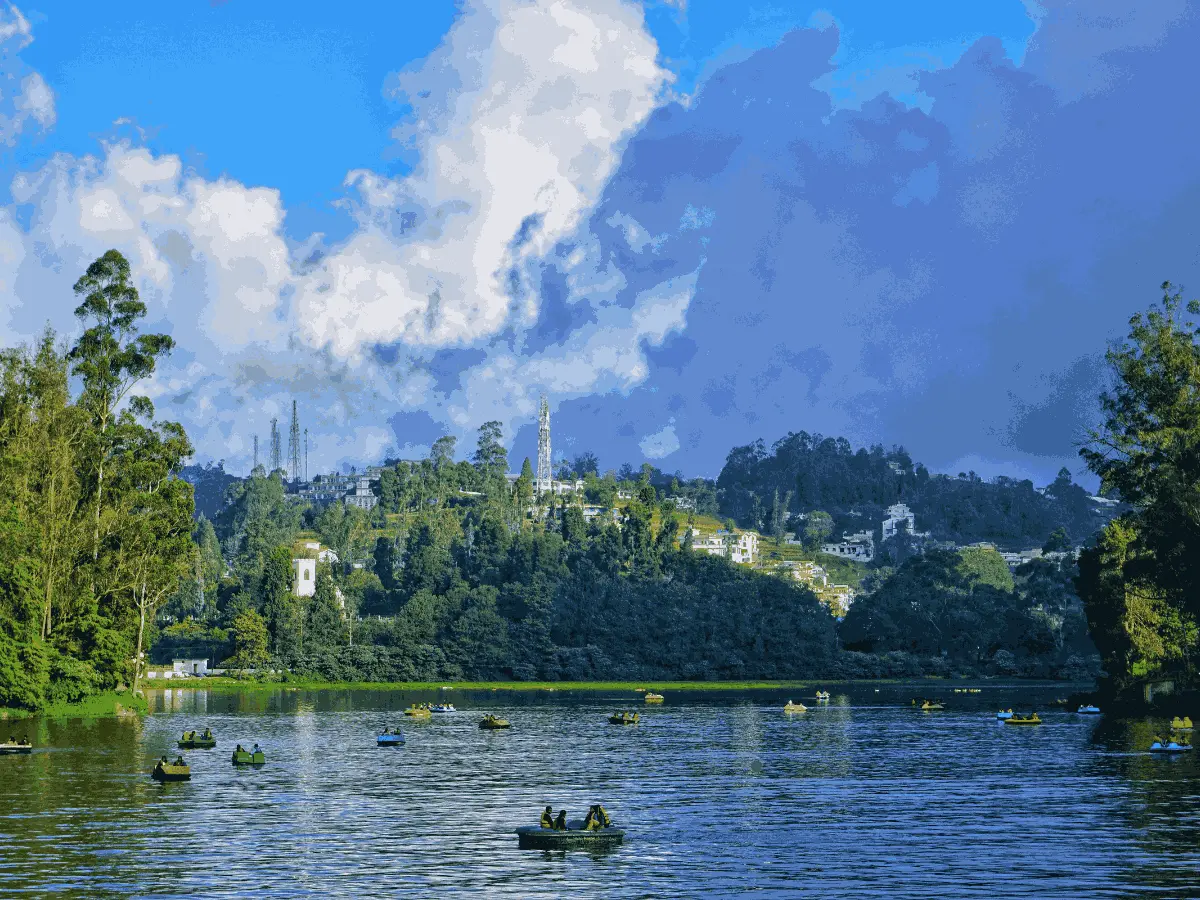
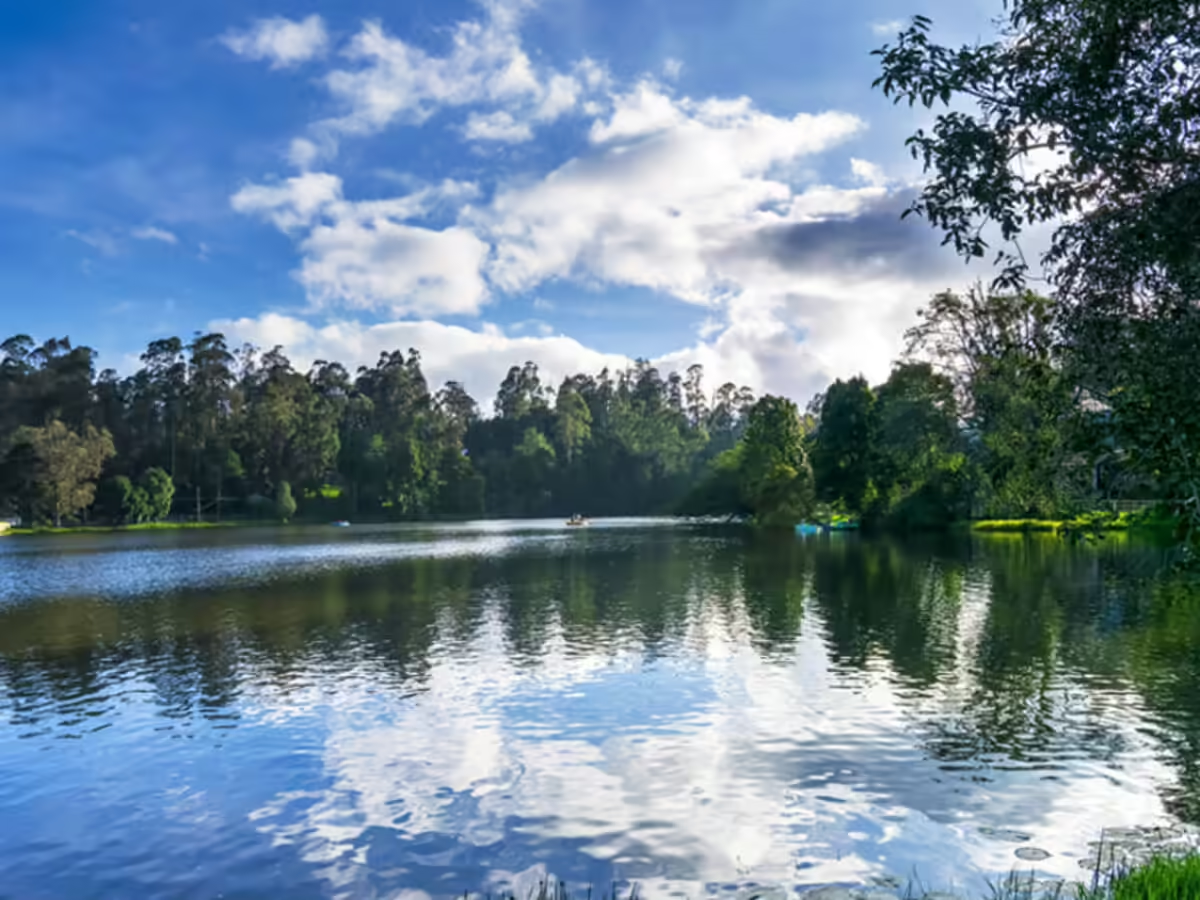
The star-shaped Kodaikanal Lake is the town's heart and soul. Built in 1863, this 5-kilometer circumference lake offers boating, cycling, and walking paths. Rowboats and pedal boats are available for rent. Cycling around the lake on the dedicated path is a favorite activity - bicycles can be rented for ₹50-100 ($0.70-1.40 USD) per hour. The lake is particularly beautiful at sunrise (6:30-7:30 AM) when mist floats on the water and crowds are minimal. Evening visits (4-6 PM) offer beautiful sunset views. A boat ride costs ₹200-400 ($3-6 USD) depending on boat type and duration.Bryant Park
Located on the lake's eastern side, Bryant Park is a beautifully maintained botanical garden featuring over 325 species of trees, shrubs, and cacti. The park is famous for its annual flower show in May. The eucalyptus trees here are over 150 years old. Entry is ₹30 ($0.40 USD), and it's open from 7 AM to 7 PM.Coaker's Walk
This 1-kilometer paved pedestrian path runs along the edge of a cliff, offering stunning views of the valley below. On clear days, you can see distant villages and even the Vaigai Dam. The best time to visit is early morning before the mist rolls in. Entry costs ₹10 ($0.15 USD), and telescopes are available for closer views.Pillar Rocks
Three massive rock pillars stand 400 feet high, creating a dramatic sight against the sky. Located 7 kilometers from town, these rocks offer excellent photo opportunities. A small garden nearby provides perfect viewing spots. Visit between 10 AM and 4 PM for the best lighting.Guna Caves (Devil's Kitchen)
These deep chambers and caves between the Pillar Rocks got their name from a tragic incident in the early 1900s. The caves are now partially accessible with proper safety measures. The approach walk through pine forests is beautiful. Guided tours are recommended for safety.Green Valley View (Suicide Point)
Formerly known as Suicide Point, this viewpoint offers stunning views of the Vaigai Dam. The sheer drop-off is dramatic - caution is advised, especially with children. The dense green valley below is particularly beautiful in the morning light. Entry costs ₹10 ($0.15 USD).Pine Forest
Planted in 1906, this pine forest creates an otherworldly atmosphere with tall, majestic trees arranged in perfect rows. The filtered sunlight creates beautiful photographic opportunities. The forest is a popular picnic spot and features in many South Indian films.Solar Observatory
Established in 1899, this is one of India's oldest solar observatories. Located at the highest point in Kodaikanal (2,343 meters), it offers panoramic views. The observatory is open to visitors on Fridays from 10 AM to 1 PM. Entry is free, but photo ID is required.Bear Shola Falls
Located about 12 kilometers from town, these falls are most impressive during monsoon when water cascades down the rocks in full force. The name comes from bears that reportedly came here to drink water. A short trek from the parking area leads to the falls. The surrounding forest is beautiful for birdwatching.Chettiar Park
A quiet park on the way to Bear Shola Falls, Chettiar Park features manicured lawns, flowers, and a children's play area. It's less crowded than Bryant Park and perfect for a peaceful afternoon.Kurinji Andavar Temple
Dedicated to Lord Murugan, the God of the Kurinji flowers, this temple is significant during the rare kurinji bloom. The temple offers beautiful views of the Palani Hills. The annual festival in July/August attracts devotees from across Tamil Nadu.Vattakanal (Little Israel)
Located about 3 kilometers from Kodaikanal town, Vattakanal has become popular among backpackers and international travelers. The area offers alternative cafes, hiking trails, and stunning viewpoints. Dolphin's Nose viewpoint here provides spectacular valley views.Adventure Activities
Trekking
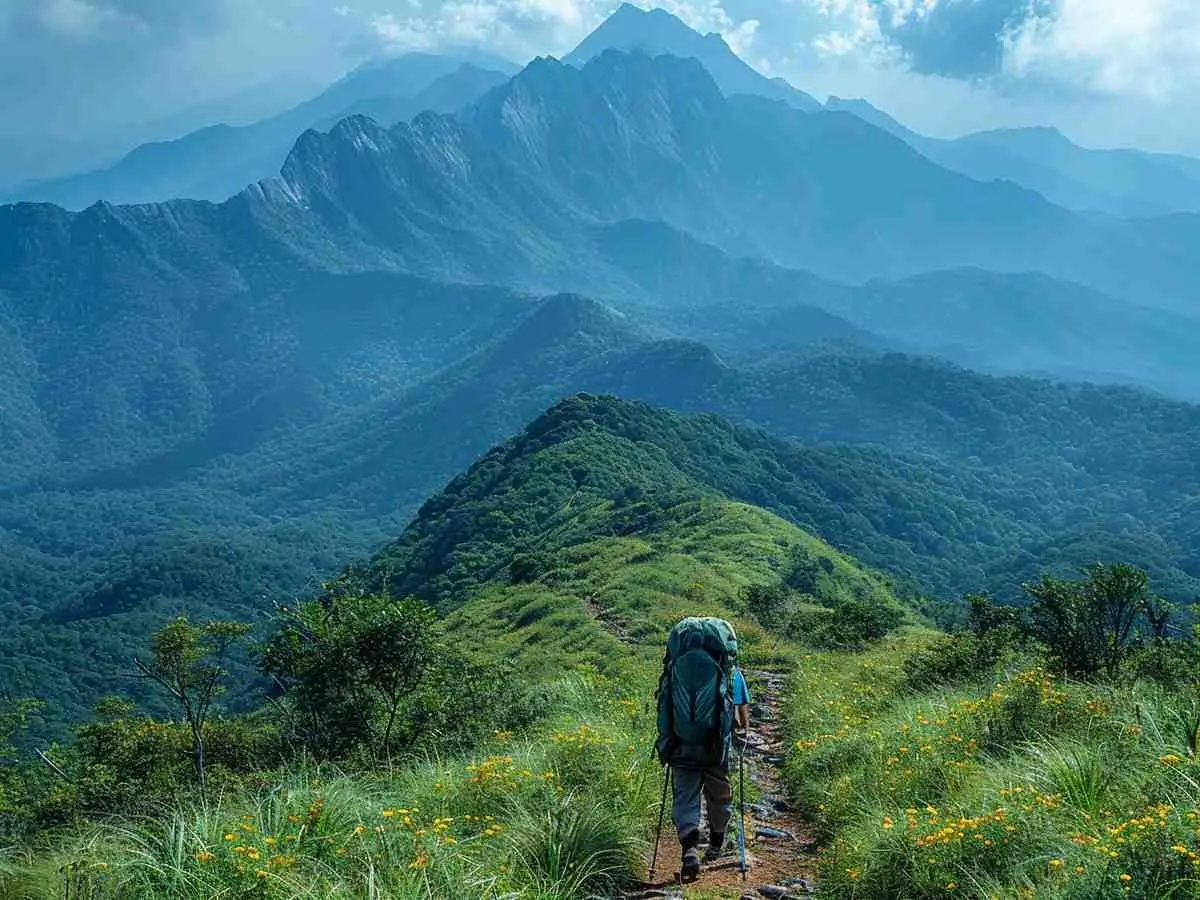
Kodaikanal offers excellent trekking opportunities: Kodaikanal to Vattakanal: A moderate 3-kilometer trek through forests offering great views. Perumal Peak Trek: For experienced trekkers, this 6-7 hour trek to the highest peak in the Palani Hills (2,440 meters) requires a guide and offers spectacular 360-degree views. Pillar Rocks Trek: A moderate trek through shola forests and grasslands. Vattakanal to Dolphin's Nose: An easy 2-kilometer walk to a dramatic viewpoint.Cycling
Cycling around Kodaikanal Lake is the most popular cycling route. More challenging rides include the 7-kilometer uphill ride to Pillar Rocks or exploring Vattakanal's winding roads. Bicycles can be rented near the lake.Camping
Several operators offer camping experiences in the forests around Kodaikanal. Popular spots include Vattakanal and areas near the Pine Forest. Ensure you choose licensed operators who follow environmental guidelines.Where to Stay
Luxury Resorts (₹6,000-12,000 or $85-170 USD per night)
- The Carlton: Historic property on the lake with colonial charm - Kodai Resort: Premium property with excellent views - Sterling Kodaikanal: Part of a well-known chain with family-friendly facilities - Hilltop Town: Modern resort with panoramic viewsMid-Range Hotels (₹2,500-5,000 or $35-70 USD per night)
- Hotel Valley View: Great location near Coaker's Walk - Aaranya Eco Resort: Sustainable option in forested area - Green Valley Resort: Scenic location with good amenities - Kodai International: Reliable mid-range option near the lakeBudget Accommodation (₹800-2,000 or $11-28 USD per night)
- Guesthouses near the lake: Basic but clean rooms - Home stays: Experience local hospitality - Youth hostels: Vattakanal has several backpacker-friendly optionsVattakanal Stays
For a different experience, consider staying in Vattakanal, which has numerous guesthouses and cafes with a relaxed, international vibe.Where to Eat
Local Tamil Cuisine
- Cloud Street: Excellent South Indian breakfast - Ten Degrees: Reliable multi-cuisine restaurant - Hotel Hilltop: Classic Kodaikanal restaurant - Astoria Restaurant: Good for local Tamil dishesCafes in Vattakanal
- Altaf's Cafe: Legendary vantage point with simple food - Ten Degrees Cafe: Popular with international travelers - Amma's Cafe: Vegetarian food with great viewsBakeries
- The Bun Factory: Excellent pastries and coffee - Pastry Corner: Old bakery with fresh breads and cakes - Cloud Street: Great coffee and baked goodsContinental
- The Carlton: Multi-cuisine restaurant in heritage setting - Kodai Resort: Fine dining with valley viewsShopping in Kodaikanal
Homemade Chocolates
Kodaikanal is famous for its homemade chocolates. Try varieties like rum balls, marzipan, and fudge at shops like The Bun Factory, Pastry Corner, and numerous small vendors along the lake road.Eucalyptus Oil
Pure eucalyptus oil, extracted from local trees, is a popular buy. It's used for massage, cold relief, and aromatherapy. Buy from reputable shops to ensure quality.Spices
Cardamom, pepper, and cinnamon grown in the Western Ghats are excellent buys. Visit the government-run shop near the lake for certified quality.Handicrafts
Toda tribal embroidery, shola crafts, and wooden items make unique souvenirs. The Cooperative Store on Lake Road offers authentic products.Travel Tips
- Carry Warm Clothing: Even in summer, evenings can be chilly (12-15°C). Winter nights require woolens.
- Motion Sickness: The ghat road has 20 hairpin bends. If prone to motion sickness, take medication before the journey from Kodai Road.
- Book in Advance: Summer (April-June) and Christmas/New Year are peak seasons. Book accommodations at least 2-3 months in advance.
- Early Mornings: Wake up early (6 AM) for the best views and to avoid crowds at popular spots.
- Cash: While ATMs are available, they can run out of cash during peak season. Carry sufficient cash.
- Respect Nature: Don't litter, especially around the lake and in forests. Kodaikanal's beauty depends on responsible tourism.
- Trek with Guides: For difficult treks like Perumal Peak, hire local guides. They know the terrain and weather patterns.
- Magic of Mist: Kodaikanal is famous for sudden mist. If viewpoints are fogged, wait 15-20 minutes - the mist often clears quickly.
- Pack Light: Most places in Kodaikanal are walkable. You don't need heavy luggage for a hill station stay.
- Stay Hydrated: The cool weather can be deceiving. Drink plenty of water, especially when trekking.
Places to Visit Nearby
Palani
About 64 kilometers from Kodaikanal, Palani is home to one of Tamil Nadu's most important Murugan temples. The temple sits atop a hill and is reached by cable car or steps. The town is also known for its Siddha medicine.Munnar
Located in Kerala, about 160 kilometers from Kodaikanal (6-7 hours by road), Munnar offers tea plantations, Eravikulam National Park, and a different hill station experience. The drive itself is scenic.Periyakulam
A quiet town in the foothills, Periyakulam is known for its mangoes and the beautiful Sothuparai Dam. It's about 17 kilometers from Kodai Road.Madurai
If you're flying in/out of Madurai, spend a day exploring the magnificent Meenakshi Temple and other historic sites. It's 120 kilometers from Kodaikanal.Sample Itineraries
2-Day Quick Getaway
Day 1: Arrive, check-in, visit Kodaikanal Lake, boating in the evening, dinner at a local restaurant. Day 2: Early morning Coaker's Walk, breakfast, visit Pillar Rocks and Guna Caves, shopping for chocolates, depart.3-Day Relaxed Trip
Day 1: Arrive, check-in, lake visit, Bryant Park, evening walk. Day 2: Sunrise at Coaker's Walk, visit Pine Forest and Green Valley View, afternoon rest, Vattakanal exploration. Day 3: Bear Shola Falls or trek to Perumal Peak (for experienced trekkers), shopping, depart.5-Day Complete Experience
Include above plus: Kurinji Andavar Temple, Chettiar Park, full-day trek, camping night, day trip to Palani or Munnar.Conclusion
Kodaikanal represents everything a hill station should be - cool weather, scenic beauty, outdoor activities, and a relaxed pace that allows you to truly unwind. Unlike some commercialized destinations, Kodaikanal has managed to preserve its natural charm and colonial heritage while offering visitors modern comforts. What makes this place special is its versatility. Adventure seekers find challenging treks and viewpoints. Couples discover romantic misty mornings and quiet lakeside walks. Families appreciate safe outdoor activities and good food. Nature lovers find pristine forests and spectacular views. Kodaikanal welcomes all kinds of travelers and gives them reasons to return. The town's star-shaped lake serves as both literal and metaphorical center - a place where time seems to slow down, where the simple pleasure of rowing a boat or cycling around the water becomes a cherished memory. The surrounding hills, forests, and viewpoints remind us of nature's grandeur and our small place within it. Whether you're visiting for a quick weekend getaway or an extended exploration, Kodaikanal rewards with experiences that stay with you long after you've returned to the plains below. The mist that rolls through the valleys, the kurinji flowers that bloom once every 12 years, and the genuine warmth of local people create something magical. If you're planning a broader South India hill station experience, consider combining Kodaikanal with Munnar in Kerala, about 160 kilometers away, where you can explore tea plantations, Eravikulam National Park, and enjoy the hospitality of God's Own Country. For those interested in exploring more of Tamil Nadu's hill stations, Ooty (Udhagamandalam) in the Nilgiri Hills offers a different but equally charming experience with its toy train, botanical gardens, and colonial architecture. Adventure enthusiasts might also want to explore trekking opportunities in Kerala's Western Ghats, which offer trails through diverse ecosystems and stunning biodiversity. Remember that Kodaikanal's greatest gift is its ability to help you disconnect from the chaos of everyday life and reconnect with nature, with loved ones, and with yourself. Take time to simply sit by the lake, walk through the pine forests, and let the mountain air work its magic on your soul.Location
Frequently Asked Questions
Q1.What is the best time to visit Kodaikanal?
The best time to visit Kodaikanal is from April to June (summer) when temperatures are pleasant (15-25°C) and ideal for sightseeing. This is peak tourist season though, so expect crowds.
Winter (October-March) offers crisp weather (10-20°C) perfect for trekking and photography. January brings romantic mists.
Monsoon (July-September) transforms the hills lush green but involves heavy rainfall that can limit outdoor activities. This is the least crowded season.
Q2.How many days are enough for Kodaikanal?
A 2-day trip covers the main attractions: Kodaikanal Lake, Coaker's Walk, Bryant Park, and Pillar Rocks.
3 days allow a more relaxed pace including Vattakanal, trekking, and additional viewpoints.
5+ days are ideal for complete exploration including difficult treks, nearby attractions like Palani, or combining with Munnar in Kerala.
Most visitors find 3 days perfect for a well-rounded Kodaikanal experience.
Q3.How do I reach Kodaikanal from Bangalore?
The most common route is Bangalore to Kodaikanal via road, a distance of about 460 kilometers.
By car: The journey takes 9-10 hours via NH44 through Salem, Dindigul, and Batlagundu. The scenic route includes ghat sections.
By bus: Direct private and state-run buses operate from Bangalore. KSRTC and private operators offer both sleeper and seater buses.
The route is generally safe but has some ghat sections, so night driving should be done carefully.
Q4.What is Kodaikanal famous for?
Kodaikanal is famous for being the "Princess of Hill Stations" in Tamil Nadu, known for its scenic beauty and pleasant weather.
The star-shaped Kodaikanal Lake, created in 1863, is the town's centerpiece and offers boating and cycling.
It's known for the kurinji flowers that bloom once every 12 years, covering hillsides in purple-blue.
Homemade chocolates, eucalyptus oil, and panoramic viewpoints like Coaker's Walk and Pillar Rocks are other attractions.
Q5.Is it safe to drive to Kodaikanal?
Yes, it's generally safe to drive to Kodaikanal. The roads are well-maintained, and the ghat section from Kodai Road has 20 hairpin bends but is in good condition.
However, the ghat road requires careful driving. Avoid speeding and watch for fog, especially in early morning and evening.
Those prone to motion sickness should take medication before the ghat section.
Night driving on ghat roads is not recommended for inexperienced drivers.
Q6.What should I buy in Kodaikanal?
Homemade chocolates are Kodaikanal's most famous souvenir - try varieties like rum balls, marzipan, and fudge.
Pure eucalyptus oil, extracted from local trees, is excellent value and great for massages or cold relief.
Spices like cardamom, pepper, and cinnamon from the Western Ghats make great buys.
Look for Toda tribal embroidery, shola crafts, and wooden handicrafts for unique gifts.
Q7.Can we visit Kodaikanal and Ooty together?
Yes, you can visit both, but they're not particularly close - Kodaikanal is in the Palani Hills while Ooty is in the Nilgiri Hills.
The distance between them is about 250-280 kilometers by road, taking 6-7 hours via Coimbatore or Mettupalayam.
Most visitors choose one or the other based on convenience and time available rather than trying to combine both in one trip.
If you have a week, you could visit both hill stations along with Coonoor, but it makes for a packed itinerary.
Q8.What clothes should I carry to Kodaikanal?
Even in summer (April-June), carry light woolens or jackets for evenings when temperatures drop to 12-15°C.
Winter (November-February) requires heavy woolens - sweaters, jackets, thermals - as nights can dip to 8°C.
Monsoon requires rain gear, waterproof shoes, and quick-dry clothing.
Comfortable walking shoes are essential for exploring the town and trekking.
Don't forget sun protection (hat, sunglasses, sunscreen) for daytime activities.
Recommended For You
Top 10 Hill Stations in Kerala: Misty Escapes
Explore the best hill stations in Kerala. Munnar, Wayanad, Vagamon & more. Perfect for honeymooners and nature lovers. Plan your misty mountain getaway.
Ooty: Complete Travel Plan Places And Weather
Complete Ooty travel guide featuring Nilgiri Mountain Railway, Botanical Garden, Doddabetta Peak, tea gardens, best time to visit & practical tips.
Trekking in Sapa Valley: Vietnam's Terraced Rice Field Paradise
Trek Sapa Valley Vietnam - discover stunning terraced rice fields, ethnic villages, routes, best time, homestays & cultural experiences in Vietnam's mountain paradise.
Never Miss an Adventure
Get the latest trekking guides, travel tips, and exclusive offers delivered straight to your inbox.
