
Kopi Luwak Coffee Bali: Plantation Guide & Ethics

Neha Kapoor
January 7, 2026
Discover Kopi Luwak coffee in Bali. Learn about civet coffee production, ethical plantations to visit, tasting experience & fair price guide.
Introduction: The World's Most Expensive Coffee
Kopi Luwak, also known as civet coffee, holds the distinction of being the world's most expensive coffee, fetching prices up to $700 per kilogram in international markets. This unique coffee originated in Indonesia during Dutch colonial times and has since captured the imagination of coffee enthusiasts worldwide. Bali, with its fertile volcanic soil and ideal growing conditions, has become one of the best places to experience this legendary coffee firsthand.
What makes Kopi Luwak truly fascinating is its unusual production method involving the Asian Palm Civet, a cat-like mammal native to Southeast Asia. The civet selectively eats the ripest coffee cherries, and during digestion, enzymes in its stomach break down proteins that contribute to coffee's bitterness. The beans are then collected, thoroughly cleaned, and roasted to create a remarkably smooth, less acidic cup of coffee. However, as demand has grown, so have concerns about animal welfare, making it crucial for responsible travelers to understand both the coffee and the ethics behind its production.
What is Kopi Luwak (Civet Coffee)?
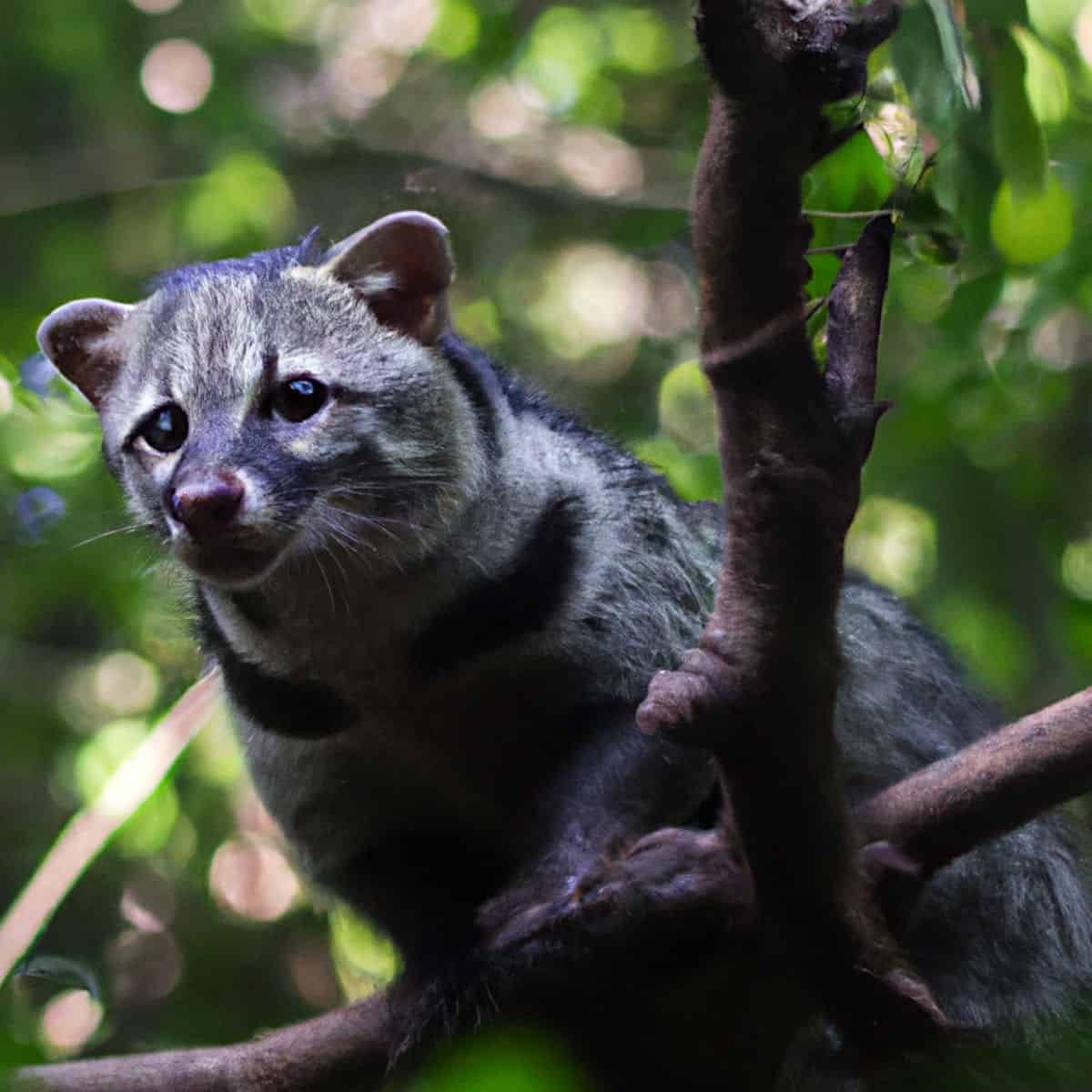
Kopi Luwak (pronounced "koh-pee loo-wahck") translates to "civet coffee" in Indonesian. It's produced when the Asian Palm Civet (Paradoxurus hermaphroditus), a small nocturnal mammal related to mongooses, eats coffee cherries and passes the beans undigested. The fermentation process that occurs in the civet's digestive tract is said to reduce bitterness while enhancing the coffee's aroma and flavor profile.
The Asian Palm Civet
The Asian Palm Civet is a small, arboreal mammal about the size of a house cat, with distinctive spotted fur and a long tail. Native to South and Southeast Asia, these nocturnal creatures are omnivores that feed on fruits, small animals, and insects. In their natural habitat, they play an important role in seed dispersal for various fruit species, including coffee plants.
In the wild, civets are solitary animals that roam freely through coffee plantations, instinctively selecting only the ripest, most perfect coffee cherries to eat. This natural selectivity is what originally gave Kopi Luwak its reputation for quality - only the best beans were chosen.
Historical Origins
Kopi Luwak's origins date back to the Dutch colonial period in the 1800s, when native farmers and plantation workers were forbidden from consuming coffee beans harvested for export. Desperate for coffee, they discovered that beans collected from civet droppings could be cleaned, roasted, and brewed into a remarkably smooth beverage. The unique flavor profile eventually caught the attention of Dutch plantation owners, and Kopi Luwak became a luxury commodity.
Why So Expensive?
The extreme price of genuine Kopi Luwak comes from its rarity and labor-intensive production process. Wild civets produce very limited quantities of beans, and finding and collecting them requires considerable effort. A single civet might produce only 500 grams of processed coffee beans annually. This scarcity, combined with growing global demand and the coffee's unique story, has created premium pricing that few other agricultural products can match.
The Production Process Explained
Understanding how Kopi Luwak is produced is essential for appreciating both its uniqueness and the ethical concerns surrounding modern production methods. The process differs significantly between wild-sourced and farmed production.
Natural Wild Process
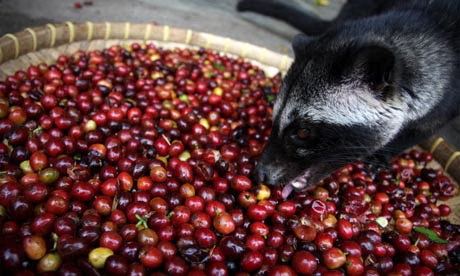
In their natural habitat, Asian Palm Civets roam freely through coffee plantations at night. Their keen sense of smell leads them to the ripest, sweetest coffee cherries on the trees. They eat the fruit, but the hard coffee bean passes through their digestive system largely intact.
During the 24-36 hour digestion process, enzymes in the civet's stomach break down some of the coffee's proteins and reduce caffeine content. This enzymatic fermentation is what gives Kopi Luwak its distinctive smooth flavor profile. The civet excretes the beans in their droppings, still encased in the fruit's outer layers.
Farmers then collect these droppings, carefully clean the beans, and remove any remaining fruit pulp. The beans undergo thorough washing and drying before being roasted at high temperatures to eliminate any bacteria. The result is a coffee bean that has undergone a unique natural fermentation process.
Captive Farming Methods
As demand for Kopi Luwak skyrocketed, producers began keeping civets in captivity to increase production. In these operations, civets are typically confined to small cages and force-fed coffee cherries. This industrial approach has raised serious animal welfare concerns and produces coffee that many experts consider inferior to wild-sourced Kopi Luwak.
Caged civets suffer from stress, poor nutrition, and lack of exercise. Their selective eating behavior is bypassed entirely when they're force-fed whatever cherries are available, regardless of ripeness or quality. This eliminates the natural selection process that was originally key to Kopi Luwak's quality.
Quality Differences
Coffee experts consistently note that genuine wild-sourced Kopi Luwak tastes significantly better than farmed versions. Wild beans benefit from the civet's natural cherry selection and the animal's healthy diet and stress-free life. Farmed Kopi Luwak often lacks complexity and depth, with some samples described as tasting no better than regular commercial coffee.
Unfortunately, farmed production now dominates the market, making it challenging for consumers to find genuinely ethically-produced Kopi Luwak. This reality makes responsible tourism and careful plantation selection crucial when seeking an authentic experience in Bali.
Ethical Concerns & Responsible Tourism
The rise of Kopi Luwak's popularity has led to serious animal welfare concerns that responsible travelers must understand. The difference between ethical and unethical production can mean the difference between supporting sustainable agriculture and contributing to animal cruelty.
Animal Welfare Issues
Investigations by animal welfare organizations have revealed disturbing conditions at many Kopi Luwak farms. Civets are often kept in tiny, barren cages barely larger than their bodies, with no room to move or engage in natural behaviors. The stress of confinement causes serious health issues including pacing, self-mutilation, and weakened immune systems.
Many farmed civets are fed exclusively coffee cherries, an inadequate diet that leads to malnutrition. In the wild, civets eat a varied diet including fruits, insects, and small animals. The caffeine from coffee cherries also increases their anxiety and sleep deprivation, creating a cycle of suffering.
Identifying Ethical Plantations
Responsible travelers should look for specific signs when choosing where to experience Kopi Luwak:
- Free-roaming Civets: Ethical plantations allow civets to roam freely and return to the wild at night. Look for large enclosures or no enclosures at all.
- Varied Diet: Civets should have access to diverse foods beyond coffee cherries, including fruits, eggs, and insects.
- Healthy Animals: Look for civets with healthy fur, bright eyes, and normal behavior. Avoid facilities with lethargic or visibly distressed animals.
- Transparent Sourcing: Ethical operations openly explain their sourcing methods and welcome questions about animal treatment.
- Wild-Sourced Labels: Some plantations market "wild-sourced" Kopi Luwak collected from free-roaming civets.
Questions to Ask Before Booking
Before visiting any coffee plantation, ask these important questions:
- Are the civets kept in cages or allowed to roam freely?
- What do the civets eat besides coffee cherries?
- How are the beans collected - from caged animals or wild droppings?
- Can I see where and how the civets live?
- Is the coffee certified as wild-sourced or ethically produced?
Supporting Sustainable Farms
The most ethical choice is to support plantations that either collect wild beans or maintain free-roaming civet populations in sanctuary-like conditions. Some forward-thinking Balinese farmers are developing sustainable models where civets live naturally on plantation land, choosing their own diet while contributing beans as a byproduct of their presence.
If you have serious concerns about animal welfare, consider skipping the Kopi Luwak experience entirely and instead enjoy Bali's excellent regular coffee varieties. Many plantations offer comprehensive tastings of traditional Balinese coffees and teas that don't involve civets at all.
Best Coffee Plantations to Visit in Bali
Bali's coffee plantations, particularly around Ubud and Tegalalang, offer visitors the chance to learn about coffee production while enjoying scenic settings. Here are some of the most popular and noteworthy options:
Bali Pulina (Tegalalang)
Perhaps Bali's most famous coffee plantation, Bali Pulina offers a comprehensive coffee experience with stunning views over the Tegalalang rice terraces. The plantation features free tastings of various local coffees and teas, with Kopi Luwak available for an additional charge.
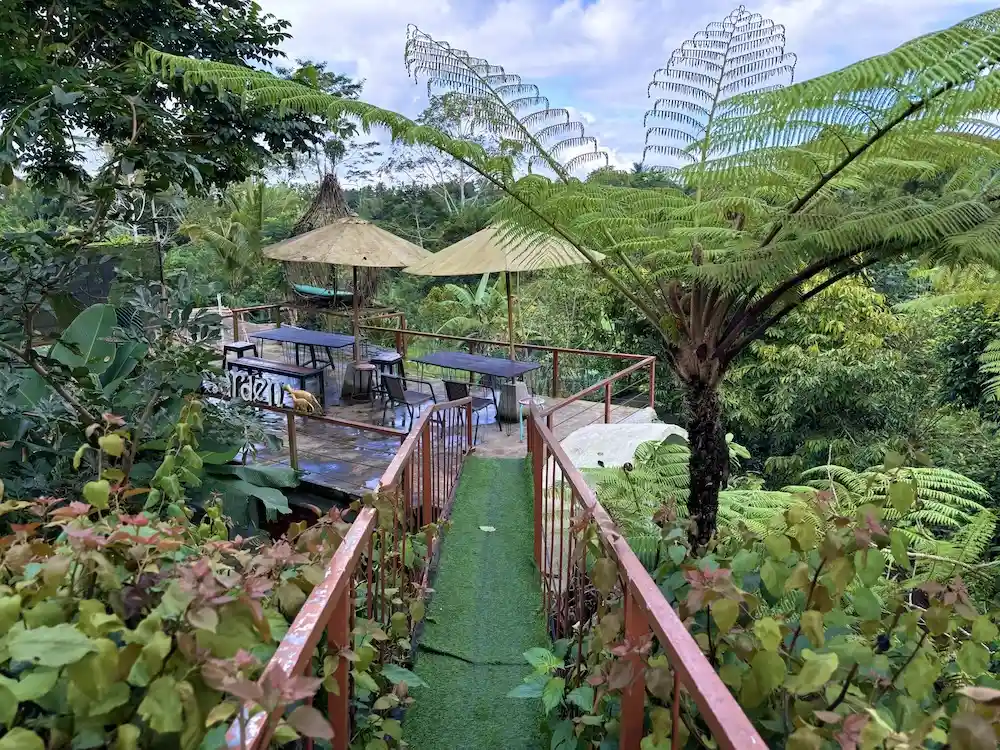
The tour includes explanations of traditional coffee processing methods, from harvesting to roasting. What sets Bali Pulina apart is its beautiful setting - open-air pavilions perch on the hillside, providing panoramic views while you sip your coffee. The plantation also features an Instagram-famous giant swing. While the civets here are kept on-site, the facility is generally cleaner and more professional than many smaller operations, though ethical concerns remain.
Satria Coffee Plantation
Located in the Tegalalang area, Satria Coffee Plantation is popular for its free coffee and tea tastings and informative tours. The plantation grows various coffee varieties and explains traditional Balinese coffee processing methods.
Satria is known for its friendly guides who patiently explain each step of coffee production, from growing and harvesting to processing and roasting. The tasting menu typically includes Bali coffee, ginseng coffee, vanilla coffee, chocolate coffee, and various teas. Kopi Luwak is available for purchase and tasting. The plantation is less crowded than Bali Pulina and offers a more intimate experience.
Alas Harum
Alas Harum has gained popularity for its Instagram-worthy spots, including several famous swings, a glass-floor deck, and various photo installations set against rice terrace views. The coffee plantation aspect offers free tastings of local coffees and teas.
While commercialized and geared toward tourists, Alas Harum provides good explanations of coffee production. The facility is well-maintained and the views are spectacular. It's a good choice if you want to combine coffee tasting with dramatic photo opportunities. Expect larger crowds and a more touristy atmosphere compared to smaller, more authentic plantations.
Holy Crane Estate
For those seeking a more ethical experience, Holy Crane Estate emphasizes organic practices and claims to source from free-roaming civets. The plantation focuses on sustainable agriculture and traditional processing methods.
What makes Holy Crane stand out is its commitment to animal welfare and organic farming. The tour emphasizes education about sustainable coffee production and Balinese agricultural traditions. While smaller and less famous than some competitors, it offers a more authentic experience for conscientious travelers. Confirm current practices directly with them, as policies may change over time.
Tegal Sari
Tegal Sari offers an authentic, less commercialized coffee plantation experience. The tour includes walks through coffee fields, explanations of processing methods, and tastings of various local coffees.
This plantation is known for its reasonable prices and lack of aggressive sales tactics. The guides are knowledgeable and genuinely passionate about coffee farming. It's a good choice if you want to learn about coffee production without feeling pressured to buy expensive packages. The setting is peaceful and less crowded than more touristy plantations.
Uma Pakel Agro Tourism
Uma Pakel offers a quieter, less crowded alternative to the major tourist plantations. The agro-tourism site combines coffee plantations with other crops, providing insight into traditional Balinese farming systems.
The experience here feels more authentic and less commercialized. Free tastings include various coffees and teas, with Kopi Luwak available at additional cost. The plantation emphasizes traditional and organic farming methods. It's an excellent choice if you prefer a peaceful, educational experience over tourist attractions.
Tasting Experience & Price Guide
Visiting a Balinese coffee plantation is a multisensory experience that goes beyond just drinking coffee. Understanding what to expect and how much to pay helps you get the most value from your visit.
What to Expect During Coffee Tasting
Most plantation visits begin with a tour explaining coffee cultivation, harvesting, and processing. You'll see coffee trees at various stages, drying beans, and traditional processing equipment. Many plantations also grow spices like vanilla, cocoa, and various fruits, which they'll showcase during the tour.
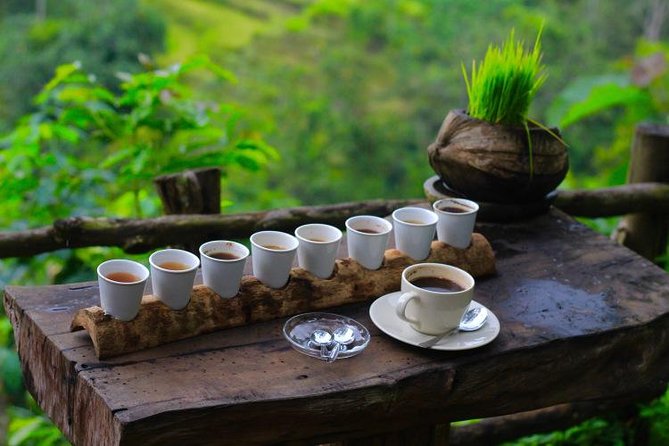
The tasting experience typically takes place in an open-air pavilion with scenic views. You'll be presented with a flight of small cups containing different coffee and tea varieties. A guide will explain each beverage, its ingredients, and preparation method. Take your time savoring each variety and noting the distinct flavors.
Coffee Tasting Menu
A typical tasting flight includes:
- Bali Coffee: Classic local roast, medium body with earthy notes
- Ginseng Coffee: Blended with ginseng for purported health benefits
- Vanilla Coffee: Naturally sweet with aromatic vanilla notes
- Chocolate Coffee: Mixed with cocoa for dessert-like sweetness
- Mangosteen Coffee: Fruity, tangy notes from mangosteen
- Coconut Coffee: Creamy texture with subtle coconut flavor
- Lemon Tea: Refreshing, non-caffeinated option
- Ginger Tea: Warming, traditional Indonesian remedy
Kopi Luwak Tasting
Kopi Luwak is almost never included in free tastings due to its cost. Instead, you'll typically pay extra for a small cup of Kopi Luwak, ranging from 50,000-150,000 IDR ($3-10) depending on the plantation and serving size.
The Kopi Luwak is served in a small cup, often with a piece of local cake or sweet snack. Savor it slowly and note the smooth, low-acid profile. While opinions vary on whether the taste justifies the price, trying it is a unique experience that most visitors to Bali want to have at least once.
Buying Coffee to Take Home
Most plantations sell packaged coffee beans and ground coffee. Prices vary significantly:
- Regular Balinese Coffee: 50,000-100,000 IDR ($3-7) per 200g package
- Flavored Coffees: 75,000-150,000 IDR ($5-10) per 200g package
- Kopi Luwak: 500,000-2,000,000+ IDR ($35-140) per 100g depending on claimed authenticity
Spotting Fake Kopi Luwak
Unfortunately, fake Kopi Luwak is common in Bali. Red flags include:
- Suspiciously low prices (genuine Kopi Luwak cannot be cheap)
- Lack of transparency about sourcing
- Coffee that tastes identical to regular coffee
- Packaging that doesn't specify origin or production method
For more on Bali travel planning, check out our comprehensive Bali travel guide and best time to visit Bali guide.
Other Balinese Coffees to Try
Beyond Kopi Luwak, Bali produces several excellent coffee varieties worth exploring during plantation visits:
Bali Coffee
The classic Balinese coffee is typically made from Robusta beans grown in the island's fertile volcanic soil. It has a full body, medium acidity, and earthy, chocolatey notes. Bali coffee is excellent with sweetened condensed milk as in traditional kopi susu, or enjoyed black to appreciate its robust character.
Ginseng Coffee
Popular throughout Indonesia, ginseng coffee combines local coffee with ginseng extract for added health benefits. It's believed to boost energy and mental clarity. The flavor is slightly medicinal but balanced by the coffee's natural bitterness. Many locals drink it daily as a health tonic.
Vanilla Coffee
Bali produces excellent vanilla, and vanilla coffee is a popular flavored variety. The natural sweetness of vanilla complements coffee's bitterness without needing added sugar. It's a perfect after-dinner coffee that feels like a dessert.
Mangosteen Coffee
A unique Balinese specialty, mangosteen coffee incorporates the exotic tropical fruit for subtle fruity notes. Mangosteen is known for its health benefits, and this coffee is marketed as both delicious and nutritious. The flavor profile is complex with sweet-tart undertones.
Coconut Coffee
Made with coconut milk or coconut cream, this coffee has a rich, creamy texture and subtle tropical sweetness. It's naturally sweeter than regular coffee and doesn't necessarily need added sugar. Coconut coffee is particularly good iced for a refreshing hot-weather treat.
Chocolate Coffee
Bali grows excellent cocoa, and chocolate coffee combines the two for a mocha-like experience without added sugar. It's rich, satisfying, and perfect for those who find regular coffee too bitter. Chocolate coffee is essentially dessert in a cup.
Lemon Tea & Ginger Tea
Most plantation tastings include non-coffee options. Balinese lemon tea is refreshingly tart and perfect for hot weather. Ginger tea is warming and traditional, often drunk as a remedy for colds or digestion issues. Both are excellent alternatives if you're avoiding caffeine.
Tips for a Coffee Plantation Tour
Make the most of your Bali coffee plantation experience with these practical tips:
Best Time to Visit
Morning visits (9-11 AM) are ideal as the air is cool and fresh, coffee tastes better, and you'll avoid the midday crowds and heat. Weekdays are generally less crowded than weekends. The harvest season (typically April-October) offers the chance to see coffee processing in action.
What to Wear
Wear comfortable walking shoes as you'll likely walk through plantation paths on uneven terrain. Bring a light jacket or sweater - plantations are in higher elevations where it's cooler than the coast. During rainy season (November-March), bring an umbrella or rain jacket.
Cash and Purchases
Bring enough cash in Indonesian Rupiah. While some plantations accept cards, cash is preferred and often gets better deals. Don't feel pressured to buy Kopi Luwak - the regular Balinese coffees make excellent gifts at much better prices.
Negotiating Prices
Prices for regular coffee are usually fixed, but you can sometimes negotiate discounts when buying multiple packages. Bargaining is less appropriate at small, ethical plantations but more acceptable at commercial tourist spots. Be respectful and don't aggressively bargain over small amounts.
Combine with Other Attractions
Coffee plantations in Tegalalang are perfectly positioned to combine with visits to the famous rice terraces, waterfalls, or temples. Plan a half-day itinerary that includes multiple nearby attractions to maximize your time. Many tour operators offer combination packages.
Don't Feel Pressured
Sales tactics can be aggressive at some plantations. Remember that you're under no obligation to buy Kopi Luwak or anything else. Enjoy the free tasting, learn about coffee production, and purchase only what you genuinely want. If the pressure becomes uncomfortable, it's acceptable to politely decline and leave.
Kopi Luwak represents one of the most unique coffee experiences in the world, and Bali offers the perfect setting to learn about this fascinating beverage. By choosing ethical plantations, asking the right questions, and being a conscious consumer, you can enjoy this experience while supporting sustainable and humane practices. Whether you're a serious coffee enthusiast or simply curious about the world's most expensive coffee, a visit to a Balinese coffee plantation is sure to be memorable.
Location
Frequently Asked Questions
Q1.Where can I try Kopi Luwak in Bali?
Q2.How much does Kopi Luwak cost in Bali?
Q3.Which coffee plantation is best in Ubud?
Q4.Is Kopi Luwak coffee ethical?
Q5.How can I tell if Kopi Luwak is genuine?
Q6.Why is Kopi Luwak so expensive?
Q7.What does Kopi Luwak taste like?
Q8.Are coffee plantation tours free?
Recommended For You
Best Time to Visit Bali: Season Guide and Travel Tips
Plan the best time to visit Bali with weather-wise strategy, route planning, and practical tips for smoother island travel.
How to Reach Bali From Delhi: Flights, Visa and Tips
Complete Delhi to Bali travel guide with route comparison, flight duration, fare strategy, visa basics, and airport transfer planning tips.
Wanagiri Hills Bali: Swing Ticket Fees, Timings & Photo Spots
Complete Wanagiri Hills Bali guide with swing costs, entrance fee structure, timings, route planning, photo tips, and nearby North Bali attractions.
Never Miss an Adventure
Get the latest trekking guides, travel tips, and exclusive offers delivered straight to your inbox.
